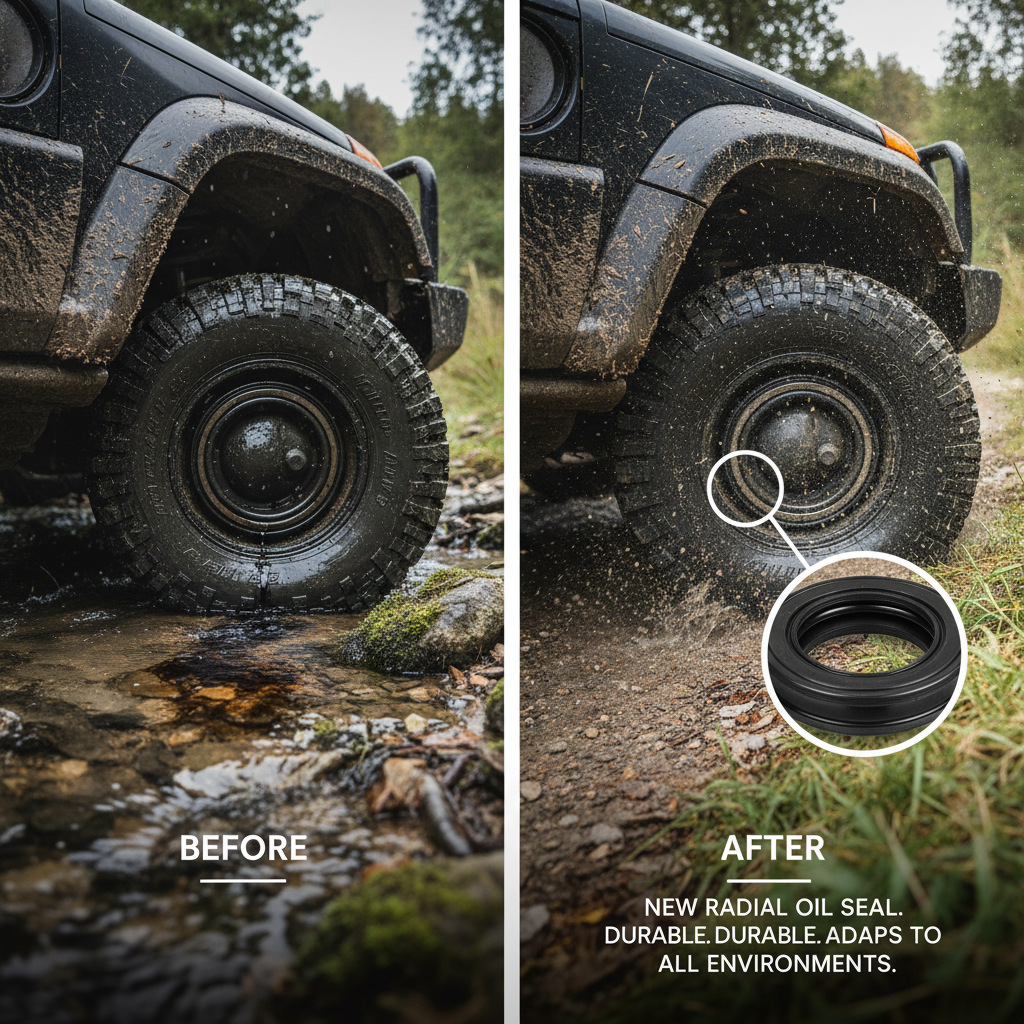
Honestly, these days everyone's talking about miniaturization and integration. Seems like everything needs to be smaller, more efficient, packed with features. But let me tell you, spending 365 days a year on construction sites, you quickly realize some things just…need to be robust. It’s not always about squeezing in another sensor. People are looking at oil seals for sale differently now – it's not just about keeping oil in, it's about keeping everything else out. Dust, grime, you name it. And the demand? Well, it’s up, especially with the growth in automation. More machines, more moving parts, more seals needed.
I've seen too many designs fall apart because someone was trying to be too clever. You think you've saved a few cents on material, streamlined the design... then boom, failure. The biggest trap? Underestimating the environment. Think about a remote mining operation in the Australian outback – sun, dust, extreme temperatures. A seal that works fine in a clean lab just won’t cut it. Have you noticed how everyone wants to use these new, exotic materials? Don’t get me wrong, they have their place, but sometimes the old standards are the best for a reason.
We’re using a lot of Viton lately, fluorocarbon rubber. It smells…distinctive, a bit like burning plastic, but it handles the heat and chemicals like a champ. Then there’s nitrile – a workhorse, good all-rounder. And surprisingly, some of the older, cheaper rubber compounds still find a niche where extreme flexibility is needed. I encountered this at a factory in Zhejiang last time, the guy was using a really basic butyl rubber for some low-pressure applications. Said it was the only thing that wouldn't crack under constant flexing. It's all about knowing your materials and where they excel.
Introduction: The Changing Landscape of oil seals for sale
Strangely enough, the biggest shift I’ve seen isn’t necessarily new materials, it’s the demand for seals in unconventional places. Used to be, you just needed seals for engines, hydraulics, and transmissions. Now it’s everything – robots, drones, specialized sensors. The sheer variety is astounding. And because of this, demand for specialized oil seals for sale is up.
The push for efficiency is relentless. Everyone wants longer service life, reduced downtime, lower maintenance costs. And seals play a huge role in all of that. People are paying more attention to seemingly small details – the right durometer, the right surface finish, the right installation procedure. It’s all connected.
Design Pitfalls & Material Choices in oil seals for sale
The biggest mistake I see engineers make? Trying to overcomplicate things. They'll design a seal with a dozen intricate features, thinking it'll improve performance. Nine times out of ten, a simpler design, made from a well-chosen material, will outperform it. And the testing? Oh, don’t even get me started. They’ll run a seal through a standardized test cycle in a lab and declare it "good to go." But that doesn’t tell you how it’ll hold up in the real world.
You've got to put these things through the wringer. I once saw a seal fail spectacularly after just a week in a paper mill, covered in pulp and chemicals. The lab tests hadn’t accounted for the abrasive nature of the material. That's why we do our own field testing whenever possible – putting seals in actual machines, under actual operating conditions.
Another thing: everyone loves silicone. It's flexible, resistant to temperature extremes... but it’s a magnet for dirt. If you're in a dusty environment, silicone is probably the wrong choice. You need something that can resist abrasion and prevent ingress.
Real-World Testing & Application of oil seals for sale
The best testing? It's brutal. We've got a rig that simulates the continuous cycling of a hydraulic ram, pushing and pulling a seal for weeks on end. Then we dismantle it, inspect the wear patterns, and see where it started to fail. We also do immersion testing in various fluids – oil, coolant, brake fluid, even saltwater.
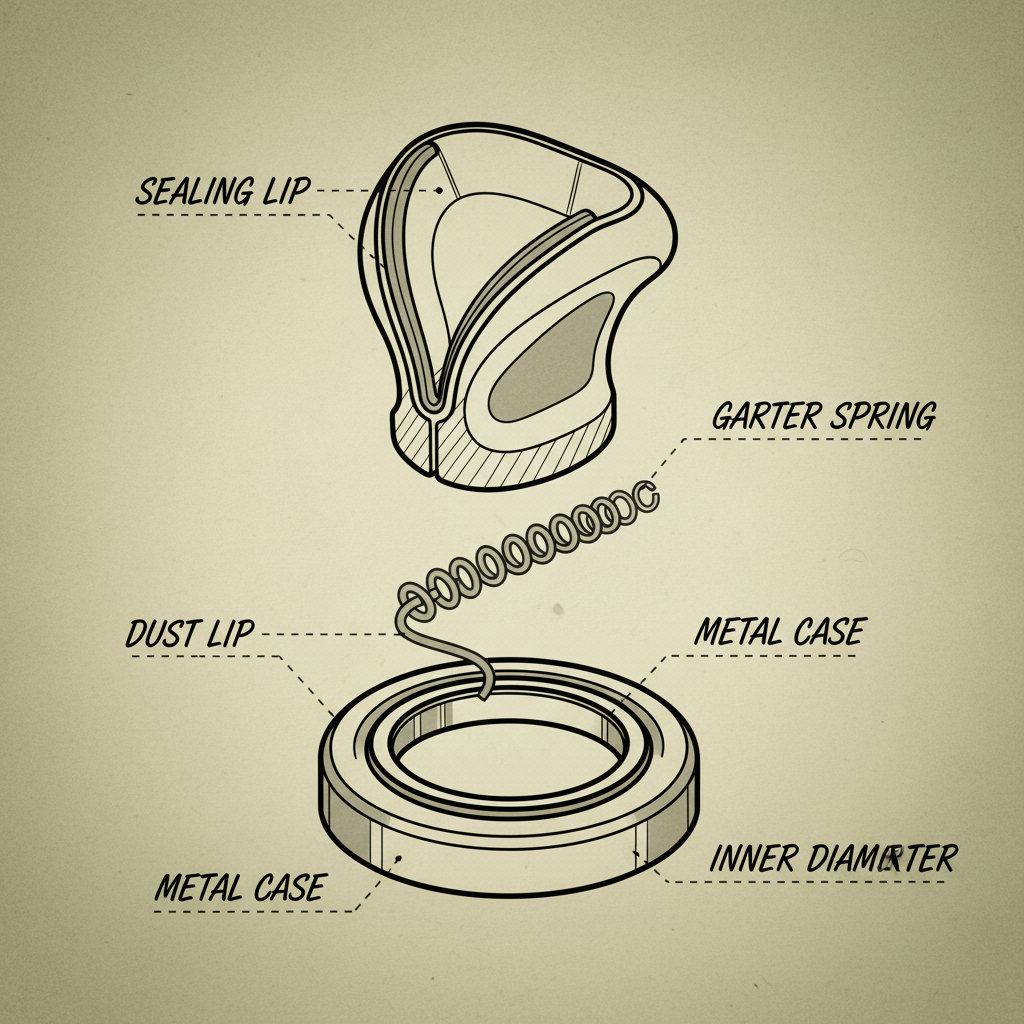
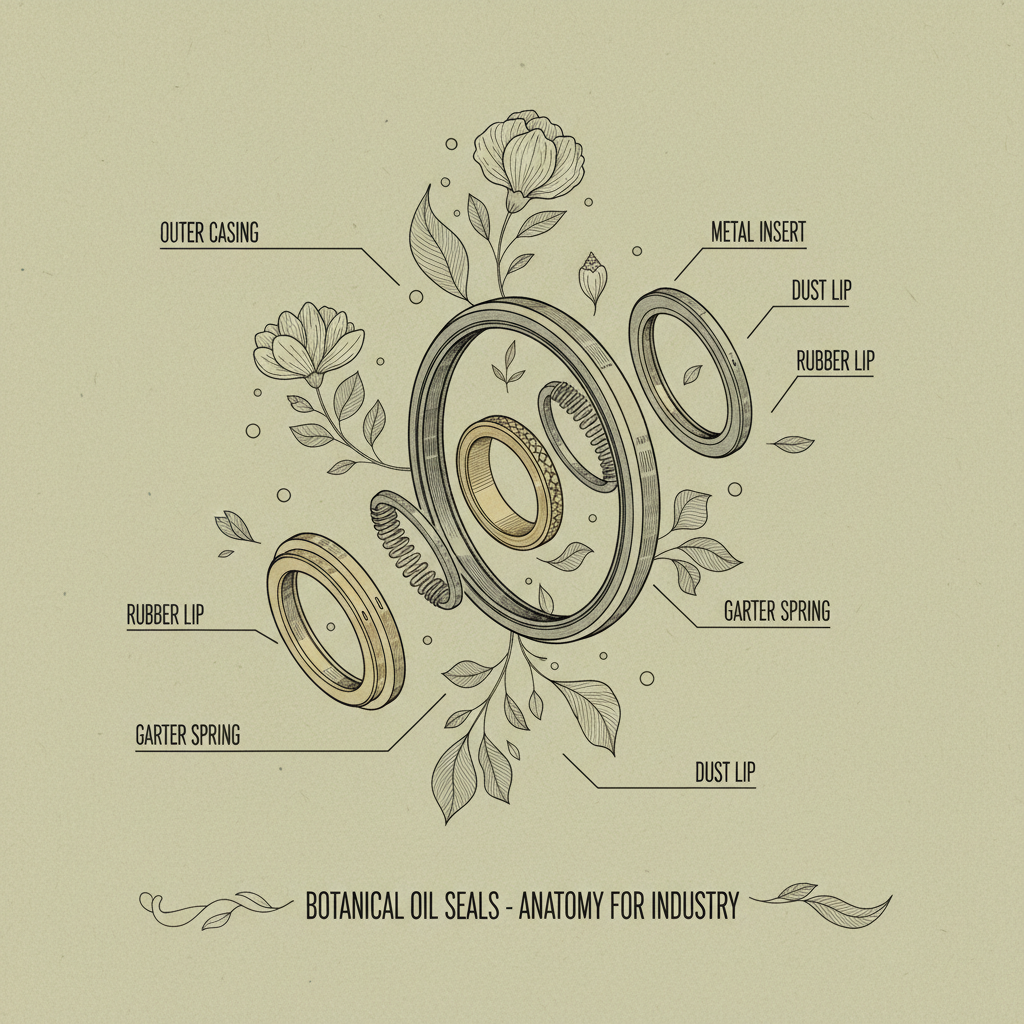
Users often misuse seals, too. I saw a technician try to install a seal with a hammer! A hammer! The things people do… They don't understand the importance of proper lubrication during installation. It can make or break the seal's performance. Another common mistake is over-tightening or under-tightening the seal. There’s a sweet spot, and it takes experience to find it.
The applications are all over the map. From tiny seals in medical devices to massive seals in offshore oil rigs. Each application has its own unique challenges and requirements. That's where customization comes in.
Advantages, Disadvantages, and Customization of oil seals for sale
The main advantage of a good seal, obviously, is preventing leaks. But it’s more than that. A good seal reduces friction, improves efficiency, and extends the life of the equipment. The disadvantage? Well, even the best seals eventually wear out. And sometimes, the seal itself can be the point of failure.
Customization is huge. Last month, that small boss in Shenzhen who makes smart home devices insisted on changing the interface to , and the result was we needed to redesign the seal to fit the new housing dimensions and material. He wanted a more aesthetically pleasing look, even though it added cost and complexity. Anyway, I think it was worth it in the end.
Comparative Performance of oil seals for sale Materials
Key Performance Indicators for oil seals for sale
We usually look at a few key metrics: Leakage rate (obviously), abrasion resistance, tensile strength, and elongation at break. But honestly, the most important thing is how it feels when you handle it. Does it feel robust? Does it have a good surface finish? Does it seem like it's going to last?
Global Applications and Industry Trends in oil seals for sale
You're seeing a big push for seals in renewable energy – wind turbines, hydroelectric dams, solar tracking systems. These applications demand seals that can withstand harsh environmental conditions and operate reliably for extended periods. Automotive is still huge, of course, but the focus is shifting towards electric vehicles, which have their own unique sealing requirements.
The trends? Definitely miniaturization and increased performance. Everyone wants seals that are smaller, lighter, and more efficient. And they want them to last longer.
Future Innovations and Challenges in oil seals for sale
I think we’re going to see more smart seals in the future – seals with integrated sensors that can monitor their own condition and predict when they need to be replaced. That would be a game-changer for preventative maintenance. But there are challenges, too. The cost of these advanced materials and technologies is still high. And there’s a lot of resistance to change. People are comfortable with what they know.
Developing biodegradable or recyclable seals is another big challenge. Sustainability is becoming increasingly important. But finding materials that can meet the performance requirements and are also environmentally friendly is tough.
The biggest thing? Finding skilled labor. It’s getting harder and harder to find people who understand the intricacies of sealing technology.
Summary of Key Challenges and Opportunities in oil seals for sale Development
| Challenge |
Impact on oil seals for sale |
Potential Solution |
Implementation Difficulty (1-10) |
| High Material Costs |
Limits adoption of advanced materials. |
Explore alternative, cost-effective materials. |
7 |
| Environmental Concerns |
Demand for sustainable seal options. |
Develop biodegradable or recyclable seals. |
8 |
| Skilled Labor Shortage |
Difficulty maintaining quality control and expertise. |
Invest in training and development programs. |
9 |
| Miniaturization Challenges |
Maintaining performance in smaller seal designs. |
Advanced manufacturing techniques and material selection. |
6 |
| Increasing Performance Demands |
Need for seals that can withstand extreme conditions. |
Research and development of new materials and designs. |
7 |
| Integration with Smart Systems |
Developing seals with integrated sensors and monitoring capabilities. |
Collaboration between seal manufacturers and sensor technology providers. |
5 |
FAQS
Honestly? They rely too much on the temperature rating alone. You’ve gotta consider the fluid compatibility, the pressure, the speed…it’s a system. A lot of times, folks think Viton is the answer to everything, but it can get brittle if it’s exposed to certain chemicals for extended periods at those temperatures. Proper material selection and testing are critical, and don’t skimp on lubrication. It all works together.
Massively important. A rough surface will tear the seal right up. You want a smooth, polished surface. We’ve seen seals fail within hours because of a scratched shaft. And don’t use abrasive cleaners! You need to be gentle. Proper installation is half the battle, trust me. I've seen guys use sandpaper on a shaft... unbelievable.
Generally, no. Just…no. Even if it looks okay, it’s probably compromised. The lip might be damaged, the material might be degraded. It’s not worth the risk. Seals are relatively inexpensive. Replacing it is far cheaper than dealing with a leak and potential equipment failure. I’ve learned that the hard way more than once.
Keep them in a cool, dry place, away from direct sunlight and ozone. And don't hang them up! They can lose their shape. Also, avoid storing them near solvents or chemicals that could damage the rubber. Ideally, keep them in their original packaging until you’re ready to use them. Simple stuff, but it makes a difference.
There’s a lot of research going into graphene-enhanced rubber compounds. They promise improved wear resistance and lower friction. Also, some companies are experimenting with self-healing polymers. It’s still early days, but the potential is there. But honestly? Good old nitrile and Viton still hold their own. They’re proven performers.
Double-check your measurements! And don’t just rely on the old seal as a reference – it might have been the wrong size to begin with. Use a caliper to accurately measure the shaft diameter and the housing bore. Then, consult the manufacturer’s specifications to ensure you’re selecting the correct seal. It’s a pain, but it’s worth it to avoid leaks and premature failure.
Conclusion
So, where does that leave us? Oil seals for sale are a deceptively complex component. It’s not just about slapping a rubber ring around a shaft. It’s about understanding the application, choosing the right materials, ensuring proper installation, and ongoing maintenance. It’s about attention to detail and a willingness to learn from experience.
Ultimately, whether this thing works or not, the worker will know the moment he tightens the screw. You can have the fanciest design, the most advanced materials, but if it doesn’t fit right, or if it’s installed incorrectly, it’s all for nothing. The details matter. So pay attention to the details, and don't be afraid to get your hands dirty. You can find the oil seals for sale you need at oil seals for sale.

 English
  Afrikaans
  Albanian
  Amharic
  Arabic
  Armenian
  Azerbaijani
  Basque
  Belarusian
  Bengali
  Bosnian
  Bulgarian
  Catalan
  Cebuano
  Corsican
  Croatian
  Czech
Czech  Danish
  Dutch
Dutch  Esperanto
  Estonian
  Finnish
  French
  Frisian
  Galician
  Georgian
  German
  Greek
Greek  Gujarati
  Haitian Creole
  Hausa
Hausa  Hawaiian
  Hebrew
  Hindi
Hindi  Miao
Miao  Hungarian
  Icelandic
  Igbo
Igbo  Indonesian
  Irish
Irish  Italian
  Japanese
  Javanese
  Kannada
  Kazakh
  Khmer
Khmer  Rwandese
  Korean
  Kurdish
  Kyrgyz
  Lao
Lao  Latin
Latin  Latvian
  Lithuanian
  Luxembourgish
  Macedonian
  Malgashi
  Malay
Malay  Malayalam
  Maltese
  Maori
Maori  Marathi
  Mongolian
  Myanmar
  Nepali
  Norwegian
  Norwegian
  Occitan
  Pashto
  Persian
  Polish
  Portuguese
  Punjabi
  Romanian
  Russian
  Samoan
  Scottish Gaelic
  Serbian
  Sesotho
  Shona
Shona  Sindhi
  Sinhala
  Slovak
  Slovenian
  Somali
  Spanish
  Sundanese
  Swahili
  Swedish
  Tagalog
  Tajik
Tajik  Tamil
Tamil  Tatar
Tatar  Telugu
  Thai
Thai  Turkish
  Turkmen
  Ukrainian
  Urdu
Urdu  Uighur
  Uzbek
Uzbek  Vietnamese
  Welsh
Welsh  Bantu
Bantu  Yiddish
  Yoruba
  Zulu
Zulu