Oil seal makers play a crucial role in modern industry, providing essential components that prevent leakage of fluids and contaminants in a vast array of machinery. From automotive engines to hydraulic systems and aerospace applications, the reliability and performance of oil seals are paramount to operational efficiency and safety. Understanding the nuances of oil seal design, materials, and manufacturing processes is therefore vital for engineers, technicians, and procurement professionals across numerous sectors. The global market for oil seals is substantial and continues to grow, driven by increasing industrialization and demand for higher performance equipment.
The global oil seal market is projected to reach significant growth in the coming years, estimated at USD 8.5 billion by 2028, according to recent industry reports. This expansion is fueled by the automotive industry's demand for fuel efficiency and reduced emissions, which necessitates high-quality sealing solutions. Furthermore, advancements in material science, like the development of more durable and chemically resistant elastomers, are driving innovation in oil seal technology. However, challenges remain, including the need for cost-effective production methods and environmentally sustainable materials.
A robust oil seal manufacturing industry is essential to maintaining the smooth operation of countless critical systems worldwide. Choosing a reliable oil seal maker ensures quality, longevity, and overall system performance. Investing in superior sealing solutions minimizes downtime, reduces maintenance costs, and enhances the safety and reliability of industrial processes.
The Importance of Oil Seal Maker
The selection of a competent oil seal maker is critical to the longevity and efficiency of any mechanical system. These manufacturers don't merely produce parts; they engineer solutions tailored to specific application requirements, considering factors like fluid compatibility, temperature extremes, and pressure levels. Their expertise directly impacts the reliability and performance of countless industries.
A specialized oil seal maker possesses in-depth knowledge of materials science, manufacturing techniques, and quality control processes. This allows them to consistently deliver high-precision seals that meet stringent industry standards. Ultimately, partnering with a reputable oil seal maker translates to reduced downtime, lower maintenance costs, and increased overall system reliability for their customers.
Global Context and Industry Relevance
The demand for oil seals is inextricably linked to the health of global manufacturing and infrastructure. The automotive sector, a major consumer of oil seals, is undergoing a period of rapid transformation with the rise of electric vehicles (EVs). While EVs have fewer traditional engine components requiring seals, they introduce new sealing challenges related to battery thermal management systems and power electronics. This demands innovation from oil seal makers.
Furthermore, the growth of industries like aerospace, renewable energy (wind turbines, hydroelectric plants), and heavy machinery contribute to the consistent need for high-performance sealing solutions. Emerging economies, with their expanding industrial bases, are also driving demand for oil seals, particularly in regions like Asia-Pacific and South America. The ISO 9001 standard for quality management is widely adopted among leading oil seal manufacturers to ensure consistent product quality and customer satisfaction.
According to the UN's Sustainable Development Goals, minimizing waste and maximizing resource efficiency are critical priorities. This translates to a growing demand for durable, long-lasting oil seals that reduce the frequency of replacements and contribute to a more sustainable industrial ecosystem. Oil seal makers are responding by developing seals with extended service life and exploring the use of eco-friendly materials.
Defining an Oil Seal Maker
An oil seal maker is a company specializing in the design, development, and manufacturing of sealing solutions used to prevent the leakage of fluids (oil, water, grease, chemicals) and the ingress of contaminants (dust, dirt, debris) in rotating or reciprocating applications. These manufacturers work with a diverse range of materials, including elastomers (nitrile, silicone, Viton), polymers, and metals, tailoring their products to meet specific customer needs.
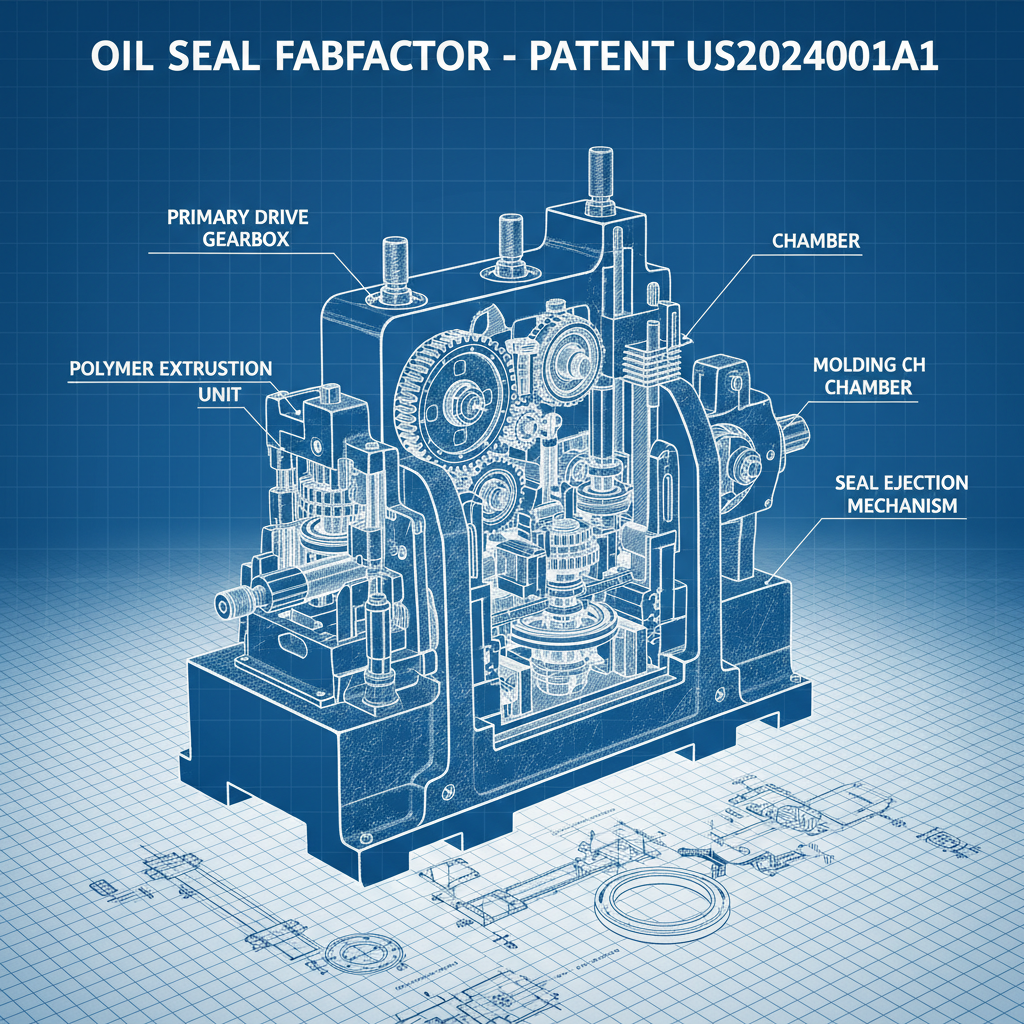
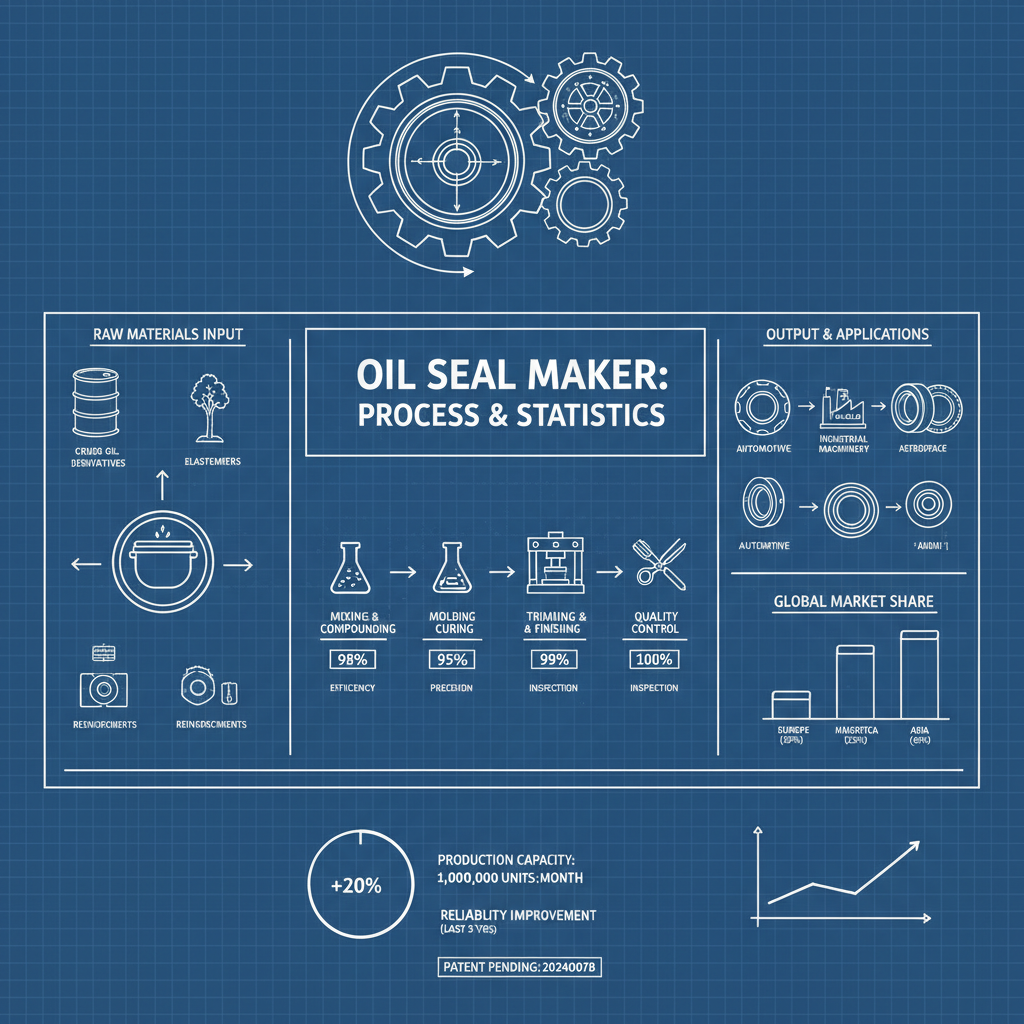
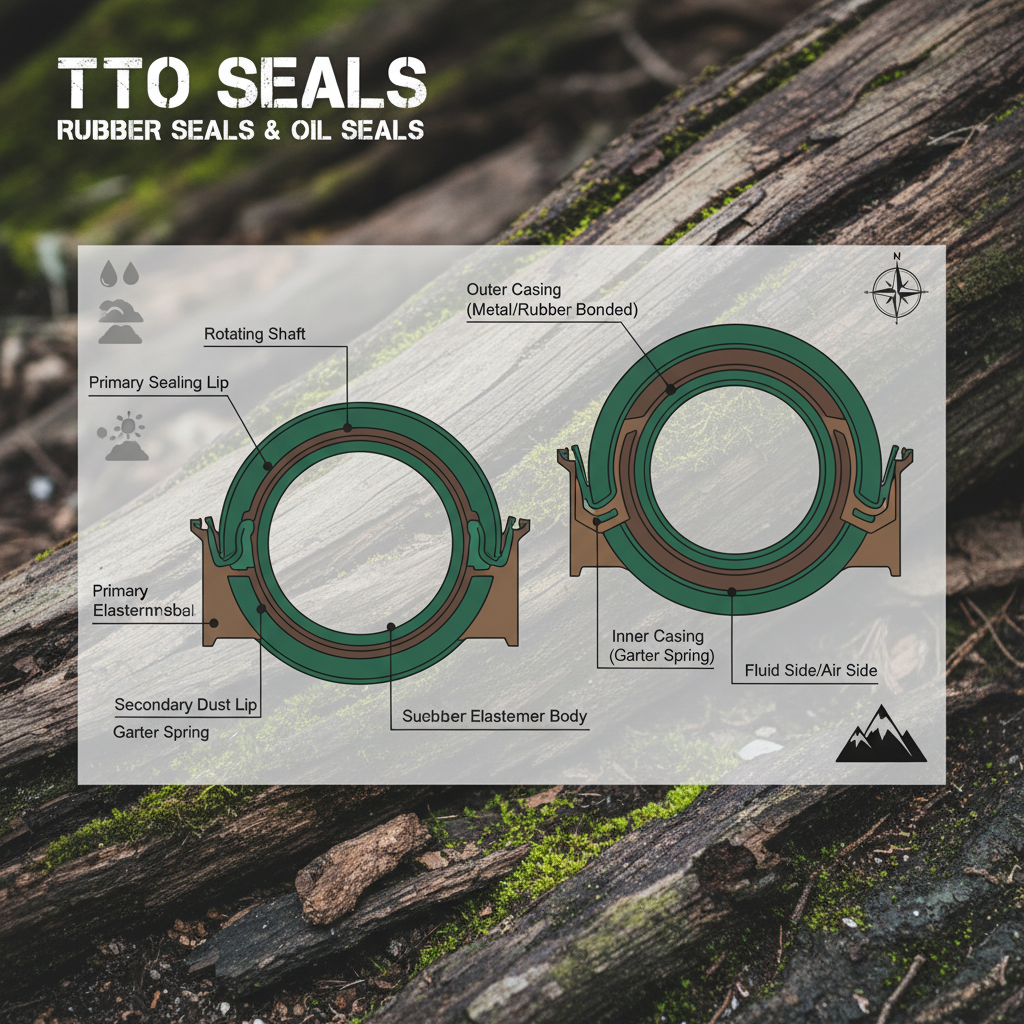
The process typically involves material selection, seal design (including lip geometry and spring configuration), precision machining or molding, and rigorous quality control testing. A reputable oil seal maker will often offer custom design services, working closely with engineers to create seals optimized for unique applications.
Their role extends beyond simply creating a barrier; they contribute to the overall efficiency, reliability, and safety of the systems in which their seals are used. The modern oil seal maker is often involved in the entire sealing solution, providing not only the seal itself but also installation tools and technical support.
Key Factors in Oil Seal Maker Capabilities
Several key factors distinguish exceptional oil seal makers. Material Expertise is paramount; the ability to select and process the right elastomer or polymer for a given application is crucial for seal performance. Precision Manufacturing is another critical element – tight tolerances and consistent quality are essential to prevent leaks and ensure long service life.
Customization Capabilities allow oil seal makers to address unique application requirements, providing tailored solutions that off-the-shelf seals cannot match. Quality Control processes, including dimensional inspection, pressure testing, and material analysis, ensure that every seal meets stringent performance standards. Engineering Support provides customers with valuable expertise in seal design, material selection, and installation.
Oil Seal Maker Capability Assessment
Applications Across Industries
Oil seals are ubiquitous across a multitude of industries. The automotive sector relies heavily on them in engines, transmissions, and axles to prevent oil leaks and maintain efficient operation. The aerospace industry utilizes specialized oil seals in aircraft engines, hydraulic systems, and landing gear, where extreme temperatures and pressures demand exceptionally reliable performance.
In the industrial sector, oil seal makers serve a diverse clientele, from manufacturers of pumps and compressors to producers of heavy machinery and construction equipment. Renewable energy systems, like wind turbines and hydroelectric generators, also depend on high-quality oil seals for reliable operation and reduced maintenance. In post-disaster relief operations, durable seals in essential equipment are critical for maintaining functionality in challenging environments.
Advantages of Partnering with a Quality Oil Seal Maker
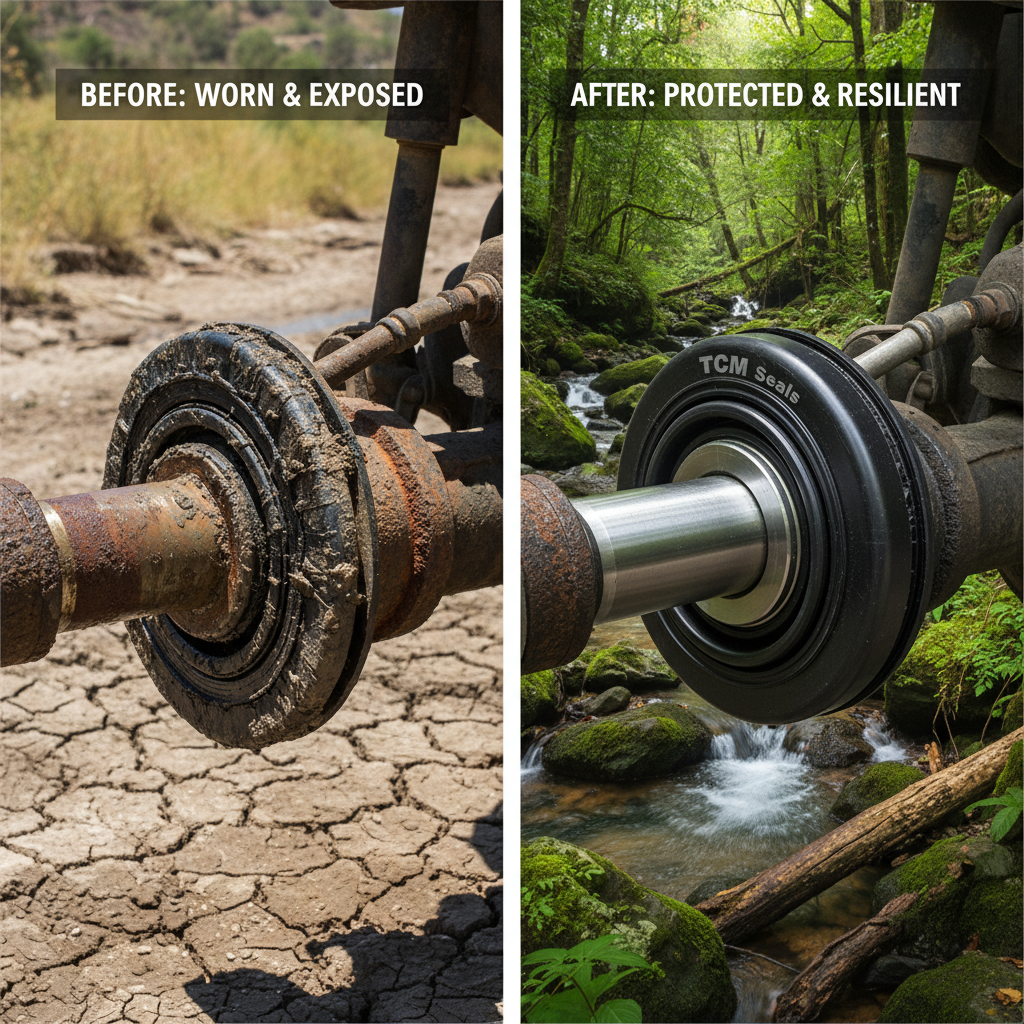
Choosing a trusted oil seal maker offers numerous benefits. Reduced downtime is a significant advantage; reliable seals minimize leaks and failures, keeping equipment operational and maximizing productivity. Lower maintenance costs are another key benefit; durable seals require less frequent replacement, saving on both parts and labor.
Improved system performance is achieved through precise sealing, which ensures optimal fluid levels and prevents contamination. Enhanced safety is paramount, as reliable seals prevent fluid leaks that could pose hazards to workers or the environment. Ultimately, a long-term partnership with a quality oil seal maker fosters innovation and ensures access to cutting-edge sealing technologies.
Future Trends and Innovations in Oil Seal Maker Technology
The future of oil seal technology is focused on sustainability, performance, and integration with emerging technologies. The development of eco-friendly materials, such as bio-based elastomers and biodegradable polymers, is gaining momentum. Advancements in sealing materials that can withstand extreme temperatures and pressures are also driving innovation.
Digitalization and automation are transforming manufacturing processes, allowing for greater precision, efficiency, and quality control. The integration of sensors and data analytics into oil seals – creating “smart seals” – is enabling predictive maintenance and real-time monitoring of seal performance. Furthermore, additive manufacturing (3D printing) is opening up new possibilities for creating complex seal geometries and customized solutions.
The move toward electric vehicles is also pushing innovation in oil seal design, with a focus on sealing solutions for battery thermal management systems and power electronics. Oil seal makers are at the forefront of these advancements, constantly striving to develop innovative solutions that meet the evolving needs of their customers.
FAQS
Oil seals are commonly manufactured from materials like Nitrile rubber (NBR) for its oil resistance, Viton (FKM) for high temperature and chemical resistance, Silicone rubber for extreme temperature variations, and PTFE for specialized applications. The specific material chosen depends heavily on the fluid being sealed, operating temperature, pressure, and desired longevity. A reputable oil seal maker will assist in selecting the optimal material for your needs.
Determining the correct oil seal involves several factors: shaft diameter, housing bore, shaft speed, operating temperature, and fluid compatibility. It’s essential to accurately measure the shaft and housing dimensions. A qualified oil seal maker can provide guidance and recommend the appropriate seal type (e.g., lip seal, rotary seal) and size based on your specific application requirements. Incorrect sizing can lead to leaks and premature failure.
The lifespan of an oil seal varies significantly based on operating conditions, material quality, and proper installation. Generally, a well-maintained oil seal can last from several months to several years. Factors like excessive temperature, abrasive contaminants, and improper lubrication can shorten its lifespan. Regular inspection and preventative maintenance are crucial for maximizing seal longevity.
Yes, many oil seal makers offer custom design services. This allows for the creation of seals tailored to unique shaft sizes, housing geometries, and operating conditions. Customization can involve modifying lip designs, spring configurations, and material compositions to optimize performance and reliability.
Common signs of a failing oil seal include visible fluid leaks, reduced equipment performance, increased fluid consumption, and unusual noises. Regularly inspect seals for cracks, wear, and deformation. Addressing seal failures promptly prevents further damage to the equipment and minimizes downtime.
Look for oil seal makers certified to ISO 9001, demonstrating their commitment to quality management systems. Other relevant certifications may include ISO/TS 16949 for automotive applications. Certifications ensure that the manufacturer adheres to industry best practices and consistently delivers high-quality products.
Conclusion
In conclusion, the role of the oil seal maker is paramount to the reliability and efficiency of countless industrial and mechanical systems. From selecting the right materials to employing precision manufacturing techniques and offering custom design solutions, these companies are critical partners in ensuring smooth operation, reducing downtime, and enhancing safety. The continuous pursuit of innovation, particularly in sustainable materials and smart sealing technologies, will shape the future of the industry.
Looking ahead, embracing advanced materials, automation, and data-driven insights will be crucial for oil seal makers to meet the evolving demands of a rapidly changing world. Investing in a long-term relationship with a reputable oil seal maker not only secures access to high-quality products but also fosters a collaborative partnership that drives continuous improvement and innovation. Visit our website: www.yjmseal.com to learn more about our capabilities.

 English
  Afrikaans
  Albanian
  Amharic
  Arabic
  Armenian
  Azerbaijani
  Basque
  Belarusian
  Bengali
  Bosnian
  Bulgarian
  Catalan
  Cebuano
  Corsican
  Croatian
  Czech
Czech  Danish
  Dutch
Dutch  Esperanto
  Estonian
  Finnish
  French
  Frisian
  Galician
  Georgian
  German
  Greek
Greek  Gujarati
  Haitian Creole
  Hausa
Hausa  Hawaiian
  Hebrew
  Hindi
Hindi  Miao
Miao  Hungarian
  Icelandic
  Igbo
Igbo  Indonesian
  Irish
Irish  Italian
  Japanese
  Javanese
  Kannada
  Kazakh
  Khmer
Khmer  Rwandese
  Korean
  Kurdish
  Kyrgyz
  Lao
Lao  Latin
Latin  Latvian
  Lithuanian
  Luxembourgish
  Macedonian
  Malgashi
  Malay
Malay  Malayalam
  Maltese
  Maori
Maori  Marathi
  Mongolian
  Myanmar
  Nepali
  Norwegian
  Norwegian
  Occitan
  Pashto
  Persian
  Polish
  Portuguese
  Punjabi
  Romanian
  Russian
  Samoan
  Scottish Gaelic
  Serbian
  Sesotho
  Shona
Shona  Sindhi
  Sinhala
  Slovak
  Slovenian
  Somali
  Spanish
  Sundanese
  Swahili
  Swedish
  Tagalog
  Tajik
Tajik  Tamil
Tamil  Tatar
Tatar  Telugu
  Thai
Thai  Turkish
  Turkmen
  Ukrainian
  Urdu
Urdu  Uighur
  Uzbek
Uzbek  Vietnamese
  Welsh
Welsh  Bantu
Bantu  Yiddish
  Yoruba
  Zulu
Zulu