Guide to Choosing the Right Washer for Oil Change and Sealing
The Ultimate Guide to Choosing the Right Washer for Oil Change
Performing a routine oil change is one of the most critical maintenance tasks for any vehicle owner or fleet manager. While most people focus on the oil grade or the filter, the humble washer for oil change is the unsung hero that prevents costly leaks and engine damage. A faulty or reused washer can lead to slow drips that lower oil pressure or, in worst-case scenarios, a complete failure of the drain plug. In this guide, we will explore the different types of crush washers, why they are essential, and how to select the perfect seal for your specific engine requirements to ensure maximum longevity and performance.
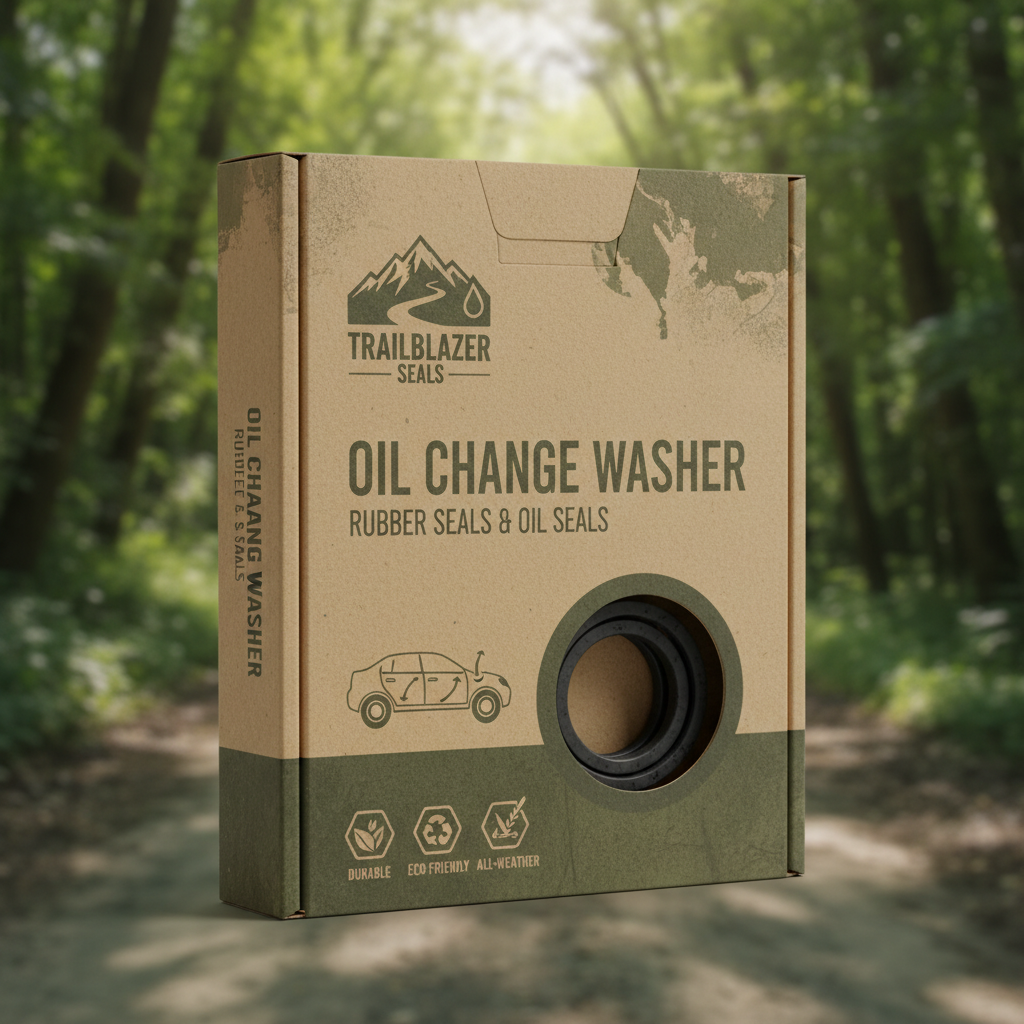
Why You Must Replace Your Washer for Oil Change Every Time
Many DIY mechanics make the mistake of reusing the old drain plug washer, assuming that if it looks "fine," it will still work. However, most high-quality seals are designed as crush washers. As the bolt is tightened, the washer physically deforms to fill the microscopic gaps between the bolt head and the oil pan. This creates a hermetic seal that withstands high temperatures and vibrations. Once compressed, the metal loses its elasticity; attempting to reuse it means the seal will likely fail, leading to oil seepage. Utilizing a fresh washer for oil change ensures that the plug remains leak-proof under the extreme pressure of a running engine.
Pro Tip: Over-tightening a reused washer can actually strip the threads of your oil pan, leading to a repair bill that costs hundreds of times more than a simple replacement seal.
Comparing Different Materials for Oil Change Washers
Not all seals are created equal. Depending on the vehicle manufacturer and the oil pan material (aluminum vs. steel), different materials are used for the washer for oil change. Copper is prized for its softness and excellent sealing properties, while aluminum is common in modern engines due to its compatibility with aluminum oil pans. Rubber-coated washers offer a different approach, relying on an elastomer seal rather than metal deformation. Choosing the wrong material can lead to galvanic corrosion or a failure to seal properly under heat.
How to Install a Washer for Oil Change Properly
Installation seems simple, but precision is key. First, ensure the mating surfaces of the oil pan and the bolt head are clean and free of debris. Slide the washer for oil change onto the drain bolt, ensuring it sits flat. When tightening, use a torque wrench. Over-tightening doesn't create a better seal; it actually flattens the washer too far and can warp the pan. Follow the manufacturer's torque specifications—usually measured in Nm or lb-ft. A properly torqued washer will "bite" into the surface, creating a reliable barrier against leaks.
Technical Specifications for Standard Oil Change Washers
Depending on the engine, the dimensions of your washer for oil change will vary. The inner diameter must match the bolt size exactly to prevent the washer from shifting during installation. The thickness determines how much "crush" is required to achieve a seal. Below are the common specifications for standard automotive seals used in the industry.
Signs Your Oil Change Washer is Failing
How do you know if your washer for oil change is no longer doing its job? The most obvious sign is a wet spot around the drain plug or oil droplets on your driveway. Sometimes, a seal might not leak initially but fails after the engine reaches operating temperature, as the metal expands. If you notice your oil level dropping slightly between checks without a visible leak elsewhere, the drain plug is a prime suspect. Replacing the seal immediately is a low-cost fix that prevents the dangerous scenario of running an engine with critically low oil.
Sourcing High-Quality Washers for Commercial Use
For workshops and industrial fleet operators, consistency in quality is paramount. Sourcing a washer for oil change from a professional manufacturer ensures that every piece meets strict tolerances. Low-grade washers often use impure alloys that can crack under pressure or corrode prematurely. Professional-grade seals provide peace of mind, reducing the need for "re-work" or customer complaints due to leaks. When buying in bulk, always verify the material grade and heat resistance to match the engines in your fleet.
Conclusion: Small Part, Big Impact
The washer for oil change may be one of the smallest components in your vehicle, but its role is vital. By preventing leaks and maintaining oil pressure, it directly protects the health of your engine. Whether you prefer the high-temperature resilience of copper or the compatibility of aluminum, the key is to always use a new, high-quality seal during every oil service. Don't let a cent's worth of metal lead to thousands of dollars in engine repairs—invest in quality seals today.
Frequently Asked Questions (FAQs)
Can I reuse an oil change washer if it's not crushed?
Even if a washer does not appear visually "crushed," it has likely undergone thermal cycling and compression that altered its molecular structure. The goal of a washer for oil change is to deform slightly to fill gaps. A reused washer has already "set" into its previous shape and will not mold to the surfaces as effectively a second time, significantly increasing the risk of a slow leak. It is always recommended to replace it.
What happens if I use the wrong size washer?
Using a washer that is too large may result in the bolt head not seating properly, while one that is too small may slide off or fail to cover the entire mating surface. Either scenario leads to a failure in the seal. A precise fit is necessary to ensure the pressure is distributed evenly around the drain hole. Always cross-reference your vehicle's VIN or owner's manual to find the exact specifications for your washer for oil change.
Is copper better than aluminum for oil seals?
Copper is generally softer and more malleable, making it an exceptional sealer for high-pressure or high-temperature applications. However, aluminum is often preferred for aluminum oil pans to prevent galvanic corrosion—a chemical reaction that occurs when two dissimilar metals touch in the presence of moisture. For most modern passenger cars, aluminum is the standard, but for heavy-duty machinery or classic cars, copper is often the superior washer for oil change.
Can I use a flat washer instead of a crush washer?
A standard flat washer is designed to distribute the load of a bolt, not to seal a fluid. It lacks the softness required to deform and fill the gaps in the mating surfaces. Using a flat washer instead of a dedicated washer for oil change will almost certainly result in an oil leak, as it cannot create the necessary airtight/watertight seal required for an engine oil pan.
-
Essential Guide to High Quality rubber washer oil drain plug
News Apr.09,2026
-
Understanding Rubber Crush Washers for Optimal Sealing Performance
News Apr.07,2026
-
Comprehensive Guide to Understanding and Reusing Crush Washer for Optimal Sealing
News Apr.04,2026
-
The Vital Role of a Drain Screw Gasket in Fluid System Integrity
News Mar.31,2026
-
The Essential Guide to Drain Crush Washer Selection and Plumbing Leak Prevention
News Mar.28,2026
-
The Vital Role of a Crush Washer in Oil Changes for Engine Protection
News Mar.26,2026
-
The Critical Role of an 18mm Drain Plug Washer in Maintaining System Integrity
News Mar.24,2026
Products categories
-
Brass cutlass marine bearing
-
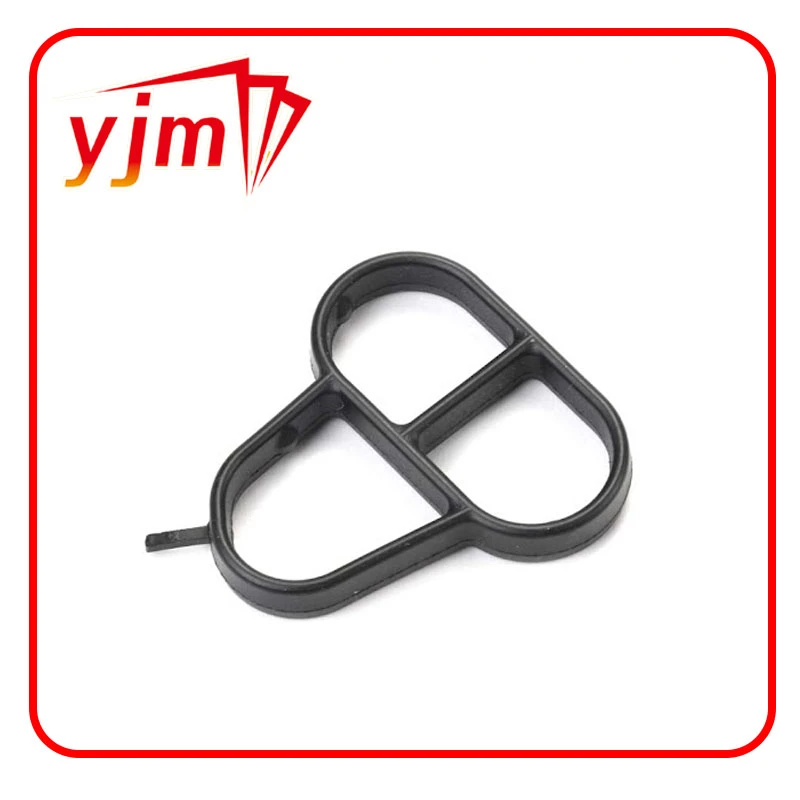
Genuine OEM Engine Oil Filter Housing Cover O-Ring For VW/Audi 06E115446
-
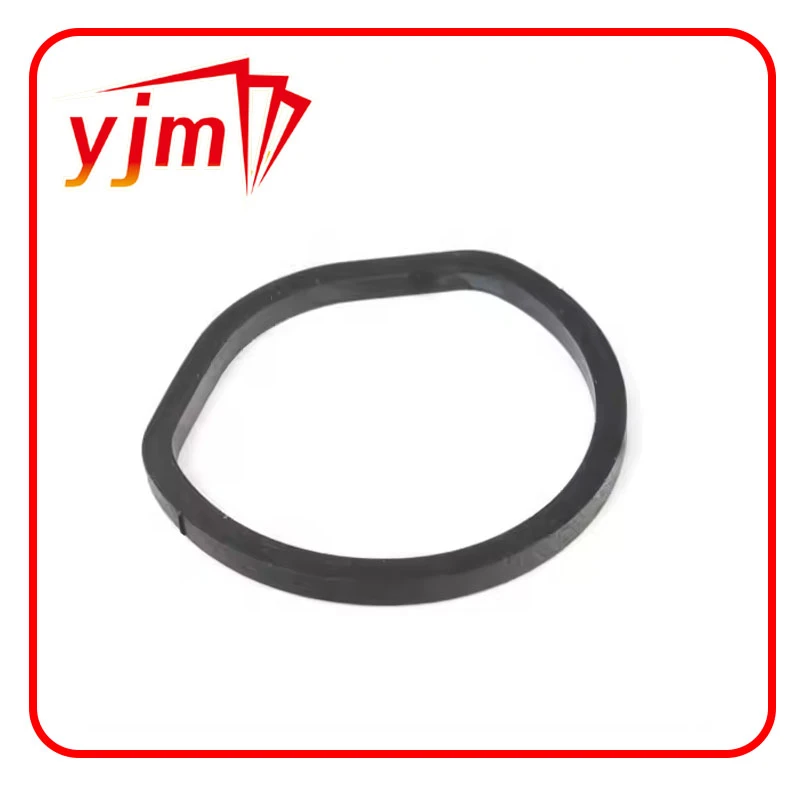
Oil Filter Stand Gasket,Oil filter cover seal
-
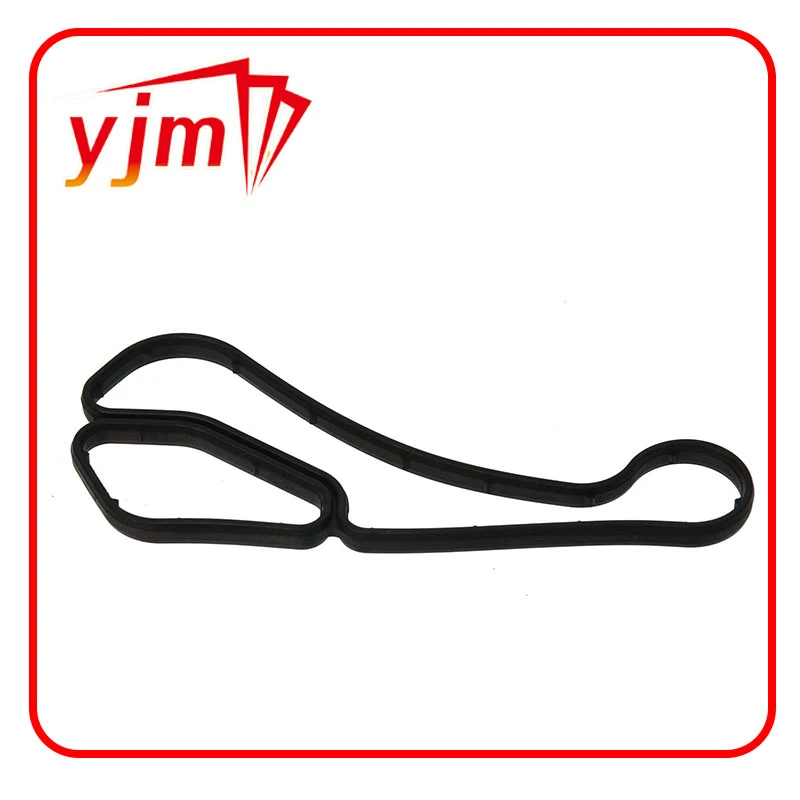
Oil Cooler Gasket, Oil Cooler to Oil Filter Housing 11427525335
-
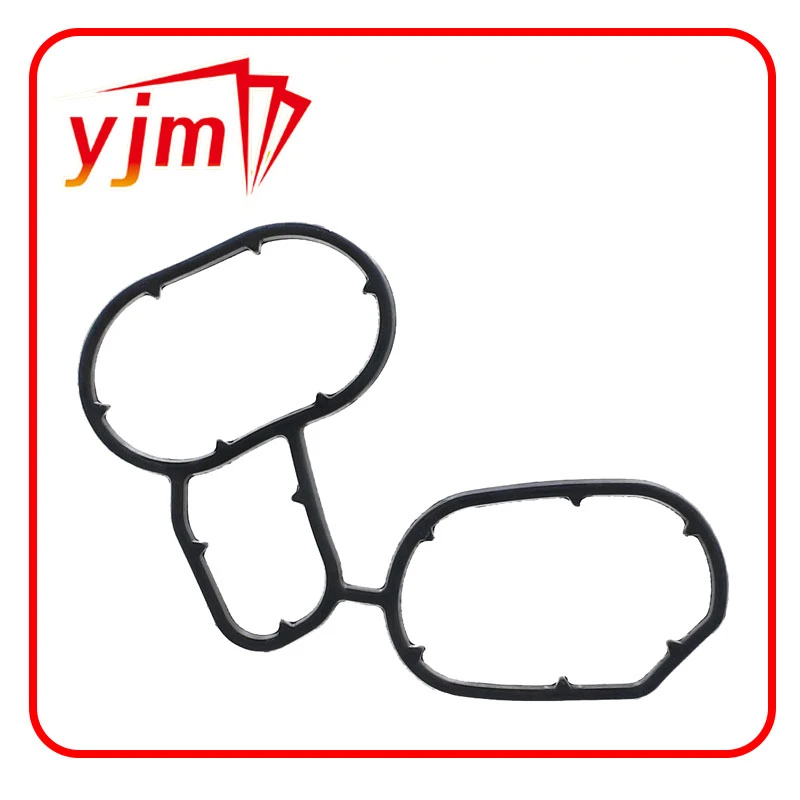
11427508970 BMW - OIL FILTER HOUSING GASKETS
-
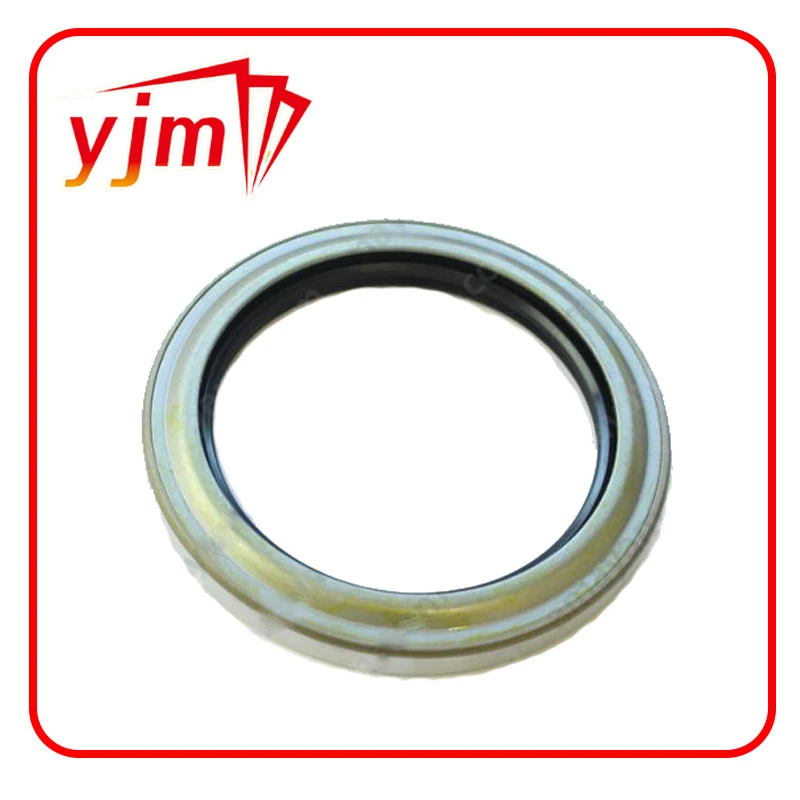
SEAL, OIL Genuine Toyota (9031170011)
-
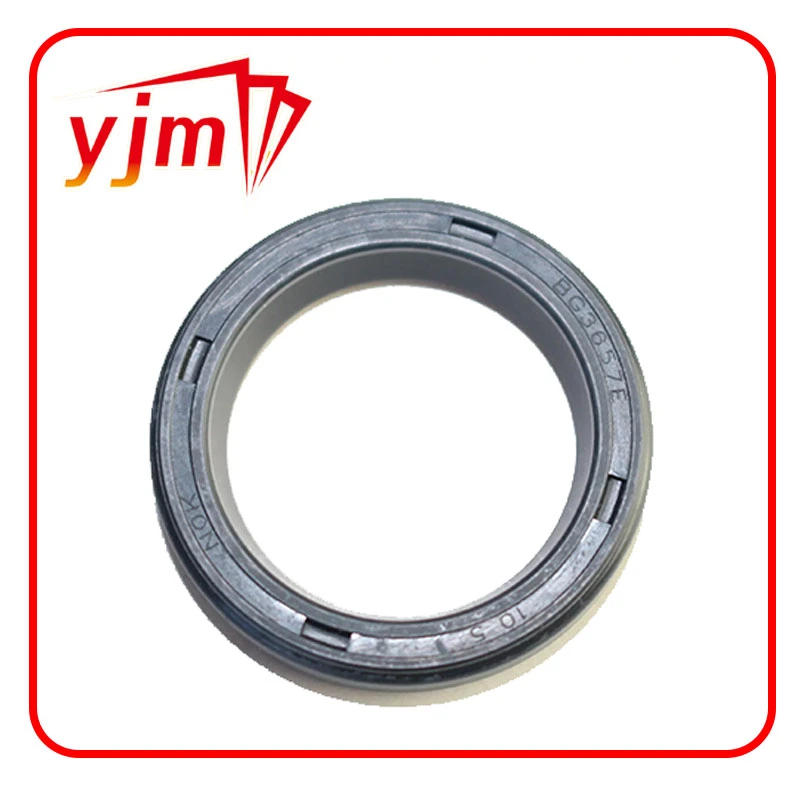
Transfer Case Output Shaft Seal Part 9031223001
-
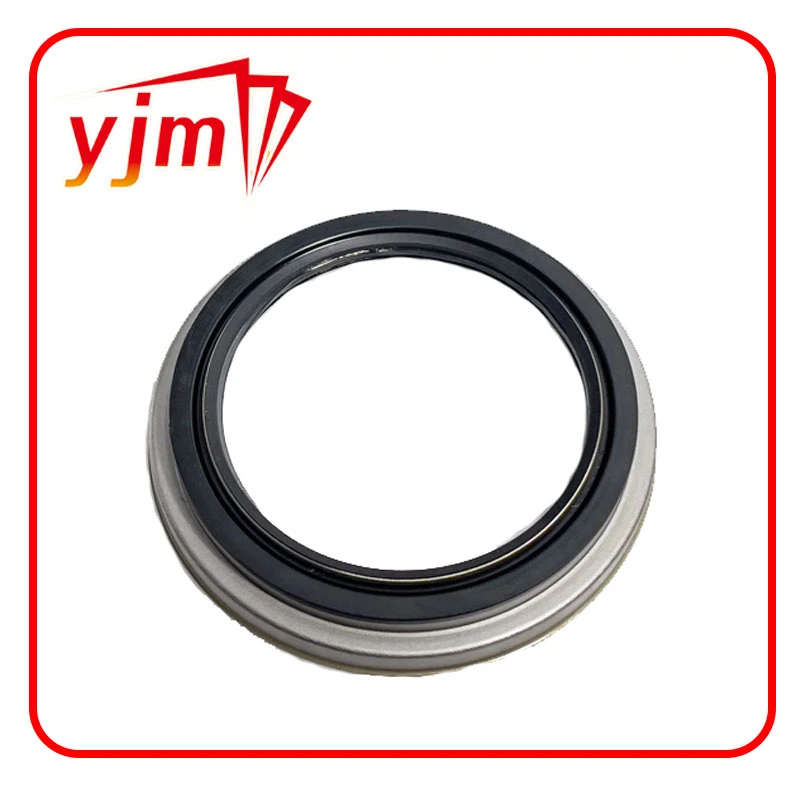
SEAL, OIL Genuine Toyota (9031672001)
-
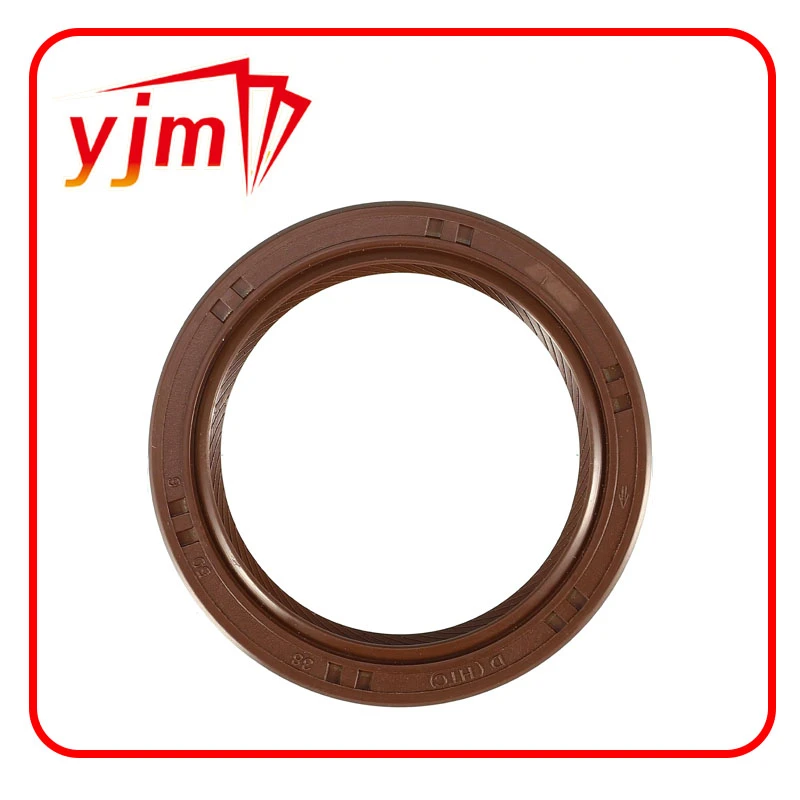
Engine Crankshaft Oil Seal No.9031138096
-
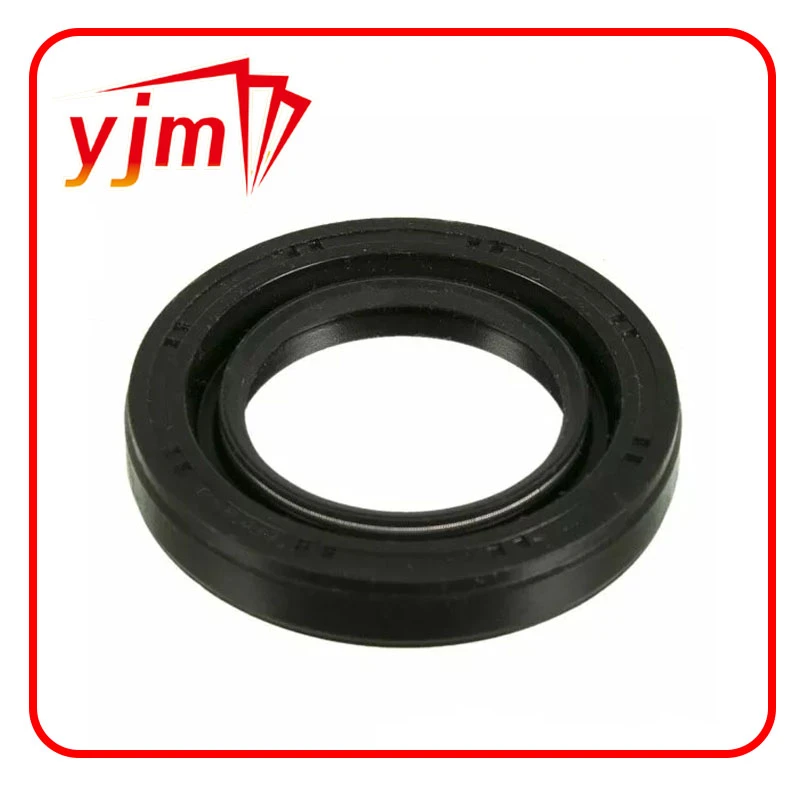
Toyota Transfer Case Output Shaft Seal Front 9031136006
-
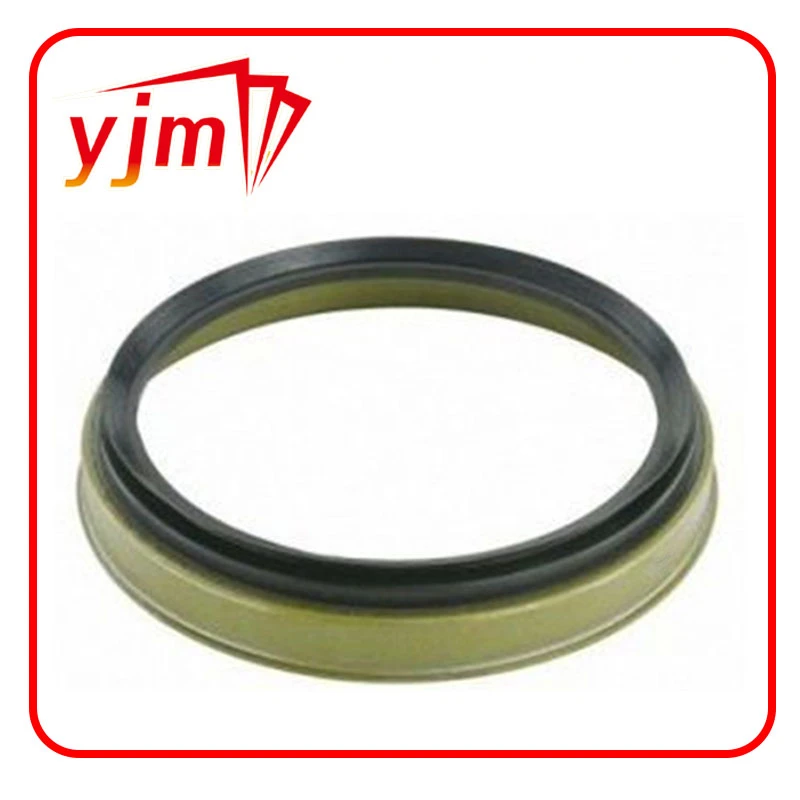
Seal, type v oil 9031287001 TOYOTA
-
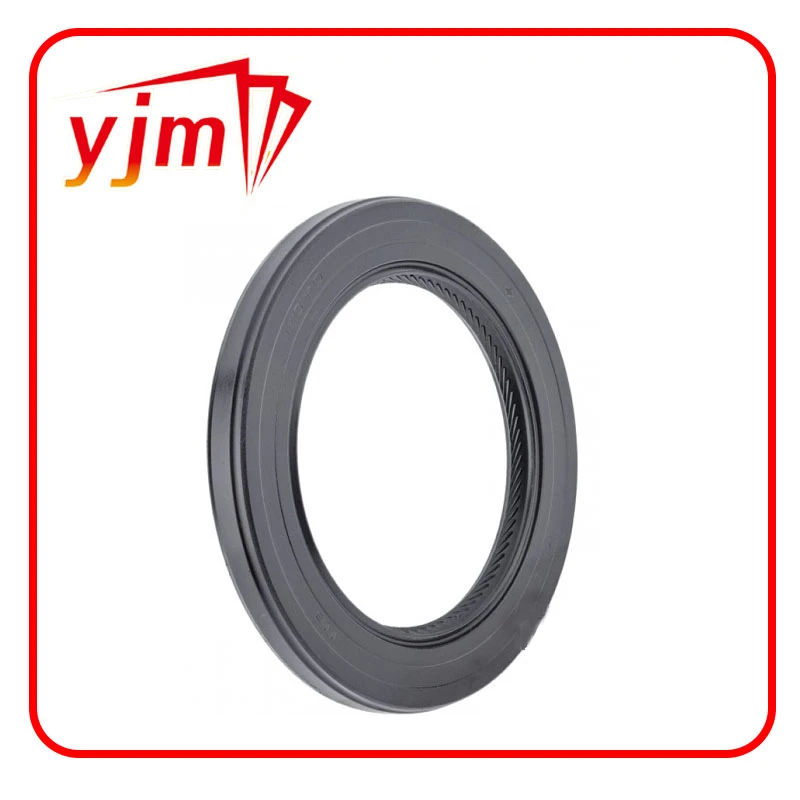
Oil pump seal 9031143010
-
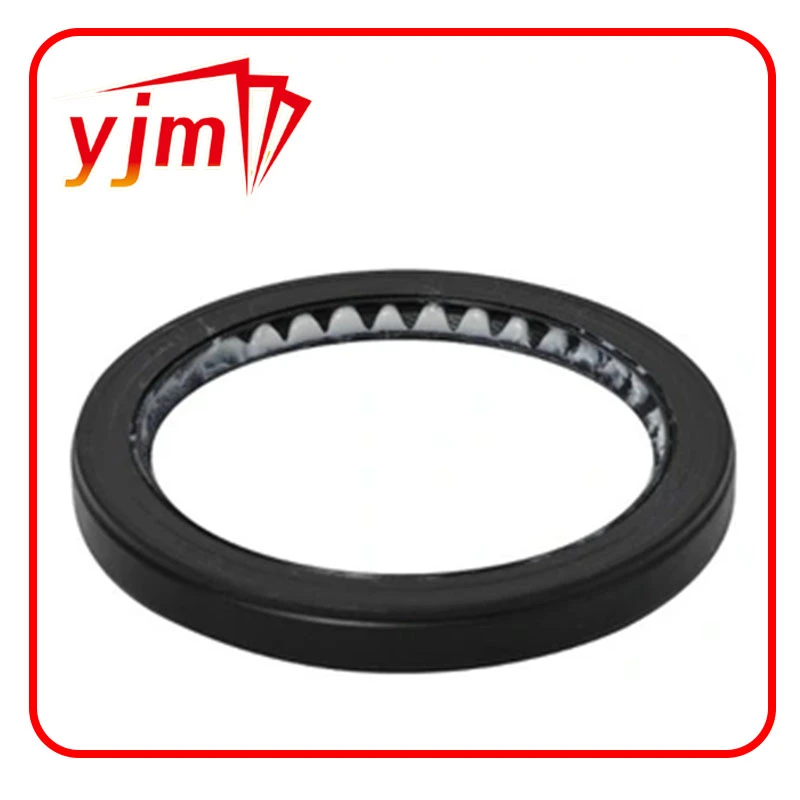
Genuine Toyota Oil SEAL 90311-54006
-
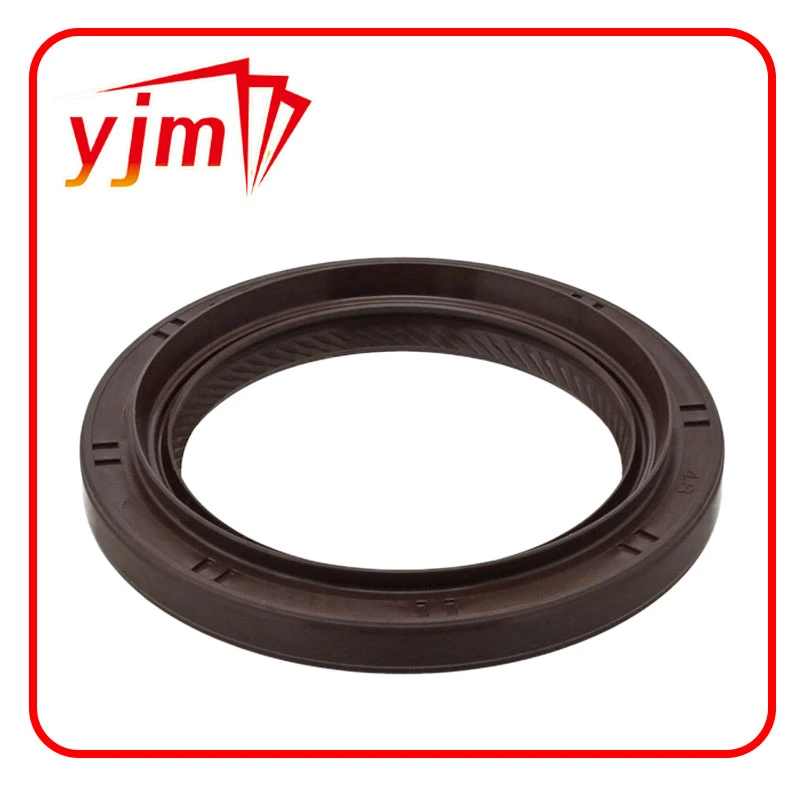
Toyota SEAL TYPE T OIL 90311-48031
-
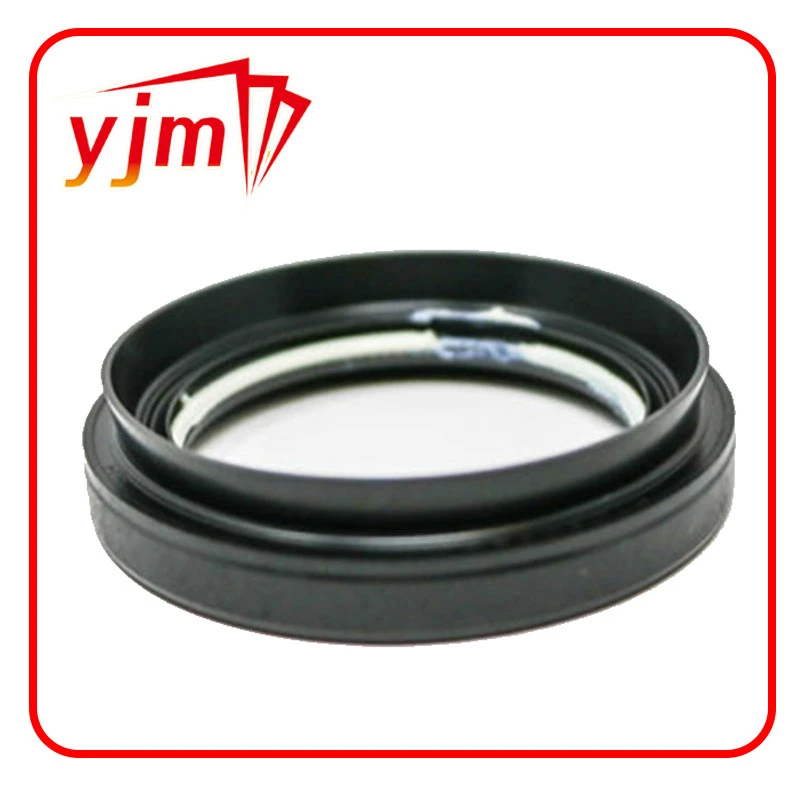
Type T Oil Seal, Front Drive Shaft, Left 9031150064
-
Seal, type d oil 9031634001 TOYOTA
 Afrikaans
 Albanian
 Amharic
 Arabic
 Armenian
 Azerbaijani
 Basque
 Belarusian
 Bengali
 Bosnian
 Bulgarian
 Catalan
 Cebuano
 Corsican
 Croatian
 Czech
Czech
 Danish
 Dutch
Dutch
 Esperanto
 Estonian
 Finnish
 French
 Frisian
 Galician
 Georgian
 German
 Greek
Greek
 Gujarati
 Haitian Creole
 Hausa
Hausa
 Hawaiian
 Hebrew
 Hindi
Hindi
 Miao
Miao
 Hungarian
 Icelandic
 Igbo
Igbo
 Indonesian
 Irish
Irish
 Italian
 Japanese
 Javanese
 Kannada
 Kazakh
 Khmer
Khmer
 Rwandese
 Korean
 Kurdish
 Kyrgyz
 Lao
Lao
 Latin
Latin
 Latvian
 Lithuanian
 Luxembourgish
 Macedonian
 Malgashi
 Malay
Malay
 Malayalam
 Maltese
 Maori
Maori
 Marathi
 Mongolian
 Myanmar
 Nepali
 Norwegian
 Norwegian
 Occitan
 Pashto
 Persian
 Polish
 Portuguese
 Punjabi
 Romanian
 Russian
 Samoan
 Scottish Gaelic
 Serbian
 Sesotho
 Shona
Shona
 Sindhi
 Sinhala
 Slovak
 Slovenian
 Somali
 Spanish
 Sundanese
 Swahili
 Swedish
 Tagalog
 Tajik
Tajik
 Tamil
Tamil
 Tatar
Tatar
 Telugu
 Thai
Thai
 Turkish
 Turkmen
 Ukrainian
 Urdu
Urdu
 Uighur
 Uzbek
Uzbek
 Vietnamese
 Welsh
Welsh
 Bantu
Bantu
 Yiddish
 Yoruba
 Zulu
Zulu
 English