In the precision-driven world of automotive engineering, the integrity of fluid containment is paramount to engine longevity and performance. A high-quality lip seal ring serves as a critical barrier, preventing lubricant leakage while keeping contaminants out of sensitive engine components. Understanding the technical nuances of these components is essential for maintaining the efficiency of modern internal combustion engines.
Across the global automotive aftermarket, the demand for reliable sealing solutions has surged as vehicle owners seek to extend the lifespan of high-performance engines. From ensuring that oil filter gaskets maintain a perfect vacuum to preventing cooler leaks, the role of a precision-engineered lip seal ring is to provide a durable, leak-proof interface under extreme thermal and mechanical stress.
For owners of BMW E90, E60, E61, E70, and E71 models, specifically those with N52 engines, selecting the right sealing components is not just about fitment but about adhering to ISO 9001 quality standards. By integrating a professional lip seal ring and matching gaskets (OE Codes: 11427525335, 11428637820, 11428637821), drivers can ensure their vehicle operates at peak efficiency while avoiding costly engine failures.
The Global Significance of Lip Seal Ring Technology
The global automotive industry relies heavily on the precision of elastomeric components to maintain environmental standards and engine efficiency. A lip seal ring is not merely a piece of rubber but a precision-engineered component that prevents the loss of vital lubricants and protects the engine from hazardous external contaminants. As vehicles move toward tighter tolerances and higher operating temperatures, the reliability of these seals becomes a critical factor in reducing global oil waste.
With the implementation of ISO 9001 standards worldwide, the manufacturing of sealing components has shifted toward rigorous quality control and experimental validation. Ensuring that every lip seal ring undergoes 100% experimental quality inspection allows manufacturers to guarantee a leak-free experience for millions of vehicle owners, thereby reducing the frequency of emergency repairs and enhancing road safety across different continents.
Technical Definition and Industrial Role of Lip Seal Ring
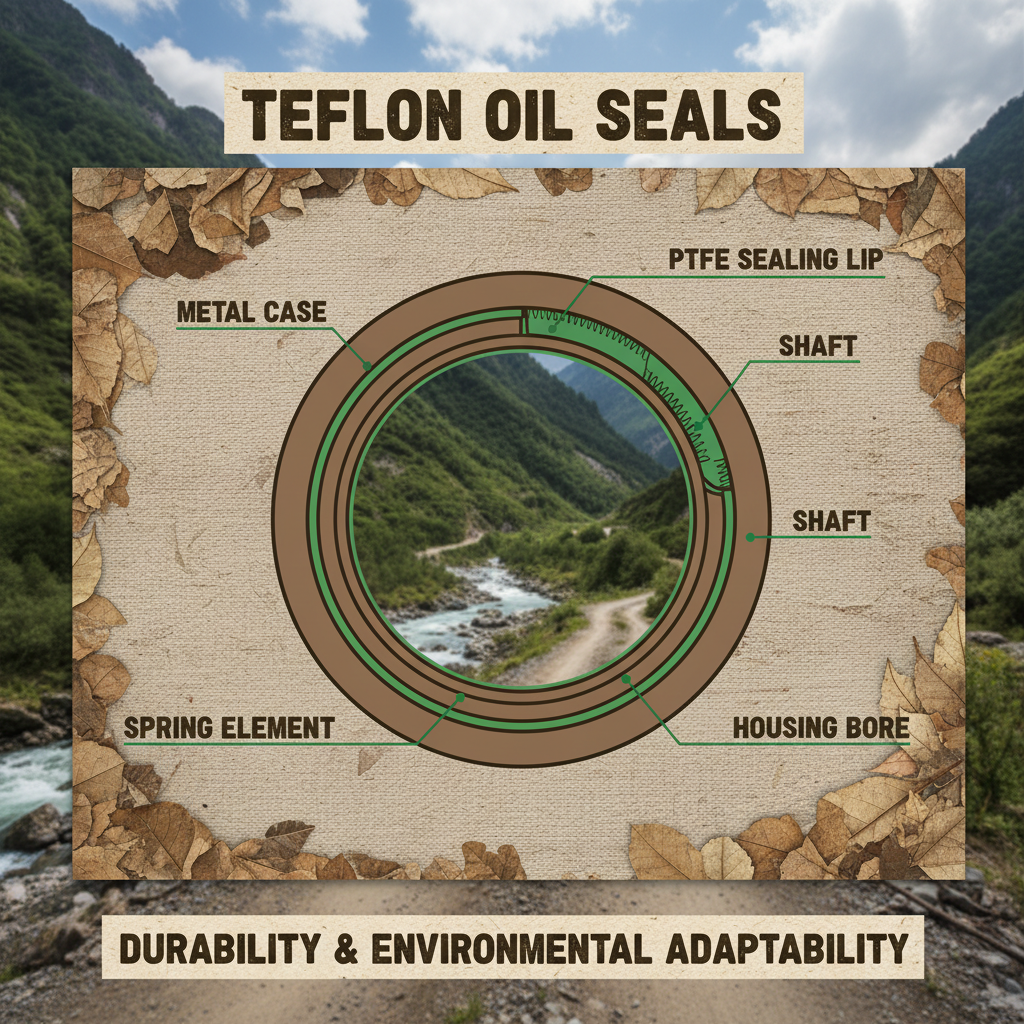
A lip seal ring is a radial shaft seal designed to prevent fluid leakage and exclude dust or moisture from a rotating or reciprocating shaft. Unlike static gaskets, the "lip" of the seal maintains a constant, flexible contact with the shaft surface, utilizing a small amount of lubrication to create a tight seal that can withstand varying pressures and rotational speeds.
In the context of automotive oil filter gaskets and cooler sealing gaskets, these components are vital for the N52 engine series. The integration of a lip seal ring within the assembly ensures that the oil remains within the lubrication circuit, preventing dangerous drops in oil pressure that could lead to catastrophic engine failure in BMW E90 or E70 models.
Industrially, these seals represent the intersection of polymer chemistry and mechanical engineering. By utilizing high-grade rubber compounds, a lip seal ring can be engineered to resist chemical degradation from synthetic oils and withstand the extreme heat cycles typical of a high-performance engine bay, ensuring long-term reliability and stability.
Core Components and Performance Factors
The effectiveness of a lip seal ring depends on several key factors, primarily the material composition and the geometry of the sealing lip. High-quality rubber ensures that the seal remains flexible over time, preventing the "hardening" effect that typically leads to leaks in lower-grade aftermarket parts.
Durability and precision fitment are the hallmarks of an ISO 9001 certified lip seal ring. For components like the oil filter gasket (OE Code 11427525335), the exact dimensions are critical to ensure that the seal sits flush against the housing, eliminating any gaps where oil could escape under pressure.
Cost efficiency is achieved when the lifespan of the lip seal ring outweighs the initial purchase price. By investing in components that undergo 100% experimental quality inspection, car owners avoid the recurring labor costs associated with replacing prematurely failed gaskets and seals.
Global Applications in Automotive Systems
The application of a lip seal ring extends across various critical engine systems, from the crankshaft and camshaft seals to the oil filter and cooler housings. In the BMW N52 engine, the synergy between the oil filter gasket and the cooler sealing gasket ensures a closed-loop system that optimizes oil flow and cooling efficiency.
Globally, these components are utilized in diverse climates, from the extreme heat of the Middle East to the freezing temperatures of Northern Europe. A robust lip seal ring must maintain its sealing properties regardless of external temperature swings, preventing oil viscosity changes from compromising the seal's integrity.
Performance Efficiency of Lip Seal Ring Variations
Long-Term Value of High-Precision Sealing
Investing in a high-quality lip seal ring provides significant long-term value by enhancing vehicle reliability and reducing environmental impact. When seals fail, oil leaks not only damage engine components but also contaminate the ground and atmosphere, making high-precision seals a key component of sustainable automotive maintenance.
Moreover, the emotional peace of mind provided by a certified lip seal ring cannot be overstated. Drivers can travel long distances with confidence, knowing that their N52 engine's oil filter and cooler gaskets are secured by components that have passed 100% experimental quality checks, eliminating the fear of sudden oil loss.
Future Innovations in Rubber Sealing Materials
The future of the lip seal ring lies in the development of advanced fluorinated elastomers and nano-composite materials. These innovations aim to increase the thermal threshold of seals, allowing them to operate in the increasingly hot environments of downsized, turbocharged engines without losing elasticity.
Digital transformation is also playing a role, with the introduction of "smart seals" that can theoretically signal when they are approaching the end of their service life. While still in the experimental phase, this would evolve the lip seal ring from a passive component to an active part of the vehicle's health monitoring system.
Sustainability is another driving force, with research focusing on bio-based rubber alternatives that maintain the same high-pressure sealing capabilities as synthetic rubber. This shift will ensure that the lip seal ring remains a viable and eco-friendly solution for the next generation of automotive repair kits.
Overcoming Challenges in Sealing Installation
One of the most common challenges in maintaining a lip seal ring is incorrect installation, which can lead to premature failure even with a high-quality part. Ensuring the shaft is free of burrs and that the seal is seated perfectly perpendicular to the housing is essential for achieving the intended leak-proof performance.
Another limitation is the degradation caused by incompatible lubricants. A lip seal ring designed for standard mineral oil may fail quickly if exposed to certain aggressive synthetic additives. Therefore, matching the seal material to the oil specification is a critical step for any technician.
To overcome these issues, manufacturers are providing more comprehensive repair kits that include not just the lip seal ring but also installation guides and complementary gaskets. This holistic approach ensures that the ISO 9001 quality of the product is matched by the quality of the installation process.
Comparison of Lip Seal Ring Specifications and Compatibility
|
Component Model
|
OE Compatibility
|
Seal Material Grade
|
Durability Score (1-10)
|
| Oil Filter Gasket A |
11427525335 |
ISO 9001 Rubber |
9.5 |
| Cooler Gasket B |
11428637820 |
High-Temp Elastomer |
9.2 |
| Cooler Gasket C |
11428637821 |
High-Temp Elastomer |
9.1 |
| N52 Standard Seal |
Universal N52 |
Standard Nitrile |
7.8 |
| Heavy Duty Seal |
Custom Industrial |
Fluororubber |
9.8 |
| Generic Aftermarket |
Various |
Basic Polymer |
6.2 |
FAQS
Typically, a lip seal ring or oil filter gasket should be inspected every 30,000 to 50,000 miles. However, if you notice oil seepage around the filter housing or oil in the coolant, immediate replacement is necessary to prevent engine damage.
Non-certified seals often lack the consistent material density and precise dimensions required for a perfect fit. This can lead to immediate leaks, reduced pressure in the oil system, and a much shorter service life compared to professional-grade seals.
Yes, provided the seal is made from high-grade elastomers like those used in our ISO 9001 certified products. These materials are specifically designed to resist thermal degradation and chemical breakdown caused by modern synthetic lubricants.
Our oil filter and cooler gaskets are designed for BMW E90, E60, E61, E70, and E71 models, including those with the 320i engine (N52), ensuring a universal fit for a wide range of these luxury vehicles.
Because seals operate under high pressure, even a microscopic defect in the rubber can lead to a failure. 100% experimental inspection ensures that every single unit meets the strict tolerance levels required for automotive safety.
Always clean the mounting surface thoroughly, lubricate the lip with a small amount of clean engine oil before installation, and use a dedicated installation tool to ensure the seal is pressed in evenly and square to the shaft.
Conclusion
The critical role of the lip seal ring in modern automotive systems cannot be overstated. By combining ISO 9001 quality standards with rigorous experimental testing, these components ensure that high-performance engines—such as the BMW N52—remain leak-free, efficient, and durable. From preventing oil loss to protecting against environmental contaminants, the precision of the seal is the final line of defense for engine health.
As the automotive industry evolves toward higher efficiencies and more demanding operating conditions, the reliance on superior sealing technology will only grow. We recommend that vehicle owners and technicians prioritize certified, high-precision components to guarantee long-term reliability and safety. To explore our full range of automotive sealing solutions, visit our website: www.yjmseal.com





 English
 Afrikaans
 Albanian
 Amharic
 Arabic
 Armenian
 Azerbaijani
 Basque
 Belarusian
 Bengali
 Bosnian
 Bulgarian
 Catalan
 Cebuano
 Corsican
 Croatian
 Czech
 Danish
 Dutch
 Esperanto
 Estonian
 Finnish
 French
 Frisian
 Galician
 Georgian
 German
 Greek
 Gujarati
 Haitian Creole
 Hausa
 Hawaiian
 Hebrew
 Hindi
 Miao
 Hungarian
 Icelandic
 Igbo
 Indonesian
 Irish
 Italian
 Japanese
 Javanese
 Kannada
 Kazakh
 Khmer
 Rwandese
 Korean
 Kurdish
 Kyrgyz
 Lao
 Latin
 Latvian
 Lithuanian
 Luxembourgish
 Macedonian
 Malgashi
 Malay
 Malayalam
 Maltese
 Maori
 Marathi
 Mongolian
 Myanmar
 Nepali
 Norwegian
 Norwegian
 Occitan
 Pashto
 Persian
 Polish
 Portuguese
 Punjabi
 Romanian
 Russian
 Samoan
 Scottish Gaelic
 Serbian
 Sesotho
 Shona
 Sindhi
 Sinhala
 Slovak
 Slovenian
 Somali
 Spanish
 Sundanese
 Swahili
 Swedish
 Tagalog
 Tajik
 Tamil
 Tatar
 Telugu
 Thai
 Turkish
 Turkmen
 Ukrainian
 Urdu
 Uighur
 Uzbek
 Vietnamese
 Welsh
 Bantu
 Yiddish
 Yoruba
 Zulu