Seal 16x26x6 - High-Quality Mechanical Seals for Industrial Use
Understanding the Seal 16x26x6: Small Size, Big Impact
If you've ever worked with mechanical parts, you know how vital seals are in ensuring smooth operation. The seal 16x26x6 might sound like just a string of numbers and letters, but this tiny component plays a significant global role in industries ranging from automotive to manufacturing. It’s a perfect blend of precision and durability that keeps engines, pumps, and machines humming efficiently. Understanding this specific seal’s dimensions and functions helps engineers, purchasing managers, and even curious hobbyists ensure the best performance and longevity in their equipment.
Globally, the industrial seal market has been on a steady rise — reports suggest an annual growth rate close to 6% through 2026 (ISO standards have helped ensure consistent quality worldwide). Why? Because better sealing technology means less downtime, fewer leaks, and significant cost savings. And, strangely enough, it’s one of those little things where a tiny design change can ripple through supply chains and maintenance schedules everywhere.
Global Significance: Why the Seal 16x26x6 Matters
At first glance, a 16x26x6 seal looks like just an industry-standard part — 16 mm inner diameter, 26 mm outer diameter, and 6 mm thickness. But its usage extends into countless sectors like automotive engines, HVAC systems, and precision pumps. According to UN environmental data, machinery efficiency improvements, including better sealing, contribute to global energy savings by reducing waste and emissions. It’s a small step for industry, but a big leap for sustainability.
However, challenges arise when seals fail prematurely, which can stop production lines or lead to environmental hazards. That’s why selecting a reliable seal 16x26x6 isn’t just about dimensions — it’s about materials, design, and compatibility.
What Exactly Is a Seal 16x26x6?
Simply put, the seal 16x26x6 is a mechanical seal primarily designed to prevent the leakage of liquids or gases between rotating shafts and stationary housing in equipment. It’s a type of radial shaft seal, often made with a rubber or elastomer lip, metal casing, and sometimes a spring to ensure consistent pressure.
In modern industries, it’s the silent protector — keeping oils in, contaminants out, and machinery safe from wear. For humanitarian aid equipment or remote facilities, using higher quality seals can mean the difference between operational success and costly failures.
Key Features of the Seal 16x26x6
- Durability: Designed to withstand friction and pressure for extended periods.
- Material Compatibility: Often made with nitrile rubber (NBR), silicone, or fluorocarbon to resist chemicals and temperature extremes.
- Cost Efficiency: Balancing quality and price, these seals keep maintenance costs manageable.
- Precision Fit: The exact 16x26x6 dimension ensures compatibility with standard shafts.
- Ease of Installation: Usually designed for quick replacement without specialized tools.
Basically, it’s about making a seal that lasts, fits well, and doesn’t break the bank.
Product Specifications at a Glance
| Specification | Detail |
|---|---|
| Inner Diameter | 16 mm |
| Outer Diameter | 26 mm |
| Width/Thickness | 6 mm |
| Material Options | NBR, FKM, Silicone |
| Temperature Range | -40°C to 120°C (depends on material) |
| Typical Application | Rotating shaft sealing in pumps, engines, compressors |
Who Makes the Best 16x26x6 Seals? Vendor Comparison
| Vendor | Material Options | Price Range (per 100 pc) | Lead Time | Custom Solutions |
|---|---|---|---|---|
| YJM Seal | NBR, FKM, Silicone | $30 - $45 | 1-2 weeks | Yes |
| SKF | NBR, Viton (FKM) | $40 - $60 | 2-3 weeks | Limited |
| Trelleborg | Silicone, FKM, EPDM | $35 - $55 | 3-4 weeks | Yes |
Real-World Applications of the Seal 16x26x6
Across Europe, Asia, and North America, the seal 16x26x6 finds itself tucked inside everything from motorcycle engines to industrial pumps scouring the mining fields of South America. In post-disaster relief efforts, generators fitted with these seals can keep running reliably to power essential equipment, while remote drilling operations rely on them to prevent costly fluid leaks.
Oddly enough, even space agencies use variants of similar-sized seals — tough, compact, and reliable — in satellite motors and robotic arms. It’s another example of how seemingly mundane parts serve high-tech purposes worldwide.
Why Choose the Seal 16x26x6? Long-Term Benefits
- Cost Savings: Proper sealing reduces energy consumption and maintenance frequency.
- Sustainability: Prevents harmful leaks that could cause environmental damage.
- Reliability: Ensures equipment longevity — a peace of mind for operators.
- Safety: Minimizes hazardous fluid leaks protecting workers and communities.
In real terms, selecting the right seal often means less downtime and fewer unexpected failures, which feels like gold if you’ve ever faced a machine outage halfway through production.
Looking Ahead: Future Trends in Seal Technology
The seal industry isn’t standing still. Innovations like self-lubricating materials, intelligent sensors embedded into seals to monitor wear, and bio-based elastomers are trends to watch. As factories automate, the demand for smart components that can “talk” — signaling replacement needs before failure — is growing fast.
Plus, environmental regulation pressures encourage greener materials. There’s a subtle but growing shift towards seals that not only perform but also align with sustainability goals, reducing carbon footprints across whole supply chains.
Challenges and How Experts Overcome Them
Despite the many benefits, the seal 16x26x6 isn’t without hiccups. Extreme temperatures, abrasive environments, and chemical exposure can wear seals faster than expected. But many manufacturers now offer hybrid materials or coatings, customized to specific applications. For instance, silicone-based seals resist heat better but need careful handling due to softness.
Adjusting installation techniques and regularly monitoring seal health — aided by emerging IoT tools — help businesses keep ahead of issues. So it’s not just the seal itself, but how you manage it that counts.
Seal 16x26x6 FAQ
How do I know if a 16x26x6 seal fits my machine?
Check your equipment manual for shaft and housing dimensions. The numbers correspond to inner diameter, outer diameter, and thickness in millimeters. If those match, a 16x26x6 seal is likely the right fit. When in doubt, consult the manufacturer’s specs or a trusted supplier like this.
What materials are best for harsh chemical exposure?
Fluoroelastomer (FKM, like Viton) seals offer superior chemical resistance and temperature tolerance. If your application involves acids or solvents, seals made from FKM are generally preferred.
Can I reuse seals after removal?
Generally, it’s not recommended due to potential damage or deformation during removal. For critical applications, always use new seals to avoid leaks or failures.
Are custom sizes and materials available?
Yes, many vendors (including YJM Seal) offer custom manufacturing. This is especially useful for specialized equipment or unusual operating conditions.
What’s the average lifespan of a 16x26x6 seal?
Lifespan depends on operating conditions like temperature, speed, and chemical exposure but typically ranges from 3 to 5 years under standard use. Regular inspection helps maximize service life.
Wrapping It Up: Why the Right Seal Makes All the Difference
At the end of the day, the seal 16x26x6 might seem like a small, simple part — but its role is anything but minor. Selecting the right seal takes a good understanding of your machinery, operational environment, and desired durability. When done right, it boosts efficiency, safeguards investments, and contributes towards a more sustainable industrial future.
To explore high-quality options tailored to your needs, visit https://www.yjmseal.com —where precision meets reliability.
Mini takeaway: In a world obsessed with innovation, sometimes it’s the small standard parts like the seal 16x26x6 that quietly uphold everything we depend on.
References:
1. ISO Standards for Mechanical Seals
2. Mechanical Seal - Wikipedia
3. United Nations Statistical Data
-
Guide to Choosing the Right Washer for Oil Change and Sealing
News Apr.16,2026
-
Essential Guide to High Quality rubber washer oil drain plug
News Apr.09,2026
-
Understanding Rubber Crush Washers for Optimal Sealing Performance
News Apr.07,2026
-
Comprehensive Guide to Understanding and Reusing Crush Washer for Optimal Sealing
News Apr.04,2026
-
The Vital Role of a Drain Screw Gasket in Fluid System Integrity
News Mar.31,2026
-
The Essential Guide to Drain Crush Washer Selection and Plumbing Leak Prevention
News Mar.28,2026
-
The Vital Role of a Crush Washer in Oil Changes for Engine Protection
News Mar.26,2026
Products categories
-
Brass cutlass marine bearing
-
Genuine OEM Engine Oil Filter Housing Cover O-Ring For VW/Audi 06E115446
-
Oil Filter Stand Gasket,Oil filter cover seal
-
Oil Cooler Gasket, Oil Cooler to Oil Filter Housing 11427525335
-
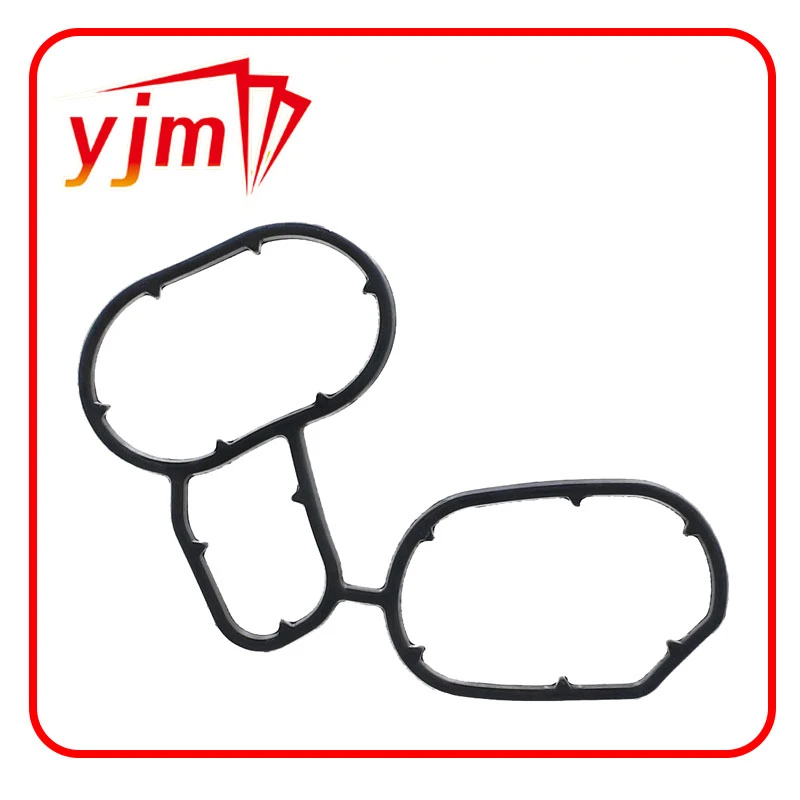
11427508970 BMW - OIL FILTER HOUSING GASKETS
-
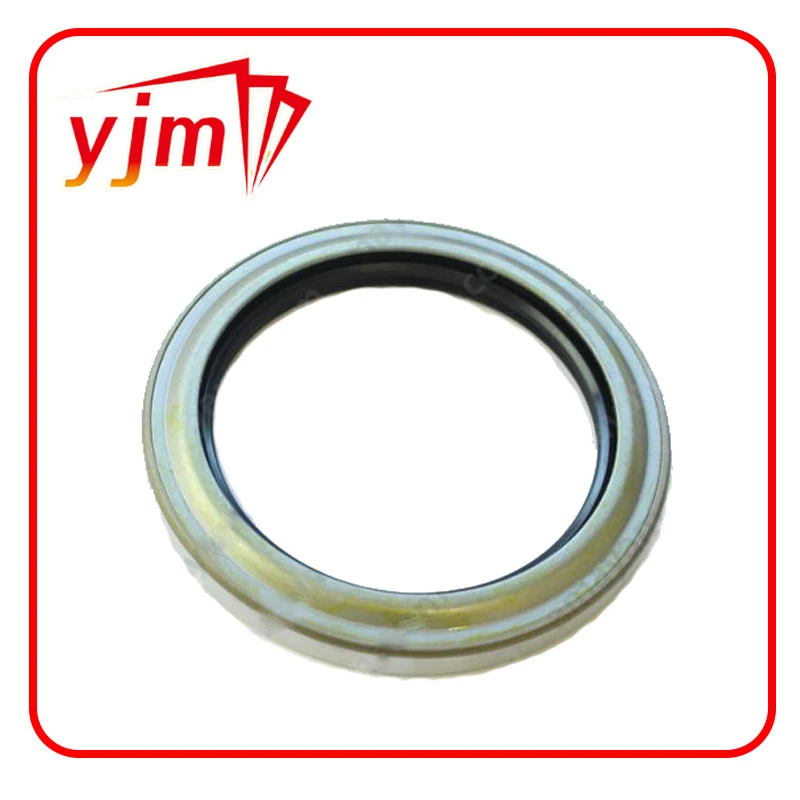
SEAL, OIL Genuine Toyota (9031170011)
-
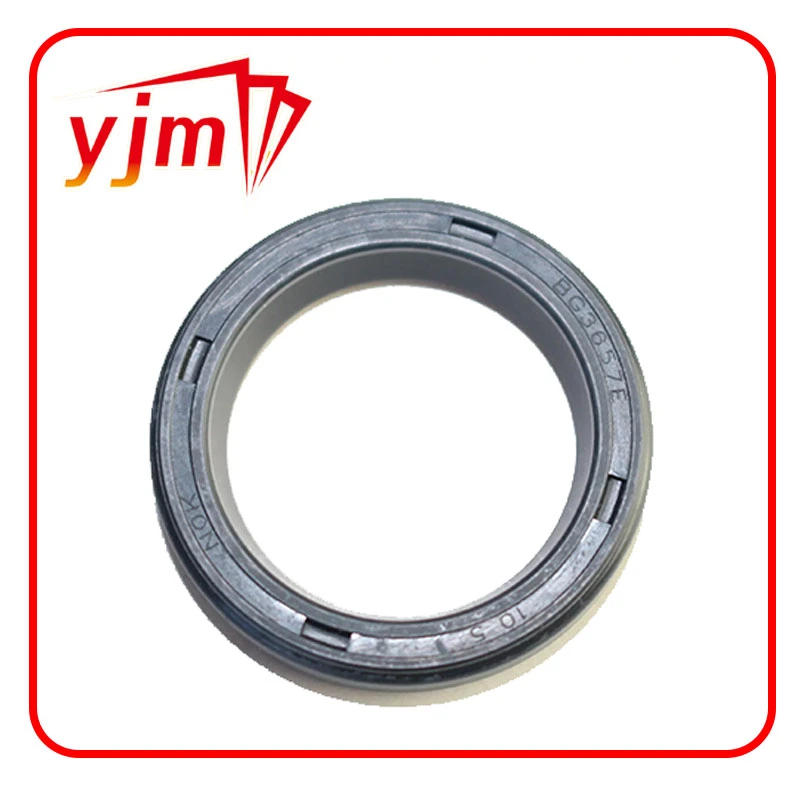
Transfer Case Output Shaft Seal Part 9031223001
-
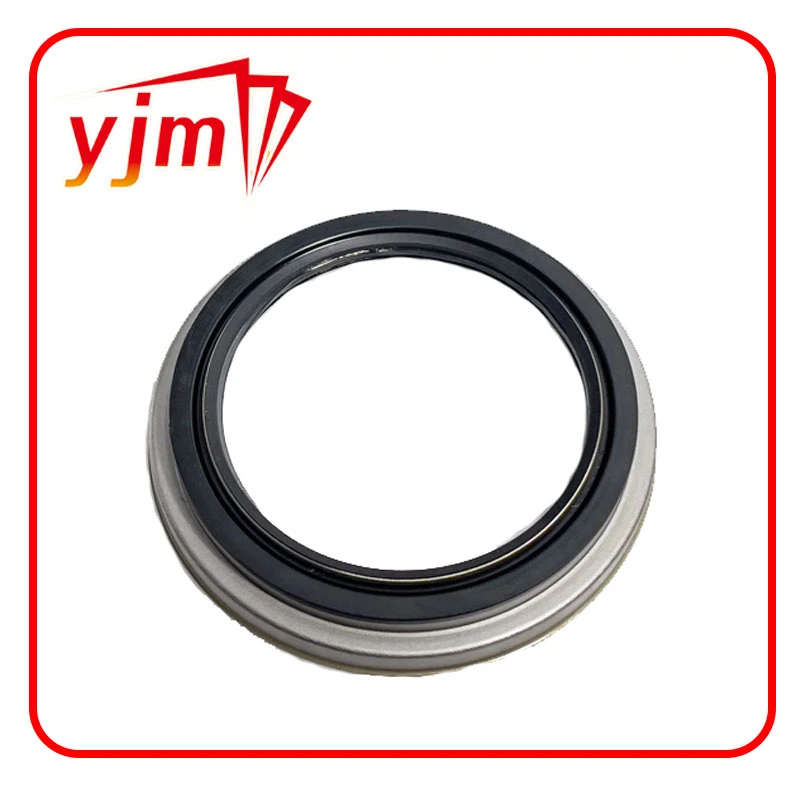
SEAL, OIL Genuine Toyota (9031672001)
-
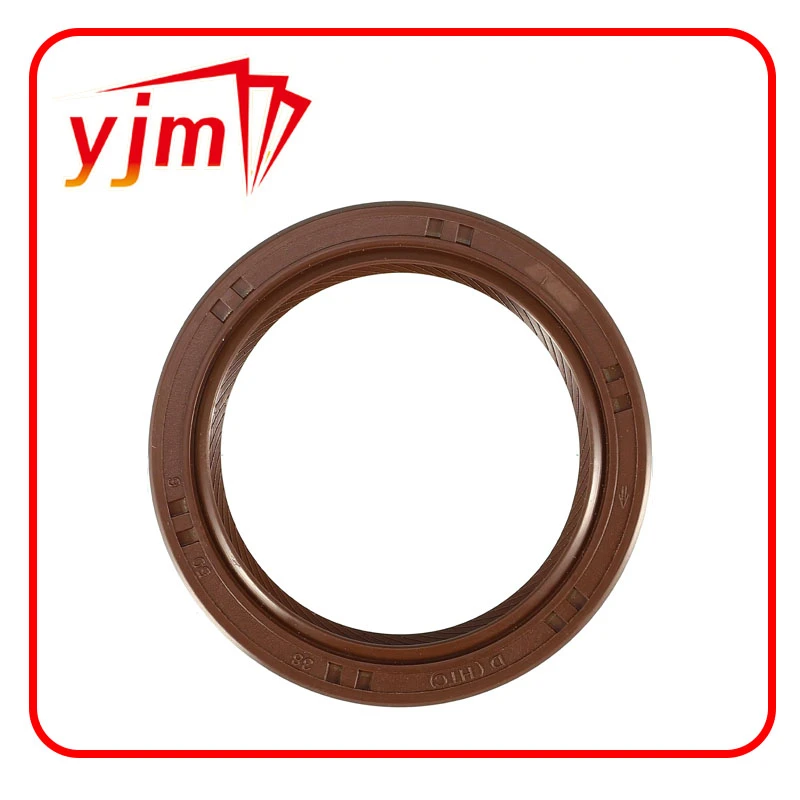
Engine Crankshaft Oil Seal No.9031138096
-
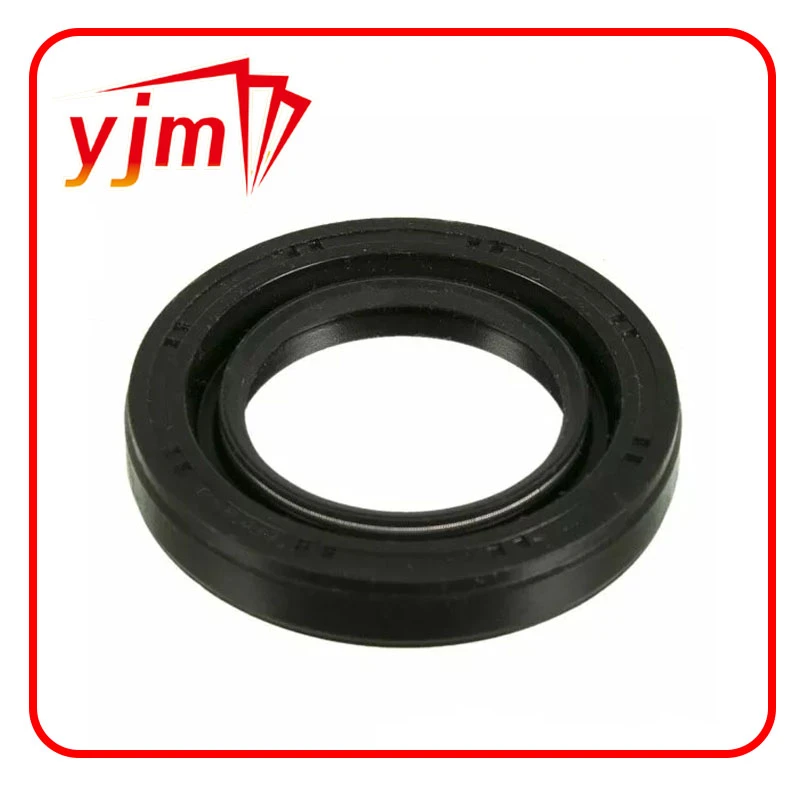
Toyota Transfer Case Output Shaft Seal Front 9031136006
-
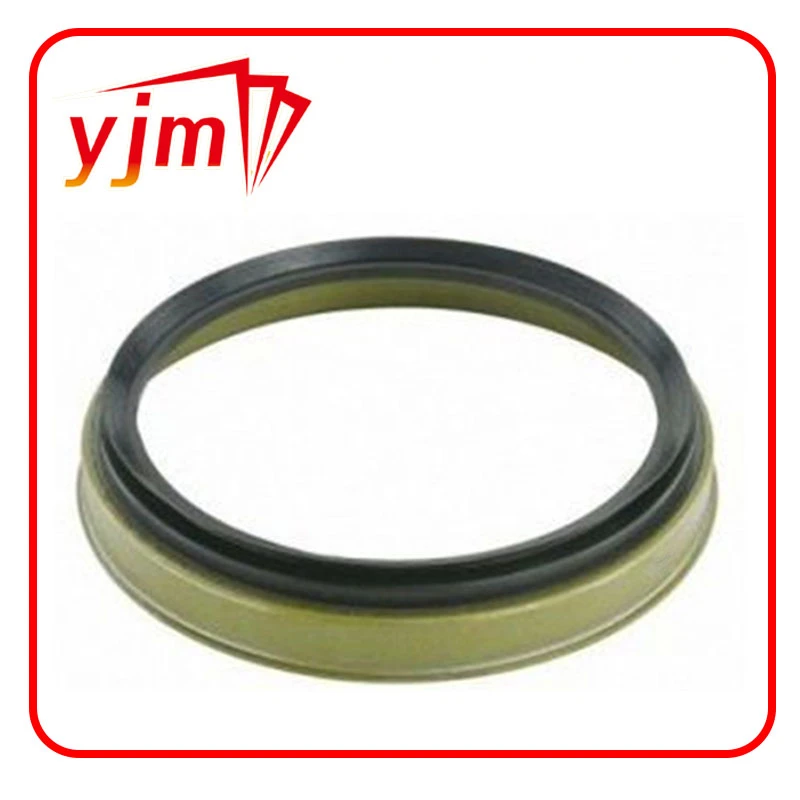
Seal, type v oil 9031287001 TOYOTA
-
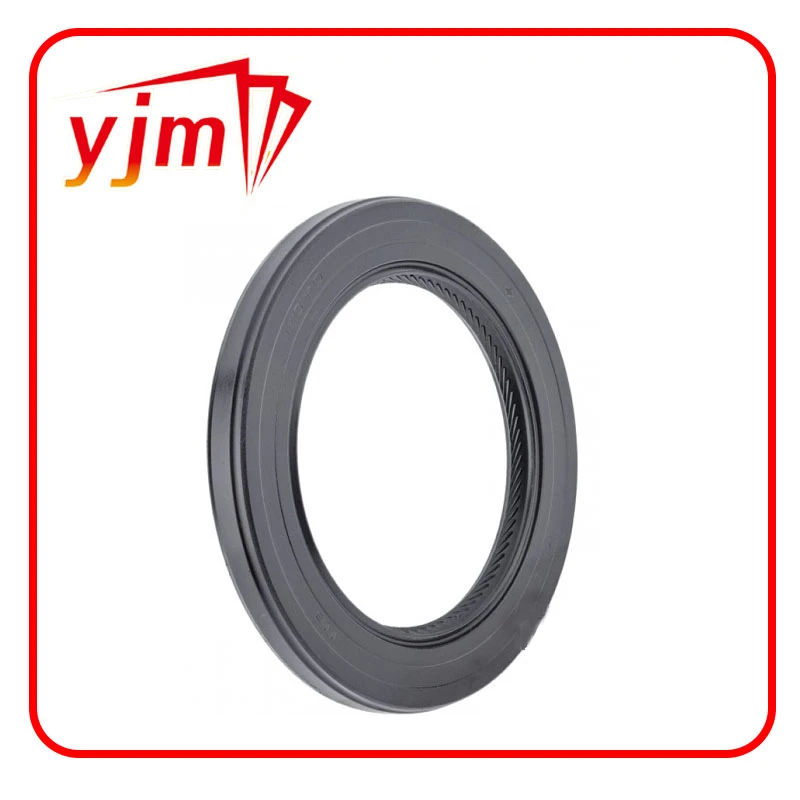
Oil pump seal 9031143010
-
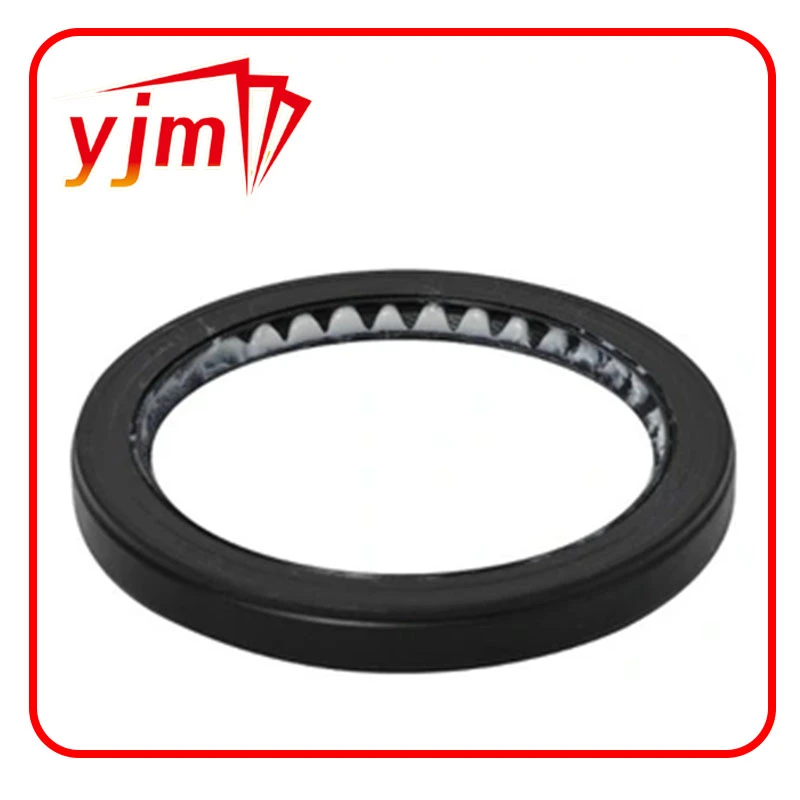
Genuine Toyota Oil SEAL 90311-54006
-
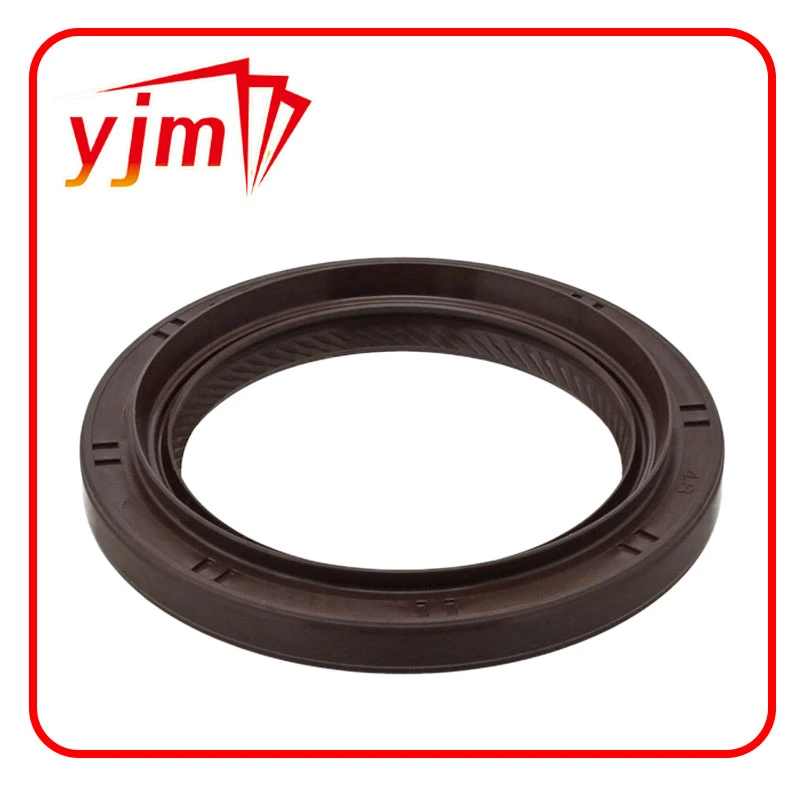
Toyota SEAL TYPE T OIL 90311-48031
-
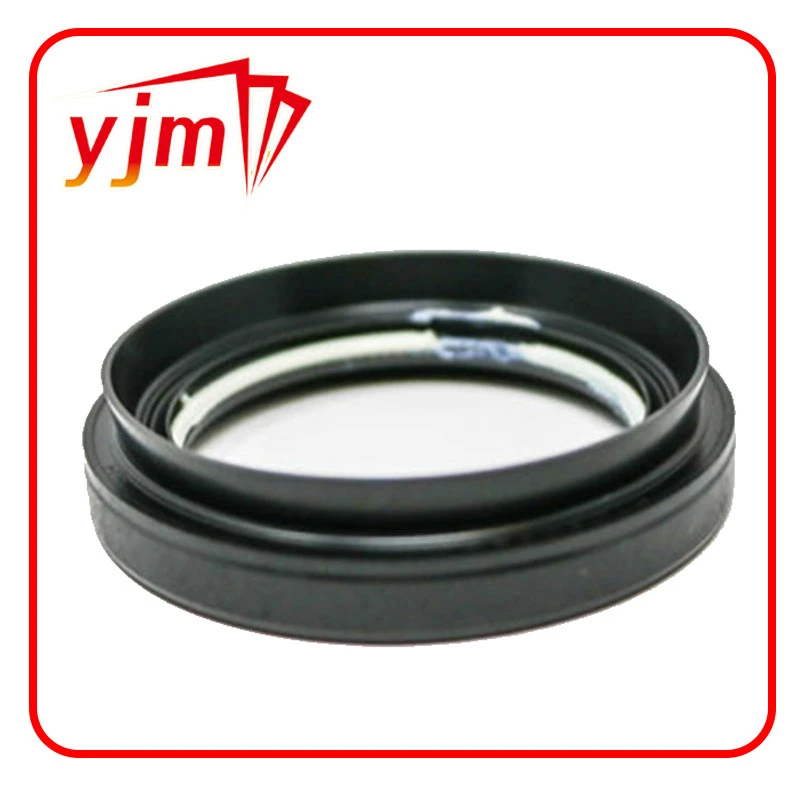
Type T Oil Seal, Front Drive Shaft, Left 9031150064
-
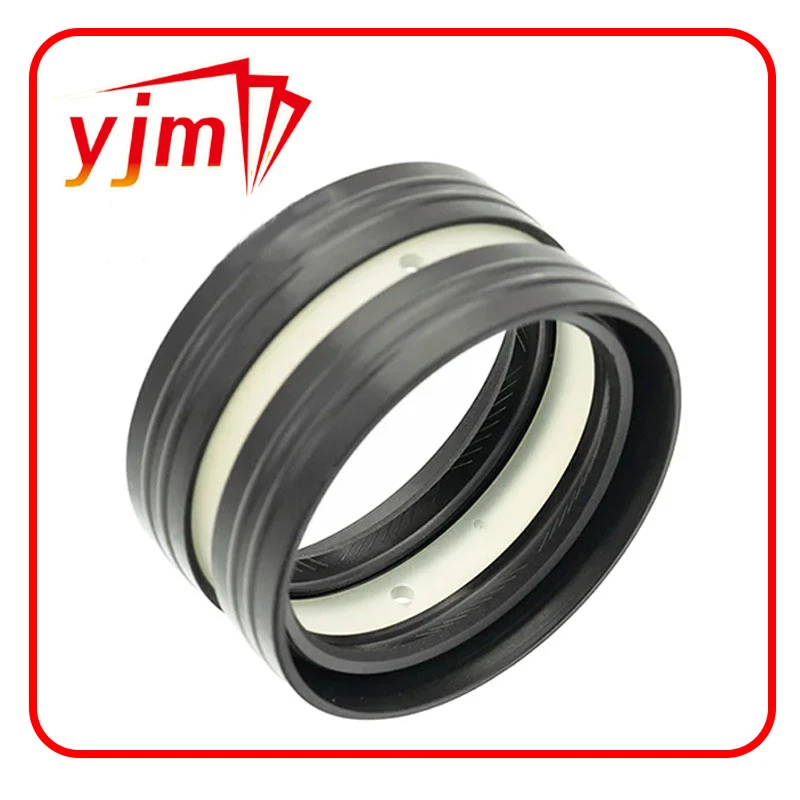
Seal, type d oil 9031634001 TOYOTA
 Afrikaans
 Albanian
 Amharic
 Arabic
 Armenian
 Azerbaijani
 Basque
 Belarusian
 Bengali
 Bosnian
 Bulgarian
 Catalan
 Cebuano
 Corsican
 Croatian
 Czech
Czech
 Danish
 Dutch
Dutch
 Esperanto
 Estonian
 Finnish
 French
 Frisian
 Galician
 Georgian
 German
 Greek
Greek
 Gujarati
 Haitian Creole
 Hausa
Hausa
 Hawaiian
 Hebrew
 Hindi
Hindi
 Miao
Miao
 Hungarian
 Icelandic
 Igbo
Igbo
 Indonesian
 Irish
Irish
 Italian
 Japanese
 Javanese
 Kannada
 Kazakh
 Khmer
Khmer
 Rwandese
 Korean
 Kurdish
 Kyrgyz
 Lao
Lao
 Latin
Latin
 Latvian
 Lithuanian
 Luxembourgish
 Macedonian
 Malgashi
 Malay
Malay
 Malayalam
 Maltese
 Maori
Maori
 Marathi
 Mongolian
 Myanmar
 Nepali
 Norwegian
 Norwegian
 Occitan
 Pashto
 Persian
 Polish
 Portuguese
 Punjabi
 Romanian
 Russian
 Samoan
 Scottish Gaelic
 Serbian
 Sesotho
 Shona
Shona
 Sindhi
 Sinhala
 Slovak
 Slovenian
 Somali
 Spanish
 Sundanese
 Swahili
 Swedish
 Tagalog
 Tajik
Tajik
 Tamil
Tamil
 Tatar
Tatar
 Telugu
 Thai
Thai
 Turkish
 Turkmen
 Ukrainian
 Urdu
Urdu
 Uighur
 Uzbek
Uzbek
 Vietnamese
 Welsh
Welsh
 Bantu
Bantu
 Yiddish
 Yoruba
 Zulu
Zulu
 English