Comprehensive Guide to seal 12x24x5 – Specs, Uses & Future Trends
Understanding the seal 12x24x5: Why it Matters Worldwide
In the ever-evolving landscape of mechanical components, the seal 12x24x5 quietly plays a pivotal role. It’s one of those uncelebrated heroes you hardly notice but absolutely depends on in countless machines and applications, from automotive systems to industrial equipment.
Why is mastering the concept of the seal 12x24x5 so crucial? Globally, the demand for reliable seals ties directly into equipment efficiency, reducing environmental leaks, and cutting downtime — a trillion-dollar concern worldwide according to the ISO’s industrial standards group. Plus, as industries lean heavily toward sustainability and longevity, understanding seals like this one is vital not just for engineers, but procurement teams and maintenance planners as well.
The global footprint of seal 12x24x5 in industry
Let’s zoom out a bit. Worldwide, the machinery seal market is projected to surpass $20 billion by 2027 (Statista), with components like the seal 12x24x5 contributing solid performance to that number. Whether it’s in Asia’s booming manufacturing belt or Europe’s stringent automotive markets, these seals keep systems running tight under pressure and temperature variations.
One problem these seals address globally is leakage — a small but incessant issue that causes equipment wear, safety hazards, and costly repairs. The seal 12x24x5 is designed to counter these very challenges, making industries more resilient and efficient.
What exactly is a seal 12x24x5?
Put simply, the seal 12x24x5 is a type of radial oil seal characterized by its dimensions: a 12 mm inner diameter, 24 mm outer diameter, and 5 mm thickness. It’s usually made from rubber or synthetic materials reinforced by metal rings. This small but mighty component sits around a rotating shaft, preventing oil or grease leakage while keeping contaminants out.
Its role might sound mundane, but in sectors like automotive, agricultural machinery, and manufacturing plants, the seal 12x24x5 is essential to maintain smooth operation. It also connects with growing humanitarian needs — for example, in water-pump equipment deployed in disaster zones, where equipment reliability can be life-saving.
Core factors behind the seal 12x24x5’s performance
1. Durability and Material Quality
Most seal 12x24x5 units combine rubber compounds with embedded metal for strength. Modern seals utilize nitrile butadiene rubber (NBR) or fluoroelastomers (FKM) to resist heat, oil, and chemical wear. This durability means less frequent replacements and lower downtime.
2. Size Precision and Fit
Given the specific dimensions (12x24x5 mm), precision manufacturing is crucial. Even a small deviation can cause improper sealing, leading to leaks or premature failure. Many suppliers use CNC machining and laser measurements to maintain tight tolerances.
3. Lubrication Compatibility
The seal’s material must tolerate the type of lubricant used — engine oil, industrial grease, or synthetic options. Misalignment here can accelerate wear considerably.
4. Pressure and Temperature Resistance
This seal performs in environments ranging from a chilly warehouse to the hot engine bay. Depending on materials and design, it can withstand temperatures from -40°C to over 150°C, while containing pressures common in hydraulic, automotive, or mechanical systems.
5. Cost and Availability
The seal 12x24x5 offers a reasonable price point for OEMs and aftermarket suppliers alike, with robust supply chains. This accessibility makes it a go-to for maintenance teams worldwide.
Practical global applications and real-world examples
The seal 12x24x5 is found everywhere from cars in North America and Asia to heavy-duty pumps in African agricultural fields. Here’s how:
- Automotive Industry: Ensuring engines and transmissions remain leak-free, maintaining vehicle performance and reducing emissions.
- Agricultural Machinery: Protecting lubricated parts in tractors or harvesters operating in dusty, harsh conditions.
- Industrial Equipment: Hydraulic systems in factories employ these seals to maintain pressure and prevent contaminants.
- Emergency Relief: Equipment like water pumps and generators deployed in disaster-hit areas rely on robust sealing for continuous operation.
For example, an NGO operating in Southeast Asia reported extended equipment uptime after switching to high-quality seal 12x24x5 replacements — crucial when battle-worn machinery needs to keep pumping clean water during floods.
Specification Table: Typical Seal 12x24x5 Features
| Parameter | Specification | Remarks |
|---|---|---|
| Inner Diameter | 12 mm | Fits shaft sizes precisely |
| Outer Diameter | 24 mm | Fits housing bore |
| Thickness (Width) | 5 mm | Standard seal thickness |
| Material | NBR / FKM | Chemical & heat resistance |
| Temperature Range | -40°C to 150°C | Suitable for automotive & industrial |
| Pressure Limit | Up to 3 bar | Typical hydraulic systems |
Vendor Comparison: Selecting the Right seal 12x24x5 Supplier
| Supplier | Material Options | Shipping Speed | Customization | Price Range |
|---|---|---|---|---|
| YJM Seal | NBR, FKM, Silicone | 3-5 days (global) | Yes, OEM available | $$ |
| Global Seals Inc. | NBR only | 5-7 days | Limited | $ |
| Premium Seal Tech | FKM, Silicone | 7-10 days | Yes, custom shapes | $$$ |
Why the seal 12x24x5 Offers Long-Term Value
People often overlook the emotional aspect of equipment reliability, but it matters. A robust seal like the 12x24x5 provides peace of mind to operators and engineers alike — no frustrating leaks, no surprise downtime, and less worry about environmental impact because leaks contaminate soil and water.
On a practical note, its availability and reasonable cost nurture sustainable maintenance cultures. Lower breakdowns mean fewer replacements, less material waste, and better energy efficiency during equipment operation. That’s logic with heart — safety, dignity (for maintenance crews), and innovation all woven together.
Future Trends in Seal 12x24x5 Technology
Emerging materials like advanced fluoropolymers and bio-based elastomers promise seals that last longer with even less environmental footprint. Digital monitoring – sensors embedded near seals – allows real-time condition checks, preventing failures before they start. Imagine your seal texting you about wear — honestly, it feels like sci-fi, but it’s not far off.
Meanwhile, manufacturers focus on sustainability certifications (think ISO 14001) to ensure production is aligned with green goals. And automation in manufacturing guarantees consistent precision at a scale unimaginable few decades ago.
Addressing Challenges in Seal 12x24x5 Use
Sure, no product is perfect. Limitations exist: some seals wear down faster in extreme environments or with incompatible lubricants. Field replacements can be tricky in hard-to-access machines.
Innovative solutions help. For example, hybrid materials combine strength with flexibility, and specialized coatings reduce friction. Training programs for maintenance teams also make sure seals get installed correctly — a small detail with huge ripple effects.
FAQ: Common Questions About seal 12x24x5
Q1: How do I know if the seal 12x24x5 fits my equipment?
A1: Confirm the shaft and housing bore dimensions first. The seal’s 12 mm inner diameter and 24 mm outer diameter must match your equipment specs exactly. It's best to check OEM manuals or contact suppliers like YJM Seal for compatibility.
Q2: What materials are most suitable for high-temperature applications?
A2: Fluoroelastomer (FKM) seals handle high temperatures (up to 150°C) and resist many chemicals, making them ideal for engine compartments or industrial hydraulic systems.
Q3: Can I reuse a seal 12x24x5 once removed?
A3: Generally, reusing seals is not recommended as they may lose elasticity or have compressed lip surfaces, risking leaks. It’s safer to replace with a new seal.
Q4: How long does a typical seal 12x24x5 last?
A4: Lifespan varies by conditions but expect roughly 3-5 years in moderate environments. Harsh conditions may shorten this.
Q5: Are customized seal 12x24x5 options available?
A5: Yes! Many suppliers offer OEM or custom material blends and sizes to fit specialized equipment needs.
Wrapping up: The seal 12x24x5's understated yet critical role
The humble seal 12x24x5 is more than just a tiny ring. It’s the guardian of machinery performance, environmental safety, and operational efficiency around the world. Whether you’re an engineer, buyer, or maintenance tech, understanding its nuances can save you headaches — and quite literally keep things running.
Curious to find the right seal 12x24x5 tailored for your needs? Dive deeper at YJM Seal — reliable, custom, and ready for your toughest jobs.
1. Industrial Seals Market, Statista (2023)
2. ISO 6194 - Rotary Shaft Lip-type Seals (2022 Edition)
3. Wikipedia - Mechanical Seal (https://en.wikipedia.org/wiki/Mechanical_seal)
-
Guide to Choosing the Right Washer for Oil Change and Sealing
News Apr.16,2026
-
Essential Guide to High Quality rubber washer oil drain plug
News Apr.09,2026
-
Understanding Rubber Crush Washers for Optimal Sealing Performance
News Apr.07,2026
-
Comprehensive Guide to Understanding and Reusing Crush Washer for Optimal Sealing
News Apr.04,2026
-
The Vital Role of a Drain Screw Gasket in Fluid System Integrity
News Mar.31,2026
-
The Essential Guide to Drain Crush Washer Selection and Plumbing Leak Prevention
News Mar.28,2026
-
The Vital Role of a Crush Washer in Oil Changes for Engine Protection
News Mar.26,2026
Products categories
-
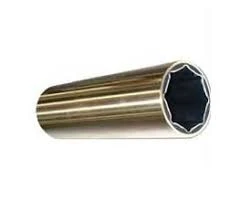
Brass cutlass marine bearing
-
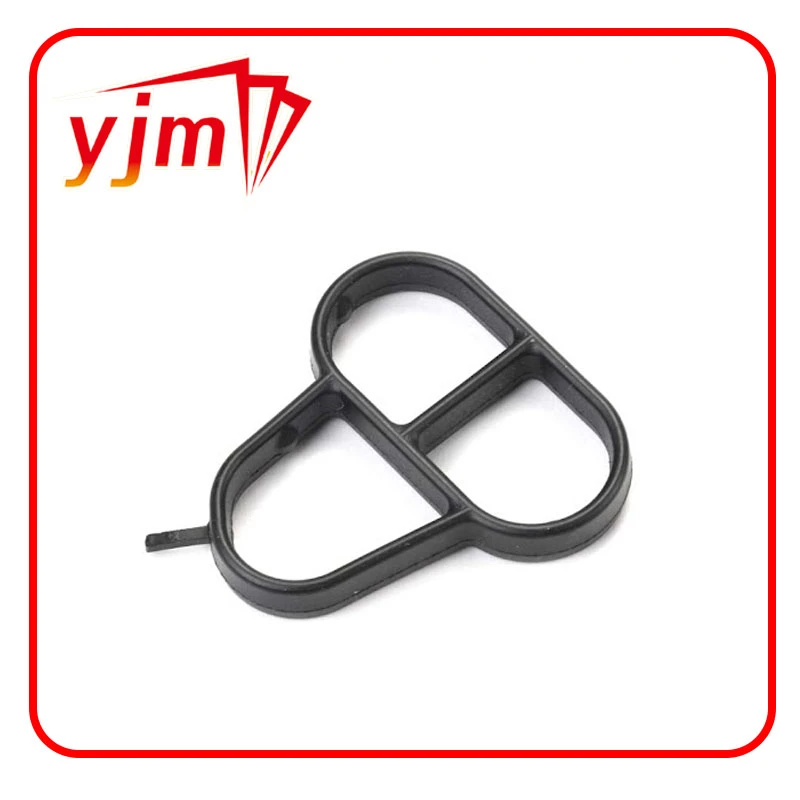
Genuine OEM Engine Oil Filter Housing Cover O-Ring For VW/Audi 06E115446
-
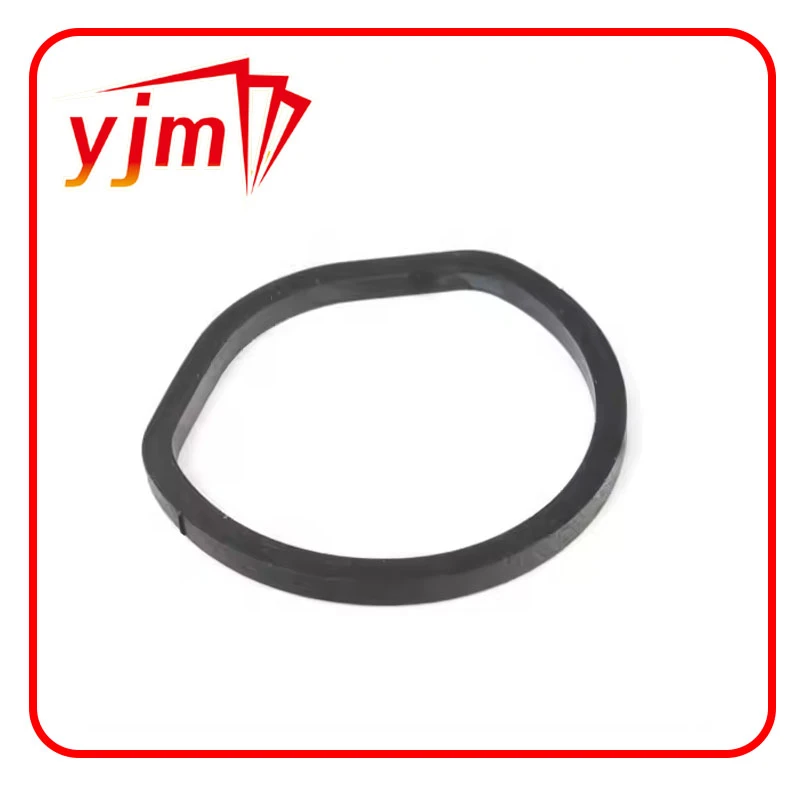
Oil Filter Stand Gasket,Oil filter cover seal
-
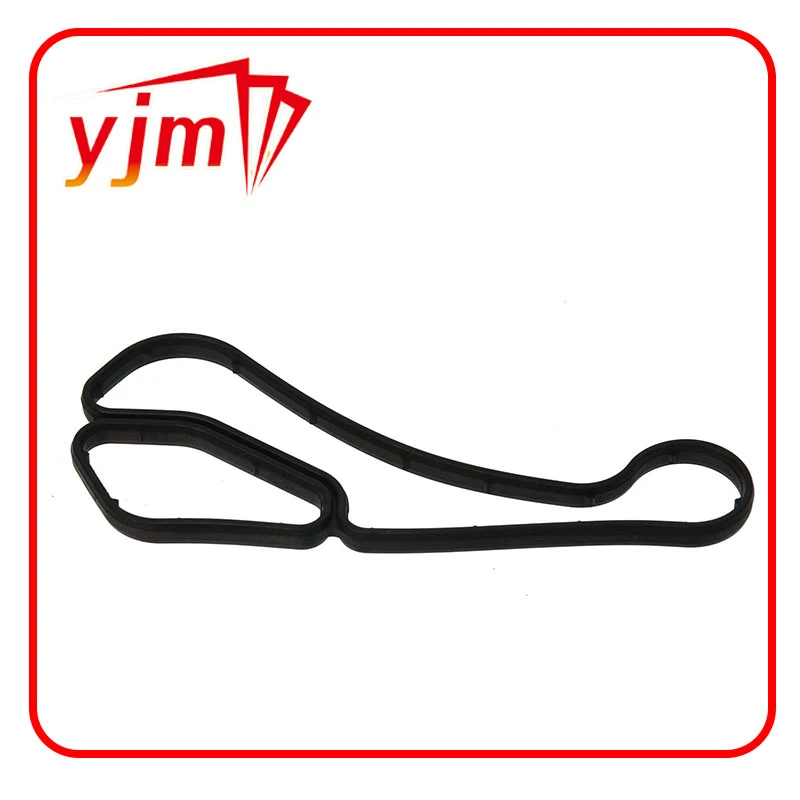
Oil Cooler Gasket, Oil Cooler to Oil Filter Housing 11427525335
-
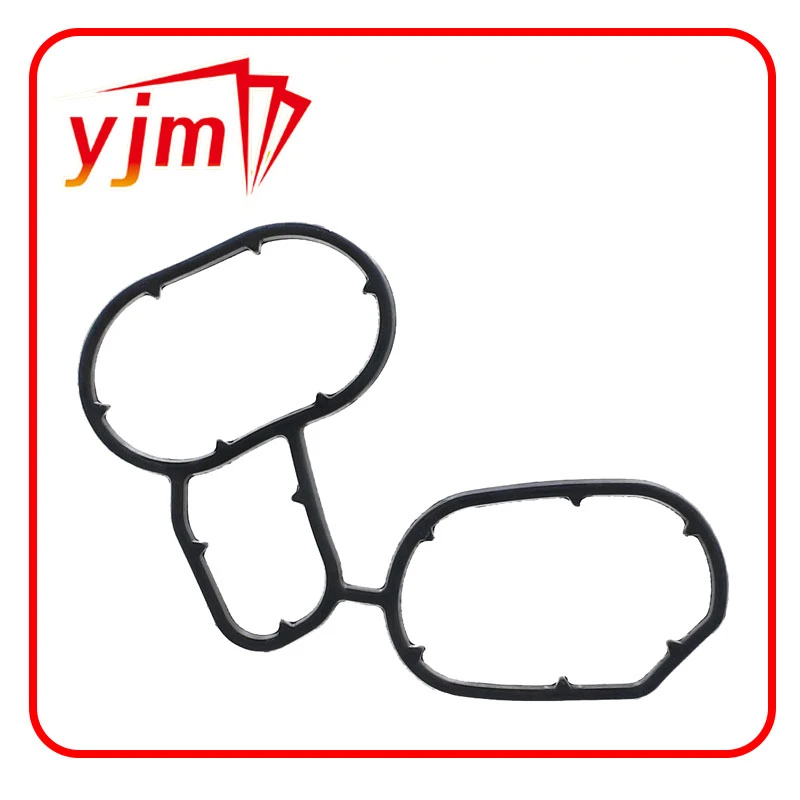
11427508970 BMW - OIL FILTER HOUSING GASKETS
-
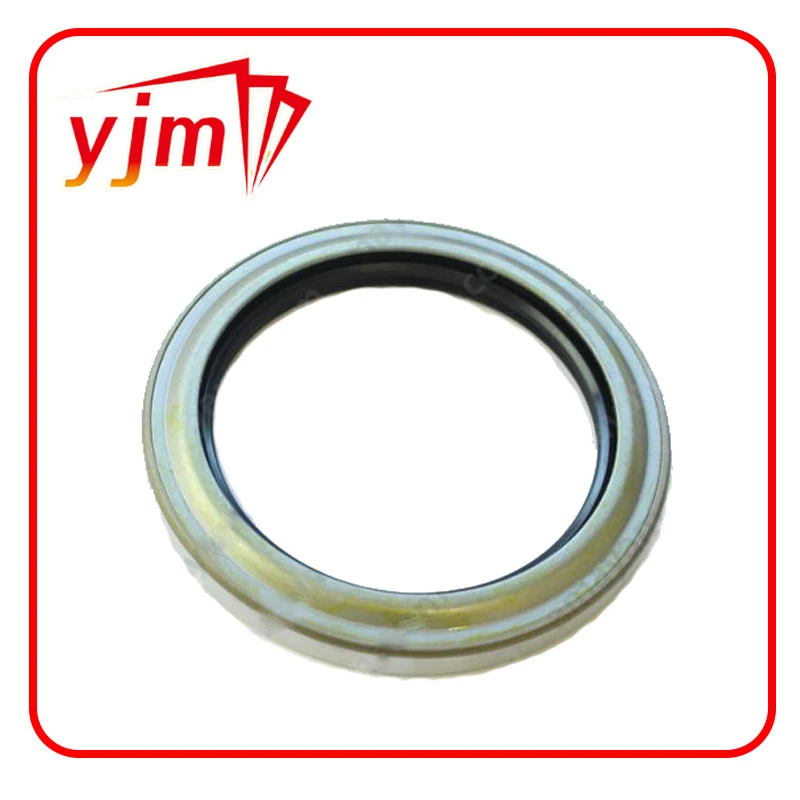
SEAL, OIL Genuine Toyota (9031170011)
-
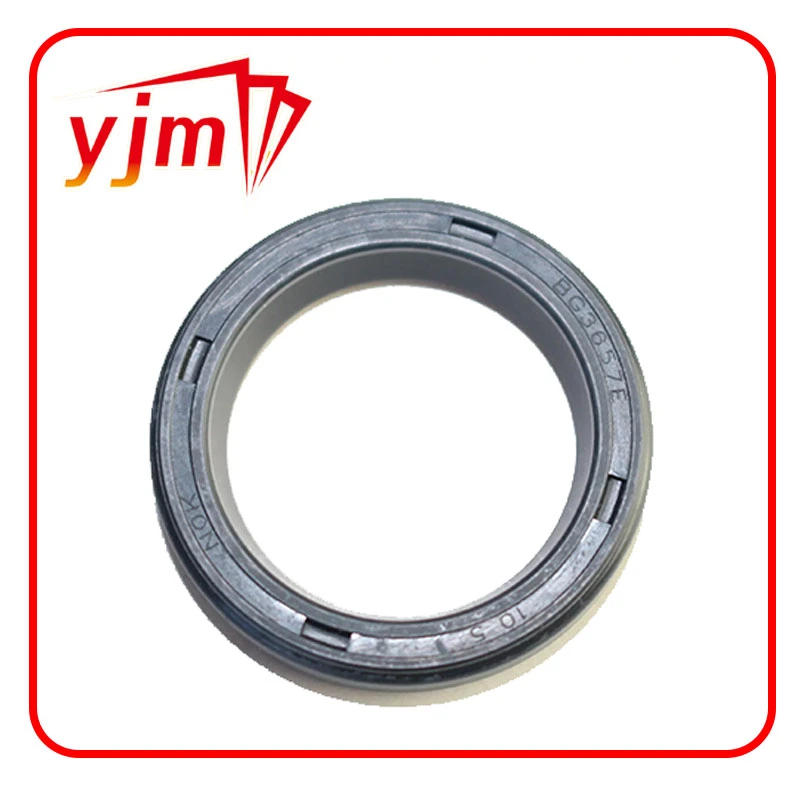
Transfer Case Output Shaft Seal Part 9031223001
-
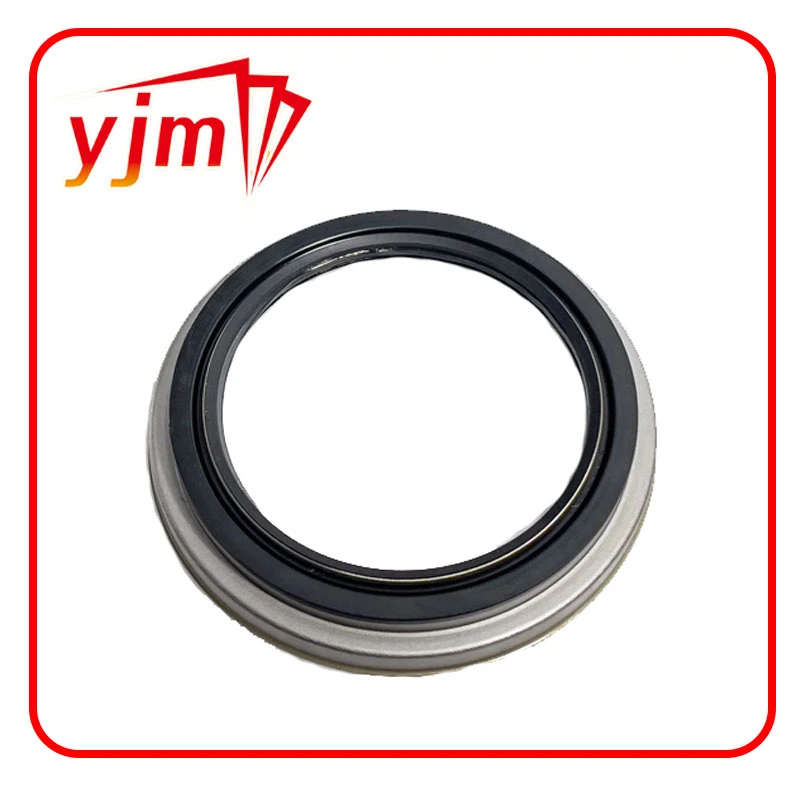
SEAL, OIL Genuine Toyota (9031672001)
-
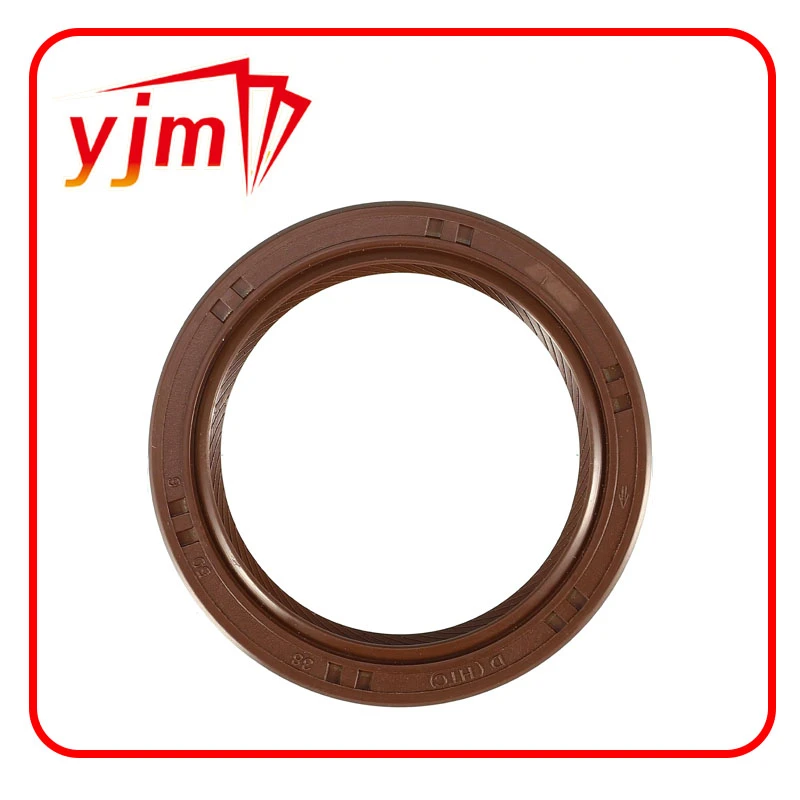
Engine Crankshaft Oil Seal No.9031138096
-
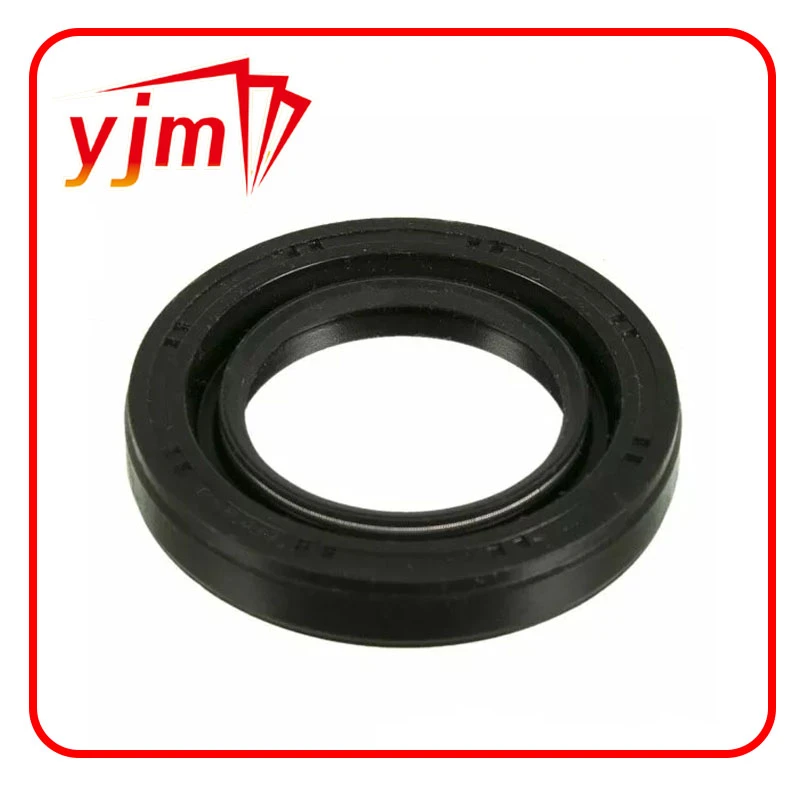
Toyota Transfer Case Output Shaft Seal Front 9031136006
-
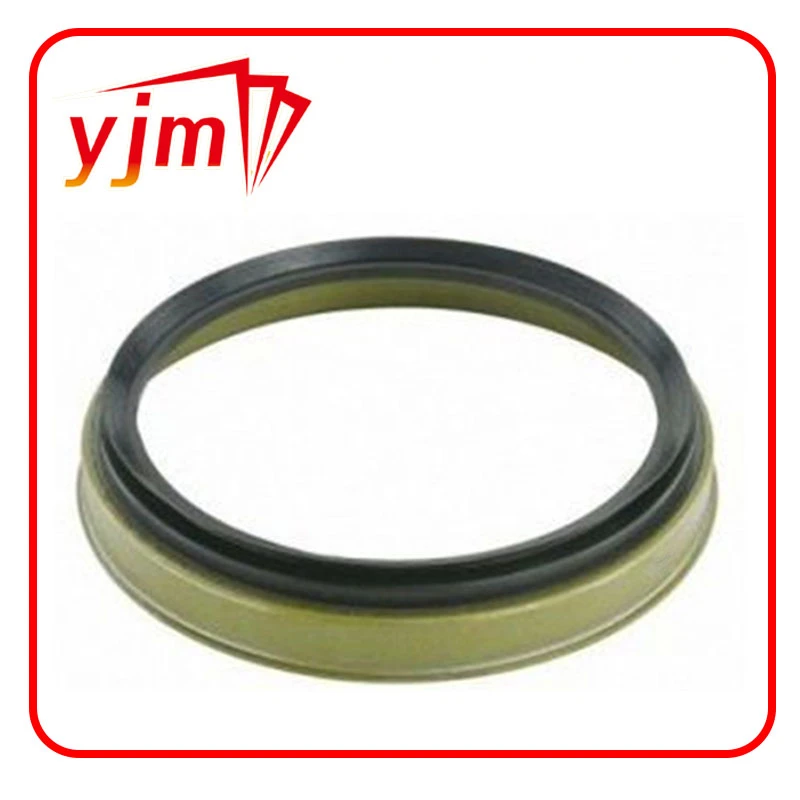
Seal, type v oil 9031287001 TOYOTA
-
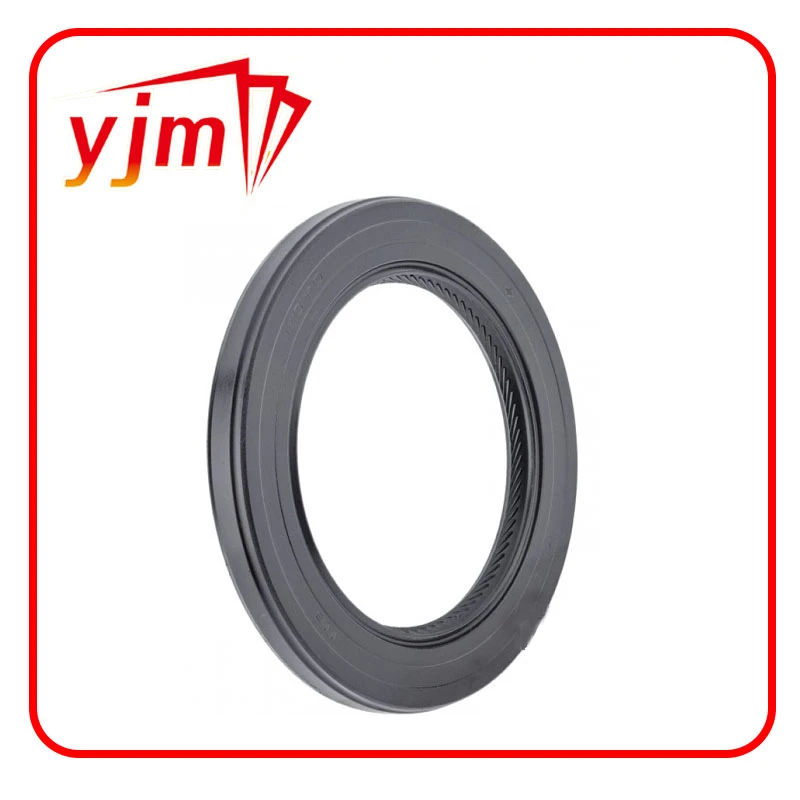
Oil pump seal 9031143010
-
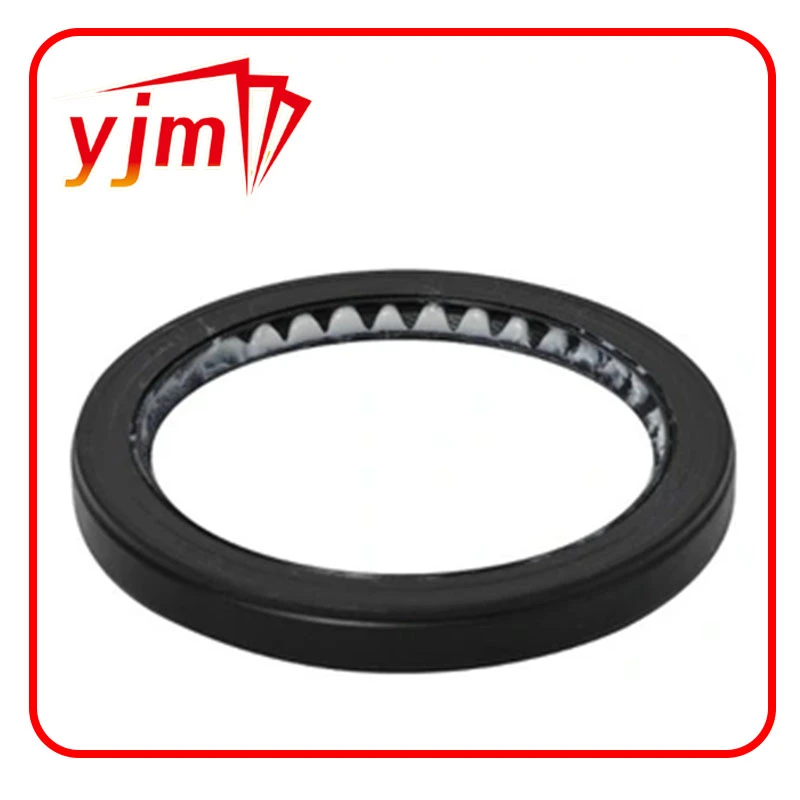
Genuine Toyota Oil SEAL 90311-54006
-
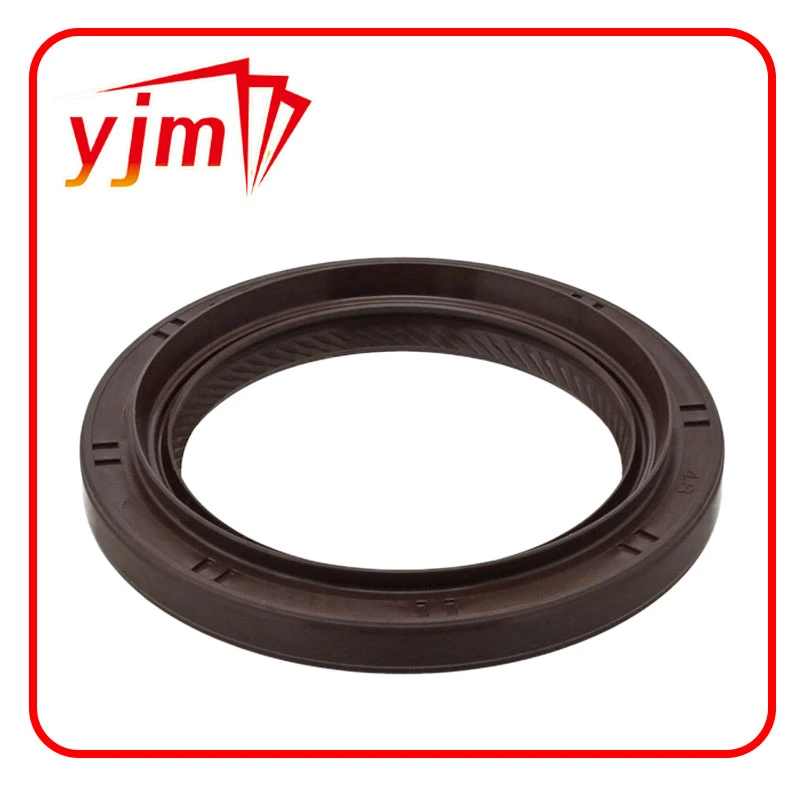
Toyota SEAL TYPE T OIL 90311-48031
-
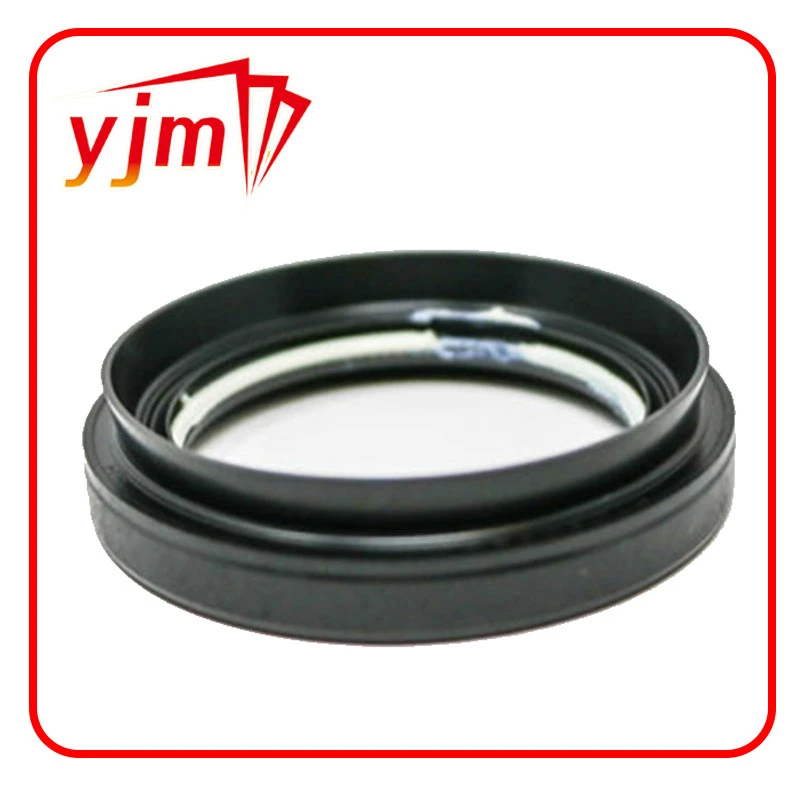
Type T Oil Seal, Front Drive Shaft, Left 9031150064
-
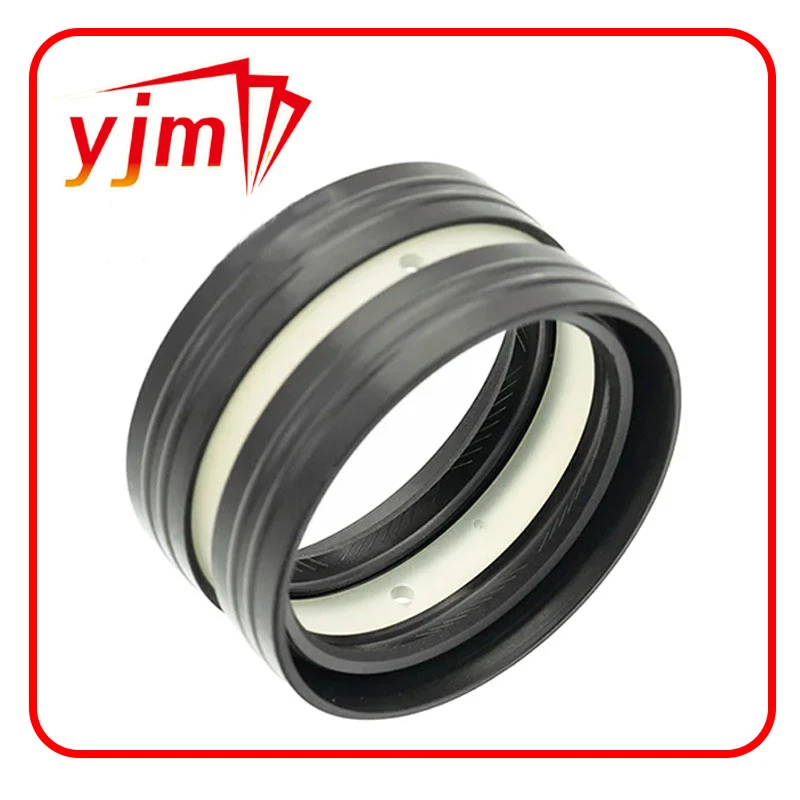
Seal, type d oil 9031634001 TOYOTA
 Afrikaans
 Albanian
 Amharic
 Arabic
 Armenian
 Azerbaijani
 Basque
 Belarusian
 Bengali
 Bosnian
 Bulgarian
 Catalan
 Cebuano
 Corsican
 Croatian
 Czech
Czech
 Danish
 Dutch
Dutch
 Esperanto
 Estonian
 Finnish
 French
 Frisian
 Galician
 Georgian
 German
 Greek
Greek
 Gujarati
 Haitian Creole
 Hausa
Hausa
 Hawaiian
 Hebrew
 Hindi
Hindi
 Miao
Miao
 Hungarian
 Icelandic
 Igbo
Igbo
 Indonesian
 Irish
Irish
 Italian
 Japanese
 Javanese
 Kannada
 Kazakh
 Khmer
Khmer
 Rwandese
 Korean
 Kurdish
 Kyrgyz
 Lao
Lao
 Latin
Latin
 Latvian
 Lithuanian
 Luxembourgish
 Macedonian
 Malgashi
 Malay
Malay
 Malayalam
 Maltese
 Maori
Maori
 Marathi
 Mongolian
 Myanmar
 Nepali
 Norwegian
 Norwegian
 Occitan
 Pashto
 Persian
 Polish
 Portuguese
 Punjabi
 Romanian
 Russian
 Samoan
 Scottish Gaelic
 Serbian
 Sesotho
 Shona
Shona
 Sindhi
 Sinhala
 Slovak
 Slovenian
 Somali
 Spanish
 Sundanese
 Swahili
 Swedish
 Tagalog
 Tajik
Tajik
 Tamil
Tamil
 Tatar
Tatar
 Telugu
 Thai
Thai
 Turkish
 Turkmen
 Ukrainian
 Urdu
Urdu
 Uighur
 Uzbek
Uzbek
 Vietnamese
 Welsh
Welsh
 Bantu
Bantu
 Yiddish
 Yoruba
 Zulu
Zulu
 English