Reliable 14x1.5 Oil Drain Plug for Industrial Equipment | YJM Seal
Why the 14x1.5 Oil Drain Plug Remains a Staple in Industrial Equipment
Having spent close to two decades tinkering, installing, and troubleshooting industrial equipment, I’ve learned there's a humble hero no one talks about enough — the oil drain plug. More specifically, the 14x1.5 oil drain plug. It’s one of those small components that you often overlook until it fails or leaks, and frankly, the right plug can save you a lot of headache and downtime.
In real terms, the 14x1.5 designation refers to the plug's thread diameter and pitch: 14 mm diameter with a 1.5 mm thread pitch. This size is pretty common across a range of automotive and industrial engines, which makes it a versatile choice. I recall a repair shop where switching to an exact 14x1.5 plug compatibility drastically cut oil leak complaints. That’s because matching these specs precisely is crucial — a fraction off, and you risk stripping the drain hole or creating loose seals.
Material Matters: Why Steel and Aluminum Dominate
Oddly enough, though it sounds like a simple screw, the material used for these plugs has a real impact. Most 14x1.5 oil drain plugs I’ve seen come in either steel or aluminum. Steel plugs often come zinc-coated or plated to resist corrosion, and their strength means they're ideal for heavy-duty equipment. Aluminum versions tend to be lighter and sometimes used in performance or racing setups, where shaving off grams counts.
Personally, I prefer steel in industrial settings — it feels like it can handle the torque from impact wrenches without snapping or galling. But then again, I’ve also witnessed some shops switch to aluminum plugs for quick visual inspections because they sometimes come with built-in magnetic tips to trap metal particles.
Testing and Reliability — A Must in Harsh Environments
Testing for these plugs isn’t just about checking if they fit. Many vendors subject their plugs to vibration analysis, corrosion resistance tests, and sometimes even torque retention checks. You might think it’s overkill, but if you’ve ever battled an oil drip under a machine running 24/7 in a dusty plant, you’ll appreciate that kind of rigor.
Also, the installation process itself can make or break the lifespan of a plug. Over-tightening or reusing an old crush washer can create leaks. This led me to advocate for always pairing the plug with a new washer — a small cost that prevents oil stains and costly repairs.
Specification at a Glance
| Specification | Details |
|---|---|
| Thread Size | 14 mm diameter x 1.5 mm pitch |
| Material | Steel (zinc-plated), Aluminum (option) |
| Length | Typically 20-25 mm |
| Seal Type | With crush washer or integrated O-ring |
| Common Application | Automotive engines, industrial machines, generators |
Vendor Comparison: Picking the Right 14x1.5 Oil Drain Plug Supplier
| Vendor | Material Options | Customization | Testing Certifications | Lead Time |
|---|---|---|---|---|
| YJM Seal | Steel, Aluminum | OEM/ODM available | ISO 9001, corrosion & vibration tested | 2-4 weeks |
| Vendor B | Steel only | Limited sizes | Basic QC checks | 3-5 weeks |
| Vendor C | Aluminum only | Custom colors & coatings | None specified | 4-6 weeks |
From my experience, trusting a brand that puts effort into testing and customization is never a bad bet. You know, it's like buying a reliable screwdriver — the right tool saves you time and irritation, every time. The 14x1.5 oil drain plug from YJM Seal ticks a lot of boxes: quality steel options, solid testing credentials, and the option to tailor to OEM needs. That’s why I often recommend it to colleagues repairing or assembling oil systems.
To sum up — these little plugs don’t get enough credit. But when chosen properly, considering size, material, and vendor reliability, they keep your machines running cleaner, longer, and save you from messy, costly oil leaks. So next time you’re swapping out an oil drain plug, think beyond the torque wrench and check exactly what you’re screwing in.
Feel free to experiment with different washers or even magnetic plugs — it can be surprisingly effective for early wear detection.
References:
- Industrial Fasteners Institute, Screw Threads Handbook, 2022
- YJM Seal Product Testing Reports, 2023
- Field Experience Reports, Industrial Equipment Repair Journal, 2019-2024
-
Guide to Choosing the Right Washer for Oil Change and Sealing
News Apr.16,2026
-
Essential Guide to High Quality rubber washer oil drain plug
News Apr.09,2026
-
Understanding Rubber Crush Washers for Optimal Sealing Performance
News Apr.07,2026
-
Comprehensive Guide to Understanding and Reusing Crush Washer for Optimal Sealing
News Apr.04,2026
-
The Vital Role of a Drain Screw Gasket in Fluid System Integrity
News Mar.31,2026
-
The Essential Guide to Drain Crush Washer Selection and Plumbing Leak Prevention
News Mar.28,2026
-
The Vital Role of a Crush Washer in Oil Changes for Engine Protection
News Mar.26,2026
Products categories
-
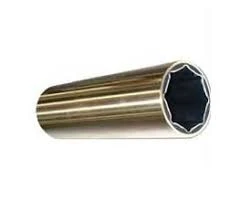
Brass cutlass marine bearing
-
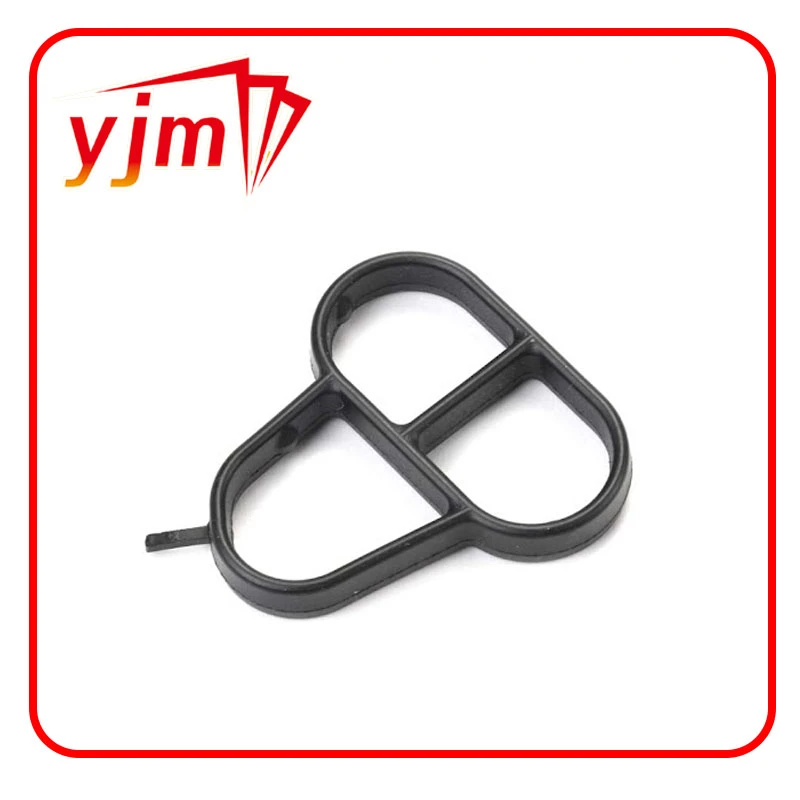
Genuine OEM Engine Oil Filter Housing Cover O-Ring For VW/Audi 06E115446
-
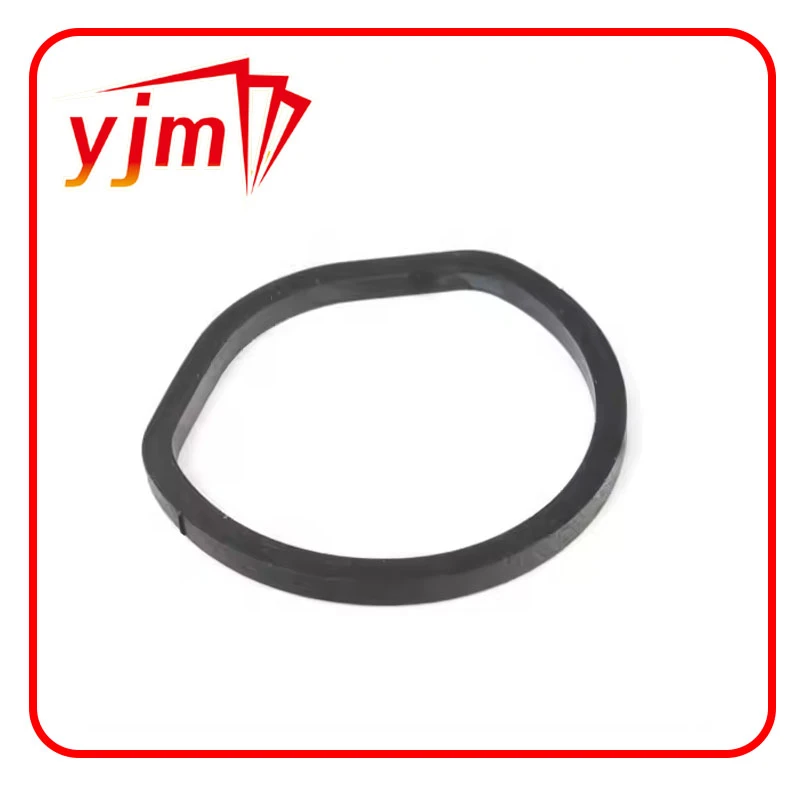
Oil Filter Stand Gasket,Oil filter cover seal
-
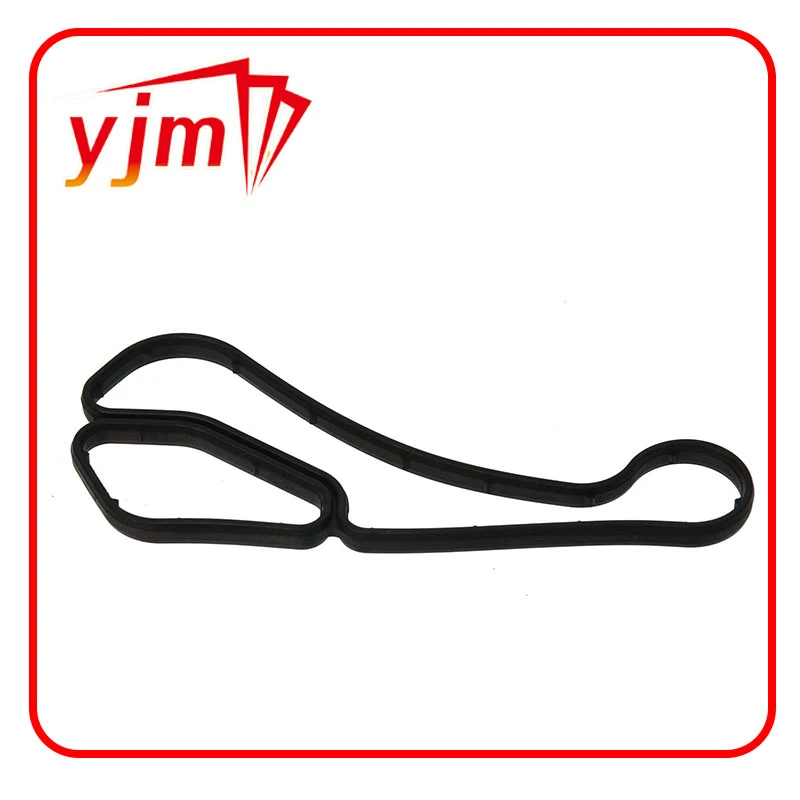
Oil Cooler Gasket, Oil Cooler to Oil Filter Housing 11427525335
-
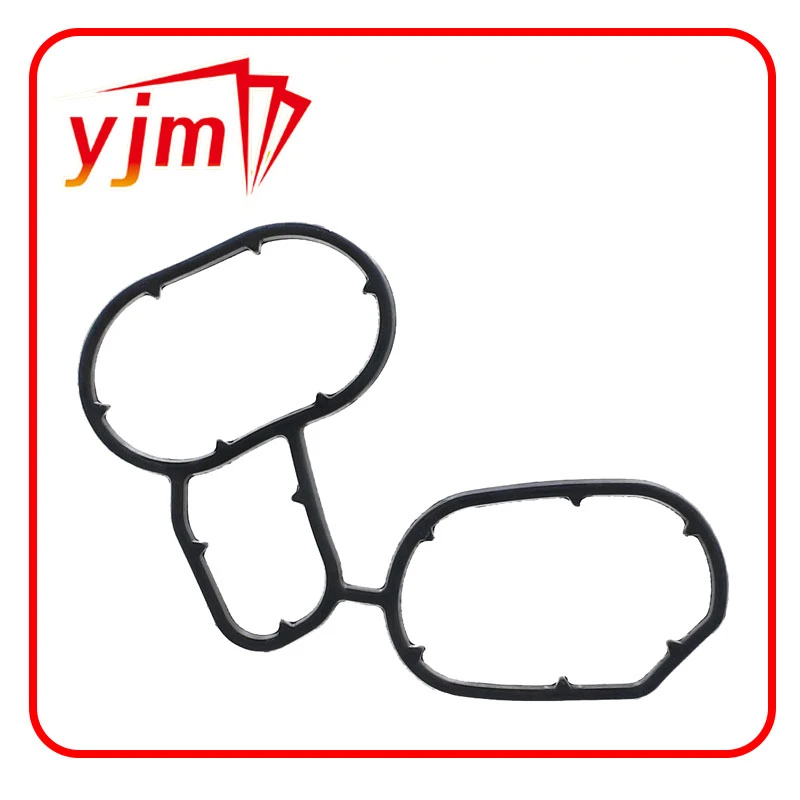
11427508970 BMW - OIL FILTER HOUSING GASKETS
-
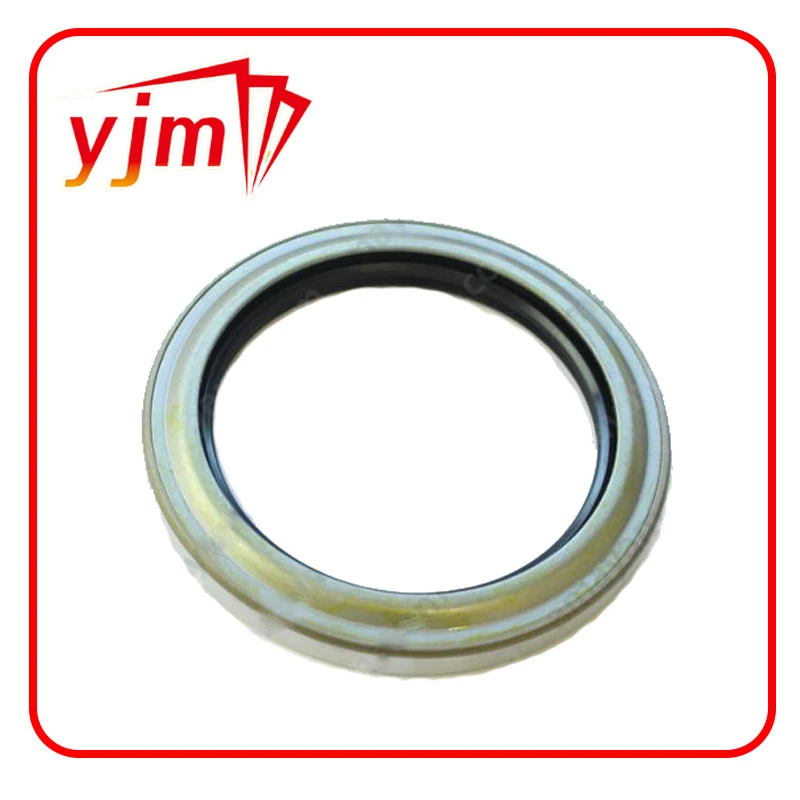
SEAL, OIL Genuine Toyota (9031170011)
-
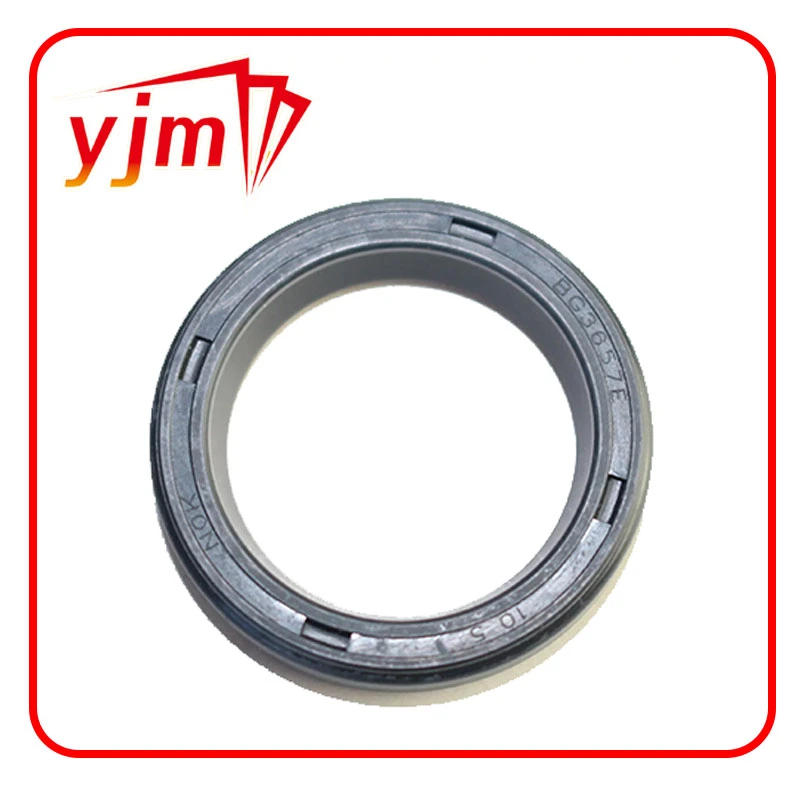
Transfer Case Output Shaft Seal Part 9031223001
-
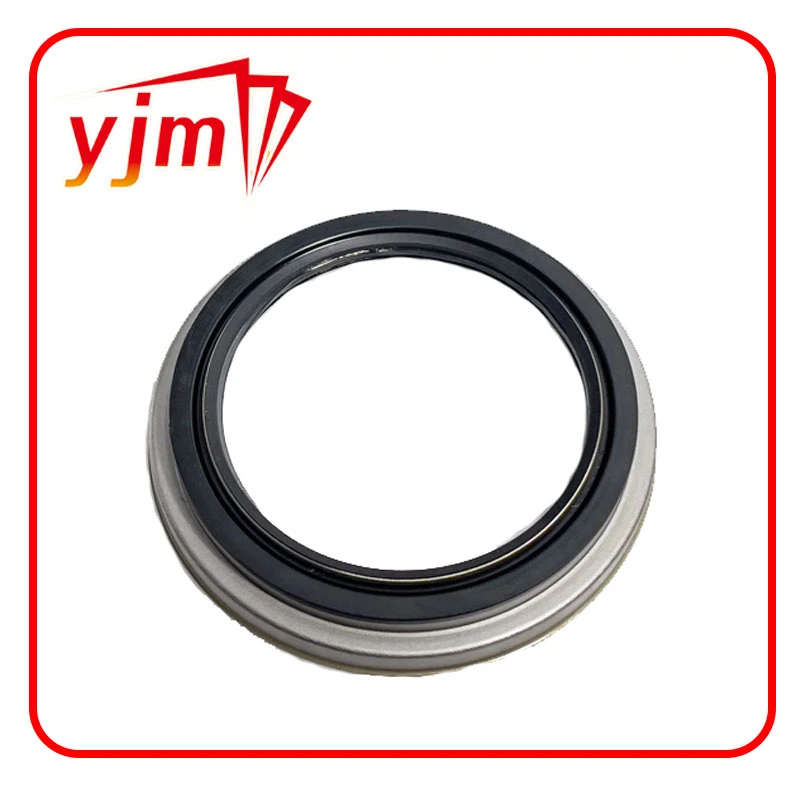
SEAL, OIL Genuine Toyota (9031672001)
-
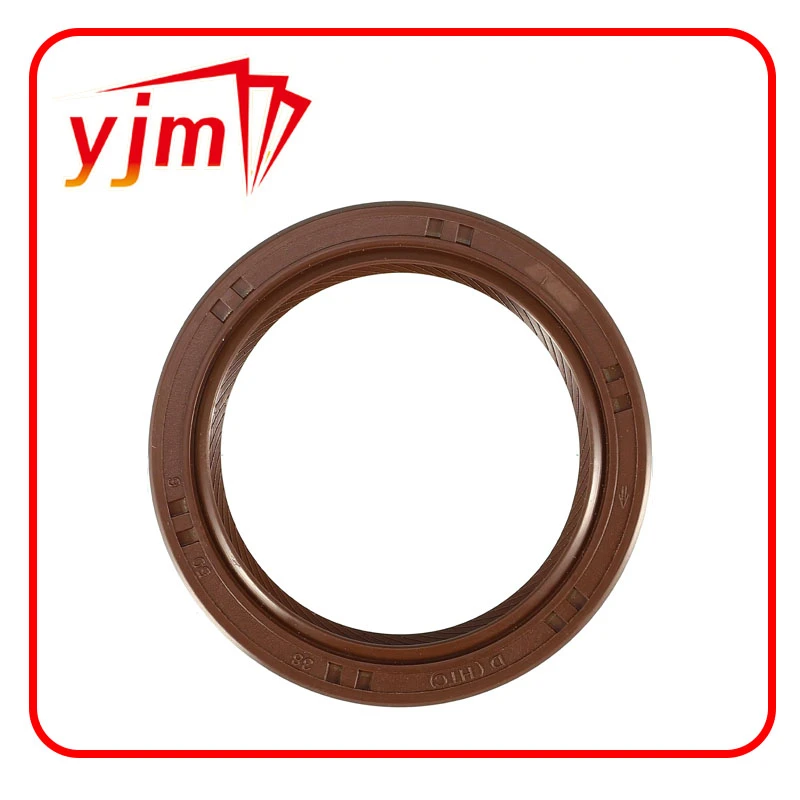
Engine Crankshaft Oil Seal No.9031138096
-
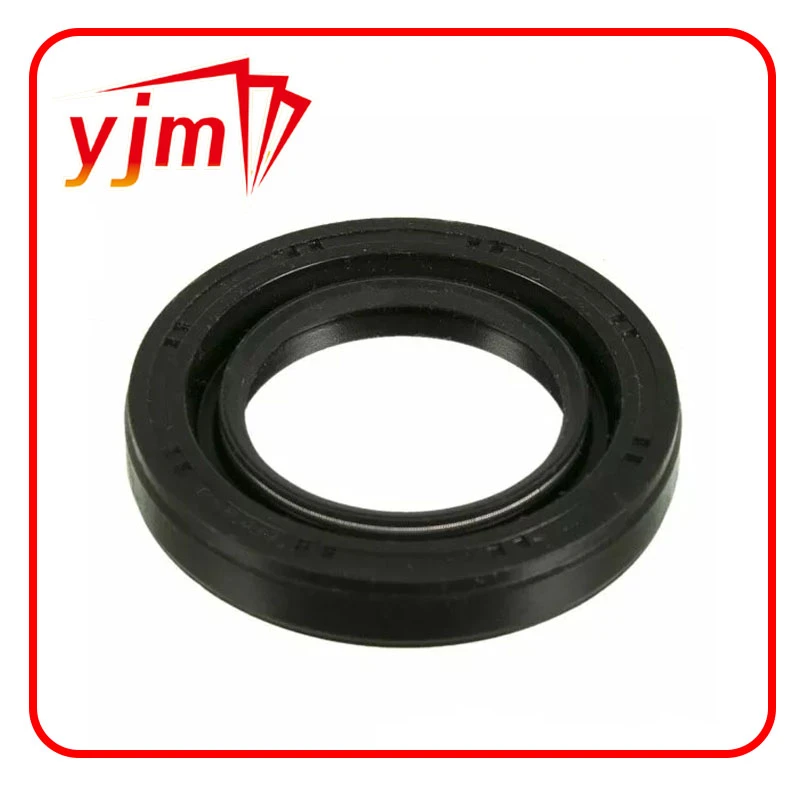
Toyota Transfer Case Output Shaft Seal Front 9031136006
-
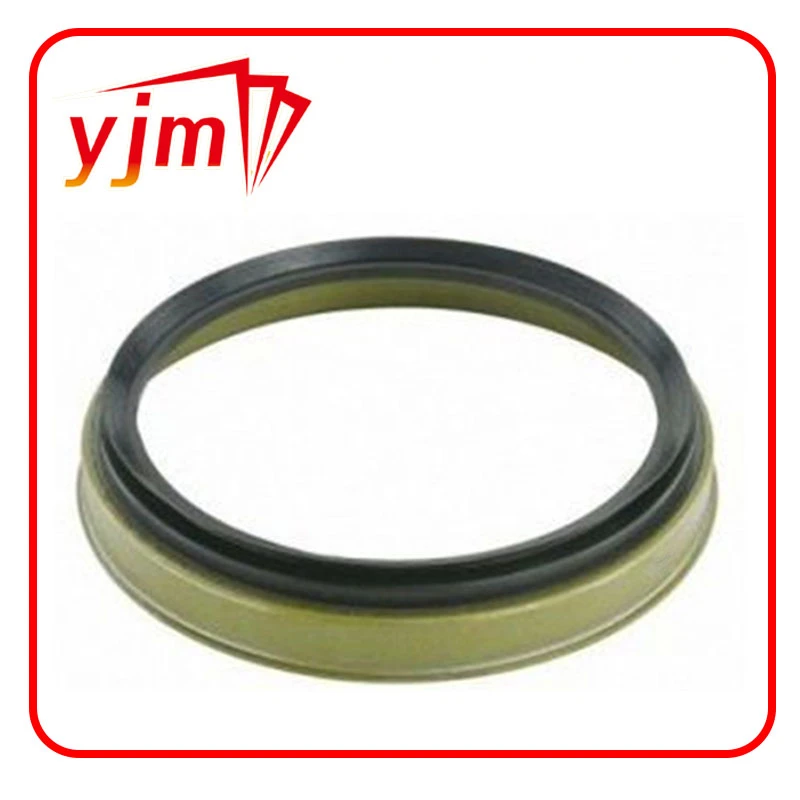
Seal, type v oil 9031287001 TOYOTA
-
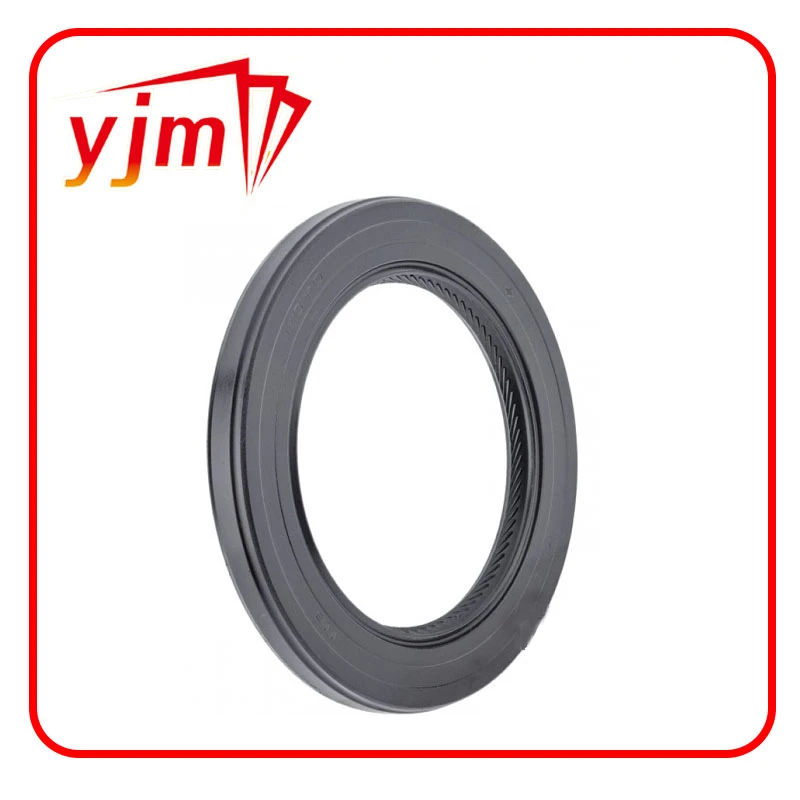
Oil pump seal 9031143010
-
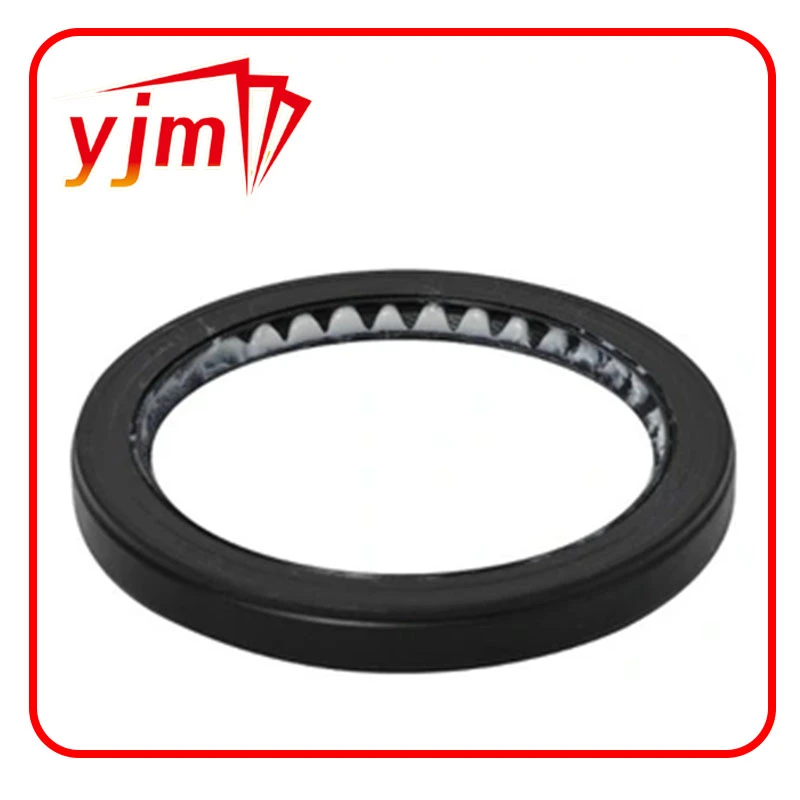
Genuine Toyota Oil SEAL 90311-54006
-
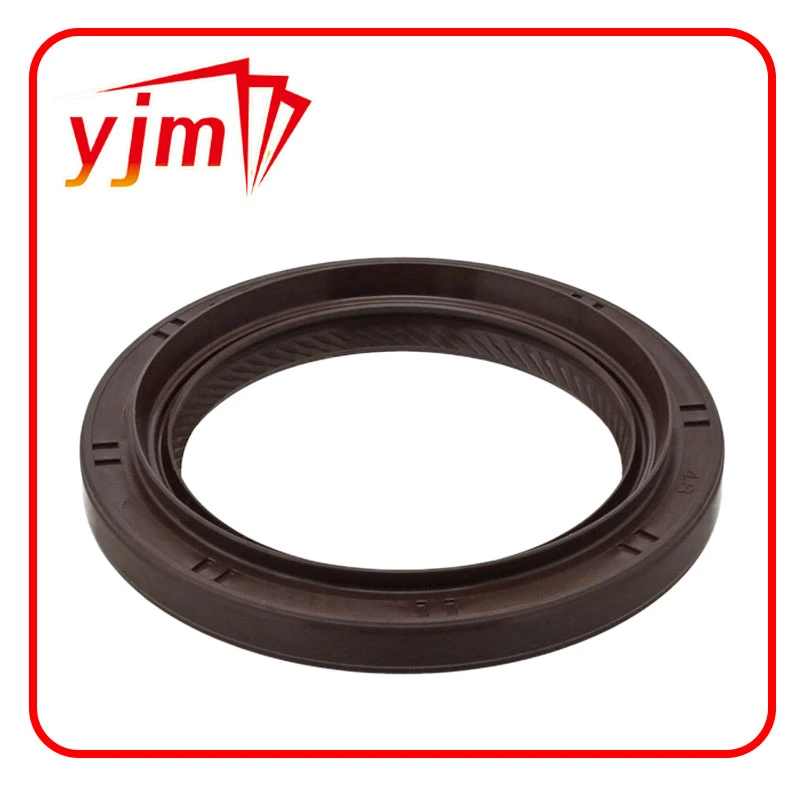
Toyota SEAL TYPE T OIL 90311-48031
-
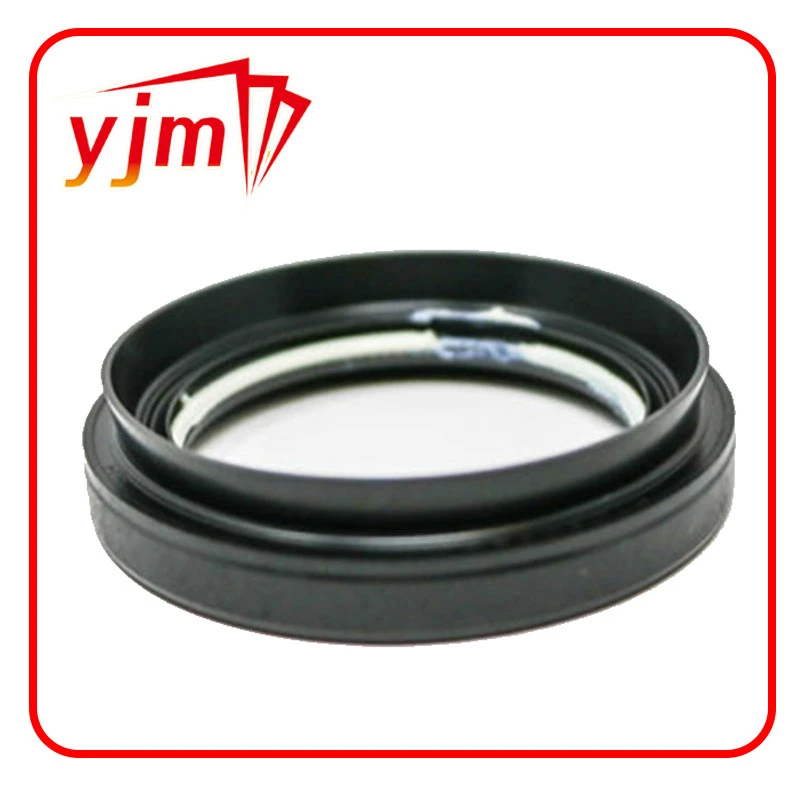
Type T Oil Seal, Front Drive Shaft, Left 9031150064
-
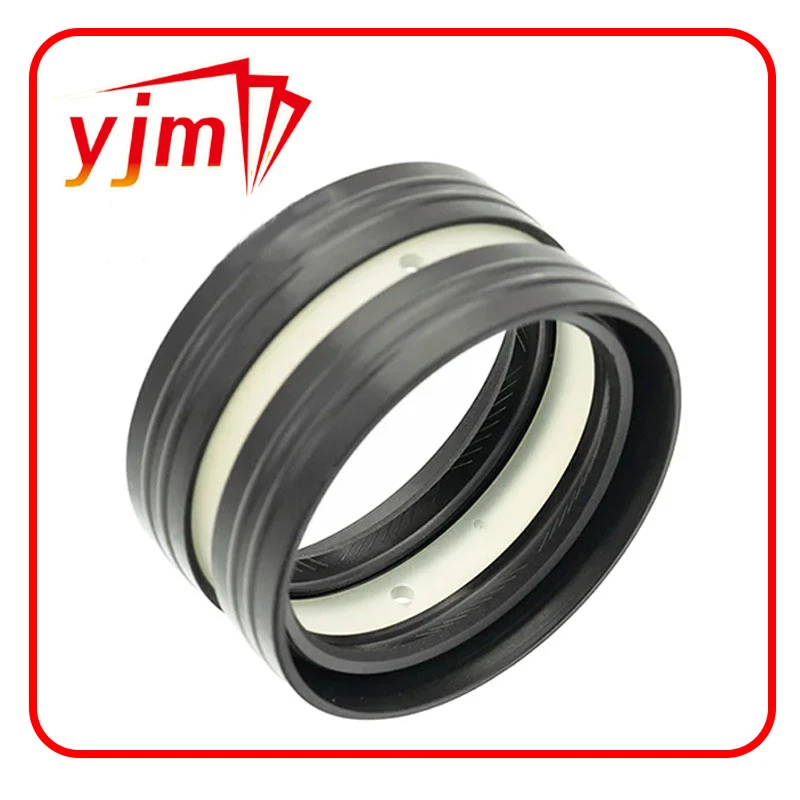
Seal, type d oil 9031634001 TOYOTA
 Afrikaans
 Albanian
 Amharic
 Arabic
 Armenian
 Azerbaijani
 Basque
 Belarusian
 Bengali
 Bosnian
 Bulgarian
 Catalan
 Cebuano
 Corsican
 Croatian
 Czech
Czech
 Danish
 Dutch
Dutch
 Esperanto
 Estonian
 Finnish
 French
 Frisian
 Galician
 Georgian
 German
 Greek
Greek
 Gujarati
 Haitian Creole
 Hausa
Hausa
 Hawaiian
 Hebrew
 Hindi
Hindi
 Miao
Miao
 Hungarian
 Icelandic
 Igbo
Igbo
 Indonesian
 Irish
Irish
 Italian
 Japanese
 Javanese
 Kannada
 Kazakh
 Khmer
Khmer
 Rwandese
 Korean
 Kurdish
 Kyrgyz
 Lao
Lao
 Latin
Latin
 Latvian
 Lithuanian
 Luxembourgish
 Macedonian
 Malgashi
 Malay
Malay
 Malayalam
 Maltese
 Maori
Maori
 Marathi
 Mongolian
 Myanmar
 Nepali
 Norwegian
 Norwegian
 Occitan
 Pashto
 Persian
 Polish
 Portuguese
 Punjabi
 Romanian
 Russian
 Samoan
 Scottish Gaelic
 Serbian
 Sesotho
 Shona
Shona
 Sindhi
 Sinhala
 Slovak
 Slovenian
 Somali
 Spanish
 Sundanese
 Swahili
 Swedish
 Tagalog
 Tajik
Tajik
 Tamil
Tamil
 Tatar
Tatar
 Telugu
 Thai
Thai
 Turkish
 Turkmen
 Ukrainian
 Urdu
Urdu
 Uighur
 Uzbek
Uzbek
 Vietnamese
 Welsh
Welsh
 Bantu
Bantu
 Yiddish
 Yoruba
 Zulu
Zulu
 English