17 mm Oil Drain Plug – Durable, Reliable Sealing for Industrial Equipment
17 mm Oil Drain Plug: A Small Part with Big Importance
After working in the industrial equipment sector for over a decade, I’ve come to appreciate that sometimes the smallest components can cause the biggest headaches—or relief—depending on their quality. The 17 mm oil drain plug is one of those tiny yet crucial parts that often gets overlooked until it’s time for an oil change or, worse, an oil leak.
If you’ve ever dealt with oil maintenance on heavy machinery or automotive equipment, you know the drain plug isn’t just a plug. It’s your primary line of defense against leaks and contamination. And oddly enough, despite its modest size, the 17 mm oil drain plug comes with a surprising variety of design features and materials tailored for different industrial needs.
Frankly, I’ve noticed that the best plugs tend to balance durability and ease of replacement. Many engineers I talk to swear by plugs with magnetic tips, especially for industrial machines where metal shavings can be a silent killer of engine life. One of my older customers once told me, “If we spot a few metal flecks in the drain plug’s magnet, we often avoid a huge repair bill later on.” It’s the kind of small detail that, in real terms, saves both downtime and dollars.
Understanding the Product Specs
The 17 mm oil drain plug is typically forged from high-grade steel or sometimes brass for corrosion resistance. It often features a threaded design compatible with specific engine sump threads. Some variants come with integrated crush washers or O-rings to improve sealing integrity, which is essential if you want to avoid those slow drips.
| Feature | Specification |
|---|---|
| Size | 17 mm diameter hex head |
| Material | Carbon steel or brass with corrosion-resistant coating |
| Thread Type | M14 x 1.5 (metric fine) |
| Seal | Integrated crush washer or rubber O-ring |
| Special Features | Magnetic tip option available |
Choosing the Right Vendor: What to Watch For
Not all 17 mm drain plugs are created equal. You might find generic options that fit the bill at first glance, but over time, these can lead to corrosion or difficulty during removal — and frankly, nothing frustrating out in the field like a seized drain plug.
I’ve compared some common suppliers in the market. Here’s a quick comparison showing what I think are the key points worth considering:
| Vendor | Material Quality | Seal Type | Price Range | Special Features |
|---|---|---|---|---|
| YJM Seal | High-grade carbon steel with anti-rust coating | Crush washer or magnetic O-ring | $$ | Custom sizes and magnetic tips available |
| Generic Supplier A | Standard steel, no coating | Rubber washer only | $ | Basic design, often inconsistent threads |
| Premium Parts Inc. | Brass with heavy corrosion resistance | Crush washer | $$$ | Limited sizes, premium finish |
I’ll admit there’s a bit of a trade-off here: you get what you pay for, usually. But if you’re running equipment critical to production or safety, the risk of cheaper plugs causing a leak isn’t worth the pennies saved.
And here’s a small tip from someone who’s scraped and cleaned countless drained engines—always look for a drain plug that not only seals well but is also straightforward to remove. It’s a tiny convenience that pays off hugely when the grease is on your hands and the clock’s ticking.
Why Customization Matters for Your 17 mm Oil Drain Plug
Oddly enough, when I first started, I thought a drain plug was just a drain plug. Later, I saw how customers' varied operating conditions—temperature swings, vibration levels, even environmental exposure—meant one size or material didn’t fit all. It’s why companies like YJM Seal offer custom dimensional and material options.
For example, in marine applications, where salt spray is a serious enemy, a non-coated carbon steel plug simply won’t last without corroding quickly. Meanwhile, heavy equipment in dusty, abrasive environments needs a plug that doesn’t just seal but withstands physical wear.
In short, specifying the right 17 mm oil drain plug means factoring in your equipment’s unique operating reality—which is sometimes overlooked by operators relying on “off-the-shelf” parts.
I suppose that’s why I often encourage clients to chat directly with technical reps who can help match a plug’s specs to the machine. It feels like investing a bit of time upfront saves a world of effort (and expense) down the line.
So, whenever you’re planning routine maintenance, consider the humble drain plug not just as a consumable, but a small safeguard for your machine’s health.
That’s been my experience at least—and if you ask around, I bet many engineers would tell you the same.
References:
1. Industry standards on oil drain plug materials and thread sizes
2. Equipment maintenance case studies, Industrial Journal 2020
3. Customer feedback compiled over 10+ years of fieldwork
-
Guide to Choosing the Right Washer for Oil Change and Sealing
News Apr.16,2026
-
Essential Guide to High Quality rubber washer oil drain plug
News Apr.09,2026
-
Understanding Rubber Crush Washers for Optimal Sealing Performance
News Apr.07,2026
-
Comprehensive Guide to Understanding and Reusing Crush Washer for Optimal Sealing
News Apr.04,2026
-
The Vital Role of a Drain Screw Gasket in Fluid System Integrity
News Mar.31,2026
-
The Essential Guide to Drain Crush Washer Selection and Plumbing Leak Prevention
News Mar.28,2026
-
The Vital Role of a Crush Washer in Oil Changes for Engine Protection
News Mar.26,2026
Products categories
-
Brass cutlass marine bearing
-
Genuine OEM Engine Oil Filter Housing Cover O-Ring For VW/Audi 06E115446
-
Oil Filter Stand Gasket,Oil filter cover seal
-
Oil Cooler Gasket, Oil Cooler to Oil Filter Housing 11427525335
-
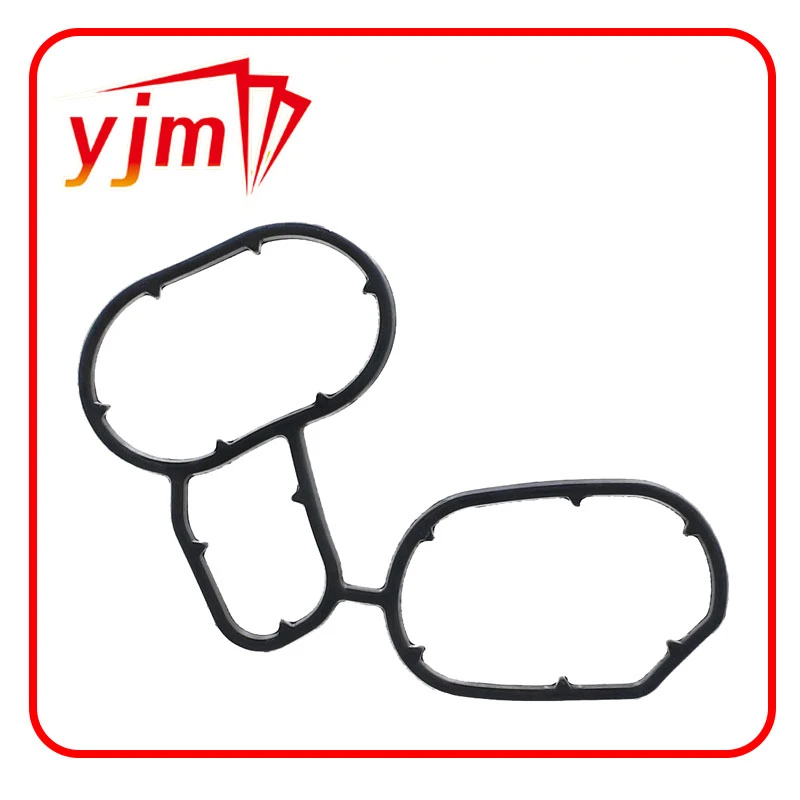
11427508970 BMW - OIL FILTER HOUSING GASKETS
-
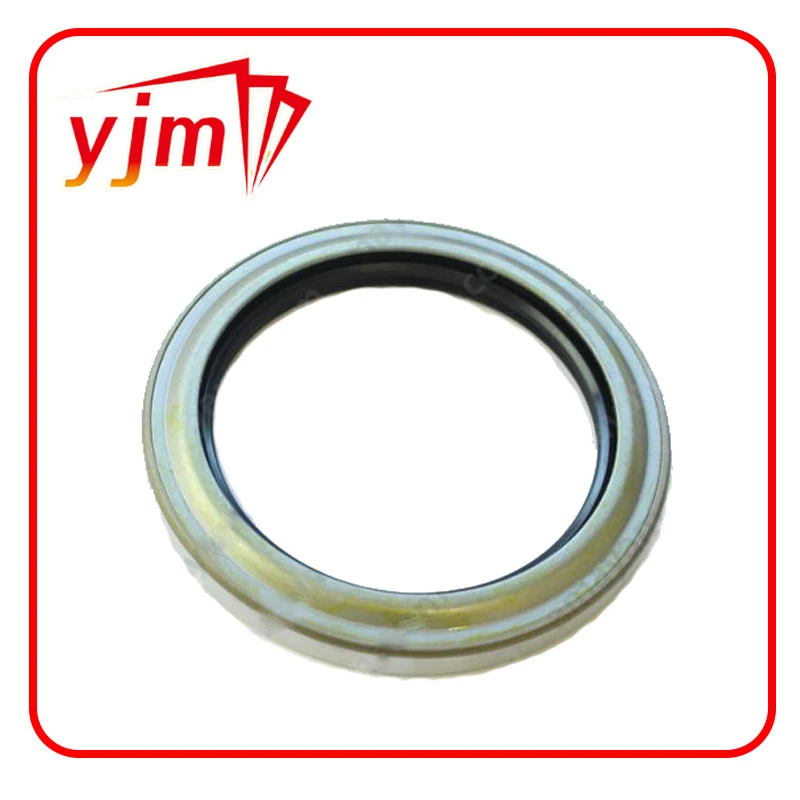
SEAL, OIL Genuine Toyota (9031170011)
-
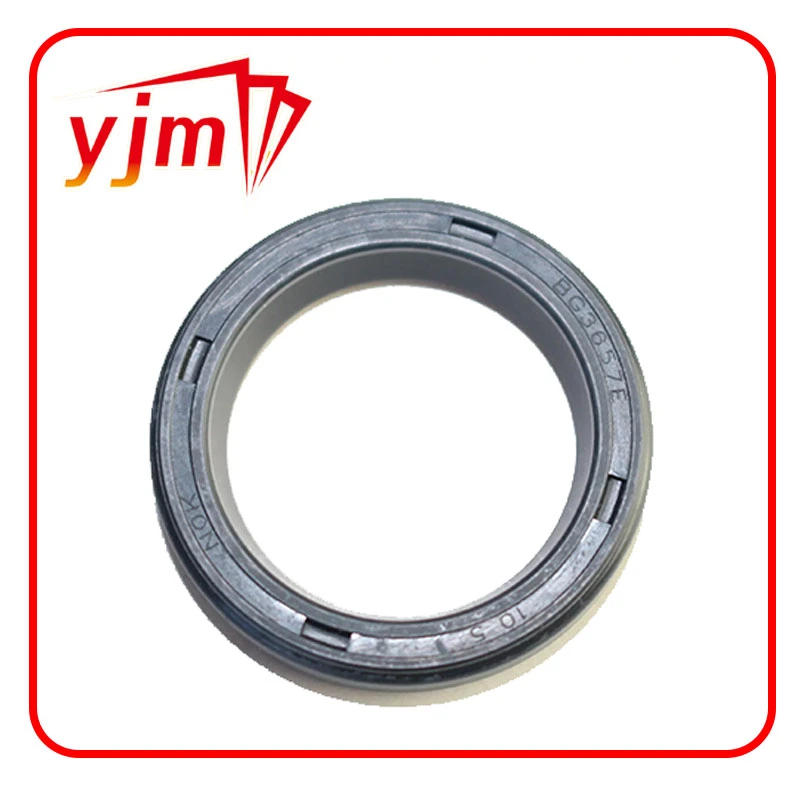
Transfer Case Output Shaft Seal Part 9031223001
-
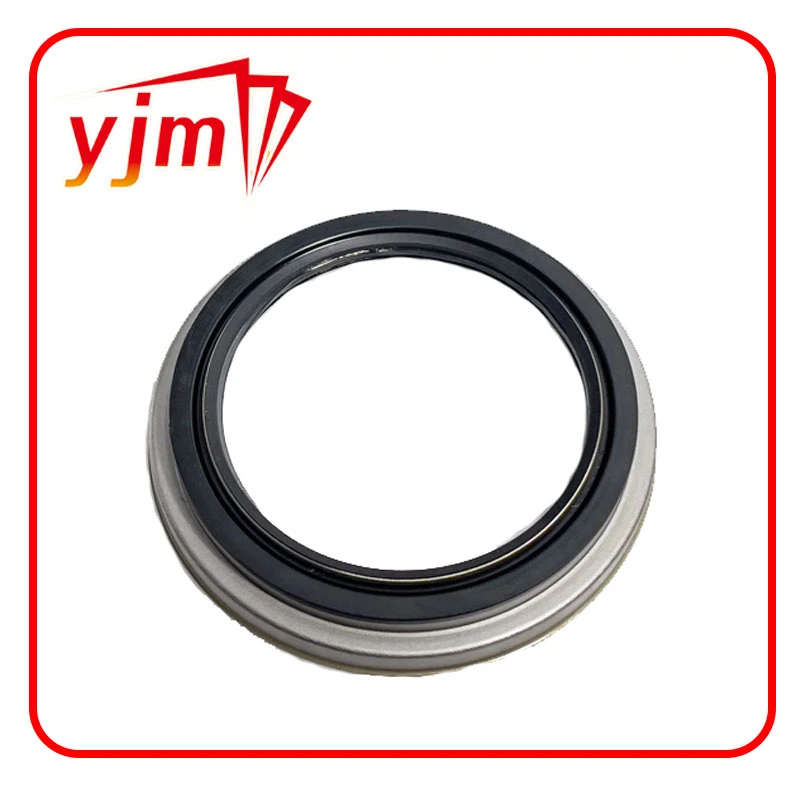
SEAL, OIL Genuine Toyota (9031672001)
-
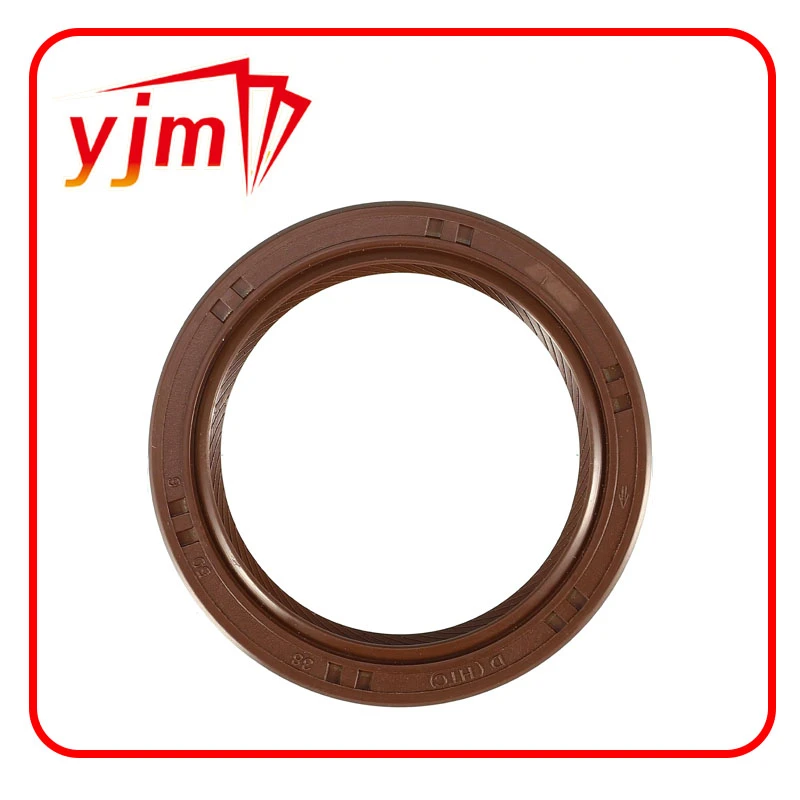
Engine Crankshaft Oil Seal No.9031138096
-
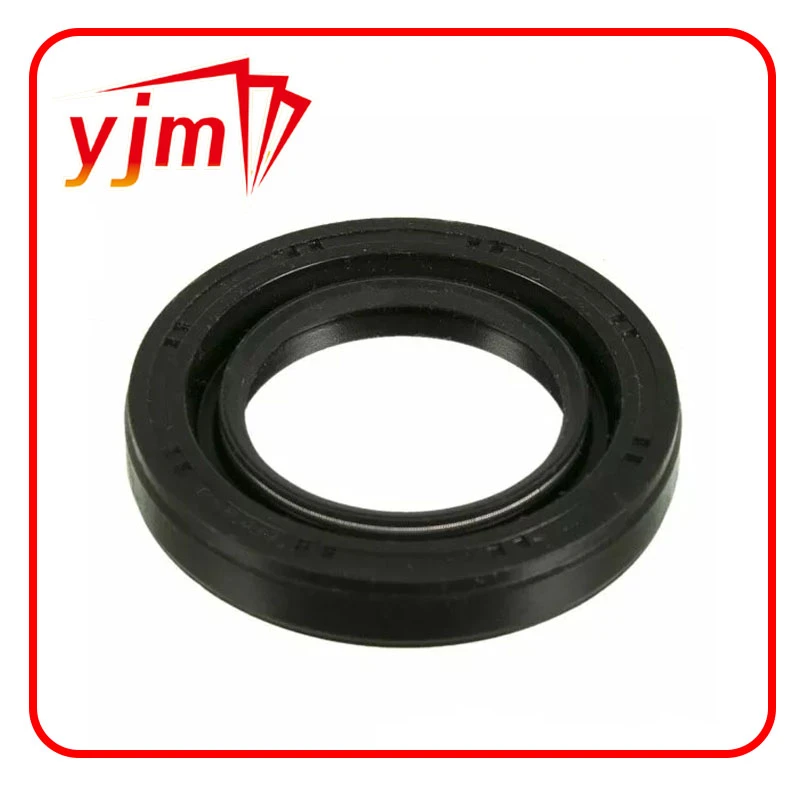
Toyota Transfer Case Output Shaft Seal Front 9031136006
-
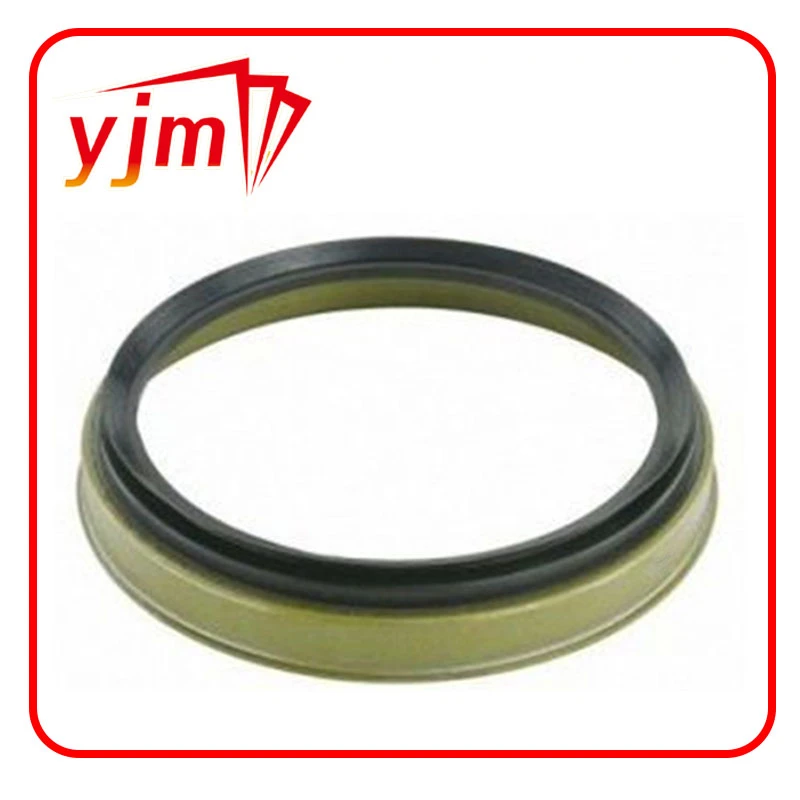
Seal, type v oil 9031287001 TOYOTA
-
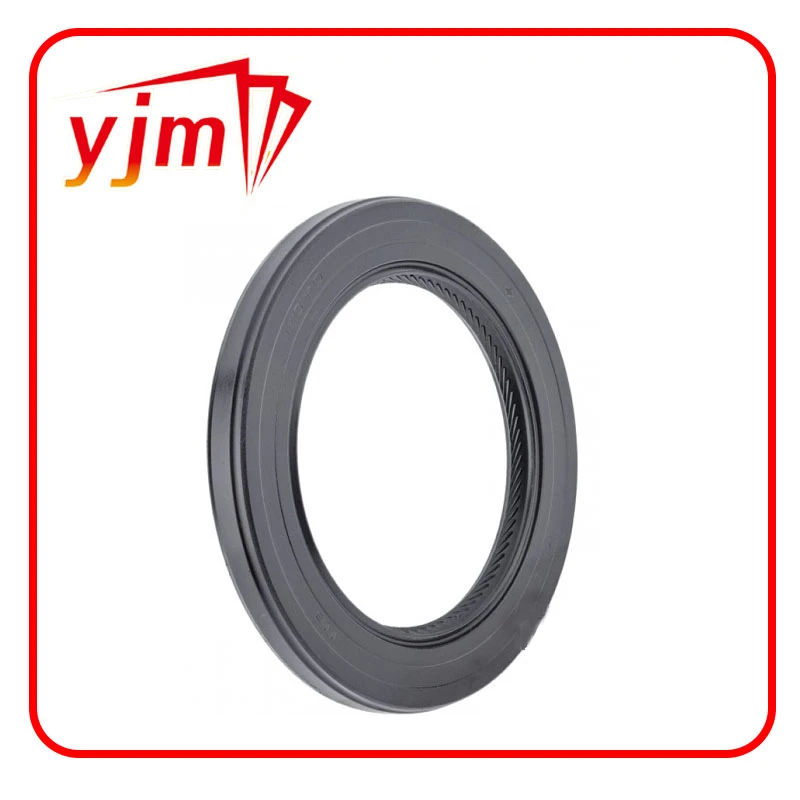
Oil pump seal 9031143010
-
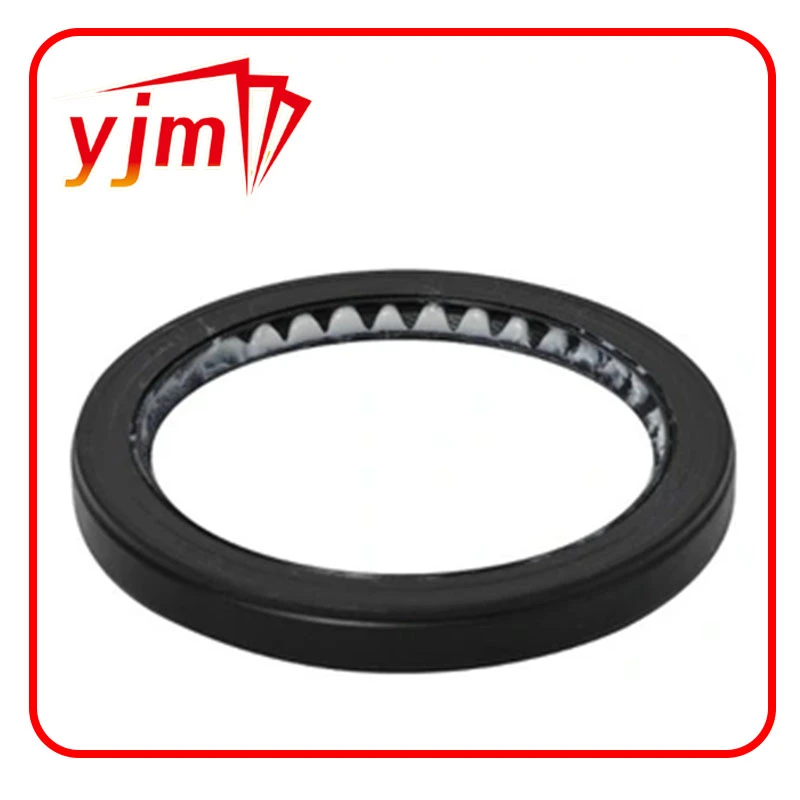
Genuine Toyota Oil SEAL 90311-54006
-
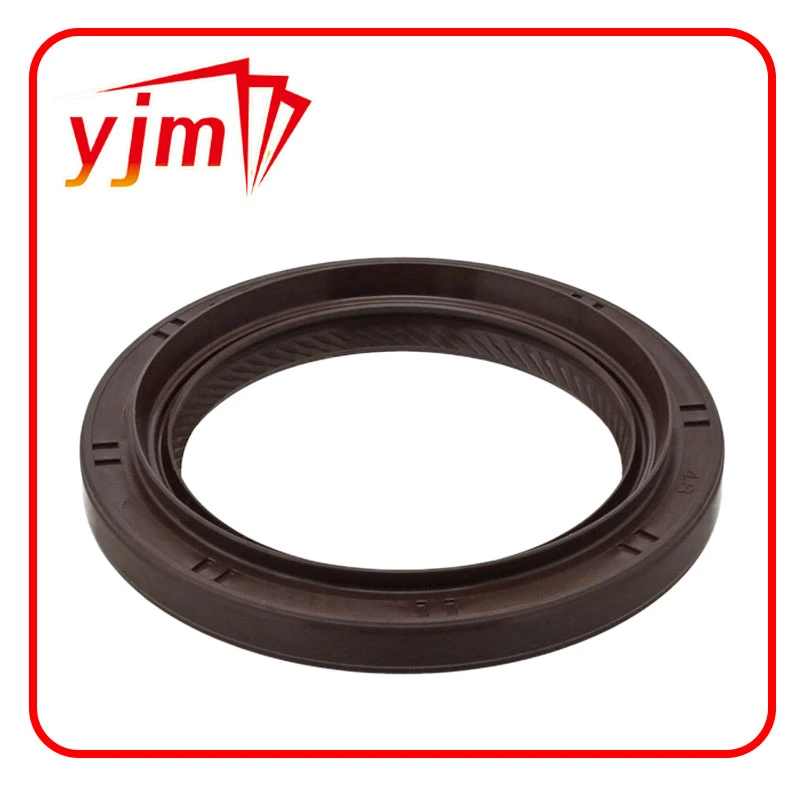
Toyota SEAL TYPE T OIL 90311-48031
-
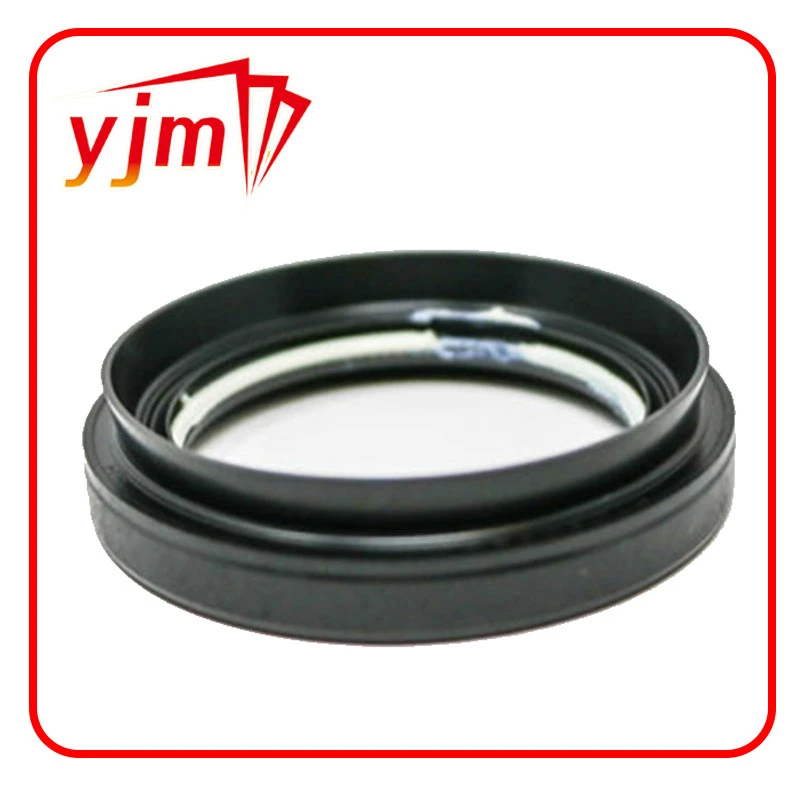
Type T Oil Seal, Front Drive Shaft, Left 9031150064
-
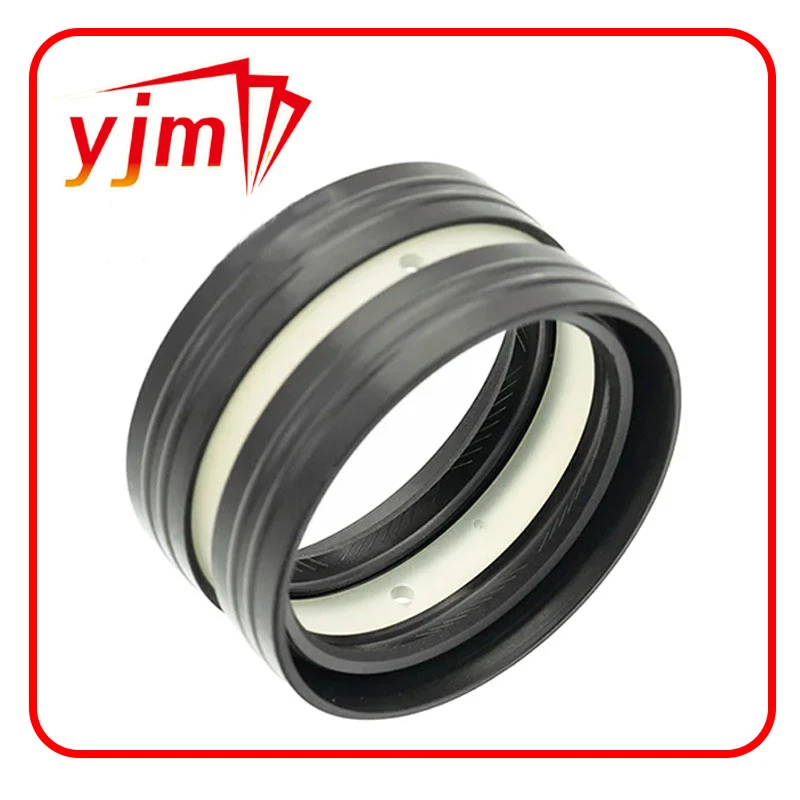
Seal, type d oil 9031634001 TOYOTA
 Afrikaans
 Albanian
 Amharic
 Arabic
 Armenian
 Azerbaijani
 Basque
 Belarusian
 Bengali
 Bosnian
 Bulgarian
 Catalan
 Cebuano
 Corsican
 Croatian
 Czech
Czech
 Danish
 Dutch
Dutch
 Esperanto
 Estonian
 Finnish
 French
 Frisian
 Galician
 Georgian
 German
 Greek
Greek
 Gujarati
 Haitian Creole
 Hausa
Hausa
 Hawaiian
 Hebrew
 Hindi
Hindi
 Miao
Miao
 Hungarian
 Icelandic
 Igbo
Igbo
 Indonesian
 Irish
Irish
 Italian
 Japanese
 Javanese
 Kannada
 Kazakh
 Khmer
Khmer
 Rwandese
 Korean
 Kurdish
 Kyrgyz
 Lao
Lao
 Latin
Latin
 Latvian
 Lithuanian
 Luxembourgish
 Macedonian
 Malgashi
 Malay
Malay
 Malayalam
 Maltese
 Maori
Maori
 Marathi
 Mongolian
 Myanmar
 Nepali
 Norwegian
 Norwegian
 Occitan
 Pashto
 Persian
 Polish
 Portuguese
 Punjabi
 Romanian
 Russian
 Samoan
 Scottish Gaelic
 Serbian
 Sesotho
 Shona
Shona
 Sindhi
 Sinhala
 Slovak
 Slovenian
 Somali
 Spanish
 Sundanese
 Swahili
 Swedish
 Tagalog
 Tajik
Tajik
 Tamil
Tamil
 Tatar
Tatar
 Telugu
 Thai
Thai
 Turkish
 Turkmen
 Ukrainian
 Urdu
Urdu
 Uighur
 Uzbek
Uzbek
 Vietnamese
 Welsh
Welsh
 Bantu
Bantu
 Yiddish
 Yoruba
 Zulu
Zulu
 English