High pressure oil seals are critical components in a vast array of industrial applications, ensuring the reliable containment of fluids in demanding environments. These seals are engineered to withstand extreme pressures, temperatures, and chemical exposures, preventing leaks and maintaining system efficiency. Understanding their design, materials, and applications is paramount for engineers, maintenance professionals, and anyone involved in operating or maintaining heavy machinery.
The global demand for high pressure oil seals is steadily increasing, driven by growth in industries like oil and gas, aerospace, automotive, and manufacturing. As technology advances and equipment operates under more severe conditions, the need for seals capable of maintaining integrity becomes even more crucial. The ISO standards and UN regulations surrounding safety and environmental protection further emphasize the importance of utilizing high-quality, reliable sealing solutions.
Investing in robust high pressure oil seals translates to reduced downtime, increased operational safety, and lower long-term costs. Choosing the right seal for a specific application, considering factors like fluid compatibility and pressure ratings, is essential for optimal performance and longevity. This is where specialized manufacturers like high pressure oil seals play a crucial role, providing tailored solutions and expert guidance.
Defining High Pressure Oil Seals and Their Importance
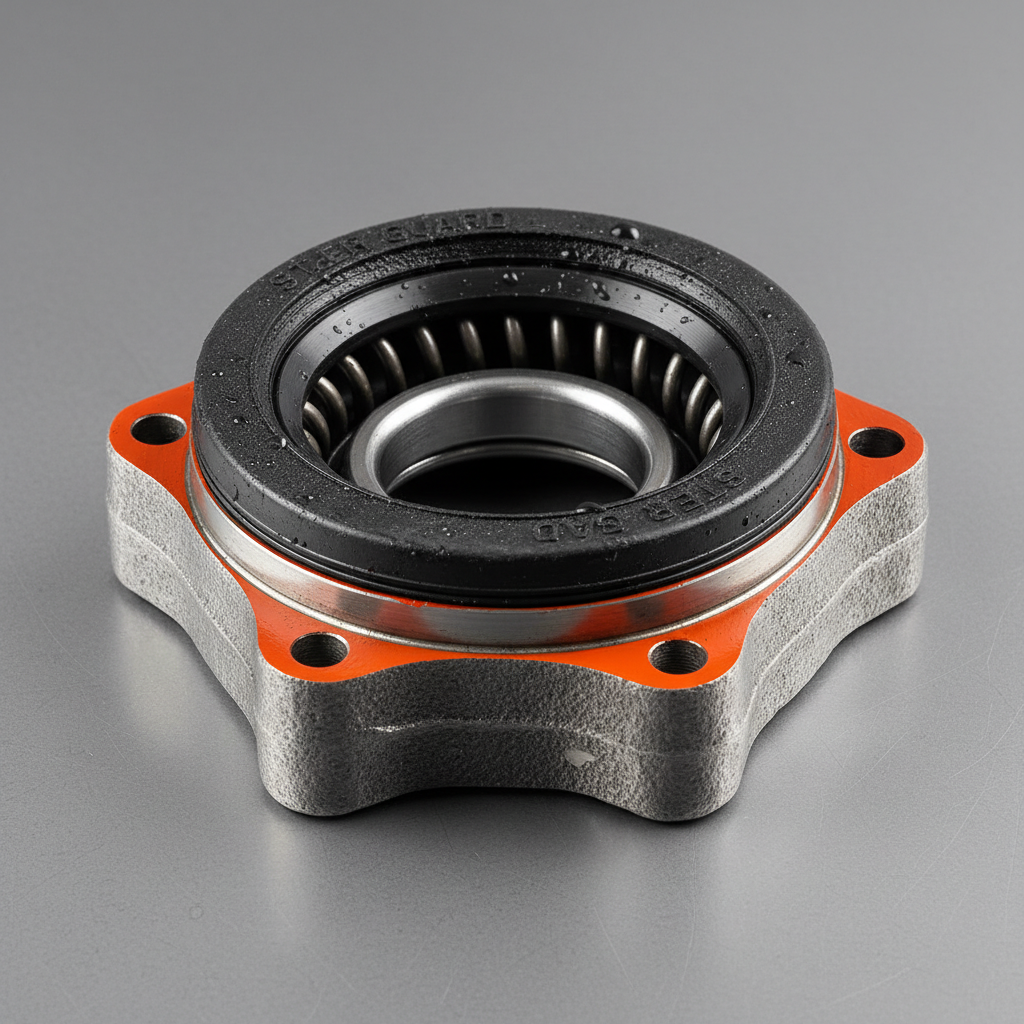
High pressure oil seals are specifically designed to prevent the leakage of fluids—typically oils, hydraulic fluids, or gases—within mechanical systems operating under significant pressure. They are fundamentally different from standard seals, employing specialized materials and designs to maintain a tight, reliable barrier. high pressure oil seals are essential for the functionality and safety of complex machinery.
These seals are crucial in applications where fluid containment is paramount, and failure can lead to costly downtime, environmental damage, or even catastrophic accidents. Their ability to withstand high pressures without deformation or degradation is what sets them apart and makes them indispensable in a multitude of industrial processes.
Global Relevance and Industry Challenges
The demand for reliable high pressure oil seals is globally distributed, mirroring the presence of industries reliant on heavy machinery and fluid power systems. Major manufacturing hubs in countries like China, Germany, the United States, and Japan represent significant markets. Growth in emerging economies, particularly in Asia and South America, is also driving demand as these regions invest in infrastructure and industrial expansion.
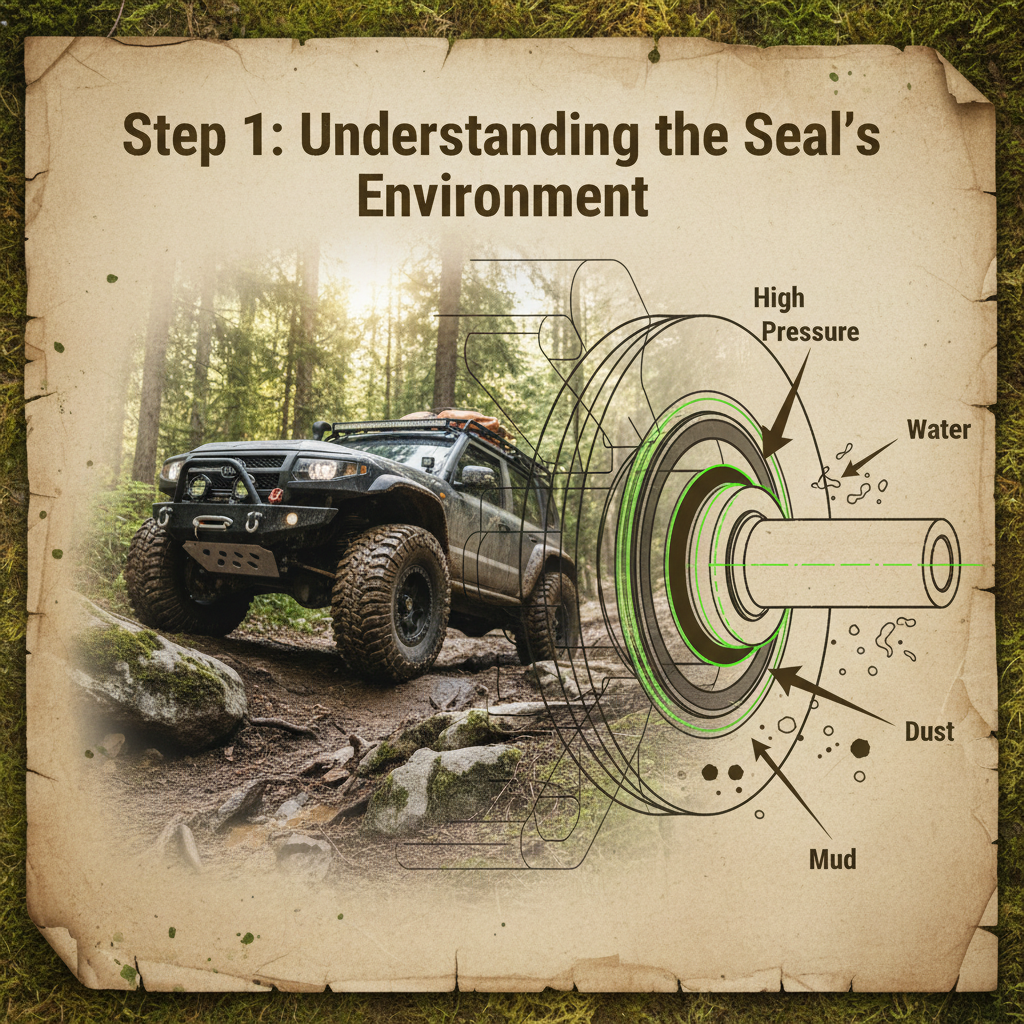
One significant challenge is the increasing complexity of hydraulic systems and the fluids they utilize. New fluid formulations require seals that offer broader chemical compatibility. Furthermore, stringent environmental regulations necessitate seals with minimal leakage to prevent pollution.
According to a report by the Global Seals Association, the market for industrial seals, including high-pressure varieties, is projected to reach $XX billion by 2028, demonstrating a consistent growth trajectory. This growth underscores the critical role these components play in sustaining industrial operations worldwide.
Core Components and Material Science
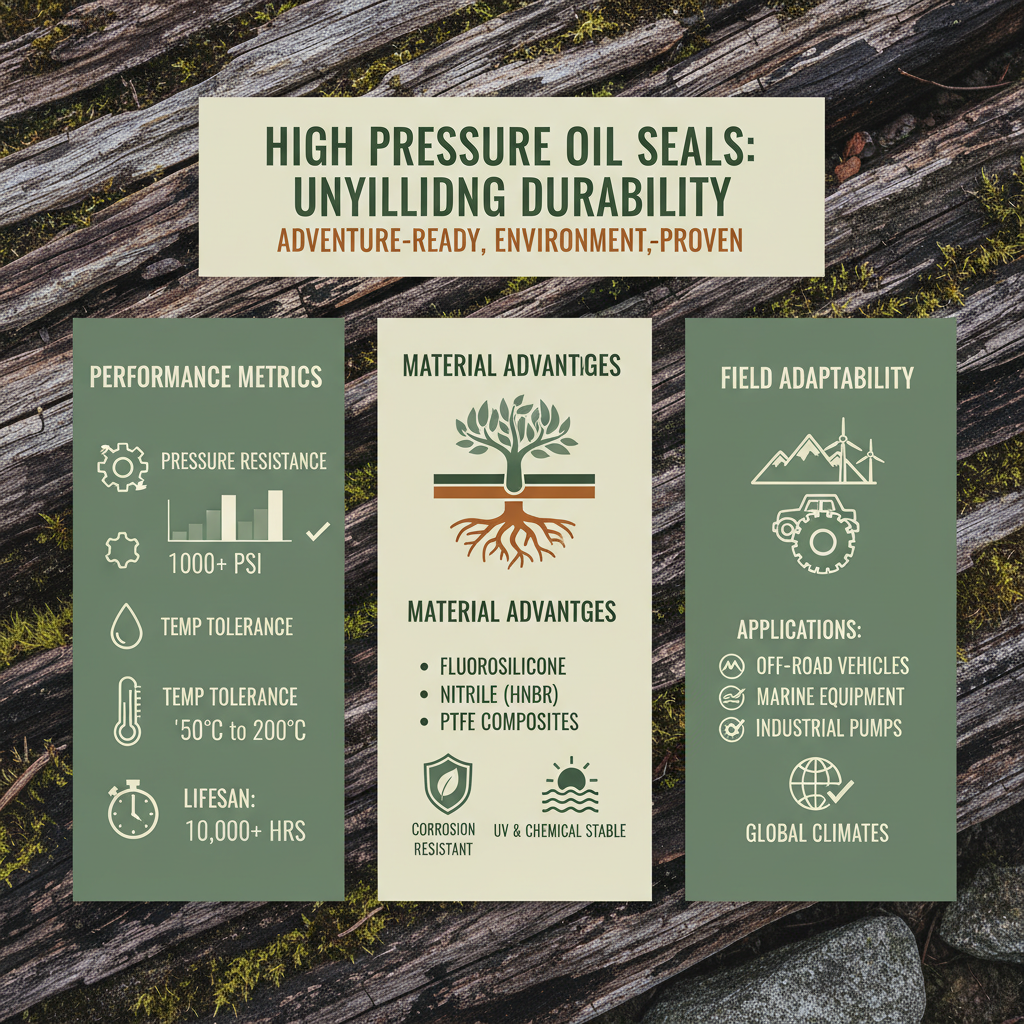
High pressure oil seals aren't simply single pieces; they often comprise several key components working in unison. The core sealing element is typically made from elastomers like Nitrile (NBR), Viton (FKM), PTFE, or Polyurethane (PU), each chosen for its specific properties regarding temperature resistance, chemical compatibility, and pressure handling. These materials provide the necessary elasticity and resilience to conform to mating surfaces and create a tight seal.
Reinforcement elements, like metal casings or spring-energized designs, are frequently integrated to enhance the seal’s structural integrity and ability to withstand extreme pressures. These reinforcements prevent extrusion – the deformation of the sealing material under high load – a common failure mode in high-pressure applications. Careful consideration of the material science is crucial in selecting the right seal for a given task.
Beyond the primary sealing material and reinforcement, high pressure oil seals often incorporate features like dust lips, anti-wear coatings, and integrated lubrication channels. These features extend the seal’s lifespan, reduce friction, and minimize the risk of contamination, all contributing to enhanced performance and reliability.
Key Performance Factors for Optimal Sealing
Several key factors dictate the performance of high pressure oil seals. Pressure rating is paramount; the seal must be capable of withstanding the maximum system pressure without failure. Temperature range is equally crucial, as extreme temperatures can degrade the sealing material, leading to leakage.
Fluid compatibility is another critical consideration. The seal material must be resistant to the specific fluid being contained to prevent swelling, cracking, or other forms of degradation. Dynamic and static friction also play a role, influencing energy efficiency and wear rates.
Comparison of High Pressure Oil Seal Materials
Applications Across Diverse Industries
High pressure oil seals find extensive application in the oil and gas industry, safeguarding critical components in drilling equipment, pipelines, and hydraulic fracturing systems. They are also vital in aerospace, ensuring the reliable operation of aircraft hydraulic systems and engine components.
The automotive industry relies on these seals in power steering systems, brake systems, and transmission components. Manufacturing plants employ them in hydraulic presses, injection molding machines, and other heavy machinery. Even specialized fields like medical technology utilize high pressure seals in precision instruments and diagnostic equipment. high pressure oil seals support a diverse range of essential functions.
Advantages and Long-Term Value Proposition
The benefits of using high-quality high pressure oil seals extend far beyond simply preventing leaks. Reduced downtime is a significant advantage, as seal failures can halt production processes and incur substantial repair costs. Improved safety is another key benefit, minimizing the risk of fluid spills and potential hazards.
Enhanced equipment longevity results from minimizing wear and tear on critical components, leading to a longer service life. Choosing durable seals also contributes to sustainability by reducing the frequency of replacements and minimizing waste. From a financial perspective, the initial investment in premium seals is often offset by the long-term savings in maintenance, repair, and downtime costs.
Future Trends and Technological Advancements
Several exciting developments are shaping the future of high pressure oil seals. The development of new materials with enhanced properties, such as improved temperature resistance and chemical compatibility, is ongoing. Smart seals – incorporating sensors to monitor performance and predict failures – are gaining traction.
Additive manufacturing (3D printing) is also emerging as a viable method for creating customized seals with complex geometries, tailored to specific applications. Emphasis on sustainability is driving the development of eco-friendly seal materials and designs. The integration of AI and machine learning will enable predictive maintenance strategies, optimizing seal replacement schedules and minimizing unplanned downtime.
Summary of Challenges and Opportunities in High Pressure Oil Seal Technology
| Challenge Area |
Current Limitations |
Potential Solutions |
Impact on High Pressure Oil Seals |
| Material Performance |
Limited temperature and chemical resistance in some applications |
Development of novel polymers and composites |
Increased seal lifespan and reliability |
| Seal Failure Prediction |
Lack of real-time monitoring capabilities |
Integration of sensors and data analytics |
Predictive maintenance and reduced downtime |
| Manufacturing Complexity |
Difficulties in producing seals with intricate designs |
Adoption of additive manufacturing techniques |
Customized seals for specific applications |
| Environmental Impact |
Use of non-biodegradable materials |
Development of sustainable and recyclable materials |
Reduced environmental footprint |
| Cost of High-Performance Seals |
High material and manufacturing costs |
Optimization of production processes and material sourcing |
Increased affordability without compromising performance |
| Seal Compatibility |
Matching seals to emerging fluid types |
Expanded material testing and development |
Wider applicability and reduced failure rates |
FAQS
High-pressure oil seals are engineered with more robust materials and reinforced construction to withstand significantly higher pressures than standard seals. They often utilize materials like PTFE, Viton, or specialized polyurethane, and may incorporate metal casings or spring energizers to prevent extrusion under high load. Standard seals are suitable for lower-pressure applications and typically use materials like Nitrile rubber.
Selecting the correct seal requires considering several factors: the operating pressure, temperature range, fluid compatibility, dynamic or static application, and shaft speed. Consulting a seal specialist or referring to manufacturer’s guidelines is highly recommended. Careful consideration of these parameters ensures optimal performance and prevents premature failure. high pressure oil seals offer expert guidance on selection.
Seal extrusion occurs when the sealing material is forced into the gap between the mating surfaces due to high pressure. This can lead to seal damage and leakage. It’s prevented using reinforced seals (with metal rings or spring energizers) and by ensuring proper seal installation and dimensional accuracy of the housing. Choosing a seal material with sufficient hardness and resilience is also crucial.
The lifespan of a high-pressure oil seal varies widely depending on operating conditions, seal material, and the quality of installation. Generally, a properly installed, high-quality seal can last from several months to several years. Regular inspection and preventative maintenance can significantly extend its service life. Smart seals with monitoring capabilities can provide early warnings of potential failure.
Proper installation is critical for the performance and longevity of high-pressure oil seals. Incorrect installation can cause damage, misalignment, or premature wear. Following manufacturer’s instructions meticulously, using appropriate tools, and ensuring clean operating conditions are essential. Improper installation voids warranties and can lead to costly failures.
Yes, the demand for environmentally friendly seals is increasing. Manufacturers are developing seals using biodegradable elastomers, reducing the use of harmful chemicals, and designing seals for extended life, reducing the frequency of replacements. Choosing seals with eco-friendly certifications demonstrates a commitment to sustainability.
Conclusion
In conclusion, high pressure oil seals are indispensable components in a vast array of industries, ensuring the reliable and safe operation of critical machinery. Their ability to withstand extreme conditions and prevent fluid leakage is paramount for maintaining efficiency, reducing downtime, and protecting the environment. Understanding the key factors influencing seal performance – material selection, pressure rating, temperature range, and proper installation – is crucial for engineers and maintenance professionals.
Looking ahead, continued innovation in materials science, manufacturing techniques, and sensor technology will further enhance the capabilities and longevity of high pressure oil seals. Embracing these advancements and prioritizing preventative maintenance will not only optimize operational efficiency but also contribute to a more sustainable and reliable industrial future. For dependable and expertly engineered solutions, explore the offerings at high pressure oil seals.



 English
  Afrikaans
  Albanian
  Amharic
  Arabic
  Armenian
  Azerbaijani
  Basque
  Belarusian
  Bengali
  Bosnian
  Bulgarian
  Catalan
  Cebuano
  Corsican
  Croatian
  Czech
Czech  Danish
  Dutch
Dutch  Esperanto
  Estonian
  Finnish
  French
  Frisian
  Galician
  Georgian
  German
  Greek
Greek  Gujarati
  Haitian Creole
  Hausa
Hausa  Hawaiian
  Hebrew
  Hindi
Hindi  Miao
Miao  Hungarian
  Icelandic
  Igbo
Igbo  Indonesian
  Irish
Irish  Italian
  Japanese
  Javanese
  Kannada
  Kazakh
  Khmer
Khmer  Rwandese
  Korean
  Kurdish
  Kyrgyz
  Lao
Lao  Latin
Latin  Latvian
  Lithuanian
  Luxembourgish
  Macedonian
  Malgashi
  Malay
Malay  Malayalam
  Maltese
  Maori
Maori  Marathi
  Mongolian
  Myanmar
  Nepali
  Norwegian
  Norwegian
  Occitan
  Pashto
  Persian
  Polish
  Portuguese
  Punjabi
  Romanian
  Russian
  Samoan
  Scottish Gaelic
  Serbian
  Sesotho
  Shona
Shona  Sindhi
  Sinhala
  Slovak
  Slovenian
  Somali
  Spanish
  Sundanese
  Swahili
  Swedish
  Tagalog
  Tajik
Tajik  Tamil
Tamil  Tatar
Tatar  Telugu
  Thai
Thai  Turkish
  Turkmen
  Ukrainian
  Urdu
Urdu  Uighur
  Uzbek
Uzbek  Vietnamese
  Welsh
Welsh  Bantu
Bantu  Yiddish
  Yoruba
  Zulu
Zulu