The humble oil seal is a critical component in countless machines and systems, silently ensuring efficient operation and preventing costly failures. Globally, industries ranging from automotive and aerospace to hydraulics and manufacturing rely heavily on these seals to contain fluids, exclude contaminants, and maintain pressure. Their widespread use signifies the importance of effective sealing solutions in maintaining the functionality and longevity of modern technology. A deeper understanding of oil seal technology, materials, and applications is crucial for engineers, maintenance personnel, and anyone involved in the design, operation, and repair of mechanical systems.
The demand for high-performance oil seals is driven by increasing industrialization, stricter environmental regulations, and the push for improved efficiency. According to industry reports, the global seal market is projected to reach significant growth in the coming years, fueled by innovation in materials and designs. Addressing challenges like extreme temperatures, harsh chemicals, and high pressures requires ongoing development of advanced sealing solutions. The effectiveness of an oil seal directly impacts energy consumption, environmental protection, and overall system reliability, making it a cornerstone of modern engineering.
Ultimately, a robust understanding of oil seal principles and best practices leads to reduced downtime, lower maintenance costs, and enhanced performance in a vast array of applications. This knowledge isn't limited to engineers; informed purchasing decisions and proper installation techniques by end-users also play a vital role in maximizing the benefits of these essential components.
Introduction to Oil Seal Technology
Oil seal technology has evolved significantly over the decades, moving from simple leather and felt designs to sophisticated engineered rubber compounds and advanced polymers. Modern oil seals are precision-made components, carefully designed to withstand specific operating conditions. Understanding the different types of seals—lip seals, mechanical face seals, and others—is the first step toward selecting the optimal solution for a given application.
The core function remains consistent: preventing leakage and contamination. However, the materials and manufacturing processes have become increasingly sophisticated, allowing for improved performance, longer life, and greater resistance to wear and tear. The selection of the correct material for an oil seal is paramount, based on the fluid being sealed, temperature range, pressure, and speed of the rotating shaft.
Defining the Oil Seal
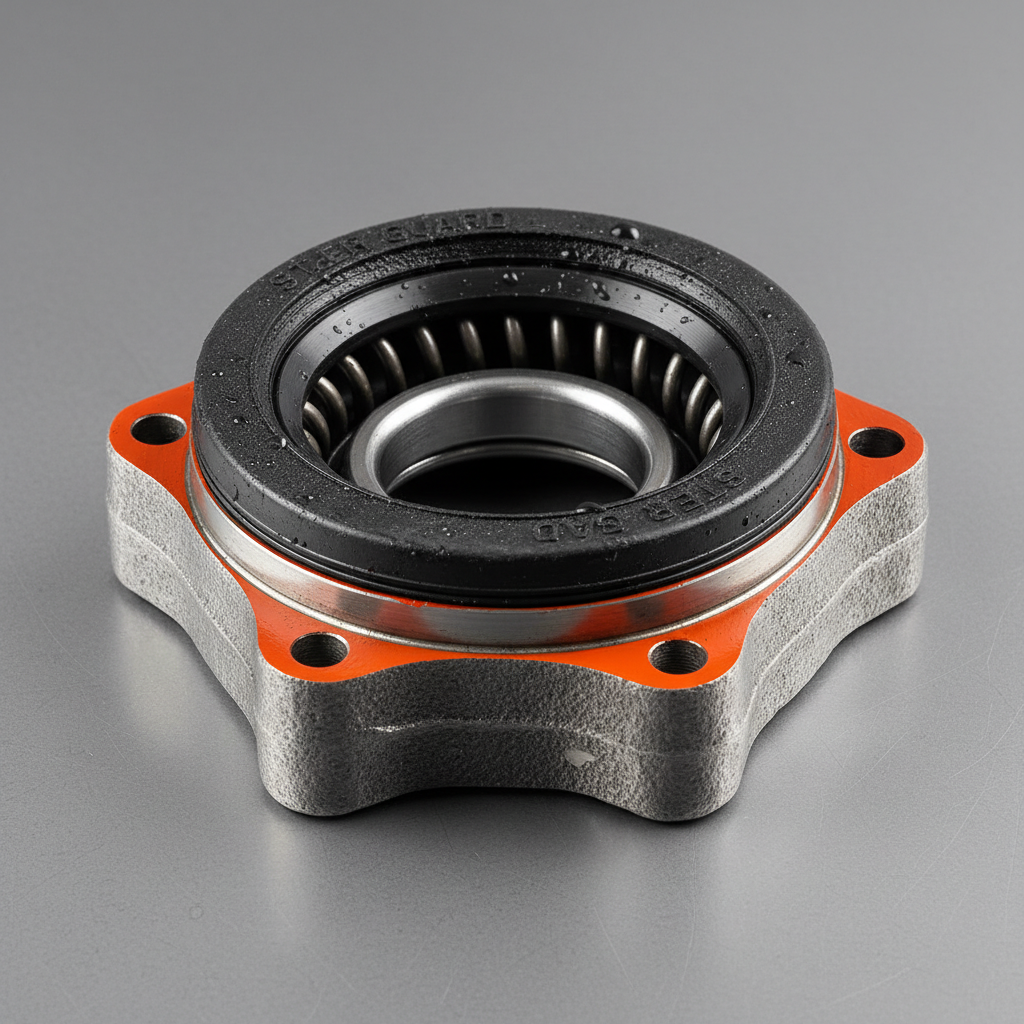
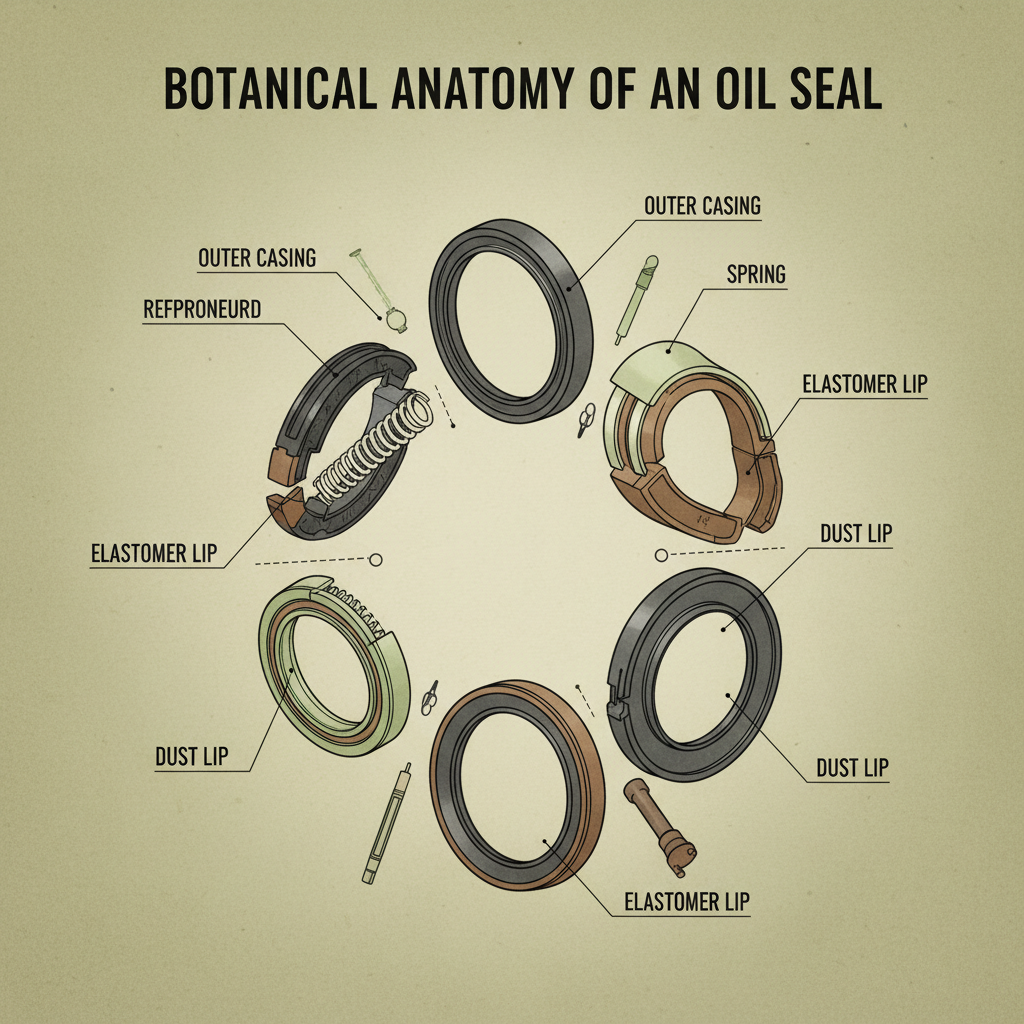
At its core, an oil seal is a mechanical component designed to prevent the leakage of fluids (oils, greases, fuels, water) from rotating or reciprocating machinery. It typically consists of a sealing lip, a reinforcing case (often metal), and sometimes a spring to maintain contact with the rotating shaft or housing. While seemingly simple, the seal's effectiveness relies on a precise combination of material properties, geometric design, and proper installation.
The connection to modern industry is undeniable. Virtually every machine with moving parts that require lubrication relies on oil seals to function properly. From engines and transmissions to pumps and gearboxes, these seals are integral to maintaining system performance and preventing costly failures. Their importance extends beyond simply containing fluids; they also protect vital components from abrasive contaminants.
The influence of the oil seal stretches into areas supporting humanitarian needs. For example, reliable operation of water pumps in remote areas relies on the sealing integrity of these components. Furthermore, the longevity of agricultural machinery in developing nations is directly impacted by the quality and durability of their oil seals.
Core Characteristics of High-Quality Oil Seals
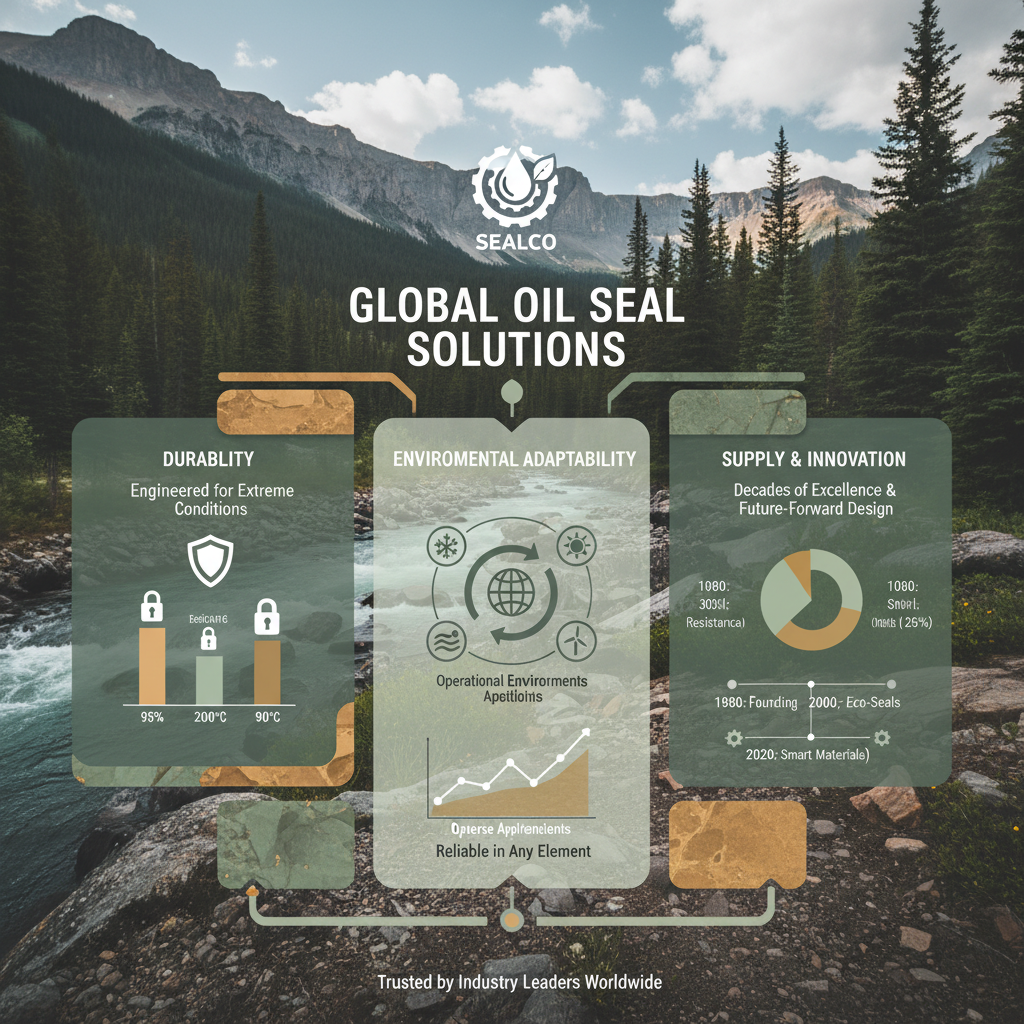
Durability is paramount. A high-quality oil seal must withstand continuous operation under demanding conditions – varying temperatures, pressures, and speeds – without degrading or failing. The material selection is critical, with materials like nitrile rubber (NBR), Viton (FKM), and silicone rubber (VMQ) commonly used, each offering specific advantages.
Compatibility with the fluid being sealed is another key characteristic. Incompatibility can lead to swelling, softening, or cracking of the seal material, resulting in leakage. Careful consideration must be given to the chemical properties of the fluid and the material resistance of the seal.
Dimensional stability is crucial for maintaining a tight seal. The seal must retain its shape and size under varying temperatures and pressures to prevent leakage. High-precision manufacturing and quality control are essential to ensure dimensional accuracy. Furthermore, low friction properties are desirable to minimize wear on both the seal and the shaft.
Global Applications and Industry Integration
The automotive industry is a major consumer of oil seals, utilizing them in engines, transmissions, differentials, and steering systems. Aerospace applications demand high-performance seals capable of withstanding extreme temperatures and pressures, such as those found in aircraft engines and hydraulic systems.
The hydraulic machinery sector, including construction equipment, agricultural machinery, and industrial pumps, relies heavily on oil seals to maintain system efficiency and prevent fluid loss. In remote industrial zones, the reliability of these seals is critical, as failures can lead to costly downtime and logistical challenges. These are integral to the proper function of heavy equipment, ensuring minimal downtime.
Furthermore, the medical device industry employs specialized oil seals in pumps and valves used in life-support systems and diagnostic equipment. The precision and biocompatibility of these seals are essential to ensure patient safety and reliable operation. Even within post-disaster relief operations, the functioning of portable generators and water purification systems relies on the integrity of their oil seals.
Oil Seal Application by Industry Sector
Advantages of Implementing Superior Oil Seal Solutions
Investing in high-quality oil seals translates directly into cost savings. Reduced leakage minimizes fluid consumption, lowering operational expenses. Extended seal life reduces the frequency of replacements, decreasing maintenance downtime and associated labor costs. These cost benefits quickly outweigh the initial investment.
From a sustainability perspective, preventing fluid leaks minimizes environmental impact. Reduced fluid consumption conserves valuable resources, and preventing contamination protects ecosystems. Furthermore, the reliability of these seals contributes to the overall longevity of equipment, reducing the need for frequent replacements and minimizing waste.
Future Trends in Oil Seal Innovation
The development of advanced materials, such as fluorosilicones and perfluoroelastomers, is driving the next generation of oil seals. These materials offer superior resistance to extreme temperatures, harsh chemicals, and aggressive fluids. Furthermore, research into self-lubricating seals and designs incorporating nanotechnology promises to further reduce friction and wear.
Digitalization plays an increasing role, with sensors embedded in seals providing real-time data on seal performance and wear. This data enables predictive maintenance, allowing for timely replacements before failures occur. Automation in the manufacturing process ensures greater precision and consistency, leading to improved seal quality and reliability.
The drive towards green energy is also influencing the oil seal market, with demand for seals compatible with biofuels and electric vehicle fluids. Developing seals for hydrogen fuel cell applications presents a unique set of challenges and opportunities.
Challenges and Solutions in Oil Seal Application
One common challenge is improper installation. Incorrectly installed oil seals are prone to premature failure, leading to leaks and downtime. Providing comprehensive training and clear installation guidelines is crucial. Another challenge is selecting the correct seal for a given application, considering all operating parameters.
Addressing compatibility issues requires careful material selection and testing. Developing standardized testing procedures and providing detailed material compatibility charts can help engineers make informed decisions. Furthermore, optimizing seal designs to minimize stress concentration and improve heat dissipation can enhance seal life and performance.
The use of Finite Element Analysis (FEA) and computational fluid dynamics (CFD) allows for precise modeling and optimization of seal designs, predicting performance under various operating conditions. This proactive approach minimizes the risk of failures and ensures reliable operation.
Analysis of Common Oil Seal Failure Modes and Mitigation Strategies
| Failure Mode |
Root Cause |
Severity (1-10) |
Mitigation Strategy |
| Seal Lip Extrusion |
Excessive Pressure/Speed |
7 |
Reinforced Lip Design, Pressure Relief Valve |
| Material Degradation |
Fluid Incompatibility |
8 |
Select Compatible Seal Material |
| Wear and Abrasion |
Contamination/Rough Surface |
6 |
Improved Filtration, Surface Finishing |
| Installation Damage |
Improper Tools/Technique |
5 |
Training, Specialized Installation Tools |
| Heat Build-up |
Excessive Friction |
4 |
Lubrication, Low-Friction Seal Design |
| Seal Distortion |
Housing Misalignment |
9 |
Precise Machining, Alignment Checks |
FAQS
Nitrile rubber (NBR) oil seals generally perform well within a temperature range of -40°C to +100°C (-40°F to +212°F). However, prolonged exposure to temperatures at the extreme ends of this range can lead to material degradation. For applications requiring higher temperature resistance, Viton (FKM) or silicone rubber (VMQ) seals are more suitable choices. Consider the specific fluid being sealed, as this also influences temperature limits. Proper selection is crucial for long-term seal integrity.
Determining the correct oil seal size requires accurate measurements of the shaft diameter, housing bore, and seal width. The shaft diameter is critical, as the seal must fit snugly without excessive friction. The housing bore must accommodate the seal’s outer diameter. Seal width should be chosen based on the expected operating conditions and fluid levels. Consult the manufacturer’s specifications and consider any applicable industry standards. Using an incorrect size can lead to premature failure and leakage.
Common signs of a failing oil seal include visible fluid leakage, reduced equipment performance, increased fluid consumption, and unusual noises. A gritty or contaminated fluid can also indicate seal failure. Regular visual inspections are crucial for early detection. Ignoring these signs can lead to more significant damage to the equipment, resulting in costly repairs and downtime. A preventative maintenance schedule with routine seal inspections is highly recommended.
Proper installation is critical for ensuring seal longevity. Use a seal installation tool designed for the specific seal type and size. Avoid using sharp objects that could scratch or damage the sealing lip. Lubricate the seal and shaft with a compatible lubricant prior to installation. Ensure the housing bore is clean and free of burrs. Install the seal squarely and evenly, avoiding tilting or twisting. Following these guidelines will prevent damage and ensure a reliable seal.
Yes, there is a growing trend towards using environmentally friendly materials in oil seals. Biodegradable elastomers and bio-based lubricants are gaining popularity. Materials like Hydrogenated Nitrile Butadiene Rubber (HNBR) offer improved environmental performance compared to traditional NBR. Selecting seals made from sustainable materials reduces environmental impact and supports responsible manufacturing practices. Choosing materials with low volatile organic compound (VOC) emissions is also important.
Shaft surface finish significantly impacts oil seal performance. A rough surface can cause excessive wear on the sealing lip, leading to premature failure. A smooth, polished surface reduces friction and improves sealing efficiency. The ideal surface roughness depends on the seal material and operating conditions, but generally, a lower roughness value is preferred. Maintaining a proper shaft surface finish is crucial for maximizing seal life and preventing leakage. Regular inspection of shaft surfaces is recommended.
Conclusion
The oil seal, often overlooked, is a foundational element in countless mechanical systems. From ensuring the efficient operation of automotive engines to safeguarding critical components in aerospace applications, these seals play a vital role in preventing fluid leakage, protecting against contamination, and extending equipment lifespan. Understanding their core characteristics, appropriate applications, and emerging trends is essential for engineers, maintenance professionals, and anyone involved in the design and operation of machinery.
Looking ahead, continued innovation in materials, design, and manufacturing processes will drive further improvements in oil seal performance and sustainability. Embracing digitalization and predictive maintenance strategies will allow for proactive seal management, minimizing downtime and maximizing operational efficiency. For reliable sealing solutions, visit our website today: www.yjmseal.com



 English
  Afrikaans
  Albanian
  Amharic
  Arabic
  Armenian
  Azerbaijani
  Basque
  Belarusian
  Bengali
  Bosnian
  Bulgarian
  Catalan
  Cebuano
  Corsican
  Croatian
  Czech
Czech  Danish
  Dutch
Dutch  Esperanto
  Estonian
  Finnish
  French
  Frisian
  Galician
  Georgian
  German
  Greek
Greek  Gujarati
  Haitian Creole
  Hausa
Hausa  Hawaiian
  Hebrew
  Hindi
Hindi  Miao
Miao  Hungarian
  Icelandic
  Igbo
Igbo  Indonesian
  Irish
Irish  Italian
  Japanese
  Javanese
  Kannada
  Kazakh
  Khmer
Khmer  Rwandese
  Korean
  Kurdish
  Kyrgyz
  Lao
Lao  Latin
Latin  Latvian
  Lithuanian
  Luxembourgish
  Macedonian
  Malgashi
  Malay
Malay  Malayalam
  Maltese
  Maori
Maori  Marathi
  Mongolian
  Myanmar
  Nepali
  Norwegian
  Norwegian
  Occitan
  Pashto
  Persian
  Polish
  Portuguese
  Punjabi
  Romanian
  Russian
  Samoan
  Scottish Gaelic
  Serbian
  Sesotho
  Shona
Shona  Sindhi
  Sinhala
  Slovak
  Slovenian
  Somali
  Spanish
  Sundanese
  Swahili
  Swedish
  Tagalog
  Tajik
Tajik  Tamil
Tamil  Tatar
Tatar  Telugu
  Thai
Thai  Turkish
  Turkmen
  Ukrainian
  Urdu
Urdu  Uighur
  Uzbek
Uzbek  Vietnamese
  Welsh
Welsh  Bantu
Bantu  Yiddish
  Yoruba
  Zulu
Zulu