cfw seals are critical components in a vast array of industries, from oil and gas to aerospace, ensuring the reliable containment of fluids and gases. Their importance stems from preventing leaks, maintaining pressure, and safeguarding equipment, ultimately contributing to operational efficiency and safety. Understanding the nuances of cfw seals – their materials, design, and applications – is essential for engineers, technicians, and procurement professionals alike.
Globally, the demand for high-performance cfw seals is steadily increasing, driven by stricter environmental regulations and the need for more reliable and sustainable industrial processes. The United Nations Sustainable Development Goals, particularly those related to clean water and sanitation (SDG 6) and responsible consumption and production (SDG 12), implicitly rely on effective sealing technologies to minimize resource waste and environmental impact. The market is projected to grow significantly in the coming years, fuelled by innovation in materials science and manufacturing techniques.
Simply put, a cfw seal is a mechanical device designed to prevent leakage between mating surfaces. Unlike basic gaskets, cfw seals often incorporate specialized materials and designs to withstand extreme temperatures, pressures, and chemical exposures. These seals are not just about stopping leaks; they are about ensuring the integrity of complex systems and protecting both the environment and personnel. Their increasing sophistication reflects a broader trend towards more reliable and resilient infrastructure across numerous sectors.
Introduction to cfw Seals
cfw seals represent a cornerstone of modern engineering, quietly ensuring the safe and efficient operation of countless machines and systems. They are often unseen but critically important, preventing costly downtime, environmental contamination, and potential safety hazards. Choosing the right cfw seal for a specific application is crucial for long-term reliability and performance.
The evolution of cfw seal technology has been driven by increasingly demanding operating conditions, such as higher temperatures, pressures, and exposure to aggressive chemicals. This has led to the development of advanced materials, including specialized elastomers, fluoropolymers, and composite materials, each offering unique properties tailored to specific sealing challenges. cfw seals are integral to many industrial processes.
The Global Relevance of cfw Seals
The global market for cfw seals is substantial and growing, estimated at over $20 billion in 2023 and projected to reach $28 billion by 2030, according to a recent report by Industry Analysts Inc. This growth is fueled by the expansion of key industries such as oil and gas, automotive, aerospace, and pharmaceuticals. Emerging economies, particularly in Asia-Pacific, are driving a significant portion of the demand due to their rapid industrialization and infrastructure development.
Regulations concerning emissions control and environmental protection are also playing a key role. Stricter standards on leakage rates for volatile organic compounds (VOCs) and other harmful substances necessitate the use of high-performance cfw seals. Organizations like the ISO (International Organization for Standardization) are continuously developing and refining standards related to sealing technology, further emphasizing the importance of quality and reliability.
A significant challenge remains in ensuring consistent seal performance across diverse operating environments. Factors such as temperature fluctuations, chemical compatibility, and dynamic loading can significantly impact seal life. Addressing these challenges requires ongoing research and development into new materials and seal designs, as well as robust quality control procedures throughout the manufacturing process.
Defining cfw Seals: Function and Purpose
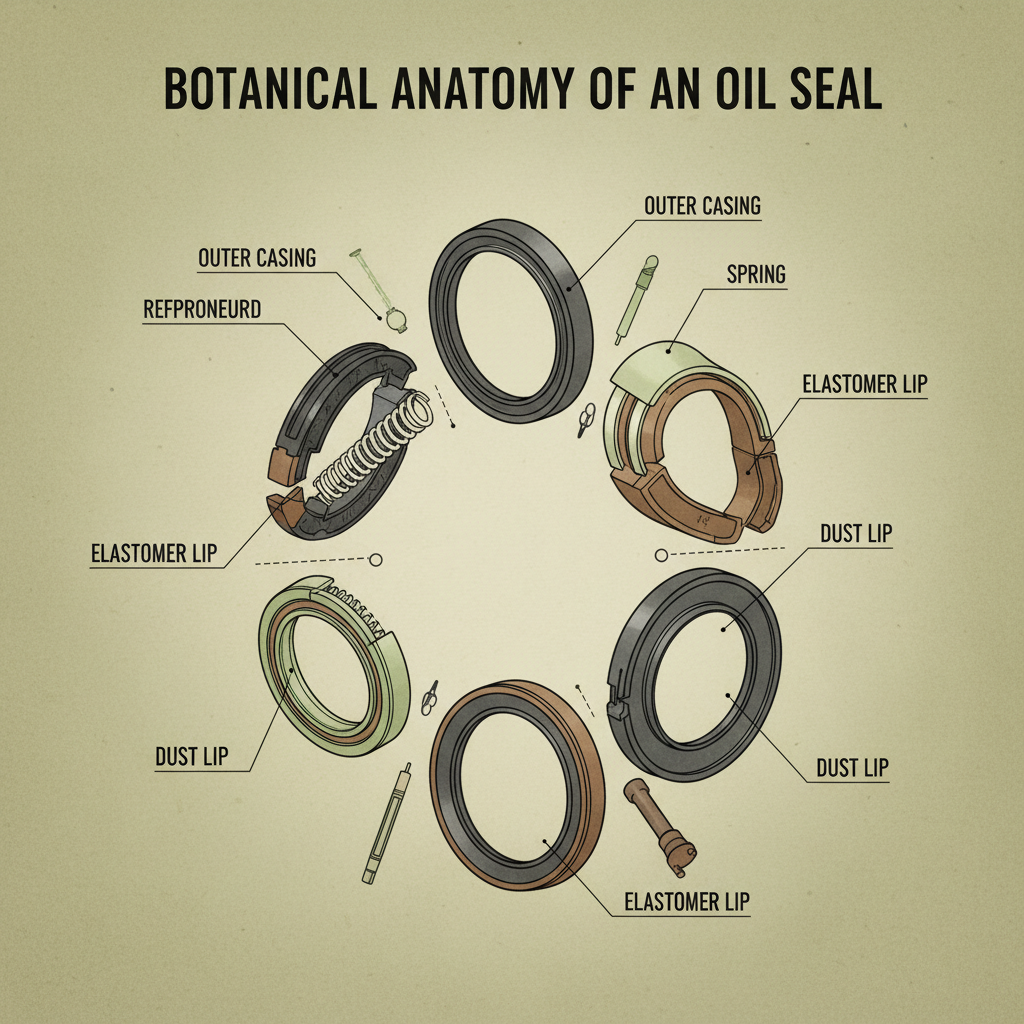
At its core, a cfw seal is designed to create a barrier between two or more surfaces to prevent the passage of fluids or gases. This barrier is achieved through a combination of material properties – such as elasticity, compressibility, and chemical resistance – and geometric design features that ensure intimate contact between the seal and the mating surfaces. The 'cfw' designation often refers to specific compounds known for their high-performance characteristics in challenging environments.
The connection to modern industry and humanitarian needs is undeniable. In industrial settings, reliable sealing is essential for maintaining process efficiency, minimizing downtime, and preventing equipment failure. In humanitarian contexts, cfw seals are critical in water purification systems, medical devices, and sanitation infrastructure, contributing to improved public health and well-being.
The precise function of a cfw seal varies depending on the application. Some seals are designed for static sealing, where there is no relative motion between the sealing surfaces. Others are designed for dynamic sealing, where there is constant movement, such as in rotating shafts or reciprocating pistons. The choice of seal type depends on the specific operating conditions and performance requirements.
Key Characteristics of High-Quality cfw Seals
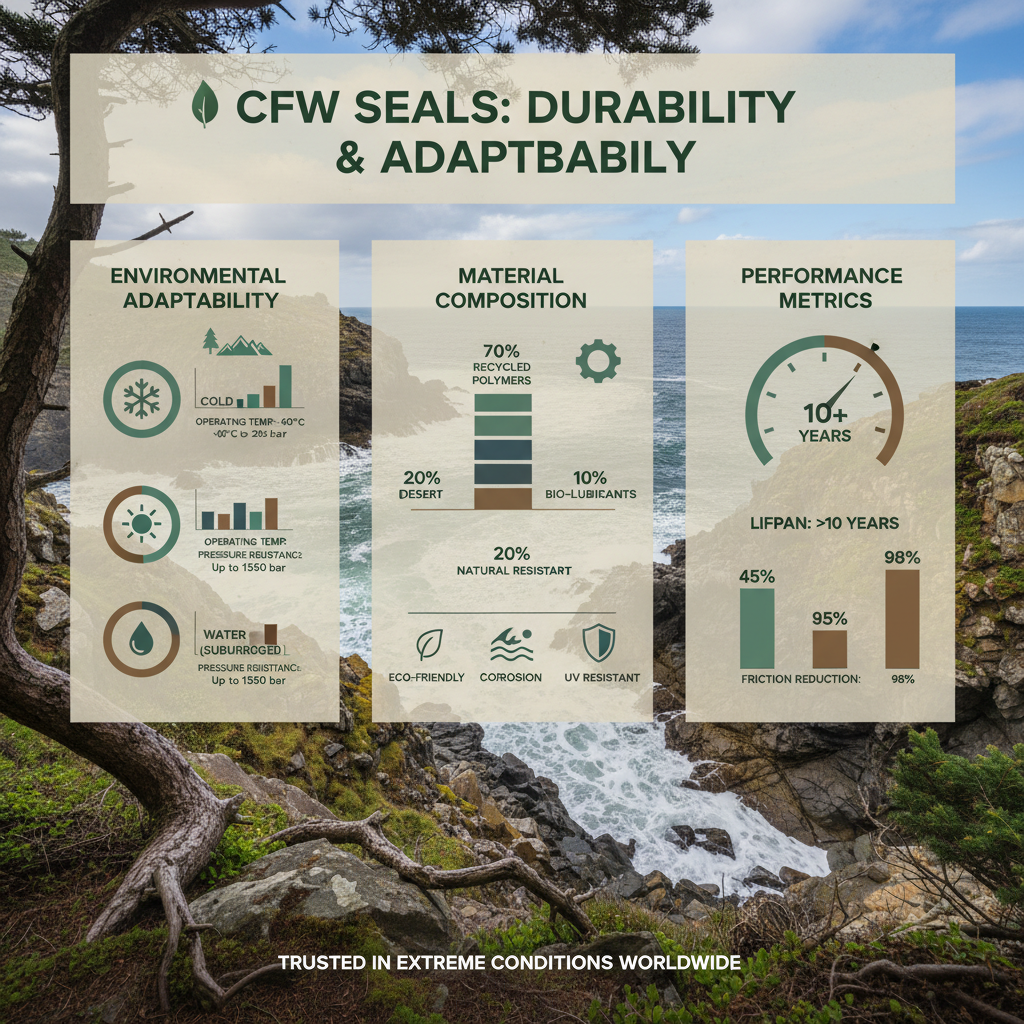
Several key characteristics define a high-quality cfw seal. First and foremost is Durability, meaning the seal’s ability to withstand wear, erosion, and degradation over an extended period. This is directly related to the material selection and manufacturing process. Next, Chemical Compatibility is crucial – the seal material must resist swelling, cracking, or dissolving when exposed to the intended fluids or gases.
Temperature Resistance is another critical factor, as many applications involve extreme temperatures. Finally, Precise Dimensions and Tolerances are essential for ensuring a proper fit and effective seal. Poorly manufactured seals can lead to leaks and premature failure, highlighting the importance of rigorous quality control. cfw seals prioritize these key characteristics.
cfw Seals Performance Metrics
Real-World Applications of cfw Seals
cfw seals find widespread use in the oil and gas industry, where they are crucial for preventing leaks in pipelines, wellheads, and downhole tools. Their ability to withstand extreme pressures and corrosive fluids makes them indispensable for safe and efficient oil and gas extraction. In the aerospace sector, cfw seals are vital for hydraulic systems, fuel systems, and engine components, ensuring reliable operation in demanding environments.
In post-disaster relief operations, cfw seals play a critical role in portable water purification systems, enabling access to clean drinking water in areas affected by natural disasters. In remote industrial zones, where maintenance access is limited, the long-term reliability of cfw seals is paramount to minimizing downtime and operational costs. Furthermore, these seals are integral to the function of medical devices, ensuring the sterility and proper operation of critical equipment.
Advantages and Long-Term Value Proposition
The advantages of utilizing high-quality cfw seals extend far beyond simply preventing leaks. They translate directly into cost savings through reduced downtime, minimized maintenance requirements, and increased operational efficiency. Their durability and resistance to degradation contribute to long-term sustainability, reducing the need for frequent replacements.
Beyond the tangible economic benefits, cfw seals contribute to enhanced safety, protecting both personnel and the environment. The trust placed in these components is significant; a failed seal can have catastrophic consequences. This inherent reliability fosters innovation and enables the development of more sophisticated and demanding technologies.
Future Trends and Innovations in cfw Seals
The future of cfw seal technology is likely to be shaped by several key trends. The development of new materials, such as self-healing polymers and graphene-based composites, promises to enhance seal performance and extend service life. Digitalization and the Internet of Things (IoT) are enabling the integration of sensors into cfw seals, allowing for real-time monitoring of seal health and predictive maintenance.
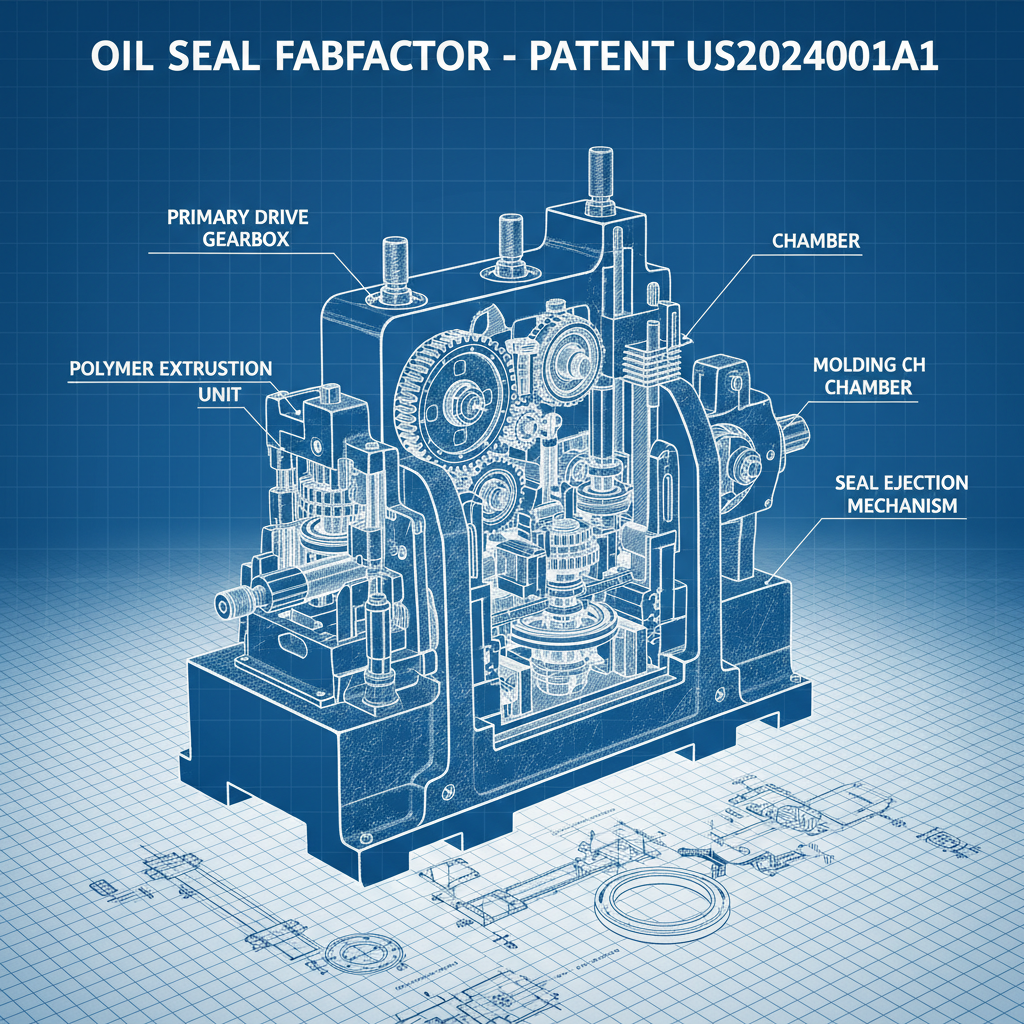
Automation and advanced manufacturing techniques, such as 3D printing, are revolutionizing the production of cfw seals, enabling the creation of customized designs and faster turnaround times. Sustainability is also a major driver, with increasing focus on developing eco-friendly materials and manufacturing processes. These advancements will collectively contribute to a new generation of cfw seals that are more reliable, efficient, and sustainable.
FAQS
cfw seals are engineered with specialized materials – often fluoropolymers or advanced elastomers – offering superior resistance to chemicals, temperature extremes, and abrasion compared to standard rubber seals. This results in significantly longer service life and greater reliability in demanding applications. They are often designed with more precise tolerances and incorporate features for enhanced sealing performance.
Selecting the right cfw seal requires careful consideration of several factors, including the fluid or gas being sealed, the operating temperature and pressure, the presence of any abrasive particles, and the type of motion (static or dynamic). Consulting with a sealing specialist is highly recommended to ensure compatibility and optimal performance.
The lifespan of a cfw seal varies significantly depending on the application and operating conditions. However, with proper installation and maintenance, a well-chosen cfw seal can often last for several years, even in harsh environments. Regular inspection and preventative maintenance can help extend seal life and prevent unexpected failures.
Yes, certain cfw seal materials, such as those compliant with FDA regulations, are specifically designed for use in food and beverage processing applications. These materials are non-toxic, odorless, and resistant to cleaning agents commonly used in the industry. It’s crucial to verify material certifications before use.
Custom-designed cfw seals offer the advantage of being tailored to specific application requirements, optimizing performance and reliability. They can address unique challenges, such as complex geometries, extreme temperatures, or aggressive chemicals, that standard seals cannot effectively handle. This often results in longer service life and reduced maintenance costs.
Proper storage is essential to maintain the integrity of cfw seals. They should be stored in a cool, dry, and dark place, away from direct sunlight, ozone sources, and extreme temperatures. Avoid storing seals in contact with other materials that could cause contamination or degradation. Original packaging is generally the best storage method.
Conclusion
cfw seals are more than just mechanical components; they are fundamental to the safe, efficient, and sustainable operation of countless industries and critical systems. Their ability to prevent leaks, withstand harsh conditions, and ensure long-term reliability makes them indispensable in a wide range of applications, from oil and gas extraction to aerospace engineering and humanitarian aid. Understanding the key characteristics, applications, and future trends in cfw seal technology is crucial for professionals across diverse fields.
As technology continues to advance, we can expect to see even more innovative cfw seal solutions emerge, driven by the demand for improved performance, sustainability, and cost-effectiveness. Investing in high-quality cfw seals and staying informed about the latest developments in this field is a strategic imperative for organizations seeking to optimize their operations, minimize environmental impact, and ensure long-term success. Visit our website at www.yjmseal.com to learn more about our comprehensive range of cfw seal products and services.



 English
  Afrikaans
  Albanian
  Amharic
  Arabic
  Armenian
  Azerbaijani
  Basque
  Belarusian
  Bengali
  Bosnian
  Bulgarian
  Catalan
  Cebuano
  Corsican
  Croatian
  Czech
Czech  Danish
  Dutch
Dutch  Esperanto
  Estonian
  Finnish
  French
  Frisian
  Galician
  Georgian
  German
  Greek
Greek  Gujarati
  Haitian Creole
  Hausa
Hausa  Hawaiian
  Hebrew
  Hindi
Hindi  Miao
Miao  Hungarian
  Icelandic
  Igbo
Igbo  Indonesian
  Irish
Irish  Italian
  Japanese
  Javanese
  Kannada
  Kazakh
  Khmer
Khmer  Rwandese
  Korean
  Kurdish
  Kyrgyz
  Lao
Lao  Latin
Latin  Latvian
  Lithuanian
  Luxembourgish
  Macedonian
  Malgashi
  Malay
Malay  Malayalam
  Maltese
  Maori
Maori  Marathi
  Mongolian
  Myanmar
  Nepali
  Norwegian
  Norwegian
  Occitan
  Pashto
  Persian
  Polish
  Portuguese
  Punjabi
  Romanian
  Russian
  Samoan
  Scottish Gaelic
  Serbian
  Sesotho
  Shona
Shona  Sindhi
  Sinhala
  Slovak
  Slovenian
  Somali
  Spanish
  Sundanese
  Swahili
  Swedish
  Tagalog
  Tajik
Tajik  Tamil
Tamil  Tatar
Tatar  Telugu
  Thai
Thai  Turkish
  Turkmen
  Ukrainian
  Urdu
Urdu  Uighur
  Uzbek
Uzbek  Vietnamese
  Welsh
Welsh  Bantu
Bantu  Yiddish
  Yoruba
  Zulu
Zulu