Oil seal companies are critical components in a vast array of industries, from automotive and aerospace to manufacturing and beyond. These companies specialize in the design, production, and distribution of oil seals – essential elements that prevent leakage, protect machinery, and ensure optimal performance. Their importance stems from the ever-increasing demand for reliable and efficient equipment, a trend fueled by global industrialization and technological advancements. Understanding the role and evolution of oil seal companies is crucial for anyone involved in engineering, procurement, or maintenance across diverse sectors.
The global oil seal market is a multi-billion dollar industry, driven by factors such as the growth of the automotive sector, particularly in emerging economies, and the need for preventative maintenance in industrial machinery. According to industry reports, the demand for high-performance seals is steadily increasing, alongside a growing emphasis on environmentally friendly materials and sustainable manufacturing processes. Challenges within the industry include fluctuating raw material costs, intense competition, and the need to adapt to increasingly complex sealing requirements. Successfully navigating these challenges relies heavily on the innovation and responsiveness of leading oil seal companies.
The significance of oil seal companies extends beyond mere component supply. They contribute to reduced downtime, lower operational costs, and enhanced safety in a wide range of applications. Moreover, advancements in sealing technology – often spearheaded by these companies – directly impact the efficiency and longevity of critical machinery, supporting overall economic growth and industrial stability. The quality and reliability of oil seals are paramount, impacting not only performance but also environmental protection by preventing harmful fluid leaks.
Introduction: Global or Industry Context
Oil seal companies are deeply integrated into the global manufacturing ecosystem. As industrialization continues to expand worldwide, the demand for reliable sealing solutions grows proportionally. The automotive industry, a major consumer of oil seals, is experiencing significant growth in regions like Asia-Pacific and South America, directly impacting the need for increased production and innovation from these companies. The United Nations Industrial Development Organization (UNIDO) highlights the importance of robust supply chains and quality control in supporting sustainable industrial growth, areas where oil seal companies play a crucial role.
The scale of the oil seal market is substantial. Estimates indicate a global market value in the billions of dollars, with a projected continued growth rate of approximately 4-6% annually over the next decade. This growth is fueled not only by new manufacturing but also by the increasing need for replacement seals in existing infrastructure and machinery. Furthermore, the demand for specialized seals – designed for extreme temperatures, pressures, or chemical environments – is rising, pushing oil seal companies to invest in research and development.
Definition & Meaning
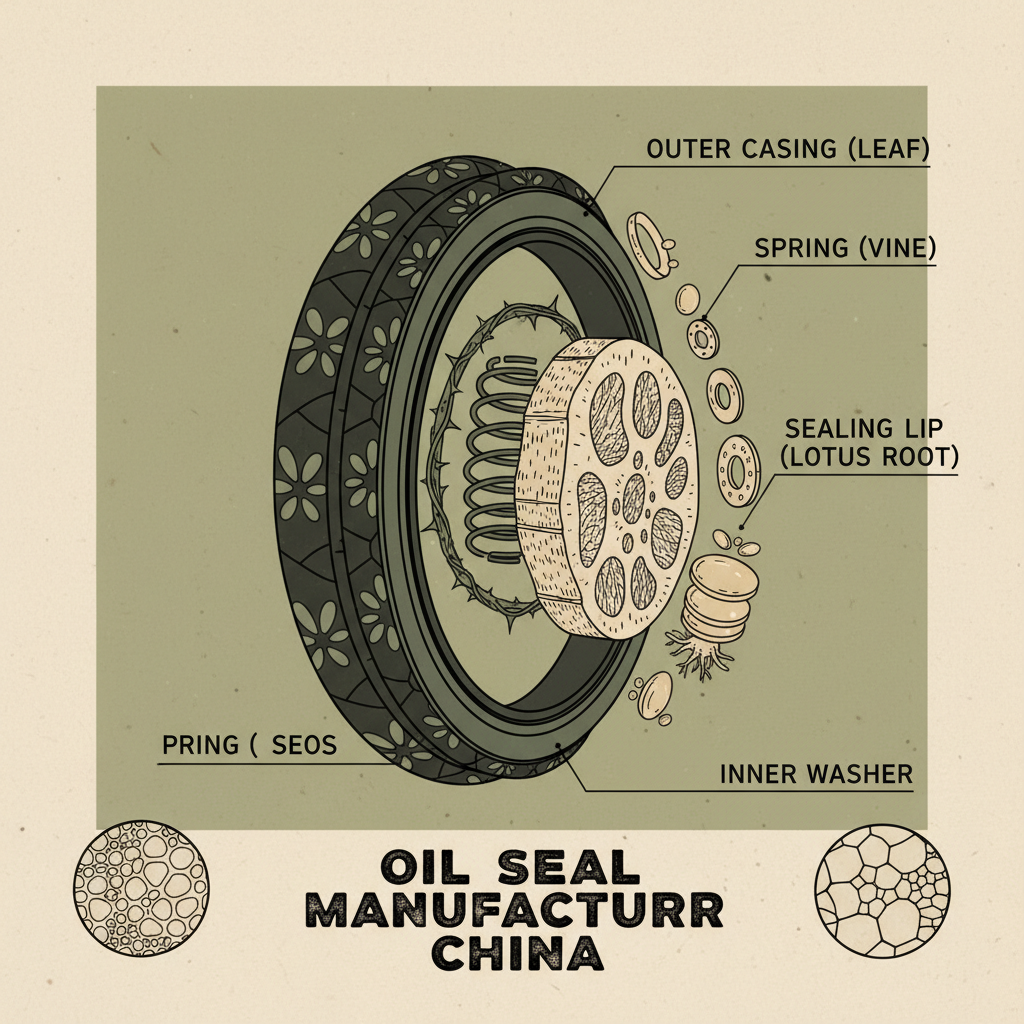
Oil seal companies are organizations dedicated to the engineering, manufacturing, and distribution of oil seals. These seals are mechanical components designed to prevent the leakage of fluids (typically oils, lubricants, or coolants) between stationary and moving parts in machinery. They typically consist of a flexible sealing material – such as nitrile rubber, Viton, or silicone – and a reinforcing element that provides structural support. Oil seal companies don't just make seals; they often provide customized solutions tailored to specific client needs and applications.
The connection to modern industry is undeniable. Without effective oil seals, machinery would quickly fail due to lubrication loss, contamination, or overheating. This applies to a vast range of equipment, from internal combustion engines and hydraulic systems to pumps, gearboxes, and bearings. Essentially, oil seals are foundational to the reliable operation of countless industrial processes.
Beyond industry, the principles employed by oil seal companies have broader implications. The focus on precision engineering, material science, and fluid dynamics directly contributes to advancements in other fields, such as medical device manufacturing and aerospace engineering. The need for high-performance, reliable sealing solutions is a common thread across diverse sectors, making these companies vital components of a functioning global economy.
Key Factors or Core Components
Durability: The longevity of an oil seal is paramount. Oil seal companies must utilize materials and manufacturing processes that ensure resistance to wear, abrasion, chemical attack, and temperature fluctuations. Seals designed for harsh environments require particularly robust construction.
Material Selection: Choosing the right material is critical for seal performance. Nitrile rubber is common for oil resistance, Viton for high temperatures and aggressive chemicals, and silicone for low-temperature applications and food-grade requirements. Oil seal companies must have expertise in material properties and compatibility.
Precision Engineering: Tight tolerances and precise dimensions are essential for ensuring a proper seal. Advanced manufacturing techniques, such as CNC machining and injection molding, are employed by leading oil seal companies to achieve the required accuracy.
Global Applications & Use Cases
Oil seals are ubiquitous in the automotive industry, found in engines, transmissions, differentials, and steering systems. Their proper function is vital for preventing oil leaks, maintaining engine lubrication, and ensuring optimal vehicle performance. In the aerospace sector, specialized oil seals are used in aircraft engines, hydraulic systems, and landing gear, where reliability is paramount.
The manufacturing sector relies heavily on oil seals in a wide range of machinery, including pumps, compressors, gearboxes, and electric motors. These seals prevent leakage, protect components from contamination, and ensure efficient operation. Oil seal companies serve diverse industries within manufacturing, including food processing, pharmaceuticals, and petrochemicals.
In remote industrial zones, such as mining operations or offshore platforms, the availability of high-quality oil seals is particularly critical. Downtime due to seal failure can be incredibly costly, and replacement parts may be difficult to obtain quickly. Therefore, these locations often prioritize partnerships with reliable oil seal companies that can provide prompt delivery and technical support.
Oil Seal Companies Performance Metrics
Advantages & Long-Term Value
The advantages of utilizing high-quality oil seals extend beyond immediate operational benefits. Reduced leakage translates directly to cost savings by minimizing fluid loss and preventing environmental contamination. The enhanced reliability of machinery leads to decreased downtime and increased productivity, significantly impacting overall profitability. Oil seal companies providing durable, well-engineered products contribute to these positive outcomes.
Long-term value is also tied to sustainability. By preventing fluid leaks, oil seals protect the environment from harmful pollutants. Furthermore, the increased longevity of machinery reduces the need for frequent replacements, minimizing waste and conserving resources. Choosing environmentally responsible materials and adopting sustainable manufacturing practices further enhances the positive impact of oil seal companies.
Future Trends & Innovations
The future of oil seal technology is likely to be shaped by several key trends. The development of advanced sealing materials – such as graphene-enhanced polymers and self-healing elastomers – promises to deliver even greater durability and performance. Digitalization is also playing a role, with the emergence of smart seals equipped with sensors that monitor seal condition and predict potential failures.
Sustainability will continue to be a driving force, with a growing emphasis on bio-based materials and recyclable components. Automation and artificial intelligence are being integrated into manufacturing processes to improve efficiency and reduce costs. Oil seal companies that embrace these innovations will be best positioned to meet the evolving needs of the market.
Challenges & Solutions
One significant challenge facing oil seal companies is the increasing complexity of sealing requirements. Modern machinery often operates under more extreme conditions – higher temperatures, pressures, and chemical exposures – demanding seals with enhanced performance characteristics. Another challenge is the fluctuation in raw material costs, which can impact profitability.
Solutions include investing in research and development to create innovative sealing materials and designs. Collaboration with equipment manufacturers to understand specific application requirements can also lead to customized solutions. Implementing robust supply chain management strategies can help mitigate the impact of raw material price volatility. Oil seal companies need to be agile and responsive to these challenges.
Furthermore, adopting predictive maintenance strategies – leveraging data analytics and sensor technology – can help identify potential seal failures before they occur, minimizing downtime and reducing maintenance costs. This proactive approach represents a significant step forward in optimizing the performance and longevity of machinery.
Key Performance Indicators of Oil Seal Companies
| Material Quality |
Production Efficiency |
Customer Satisfaction |
Innovation Rate |
| Raw Material Sourcing |
Cycle Time (Units/Hour) |
Net Promoter Score (NPS) |
New Product Introductions/Year |
| Material Certification |
Defect Rate (%) |
Customer Retention Rate (%) |
R&D Spending (% of Revenue) |
| Material Testing Rigor |
Overall Equipment Effectiveness (OEE) |
Average Response Time (Hours) |
Patent Applications/Year |
| Compliance with Industry Standards |
Waste Reduction (%) |
On-Time Delivery Rate (%) |
Number of Collaborative Projects |
| Supply Chain Traceability |
Energy Consumption per Unit |
Customer Complaint Resolution Rate |
Investment in Advanced Technologies |
| Vendor Qualification Process |
Inventory Turnover Rate |
Social Media Engagement Score |
Employee Skill Development Programs |
FAQS
Oil seal companies utilize a diverse range of materials depending on the application. Common materials include nitrile rubber (NBR) for general oil resistance, Viton (FKM) for high temperatures and harsh chemicals, silicone for low-temperature flexibility and food-grade compliance, PTFE (Teflon) for extreme chemical resistance, and polyurethane for high abrasion resistance. Material selection is a critical aspect of ensuring optimal seal performance and longevity.
The lifespan of an oil seal varies significantly based on operating conditions, material quality, and application. Generally, a well-maintained oil seal can last anywhere from several hundred to several thousand hours of operation. Factors like temperature, pressure, exposure to chemicals, and the presence of abrasive particles can all accelerate wear and reduce lifespan. Regular inspection and preventative maintenance are crucial for maximizing seal life.
Selecting the appropriate oil seal requires careful consideration of several factors. These include the type of fluid being sealed, operating temperature and pressure, rotational speed, shaft material, and potential exposure to contaminants. Consulting with experienced oil seal companies can provide valuable guidance in selecting the optimal seal for your specific requirements.
Common causes of oil seal failure include improper installation, misalignment of shafts, excessive heat, chemical attack, abrasive contamination, and normal wear and tear. Regular maintenance, proper lubrication, and careful attention to installation procedures can help prevent premature seal failure. Identifying the root cause of failure is essential for implementing effective corrective actions.
Yes, a growing number of oil seal companies are developing environmentally friendly seal options. These include seals made from bio-based materials, seals designed for reduced friction to minimize energy consumption, and seals that are fully recyclable. The demand for sustainable sealing solutions is driving innovation in this area.
Lip seals and O-rings are both common types of seals, but they differ in their construction and application. Lip seals are designed to seal against a rotating shaft, typically with a spring-loaded lip that maintains contact. O-rings are simple, circular seals that are used in static applications, or in dynamic applications with reciprocating motion. Lip seals are generally more effective at sealing against high pressures and speeds, while O-rings are more versatile and cost-effective for less demanding applications.
Conclusion
In conclusion, oil seal companies are integral to the functioning of countless industries worldwide. Their commitment to innovation, material science, and precision engineering delivers essential solutions for preventing leakage, protecting machinery, and enhancing operational efficiency. From automotive and aerospace to manufacturing and energy, the impact of these companies is pervasive and vital.
Looking ahead, the future of oil seal technology will be shaped by sustainability, digitalization, and a continued focus on meeting increasingly complex sealing requirements. By embracing these trends and prioritizing research and development, oil seal companies can continue to drive progress and contribute to a more reliable and sustainable future. Visit our website at www.yjmseal.com to learn more about our comprehensive range of sealing solutions.





 English
  Afrikaans
  Albanian
  Amharic
  Arabic
  Armenian
  Azerbaijani
  Basque
  Belarusian
  Bengali
  Bosnian
  Bulgarian
  Catalan
  Cebuano
  Corsican
  Croatian
  Czech
Czech  Danish
  Dutch
Dutch  Esperanto
  Estonian
  Finnish
  French
  Frisian
  Galician
  Georgian
  German
  Greek
Greek  Gujarati
  Haitian Creole
  Hausa
Hausa  Hawaiian
  Hebrew
  Hindi
Hindi  Miao
Miao  Hungarian
  Icelandic
  Igbo
Igbo  Indonesian
  Irish
Irish  Italian
  Japanese
  Javanese
  Kannada
  Kazakh
  Khmer
Khmer  Rwandese
  Korean
  Kurdish
  Kyrgyz
  Lao
Lao  Latin
Latin  Latvian
  Lithuanian
  Luxembourgish
  Macedonian
  Malgashi
  Malay
Malay  Malayalam
  Maltese
  Maori
Maori  Marathi
  Mongolian
  Myanmar
  Nepali
  Norwegian
  Norwegian
  Occitan
  Pashto
  Persian
  Polish
  Portuguese
  Punjabi
  Romanian
  Russian
  Samoan
  Scottish Gaelic
  Serbian
  Sesotho
  Shona
Shona  Sindhi
  Sinhala
  Slovak
  Slovenian
  Somali
  Spanish
  Sundanese
  Swahili
  Swedish
  Tagalog
  Tajik
Tajik  Tamil
Tamil  Tatar
Tatar  Telugu
  Thai
Thai  Turkish
  Turkmen
  Ukrainian
  Urdu
Urdu  Uighur
  Uzbek
Uzbek  Vietnamese
  Welsh
Welsh  Bantu
Bantu  Yiddish
  Yoruba
  Zulu
Zulu