The Essential Guide to Front Main Engine Seal: Global Benefits & Innovations
The Front Main Engine Seal: What It Is and Why It Matters Globally
When you think about engines—whether they're powering massive marine vessels, industrial machines, or heavy-duty trucks—there’s a small but critical component often overlooked: the front main engine seal. It might seem like a minor piece, but it plays a vital role in keeping engines running smoothly around the world. Understanding this seal, its functions, and its benefits can help industry professionals improve machinery reliability, reduce environmental hazards, and cut maintenance costs significantly. So why does the front main engine seal matter globally? Well, across continents and sectors, the dependability of engines impacts everything from global trade to climate initiatives. Let's dig in.
Global Context: Front Main Engine Seal in Today’s Industry
The international shipping industry alone moves over 80% of global merchandise by volume, according to the United Nations Conference on Trade and Development (UNCTAD). And nearly all large commercial engines found on ships, power grids, and factories rely heavily on seals that prevent oil leaks and contaminant ingress. The front main engine seal ensures the crankshaft—the engine’s powerhouse—remains lubricated but protected, preventing costly breakdowns and environmental contamination. Despite this, engine failures due to seal degradation continue to cost businesses millions annually.
Oddly enough, as industries push for cleaner and more efficient operations, the role of components like the front main engine seal grows ever more important to achieving tighter environmental standards (think: reduced oil leaks, less pollution). The ISO 14001 environmental management guidelines emphasize maintenance and reduction of resource wastage, and engine seals fit neatly into those goals. So there’s a real challenge: how to design seals that can endure extreme conditions while safeguarding both machinery and environment.
What Is a Front Main Engine Seal?
Simply put, the front main engine seal is a device installed at the front end of the engine’s crankshaft to keep oil or lubricant inside the engine casing, preventing it from leaking out while blocking dirt, water, and other contaminants from entering. This seal handles significant pressures and temperatures, making it essential to the engine’s longevity and performance.
These seals are crucial not just for industrial efficiency but also for broader humanitarian and ecological reasons. In developing regions and remote industrial operations, reliable engines mean dependable transport, power, and infrastructure support—key for improving quality of life.
Key Features and Core Components of Front Main Engine Seals
1. Durability
Front main engine seals have to withstand extreme temperature fluctuations —from subzero marine environments to tropical heat—and mechanical stress. Materials like fluoroelastomers or PTFE (polytetrafluoroethylene) often come into play to offer chemical resistance and long life.
2. Precision Design
These seals are engineered with tight tolerances to create an exact fit around the crankshaft. Even slight misalignments can cause premature wear or oil leakage, so continual R&D is focused on enhancing seal geometry and lip design.
3. Compatibility with Engine Oils and Lubricants
Oils and lubricants have varied chemical properties, and seals must resist degradation from these fluids. Compatibility testing under standards like ASTM ensures that the material doesn’t swell, harden, or crack over time.
4. Ease of Installation and Maintenance
Given the complexity of large engines, front main engine seals are often designed for quick replacement without dismantling the entire engine, important for minimizing downtime.
Product Specification Table: Typical Front Main Engine Seal
| Specification | Value |
|---|---|
| Material | Fluoroelastomer (Viton®) |
| Temperature Range | -40°C to 250°C |
| Pressure Tolerance | Up to 10 bar |
| Shaft Diameter Compatibility | 50mm to 300mm |
| Certifications | ISO 9001, ISO 14001 |
Global Applications & Use Cases
Practically everywhere engines run, front main engine seals find their purpose. Some standout applications include:
- Maritime Shipping: With ships frequently crossing oceans, the sails—err, engines—need robust seals to prevent oil leaks into the sea, which is critical for environmental protection.
- Heavy Industrial Machinery: Mining and construction equipment in harsh climates rely on these seals to maintain uptime.
- Power Generation: Turbine and generator engines demand seals that can endure continuous operation and reduce emissions.
- Automotive and Trucking Sectors: Particularly with heavy-duty diesel engines, longevity of seals directly affects service intervals and productivity.
For example, in remote northern Canada, mining operations reported a 20% reduction in engine downtime after upgrading to advanced front main engine seals resistant to extreme cold. And speaking of the environment, organizations pushing for greener shipping have made seal upgrades a priority for sustainable fuel and emission management.
Vendor Comparison Table
| Vendor | Material Quality | Range of Sizes | Certifications | Average Lead Time |
|---|---|---|---|---|
| YJM Seal | Premium Fluoroelastomer | 50mm–350mm | ISO 9001, TS16949 | 2–4 weeks |
| Alpha Seals | Standard Nitrile | 30mm–200mm | ISO 9001 | 4–6 weeks |
| Global Seal Tech | Advanced PTFE | 80mm–400mm | ISO 9001, ISO 14001 | 3–5 weeks |
Advantages and Long-Term Value
So what’s the real payoff of investing in a high-quality front main engine seal? First, there’s huge cost efficiency. Fewer oil leaks mean less lubricant consumption and less downtime for repairs. That adds up to direct savings. Then there’s sustainability. Preventing oil leaks minimizes environmental harm, aligning with increasingly strict regulations worldwide. Beyond that, trust emerges: operators and users feel reassured knowing their engines won’t fail unexpectedly, which is critical for safety and operational continuity.
On a more human level, reliable engines support livelihoods—those long-haul truckers delivering goods, the crews aboard vessels, or communities getting steady power. It’s the unsung reliability underneath that keeps the wheels turning, often where infrastructure is fragile. That’s why I find this component quietly inspiring.
Trends and Innovations on the Horizon
The future of the front main engine seal looks exciting. Green energy pushes manufacturers to explore more eco-friendly materials that biodegrade or require less energy to produce. Additionally, digital technologies such as embedded sensors promise "smart" seals that can monitor wear and condition remotely, alerting maintenance teams before failure happens. Automation in manufacturing also improves precision, reducing defects and enhancing performance consistency.
Challenges and How Experts Tackle Them
Of course, challenges remain. Seals can degrade faster in highly aggressive chemical environments or under fluctuating temperatures. Sourcing materials that balance flexibility with toughness is tricky. Plus, it’s a global supply chain challenge to deliver these tailored parts on time. But experts are actively overcoming these by developing hybrid materials, employing advanced coating technologies, and optimizing supply networks.
Frequently Asked Questions about Front Main Engine Seal
- How can I tell if my front main engine seal needs replacement?
- Common signs include oil leaking at the front of the engine, unusual engine noises, or visible wear on the seal. Regular inspections during servicing can catch early deterioration before serious damage occurs.
- Are custom-sized front main engine seals available for older or non-standard engines?
- Yes, many vendors—including YJM Seal—offer custom manufacturing options to match specific shaft diameters and engine configurations, especially for legacy equipment.
- What materials are best for high-temperature engine conditions?
- Fluoroelastomers and PTFE-based seals generally handle extreme temperatures up to 250°C and resist chemical degradation well, making them ideal for harsher environments.
- How do I maintain a front main engine seal to maximize its lifespan?
- Proper lubrication, avoiding shaft misalignment, and monitoring for contamination help extend seal life. Preventive maintenance schedules are critical.
Conclusion: Why Front Main Engine Seal Investment Pays Off
Over decades in mechanical and industrial fields, I’ve noticed that it’s often the smallest components—the front main engine seal included—that make the biggest difference. Investing in these seals safeguards vital machinery, supports environmental standards, and ultimately protects business continuity. If you want to dive deeper or explore top-quality front main engine seals, you should visit our website for tailored solutions and expert advice.
Mini takeaway: The front main engine seal is a small yet mighty guardian of engine health, bridging technology, sustainability, and economics—truly integral to modern industry.
References
-
Guide to Choosing the Right Washer for Oil Change and Sealing
News Apr.16,2026
-
Essential Guide to High Quality rubber washer oil drain plug
News Apr.09,2026
-
Understanding Rubber Crush Washers for Optimal Sealing Performance
News Apr.07,2026
-
Comprehensive Guide to Understanding and Reusing Crush Washer for Optimal Sealing
News Apr.04,2026
-
The Vital Role of a Drain Screw Gasket in Fluid System Integrity
News Mar.31,2026
-
The Essential Guide to Drain Crush Washer Selection and Plumbing Leak Prevention
News Mar.28,2026
-
The Vital Role of a Crush Washer in Oil Changes for Engine Protection
News Mar.26,2026
Products categories
-
Brass cutlass marine bearing
-
Genuine OEM Engine Oil Filter Housing Cover O-Ring For VW/Audi 06E115446
-
Oil Filter Stand Gasket,Oil filter cover seal
-
Oil Cooler Gasket, Oil Cooler to Oil Filter Housing 11427525335
-
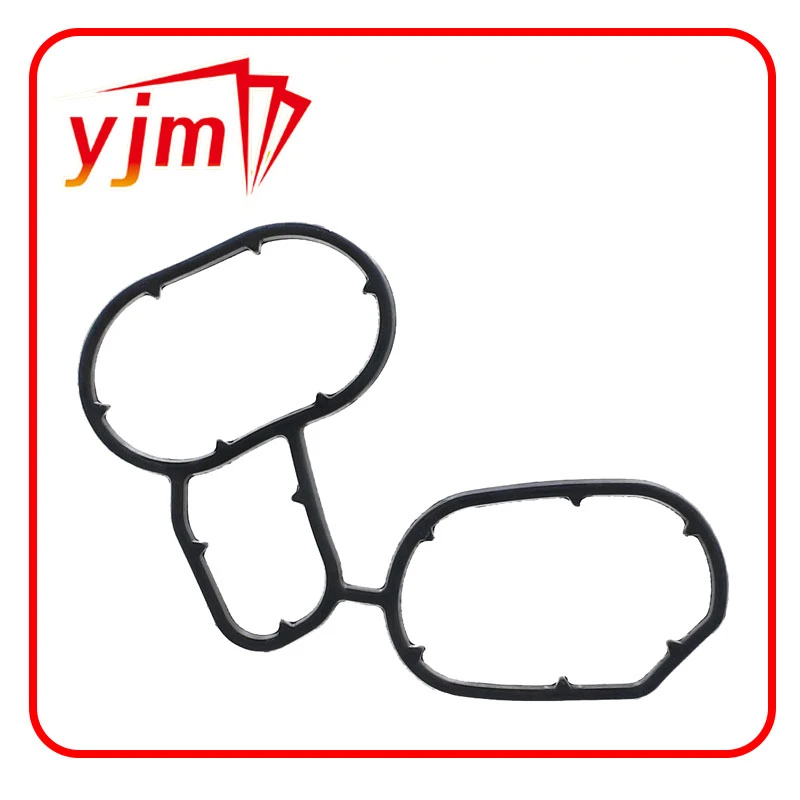
11427508970 BMW - OIL FILTER HOUSING GASKETS
-
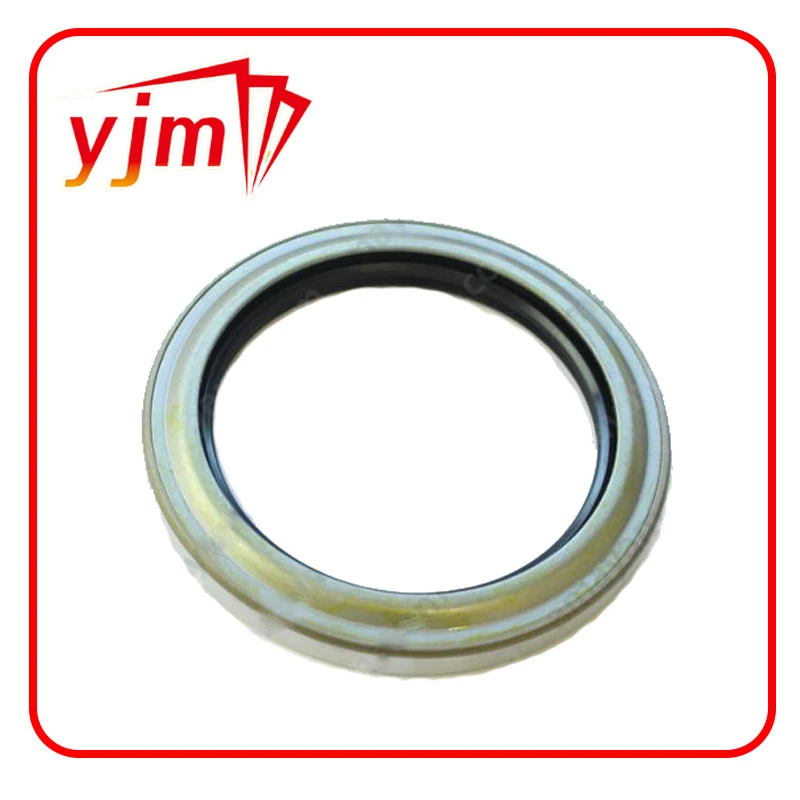
SEAL, OIL Genuine Toyota (9031170011)
-
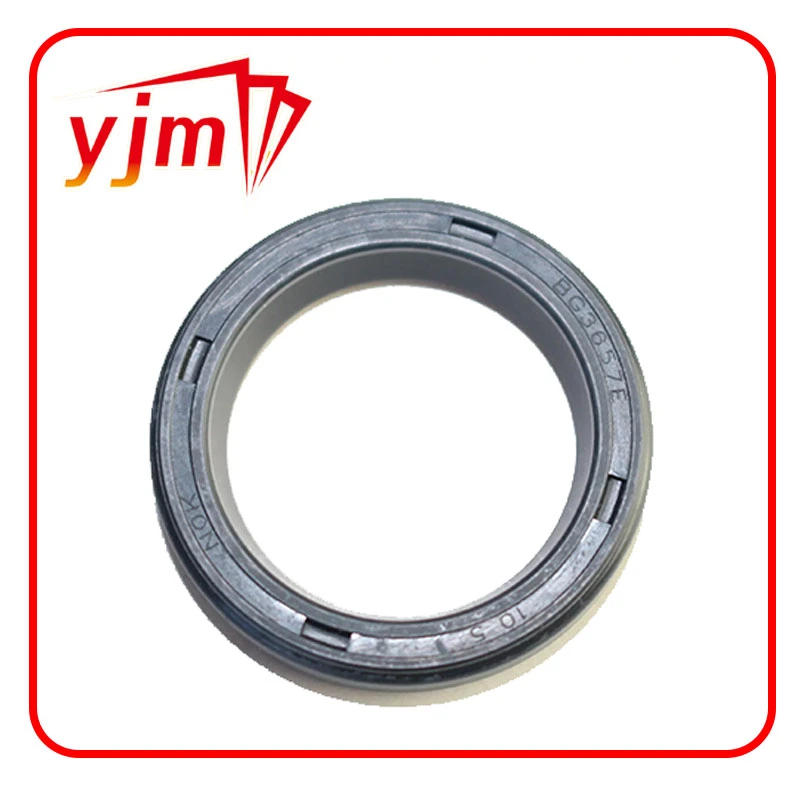
Transfer Case Output Shaft Seal Part 9031223001
-
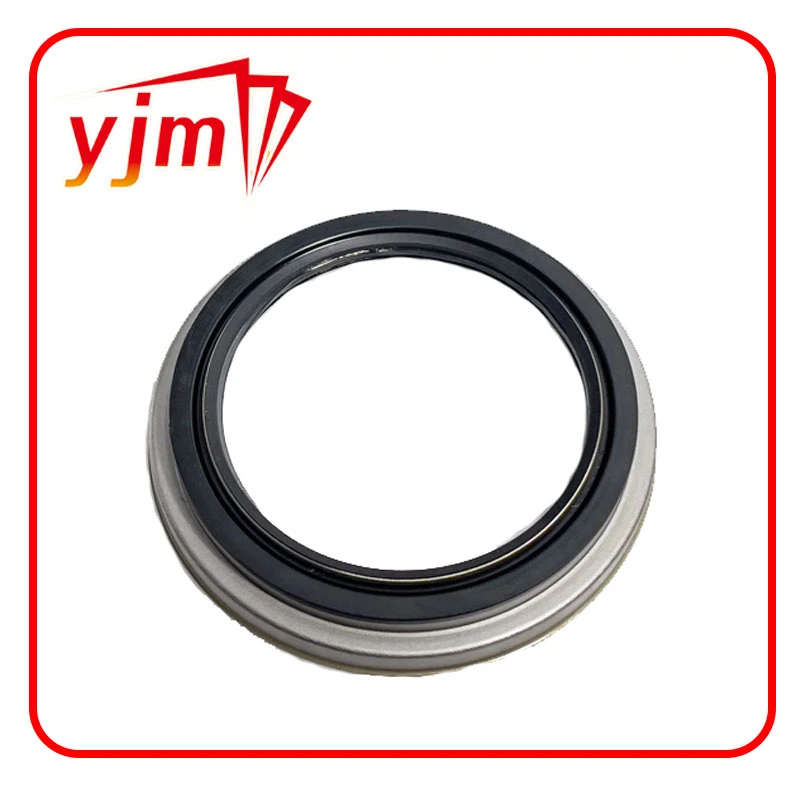
SEAL, OIL Genuine Toyota (9031672001)
-
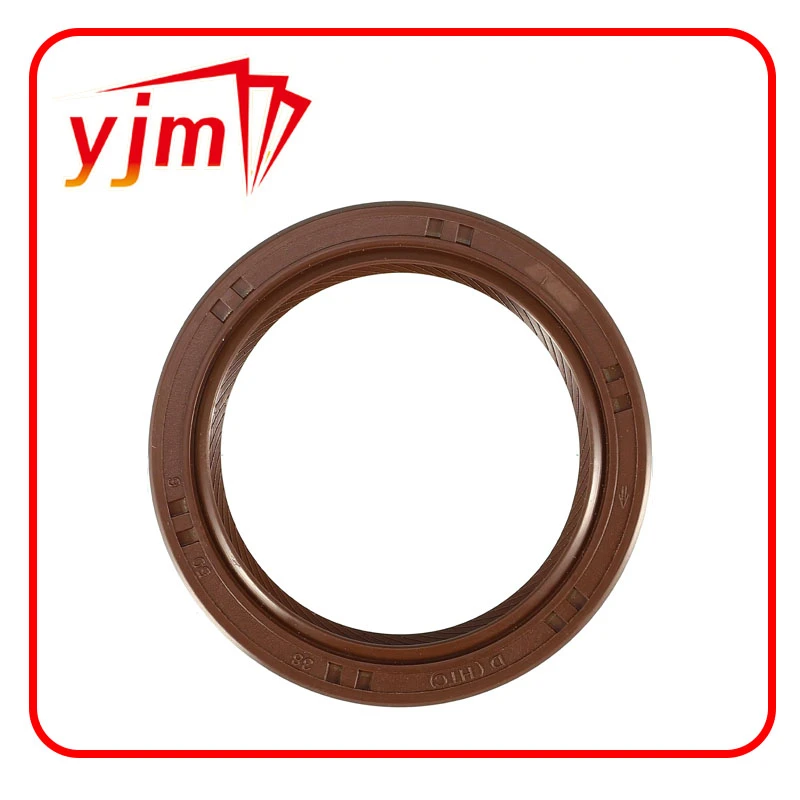
Engine Crankshaft Oil Seal No.9031138096
-
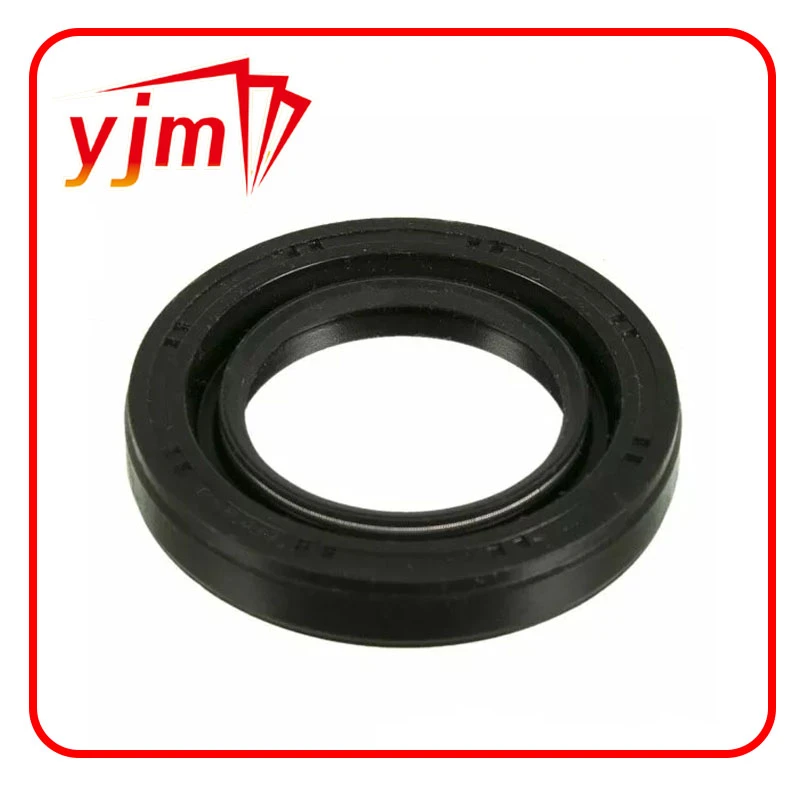
Toyota Transfer Case Output Shaft Seal Front 9031136006
-
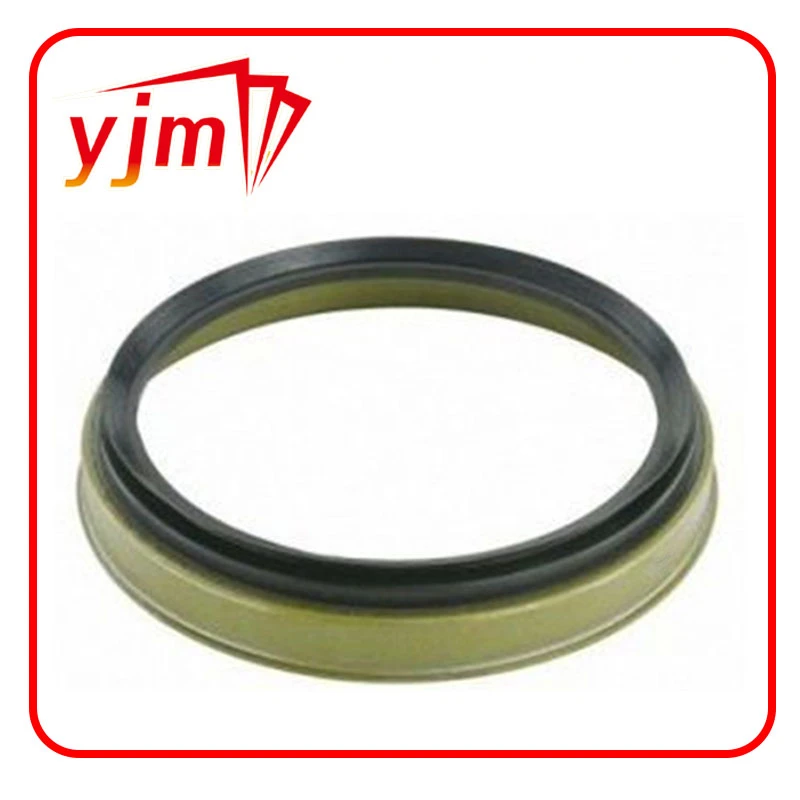
Seal, type v oil 9031287001 TOYOTA
-
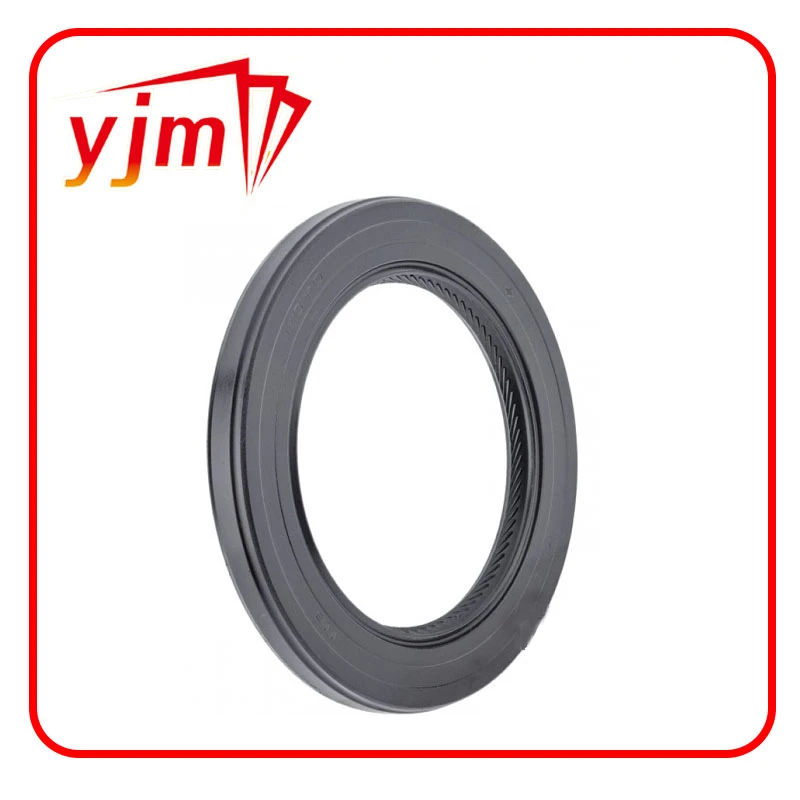
Oil pump seal 9031143010
-
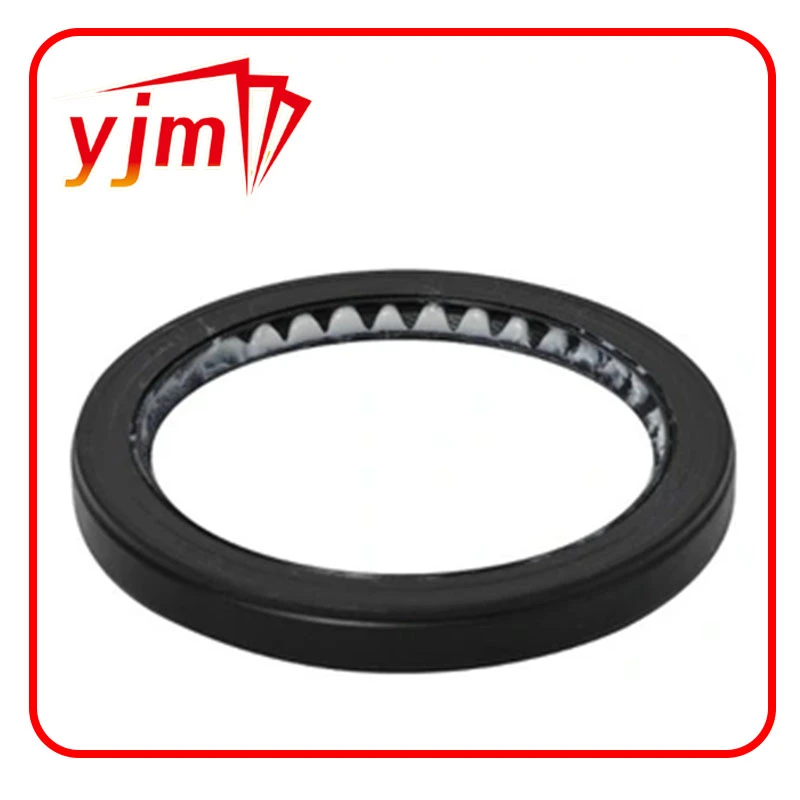
Genuine Toyota Oil SEAL 90311-54006
-
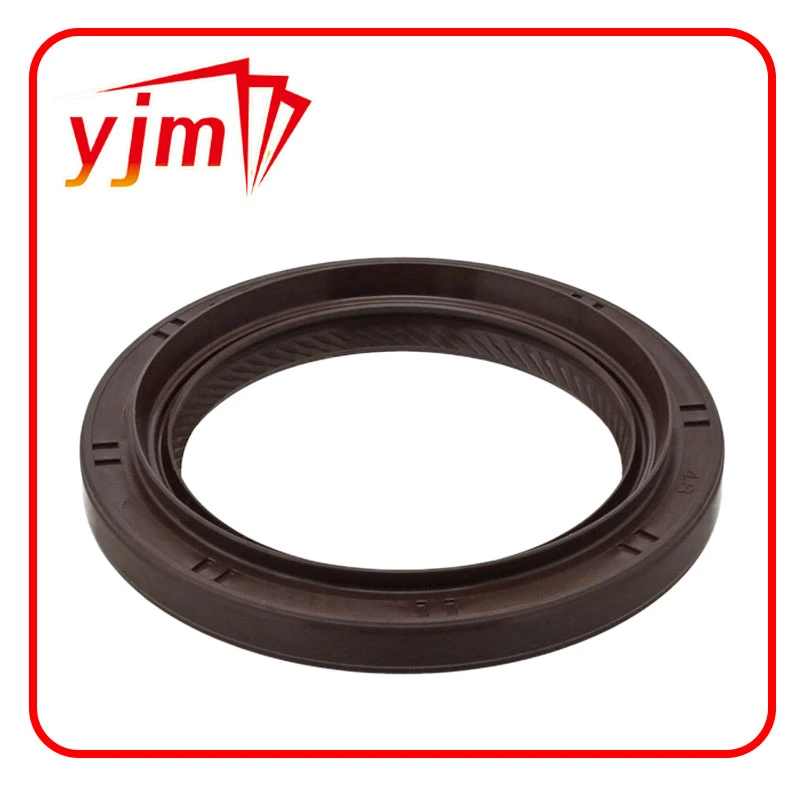
Toyota SEAL TYPE T OIL 90311-48031
-
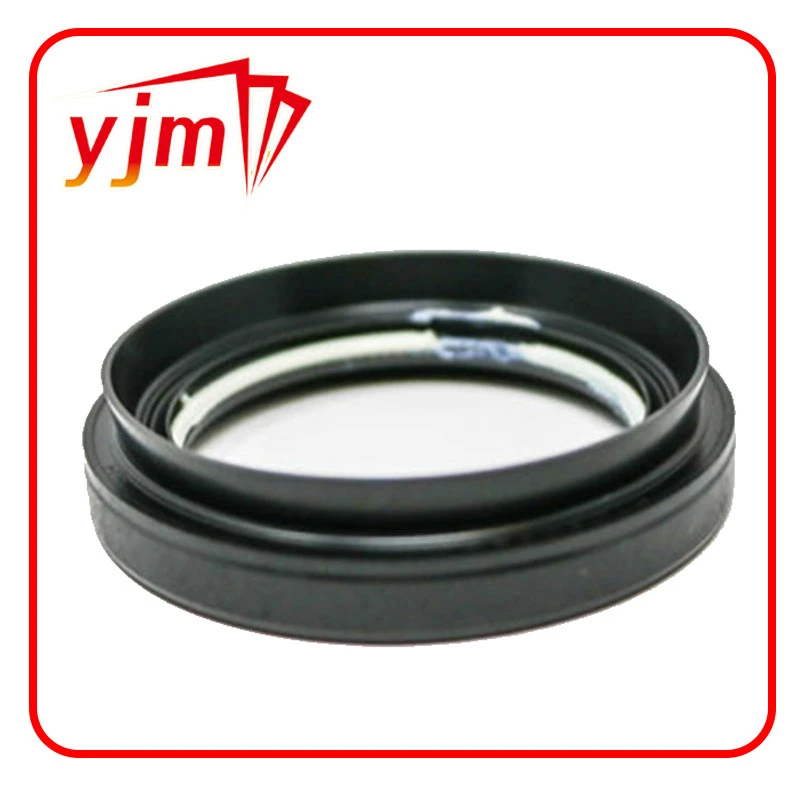
Type T Oil Seal, Front Drive Shaft, Left 9031150064
-
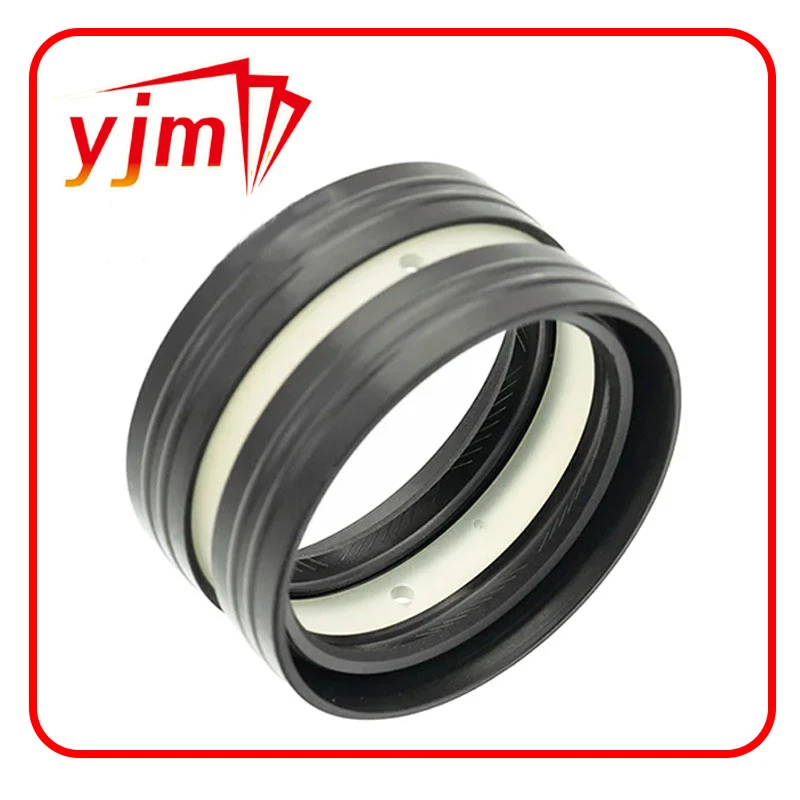
Seal, type d oil 9031634001 TOYOTA
 Afrikaans
 Albanian
 Amharic
 Arabic
 Armenian
 Azerbaijani
 Basque
 Belarusian
 Bengali
 Bosnian
 Bulgarian
 Catalan
 Cebuano
 Corsican
 Croatian
 Czech
Czech
 Danish
 Dutch
Dutch
 Esperanto
 Estonian
 Finnish
 French
 Frisian
 Galician
 Georgian
 German
 Greek
Greek
 Gujarati
 Haitian Creole
 Hausa
Hausa
 Hawaiian
 Hebrew
 Hindi
Hindi
 Miao
Miao
 Hungarian
 Icelandic
 Igbo
Igbo
 Indonesian
 Irish
Irish
 Italian
 Japanese
 Javanese
 Kannada
 Kazakh
 Khmer
Khmer
 Rwandese
 Korean
 Kurdish
 Kyrgyz
 Lao
Lao
 Latin
Latin
 Latvian
 Lithuanian
 Luxembourgish
 Macedonian
 Malgashi
 Malay
Malay
 Malayalam
 Maltese
 Maori
Maori
 Marathi
 Mongolian
 Myanmar
 Nepali
 Norwegian
 Norwegian
 Occitan
 Pashto
 Persian
 Polish
 Portuguese
 Punjabi
 Romanian
 Russian
 Samoan
 Scottish Gaelic
 Serbian
 Sesotho
 Shona
Shona
 Sindhi
 Sinhala
 Slovak
 Slovenian
 Somali
 Spanish
 Sundanese
 Swahili
 Swedish
 Tagalog
 Tajik
Tajik
 Tamil
Tamil
 Tatar
Tatar
 Telugu
 Thai
Thai
 Turkish
 Turkmen
 Ukrainian
 Urdu
Urdu
 Uighur
 Uzbek
Uzbek
 Vietnamese
 Welsh
Welsh
 Bantu
Bantu
 Yiddish
 Yoruba
 Zulu
Zulu
 English