Comprehensive Guide to Crankshaft Pulley Oil Seal: Global Importance & Innovations
Understanding the Crankshaft Pulley Oil Seal and Its Global Importance
At first glance, a crankshaft pulley oil seal might seem like a small, almost insignificant component in the whole machinery of an engine. Yet, if you've ever dealt with unexpected engine leaks or costly repairs, you quickly realize that these little seals hold enormous importance. Globally, in manufacturing and transportation industries, the reliability of these seals affects operational efficiency, environmental safety, and even economic sustainability. But why does understanding crankshaft pulley oil seals matter so much? The answer is layered — from preventing oil leaks that cause equipment failure to reducing hazardous waste and maintenance costs.
Here’s a quick mini takeaway before we dive deeper: this crucial component ensures engines run smoothly and helps industries worldwide save costs and reduce environmental harm.
Introduction: The Global Context of Crankshaft Pulley Oil Seals
Globally, the automotive and heavy machinery sectors account for millions of engines operating daily. According to the International Organization for Standardization (ISO), proper sealing technologies are critical to boosting energy efficiency and reducing emissions. The UN Environment Programme underlines that reducing oil leaks means fewer spills, less waste, and a smaller carbon footprint. These facts are especially pressing as emerging markets ramp up industrial activity, and sustainability goals become mandatory rather than optional.
Yet, one of the persistent challenges industries face is seal failure, which leads to downtime, oil contamination, and increased operational costs. Optimizing the reliability of a component like the crankshaft pulley oil seal directly supports these industries' ability to meet strict regulatory and ecological targets.
What Is a Crankshaft Pulley Oil Seal?
In the most straightforward terms, the crankshaft pulley oil seal is a circular sealing device placed around the crankshaft pulley, designed to hold lubricant oil inside the engine and prevent it from leaking out. Think of it as a guardian that keeps the engine lubricated and running without mess or malfunction. With rotating engines operating at high temperatures and pressures, this seal must endure harsh conditions — which connects directly to broader engineering and environmental needs.
Its relevance stretches from automotive manufacturing to heavy industrial equipment, and even specialized machinery used in humanitarian aid operations, where mechanical reliability can literally mean the difference between safety and breakdown in challenging environments.
Key Factors to Consider About Crankshaft Pulley Oil Seals
1. Durability and Material Composition
The seal must withstand high temperatures, friction, and chemical exposure. Commonly, materials like fluoroelastomer (FKM) or nitrile rubber (NBR) are used. Each has advantages: FKM resists heat better, while NBR is more cost-effective. Choosing the right material depends on the engine’s specific demands.
2. Precision Fit and Installation
A proper fit ensures there are no gaps that allow oil to escape or contaminants to enter. This is why modern manufacturing emphasizes precise dimensions and stiffness ratings, which often require specialized tooling during installation.
3. Cost Efficiency Over Lifecycle
While premium seals may cost more upfront, they reduce downtime and service frequency, ultimately saving money. Industrial users must weigh initial cost against long-term savings — a small but crucial calculation.
4. Environmental Impact
By preventing oil leaks, these seals contribute significantly to cutting hazardous waste. In an industry increasingly focused on sustainability, their role can’t be overstated.
5. Compatibility with Engine Types
Different engines — diesel trucks, passenger cars, industrial machines — require seals with varied specifications. Understanding these nuances ensures the right seal performs flawlessly.
Product Specification Table: Typical Crankshaft Pulley Oil Seal
| Feature | Specification | Notes |
|---|---|---|
| Material | FKM (Fluoroelastomer) or NBR | Depends on heat & chemical resistance requirements |
| Operating Temp | -30°C to 220°C | Varies by material |
| Inner Diameter | Varies (20-100 mm typical for automotive) | Precision machining essential |
| Pressure Tolerance | Up to 0.3 MPa | Seals static and dynamic pressures |
| Expected Lifetime | 50,000 - 100,000 km (automotive) | Depends on usage and environment |
Comparing Leading Vendors of Crankshaft Pulley Oil Seals
| Vendor | Material Quality | Customization Options | Pricing | Delivery Time |
|---|---|---|---|---|
| YJM Seal | High-grade FKM & NBR | Custom sizes & materials | Competitive | 2-3 weeks |
| Global Seal Co. | Moderate grade rubber | Limited | Lower | 3-4 weeks |
| SealTech Industries | Premium materials | Highly customizable | Premium pricing | 1-2 weeks |
Global Applications and Real-World Use Cases
Crankshaft pulley oil seals play a crucial role across numerous sectors worldwide. In automotive manufacturing hubs like Germany, Japan, and the United States, these seals ensure engines remain leak-proof and efficient. Meanwhile, in heavy industries—for instance, mining equipment in Australia or oil rigs in the North Sea—robust seals prevent costly lubricant losses under extreme conditions. That’s not all; in humanitarian contexts, such as disaster relief operations in Southeast Asia, vehicles fitted with reliable seals keep running longer, supporting essential logistics in challenging terrains.
Mini takeaway: From bustling factories to remote disaster zones, the humble crankshaft pulley oil seal quietly underpins vital machinery worldwide.
Advantages and Long-Term Value of Quality Crankshaft Pulley Oil Seals
- Cost savings: Avoiding leaks means fewer repairs and oil replacements.
- Environmental benefits: Reduced oil spillage protects ecosystems and meets regulatory standards.
- Improved safety: Less engine overheating or failure reduces risk for operators.
- Extended equipment life: Better seals lead to longer service intervals and reliability.
- Enhanced trust: Operators and companies value components that don’t let them down.
So you see, it's not only an engineering triumph but a component that fosters innovation, safety, and responsible stewardship of resources.
Future Trends and Innovations in Crankshaft Pulley Oil Seal Technology
Upcoming developments include the use of biodegradable elastomers to further reduce environmental impacts, plus the integration of smart materials capable of self-healing minor damage—kind of like giving seals a bit of resilience against wear and tear. Meanwhile, automation and precision manufacturing continue to improve seal consistency, while digital monitoring might soon help detect seal wear before leaks occur.
Common Challenges and Expert Solutions
Despite many advances, seal leaks still happen, often due to improper installation or inappropriate material choice for harsh conditions. Experts suggest employing rigorous quality control and customized solutions, rather than one-size-fits-all, to counter these issues. At YJM Seal, for example, engineers work closely with clients to select materials tailored for specific environments, minimizing failures.
FAQ: What You Might Want to Know About Crankshaft Pulley Oil Seals
- Q: How often should I replace the crankshaft pulley oil seal in my vehicle?
A: Typically, every 50,000 to 100,000 kilometers is a good interval, but factors like engine type and operating conditions may require earlier replacement. - Q: Can a faulty oil seal cause engine damage?
A: Yes, if oil leaks out, engine parts can suffer from insufficient lubrication, leading to overheating and potential failure. - Q: Are aftermarket seals as reliable as OEM parts?
A: Quality varies — choose reputable vendors who offer precise specifications and proven materials. - Q: What materials offer the best balance of durability and cost?
A: Nitrile Rubber (NBR) offers cost-efficiency for standard use, while Fluoroelastomer (FKM) is better for high-temperature or chemical-exposed engines.
Conclusion + Call to Action
In summary, the crankshaft pulley oil seal might be small, but its impact is substantial — affecting the reliability, efficiency, and sustainability of engines worldwide. Investing in high-quality, well-suited seals safeguards your machinery, drives down costs, and helps the environment. For those interested in finding top-tier products or custom solutions, I suggest checking out YJM Seal’s offerings. Seriously, it’s worth a look.
Keep sealing smart, and keep engines running smoothly.
Oddly enough, sometimes the smallest parts make the biggest differences…
References
-
Guide to Choosing the Right Washer for Oil Change and Sealing
News Apr.16,2026
-
Essential Guide to High Quality rubber washer oil drain plug
News Apr.09,2026
-
Understanding Rubber Crush Washers for Optimal Sealing Performance
News Apr.07,2026
-
Comprehensive Guide to Understanding and Reusing Crush Washer for Optimal Sealing
News Apr.04,2026
-
The Vital Role of a Drain Screw Gasket in Fluid System Integrity
News Mar.31,2026
-
The Essential Guide to Drain Crush Washer Selection and Plumbing Leak Prevention
News Mar.28,2026
-
The Vital Role of a Crush Washer in Oil Changes for Engine Protection
News Mar.26,2026
Products categories
-
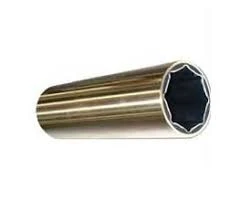
Brass cutlass marine bearing
-
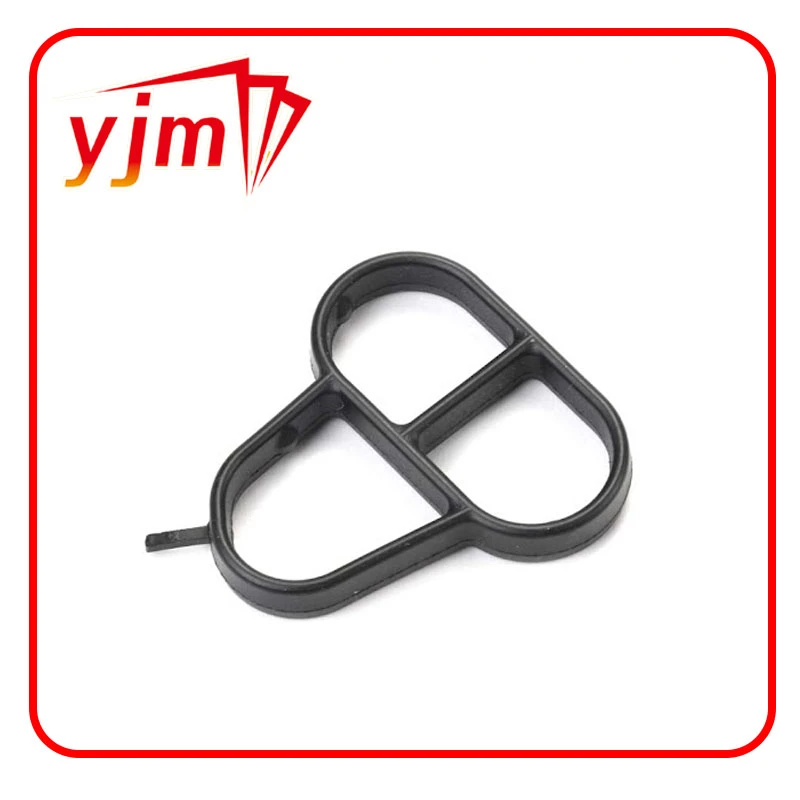
Genuine OEM Engine Oil Filter Housing Cover O-Ring For VW/Audi 06E115446
-
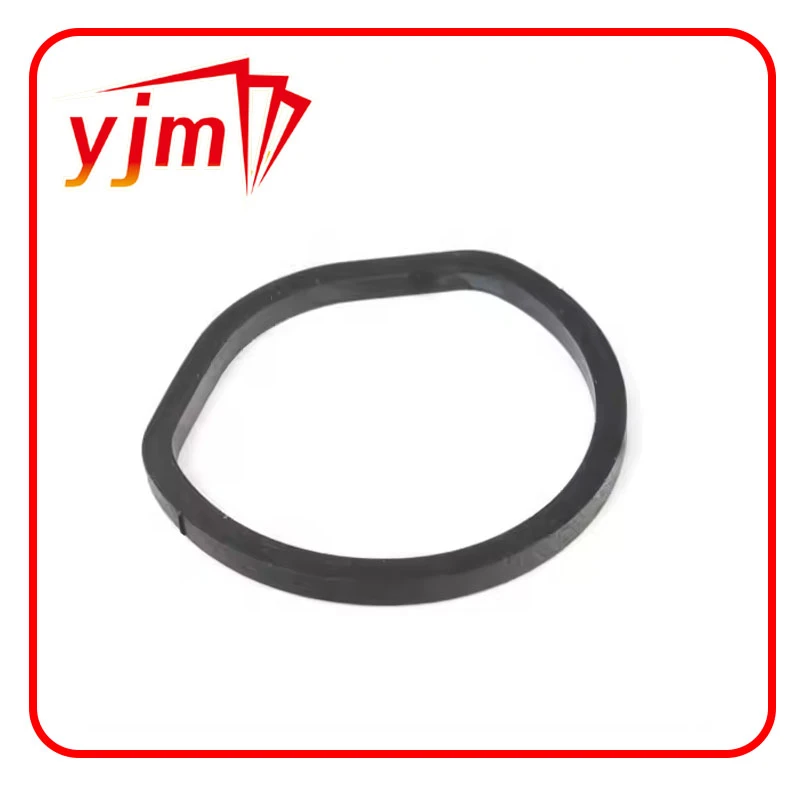
Oil Filter Stand Gasket,Oil filter cover seal
-
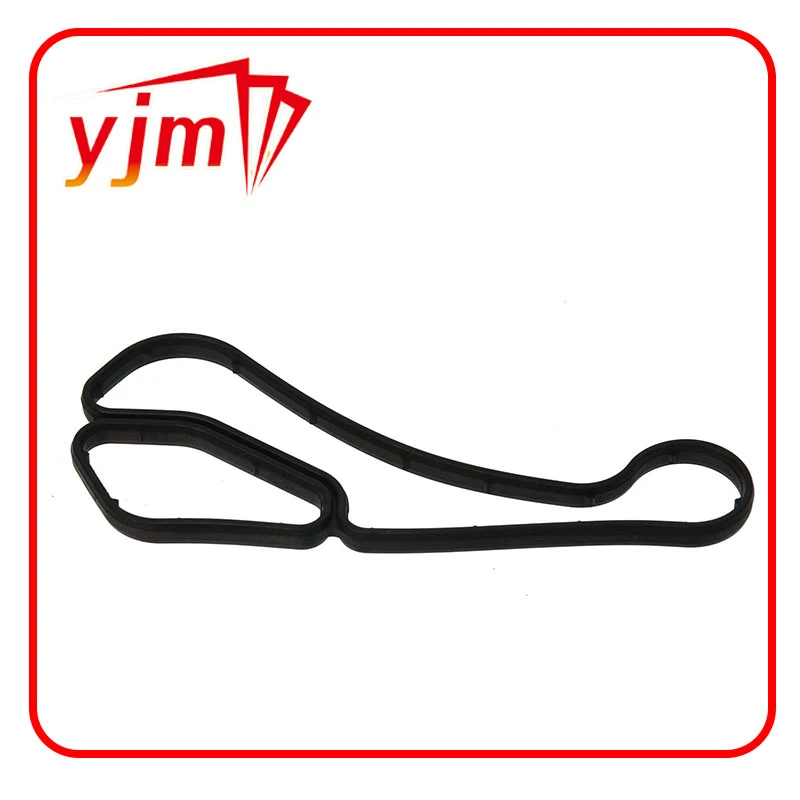
Oil Cooler Gasket, Oil Cooler to Oil Filter Housing 11427525335
-
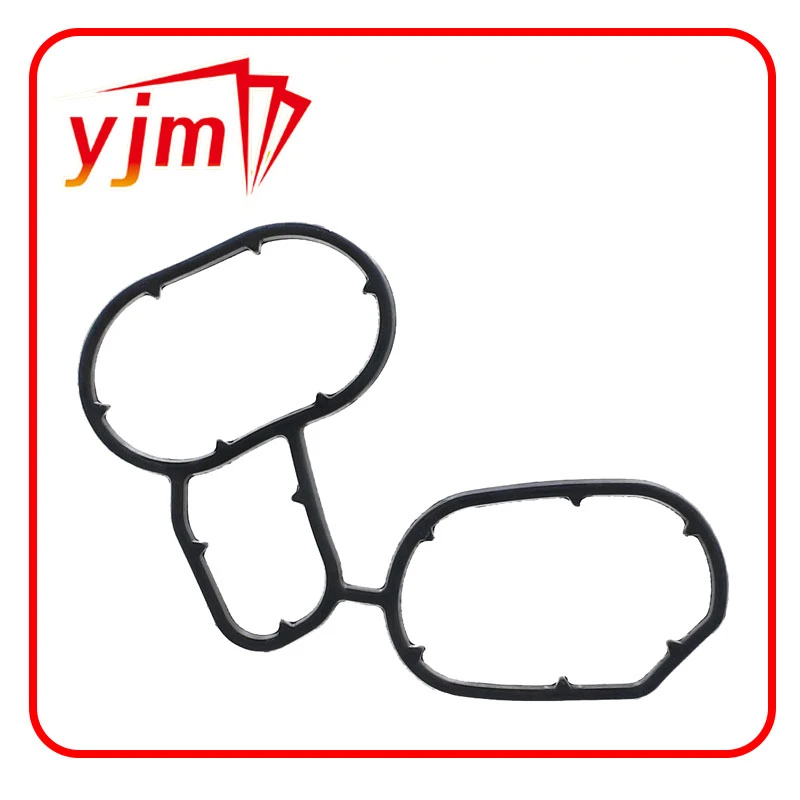
11427508970 BMW - OIL FILTER HOUSING GASKETS
-
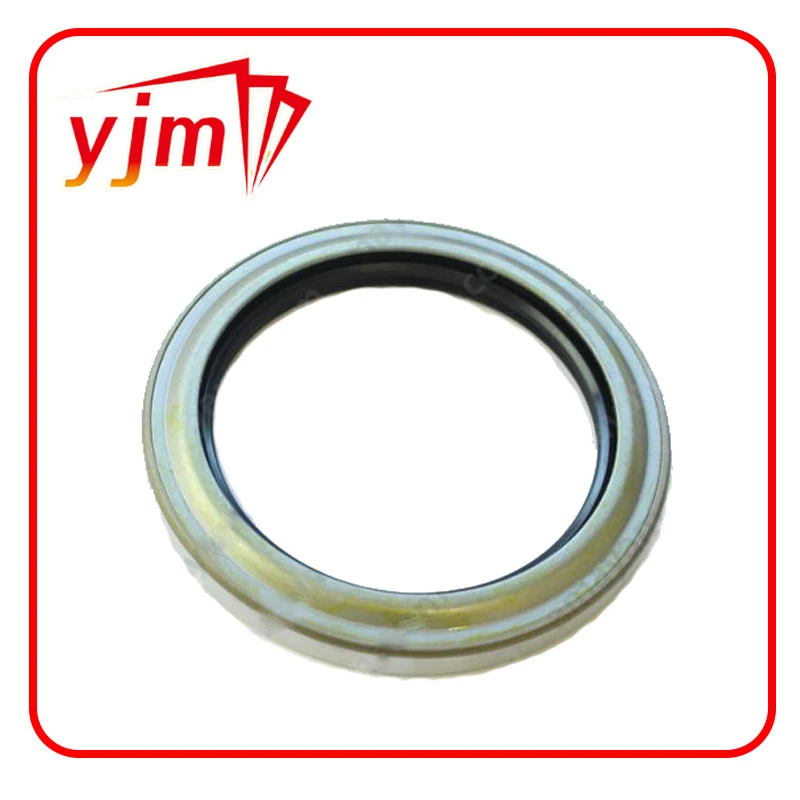
SEAL, OIL Genuine Toyota (9031170011)
-
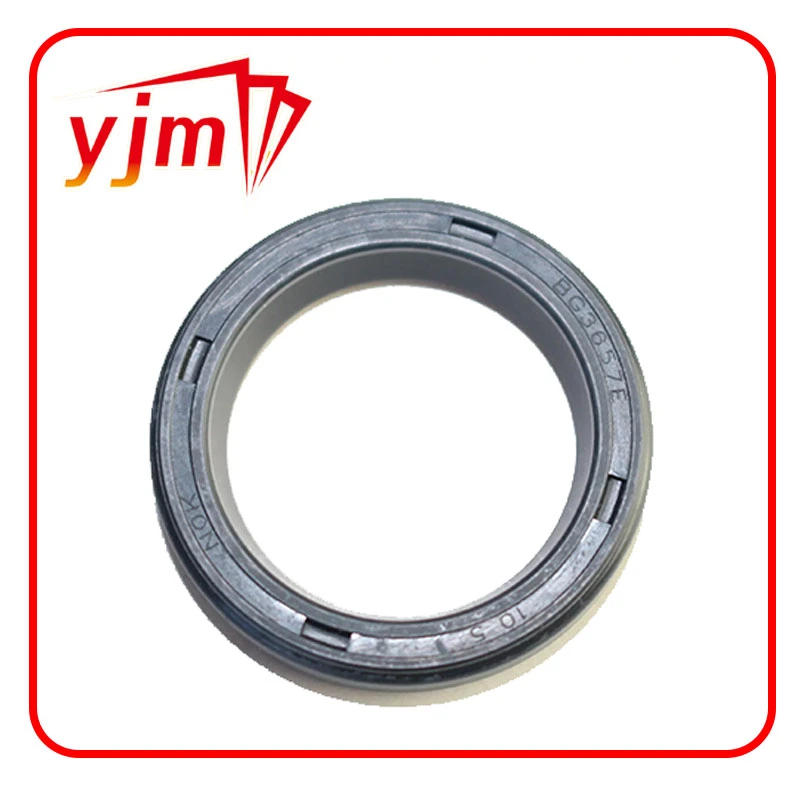
Transfer Case Output Shaft Seal Part 9031223001
-
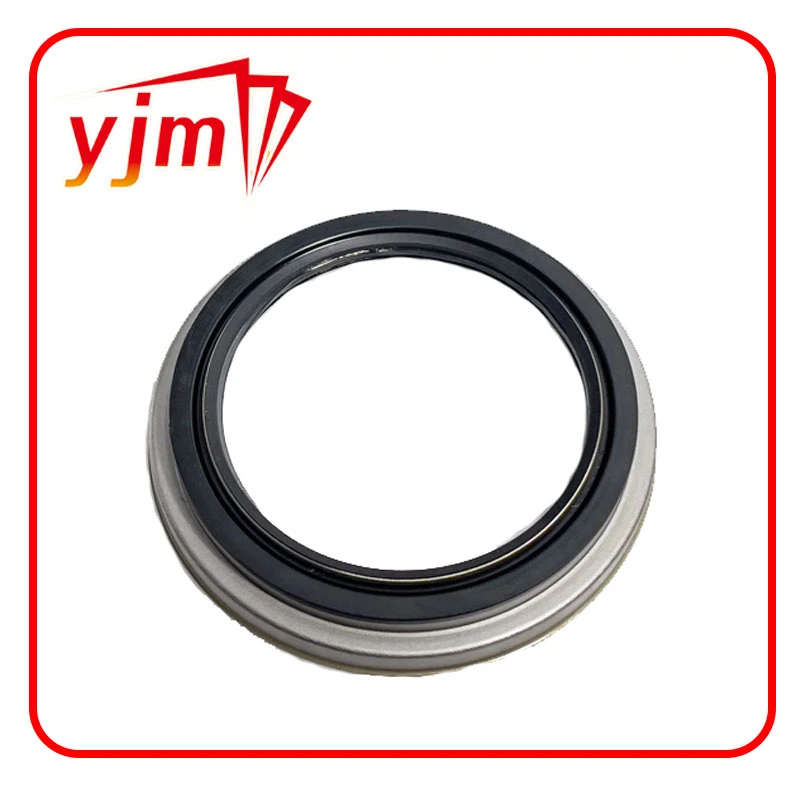
SEAL, OIL Genuine Toyota (9031672001)
-
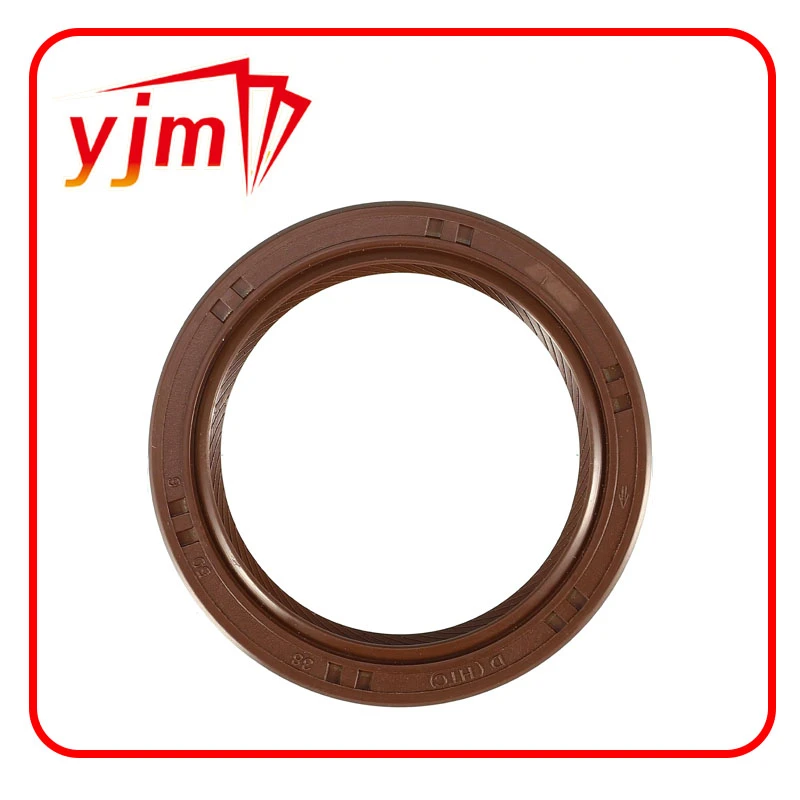
Engine Crankshaft Oil Seal No.9031138096
-
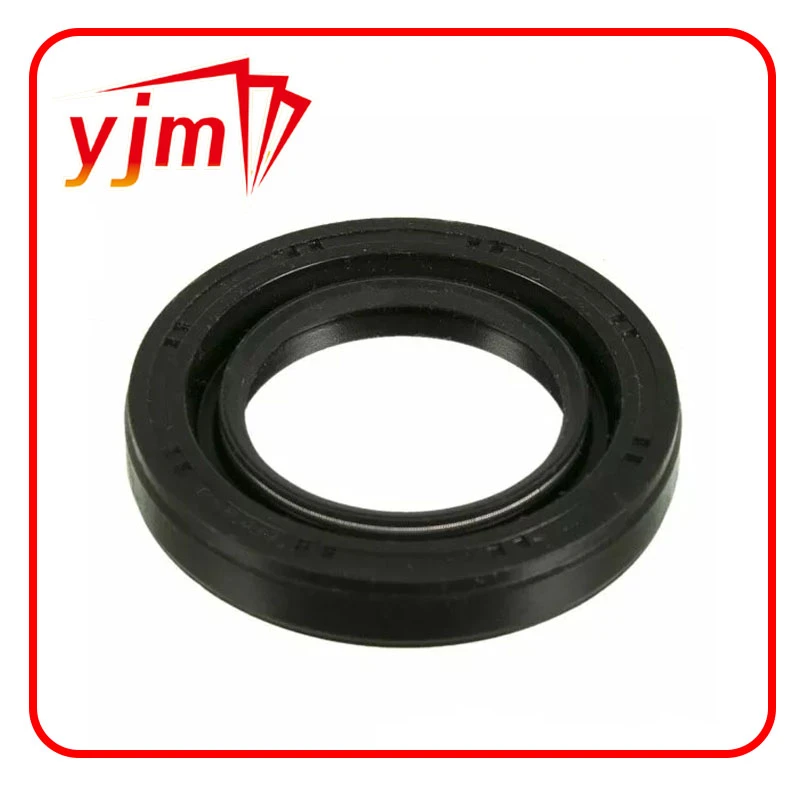
Toyota Transfer Case Output Shaft Seal Front 9031136006
-
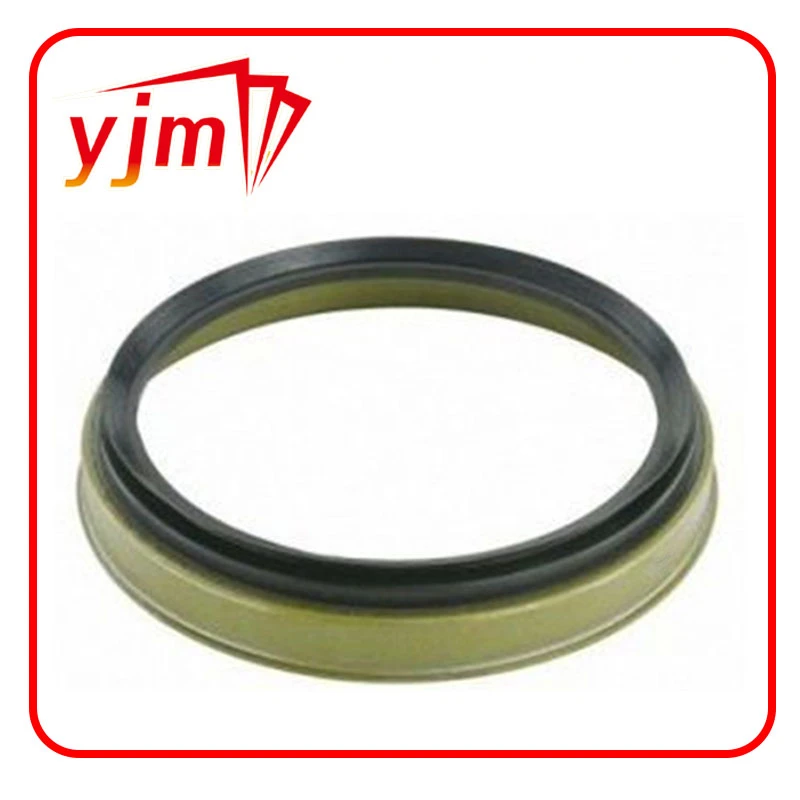
Seal, type v oil 9031287001 TOYOTA
-
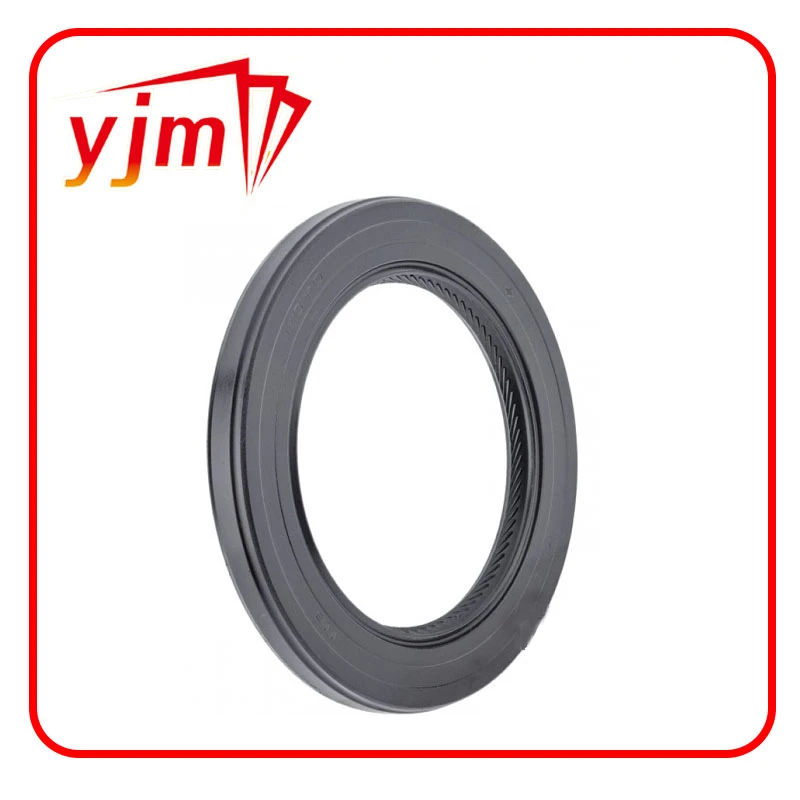
Oil pump seal 9031143010
-
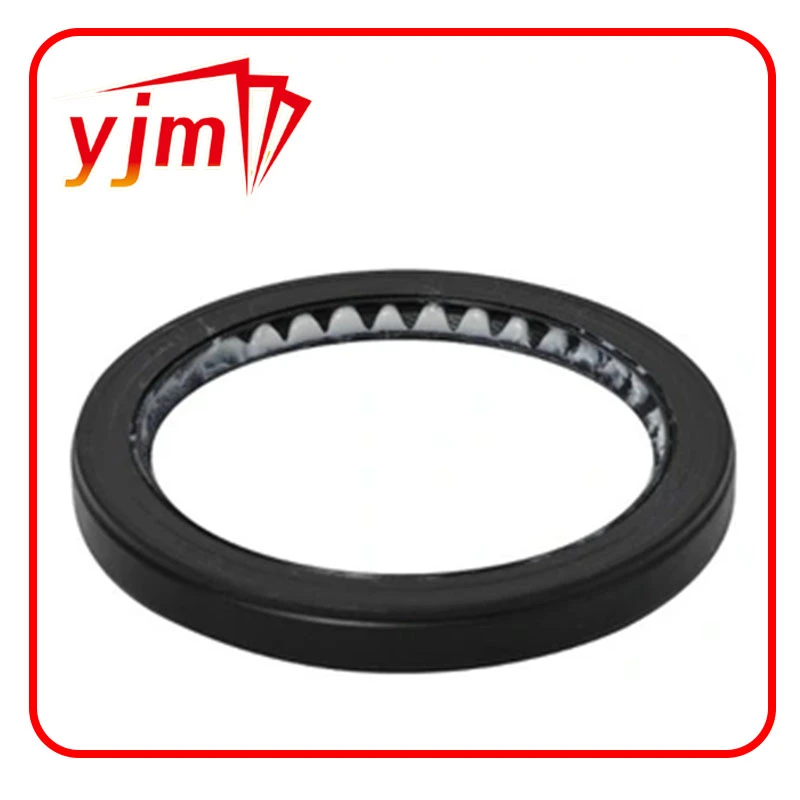
Genuine Toyota Oil SEAL 90311-54006
-
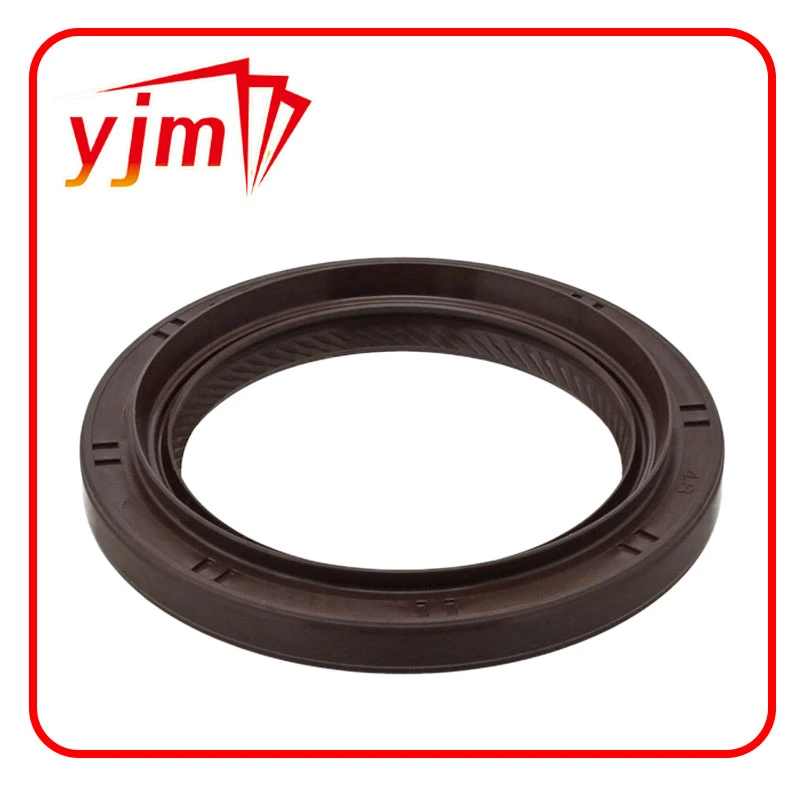
Toyota SEAL TYPE T OIL 90311-48031
-
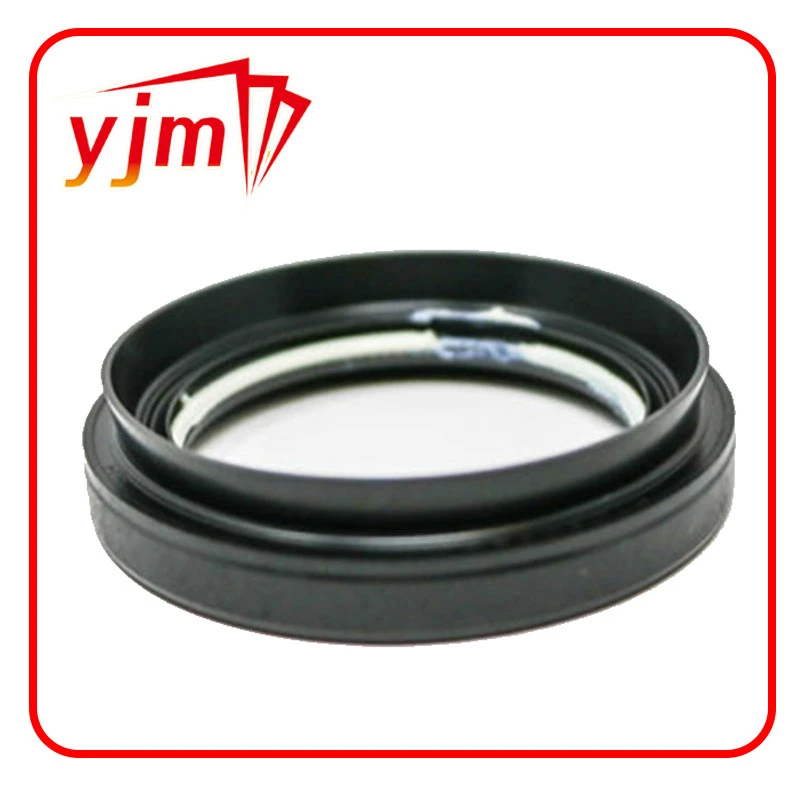
Type T Oil Seal, Front Drive Shaft, Left 9031150064
-
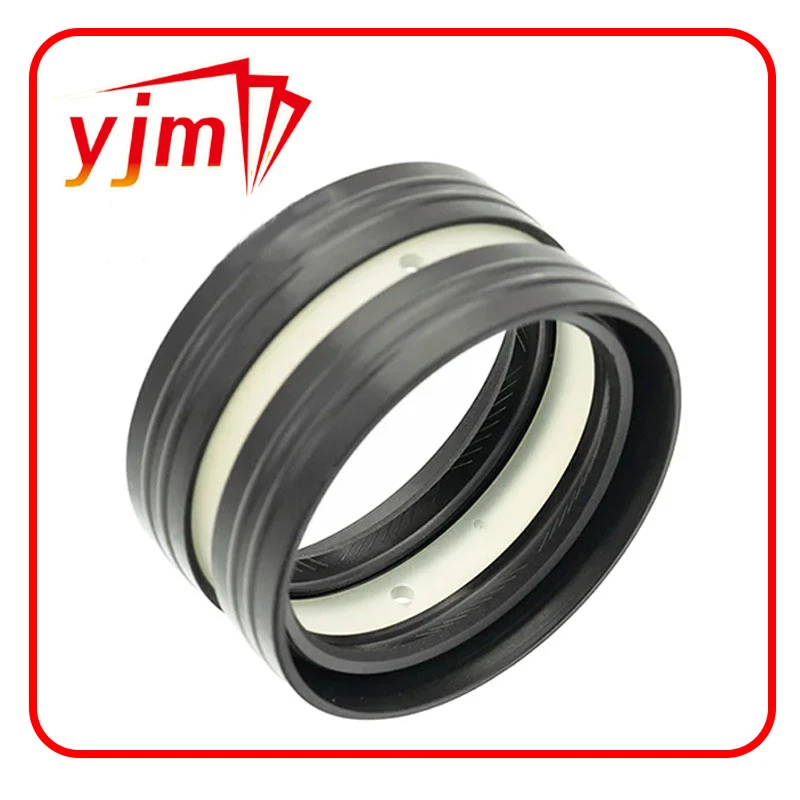
Seal, type d oil 9031634001 TOYOTA
 Afrikaans
 Albanian
 Amharic
 Arabic
 Armenian
 Azerbaijani
 Basque
 Belarusian
 Bengali
 Bosnian
 Bulgarian
 Catalan
 Cebuano
 Corsican
 Croatian
 Czech
Czech
 Danish
 Dutch
Dutch
 Esperanto
 Estonian
 Finnish
 French
 Frisian
 Galician
 Georgian
 German
 Greek
Greek
 Gujarati
 Haitian Creole
 Hausa
Hausa
 Hawaiian
 Hebrew
 Hindi
Hindi
 Miao
Miao
 Hungarian
 Icelandic
 Igbo
Igbo
 Indonesian
 Irish
Irish
 Italian
 Japanese
 Javanese
 Kannada
 Kazakh
 Khmer
Khmer
 Rwandese
 Korean
 Kurdish
 Kyrgyz
 Lao
Lao
 Latin
Latin
 Latvian
 Lithuanian
 Luxembourgish
 Macedonian
 Malgashi
 Malay
Malay
 Malayalam
 Maltese
 Maori
Maori
 Marathi
 Mongolian
 Myanmar
 Nepali
 Norwegian
 Norwegian
 Occitan
 Pashto
 Persian
 Polish
 Portuguese
 Punjabi
 Romanian
 Russian
 Samoan
 Scottish Gaelic
 Serbian
 Sesotho
 Shona
Shona
 Sindhi
 Sinhala
 Slovak
 Slovenian
 Somali
 Spanish
 Sundanese
 Swahili
 Swedish
 Tagalog
 Tajik
Tajik
 Tamil
Tamil
 Tatar
Tatar
 Telugu
 Thai
Thai
 Turkish
 Turkmen
 Ukrainian
 Urdu
Urdu
 Uighur
 Uzbek
Uzbek
 Vietnamese
 Welsh
Welsh
 Bantu
Bantu
 Yiddish
 Yoruba
 Zulu
Zulu
 English