Reliable Engine Oil Seals – Durable, Leak-Proof Solutions for Global Industrial Engines
What Are Engine Oil Seals and Why Do They Matter?
If you’ve ever wondered what keeps an engine running smoothly without the mess or damage of oil leaks, your answer lies in the humble engine oil seal. These small yet critical components act as guardians, preventing oil escape while keeping dirt and contaminants where they belong. Globally, their role is often overlooked, but their impact is massive—from ensuring vehicle longevity to safeguarding industrial machinery, and even reducing environmental contamination caused by oil leaks.
Understanding engine oil seals is more than just for mechanics or car enthusiasts; it’s about grasping how modern machinery maintains its efficiency and reliability. Considering how much the world depends on engines—whether in transportation, manufacturing, or agriculture—knowing a bit about these seals and their benefits can change how we appreciate engineering one tiny piece at a time.
Global Context: Why Engine Oil Seals Are Essential Across Industries
From a macro perspective, the global automotive and machinery market continues to expand rapidly. According to the International Organization for Standardization (ISO), the worldwide production of vehicles surpassed 90 million in recent years, a number only growing with industrial demand across Asia, Europe, and North America.[1] This surge places unprecedented demand on reliable engine components, especially seals that prevent lubricating oils from leaking and causing environmental hazards. In fact, oil leaks contribute notably to soil and water pollution, making improved sealing technologies a subtle but important part of environmental protection efforts.
Challenges such as extreme operating temperatures, varying pressures, and chemical exposure require seals to be exceptionally durable and versatile. Better seals help reduce maintenance downtime and preserve engine integrity — saving costs and reducing waste worldwide.
What Exactly Is an Engine Oil Seal?
In simple terms, an engine oil seal is a specialized gasket designed to close gaps between stationary and moving parts in an engine, preventing oil leakage and blocking external contaminants. Usually made from rubber or synthetic materials bonded with metal rings, these seals surround shafts, bearings, or other engine parts.
They play a crucial role not just in vehicles but also industrial machinery and even humanitarian equipment—think generators powering emergency relief missions. Without effective seals, oil would leak out, leading to mechanical failures or environmental spillages, neither of which anybody wants.
Core Components of Engine Oil Seals
1. Material Composition
Most engine oil seals are made from nitrile rubber, silicone, or fluorocarbon, each selected based on temperature range, chemical resistance, and flexibility. For instance, fluorocarbon seals stand up well to harsh chemicals and high temperatures—important in heavy-duty engines.
2. Durability & Wear Resistance
Effective oil seals must endure the constant friction and rotational speeds of engine parts. Engineers carefully design these seals to balance flexibility and toughness—for example, adding steel reinforcement rings to maintain shape under pressure.
3. Temperature Range
Since engines operate from freezing starts to scorching highs, seals must handle -40°C to +150°C or higher, depending on engine type. Choosing the right seal often involves predicting operating environments tightly.
4. Lubrication Compatibility
Seals must be resistant to breakdown by various engine oils and additives. Compatibility prevents the seal from cracking or swelling, which would spell trouble quite fast.
5. Installation and Fit
Precision fit is key: a poorly installed seal can cause leaks despite being of the highest quality. That’s why many companies now focus on enhanced designs or coatings that simplify installation and improve seal longevity.
Mini takeaways: Material, durability, temperature tolerance, and precise installation—each factor is vital to the seal's performance.
Where Are Engine Oil Seals Used Around the World?
Okay — you drive your car, your factory relies on heavy machinery, and a power plant spins generators; guess what keeps all those engines tight and drip-free? Right, engine oil seals. Their applications span multiple regions and industries:
- Automotive Industry: Across North America and Europe, engine oil seals support everything from passenger vehicles to commercial trucks.
- Industrial Machinery: In manufacturing plants in China and India, seals protect hydraulic pumps and compressors.
- Agricultural Equipment: Remote farms across Africa benefit from tough sealing solutions that withstand dusty and rough conditions.
- Emergency Relief & Humanitarian Use: Portable generators and vehicles in disaster zones require reliable seals to maintain service efficacy.
For example, in rugged mining operations in South America, oil seals face abrasive environments demanding enhanced abrasion resistance and longevity. Because of their reliability, many firms have turned to specialized suppliers who customize seals based on specific climatic and operational needs.
Product Specification Table: Typical Engine Oil Seal Features
| Feature | Description |
|---|---|
| Material | Nitrile Rubber (NBR), Silicone, Fluorocarbon (FKM), PTFE |
| Operating Temperature | -40°C to 150°C (can vary by material) |
| Axial Fit | Press-fit or bonded with metal casing to shaft |
| Chemical Resistance | Compatible with mineral & synthetic oils, additives |
| Lifespan | Varies by use, typically 50,000+ hours in proper conditions |
Advantages & Long-Term Value of Using Quality Seals
From a cost perspective, investing in high-quality engine oil seals means fewer oil leaks, less maintenance, and fewer engine rebuilds. It's not just mechanical savings, though. Many engineers remark that a reliable seal means peace of mind—your engine won't unexpectedly fail mid-operation, which is often costly or dangerous.
Socially, the reduced environmental impact of fewer leaks aligns with sustainability goals embraced by industries worldwide. In practical terms, a good seal means cleaner working environments and less hazardous waste. Many companies highlight this as a key factor in meeting corporate social responsibility (CSR) goals.
And then there’s trust. In humanitarian or emergency settings, sealing solutions that don’t fail means backup power systems and relief vehicles keep running, which quite literally can save lives.
Vendor Comparison Table: Top Engine Oil Seal Suppliers (2024)
| Vendor | Material Range | Customization | Price Range | Global Reach |
|---|---|---|---|---|
| YJM Seal | NBR, FKM, PTFE, Silicone | High – tailored sizes & materials | Mid | Asia, Europe, Americas |
| SKF | Wide, including advanced composites | Moderate | High | Global |
| Timken | NBR, Silicone | Low – standard sizes | Low-Mid | North America, Europe |
The Future of Engine Oil Seals: Trends & Innovations
Looking ahead, the push for sustainability is driving seal development towards eco-friendly materials and manufacturing processes. Biodegradable or recycled polymers are already in experimental use. Additionally, with the rise of electric vehicles (EVs), some engineers muse on whether traditional oil seals will fade away or evolve to fit new cooling fluids and lubricants in EVs.
Automation and Industry 4.0 also play a role. Smart seals embedded with sensors to detect wear or leakage early could revolutionize maintenance routines—preventing failures before they happen, saving money and downtime. The digital transformation, oddly enough, is marching into the tiny spaces between engine parts.
Common Challenges and How to Overcome Them
No seal is perfect, and some problems persist: material degradation, improper installation, and incompatibility with new synthetic oils. Industry experts suggest regular testing and predictive maintenance alongside investing in education on installation techniques. Innovative coatings and seal designs keep evolving to handle difficult environments, but the human factor is always key.
FAQ: Quick Answers About Engine Oil Seals
- How often should engine oil seals be replaced?
- Typically, seals last the lifetime of an engine, but under harsh conditions, they may need replacement every 50,000 to 100,000 miles. Regular inspections for leaks or wear are the best way to decide.
- Can I use a universal engine oil seal for different engines?
- It’s usually better to use seals designed for specific engine models or specifications to ensure proper fit and durability. Universal seals may fit temporarily but risk leaks.
- What causes engine oil seals to fail prematurely?
- Common causes include exposure to improper temperatures, chemical incompatibility with oil additives, installation errors, and physical damage. Selecting quality seals and careful installation minimize these risks.
- Are synthetic materials better for engine oil seals?
- Synthetic materials like fluorocarbon often offer superior chemical and temperature resistance but may cost more. Depending on the application, they can provide better long-term value.
- Where can I find reliable engine oil seals for industrial use?
- Reputable suppliers like YJM Seal provide a wide range of customizable seals designed for diverse industrial demands.
Conclusion: The Unsung Hero of Engines
While they might be small and silent, engine oil seals are fundamental to the smooth, reliable, and eco-friendly operation of engines worldwide. By preventing leaks, lowering emissions, and extending engine life, they deliver tangible and lasting value for industries and individuals alike. Curious to see which seal suits your needs? Visit our website and discover options tailored for your machinery.
Mini takeaway: Next time you ignite your engine, spare a moment for the seal quietly holding everything together.
References
-
Guide to Choosing the Right Washer for Oil Change and Sealing
News Apr.16,2026
-
Essential Guide to High Quality rubber washer oil drain plug
News Apr.09,2026
-
Understanding Rubber Crush Washers for Optimal Sealing Performance
News Apr.07,2026
-
Comprehensive Guide to Understanding and Reusing Crush Washer for Optimal Sealing
News Apr.04,2026
-
The Vital Role of a Drain Screw Gasket in Fluid System Integrity
News Mar.31,2026
-
The Essential Guide to Drain Crush Washer Selection and Plumbing Leak Prevention
News Mar.28,2026
-
The Vital Role of a Crush Washer in Oil Changes for Engine Protection
News Mar.26,2026
Products categories
-
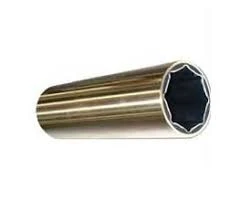
Brass cutlass marine bearing
-
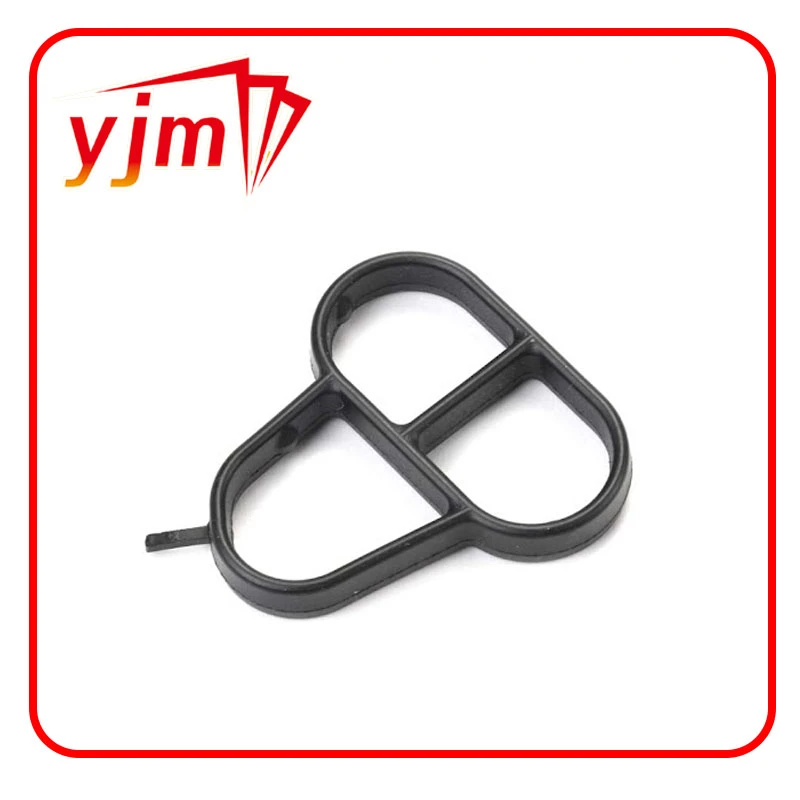
Genuine OEM Engine Oil Filter Housing Cover O-Ring For VW/Audi 06E115446
-
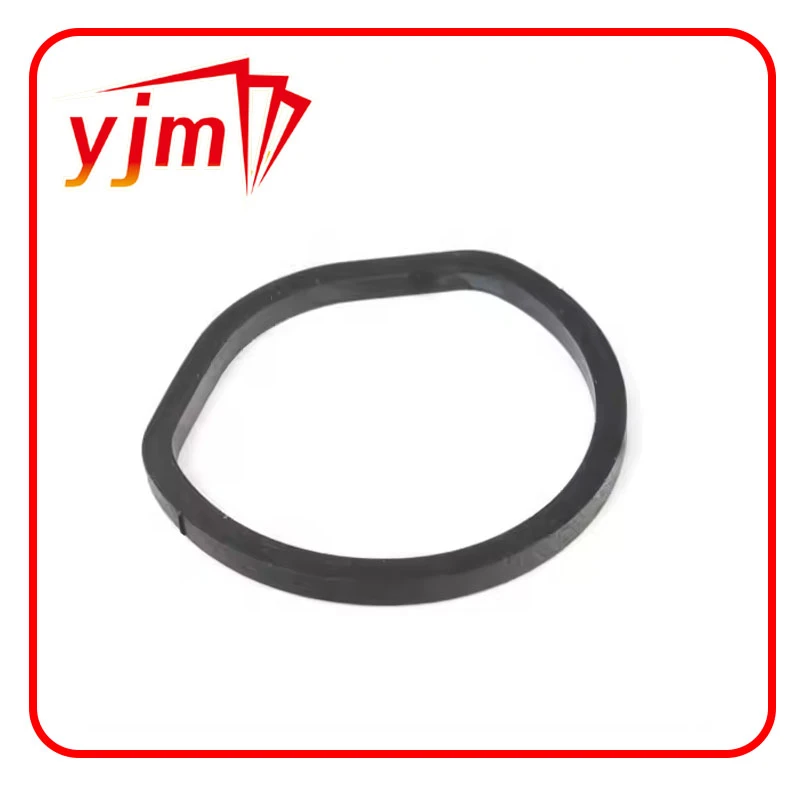
Oil Filter Stand Gasket,Oil filter cover seal
-
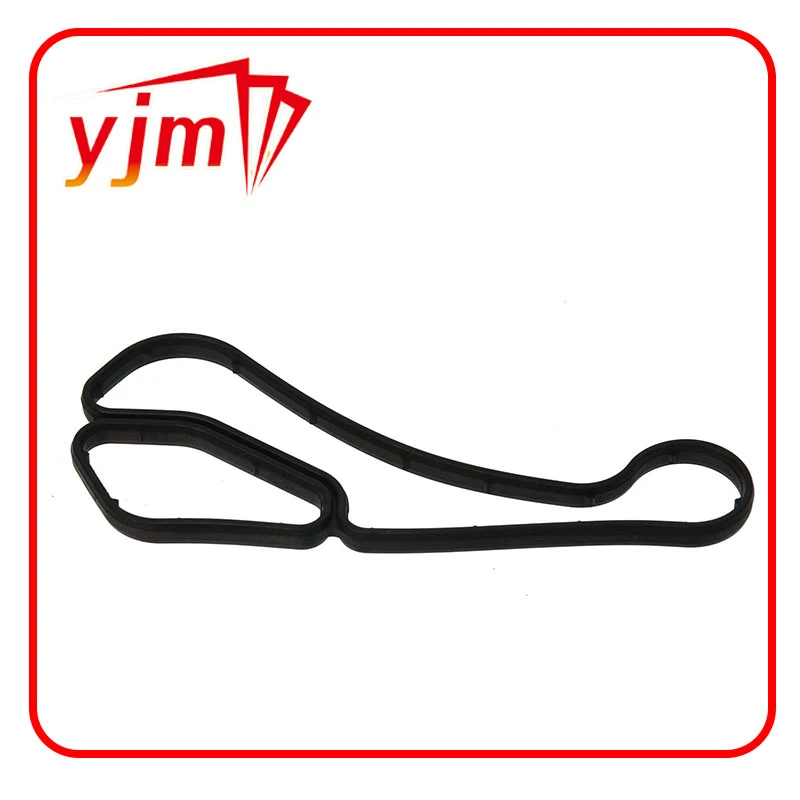
Oil Cooler Gasket, Oil Cooler to Oil Filter Housing 11427525335
-
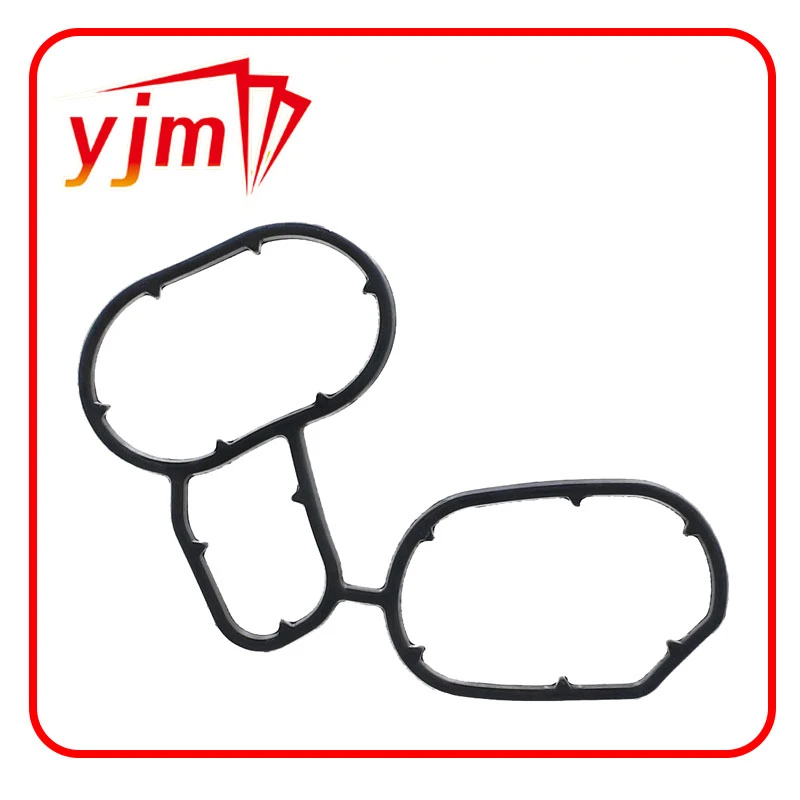
11427508970 BMW - OIL FILTER HOUSING GASKETS
-
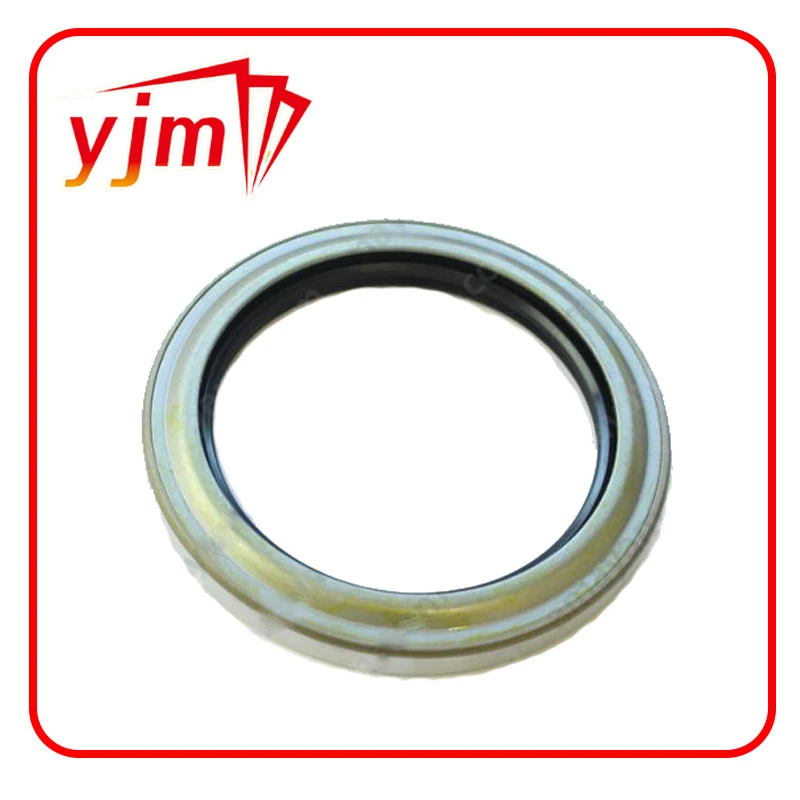
SEAL, OIL Genuine Toyota (9031170011)
-
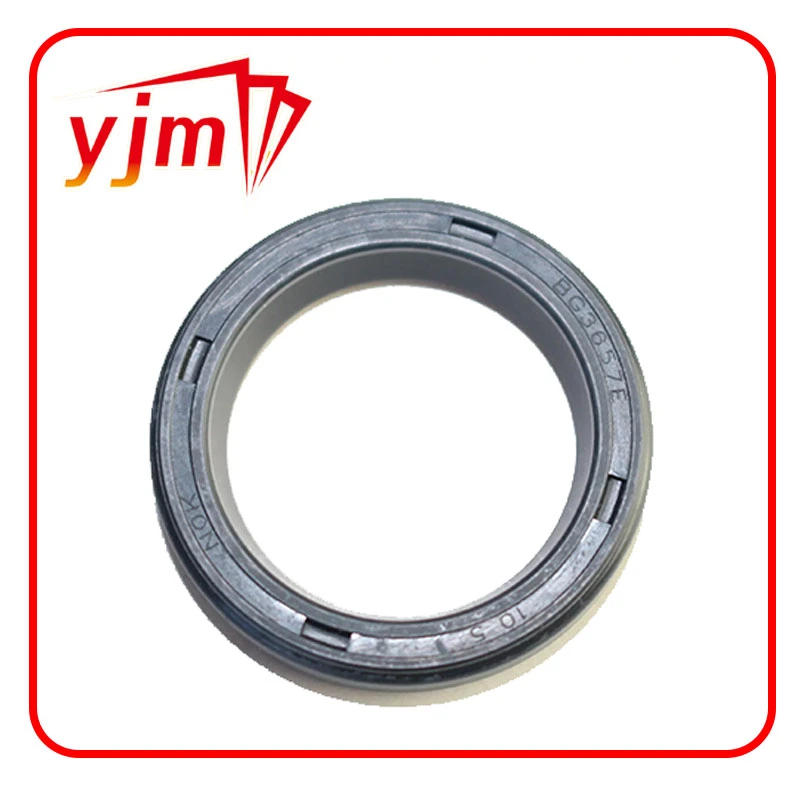
Transfer Case Output Shaft Seal Part 9031223001
-
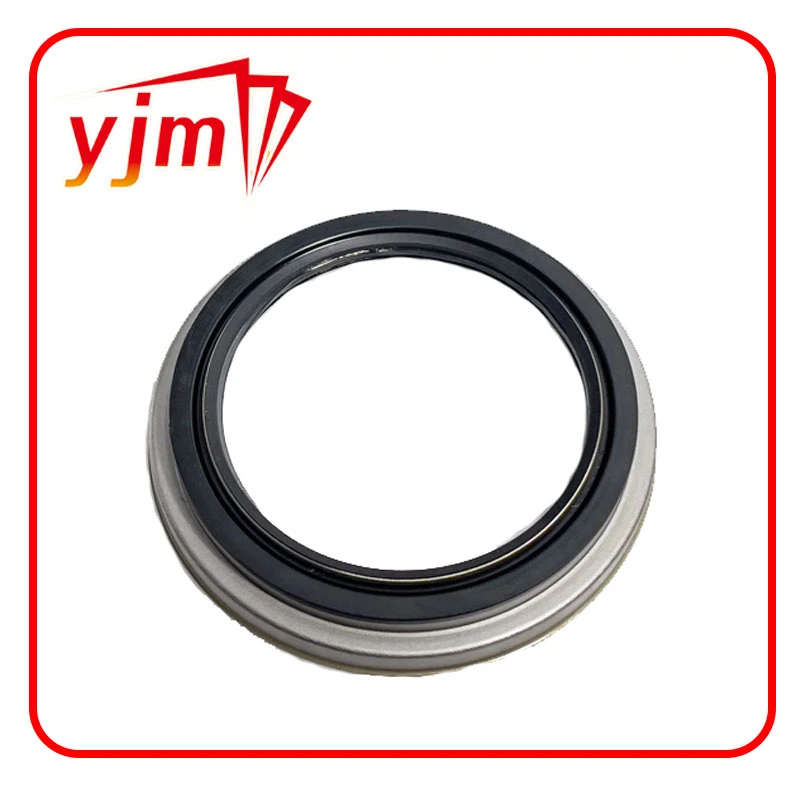
SEAL, OIL Genuine Toyota (9031672001)
-
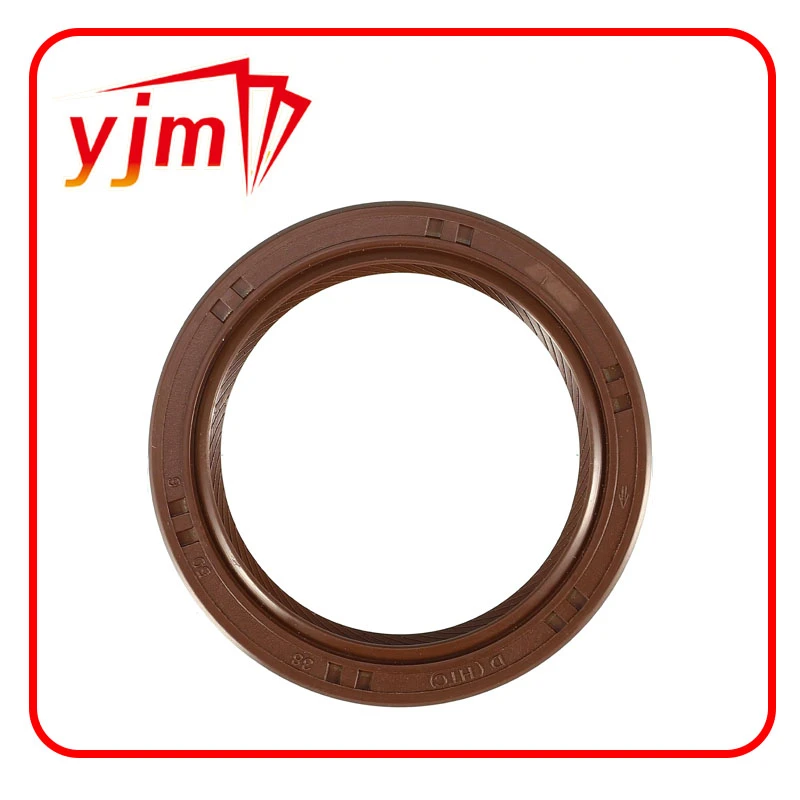
Engine Crankshaft Oil Seal No.9031138096
-
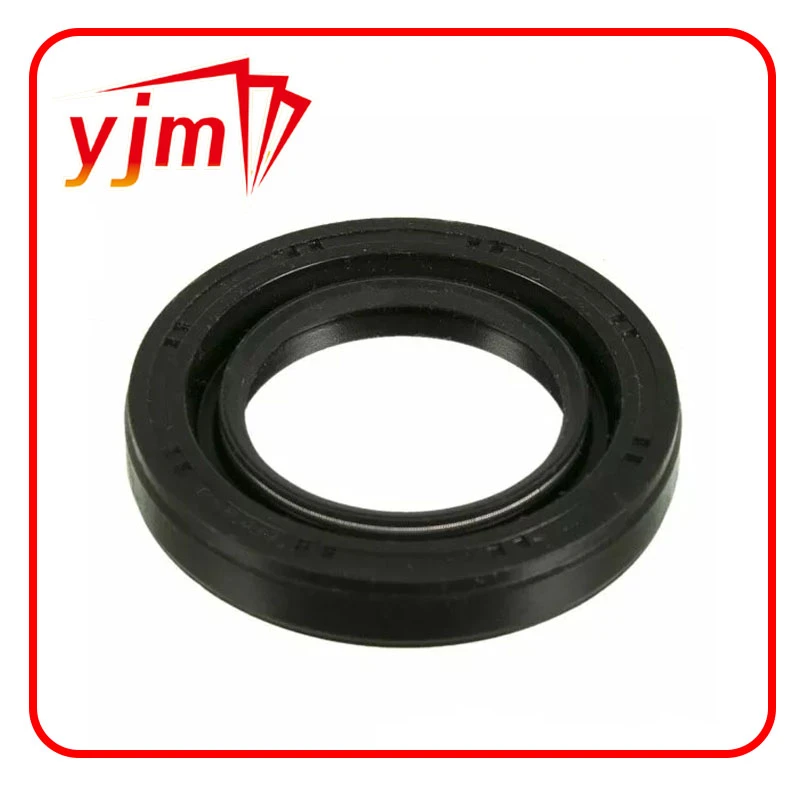
Toyota Transfer Case Output Shaft Seal Front 9031136006
-
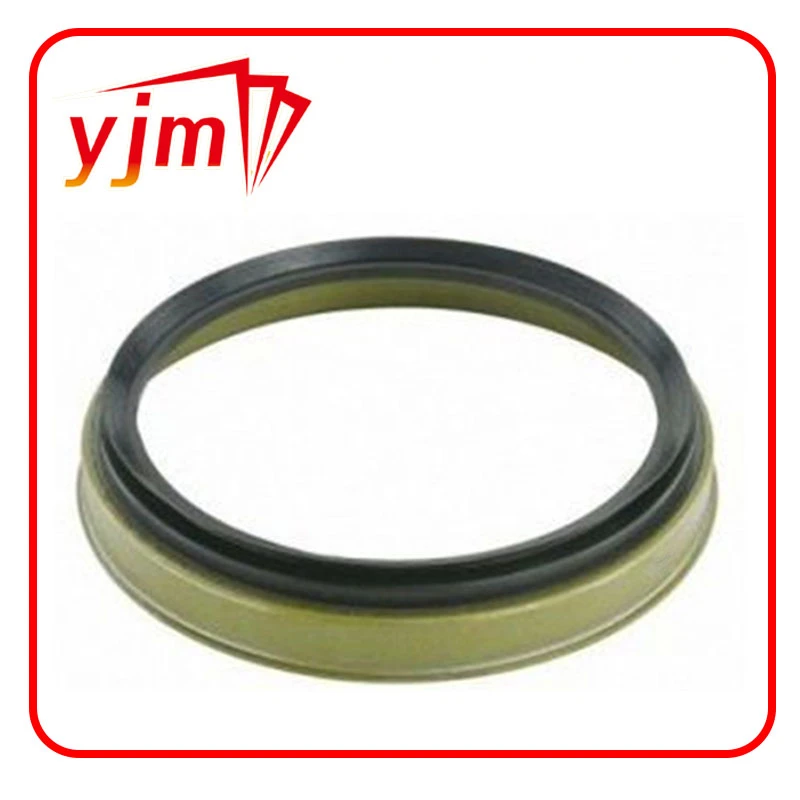
Seal, type v oil 9031287001 TOYOTA
-
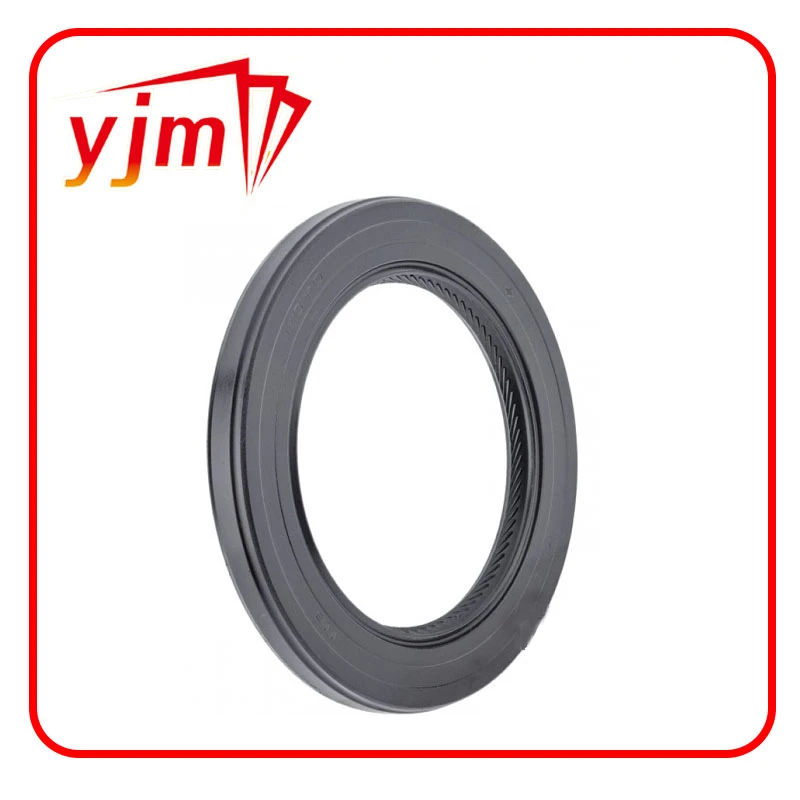
Oil pump seal 9031143010
-
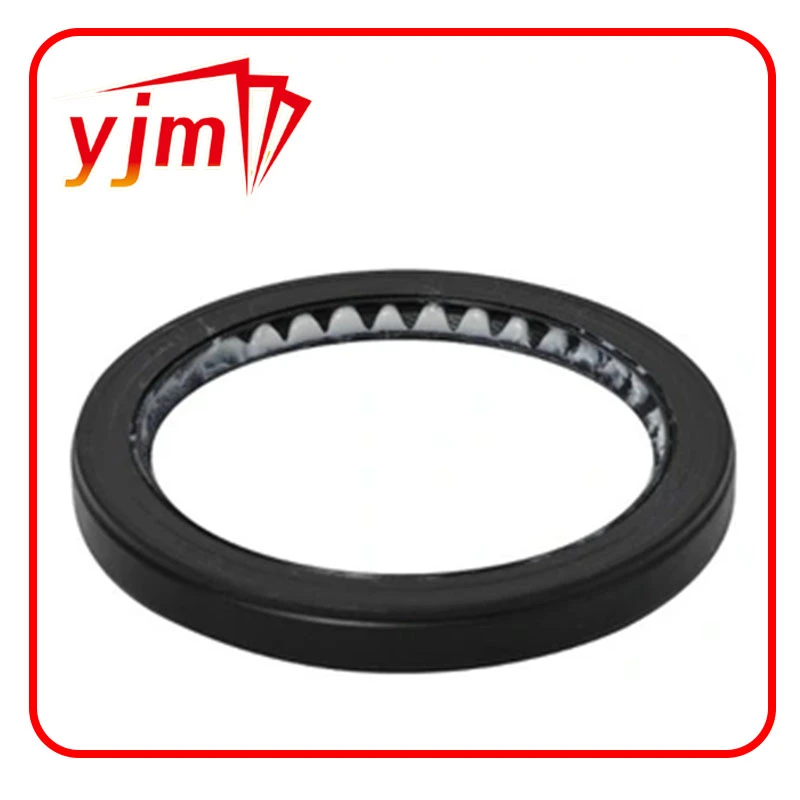
Genuine Toyota Oil SEAL 90311-54006
-
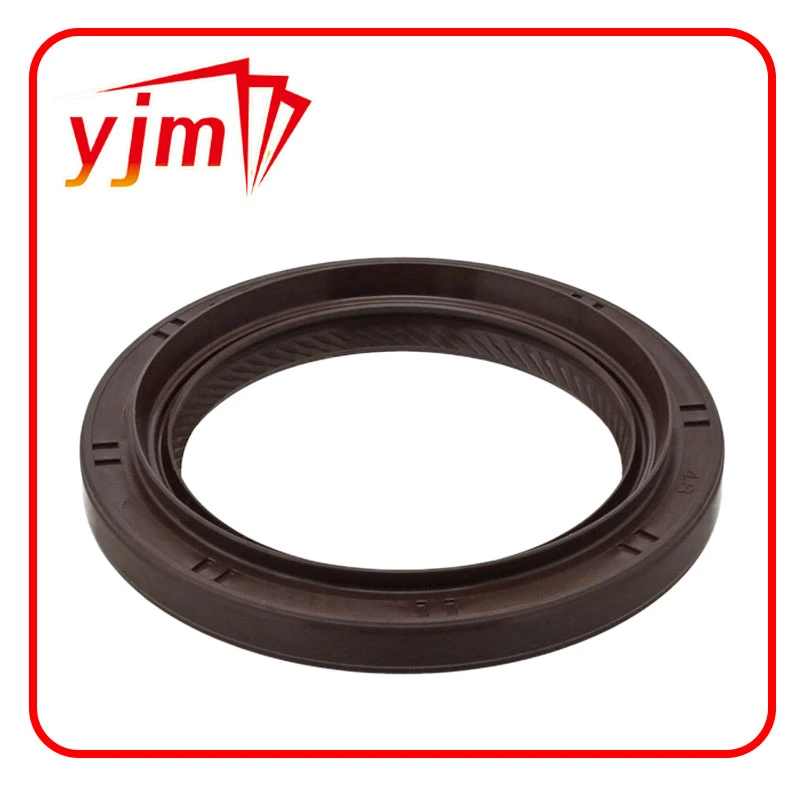
Toyota SEAL TYPE T OIL 90311-48031
-
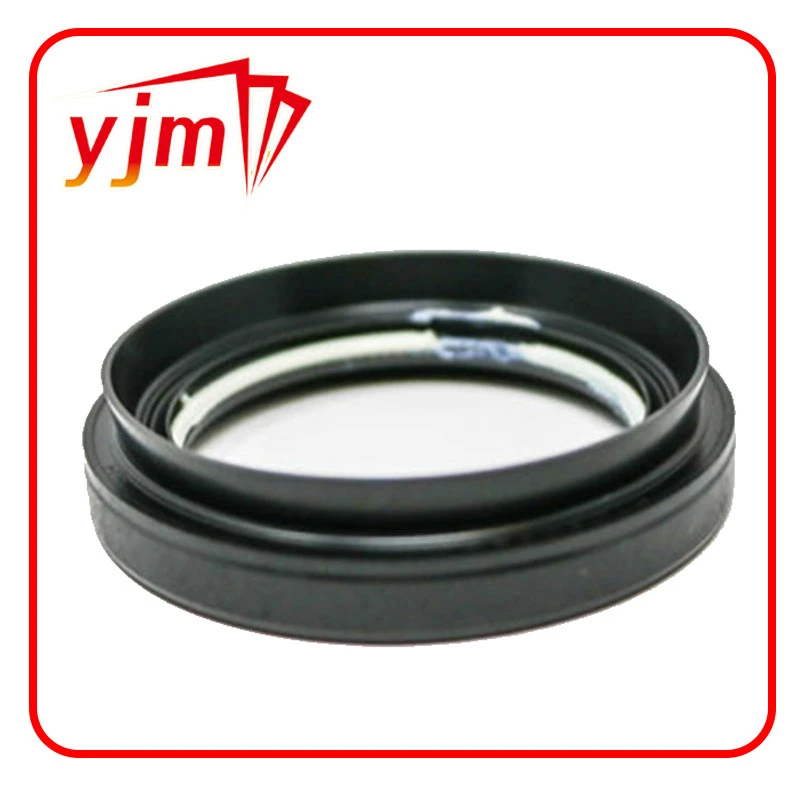
Type T Oil Seal, Front Drive Shaft, Left 9031150064
-
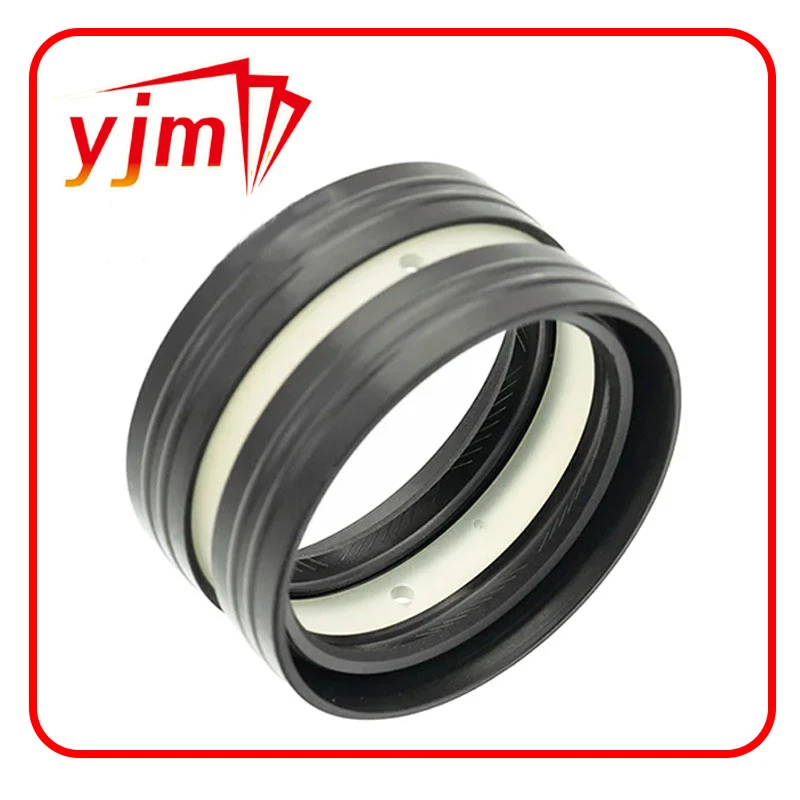
Seal, type d oil 9031634001 TOYOTA
 Afrikaans
 Albanian
 Amharic
 Arabic
 Armenian
 Azerbaijani
 Basque
 Belarusian
 Bengali
 Bosnian
 Bulgarian
 Catalan
 Cebuano
 Corsican
 Croatian
 Czech
Czech
 Danish
 Dutch
Dutch
 Esperanto
 Estonian
 Finnish
 French
 Frisian
 Galician
 Georgian
 German
 Greek
Greek
 Gujarati
 Haitian Creole
 Hausa
Hausa
 Hawaiian
 Hebrew
 Hindi
Hindi
 Miao
Miao
 Hungarian
 Icelandic
 Igbo
Igbo
 Indonesian
 Irish
Irish
 Italian
 Japanese
 Javanese
 Kannada
 Kazakh
 Khmer
Khmer
 Rwandese
 Korean
 Kurdish
 Kyrgyz
 Lao
Lao
 Latin
Latin
 Latvian
 Lithuanian
 Luxembourgish
 Macedonian
 Malgashi
 Malay
Malay
 Malayalam
 Maltese
 Maori
Maori
 Marathi
 Mongolian
 Myanmar
 Nepali
 Norwegian
 Norwegian
 Occitan
 Pashto
 Persian
 Polish
 Portuguese
 Punjabi
 Romanian
 Russian
 Samoan
 Scottish Gaelic
 Serbian
 Sesotho
 Shona
Shona
 Sindhi
 Sinhala
 Slovak
 Slovenian
 Somali
 Spanish
 Sundanese
 Swahili
 Swedish
 Tagalog
 Tajik
Tajik
 Tamil
Tamil
 Tatar
Tatar
 Telugu
 Thai
Thai
 Turkish
 Turkmen
 Ukrainian
 Urdu
Urdu
 Uighur
 Uzbek
Uzbek
 Vietnamese
 Welsh
Welsh
 Bantu
Bantu
 Yiddish
 Yoruba
 Zulu
Zulu
 English