High-Quality 3406B Rear Main Seal – Essential for Diesel Engine Reliability
The 3406B Rear Main Seal: Why It Matters for Engine Reliability Worldwide
If you’ve ever owned or worked on a heavy-duty diesel engine—say, Caterpillar’s iconic 3406B—you probably know how crucial every tiny part is to keeping the beast running smoothly. The 3406b rear main seal is one of those small but vital components. It might not be glamorous, but without it, you’re looking at oil leaks, mechanical damage, and costly downtime.
Globally, the 3406B engine powers everything from mining trucks in Australia to construction equipment in Africa and logging rigs in Canada. Understanding this seal is not just about a spare part; it’s about global supply chain efficiency, environmental responsibility (leaking oil isn’t good for anyone), and long-term operational savings. So, let's dive a little deeper.
Setting the Stage: The 3406B Rear Main Seal in a Global Industrial Context
Diesel engines remain the backbone of heavy machinery and transportation worldwide. According to the International Energy Agency, diesel engines still account for nearly 40% of industrial power globally (IEA, 2023). The Caterpillar 3406B, famed for its robustness since the 1980s, is still widely used despite newer models. Why? Because its design simplicity and proven track record meet the demanding requirements of industries like shipping, mining, and power generation.
That said, one of the biggest headaches for operators everywhere is the dreaded rear main crankshaft seal failure. Oil leaks caused by a faulty 3406b rear main seal not only result in environmental fines but can lead to dangerous engine damage and expensive repairs. Wide-ranging challenges in procurement, maintenance, and repairs make understanding and sourcing the right seal an ongoing priority worldwide.
Mini takeaway:
- The 3406B engine remains globally relevant, particularly in rugged industries.
- Maintaining an efficient rear main seal is critical to minimize oil leaks and keep machinery reliable.
What Exactly Is the 3406B Rear Main Seal?
In simple terms, the 3406b rear main seal is a specialized gasket that fits around the end of the crankshaft at the flywheel side of the engine. Its job is deceptively straightforward: act as a barrier that prevents engine oil from leaking out where the crankshaft exits the engine block.
Think of it this way: the crankshaft spins rapidly inside the engine, bathed in oil. Without a tight seal, oil would spray and drip out constantly — a mess for everyone. This seal’s design and material composition are tailored to withstand high rotational speeds, temperature fluctuations, and harsh diesel engine environments.
Given the widespread use of the 3406B engine, this seal is essential not only for keeping the engine healthy but also for reducing environmental impact — as oil leakage is a common source of soil contamination in industrial settings.
Mini takeaway:
- The 3406b rear main seal’s main job is simple but crucial: keep oil where it belongs.
- It connects mechanical integrity with environmental stewardship.
Key Characteristics of the 3406B Rear Main Seal
1. Durability and Material Composition
These seals are typically constructed using nitrile or fluorocarbon (Viton) rubber compounds bonded to metal cases. The choice of material affects heat resistance and longevity. Many manufacturers now offer improved blends that resist the corrosive effects of diesel fuels and additives better than older seals.
2. Precision Fit & Compatibility
The 3406B engine has tight tolerances. The rear main seal must match OEM specifications perfectly—minor deviations can lead to leaks or premature failure. Many professional mechanics swear by sourcing quality OEM or OEM-equivalent seals rather than cheap aftermarket copies.
3. Installation Design Features
The seal often includes molded-in spring coils that maintain consistent lip tension against the crankshaft. This feature helps accommodate shaft runout and minor misalignments without losing sealing effectiveness. Plus, some variants come with dust lips to further guard against dirt intrusion.
4. Temperature & Chemical Resistance
Engines generate a lot of heat, and diesel fuel additives can be harsh on rubber seals. The 3406b rear main seal must perform well under temperatures around 200°C (392°F) and resist swelling or cracking when exposed to oils, greases, and fuels.
5. Ease of Replacement
Given the rear main seal’s location behind the flywheel, replacing it isn’t a walk in the park. The design often balances ease of installation with a robust mechanical fit — minimizing labor time and associated downtime.
Mini takeaway:
- Material innovation and precision manufacturing make all the difference.
- Installation complexity calls for quality parts and experienced technicians.
How and Where is the 3406B Rear Main Seal Used Around the Globe?
Mining operations in Canada and Australia rely heavily on 3406B-powered excavators and haul trucks, where constant oil leakage would mean halting work — with high financial penalties attached.
In agriculture-heavy regions like the Midwestern US and parts of Europe, these engines keep tractors churning, so a reliable rear main seal is critical during planting seasons to avoid unexpected breakdowns.
Shipping is another big user. Large marine generators and auxiliary engines equipped with these seals must run continuously over long voyages, meaning durability is paramount.
Oddly enough, even NGOs in disaster-prone developing regions sometimes lean on heavy Caterpillar machinery for infrastructure rebuilding — making dependable parts like this critical for humanitarian logistics.
Mini takeaway:
- From heavy industry to humanitarian aid, usage diversity demands reliable sealing solutions.
- Oil leakage prevention translates into real cost savings and environmental benefits.
Product Specification: 3406B Rear Main Seal
| Specification | Detail |
|---|---|
| Material | Viton Rubber, Metal Case |
| Operating Temperature Range | -40°C to 200°C (-40°F to 392°F) |
| Inner Diameter | 85 mm (varies by year/model) |
| Outer Diameter | 120 mm (approximate) |
| Spring Type | Molded garter spring in sealing lip |
| OEM Compliance | CAT 9M-3983 or equivalent |
Comparing Top Vendors of 3406B Rear Main Seals
| Vendor | Material Quality | Price Range | OEM Compliance | Customer Support |
|---|---|---|---|---|
| Caterpillar Official | High-grade Viton rubber | High ($80-$100) | Yes | Full, global |
| Aftermarket Brand A | Medium-quality nitrile rubber | Budget ($20-$40) | Partial | Limited |
| Aftermarket Brand B | High-grade Viton composite | Mid-range ($50-$70) | Yes (equivalent) | Moderate |
Long-Term Advantages of Using a Quality 3406B Rear Main Seal
Choosing the right 3406b rear main seal pays dividends in the long haul. A solid seal means:
- Reduced downtime: Fewer oil leaks, fewer engine stops.
- Lower environmental risks: Prevent oil seepage that harms soil and water.
- Cost savings: Avoid major repairs caused by oil starvation to internal parts.
- Operational Trust: Your equipment just runs better. Peace of mind counts.
The emotional angle here is also big — for operators and owners alike, there's comfort in knowing the machinery is cared for at the most detailed level.
Emerging Trends & What’s Next for Rear Main Seals
Engine sealing technology isn’t standing still. New composite materials are being developed to resist even harsher oil additives and heat cycles. Some companies experiment with sealing coatings applied during manufacture to reduce friction.
Also, digital diagnostics and more precise manufacturing mean seals might soon carry sensors to detect wear before failure—a bit like a smartwatch for your engine’s heart.
Green energy pushes are also influencing this area, with engineers focusing on longer-lasting, recyclable materials that reduce waste during maintenance cycles.
Common Challenges and How Experts Solve Them
One major problem with rear main seals is improper installation, which can cause immediate leaks. For this reason, many technicians now insist on using dedicated seal installation tools, reducing the chance of damage.
Another challenge is matching the correct seal to slightly varying engine batches; some tips include always consulting the engine serial number and cross-referencing parts catalogs carefully.
FAQ: Your Top Questions About the 3406B Rear Main Seal
Q1: How can I tell if my 3406B rear main seal is failing?
A1: Common signs include visible oil leaks near the flywheel housing, oil spots under your equipment, or a noticeable drop in engine oil levels. Early detection is key to avoiding costly repairs.
Q2: Can I use aftermarket seals instead of Caterpillar OEM parts?
A2: Yes, but quality varies. Choose aftermarket brands with proven OEM-equivalent materials and good customer reviews. Cheaper seals might save money upfront but cost more in the long run due to early failure.
Q3: Is replacing the rear main seal a DIY job?
A3: It’s tricky. The seal sits behind the flywheel, requiring engine disassembly. Unless you have experience and proper tools, it’s best to have a professional handle it.
Q4: How often should I inspect or replace the rear main seal?
A4: There’s no set interval. Inspections during major services (every 500–1000 engine hours) help catch problems early. Replace seals immediately if leaks or damage are found.
Q5: Where can I buy a reliable 3406B rear main seal?
A5: Trusted sources include authorized Caterpillar dealers and reputable online vendors. For convenience and quality, check out 3406b rear main seal providers offering OEM-compliant parts worldwide.
Wrapping Up: Keep Your Engine Sealed and Your Operations Smooth
In real terms, the 3406b rear main seal is a small component with a big job. Its role in engine reliability, environmental protection, and operational cost control can't be understated. Whether you’re running massive mining rigs or vital construction machinery, investing in a quality rear main seal is simply good business—simple as that.
Looking to source the best 3406b rear main seals for your fleet? Visit our website for expert advice, OEM-grade options, and global shipping.
Final mini takeaway:
- A quality 3406b rear main seal is foundational for engine health and environmental care.
- Don’t cut corners—quality, fit, and installation matter.
- Stay informed on new materials and tech to future-proof your equipment.
References:
-
Guide to Choosing the Right Washer for Oil Change and Sealing
News Apr.16,2026
-
Essential Guide to High Quality rubber washer oil drain plug
News Apr.09,2026
-
Understanding Rubber Crush Washers for Optimal Sealing Performance
News Apr.07,2026
-
Comprehensive Guide to Understanding and Reusing Crush Washer for Optimal Sealing
News Apr.04,2026
-
The Vital Role of a Drain Screw Gasket in Fluid System Integrity
News Mar.31,2026
-
The Essential Guide to Drain Crush Washer Selection and Plumbing Leak Prevention
News Mar.28,2026
-
The Vital Role of a Crush Washer in Oil Changes for Engine Protection
News Mar.26,2026
Products categories
-
Brass cutlass marine bearing
-
Genuine OEM Engine Oil Filter Housing Cover O-Ring For VW/Audi 06E115446
-
Oil Filter Stand Gasket,Oil filter cover seal
-
Oil Cooler Gasket, Oil Cooler to Oil Filter Housing 11427525335
-
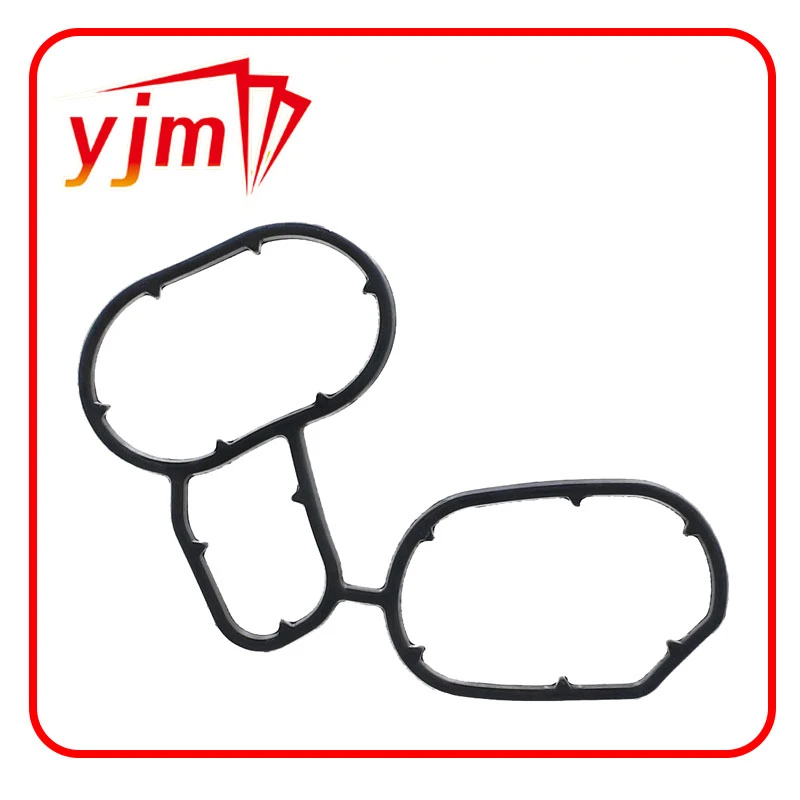
11427508970 BMW - OIL FILTER HOUSING GASKETS
-
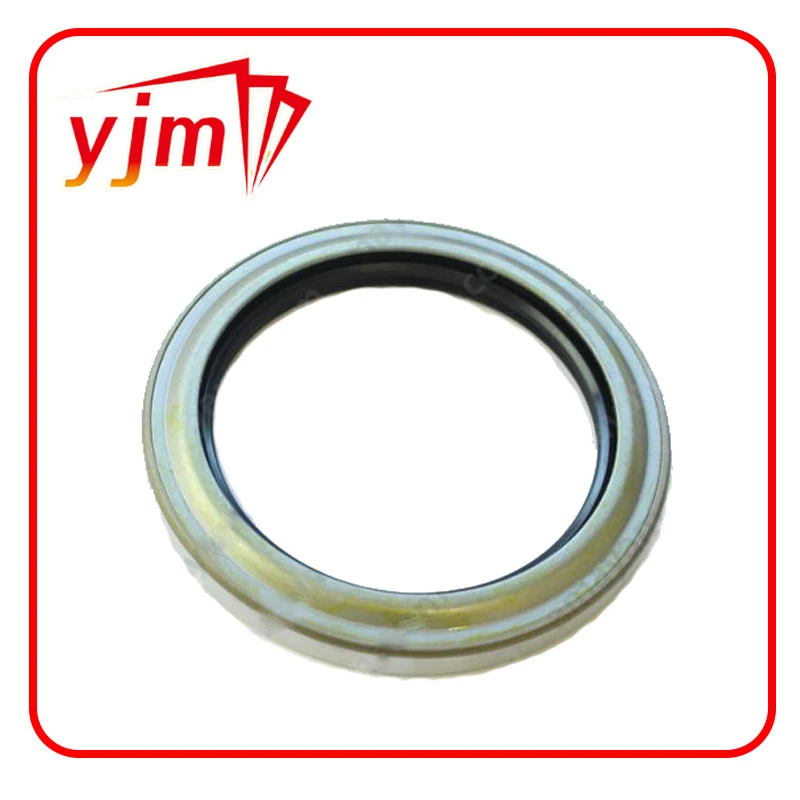
SEAL, OIL Genuine Toyota (9031170011)
-
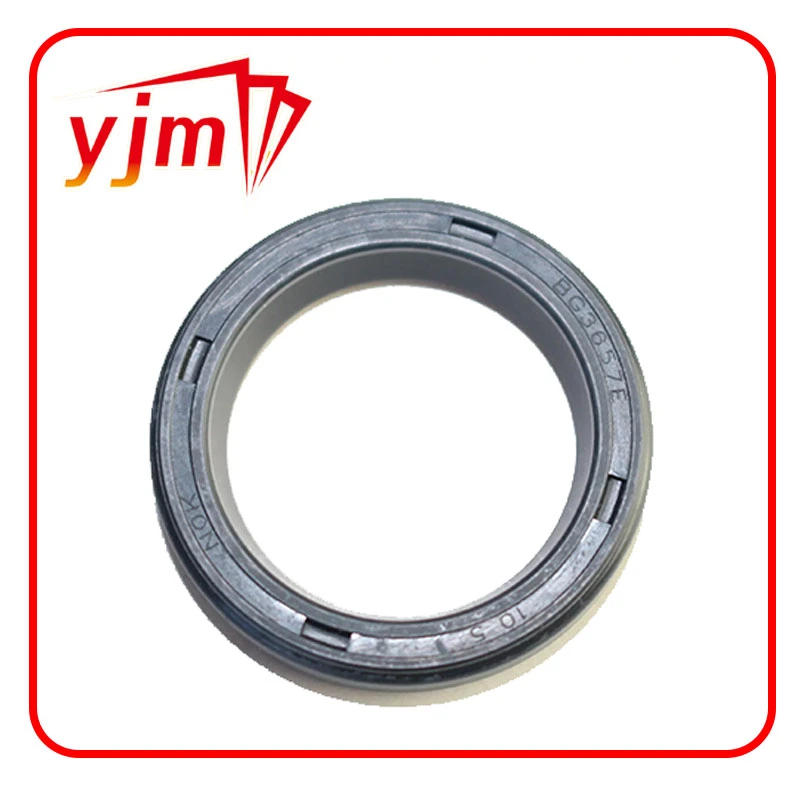
Transfer Case Output Shaft Seal Part 9031223001
-
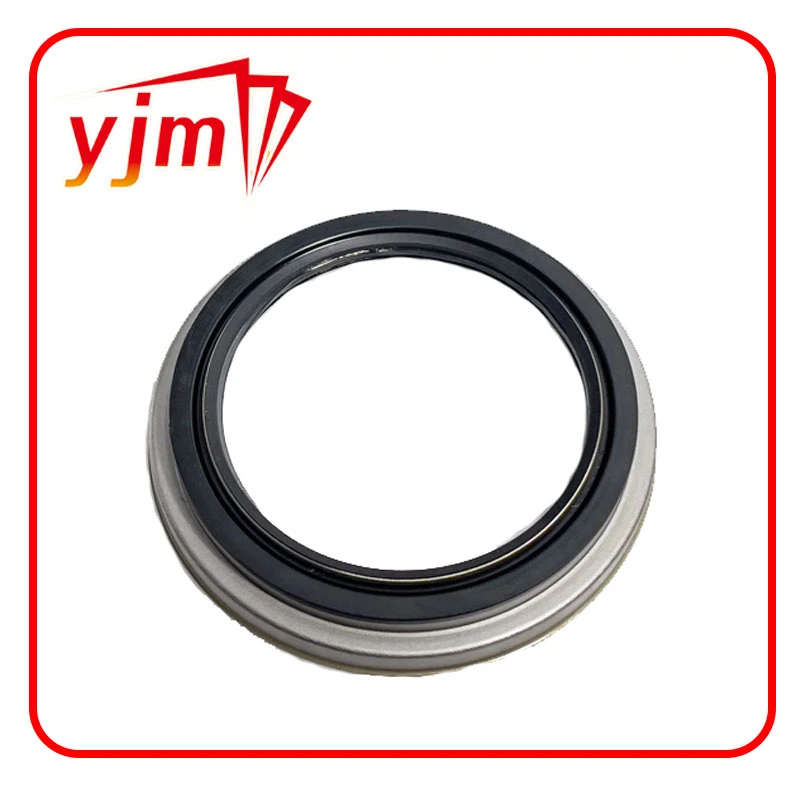
SEAL, OIL Genuine Toyota (9031672001)
-
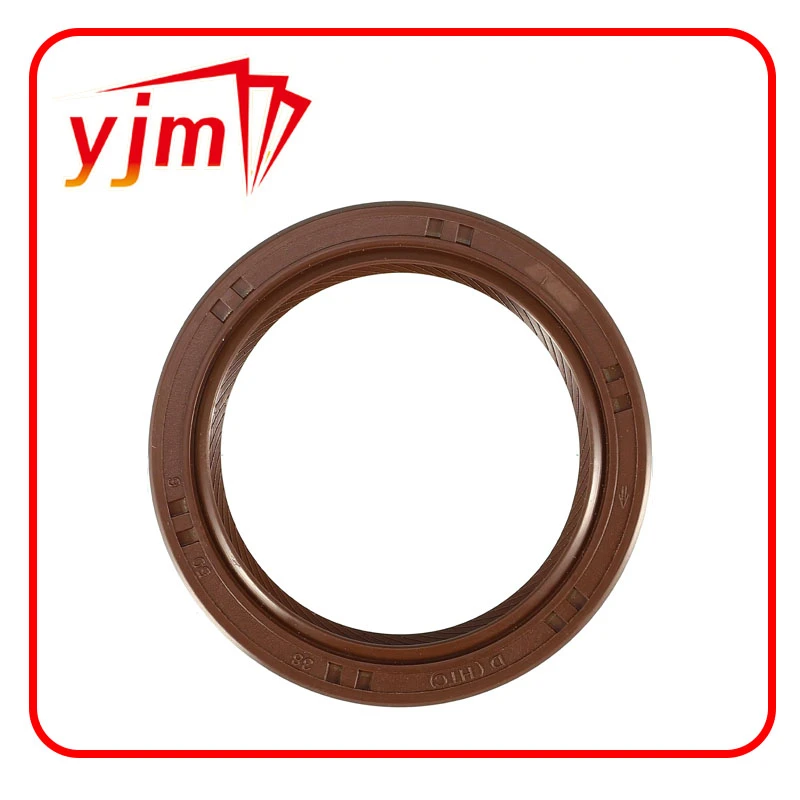
Engine Crankshaft Oil Seal No.9031138096
-
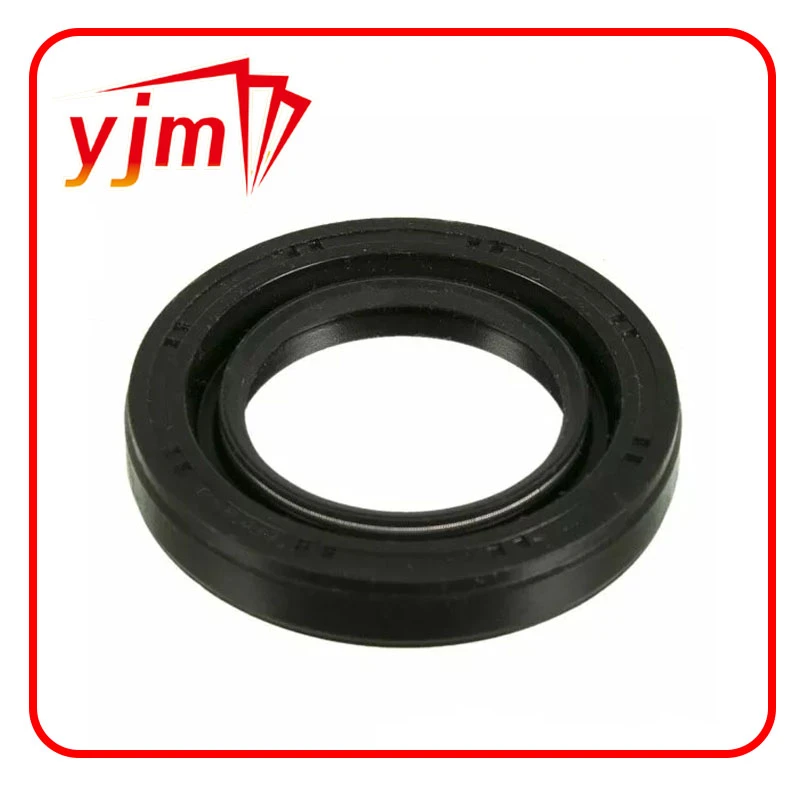
Toyota Transfer Case Output Shaft Seal Front 9031136006
-
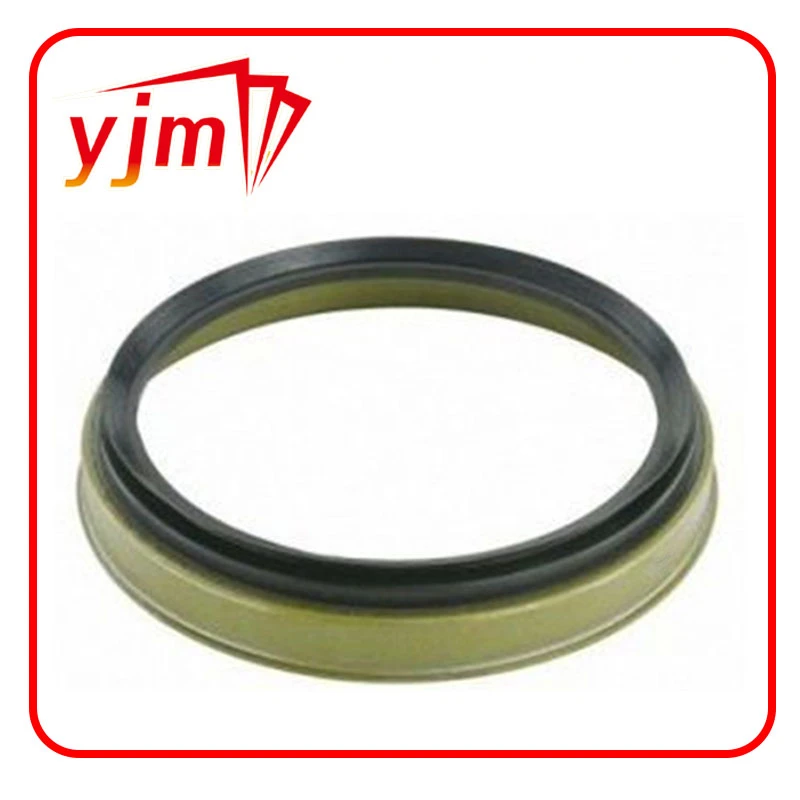
Seal, type v oil 9031287001 TOYOTA
-
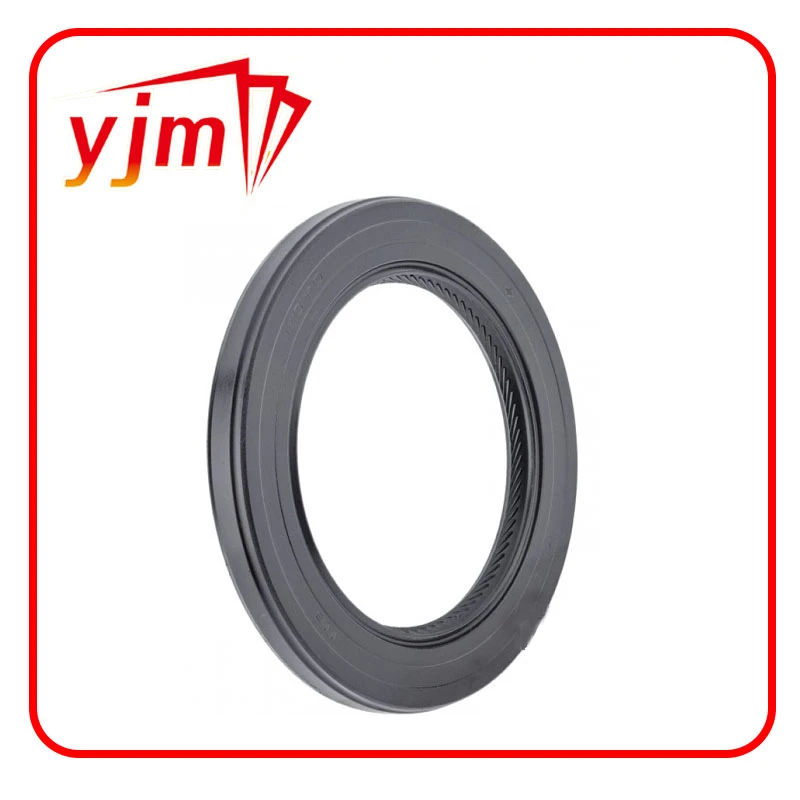
Oil pump seal 9031143010
-
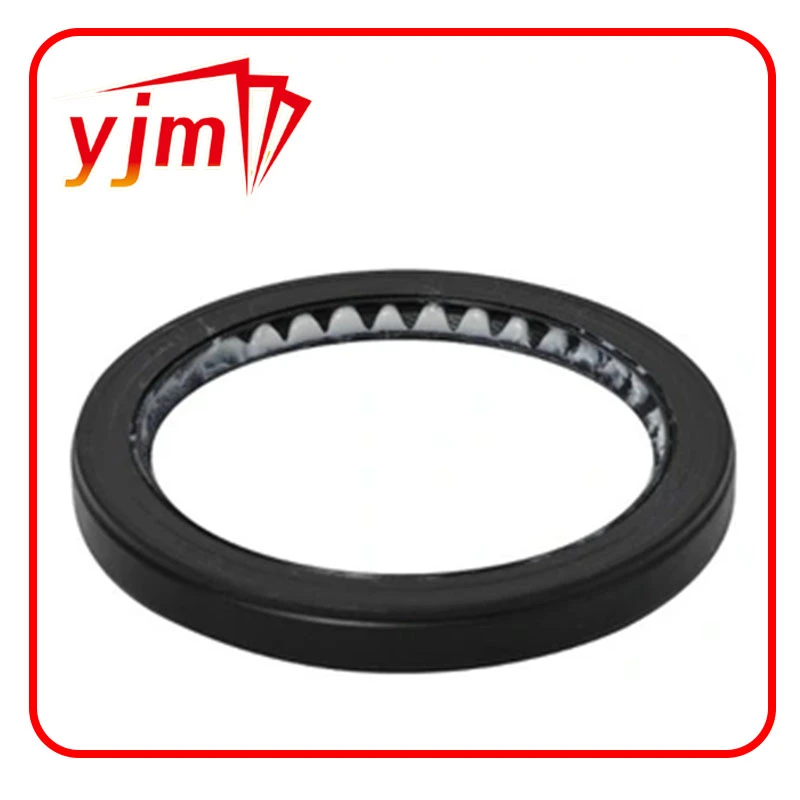
Genuine Toyota Oil SEAL 90311-54006
-
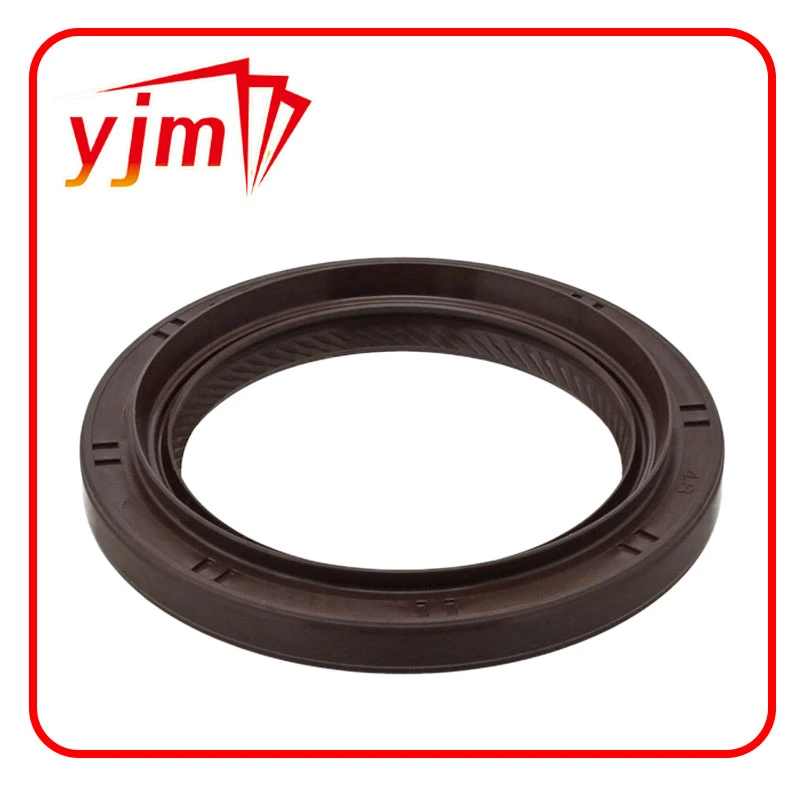
Toyota SEAL TYPE T OIL 90311-48031
-
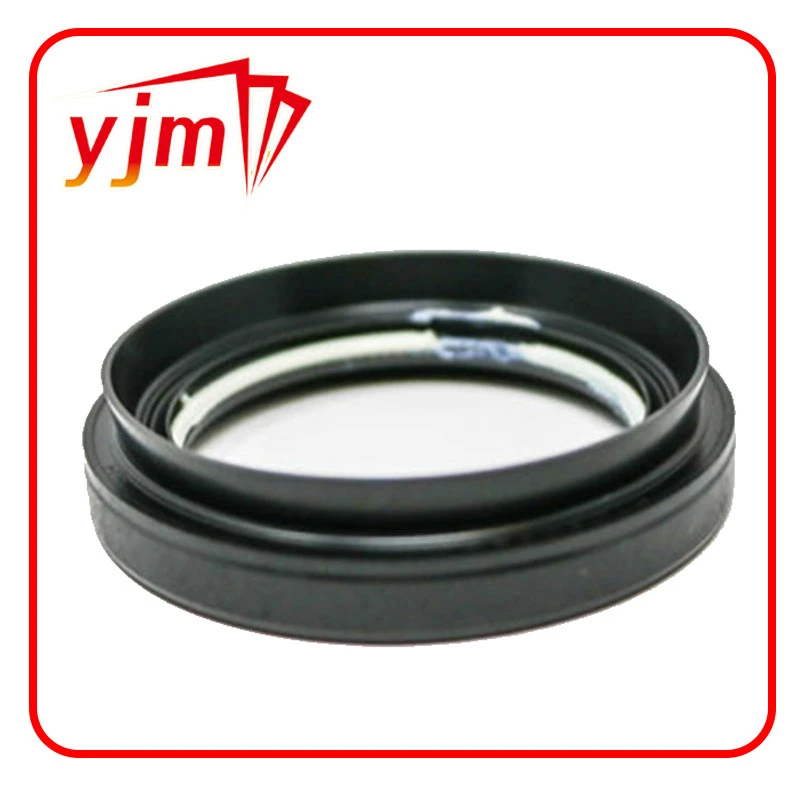
Type T Oil Seal, Front Drive Shaft, Left 9031150064
-
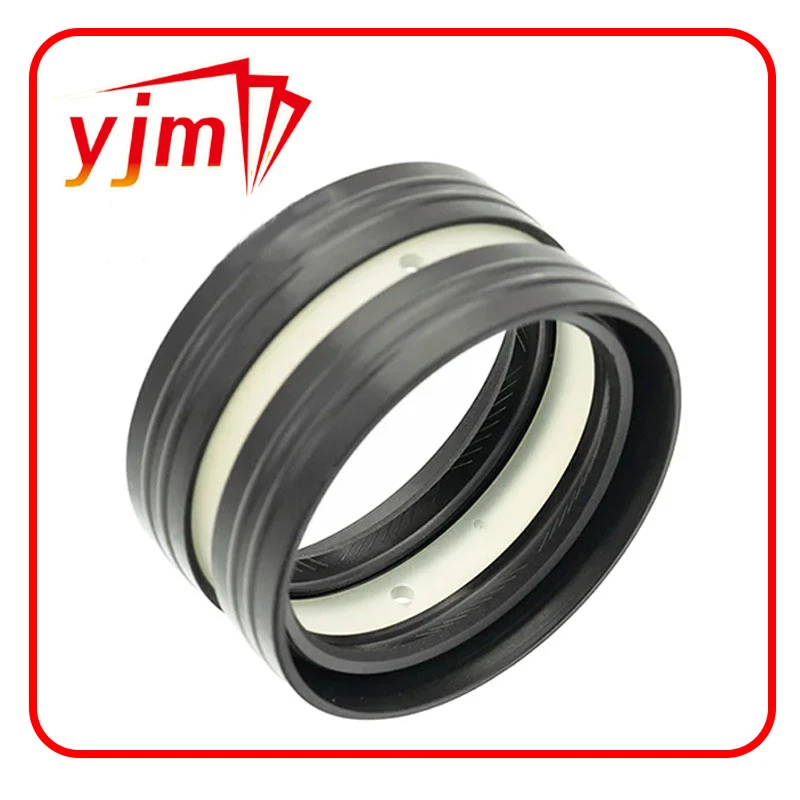
Seal, type d oil 9031634001 TOYOTA
 Afrikaans
 Albanian
 Amharic
 Arabic
 Armenian
 Azerbaijani
 Basque
 Belarusian
 Bengali
 Bosnian
 Bulgarian
 Catalan
 Cebuano
 Corsican
 Croatian
 Czech
Czech
 Danish
 Dutch
Dutch
 Esperanto
 Estonian
 Finnish
 French
 Frisian
 Galician
 Georgian
 German
 Greek
Greek
 Gujarati
 Haitian Creole
 Hausa
Hausa
 Hawaiian
 Hebrew
 Hindi
Hindi
 Miao
Miao
 Hungarian
 Icelandic
 Igbo
Igbo
 Indonesian
 Irish
Irish
 Italian
 Japanese
 Javanese
 Kannada
 Kazakh
 Khmer
Khmer
 Rwandese
 Korean
 Kurdish
 Kyrgyz
 Lao
Lao
 Latin
Latin
 Latvian
 Lithuanian
 Luxembourgish
 Macedonian
 Malgashi
 Malay
Malay
 Malayalam
 Maltese
 Maori
Maori
 Marathi
 Mongolian
 Myanmar
 Nepali
 Norwegian
 Norwegian
 Occitan
 Pashto
 Persian
 Polish
 Portuguese
 Punjabi
 Romanian
 Russian
 Samoan
 Scottish Gaelic
 Serbian
 Sesotho
 Shona
Shona
 Sindhi
 Sinhala
 Slovak
 Slovenian
 Somali
 Spanish
 Sundanese
 Swahili
 Swedish
 Tagalog
 Tajik
Tajik
 Tamil
Tamil
 Tatar
Tatar
 Telugu
 Thai
Thai
 Turkish
 Turkmen
 Ukrainian
 Urdu
Urdu
 Uighur
 Uzbek
Uzbek
 Vietnamese
 Welsh
Welsh
 Bantu
Bantu
 Yiddish
 Yoruba
 Zulu
Zulu
 English