Crankshaft Seal Guide – Key Insights on Durability, Usage & Suppliers
Understanding the Crankshaft Seal: Why It Really Matters
At first glance, a crankshaft seal might not sound like the most thrilling topic. Yet, this small, often overlooked component quietly plays a pivotal role in modern machinery and engines worldwide. Simply put, the crankshaft seal prevents oil leaks where the crankshaft exits the engine block — a key factor for engine health, efficiency, and longevity. Across industries from automotive manufacturing to heavy equipment, understanding crankshaft seals affects reliability, maintenance costs, and even environmental impact.
Globally, engines power billions of vehicles and machines, making effective sealing a universal concern. So, whether you’re operating a fleet, designing heavy machinery, or simply curious about automotive mechanics, grasping the ins and outs of crankshaft seals offers clear benefits: fewer breakdowns, safer operation, and better sustainability. Let’s dive in and break down the essentials.
crankshaft sealCrankshaft Seal in the Global Machinery and Automotive Landscape
Engines are at the heart of economic activity — from powering trucks on the highway to generators in remote locations. According to the International Organization for Standardization (ISO), machinery reliability directly correlates with operational efficiency and environmental compliance. Leaks from faulty crankshaft seals, although tiny, cause oil wastage leading to emissions and damage over time.
Based on World Bank data, the global automotive industry produces over 90 million new vehicles annually, all relying on seals like these to keep things running smoothly. The challenge? Even small seal failures can halt production or lead to costly repairs in industries dependent on continuous operation. Oil leaks are more than nuisances; they pose risks to both safety and the ecosystem.
Mini takeaway:
- The crankshaft seal is a small component with a massive global impact.
- Proper sealing reduces environmental damage and operational costs.
What Exactly Is a Crankshaft Seal?
Put simply, a crankshaft seal is a gasket-like device placed at the point where the engine’s crankshaft protrudes from the engine block. Its job is to keep oil — essential for lubricating moving engine parts — inside the engine, while preventing dirt or water from entering. It’s basically the guardian of the boundary between clean, pressurized inside and uncontrolled outside.
Modern engines, whether in passenger cars or industrial generators, rely on such seals to maintain pressure and lubrication, preventing catastrophic wear and tear. It’s a small hero enabling bigger machines to work reliably, and by extension, supports industries that keep economies moving and communities resilient.
Core Components and Key Factors of Crankshaft Seals
1. Durability
Durability is king here. Crankshaft seals must resist temperature fluctuations — think of engine heat reaching over 200°C — as well as abrasion from rotating shafts. Materials such as nitrile rubber (NBR), fluoroelastomers (FKM), and polyethylene blends are often used to ensure longevity, especially in harsh conditions.
2. Compatibility with Shaft and Housing
Precision in dimensions is critical. The seal has to fit snugly around the crankshaft’s diameter without causing friction that would wear down either the shaft or seal prematurely. This calls for meticulous design and manufacturing tolerances.
3. Leak Prevention Efficiency
The prime job: stopping leaks. Seal lip design, spring tension (when applicable), and material elasticity all contribute. Advanced seals now feature multiple lips or special coatings to enhance sealing against oil and contaminants.
4. Temperature and Chemical Resistance
Engines run hot, and the crankshaft seal often encounters oil additives and fuels. Impaired seals might swell or degrade at high temperatures or upon chemical exposure, leading to leaks.
5. Installation and Maintenance
Ease of installation affects total operating cost. Some seals are designed for quick replacement without removing the entire engine. Low-maintenance options reduce downtime.
| Specification | Typical Range | Notes |
|---|---|---|
| Material | NBR, FKM, PTFE | Chosen for heat/chemical resistance |
| Operating Temperature | -40 to +200 °C | Depends on material |
| Shaft Diameter Range | 20mm – 150mm (typical) | Custom sizes often possible |
| Lip Design | Single or multiple-lip | Affects sealing efficiency |
| Installation | Press-fit or bolt-in | Varies by design |
Mini takeaway:
- Material and temperature tolerance are key to seal performance.
- Design precision dramatically influences lifespan and leak prevention.
Where Are Crankshaft Seals Making a Difference?
These seals are the unsung heroes across multiple sectors:
- Automotive sector: from passenger cars in Europe to commercial trucks in North America, a good crankshaft seal means fewer engine breakdowns and less oil contamination.
- Industrial machinery: Power plants, factories, and mining operations depend on heavy engines and generators with robust seals to ensure continuity.
- Marine and offshore equipment: Ships and drilling rigs in some of the harshest conditions rely on sturdy seals to prevent costly failures.
- Emerging economies: In remote regions, reliable crankshaft seals extend machinery lifespans where repairs are slow and parts rare.
In disaster relief scenarios, when generators must function nonstop, even minute leaks can disrupt power supply—delaying aid. So, the humble crankshaft seal indirectly supports humanitarian efforts, making equipment more trustworthy under pressure.
Advantages and Why Long-Term Value Matters
Cost savings quickly come to mind. Preventing oil leaks keeps engines cleaner, reducing maintenance frequency and environmental cleanup expenses. But it’s more than dollars and cents:
- Reliability and safety: No one wants an engine fire caused by leaked oil. Proper sealing enhances operator confidence.
- Eco-conscious operation: Oil leaks risk soil and water contamination. Minimizing leaks aligns with sustainability goals, now vital in global manufacturing.
- Innovation trust: Cutting-edge seal materials and coatings represent industry advances helping customers meet evolving regulatory standards.
What Does the Future Hold?
Green energy and electrification don’t make crankshaft seals obsolete just yet — plenty of hybrid and combustion engines will remain for decades. But innovations in materials science, such as silicone alternatives and graphene-infused composites, promise better performance.
Also, “smart” seals embedded with sensors to detect wear before failure is one of the emerging trends. Coupled with Industry 4.0 monitoring, this could revolutionize predictive maintenance—an exciting prospect, frankly.
Facing Challenges Head-On
Despite advances, crankshaft seals still face hurdles:
- Material fatigue: Long hours under stress eventually take a toll.
- Installation errors: A tiny misalignment during fitment often leads to early failure.
- Cost constraints: High-end materials can drive prices up, especially for mass-market vehicles.
Luckily, expert technicians are continuously refining installation procedures, and vendors offer improved training and tooling. Also, modular designs that simplify replacement significantly cut downtime — a huge win in many industries.
| Vendor | Material Options | Custom Sizes | Lead Time | Price Range |
|---|---|---|---|---|
| YJM Seal | NBR, FKM, PTFE | Yes | 2-3 weeks | Mid-range |
| GlobalSeal Co. | NBR, Silicone | Limited | 4-6 weeks | High-end |
| SealTech Intl. | FKM, PTFE, EPDM | Yes | 3-5 weeks | Mid to high |
FAQs About Crankshaft Seals
Q: How often should a crankshaft seal be replaced?
A: Replacement intervals vary by engine use, material, and environment, but generally every 60,000 to 100,000 miles (approx. 5–7 years). Early signs of leaks or oil spots under the vehicle suggest immediate inspection.
Q: Can I install a crankshaft seal myself?
A: While DIY is possible for experienced hobbyists with proper tools, incorrect installation risks damage and leaks. Professional installation is recommended to ensure seal longevity.
Q: Are there eco-friendly crankshaft seals available?
A: Yes! Some manufacturers now use bio-based materials or less harmful chemicals in production to reduce environmental footprint without sacrificing performance.
Q: How do temperature extremes affect crankshaft seals?
A: High heat can make seals brittle and prone to cracking, while extreme cold can reduce flexibility. Seals must be chosen based on the operating temperature range for optimal durability.
Q: What causes a crankshaft seal to fail prematurely?
A: Common causes include improper installation, shaft misalignment, contamination, and poor-quality materials. Routine maintenance and quality parts mitigate risks.
Wrapping It Up: Why Crankshaft Seals Hold the Line
So, there you have it — the crankshaft seal might be small, but it's mighty in what it protects. From preventing costly engine damage to safeguarding the environment from oil leaks, these seals quietly engineer reliability into our favorite machines.
If you’re scouting for dependable, high-quality crankshaft seals, consider trusted suppliers who innovate on materials and precision craftsmanship. Curious for more? Visit our website: https://www.yjmseal.com for detailed products and expert advice tailored to your machine’s needs.
Quick final thought:
When the going gets tough, it’s often the little things—like a well-designed crankshaft seal—that keep the machine running and the world turning.
References
-
Guide to Choosing the Right Washer for Oil Change and Sealing
News Apr.16,2026
-
Essential Guide to High Quality rubber washer oil drain plug
News Apr.09,2026
-
Understanding Rubber Crush Washers for Optimal Sealing Performance
News Apr.07,2026
-
Comprehensive Guide to Understanding and Reusing Crush Washer for Optimal Sealing
News Apr.04,2026
-
The Vital Role of a Drain Screw Gasket in Fluid System Integrity
News Mar.31,2026
-
The Essential Guide to Drain Crush Washer Selection and Plumbing Leak Prevention
News Mar.28,2026
-
The Vital Role of a Crush Washer in Oil Changes for Engine Protection
News Mar.26,2026
Products categories
-
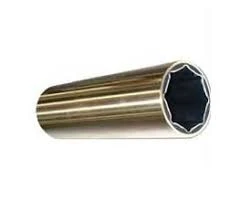
Brass cutlass marine bearing
-
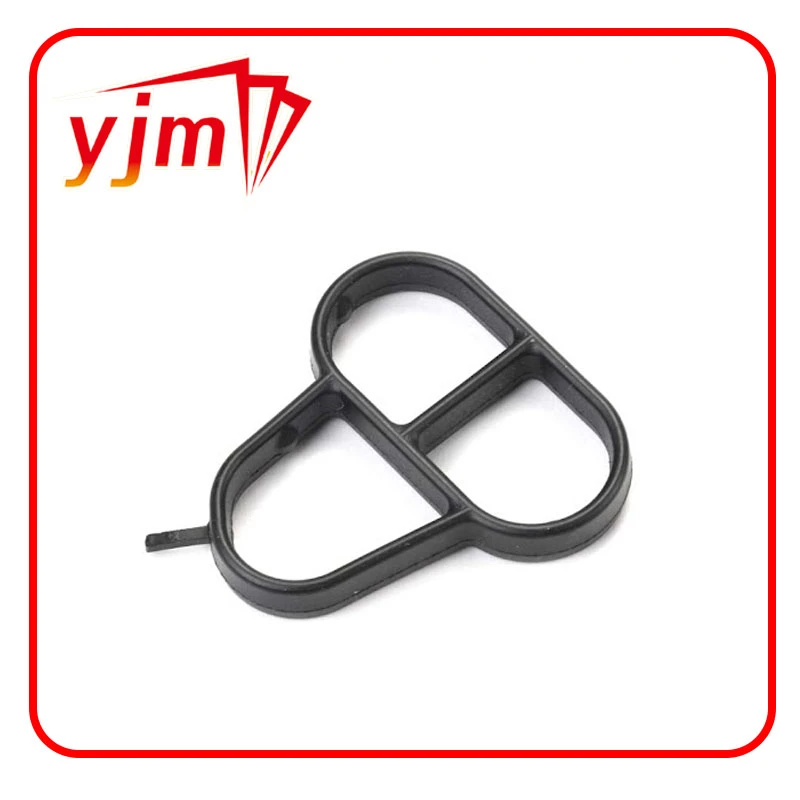
Genuine OEM Engine Oil Filter Housing Cover O-Ring For VW/Audi 06E115446
-
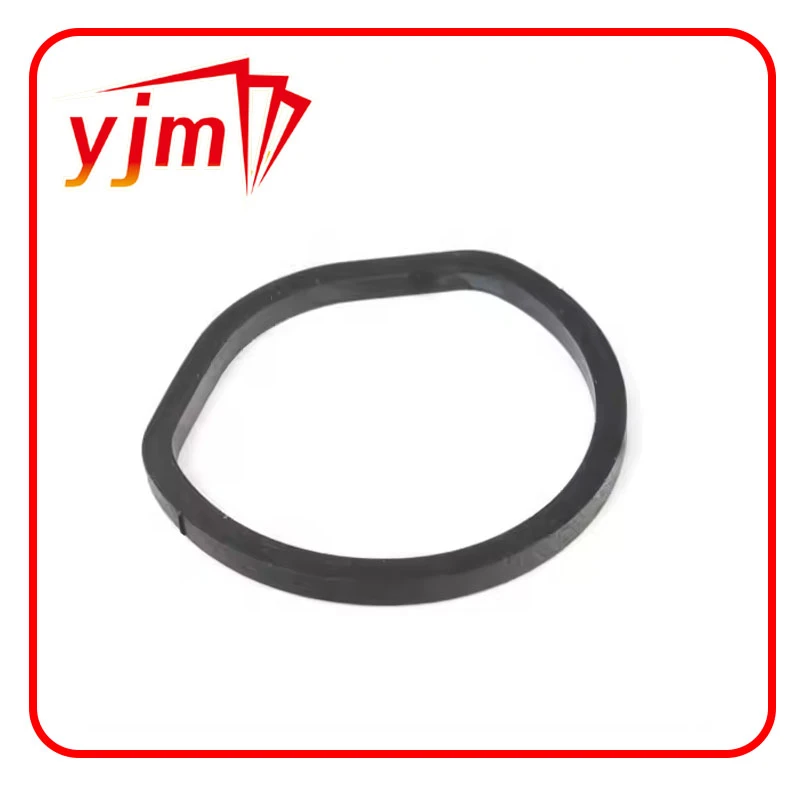
Oil Filter Stand Gasket,Oil filter cover seal
-
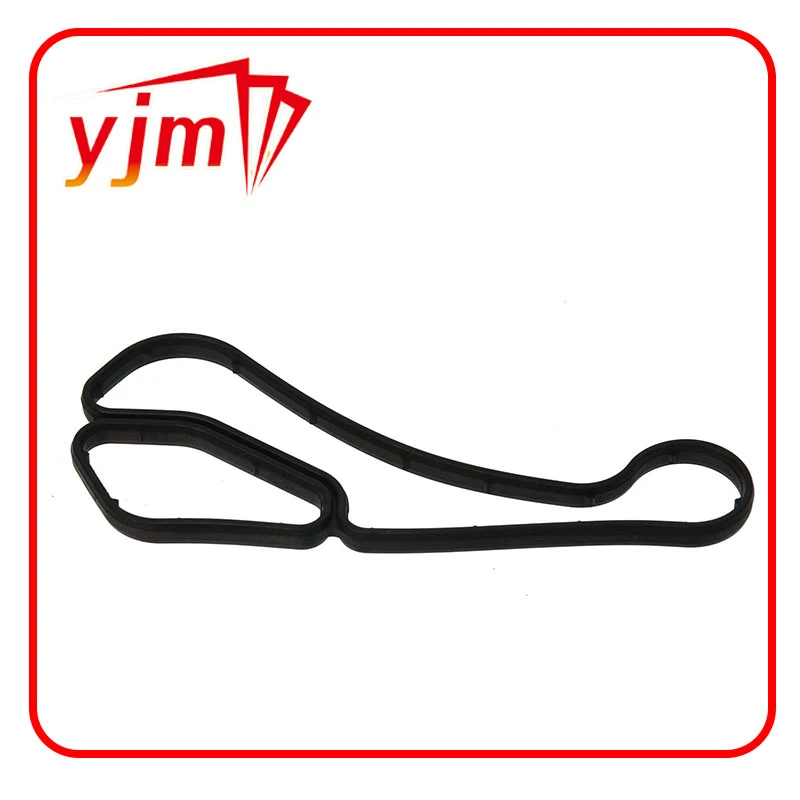
Oil Cooler Gasket, Oil Cooler to Oil Filter Housing 11427525335
-
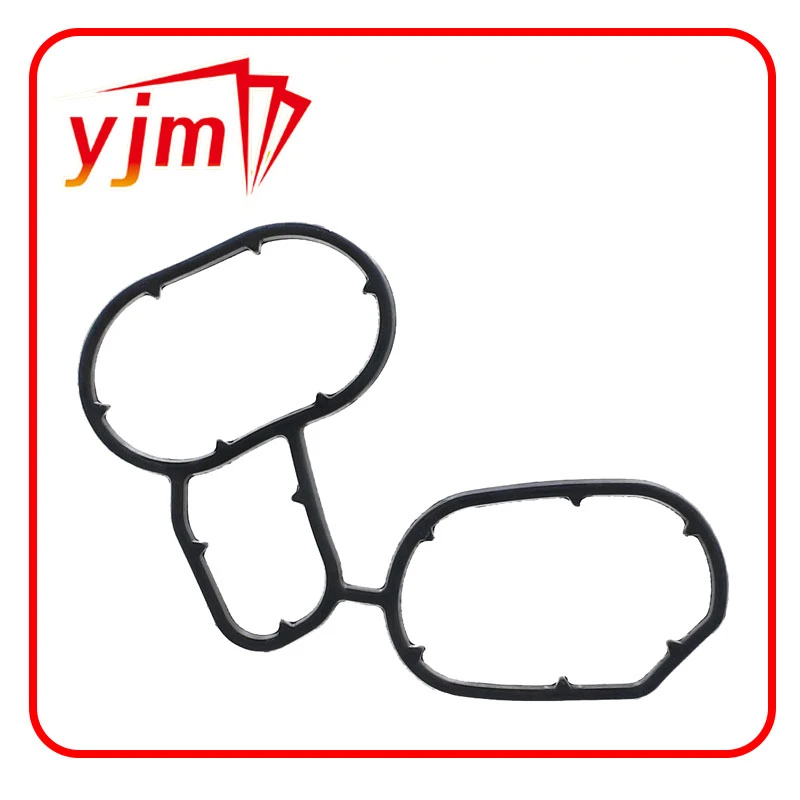
11427508970 BMW - OIL FILTER HOUSING GASKETS
-
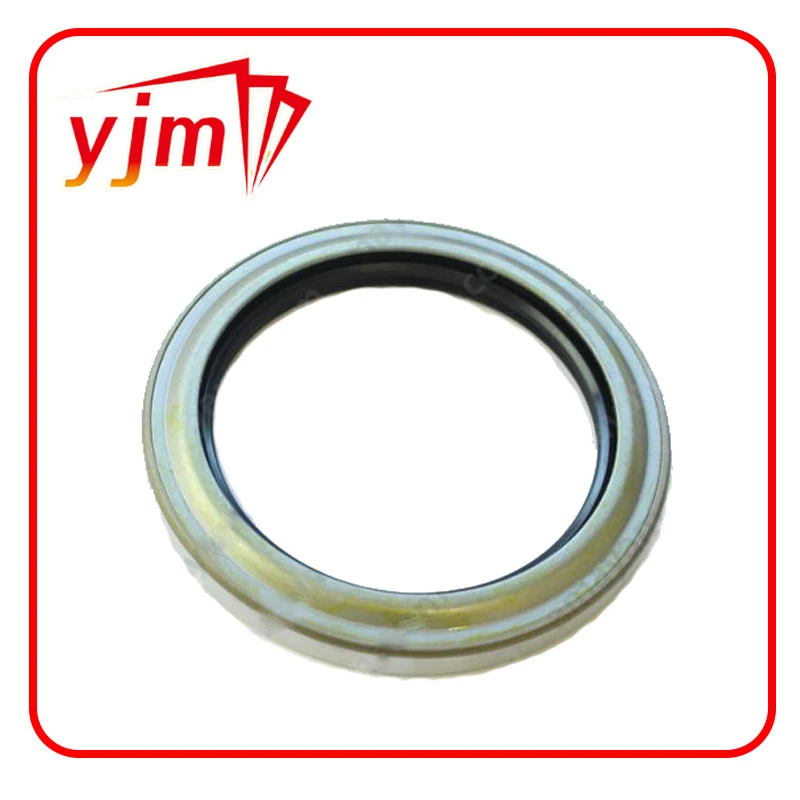
SEAL, OIL Genuine Toyota (9031170011)
-
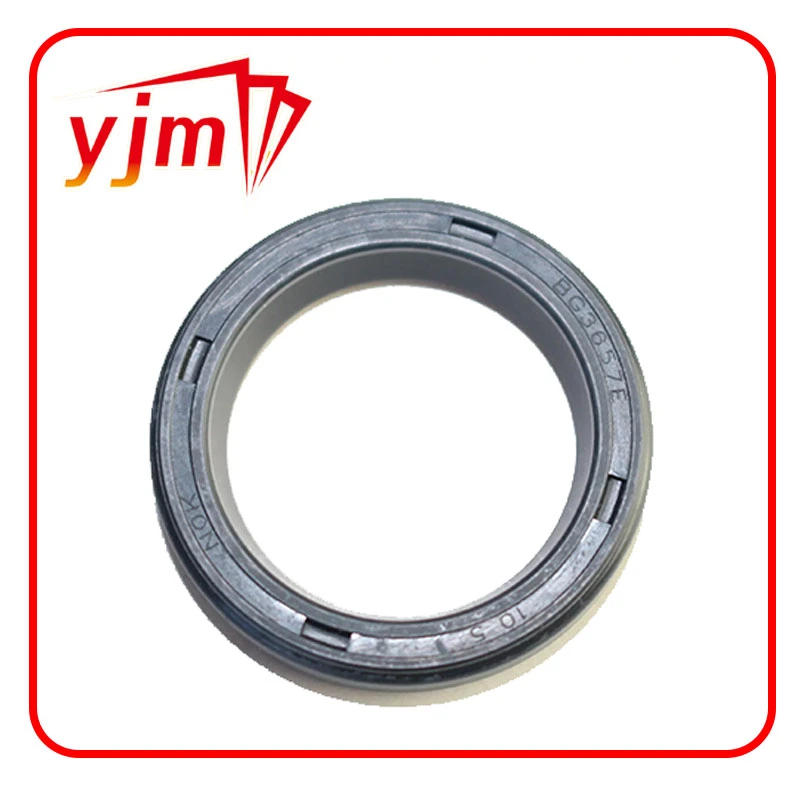
Transfer Case Output Shaft Seal Part 9031223001
-
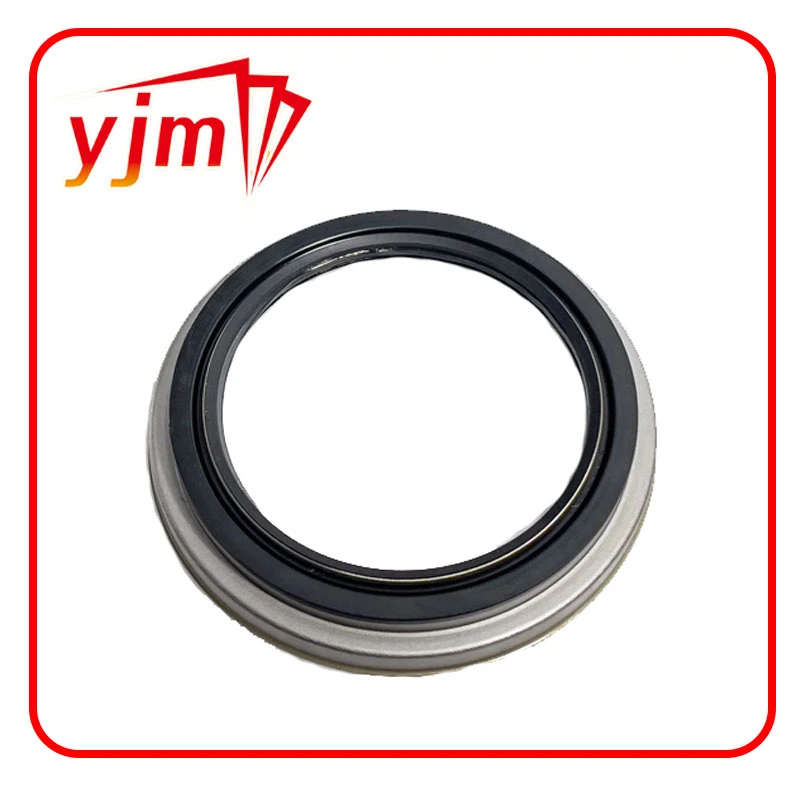
SEAL, OIL Genuine Toyota (9031672001)
-
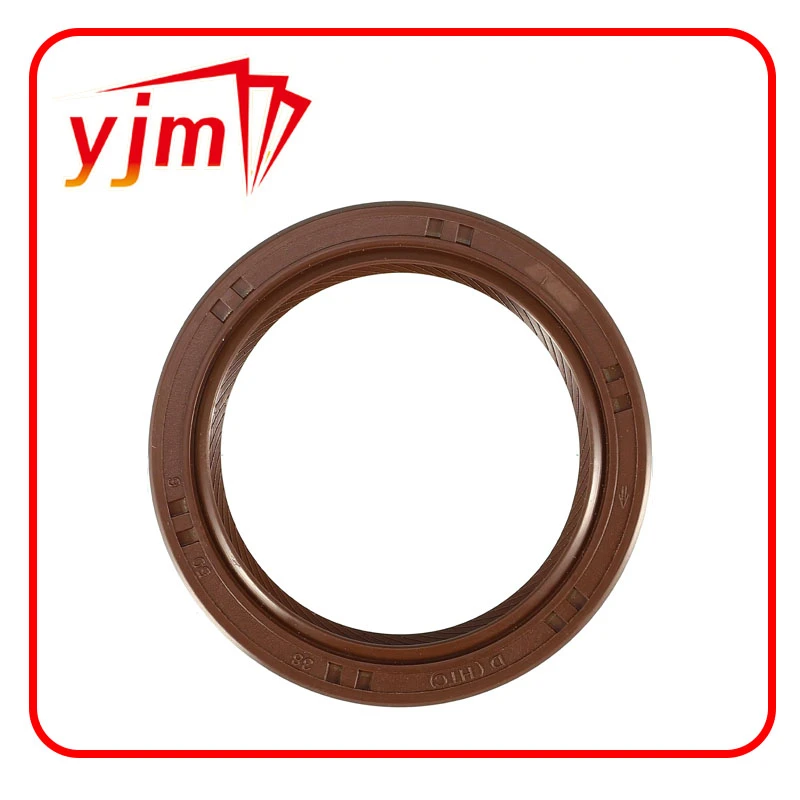
Engine Crankshaft Oil Seal No.9031138096
-
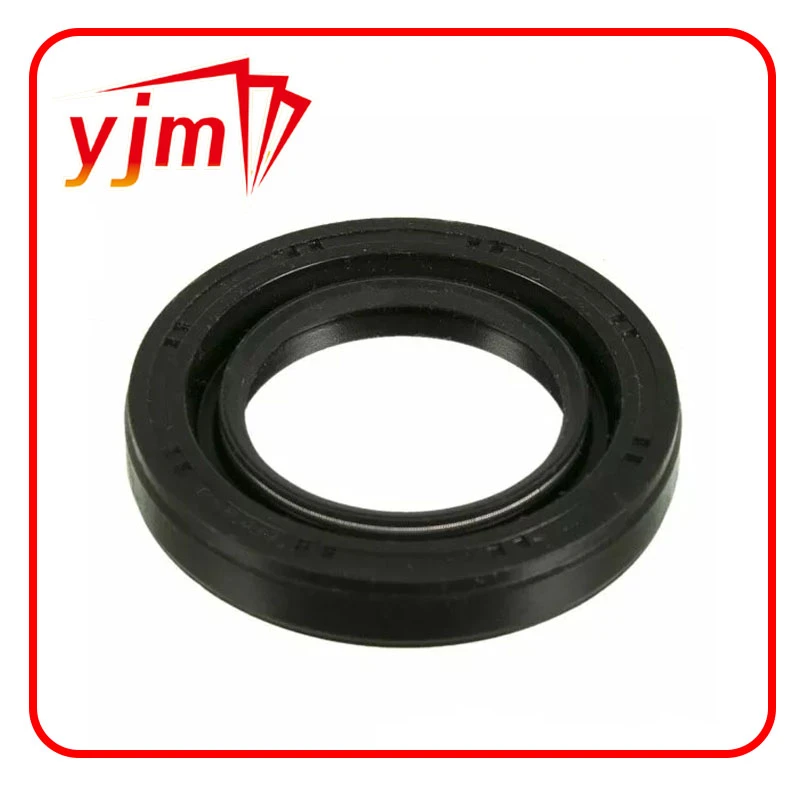
Toyota Transfer Case Output Shaft Seal Front 9031136006
-
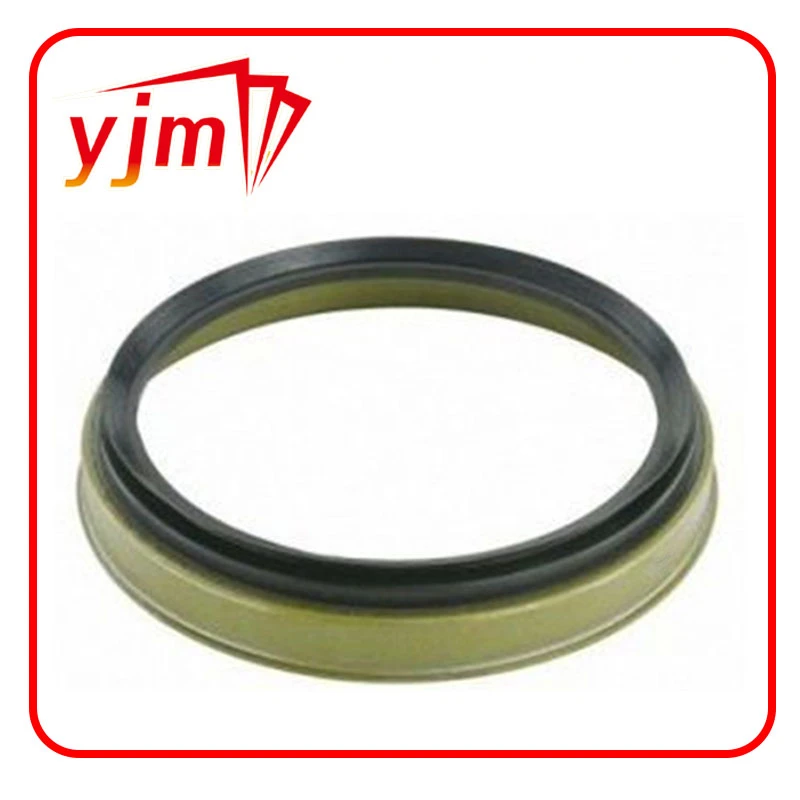
Seal, type v oil 9031287001 TOYOTA
-
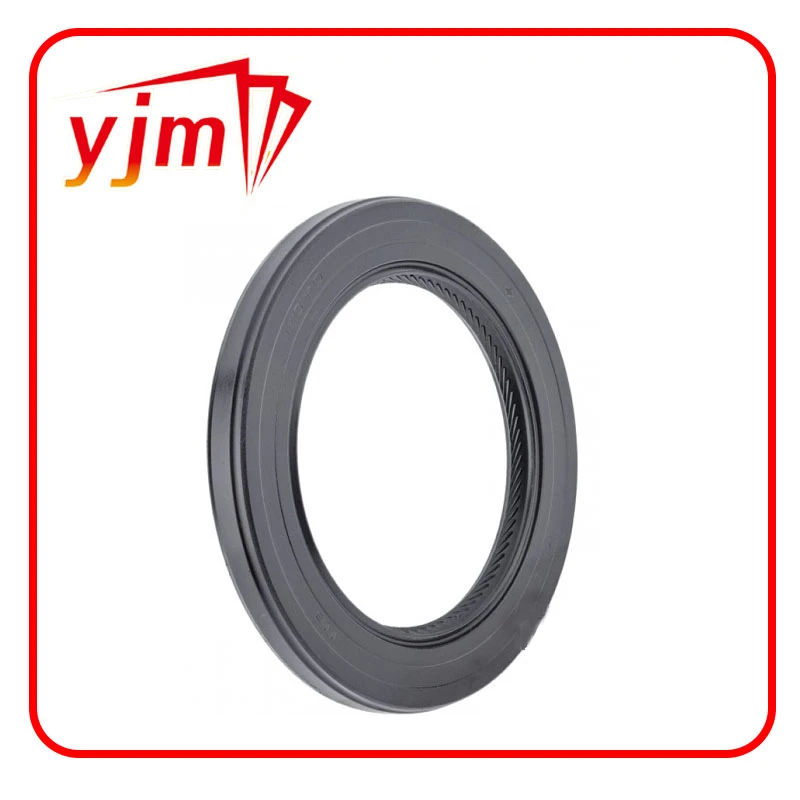
Oil pump seal 9031143010
-
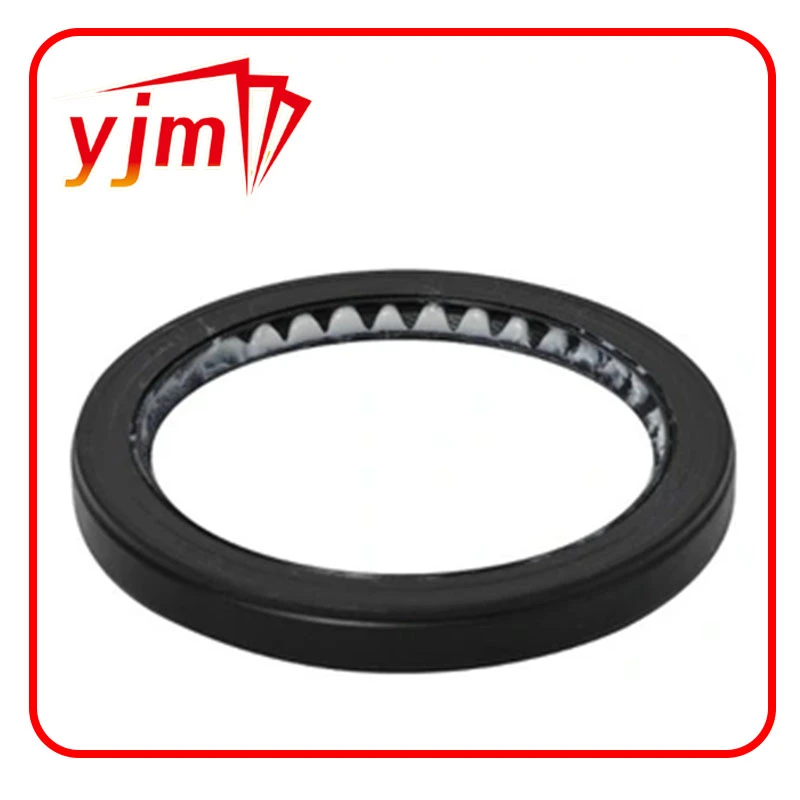
Genuine Toyota Oil SEAL 90311-54006
-
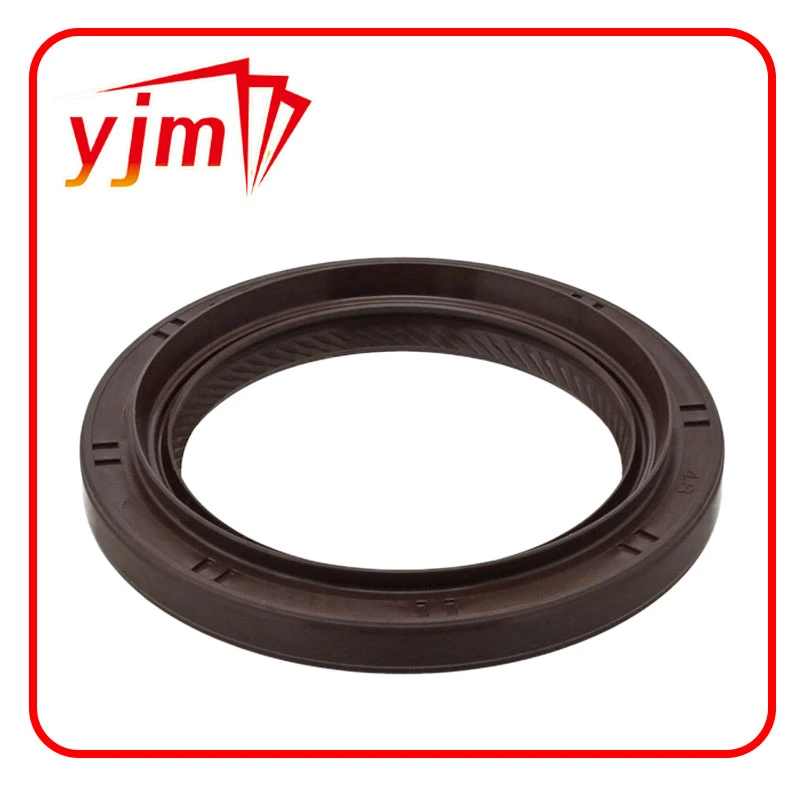
Toyota SEAL TYPE T OIL 90311-48031
-
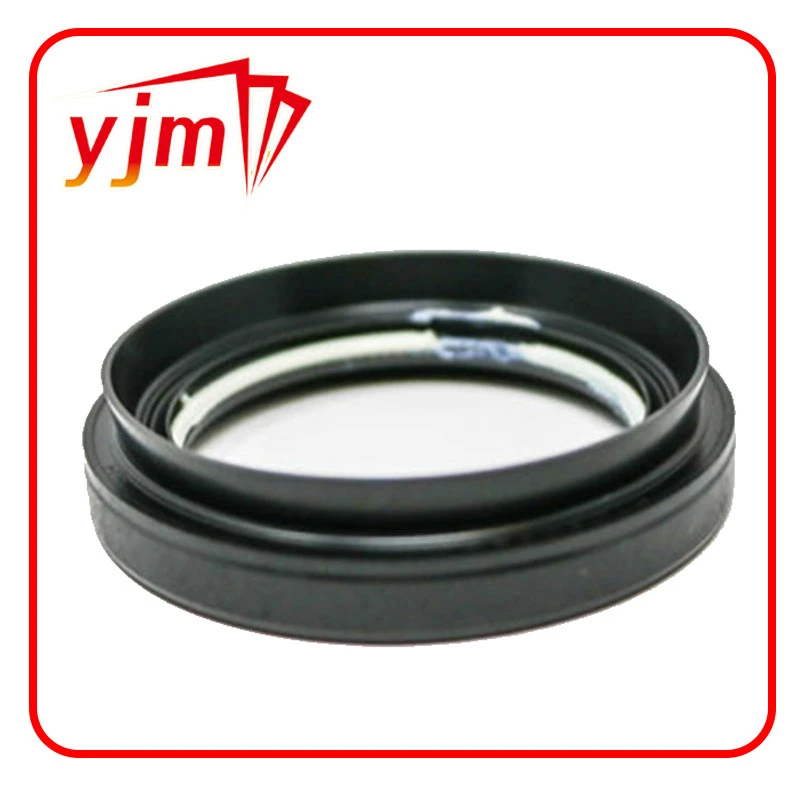
Type T Oil Seal, Front Drive Shaft, Left 9031150064
-
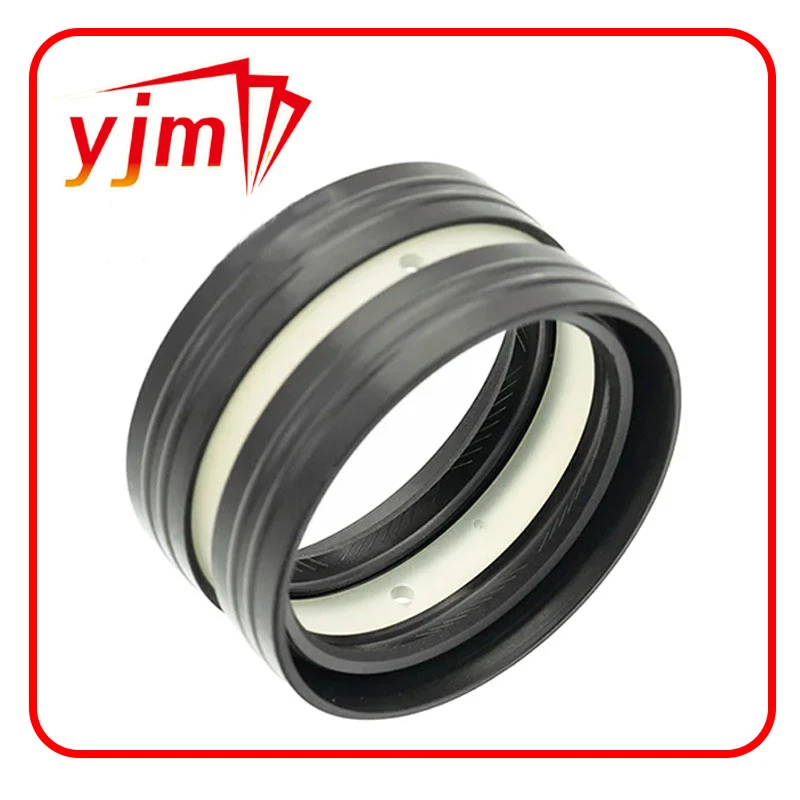
Seal, type d oil 9031634001 TOYOTA
 Afrikaans
 Albanian
 Amharic
 Arabic
 Armenian
 Azerbaijani
 Basque
 Belarusian
 Bengali
 Bosnian
 Bulgarian
 Catalan
 Cebuano
 Corsican
 Croatian
 Czech
Czech
 Danish
 Dutch
Dutch
 Esperanto
 Estonian
 Finnish
 French
 Frisian
 Galician
 Georgian
 German
 Greek
Greek
 Gujarati
 Haitian Creole
 Hausa
Hausa
 Hawaiian
 Hebrew
 Hindi
Hindi
 Miao
Miao
 Hungarian
 Icelandic
 Igbo
Igbo
 Indonesian
 Irish
Irish
 Italian
 Japanese
 Javanese
 Kannada
 Kazakh
 Khmer
Khmer
 Rwandese
 Korean
 Kurdish
 Kyrgyz
 Lao
Lao
 Latin
Latin
 Latvian
 Lithuanian
 Luxembourgish
 Macedonian
 Malgashi
 Malay
Malay
 Malayalam
 Maltese
 Maori
Maori
 Marathi
 Mongolian
 Myanmar
 Nepali
 Norwegian
 Norwegian
 Occitan
 Pashto
 Persian
 Polish
 Portuguese
 Punjabi
 Romanian
 Russian
 Samoan
 Scottish Gaelic
 Serbian
 Sesotho
 Shona
Shona
 Sindhi
 Sinhala
 Slovak
 Slovenian
 Somali
 Spanish
 Sundanese
 Swahili
 Swedish
 Tagalog
 Tajik
Tajik
 Tamil
Tamil
 Tatar
Tatar
 Telugu
 Thai
Thai
 Turkish
 Turkmen
 Ukrainian
 Urdu
Urdu
 Uighur
 Uzbek
Uzbek
 Vietnamese
 Welsh
Welsh
 Bantu
Bantu
 Yiddish
 Yoruba
 Zulu
Zulu
 English