Comprehensive Guide to Oil Pan Drain Plug – Essential Automotive Component Explained
Understanding the Oil Pan Drain Plug: Why It Matters
At first glance, the oil pan drain plug might feel like one of those tiny automotive parts that often gets overlooked, but it's actually quite a big deal globally. This little component plays a critical role in vehicle maintenance and efficiency worldwide. Understanding what it is and how it works offers key benefits—not only in keeping engines healthy but also in reducing environmental waste and enhancing safety on roads everywhere.
Introduction: The Global Role of the Oil Pan Drain Plug
Vehicles power much of the global economy, with over 1.4 billion cars on roads as of 2023 (source: International Organization of Motor Vehicle Manufacturers). Each of them depends on a smooth-running engine, and one crucial maintenance step is draining and replacing engine oil. This is where the oil pan drain plug comes in—it’s the gateway to efficient oil changes, reducing leaks and contamination.
Oddly enough, a simple quality issue in this part can cause costly oil spills, engine failure, and increased pollution. Globally, the automotive aftermarket is valued at more than $400 billion annually, and properly maintaining components like the oil pan drain plug is a practical way to ensure vehicles’ longevity while reducing waste and environmental impact.
What Is an Oil Pan Drain Plug?
Simply put, an oil pan drain plug is a small bolt or screw that seals the drain hole in a car’s oil pan. When it’s time to change the engine oil, mechanics unscrew this plug to let the old oil drain out before refilling with fresh lubricant. This plug’s seal prevents leaks and protects the engine oil reservoir from dirt or damage.
In modern automotive engineering, this simple part must withstand corrosive fluids, high temperatures, and vibrations, all without fail. In humanitarian contexts, where reliable vehicles deliver aid or transport essentials, the robustness of oil pan drain plugs can mean fewer breakdowns and more consistent service.
Key Factors That Define the Oil Pan Drain Plug
Durability
The plug is often made from steel, aluminum, or brass to resist corrosion and mechanical wear. In salty or humid environments, corrosion resistance practically extends the part’s life and reduces the risk of oil leaks.
Seal Integrity
Many plugs come with a crush washer or gasket to improve sealing. When the plug is tightened, this seal prevents oil from dripping or contaminating the engine bay—a common cause of breakdowns.
Ease of Use
Designs vary from standard hex-head bolts to magnetic plugs that capture metal shavings, helping mechanics identify engine wear early. Some feature quick-release mechanisms, simplifying routine maintenance for garages and DIY enthusiasts alike.
Cost Efficiency
Although small and cheap individually, quality drain plugs can cut down unexpected repair costs significantly over a vehicle’s life. Investing in reliable plugs saves money and time.
Compatibility & Standardization
Selecting the right plug requires knowing your vehicle’s make and model specifics. Standards organizations like ISO provide guidelines to ensure parts fit correctly, facilitating supply chains and replacements worldwide.
| Feature | Description |
|---|---|
| Material | Steel (zinc-coated), Aluminum, or Brass |
| Dimensions | Varies by vehicle; common sizes M12x1.5 to M14x1.5 |
| Seal Type | Crush washer (copper/aluminum), rubber gasket |
| Torque Range | 20–30 Nm typically |
| Features | Magnetic tip (optional), quick-release designs |
Global Applications and Use Cases
From North America to Southeast Asia, the oil pan drain plug is a staple in vehicle maintenance shops. Commercial transport fleets, farming equipment, and even military vehicles depend on durable drain plugs to avoid costly downtime.
For example, in remote mining operations in Australia, rigs use high-grade plugs that withstand harsh conditions to ensure equipment stays operational without frequent oil leaks. In emerging economies, affordable aftermarket drain plugs facilitate affordable maintenance, extending vehicle lifespans, and supporting livelihoods.
Some NGOs operating in disaster zones rely on reliable vehicles, and consistent oil changes made easy by quality drain plugs can be the difference between timely aid deliveries and unexpected breakdowns.
Advantages and Long-Term Value of Reliable Oil Pan Drain Plugs
- Cost Savings: Avoiding oil leaks prevents engine damage and expensive repairs.
- Environmental Impact: Preventing oil spills reduces soil and water contamination worldwide.
- Operational Reliability: Secure plugs reduce unexpected breakdowns, crucial for logistics and emergency services.
- Safety: Clean engine bays and no oil drips cut fire hazards and slip risks.
- Trust and Brand Confidence: Manufacturers known for high-quality plugs build stronger customer loyalty.
Emerging Trends & Innovations in Oil Pan Drain Plugs
Material science is pushing the boundaries—biodegradable seals and high-strength composite plugs are being piloted to minimize environmental footprint. Digital sensors embedded in plugs can now alert drivers to metal contamination in engine oil, a hint at early engine wear.
Also, with increasing adoption of electric vehicles, the traditional oil pan drain plug will likely see less usage, but for legacy vehicle fleets, innovations remain highly relevant.
Challenges and Solutions
Despite its simplicity, poor-quality or incorrectly installed drain plugs cause frequent oil leaks. A common frustration is stripped threads or missing crush washers, which can lead to messy spills and expensive engine damage.
Experts recommend using OEM or certified aftermarket plugs and always replacing the crush washer during oil changes. Training mechanics and hobbyists on proper torque specs and installation tips also makes a difference.
| Vendor | Material Options | Special Features | Global Reach | Price Range |
|---|---|---|---|---|
| YJM Seal | Steel, Aluminum, Brass | Magnetic plugs, corrosion resistant coatings | Asia, NA, Europe | $$ |
| AutoParts Pro | Steel only | Standard hex-head plugs | North America, Europe | $ |
| GlobalDrive | Steel and composites | Digital sensor integration | Global | $$$ |
FAQs About Oil Pan Drain Plugs
- What is the best type of oil pan drain plug for my car?
- The best choice depends on your vehicle's make and the environment you operate in. For corrosive environments, aluminum or brass plugs with corrosion-resistant coatings are ideal. Always check your owner's manual for compatibility.
- Can I reuse the crush washer when changing oil?
- It’s recommended to replace the crush washer every oil change. Reusing it can lead to poor sealing and oil leaks, which cause bigger problems down the road.
- How tight should I screw the oil pan drain plug?
- Torque specifications usually range between 20-30 Nm. Over-tightening can strip threads or damage seals, while under-tightening can cause leaks. Using a torque wrench is the safest bet.
- Are magnetic drain plugs worth the extra cost?
- Many mechanics swear by magnetic plugs because they trap tiny metal particles, giving early warning signs of engine wear. They add a layer of protection, especially in older engines.
- Where can I find quality oil pan drain plugs?
- Reliable suppliers like YJM Seal offer high-quality parts with global shipping and technical support, ensuring you get the right fit and durability.
Conclusion: The Small Part with Big Impact
To wrap it up, the oil pan drain plug might not make headlines, but it’s a vital piece in the puzzle of automotive health and environmental stewardship. Proper selection, maintenance, and even innovations around this humble plug save money, reduce pollution, and keep vehicles running smoothly worldwide.
For those hunting for trusted, durable oil pan drain plugs, I suggest checking out YJM Seal – they combine quality with expertise and global support. Because sometimes, small parts do make huge differences.
Mini takeaway: never underestimate the oil pan drain plug—attention to this tiny part pays off in big ways, from saving engines to protecting the environment.
References
-
Guide to Choosing the Right Washer for Oil Change and Sealing
News Apr.16,2026
-
Essential Guide to High Quality rubber washer oil drain plug
News Apr.09,2026
-
Understanding Rubber Crush Washers for Optimal Sealing Performance
News Apr.07,2026
-
Comprehensive Guide to Understanding and Reusing Crush Washer for Optimal Sealing
News Apr.04,2026
-
The Vital Role of a Drain Screw Gasket in Fluid System Integrity
News Mar.31,2026
-
The Essential Guide to Drain Crush Washer Selection and Plumbing Leak Prevention
News Mar.28,2026
-
The Vital Role of a Crush Washer in Oil Changes for Engine Protection
News Mar.26,2026
Products categories
-
Brass cutlass marine bearing
-
Genuine OEM Engine Oil Filter Housing Cover O-Ring For VW/Audi 06E115446
-
Oil Filter Stand Gasket,Oil filter cover seal
-
Oil Cooler Gasket, Oil Cooler to Oil Filter Housing 11427525335
-
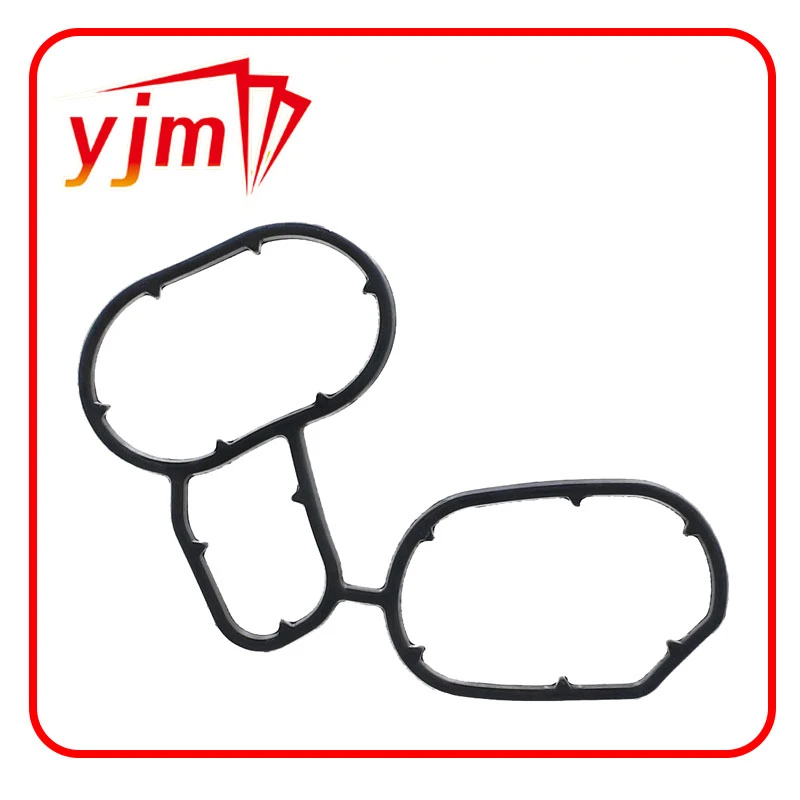
11427508970 BMW - OIL FILTER HOUSING GASKETS
-
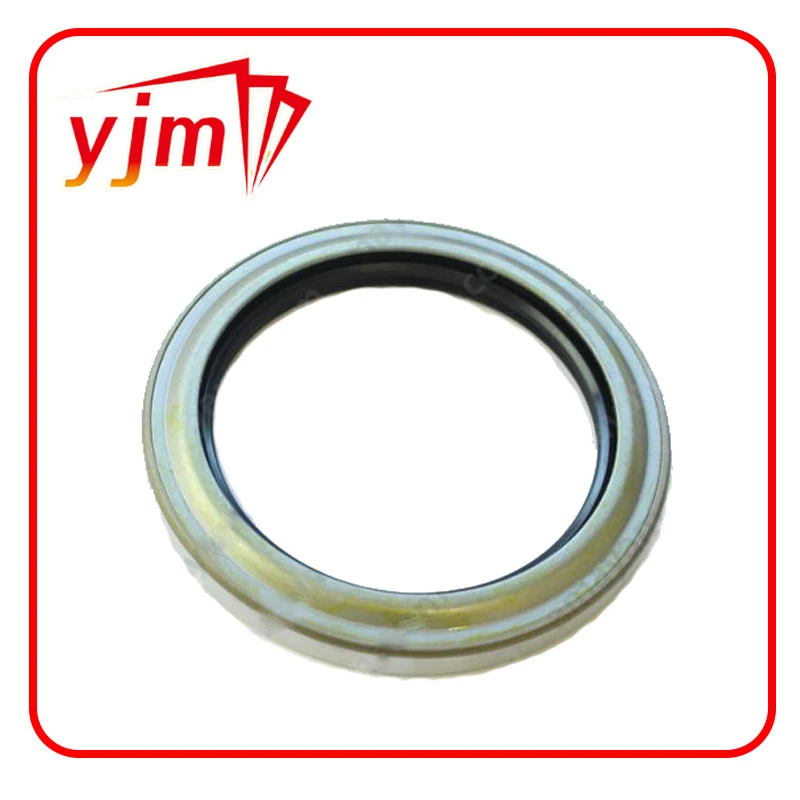
SEAL, OIL Genuine Toyota (9031170011)
-
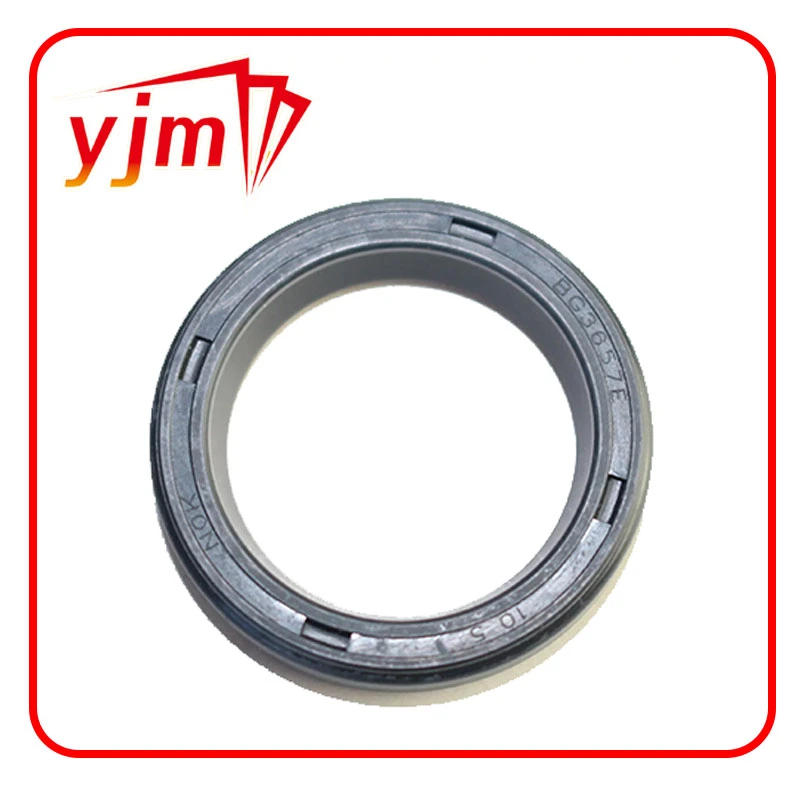
Transfer Case Output Shaft Seal Part 9031223001
-
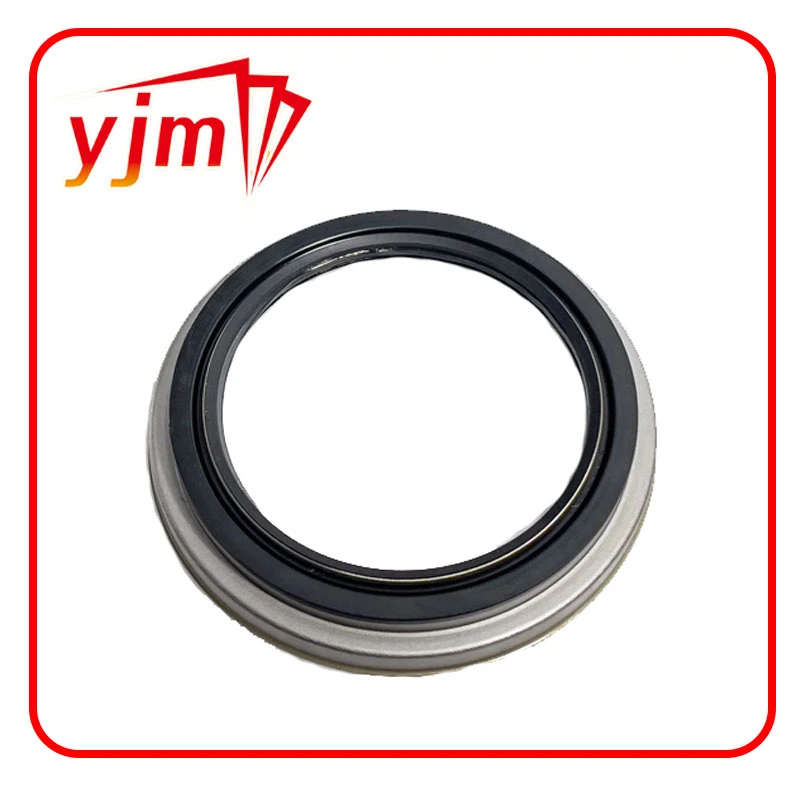
SEAL, OIL Genuine Toyota (9031672001)
-
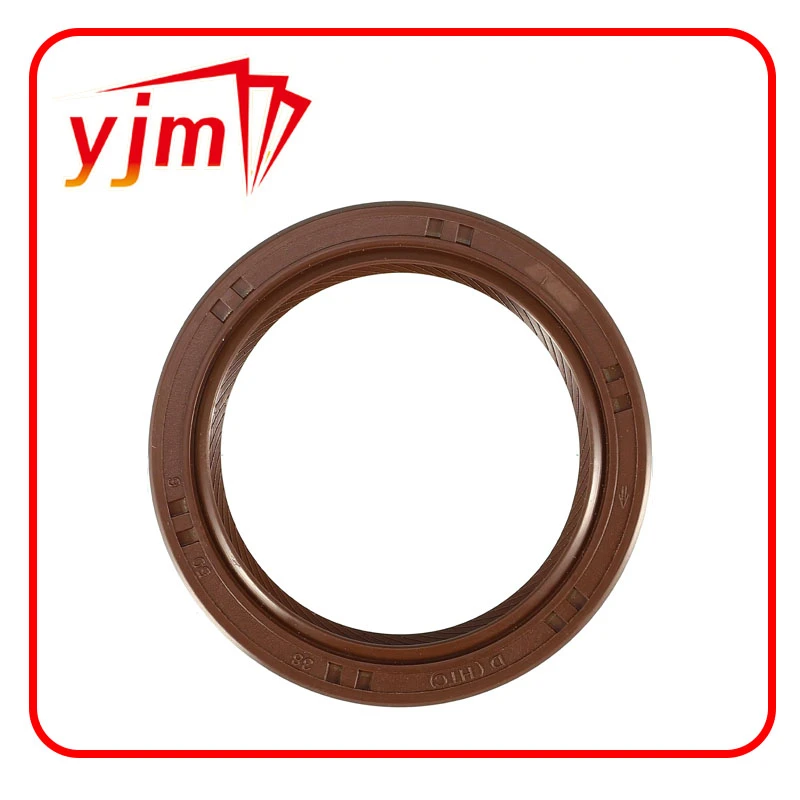
Engine Crankshaft Oil Seal No.9031138096
-
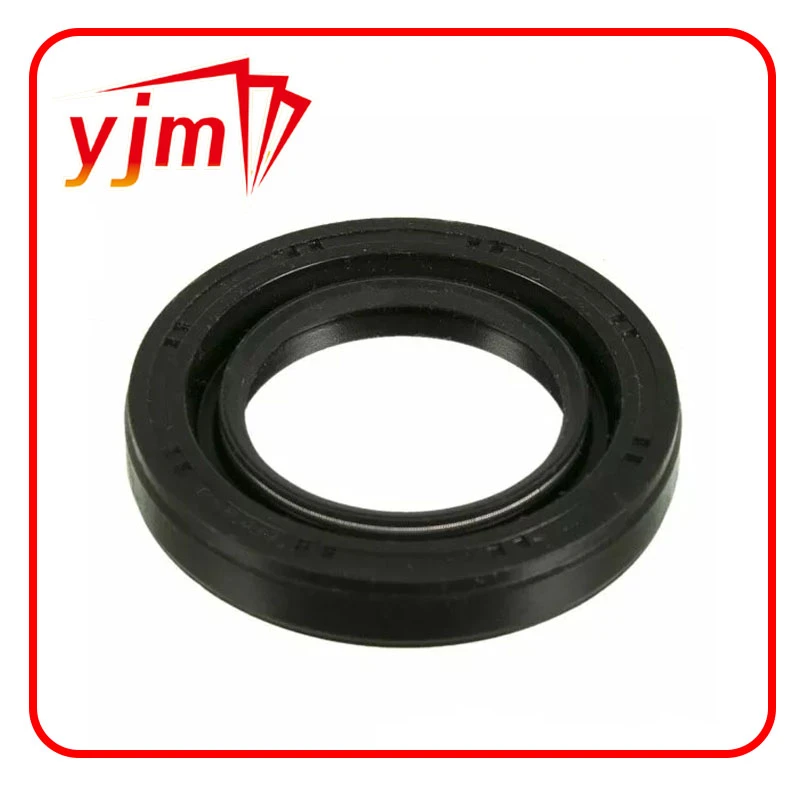
Toyota Transfer Case Output Shaft Seal Front 9031136006
-
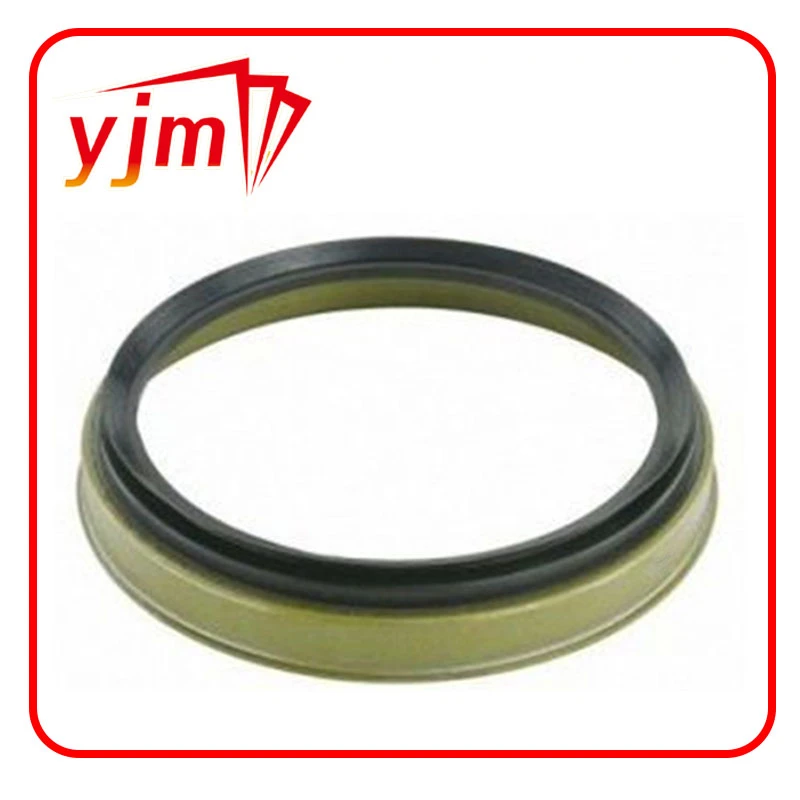
Seal, type v oil 9031287001 TOYOTA
-
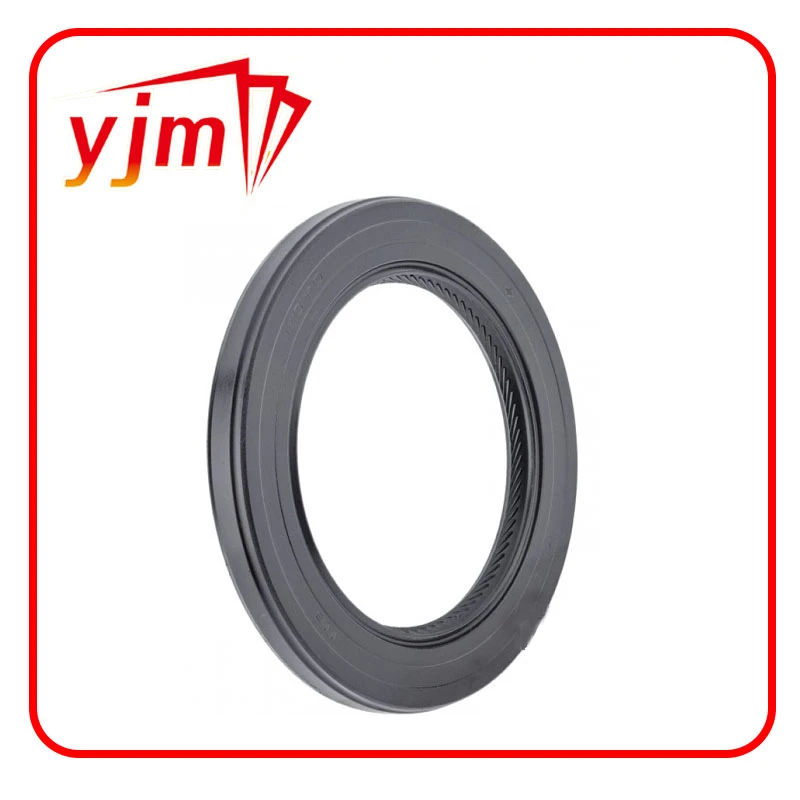
Oil pump seal 9031143010
-
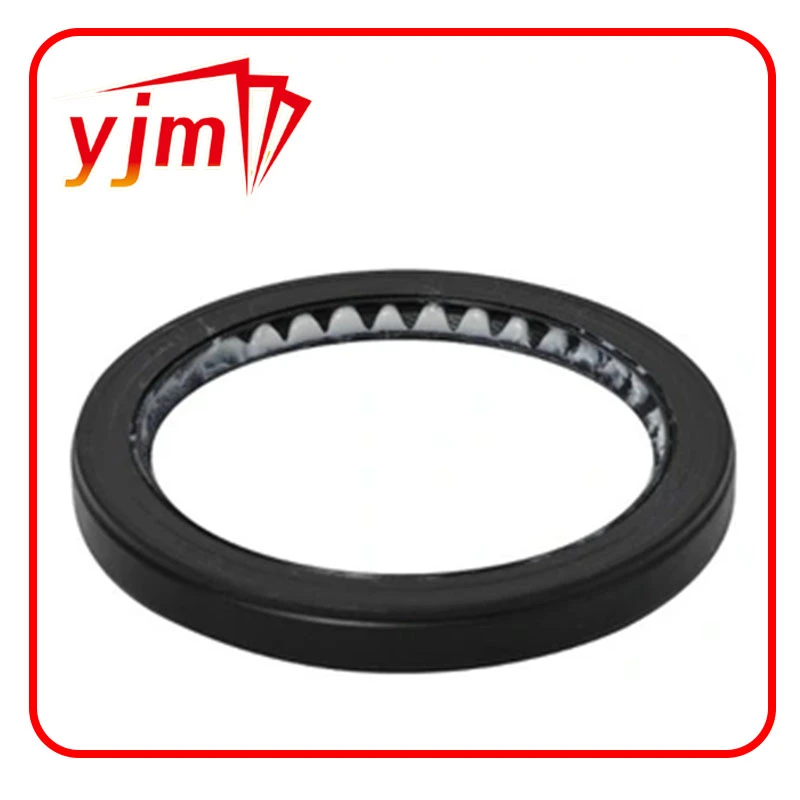
Genuine Toyota Oil SEAL 90311-54006
-
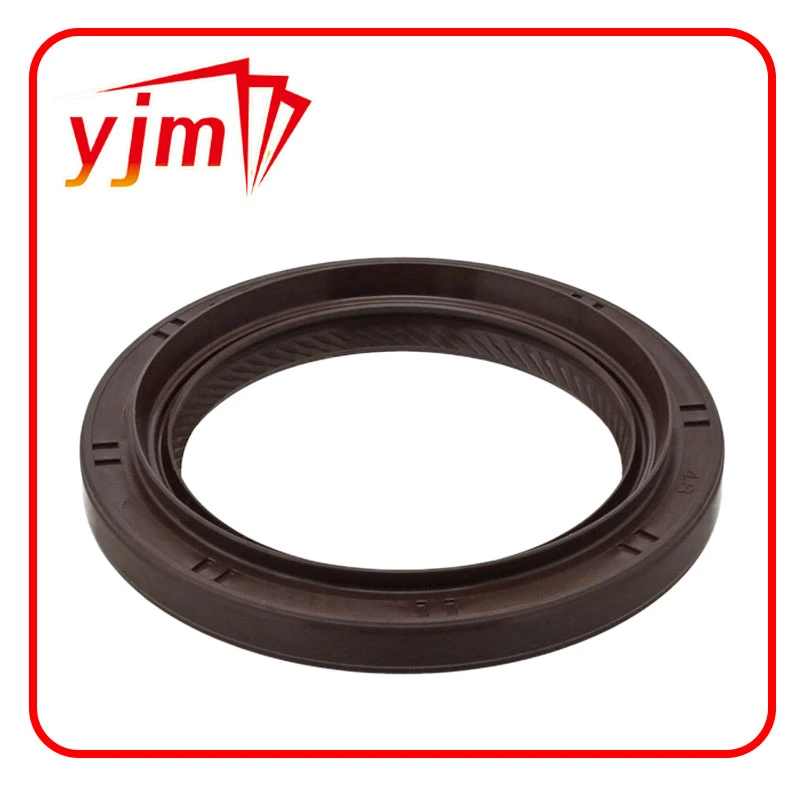
Toyota SEAL TYPE T OIL 90311-48031
-
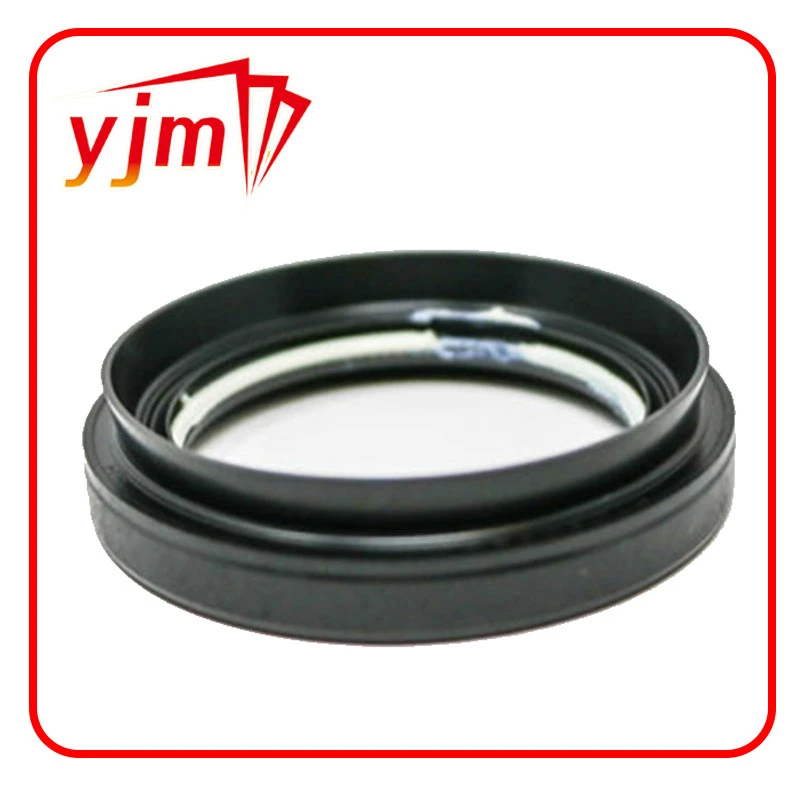
Type T Oil Seal, Front Drive Shaft, Left 9031150064
-
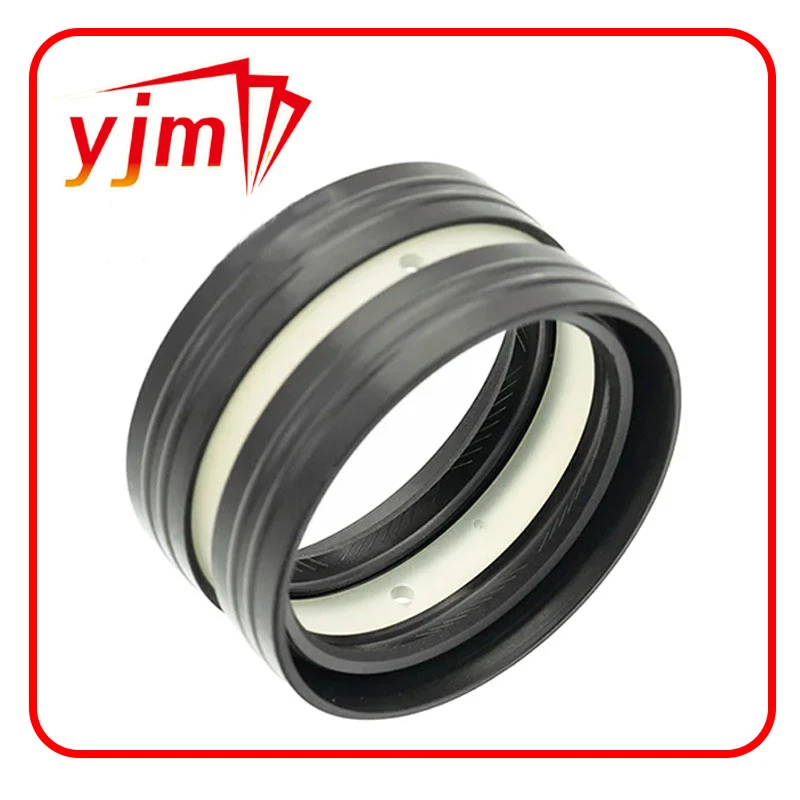
Seal, type d oil 9031634001 TOYOTA
 Afrikaans
 Albanian
 Amharic
 Arabic
 Armenian
 Azerbaijani
 Basque
 Belarusian
 Bengali
 Bosnian
 Bulgarian
 Catalan
 Cebuano
 Corsican
 Croatian
 Czech
Czech
 Danish
 Dutch
Dutch
 Esperanto
 Estonian
 Finnish
 French
 Frisian
 Galician
 Georgian
 German
 Greek
Greek
 Gujarati
 Haitian Creole
 Hausa
Hausa
 Hawaiian
 Hebrew
 Hindi
Hindi
 Miao
Miao
 Hungarian
 Icelandic
 Igbo
Igbo
 Indonesian
 Irish
Irish
 Italian
 Japanese
 Javanese
 Kannada
 Kazakh
 Khmer
Khmer
 Rwandese
 Korean
 Kurdish
 Kyrgyz
 Lao
Lao
 Latin
Latin
 Latvian
 Lithuanian
 Luxembourgish
 Macedonian
 Malgashi
 Malay
Malay
 Malayalam
 Maltese
 Maori
Maori
 Marathi
 Mongolian
 Myanmar
 Nepali
 Norwegian
 Norwegian
 Occitan
 Pashto
 Persian
 Polish
 Portuguese
 Punjabi
 Romanian
 Russian
 Samoan
 Scottish Gaelic
 Serbian
 Sesotho
 Shona
Shona
 Sindhi
 Sinhala
 Slovak
 Slovenian
 Somali
 Spanish
 Sundanese
 Swahili
 Swedish
 Tagalog
 Tajik
Tajik
 Tamil
Tamil
 Tatar
Tatar
 Telugu
 Thai
Thai
 Turkish
 Turkmen
 Ukrainian
 Urdu
Urdu
 Uighur
 Uzbek
Uzbek
 Vietnamese
 Welsh
Welsh
 Bantu
Bantu
 Yiddish
 Yoruba
 Zulu
Zulu
 English