Engine Crankshaft Seal: Global Uses, Benefits, and Innovations
Engine Crankshaft Seal: What It Is and Why It Matters Globally
If you’ve ever considered what keeps an engine’s most critical parts running smoothly, the engine crankshaft seal might not be the first thing to pop into your head — but it really should be. This humble component quietly works to prevent oil leaks, preserve engine integrity, and boost performance. Globally, understanding the importance of the engine crankshaft seal can mean better machinery longevity, less pollution, and significant cost savings in industries from automotive manufacturing to agriculture and aerospace.
Introduction: The Global Relevance of Engine Crankshaft Seals
Oddly enough, while it’s a tiny part, the engine crankshaft seal holds some major weight when it comes to worldwide industry and sustainability efforts. Estimates by the International Organization for Standardization (ISO) suggest that nearly 30% of mechanical failures in vehicle engines are linked to oil leakage, most often caused by worn or faulty seals. This doesn’t just affect the cost of repairs; it has a ripple effect on environmental waste and resource depletion. In regions where heavy machinery powers manufacturing and agriculture, the efficiency and reliability of these seals can be a make-or-break factor.
What Exactly Is an Engine Crankshaft Seal?
Simply put, an engine crankshaft seal is a specialized ring placed around the engine’s rotating crankshaft. Its primary job is to prevent oil — which lubricates and cools the engine’s internal parts — from leaking out as the crankshaft spins at high speeds. Without it, oil would escape, leading to increased friction, overheating, and often catastrophic engine damage.
The role it plays isn’t just mechanical; in humanitarian contexts, robust engines that keep running mean power generation and transportation work without interruption, critical for disaster relief or rural development. So the engine crankshaft seal connects deep into both the industrial and social fabric of modern life.
Core Components and Key Factors of Engine Crankshaft Seals
1. Durability
Crankshaft seals must resist wear caused by friction and extreme temperatures inside the engine. Materials like fluorocarbon (Viton®) and nitrile rubber (NBR) are commonly used. Viton, for instance, can withstand temperatures up to 200°C, making seals last longer under harsh conditions.
2. Precision Fit
An exact fit around the crankshaft is vital. Too loose and oil leaks; too tight and the seal wears out prematurely. Advances in manufacturing, including CNC machining and laser calibration, have improved fitment precision significantly.
3. Chemical Compatibility
With engines using diverse lubricants, the seal must resist degradation from oils, additives, and even contaminants like fuel. The right chemical resistance helps prevent swelling or cracking.
4. Cost Efficiency
It’s a small part, but its cost-to-value ratio is huge. Good seals reduce maintenance intervals and prevent costly failures. Many manufacturers focus on delivering affordable yet reliable designs, optimizing total lifecycle costs.
5. Environmental Impact
By preventing oil leaks, seals also guard against soil and water contamination — a big sustainability win. Environmentally-conscious companies increasingly demand seals made from recyclable or eco-friendly materials.
Engine Crankshaft Seal Specifications
| Specification | Typical Value | Notes |
|---|---|---|
| Material | Fluorocarbon (Viton), NBR | Based on operating environment |
| Operating Temperature | -40°C to 200°C | Higher for special materials |
| Shaft Diameter Compatibility | 10mm to 150mm+ | Custom sizes common |
| Pressure Range | Up to 0.5 MPa | For typical engine lifecycles |
| Lifespan | 50,000+ km or 3-5 years | Varies by usage and maintenance |
Mini takeaway: The engine crankshaft seal’s specs reveal a delicate balance of precision, durability, and material science that make it indispensable for reliable engine function.
Global Applications and Use Cases
From the factories of Germany to the farmlands of India and the oil rigs in the North Sea, engine crankshaft seals are everywhere. In automotive, they ensure engines in personal cars and trucks don’t lose oil or suffer premature failure. Maritime shipping companies rely on these seals in their heavy diesel engines to minimize downtime—critical when you have millions of dollars' worth of cargo moving across oceans.
Oddly enough, even humanitarian operations benefit. Mobile power generators with well-sealed engines support refugee camps in Africa and Southeast Asia, providing light, water, and refrigeration. Without robust engine crankshaft seals, maintenance crews would spend more time on repairs than on delivering vital services.
Vendor Comparison: Selecting the Right Engine Crankshaft Seal
| Vendor | Material Options | Customization | Price Range | Lead Time |
|---|---|---|---|---|
| YJM Seal | NBR, Viton, Silicone | Full customization up to 200mm diameter | $$ | 2-4 weeks |
| SealTech Corp | NBR, EPDM | Limited sizes, bulk orders only | $ | 4-6 weeks |
| Global Seal Solutions | Viton, PTFE | Custom orders accepted; premium pricing | $$$ | 3 weeks |
Mini takeaway: Choosing the right vendor involves balancing price, customization needs, and delivery time — all crucial depending on project scale.
Advantages and Long-Term Value of Engine Crankshaft Seals
- Cost savings: Preventing leaks extends engine life and cuts down on costly oil changes and repairs.
- Sustainability: Reduced oil spillage means less environmental contamination, supporting industry efforts for greener operations.
- Reliability: Trustworthy seals help avoid unexpected engine failures, keeping transportation and production lines running.
- Social impact: In emerging economies, durable seals help machines work longer, improving livelihoods and supporting infrastructure.
It’s a somewhat underappreciated part of the mechanical puzzle, but the steady performance of engine crankshaft seals often inspires deep trust from engineers — safety and dignity often depend on it.
Future Trends and Innovations
Looking ahead, the world of engine crankshaft seals is not standing still. Materials science is pushing toward biocompatible and sustainably sourced rubber compounds that don’t sacrifice durability. Digitally assisted manufacturing and 3D printing are opening doors to even more precise and swift customization. Then there’s automation: sensor-embedded seals that can detect wear in real-time and alert maintenance teams before leaks occur — fascinating stuff.
Also, with the rise in hybrid and electric vehicles, some question if traditional crankshaft seals will evolve or fade — but internal combustion engines will be around for decades in industrial and rural sectors, so innovation in this niche remains vital.
Challenges and Expert Solutions
Despite their strengths, engine crankshaft seals face hurdles. Continuous exposure to harsh chemicals and thermal cycling often accelerates aging. In regions with limited access to high-quality replacements, subpar seals lead to repeated breakdowns. Many engineers recommend routine inspection combined with sourcing from reputable vendors like YJM Seal who can offer certified quality products.
Moreover, innovations like automated condition monitoring systems and sealing technology tailored to specific engine designs offer promising pathways to overcoming longevity and reliability challenges.
FAQ: Frequently Asked Questions About Engine Crankshaft Seal
- Q1: How do I know when the engine crankshaft seal needs replacement?
A1: Look for oil leaks near the front or rear of the engine, decreased oil levels without visible leaks elsewhere, or unusual noises. Early replacement can prevent costly engine damage.
- Q2: Can I install a crankshaft seal myself?
A2: While some mechanically skilled hobbyists can, improper installation risks damaging the seal or crankshaft. It’s often advisable to consult or hire a professional.
- Q3: Are all crankshaft seals compatible with different engine types?
A3: No; material compatibility and size specifications vary widely. Always confirm with your engine manufacturer’s recommendations or seek expert advice.
- Q4: Why is my seal leaking even after replacement?
A4: Causes include improper installation, damaged crankshaft surfaces, or using an incompatible seal material. Double-check these factors before reinstallation.
- Q5: How can I order custom seals internationally?
A5: Reputable vendors like YJM Seal offer international shipping and can guide you through the specification and compliance aspects for your region.
Conclusion + Call to Action
In real terms, the small but mighty engine crankshaft seal plays a starring role in global industry and environmental responsibility. From durability and precision to future-forward design, investing in quality seals pays dividends in cost, safety, and sustainability. If you’re looking for reliable, customized sealing solutions with trusted expertise, take a closer look at YJM Seal’s products and services — it’s a small step that makes a big difference.
Thanks for sticking with me through the nuts and bolts of engine crankshaft seals; I find it oddly fascinating how these tiny parts underpin such a massive array of activity worldwide.
References:
-
Guide to Choosing the Right Washer for Oil Change and Sealing
News Apr.16,2026
-
Essential Guide to High Quality rubber washer oil drain plug
News Apr.09,2026
-
Understanding Rubber Crush Washers for Optimal Sealing Performance
News Apr.07,2026
-
Comprehensive Guide to Understanding and Reusing Crush Washer for Optimal Sealing
News Apr.04,2026
-
The Vital Role of a Drain Screw Gasket in Fluid System Integrity
News Mar.31,2026
-
The Essential Guide to Drain Crush Washer Selection and Plumbing Leak Prevention
News Mar.28,2026
-
The Vital Role of a Crush Washer in Oil Changes for Engine Protection
News Mar.26,2026
Products categories
-
Brass cutlass marine bearing
-
Genuine OEM Engine Oil Filter Housing Cover O-Ring For VW/Audi 06E115446
-
Oil Filter Stand Gasket,Oil filter cover seal
-
Oil Cooler Gasket, Oil Cooler to Oil Filter Housing 11427525335
-
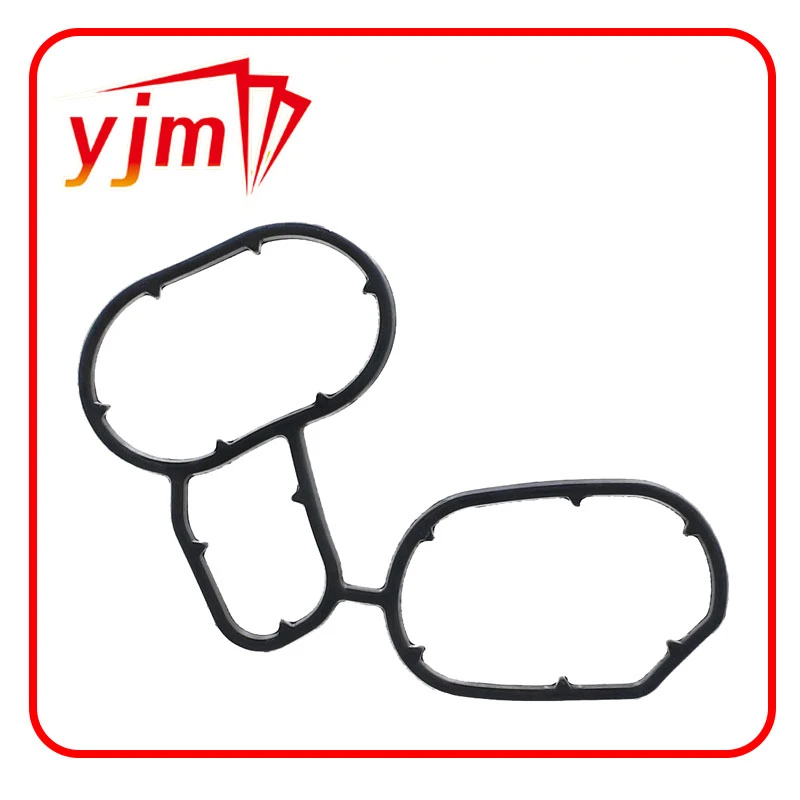
11427508970 BMW - OIL FILTER HOUSING GASKETS
-
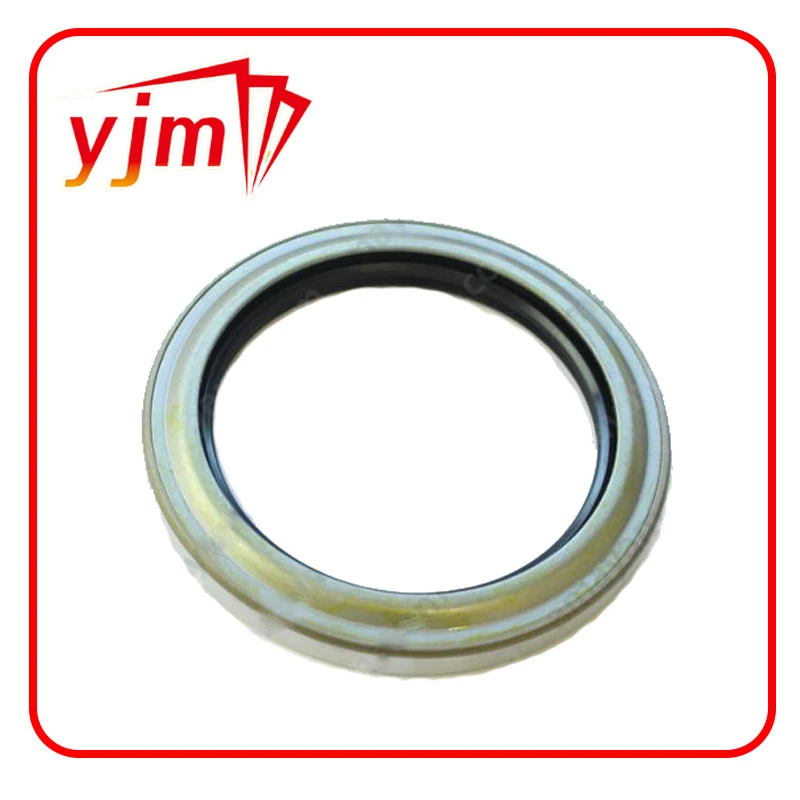
SEAL, OIL Genuine Toyota (9031170011)
-
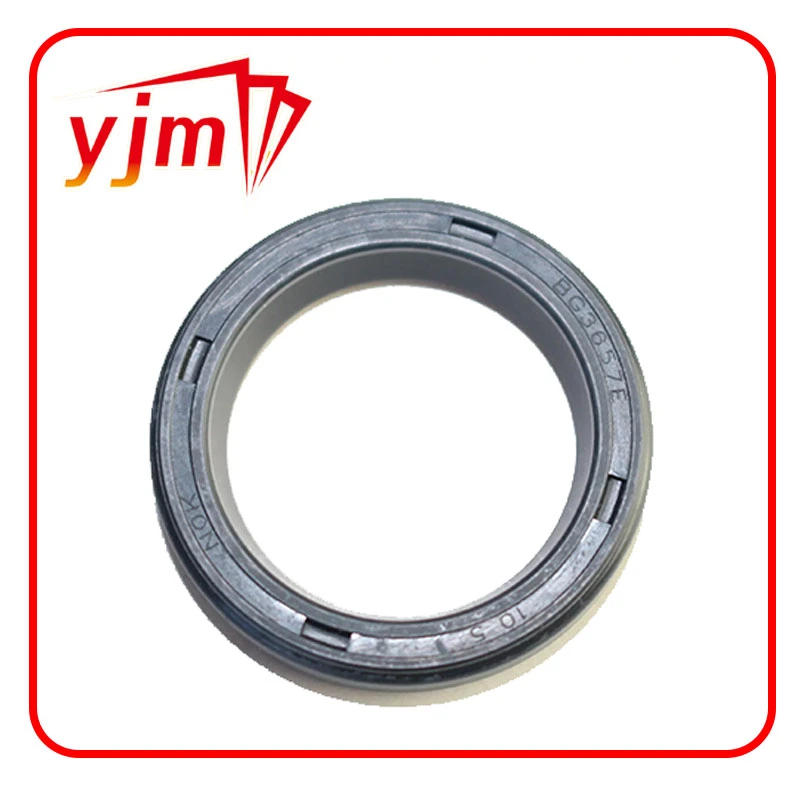
Transfer Case Output Shaft Seal Part 9031223001
-
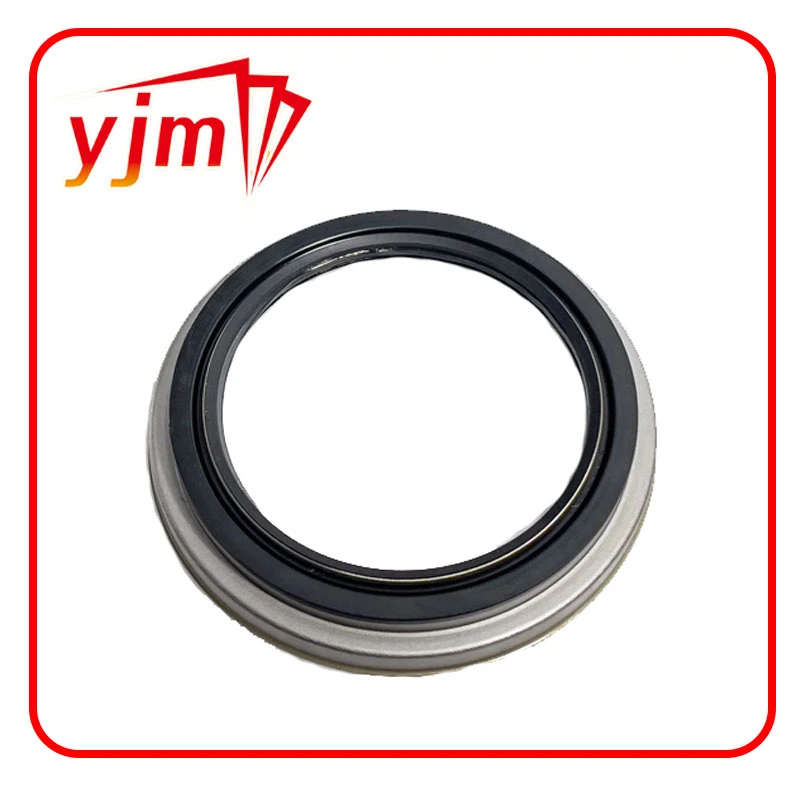
SEAL, OIL Genuine Toyota (9031672001)
-
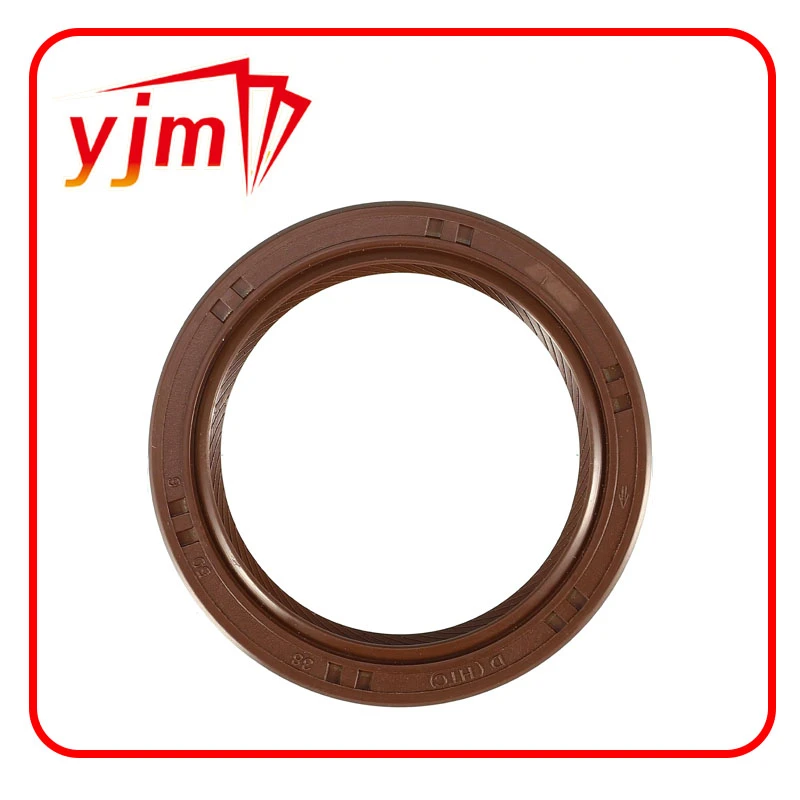
Engine Crankshaft Oil Seal No.9031138096
-
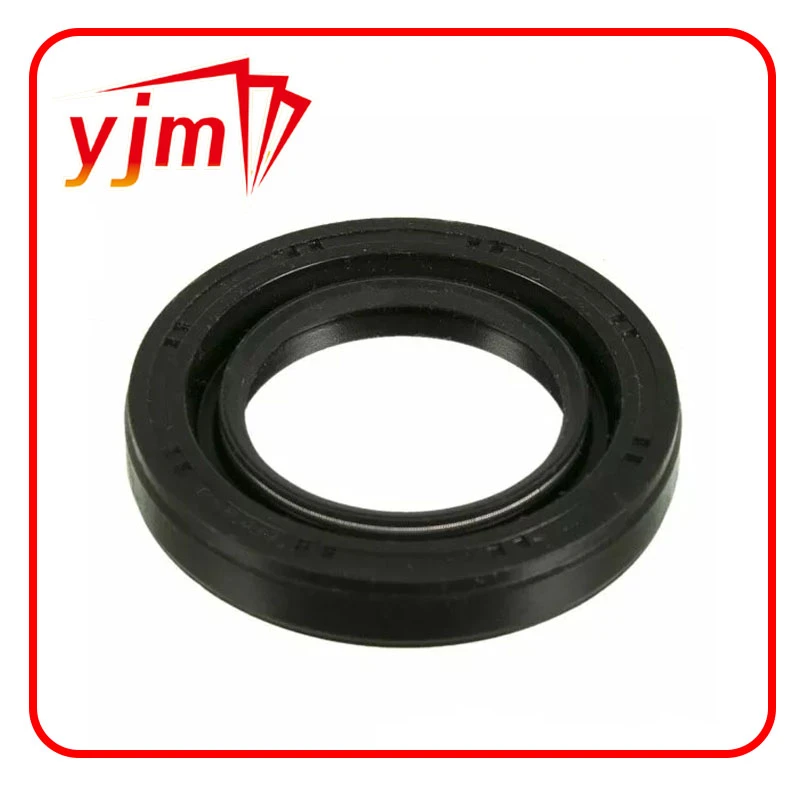
Toyota Transfer Case Output Shaft Seal Front 9031136006
-
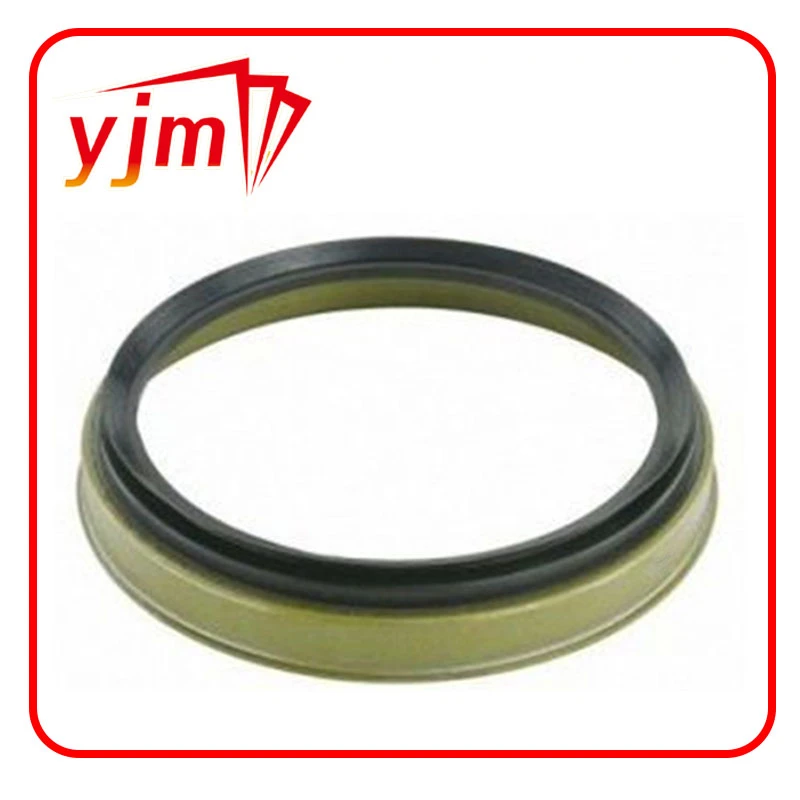
Seal, type v oil 9031287001 TOYOTA
-
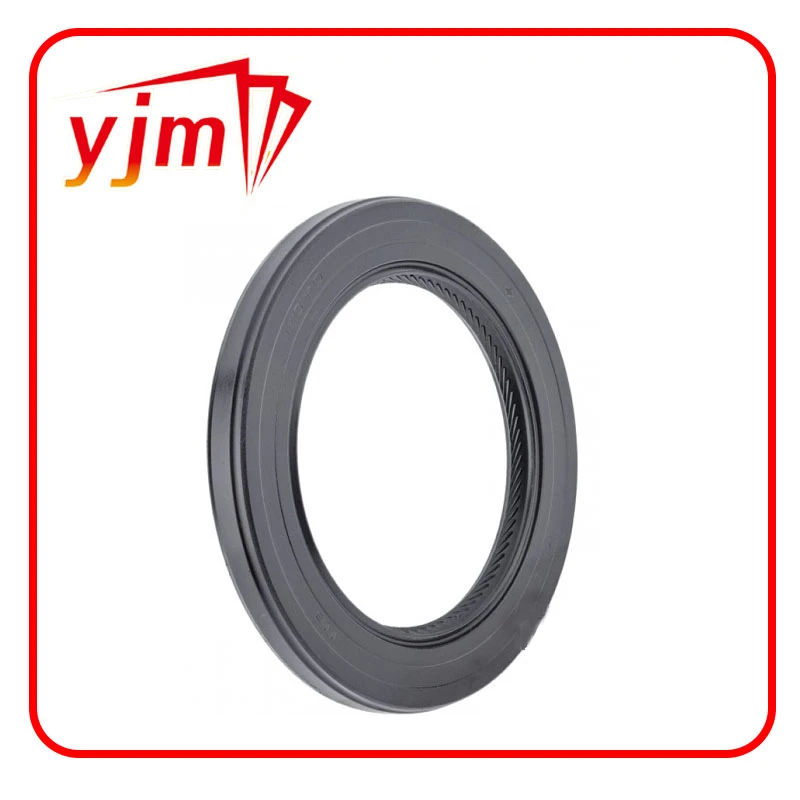
Oil pump seal 9031143010
-
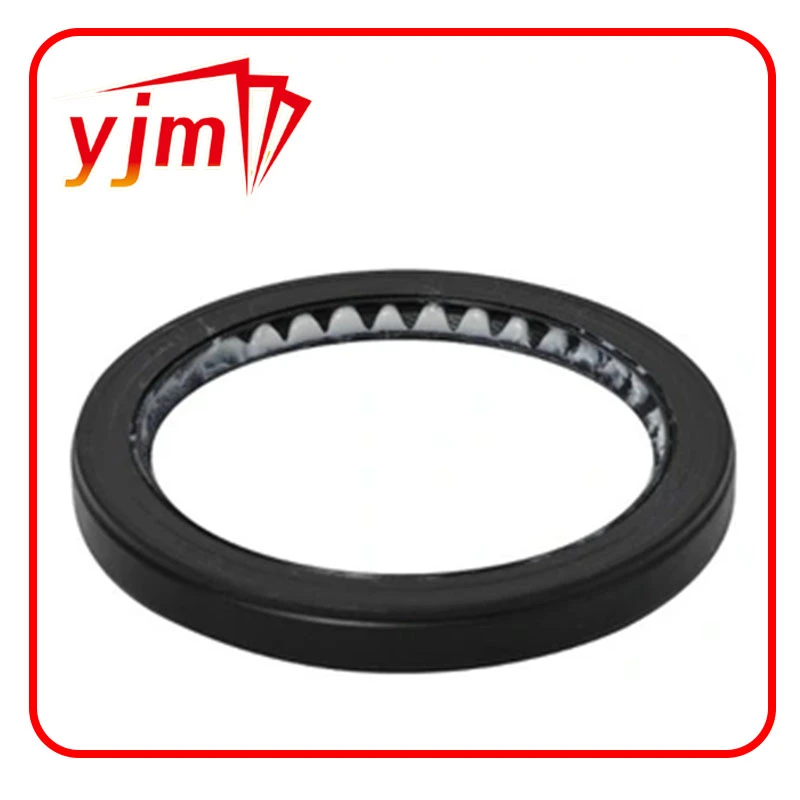
Genuine Toyota Oil SEAL 90311-54006
-
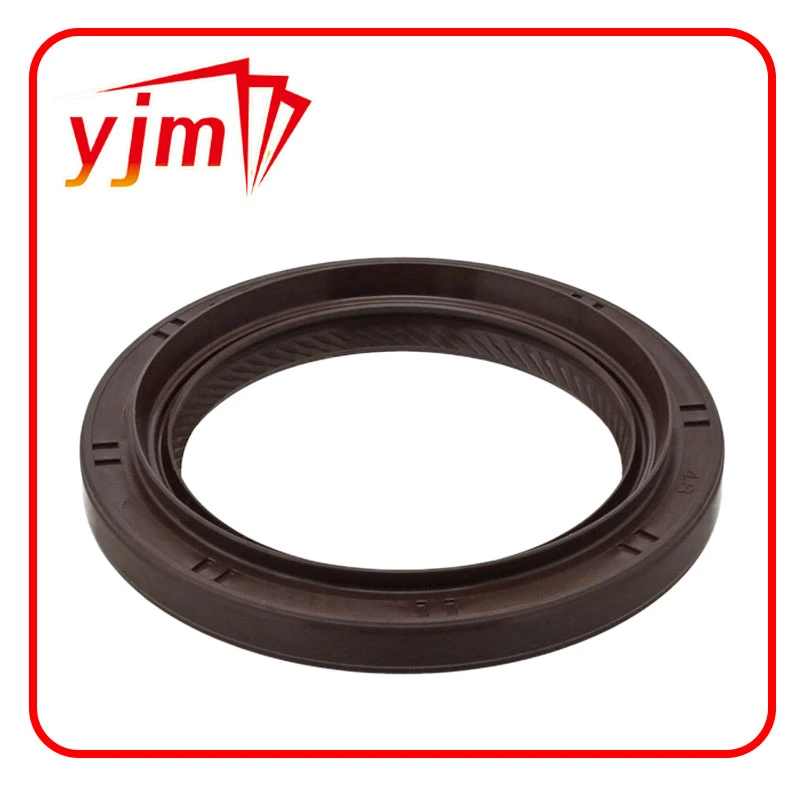
Toyota SEAL TYPE T OIL 90311-48031
-
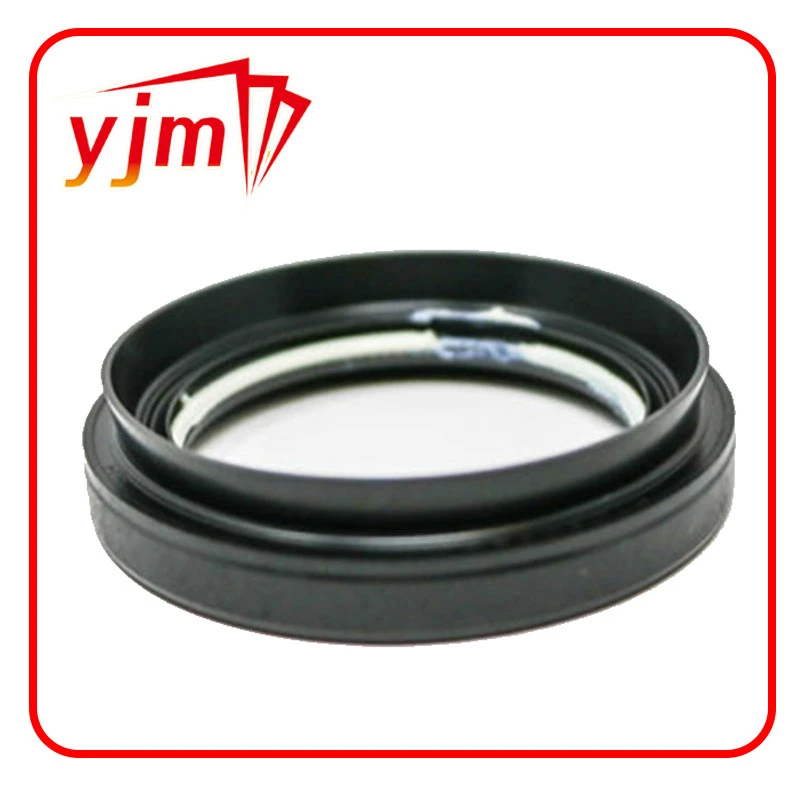
Type T Oil Seal, Front Drive Shaft, Left 9031150064
-
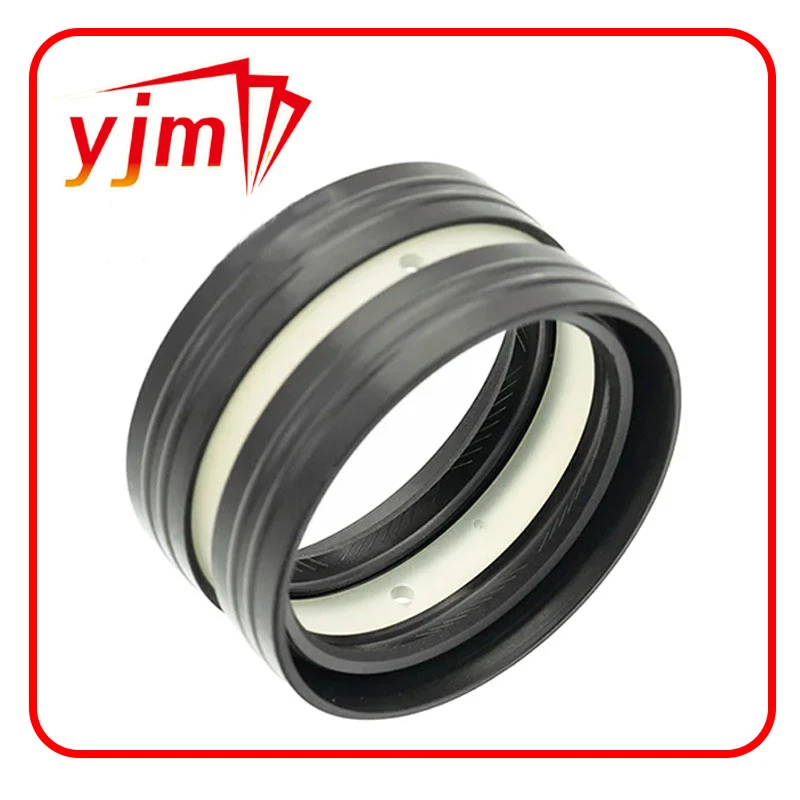
Seal, type d oil 9031634001 TOYOTA
 Afrikaans
 Albanian
 Amharic
 Arabic
 Armenian
 Azerbaijani
 Basque
 Belarusian
 Bengali
 Bosnian
 Bulgarian
 Catalan
 Cebuano
 Corsican
 Croatian
 Czech
Czech
 Danish
 Dutch
Dutch
 Esperanto
 Estonian
 Finnish
 French
 Frisian
 Galician
 Georgian
 German
 Greek
Greek
 Gujarati
 Haitian Creole
 Hausa
Hausa
 Hawaiian
 Hebrew
 Hindi
Hindi
 Miao
Miao
 Hungarian
 Icelandic
 Igbo
Igbo
 Indonesian
 Irish
Irish
 Italian
 Japanese
 Javanese
 Kannada
 Kazakh
 Khmer
Khmer
 Rwandese
 Korean
 Kurdish
 Kyrgyz
 Lao
Lao
 Latin
Latin
 Latvian
 Lithuanian
 Luxembourgish
 Macedonian
 Malgashi
 Malay
Malay
 Malayalam
 Maltese
 Maori
Maori
 Marathi
 Mongolian
 Myanmar
 Nepali
 Norwegian
 Norwegian
 Occitan
 Pashto
 Persian
 Polish
 Portuguese
 Punjabi
 Romanian
 Russian
 Samoan
 Scottish Gaelic
 Serbian
 Sesotho
 Shona
Shona
 Sindhi
 Sinhala
 Slovak
 Slovenian
 Somali
 Spanish
 Sundanese
 Swahili
 Swedish
 Tagalog
 Tajik
Tajik
 Tamil
Tamil
 Tatar
Tatar
 Telugu
 Thai
Thai
 Turkish
 Turkmen
 Ukrainian
 Urdu
Urdu
 Uighur
 Uzbek
Uzbek
 Vietnamese
 Welsh
Welsh
 Bantu
Bantu
 Yiddish
 Yoruba
 Zulu
Zulu
 English