ptfe oil seal technology has become increasingly vital across a multitude of industries, from automotive and aerospace to chemical processing and medical devices. Their ability to maintain a hermetic seal in harsh environments—withstanding extreme temperatures, corrosive chemicals, and high pressures—is unparalleled. Understanding the nuances of ptfe oil seal design, materials, and applications is no longer a niche concern, but a critical element for ensuring operational efficiency, product reliability, and safety in a globally interconnected market.
The demand for high-performance seals is driven by several factors, including increasing automation, stricter environmental regulations, and the need for longer-lasting components. Inefficient sealing systems contribute significantly to energy loss, product contamination, and equipment downtime, impacting both economic viability and environmental sustainability. This makes the selection and implementation of appropriate ptfe oil seal solutions paramount for businesses aiming for a competitive edge.
The global sealing market is a multi-billion dollar industry with continued growth projected, driven by innovation in material science and a growing demand for customized solutions. Investments in research and development focused on enhancing the performance characteristics of ptfe oil seal, such as reduced friction, improved wear resistance, and enhanced chemical compatibility, are key to unlocking further advancements and meeting the evolving needs of various sectors.
Introduction to ptfe oil seal
ptfe oil seal are fundamental components in countless mechanical systems, acting as a crucial barrier against leakage of fluids and gases. Their versatility stems from the unique properties of polytetrafluoroethylene (ptfe), a synthetic fluoropolymer known for its exceptional chemical resistance and low coefficient of friction. The widespread use of ptfe oil seal illustrates their importance in maintaining operational efficiency and preventing costly downtime across a broad spectrum of applications.
The design and material selection of a ptfe oil seal are dependent on the specific operating conditions, including temperature, pressure, fluid compatibility, and speed. Variations in ptfe formulations, along with the inclusion of fillers such as carbon, graphite, or bronze, allow engineers to tailor seal performance to meet these diverse requirements. A deep understanding of these factors is essential for ensuring the long-term reliability and effectiveness of a sealing system.
Defining ptfe oil seal
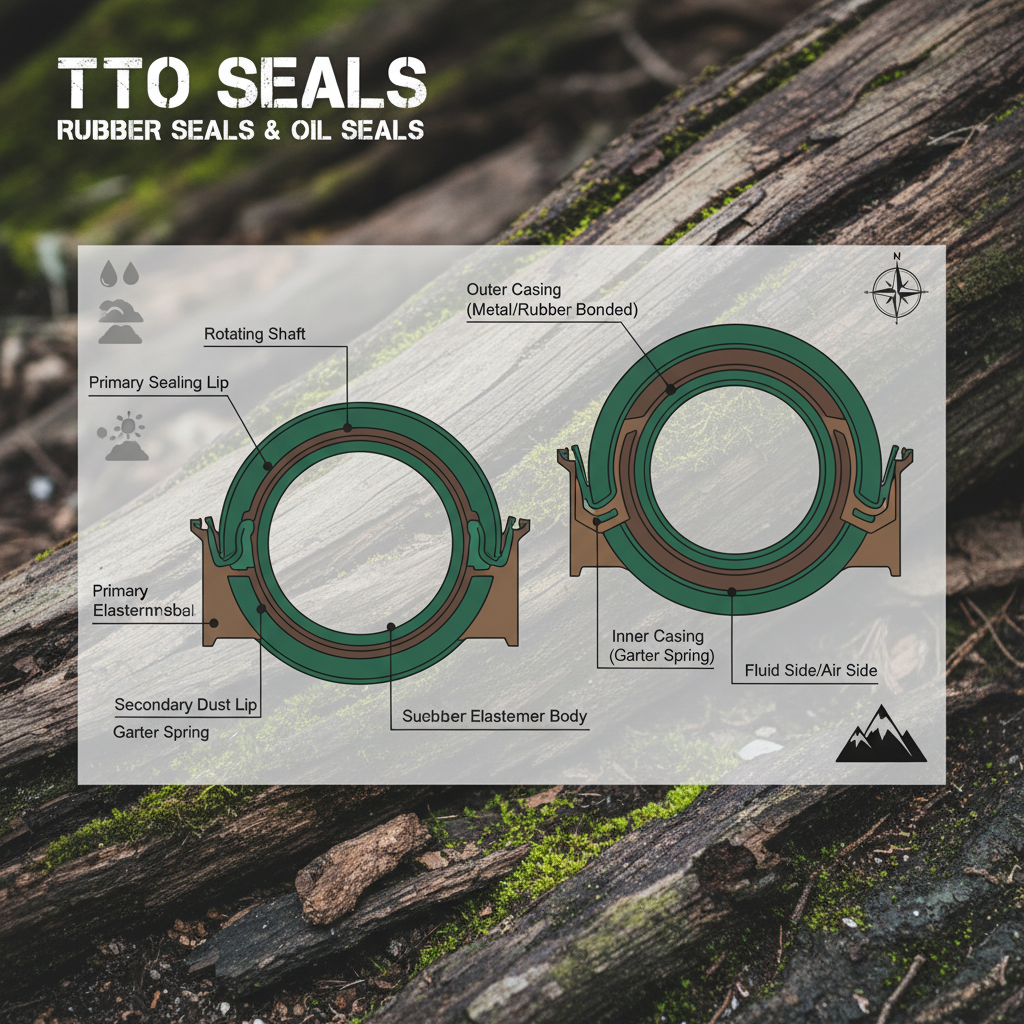
A ptfe oil seal is a mechanical device designed to prevent the leakage of fluids or gases between stationary and moving parts in machinery. Specifically, a ptfe oil seal utilizes the inherent properties of polytetrafluoroethylene (ptfe) to create a tight, reliable barrier. These seals are commonly used in rotating and reciprocating applications where the presence of lubricating oils or other fluids is critical for smooth operation and component longevity.
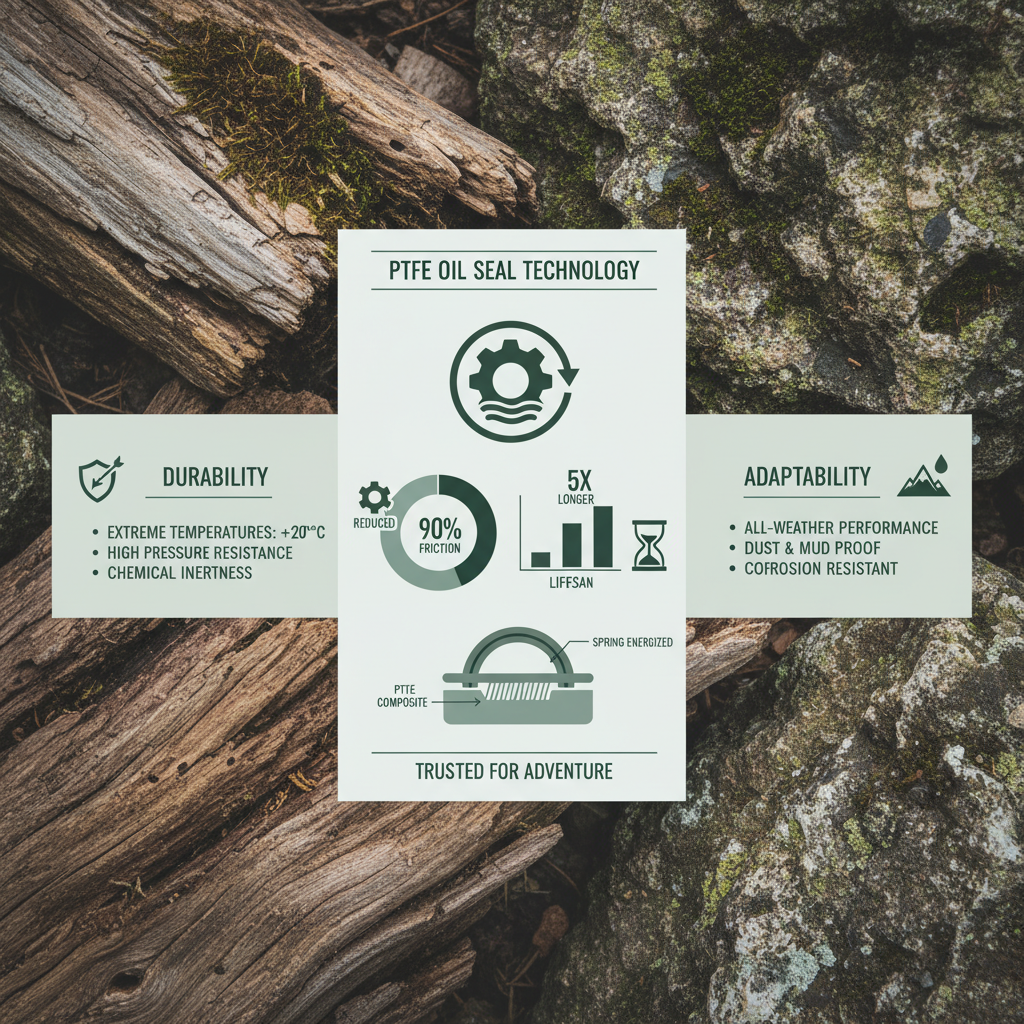
Unlike traditional elastomeric seals, ptfe oil seal offer superior resistance to a wider range of chemicals and temperatures. This makes them ideal for use in aggressive environments where other materials would quickly degrade. Their low friction coefficient also minimizes wear and tear on both the seal itself and the mating surfaces, leading to extended service life.
The connection to modern industry is direct and profound. Modern manufacturing, aerospace, and automotive sectors rely heavily on reliable ptfe oil seal to ensure efficient operation, reduce environmental impact, and maintain product quality. Without effective sealing solutions, these industries would face significant challenges in terms of performance, safety, and sustainability.
Core Properties of ptfe oil seal
The performance of a ptfe oil seal hinges on a combination of key properties inherent to the ptfe material itself and the specific design features incorporated into the seal. One of the most critical is its exceptional chemical resistance. ptfe is virtually inert, meaning it will not react with most chemicals, making it suitable for use with a wide array of fluids, including acids, bases, solvents, and oils.
Another vital property is ptfe's extremely low coefficient of friction. This minimizes wear on both the seal and the shaft or housing, resulting in reduced power consumption and extended service life. This is especially beneficial in high-speed applications where friction can generate significant heat and accelerate degradation. Selecting the proper ptfe oil seal based on these characteristics ensures optimal performance.
Temperature stability is also a significant advantage. ptfe maintains its mechanical properties over a broad temperature range, typically from -200°C to +260°C (-328°F to +500°F). This makes ptfe oil seal suitable for applications involving extreme hot or cold environments. Finally, ptfe exhibits excellent dielectric properties, making it suitable for use in electrical and electronic components.
Applications Across Industries
ptfe oil seal find widespread application in the automotive industry, where they are used in engine seals, transmission seals, and valve stem seals. These seals are crucial for preventing oil leaks and maintaining engine performance. In the aerospace sector, their chemical resistance and temperature stability make them ideal for sealing hydraulic systems and fuel systems in aircraft and spacecraft.
The chemical processing industry relies heavily on ptfe oil seal to contain corrosive chemicals and prevent leaks in pumps, valves, and reactors. Medical device manufacturers utilize these seals in surgical instruments and diagnostic equipment due to their biocompatibility and sterilizability. In the food and beverage industry, ptfe oil seal ensure hygienic operation and prevent contamination of products.
ptfe oil seal Application Distribution
Advantages and Long-Term Value
The advantages of utilizing ptfe oil seal extend beyond their exceptional performance characteristics. The reduced friction inherent in ptfe seals translates directly into energy savings, lowering operating costs and increasing overall system efficiency. Furthermore, their long service life minimizes the need for frequent replacements, reducing maintenance downtime and associated labor costs.
From a sustainability perspective, ptfe oil seal contribute to a reduced environmental footprint. By preventing fluid leaks, they minimize the release of harmful chemicals into the environment. Their durability also reduces waste generation associated with frequent seal replacements. The enhanced reliability offered by ptfe oil seal fosters trust in equipment performance, ultimately contributing to improved safety and operational confidence.
Future Trends in ptfe oil seal Technology
Ongoing research and development are focused on enhancing the properties of ptfe oil seal through the incorporation of advanced fillers and surface treatments. Nanomaterials, such as carbon nanotubes and graphene, are being explored to further reduce friction, improve wear resistance, and enhance thermal conductivity. These advancements promise to unlock even greater performance capabilities for ptfe seals.
Digitalization and the integration of sensor technology are also emerging trends. Smart seals equipped with sensors can monitor operating conditions, detect wear and tear, and provide real-time data for predictive maintenance. This proactive approach can prevent unexpected failures and optimize maintenance schedules. The adoption of automation and advanced manufacturing techniques, like 3D printing, will also enable the creation of customized ptfe oil seal tailored to specific application requirements.
Challenges and Innovative Solutions
Despite their numerous advantages, ptfe oil seal can exhibit a tendency to creep, or slowly deform under sustained pressure. This can lead to leakage over time, particularly in high-pressure applications. Innovative solutions to mitigate creep include the use of reinforcing materials, such as woven fabrics or spiral-wound constructions, and the optimization of seal geometry.
Another challenge is the relatively low stiffness of ptfe, which can make it difficult to achieve a tight seal in certain applications. Engineers are addressing this issue by combining ptfe with stiffer materials, such as elastomers or metals, in hybrid seal designs. The development of self-lubricating ptfe composites, incorporating solid lubricants, also reduces friction and wear, improving seal performance and extending service life.
Finally, ensuring the proper installation of ptfe oil seal is crucial for achieving optimal performance. Improper installation can lead to damage or premature failure. Training programs and standardized installation procedures are essential for ensuring that seals are installed correctly and function as intended.
Overview of Key Considerations for Selecting ptfe oil seal
| Application Environment |
Fluid Compatibility |
Temperature Range |
Pressure Requirements |
| Chemical Processing |
Strong Acids & Bases (Rating: 9/10) |
-50°C to +200°C |
Up to 3000 PSI |
| Automotive Engine |
Engine Oil, Coolant (Rating: 8/10) |
-40°C to +150°C |
Up to 1000 PSI |
| Aerospace Hydraulics |
Hydraulic Fluid, Fuel (Rating: 7/10) |
-60°C to +250°C |
Up to 5000 PSI |
| Food Processing |
Food Grade Oils & Liquids (Rating: 6/10) |
-20°C to +100°C |
Up to 500 PSI |
| Medical Devices |
Sterile Fluids & Gases (Rating: 8/10) |
-20°C to +80°C |
Up to 200 PSI |
| Pharmaceutical Manufacturing |
Solvents & Reagents (Rating: 9/10) |
-30°C to +120°C |
Up to 800 PSI |
FAQS
ptfe oil seal offer significant advantages over rubber seals, including superior chemical resistance, wider temperature operating range, lower friction coefficient, and increased durability. While rubber seals are often more cost-effective initially, the extended lifespan and reduced maintenance requirements of ptfe seals often result in lower total cost of ownership, particularly in harsh environments. The unique properties of ptfe make it suitable for applications where rubber would quickly degrade and fail.
Selecting the correct ptfe oil seal requires careful consideration of several factors. These include the fluid being sealed, the operating temperature and pressure, the speed of rotation or reciprocation, and the desired service life. Different ptfe formulations and filler materials offer varying levels of performance characteristics. Consulting with a sealing specialist can help ensure that you choose the optimal seal for your specific needs.
Yes, ptfe oil seal can be used in vacuum environments due to their low permeability and inherent resistance to outgassing. However, it is crucial to ensure that the seal is properly designed and installed to maintain a tight seal under vacuum conditions. Specific ptfe formulations designed for vacuum applications may be necessary to minimize outgassing and ensure optimal performance.
The lifespan of a ptfe oil seal varies considerably depending on the application and operating conditions. However, with proper selection and installation, ptfe seals can often provide several years of reliable service. Factors such as fluid compatibility, temperature, pressure, and speed all influence seal longevity. Regular inspection and maintenance can help extend the life of the seal and prevent premature failure.
While ptfe oil seal offer numerous advantages, they do have some limitations. ptfe exhibits a tendency to creep under sustained pressure, and it can be relatively expensive compared to other sealing materials. Its low stiffness can also be a challenge in certain applications. However, these limitations can often be mitigated through proper seal design, material selection, and installation techniques.
ptfe oil seal generally require minimal maintenance. Regular inspection for wear, damage, or leaks is recommended. It's important to ensure the sealing surfaces are clean and free from contaminants. Lubrication may be required in some applications to reduce friction and extend seal life. Replacing the seal at predetermined intervals, based on operating conditions and manufacturer recommendations, can help prevent unexpected failures.
Conclusion
In conclusion, ptfe oil seal represent a critical component in numerous industrial applications, offering unparalleled chemical resistance, temperature stability, and low friction. Their ability to enhance operational efficiency, reduce maintenance costs, and promote environmental sustainability makes them an indispensable part of modern engineering. The continued development of advanced ptfe formulations and innovative seal designs promises to further expand their capabilities and address emerging challenges.
Looking ahead, embracing advancements in material science, sensor technology, and automation will be key to unlocking the full potential of ptfe oil seal. Continued research and development efforts should focus on mitigating creep, enhancing stiffness, and developing self-lubricating materials. By investing in these areas, we can ensure that ptfe oil seal remain at the forefront of sealing technology for years to come. To explore a comprehensive range of high-quality ptfe oil seal solutions, visit our website: www.yjmseal.com





 English
  Afrikaans
  Albanian
  Amharic
  Arabic
  Armenian
  Azerbaijani
  Basque
  Belarusian
  Bengali
  Bosnian
  Bulgarian
  Catalan
  Cebuano
  Corsican
  Croatian
  Czech
Czech  Danish
  Dutch
Dutch  Esperanto
  Estonian
  Finnish
  French
  Frisian
  Galician
  Georgian
  German
  Greek
Greek  Gujarati
  Haitian Creole
  Hausa
Hausa  Hawaiian
  Hebrew
  Hindi
Hindi  Miao
Miao  Hungarian
  Icelandic
  Igbo
Igbo  Indonesian
  Irish
Irish  Italian
  Japanese
  Javanese
  Kannada
  Kazakh
  Khmer
Khmer  Rwandese
  Korean
  Kurdish
  Kyrgyz
  Lao
Lao  Latin
Latin  Latvian
  Lithuanian
  Luxembourgish
  Macedonian
  Malgashi
  Malay
Malay  Malayalam
  Maltese
  Maori
Maori  Marathi
  Mongolian
  Myanmar
  Nepali
  Norwegian
  Norwegian
  Occitan
  Pashto
  Persian
  Polish
  Portuguese
  Punjabi
  Romanian
  Russian
  Samoan
  Scottish Gaelic
  Serbian
  Sesotho
  Shona
Shona  Sindhi
  Sinhala
  Slovak
  Slovenian
  Somali
  Spanish
  Sundanese
  Swahili
  Swedish
  Tagalog
  Tajik
Tajik  Tamil
Tamil  Tatar
Tatar  Telugu
  Thai
Thai  Turkish
  Turkmen
  Ukrainian
  Urdu
Urdu  Uighur
  Uzbek
Uzbek  Vietnamese
  Welsh
Welsh  Bantu
Bantu  Yiddish
  Yoruba
  Zulu
Zulu