High pressure seals are critical components in a vast array of industries, from oil and gas exploration to aerospace engineering and beyond. Their primary function is to prevent leakage of fluids or gases under extreme pressure conditions, ensuring operational safety, efficiency, and environmental protection. Understanding the principles behind high pressure seal design, materials, and applications is paramount for engineers, technicians, and anyone involved in systems operating under significant stress.
The global demand for reliable high pressure seal solutions is continuously growing, driven by advancements in technology and the increasing complexity of industrial processes. Standards organizations like ISO and API play a vital role in defining performance criteria and quality control measures for these seals, fostering confidence in their application. A failure in a high pressure seal can have catastrophic consequences, emphasizing the importance of selecting the right seal for the job.
This understanding of high pressure seal technology isn’t just an engineering concern; it impacts safety regulations, environmental sustainability, and ultimately, economic viability across numerous sectors. The development of innovative sealing materials and designs directly contributes to enhanced efficiency and reduced environmental impact in high-pressure environments.
Introduction to High Pressure Seals
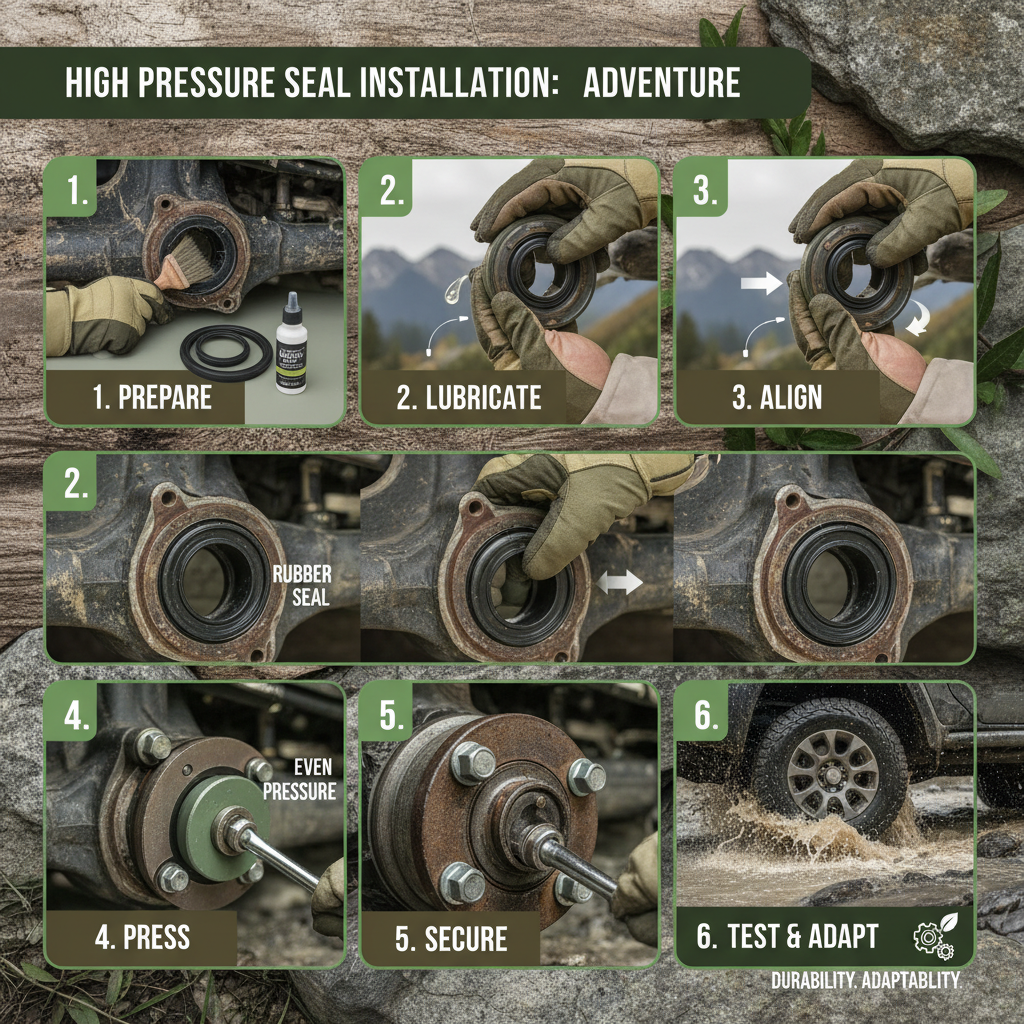
High pressure seals are engineered to maintain a leak-proof barrier in applications where extreme pressures exist. These are not your everyday O-rings; they are meticulously designed and manufactured to withstand forces that would quickly compromise standard sealing solutions. The choice of material, geometry, and installation process are all crucial to ensuring long-term reliability.
Different types of high pressure seals cater to specific applications. From metal seals used in extreme temperature environments to polymeric seals offering flexibility and cost-effectiveness, the selection process is tailored to the unique demands of the system. Understanding these different approaches is the first step toward effective high pressure seal application.
Global Relevance and Industrial Context
The need for robust high pressure seals spans the globe and touches nearly every industry. The oil and gas sector, for example, relies heavily on these seals in downhole drilling operations, pipeline infrastructure, and refinery processes. According to the U.S. Energy Information Administration, global oil consumption continues to rise, driving demand for secure and efficient extraction and transportation technologies, where high pressure seal performance is vital.
The aerospace industry also presents stringent requirements for high pressure seals, used in hydraulic systems, engine components, and fuel delivery systems. The International Air Transport Association (IATA) emphasizes the importance of safety and reliability in aviation, making high-quality seals indispensable. Similarly, the chemical processing industry, with its handling of corrosive and high-pressure substances, demands seals that can withstand harsh environments.
A major challenge in many regions is the aging infrastructure in oil and gas pipelines and chemical plants. Replacing and upgrading seals in these systems is crucial to prevent leaks, ensure safety, and meet increasingly strict environmental regulations. The cost of failure can be immense, both financially and environmentally, creating a constant drive for innovation in high pressure seal technology.
Defining High Pressure Seals
Simply put, a high pressure seal is a component designed to prevent the escape of fluids or gases from a pressurized system. However, the definition extends beyond just blocking flow. It encompasses the ability to maintain that seal under substantial pressure, often combined with extreme temperatures, corrosive chemicals, or dynamic movement. High pressure seal designs prioritize maintaining dimensional stability and preventing material degradation under stress.
Their connection to modern industry is inextricable. Without reliable high pressure seals, industries like hydraulic fracturing, deep-sea exploration, and advanced manufacturing would simply not be feasible. These seals are also crucial in applications supporting humanitarian needs, such as medical gas cylinders and emergency water purification systems, where maintaining system integrity is a matter of life and death.
The term "high pressure" isn't absolute; it’s relative to the application. What constitutes high pressure in a hydraulic system (thousands of PSI) differs vastly from that in a pharmaceutical manufacturing process. Consequently, seal design and material selection are always application-specific, requiring careful consideration of the operating environment and expected pressures.
Key Factors in High Pressure Seal Performance
Several key factors dictate the performance and longevity of high pressure seals. Durability, in terms of resistance to wear, abrasion, and fatigue, is paramount, especially in dynamic applications. Material selection plays a critical role here, with options ranging from high-strength alloys to advanced polymers.
Scalability – the ability to adapt the seal design to different sizes and configurations – is another important consideration. Many applications require seals of varying dimensions, so a scalable design streamlines manufacturing and reduces costs. Cost efficiency isn’t just about the initial purchase price; it includes factors like installation time, maintenance requirements, and potential downtime costs associated with failures.
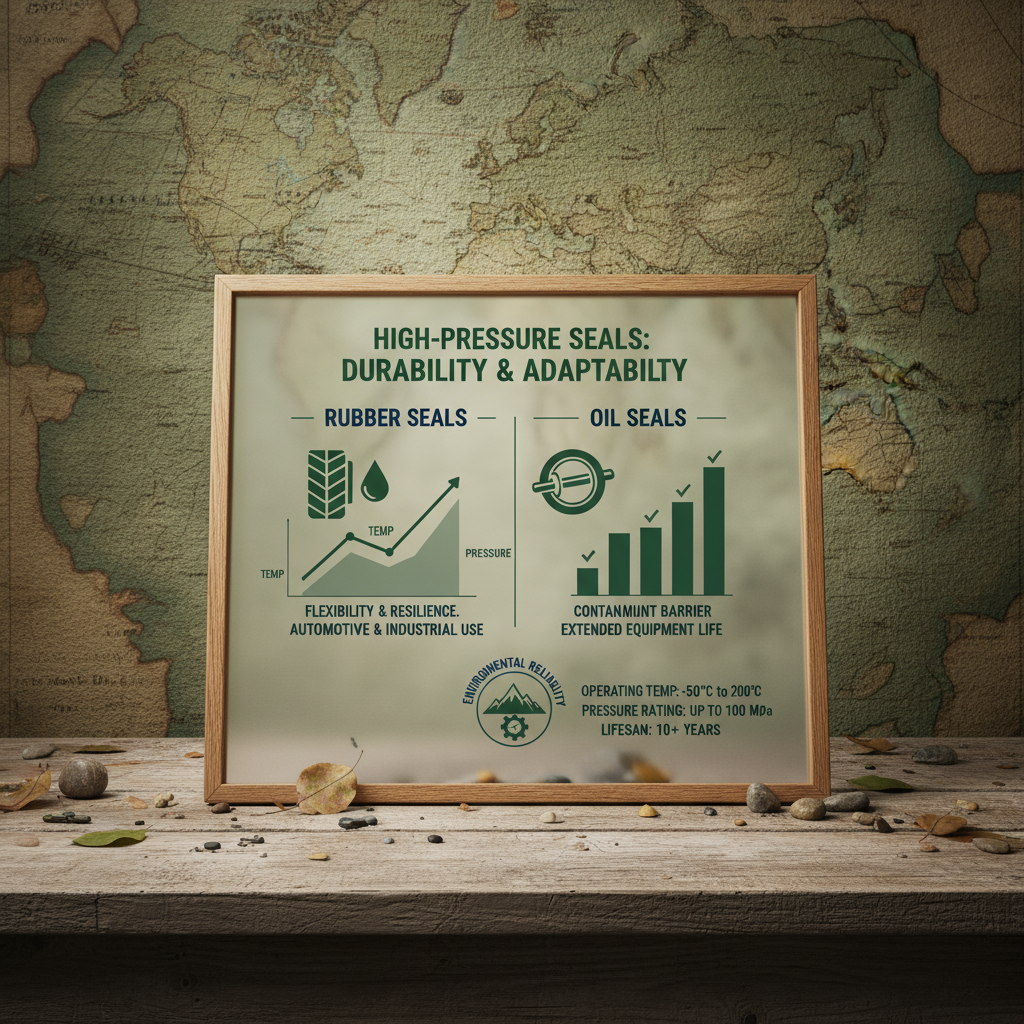
High Pressure Seal Performance Metrics
Applications Across Industries
In the oil and gas industry, high pressure seals are indispensable in wellhead equipment, subsea connectors, and downhole tools, where they prevent leaks of oil, gas, and drilling fluids. The extreme pressures and temperatures encountered in these applications demand seals made from specialized materials like FFKM (Perfluoroelastomer) and metal alloys.
Aerospace applications utilize high pressure seals in hydraulic actuators, engine components, and fuel systems, requiring exceptional reliability and performance under extreme conditions. The automotive industry employs these seals in power steering systems, brake boosters, and fuel injection systems. In post-disaster relief operations, portable water purification systems rely on high pressure seal technology to ensure access to clean water.
Advantages and Long-Term Value
The advantages of utilizing high quality high pressure seals extend far beyond simply preventing leaks. Reduced downtime due to fewer failures translates directly into cost savings. Sustainability is also a key benefit; preventing leaks minimizes environmental contamination and conserves valuable resources.
Reliability inspires trust and ensures the safety of personnel and equipment. The innovation embodied in advanced high pressure seal designs contributes to enhanced efficiency and overall system performance. Investing in quality seals is an investment in the long-term integrity and profitability of any operation relying on pressurized systems.
Future Trends and Innovations in High Pressure Seal Technology
The future of high pressure seal technology is intertwined with advancements in materials science and manufacturing processes. Research into self-healing polymers and smart seals (with integrated sensors) promises to further enhance reliability and reduce maintenance requirements. Digital transformation and automation are streamlining seal design and testing, accelerating the development of customized solutions.
A growing focus on sustainability is driving demand for environmentally friendly seal materials and manufacturing techniques. Green energy applications, such as hydrogen fuel cells and carbon capture technologies, require seals capable of operating in unique and challenging environments. The integration of artificial intelligence (AI) and machine learning (ML) will optimize seal performance prediction and lifespan analysis.
Furthermore, the trend toward miniaturization in various industries requires the development of smaller, more precise high pressure seals, pushing the boundaries of engineering capabilities. Continuous innovation is essential to meet the evolving demands of modern industry and ensure the continued safe and efficient operation of high-pressure systems.
FAQS
Common materials include FFKM, PTFE, metal alloys (like Inconel and Hastelloy), and various elastomers. The specific material chosen depends heavily on the pressure, temperature, chemical compatibility, and dynamic conditions of the application. FFKM offers exceptional chemical resistance, while metal seals excel in extreme temperature environments.
Accurate sizing is critical. You'll need to measure the gland dimensions (bore diameter, groove width, and gland height) precisely. Consult the seal manufacturer's specifications and installation guidelines. Improper sizing can lead to premature failure. Often a qualified seal engineer can help with this process.
Lifespan varies significantly based on operating conditions. Factors like pressure cycling, temperature fluctuations, chemical exposure, and abrasion all contribute to wear. With proper selection, installation, and maintenance, a high-quality seal can last for several years. Regular inspection and preventative maintenance are key.
Yes, but material compatibility is crucial. FFKM and PTFE are excellent choices for highly corrosive environments. Ensure the seal material is specifically rated for the fluid in question. Using an incompatible material will result in rapid degradation and seal failure.
Common causes include improper installation, exceeding pressure limits, incompatibility with the fluid, temperature extremes, abrasion from particulate contamination, and material degradation over time. Regular inspection and adherence to manufacturer recommendations can prevent many failures.
A static seal prevents leakage between surfaces that are not moving relative to each other, while a dynamic seal prevents leakage between surfaces that are in motion. Dynamic seals require greater attention to friction, wear, and lubrication. The design and material selection differ significantly between the two.
Conclusion
In conclusion, high pressure seals are vital components underpinning the safety, efficiency, and reliability of numerous industrial processes worldwide. Their performance is dictated by a complex interplay of material science, engineering design, and operational considerations. From the oil and gas sector to aerospace and beyond, these seals are essential for preventing leaks, protecting equipment, and ensuring environmental sustainability.
Looking forward, continued innovation in materials, manufacturing techniques, and predictive maintenance strategies will further enhance the performance and longevity of high pressure seals. A proactive approach to seal selection, installation, and maintenance is paramount for maximizing the long-term value of these critical components. For high-quality high pressure seal solutions, visit our website today.




 English
  Afrikaans
  Albanian
  Amharic
  Arabic
  Armenian
  Azerbaijani
  Basque
  Belarusian
  Bengali
  Bosnian
  Bulgarian
  Catalan
  Cebuano
  Corsican
  Croatian
  Czech
Czech  Danish
  Dutch
Dutch  Esperanto
  Estonian
  Finnish
  French
  Frisian
  Galician
  Georgian
  German
  Greek
Greek  Gujarati
  Haitian Creole
  Hausa
Hausa  Hawaiian
  Hebrew
  Hindi
Hindi  Miao
Miao  Hungarian
  Icelandic
  Igbo
Igbo  Indonesian
  Irish
Irish  Italian
  Japanese
  Javanese
  Kannada
  Kazakh
  Khmer
Khmer  Rwandese
  Korean
  Kurdish
  Kyrgyz
  Lao
Lao  Latin
Latin  Latvian
  Lithuanian
  Luxembourgish
  Macedonian
  Malgashi
  Malay
Malay  Malayalam
  Maltese
  Maori
Maori  Marathi
  Mongolian
  Myanmar
  Nepali
  Norwegian
  Norwegian
  Occitan
  Pashto
  Persian
  Polish
  Portuguese
  Punjabi
  Romanian
  Russian
  Samoan
  Scottish Gaelic
  Serbian
  Sesotho
  Shona
Shona  Sindhi
  Sinhala
  Slovak
  Slovenian
  Somali
  Spanish
  Sundanese
  Swahili
  Swedish
  Tagalog
  Tajik
Tajik  Tamil
Tamil  Tatar
Tatar  Telugu
  Thai
Thai  Turkish
  Turkmen
  Ukrainian
  Urdu
Urdu  Uighur
  Uzbek
Uzbek  Vietnamese
  Welsh
Welsh  Bantu
Bantu  Yiddish
  Yoruba
  Zulu
Zulu