Oil Pan Screw Guide – Durable Industrial Engine Fasteners
Oil Pan Screw: A Small Component That Makes a Big Difference
Having spent well over a decade in the industrial equipment sector, I’ve come to appreciate the little parts that often go unnoticed but are absolutely critical to machinery performance. One such component is the oil pan screw. It sounds simple, just a screw, right? Yet, the quality, design, and material of an oil pan screw can make or break not just the seal integrity but also affect maintenance and machinery lifespan.
Let me share what I’ve noticed over the years. Oil pan screws need to be tough — they’re screwed into the engine block repeatedly during servicing, often in oily, sometimes gritty environments. A cheap screw can strip easily or corrode, causing leaks that drive mechanics mad and downtime skyrocket. Frankly, many engineers I’ve worked with say choosing the right oil pan screw is sometimes more about the fit and the finish than just the specs on paper.
In real terms, these screws usually are made from carbon steel or stainless steel, often treated with coatings like zinc plating for corrosion resistance. The threading must be precise; even a slight mismatch can cause oil seepage. At YJM Seal, for example, I’ve seen a focus on custom thread sizing and hardened materials that stand up well to vibration and heat — essential when you’re dealing with everything from industrial diesel engines to agricultural equipment.
Testing protocols often include salt spray tests for corrosion, tensile strength validation, and repeated torque application to simulate tightening cycles. Oddly enough, it’s not always the biggest or thickest screw that’s best; balanced design wins. I recall a client who switched from a generic oil pan screw to a bespoke version with enhanced thread geometry. The result? Zero leaks during a 6-month field test and a noticeably easier maintenance routine for their service techs.
| Specification | Details |
|---|---|
| Material | Carbon Steel / Stainless Steel |
| Coating | Zinc Plating / Black Oxide |
| Thread Size | Varies (M6 to M12 commonly) |
| Torque Rating | Typically 10-25 Nm depending on size |
| Application | Engine Oil Pans for Industrial & Automotive |
When it comes to sourcing, the market is surprisingly varied. I’ve tested screws from generic suppliers, OEM producers, and specialty vendors. Here’s a quick comparison based on experience and feedback from field engineers:
| Vendor | Material Quality | Fit & Finish | Price Point | Availability |
|---|---|---|---|---|
| YJM Seal | High-grade stainless, custom options | Precision threading, consistent finish | Moderate | Excellent (global shipping) |
| Generic Supplier A | Standard carbon steel | Inconsistent threads | Low | Good (regional) |
| OEM Manufacturer | Engine-specific alloys | Exact fit, OEM spec | High | Limited (brand specific) |
Custom solutions, like those offered at YJM Seal, often pay off in the long run. A memorable case involved a large fleet operator who was battling persistent oil leaks from inferior screws. By switching to a bespoke screw designed with enhanced corrosion resistance and reinforced threading, their workshops reported a 30% faster turnaround on oil pan service slots—because parts fit better and sealing was more reliable.
Oddly enough, it’s not always flashy upgrades or high-end components that yield the best results. Often, it’s the incremental refinements, like thread geometry and coating quality, that make these humble oil pan screws so reliable. It’s funny how we sometimes overlook these tiny parts — yet, they quietly keep the engines running clean and efficiently, batch after batch, year after year.
If you’re in the market for durable oil pan screws, I’d say give suppliers who specialize in industrial sealing components a close look. The difference in quality really can save time, money, and headaches down the road.
Oh, and just a quick tip from the field: always check compatibility with your specific engine model and consider the operating environment (heat, moisture, vibration). These factors aren’t just minor details; they influence which oil pan screw will serve you best.
In closing, the oil pan screw might be small, but it’s an unsung hero in engine maintenance. I suppose recognizing its importance and choosing wisely is a mark of good industrial craftsmanship and savvy operations management.
References:
- Industrial Fasteners and Their Role in Equipment Longevity – Journal of Mechanical Maintenance (2021)
- Corrosion Resistance in Engine Components – Engine Tech Review (2022)
- User Testimony: Fleet Oil Leak Reduction Strategies – Workshop Monthly (2023)
-
Guide to Choosing the Right Washer for Oil Change and Sealing
News Apr.16,2026
-
Essential Guide to High Quality rubber washer oil drain plug
News Apr.09,2026
-
Understanding Rubber Crush Washers for Optimal Sealing Performance
News Apr.07,2026
-
Comprehensive Guide to Understanding and Reusing Crush Washer for Optimal Sealing
News Apr.04,2026
-
The Vital Role of a Drain Screw Gasket in Fluid System Integrity
News Mar.31,2026
-
The Essential Guide to Drain Crush Washer Selection and Plumbing Leak Prevention
News Mar.28,2026
-
The Vital Role of a Crush Washer in Oil Changes for Engine Protection
News Mar.26,2026
Products categories
-
Brass cutlass marine bearing
-
Genuine OEM Engine Oil Filter Housing Cover O-Ring For VW/Audi 06E115446
-
Oil Filter Stand Gasket,Oil filter cover seal
-
Oil Cooler Gasket, Oil Cooler to Oil Filter Housing 11427525335
-
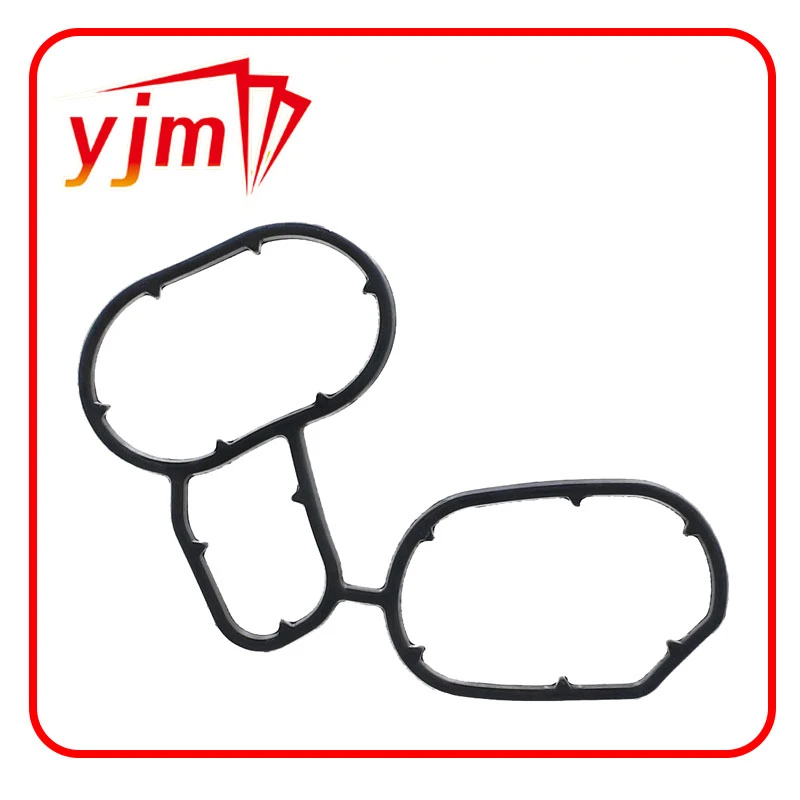
11427508970 BMW - OIL FILTER HOUSING GASKETS
-
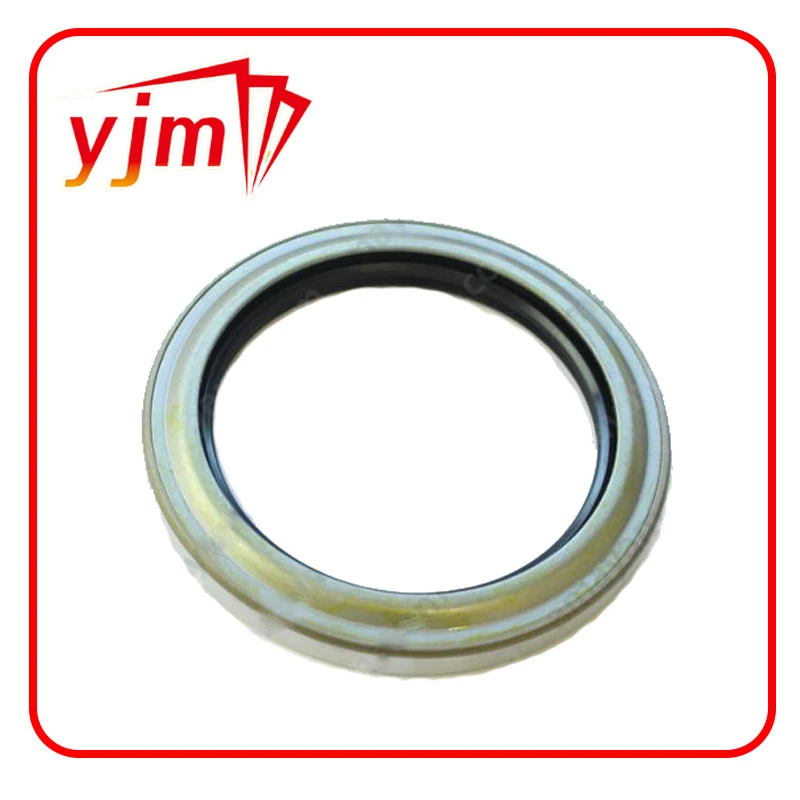
SEAL, OIL Genuine Toyota (9031170011)
-
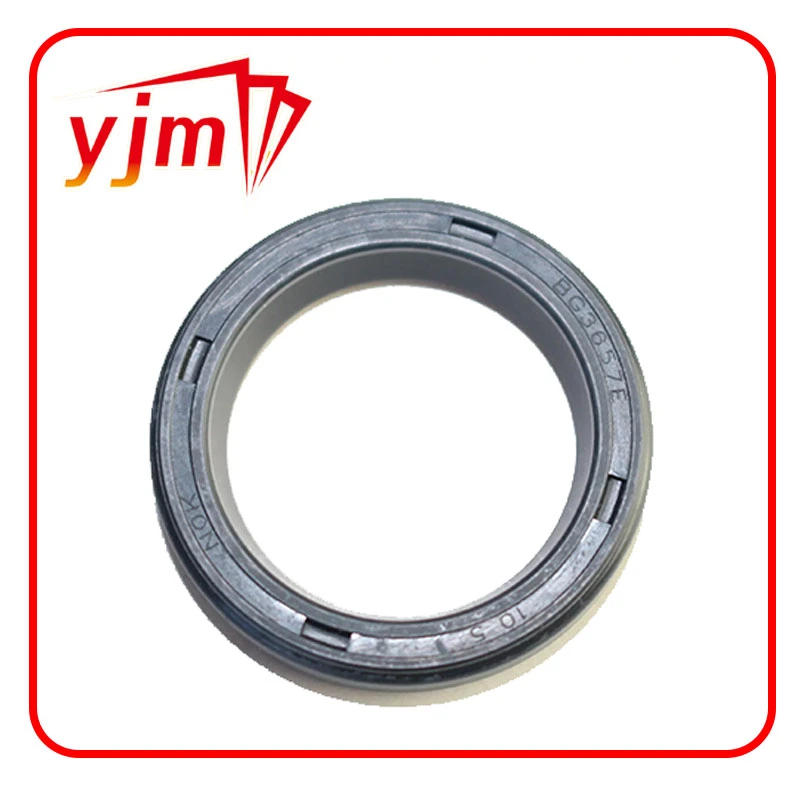
Transfer Case Output Shaft Seal Part 9031223001
-
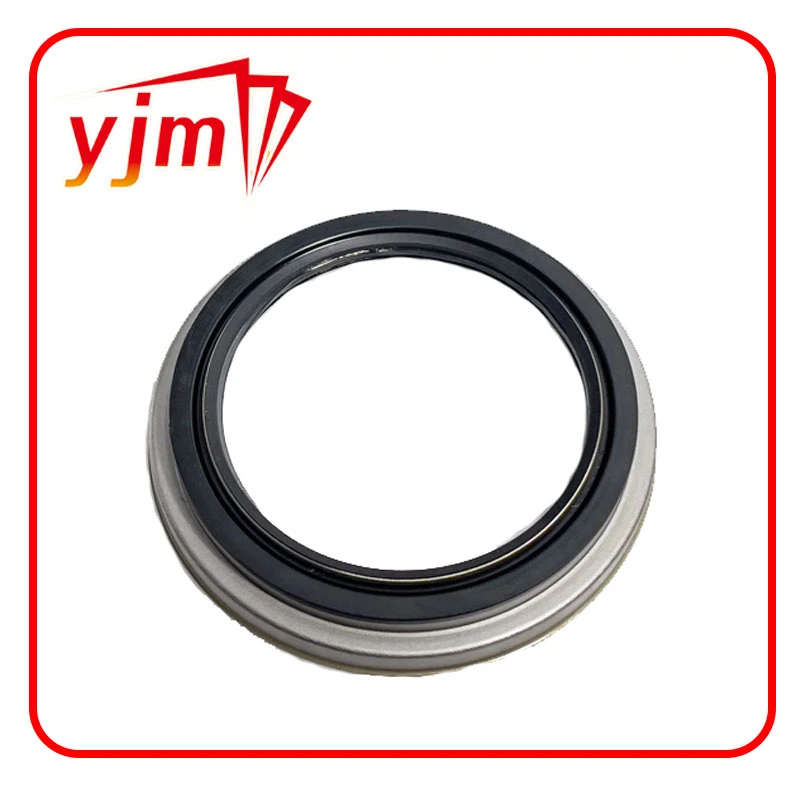
SEAL, OIL Genuine Toyota (9031672001)
-
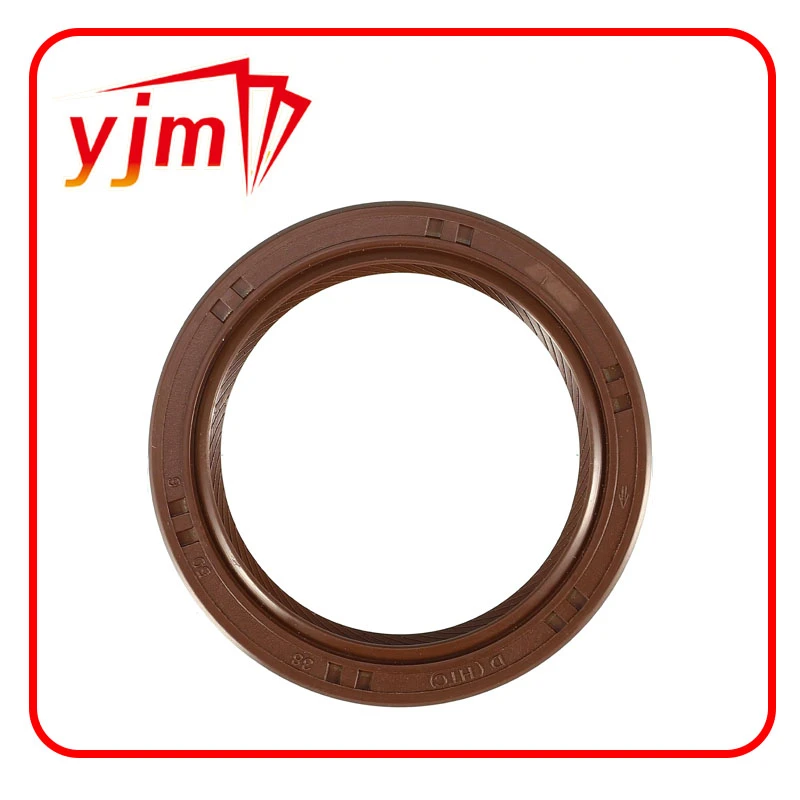
Engine Crankshaft Oil Seal No.9031138096
-
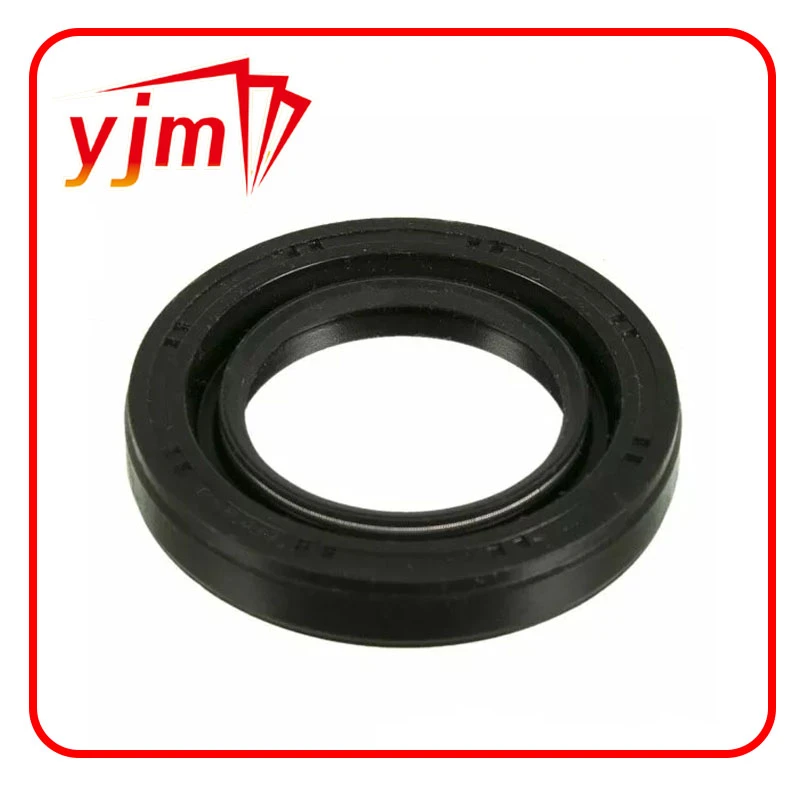
Toyota Transfer Case Output Shaft Seal Front 9031136006
-
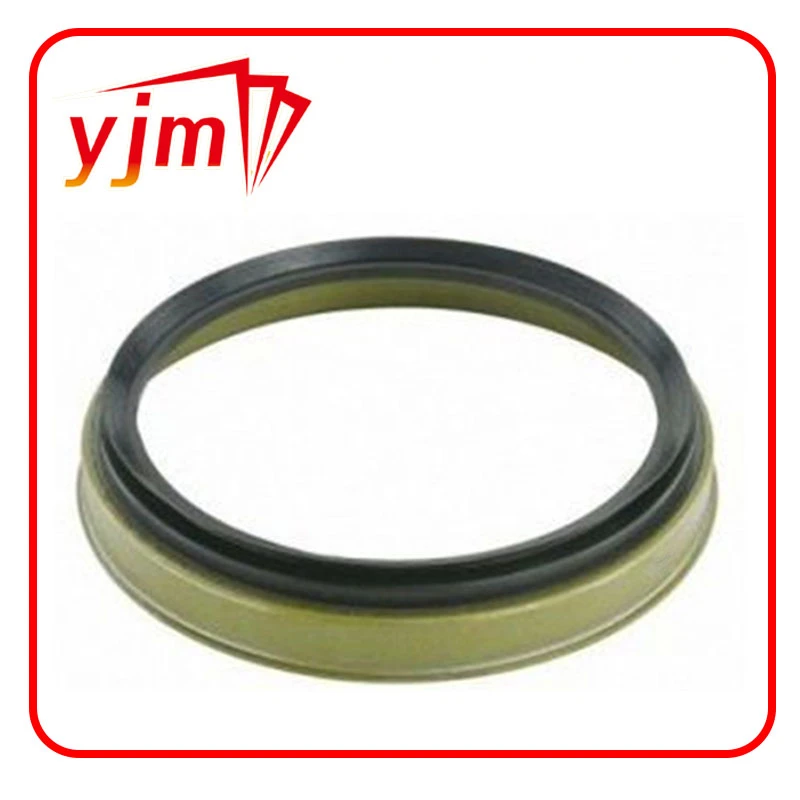
Seal, type v oil 9031287001 TOYOTA
-
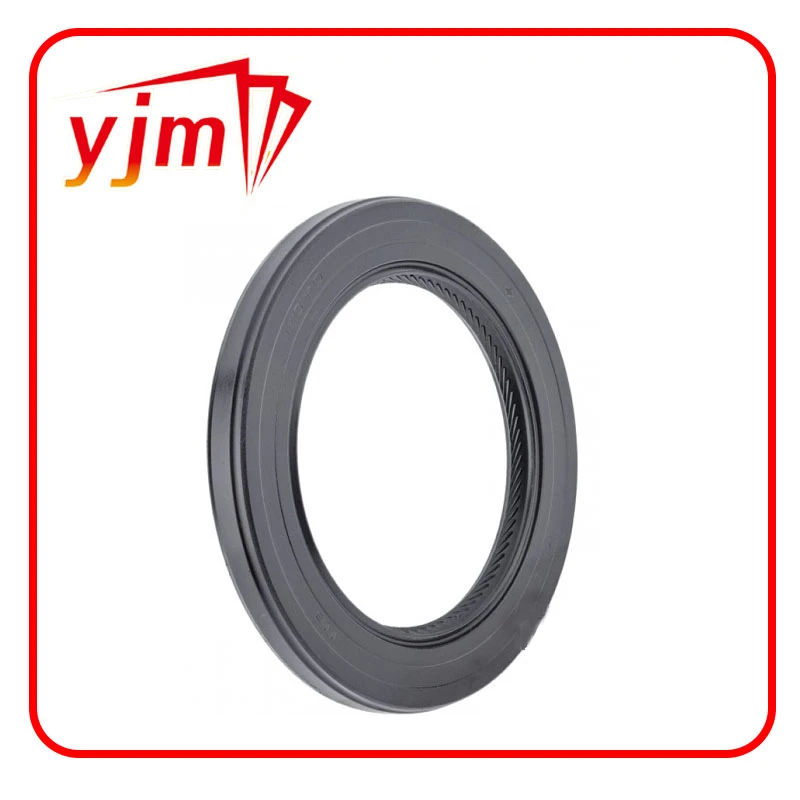
Oil pump seal 9031143010
-
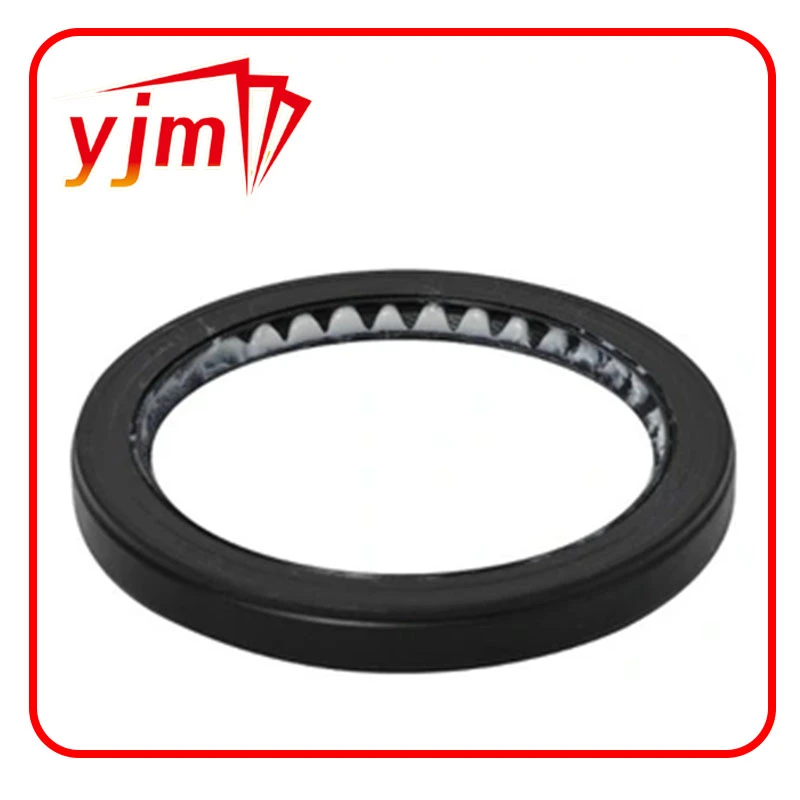
Genuine Toyota Oil SEAL 90311-54006
-
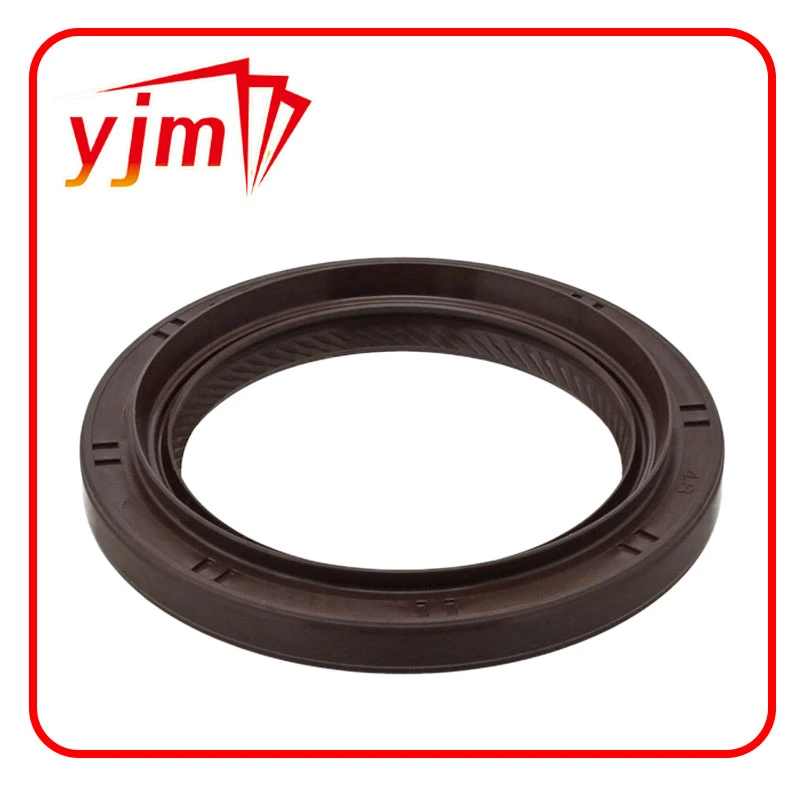
Toyota SEAL TYPE T OIL 90311-48031
-
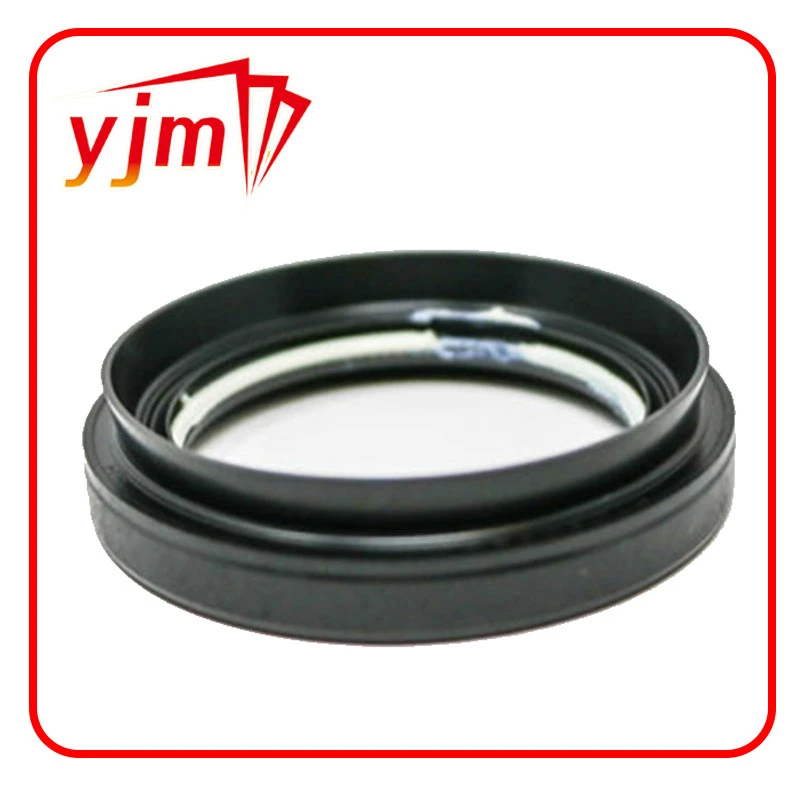
Type T Oil Seal, Front Drive Shaft, Left 9031150064
-
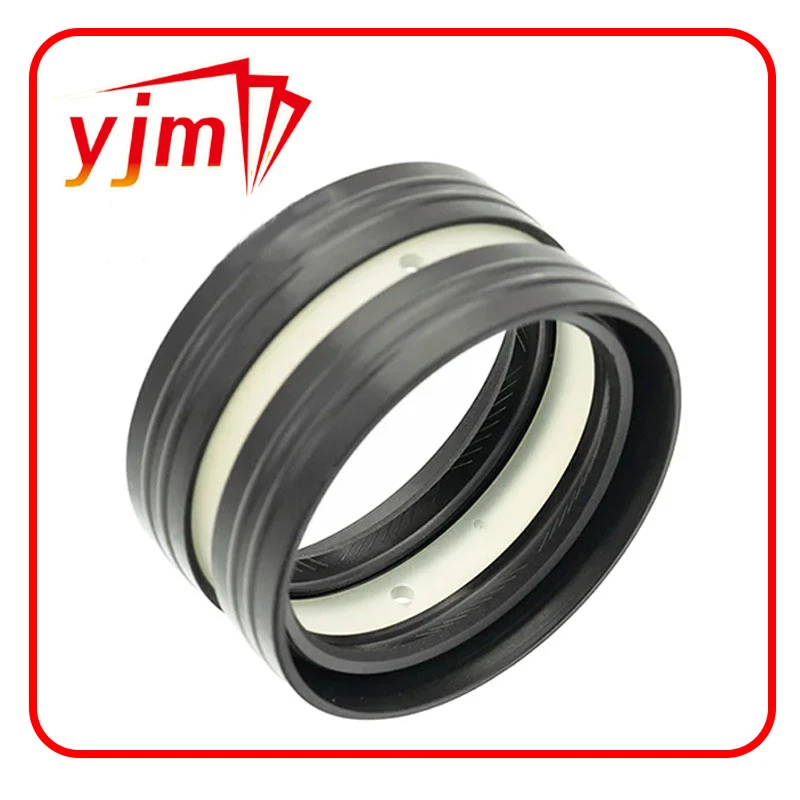
Seal, type d oil 9031634001 TOYOTA
 Afrikaans
 Albanian
 Amharic
 Arabic
 Armenian
 Azerbaijani
 Basque
 Belarusian
 Bengali
 Bosnian
 Bulgarian
 Catalan
 Cebuano
 Corsican
 Croatian
 Czech
Czech
 Danish
 Dutch
Dutch
 Esperanto
 Estonian
 Finnish
 French
 Frisian
 Galician
 Georgian
 German
 Greek
Greek
 Gujarati
 Haitian Creole
 Hausa
Hausa
 Hawaiian
 Hebrew
 Hindi
Hindi
 Miao
Miao
 Hungarian
 Icelandic
 Igbo
Igbo
 Indonesian
 Irish
Irish
 Italian
 Japanese
 Javanese
 Kannada
 Kazakh
 Khmer
Khmer
 Rwandese
 Korean
 Kurdish
 Kyrgyz
 Lao
Lao
 Latin
Latin
 Latvian
 Lithuanian
 Luxembourgish
 Macedonian
 Malgashi
 Malay
Malay
 Malayalam
 Maltese
 Maori
Maori
 Marathi
 Mongolian
 Myanmar
 Nepali
 Norwegian
 Norwegian
 Occitan
 Pashto
 Persian
 Polish
 Portuguese
 Punjabi
 Romanian
 Russian
 Samoan
 Scottish Gaelic
 Serbian
 Sesotho
 Shona
Shona
 Sindhi
 Sinhala
 Slovak
 Slovenian
 Somali
 Spanish
 Sundanese
 Swahili
 Swedish
 Tagalog
 Tajik
Tajik
 Tamil
Tamil
 Tatar
Tatar
 Telugu
 Thai
Thai
 Turkish
 Turkmen
 Ukrainian
 Urdu
Urdu
 Uighur
 Uzbek
Uzbek
 Vietnamese
 Welsh
Welsh
 Bantu
Bantu
 Yiddish
 Yoruba
 Zulu
Zulu
 English