Expandable Oil Drain Plug: Global Benefits, Applications & Innovation Guide
Understanding the Expandable Oil Drain Plug: A Small Part, Big Impact
The expandable oil drain plug might sound like an obscure automotive component, but it plays an outsized role in vehicle maintenance and industrial machinery worldwide. From improving oil changes to minimizing environmental hazards, this nifty device has quietly become a technical staple. It’s fascinating how something so small can enhance efficiency, safety, and sustainability — and frankly, understanding its design and application is key to keeping machines running smoothly and protecting our ecosystems.
Introduction: Why the Expandable Oil Drain Plug Matters Globally
Globally, transportation and heavy industry rely heavily on machinery that demands regular oil maintenance. According to the International Organisation for Standardisation (ISO), global machinery maintenance costs account for significant operational expenditure and environmental footprints. Traditional oil drain plugs often leak or strip threads during removal, leading to spills or costly repairs. The expandable oil drain plug addresses these issues by providing a secure, adaptable seal that reduces waste and downtime. Considering the millions of vehicles and industrial machines worldwide, even incremental improvements in maintenance tools mean major environmental and economic benefits.
Defining the Expandable Oil Drain Plug
In simple terms, an expandable oil drain plug is a sealing device inserted into the oil pan drain hole, which expands internally to form a tight fit when screwed in. This expansion mechanism ensures a leak-proof seal and prevents loosening caused by vibrations. It’s particularly useful in modern engines and industrial equipment where precision and durability are non-negotiable. In humanitarian and industrial terms, the plug’s reliability means less mechanical failure in critical machinery — a small but vital part that can enhance safety and operational continuity worldwide.
Key Features of the Expandable Oil Drain Plug
1. Durability
Most expandable plugs are made of robust polypropylene or metal alloys treated against corrosion, ensuring they withstand heat and chemical exposure common in engines.
2. Leak Resistance
The core feature is the internal expansion system — often a rubberized or silicone sleeve activated by tightening the plug — sealing tightly to prevent oil leaks, protecting both machinery and the environment.
3. Thread Compatibility
Expandable plugs come in multiple thread sizes and pitches, facilitating easy replacement and custom fits for different vehicle models or machinery types.
4. Ease of Installation
Unlike traditional plugs that require a wrench and risk thread damage, expandable plugs are designed for quick hand or tool-assisted installation, cutting time and fuss.
5. Environmental Safety
By preventing leaks, these plugs help avoid oil contamination in soil and water, aligning with evolving environmental regulations worldwide.
Product Specifications at a Glance
| Specification | Description |
|---|---|
| Material | Polypropylene or corrosion-resistant alloy |
| Thread Size | Common sizes include M12x1.25, M14x1.5, M16x1.5 |
| Seal Type | Internal rubber/silicone expandable sleeve |
| Temperature Range | -40°C to 150°C (operational) |
| Installation | Hand tightened with optional tool assistance |
Comparing Leading Vendors of Expandable Oil Drain Plugs
| Vendor | Material Quality | Thread Options | Price Range | Warranty |
|---|---|---|---|---|
| YJM Seal | High-grade corrosion resistant alloy | Wide range (M12–M18) | $$ | 1 year |
| SealProTech | Polypropylene-based | Limited (M14, M16) | $ | 6 months |
| OilGuard | Stainless steel | M12, M14, M16, M18 | $$$ | 2 years |
Global Applications and Use Cases
Expandable oil drain plugs have diverse industrial applications worldwide. In Europe and North America, automotive manufacturers increasingly specify them for high-performance engines. In manufacturing plants across Asia, these plugs help reduce oil leakage in industrial compressors and generators—especially critical in areas with strict environmental laws. Oddly enough, even humanitarian organizations operating mobile field hospitals or generators in disaster zones rely on these plugs to keep equipment running reliably with minimal maintenance expertise on-site. The versatility in harsh conditions—from cold Siberia to tropical Africa—means the expandable oil drain plug is quietly essential behind the scenes.
expandable oil drain plug technology thus represents a tiny but transformative element in the machinery maintenance ecosystem worldwide.
Advantages and Long-Term Value
- Cost Savings: Less downtime and longer thread life reduce maintenance expenses.
- Sustainability: Preventing oil leaks helps avoid soil and water contamination.
- Reliability: The tight seal enhances machine safety, minimizing unexpected breakdowns.
- Ease of Use: Faster oil changes allow operators to maintain equipment more efficiently.
On an emotional level, operators report feeling reassured about their equipment’s safety, and facility managers appreciate less environmental risk. Innovative though small, these plugs inspire trust that your machinery is cared for—and frankly, that peace of mind is invaluable.
Future Trends and Innovations
The road ahead for expandable oil drain plugs will likely feature more eco-friendly materials, such as biodegradable seals and recycled alloys. Automation in maintenance means plugs integrated with sensors that detect leaks or loosening in real-time could emerge soon — part of the broader digital transformation sweeping industrial equipment. Green energy devices like wind turbines needing durable seals might also benefit from customizable expandable plugs designed to withstand extreme environments. It’s an exciting time for a product many overlook because it quietly does its job day in, day out.
Challenges and Solutions
There are still hurdles, of course. Some plugs struggle with thread compatibility across older or customized engines, and improper installation can negate the benefits. However, manufacturers like YJM Seal are addressing these issues by supplying detailed installation guides and offering a wider variety of thread sizes. Plus, continued R&D in materials science promises stronger yet adaptable plugs that balance rigidity and flexibility better. As with any tool, user education is critical — professionals must understand the correct torque specs and replacement intervals to avoid damage or leaks.
FAQ: Common Questions About Expandable Oil Drain Plugs
Q1: How is an expandable oil drain plug better than a standard plug?
A1: Unlike standard plugs that rely solely on thread tightness, expandable plugs use an internal sleeve that expands when tightened, creating a more secure and leak-proof seal. This reduces oil spills and thread stripping during maintenance, making them more durable and environmentally friendly.
Q2: Can I install an expandable oil drain plug myself?
A2: Yes, many expandable plugs are designed for easy installation by hand or with simple tools. However, following torque specifications and compatibility checks with your engine model is important to avoid leaks or damage.
Q3: Are expandable oil drain plugs compatible with all vehicles?
A3: While many models cover popular thread sizes like M12 and M14, it’s essential to verify exact thread pitch and length. Some manufacturers offer customized plugs for less common applications.
Q4: Do these plugs require regular replacement?
A4: Generally, they last as long as standard plugs but should be inspected during oil changes for wear or seal integrity and replaced as needed.
Q5: Where can I purchase reliable expandable oil drain plugs?
A5: Trusted vendors like YJM Seal provide quality plugs with solid warranties and technical support.
Conclusion: Why Invest in Expandable Oil Drain Plugs?
In the big picture, the expandable oil drain plug is more than just a maintenance convenience — it’s a critical contributor to machine longevity, environmental protection, and operational efficiency. By selecting quality plugs from reputable suppliers and understanding their care, companies and individuals worldwide can reap safety, cost, and eco benefits. If you haven’t considered upgrading to expandable plugs yet, it might be time to rethink your maintenance toolbox.
Visit our website: https://www.yjmseal.com to explore our range of expandable oil drain plugs and find the right fit for your needs.
Mini takeaway: Sometimes, the smallest parts drive the biggest changes. The expandable oil drain plug is a humble hero in maintenance and sustainability.
References:
1. ISO 14001 Environmental Management, International Organization for Standardization.
2. https://en.wikipedia.org/wiki/Oil_drain_plug
3. World Bank Data on Industrial Equipment Maintenance Costs (2022).
-
Guide to Choosing the Right Washer for Oil Change and Sealing
News Apr.16,2026
-
Essential Guide to High Quality rubber washer oil drain plug
News Apr.09,2026
-
Understanding Rubber Crush Washers for Optimal Sealing Performance
News Apr.07,2026
-
Comprehensive Guide to Understanding and Reusing Crush Washer for Optimal Sealing
News Apr.04,2026
-
The Vital Role of a Drain Screw Gasket in Fluid System Integrity
News Mar.31,2026
-
The Essential Guide to Drain Crush Washer Selection and Plumbing Leak Prevention
News Mar.28,2026
-
The Vital Role of a Crush Washer in Oil Changes for Engine Protection
News Mar.26,2026
Products categories
-
Brass cutlass marine bearing
-
Genuine OEM Engine Oil Filter Housing Cover O-Ring For VW/Audi 06E115446
-
Oil Filter Stand Gasket,Oil filter cover seal
-
Oil Cooler Gasket, Oil Cooler to Oil Filter Housing 11427525335
-
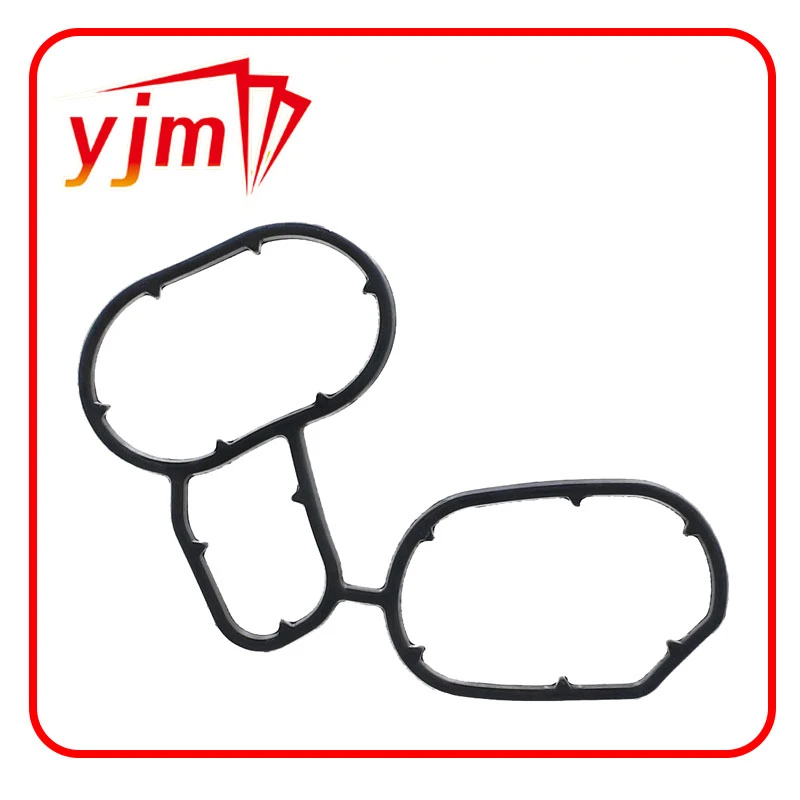
11427508970 BMW - OIL FILTER HOUSING GASKETS
-
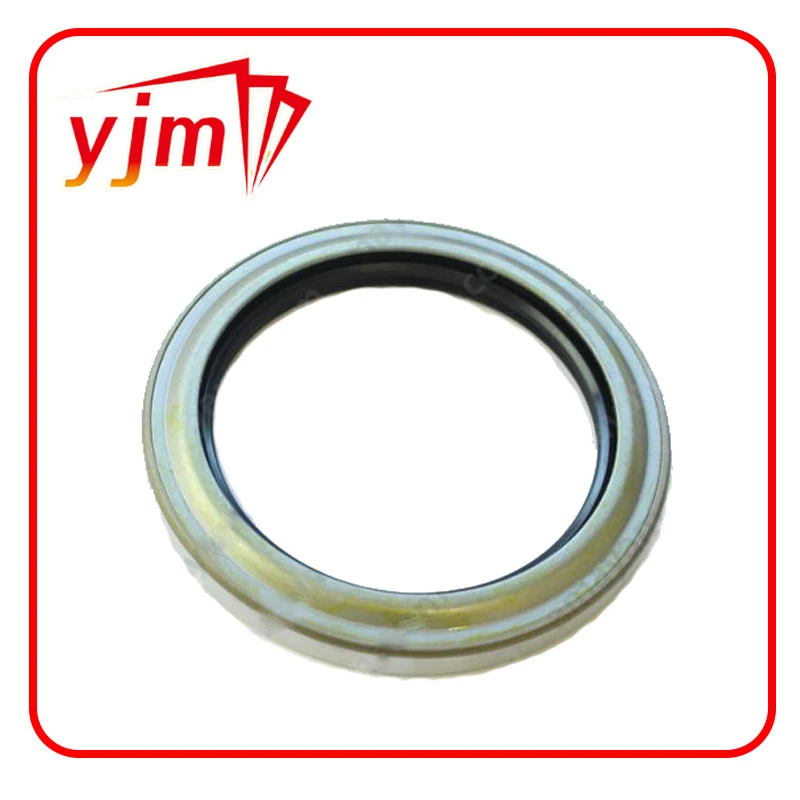
SEAL, OIL Genuine Toyota (9031170011)
-
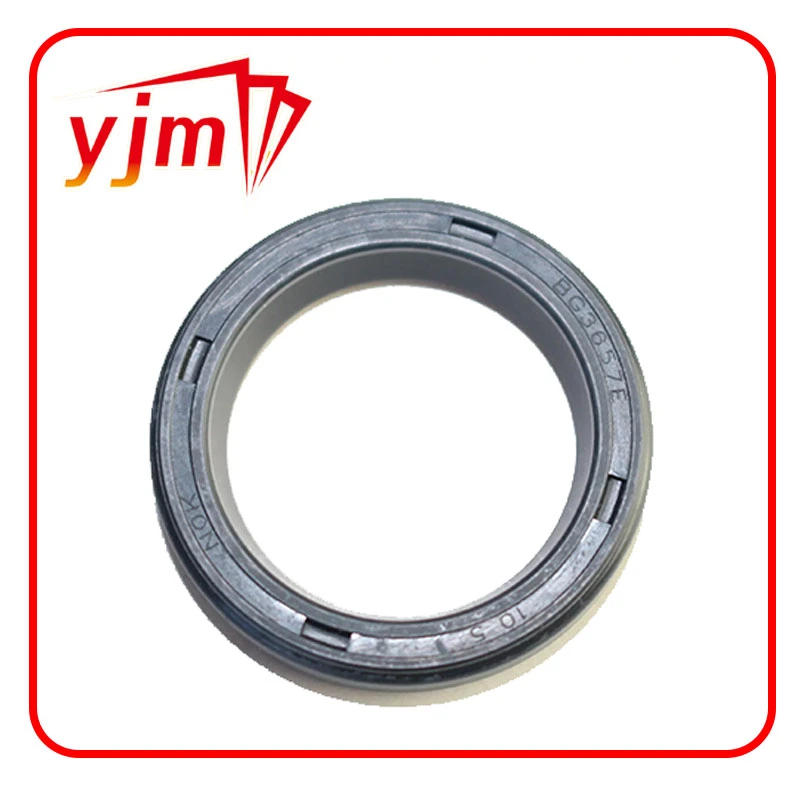
Transfer Case Output Shaft Seal Part 9031223001
-
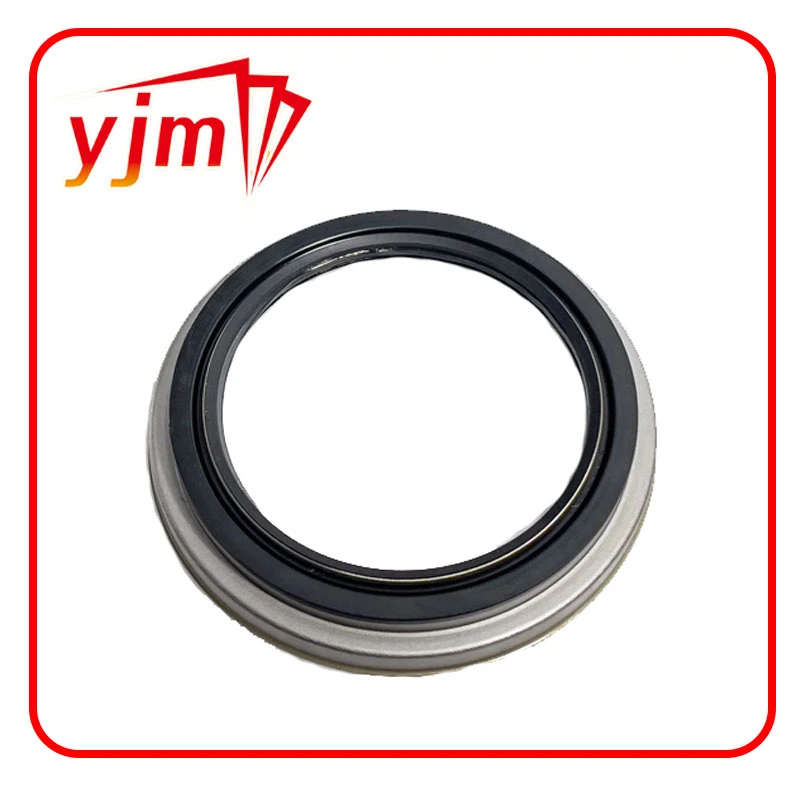
SEAL, OIL Genuine Toyota (9031672001)
-
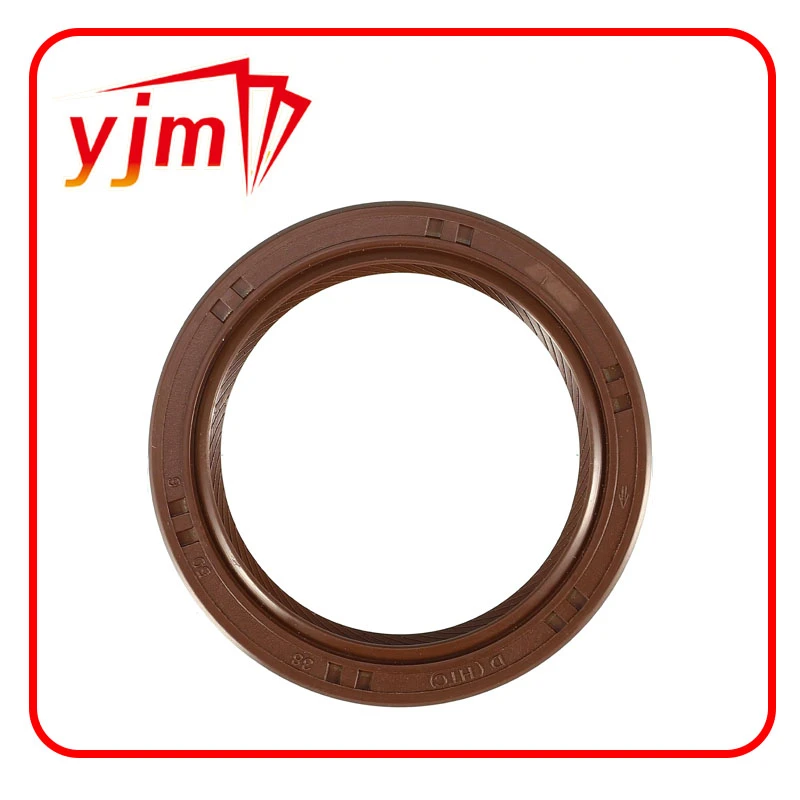
Engine Crankshaft Oil Seal No.9031138096
-
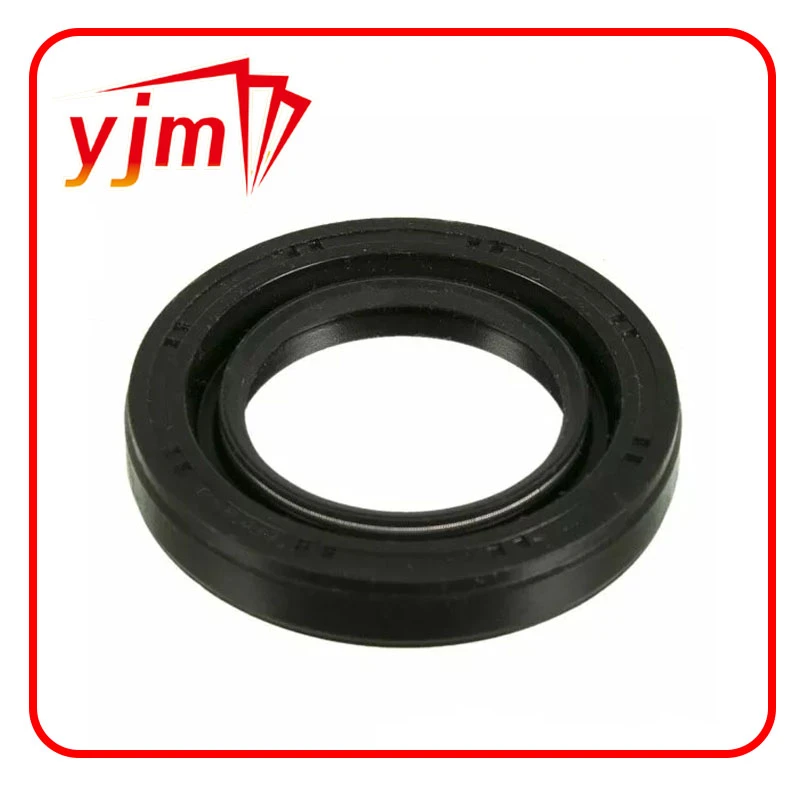
Toyota Transfer Case Output Shaft Seal Front 9031136006
-
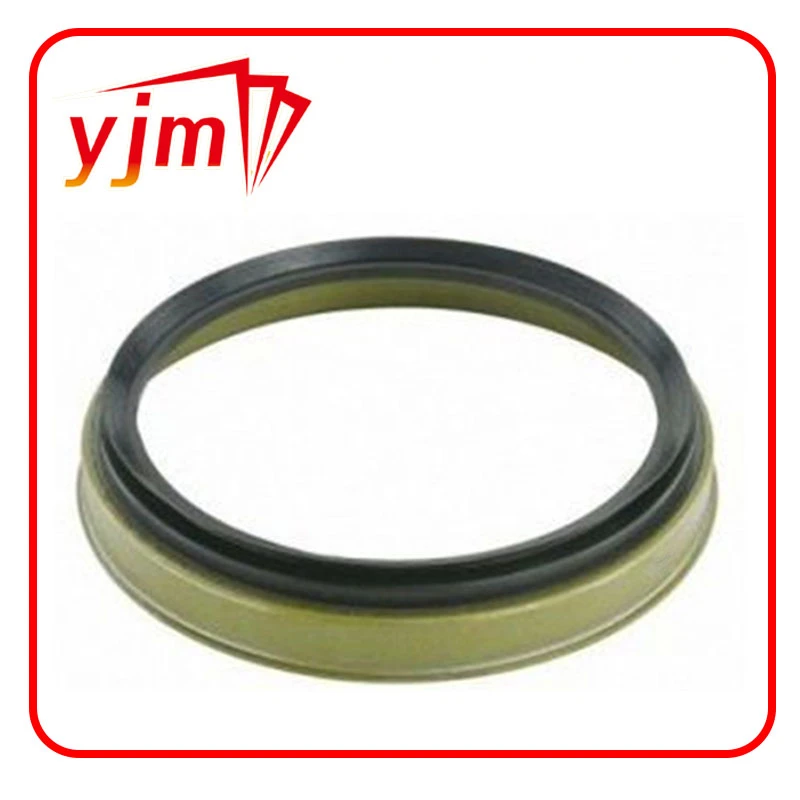
Seal, type v oil 9031287001 TOYOTA
-
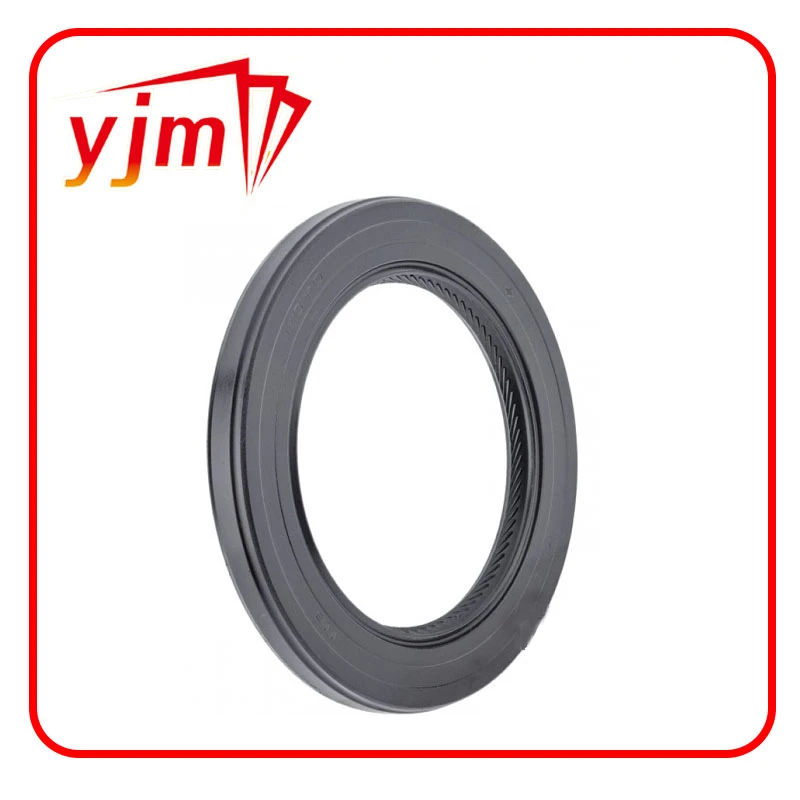
Oil pump seal 9031143010
-
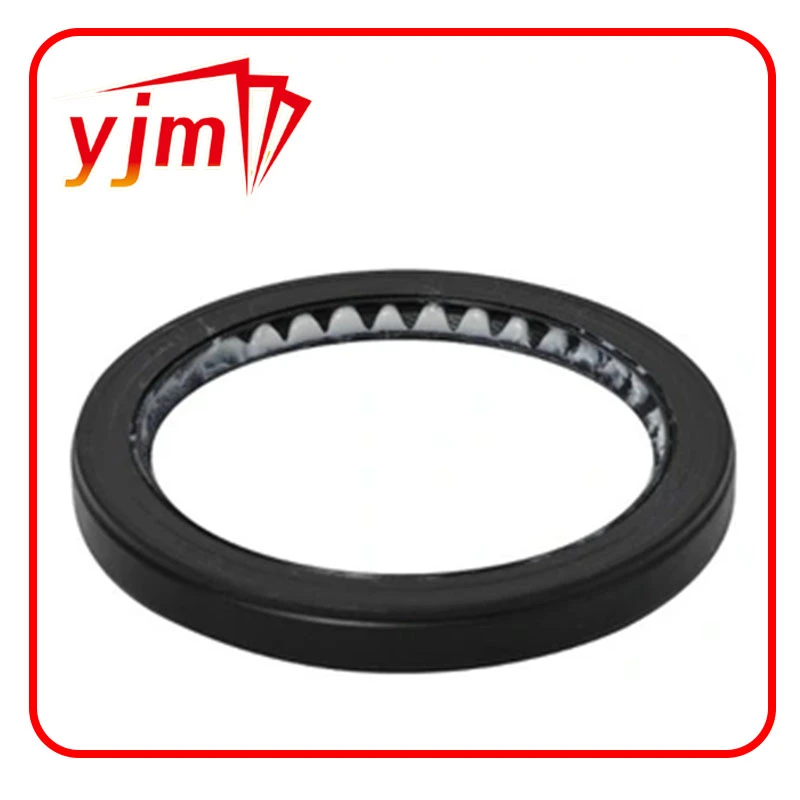
Genuine Toyota Oil SEAL 90311-54006
-
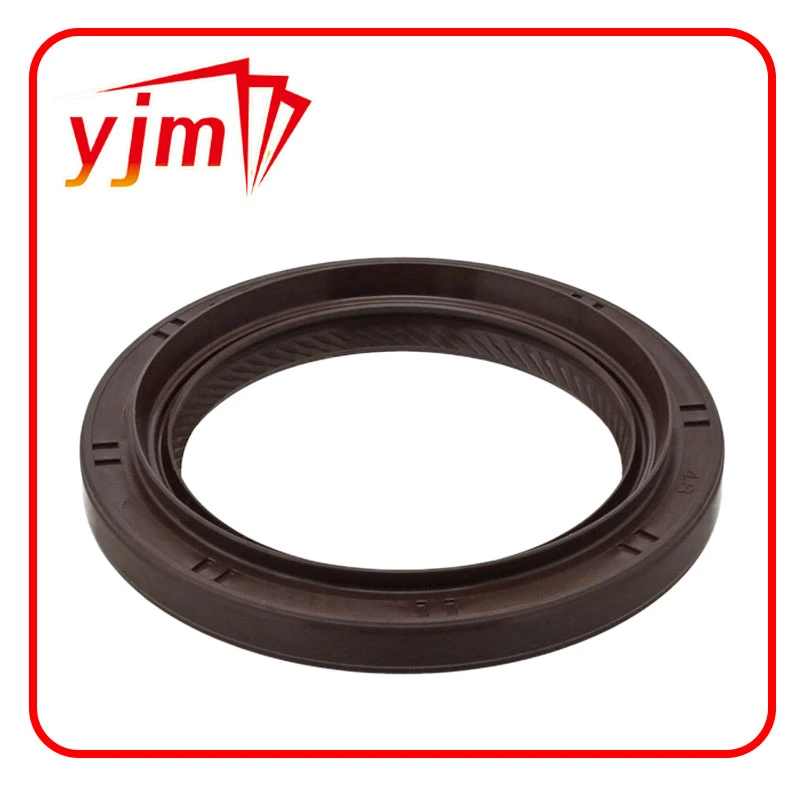
Toyota SEAL TYPE T OIL 90311-48031
-
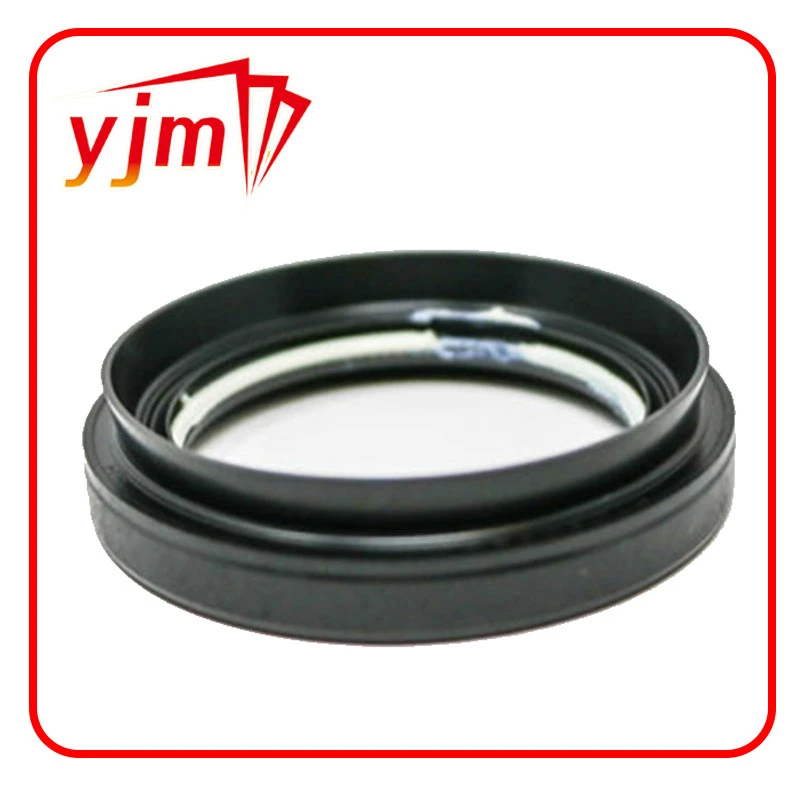
Type T Oil Seal, Front Drive Shaft, Left 9031150064
-
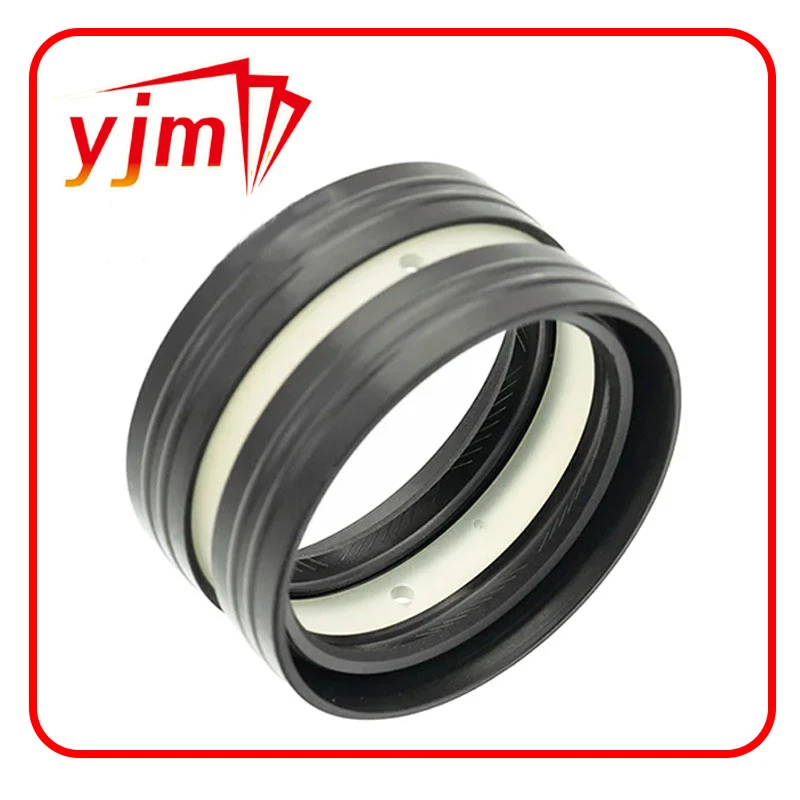
Seal, type d oil 9031634001 TOYOTA
 Afrikaans
 Albanian
 Amharic
 Arabic
 Armenian
 Azerbaijani
 Basque
 Belarusian
 Bengali
 Bosnian
 Bulgarian
 Catalan
 Cebuano
 Corsican
 Croatian
 Czech
Czech
 Danish
 Dutch
Dutch
 Esperanto
 Estonian
 Finnish
 French
 Frisian
 Galician
 Georgian
 German
 Greek
Greek
 Gujarati
 Haitian Creole
 Hausa
Hausa
 Hawaiian
 Hebrew
 Hindi
Hindi
 Miao
Miao
 Hungarian
 Icelandic
 Igbo
Igbo
 Indonesian
 Irish
Irish
 Italian
 Japanese
 Javanese
 Kannada
 Kazakh
 Khmer
Khmer
 Rwandese
 Korean
 Kurdish
 Kyrgyz
 Lao
Lao
 Latin
Latin
 Latvian
 Lithuanian
 Luxembourgish
 Macedonian
 Malgashi
 Malay
Malay
 Malayalam
 Maltese
 Maori
Maori
 Marathi
 Mongolian
 Myanmar
 Nepali
 Norwegian
 Norwegian
 Occitan
 Pashto
 Persian
 Polish
 Portuguese
 Punjabi
 Romanian
 Russian
 Samoan
 Scottish Gaelic
 Serbian
 Sesotho
 Shona
Shona
 Sindhi
 Sinhala
 Slovak
 Slovenian
 Somali
 Spanish
 Sundanese
 Swahili
 Swedish
 Tagalog
 Tajik
Tajik
 Tamil
Tamil
 Tatar
Tatar
 Telugu
 Thai
Thai
 Turkish
 Turkmen
 Ukrainian
 Urdu
Urdu
 Uighur
 Uzbek
Uzbek
 Vietnamese
 Welsh
Welsh
 Bantu
Bantu
 Yiddish
 Yoruba
 Zulu
Zulu
 English