Crank Pulley Seal – Essential Engine Part for Longevity & Efficiency
Understanding Crank Pulley Seal: A Key to Engine Longevity and Efficiency
Ever come across engine trouble and traced it back to a tiny but vital part called the crank pulley seal? This simple component, often overlooked, plays a crucial role in the health of automotive and industrial engines worldwide. The crank pulley seal keeps oil from leaking where the engine’s crankshaft meets the pulley system — a spot that's under continuous mechanical stress. Its importance extends beyond just cars, influencing global industry supply chains, sustainability, and economic efficiency. Understanding this component means less downtime, reduced repair costs, and greater reliability.
Global Context: Why the Crank Pulley Seal Matters Across Industries
Oddly enough, something as small as a crank pulley seal can have far-reaching impacts. The global automotive industry alone produced over 84 million vehicles in 2023 according to the International Organization of Motor Vehicle Manufacturers. Add to this countless industrial engines powering manufacturing, agriculture, and energy sectors around the world — all relying on seals to maintain performance. Crank pulley seals prevent the costly leakage of lubricants and contaminants, directly affecting energy efficiency and emissions. According to ISO standards on engine integrity, proper sealing extends machinery lifespan and reduces waste. Yet, faulty or low-quality seals cause thousands of premature engine failures annually, hitting both developing and developed regions hard.
Mini takeaway: Crank pulley seals might be small, but their global role touches sustainability, economy, and machine longevity.
What Is a Crank Pulley Seal?
Simply put, a crank pulley seal is a precise rubber or elastomeric ring fitted around the crankshaft’s pulley area to prevent oil and fluid leaks while keeping dust and debris out. It’s part gasket, part protector. Picture the engine's crankshaft spinning at high speed while the pulley drives belts for alternators or air conditioning systems — without a reliable seal, oil drip and dirt ingress become serious issues. This seal is a silent guardian, ensuring the complex machinery runs smoothly.
In humanitarian and industrial contexts, robust seals are essential to keep heavy-duty engines running without interruption — crucial in emergency generators, agricultural machinery, and vehicles delivering aid in challenging environments.
Core Components and Key Factors of Crank Pulley Seals
1. Durability
Most crank pulley seals use high-grade nitrile rubber or fluoroelastomer materials resistant to heat, oil, and abrasion. This ensures they can withstand engine temperatures over 120°C and pressures without degrading quickly.
2. Precision Fit
The seal has to tightly match the crankshaft and pulley housing dimensions. Even minor imperfections can cause leaks or premature wear. Manufacturing tolerances typically range in microns.
3. Resistance to Chemical Exposure
Crank pulley seals must resist exposure to engine oil, coolants, and sometimes road salts or other contaminants, maintaining elasticity and sealing power under harsh conditions.
4. Cost-Efficiency
A quality seal balances longevity and affordability — avoiding frequent replacements saves costs on parts and labor, and prevents cascading mechanical failures.
Mini takeaway: Durable materials, tight manufacturing precision, and cost balance make crank pulley seals effective and reliable.
Product Specifications Highlight
| Specification | Typical Value | Remarks |
|---|---|---|
| Material | Nitrile Rubber (NBR) / FKM (Viton) | Heat and Oil Resistant |
| Operating Temperature | -40°C to +150°C | Suitable for combustion engines |
| Shaft Diameter Range | 30mm - 120mm (varies by model) | Custom sizes available |
| Max RPM | Up to 6000 RPM | Fits passenger & industrial engines |
Comparing Leading Crank Pulley Seal Vendors
| Vendor | Material Quality | Customization | Global Reach | Price Range |
|---|---|---|---|---|
| YJM Seal | Premium NBR & Viton | High (OEM specs) | Worldwide | Mid-Range |
| SealTech Corp | Standard NBR | Limited | North America, Europe | Affordable |
| GlobalSeal | Viton & Specialty Elastomers | Custom Engineering | Asia, Europe | Premium |
Global Applications & Real-World Use Cases
Crank pulley seals find use in almost any setting with rotating engines: personal vehicles across Europe and North America, heavy machinery in Asia's rapidly growing manufacturing hubs, and emergency power generators in humanitarian relief zones. For instance, a relief NGO operating in cyclone-ravaged regions of Southeast Asia depends on reliable diesel generators with quality crank pulley seals to provide uninterrupted electricity for hospitals and communication centers. Similarly, in agriculture-heavy regions like Brazil, these seals keep tractors and combine harvesters running smoothly during critical planting and harvest seasons.
Mini takeaway: From urban cars to rural aid machines, crank pulley seals maintain the backbone of vital operations worldwide.
Advantages & Long-Term Value of Crank Pulley Seals
- Cost Savings: Preventive sealing reduces costly oil leaks and engine repairs.
- Environmental Benefit: Minimizing oil leaks protects soil and groundwater, supporting sustainability goals.
- Reliability: Enhanced engine life reduces breakdown risk, improving safety for drivers and operators.
- Innovation Confidence: New materials and designs adapt to emerging engine technologies like hybrid systems.
I suppose the most compelling reason manufacturers prioritize high-grade crank pulley seals is rooted in trust — knowing that critical equipment won’t fail unexpectedly, particularly in harsh or remote conditions.
Future Trends & Innovations
Advancements in polymer science hint at future seals that self-heal minor tears and adapt dynamically to temperature swings. Additive manufacturing (3D printing) allows custom seals designed for next-gen electric hybrid powertrains focusing on enhanced durability. Additionally, with global pressures on reducing lubricant leaks due to environmental policies, crank pulley seals will see more eco-friendly elastomer blends and tighter manufacturing tolerances. Automated robotics in assembly lines are even beginning to detect and install seals with precise pressure controls — boosting consistency.
Challenges & Expert Solutions
Despite progress, crank pulley seals still face common challenges such as premature wear from heat cycling or chemical exposure, and fitting errors causing leaks. Industry experts recommend stringent quality control — including computer-aided dimensional inspections and regular performance testing in simulated engine environments. Some manufacturers now incorporate layered seal designs to counter unexpected axial movements of the crankshaft. There’s also a push for user-friendly installation techniques to minimize human error during repairs.
FAQ: Frequently Asked Questions About Crank Pulley Seal
- Q: How often should I replace my crank pulley seal?
- A: Generally, seals last 60,000 to 100,000 miles depending on driving conditions and quality. Signs like oil leaks around the pulley area indicate replacement is needed.
- Q: Can a leaking crank pulley seal damage my engine?
- A: Yes, oil leaks can cause low lubrication, overheating, and contamination, leading to premature engine wear and costly repairs if not addressed.
- Q: Are aftermarket crank pulley seals reliable?
- A: Many aftermarket seals meet OEM standards, but it's crucial to select reputable manufacturers with proper certifications for material quality.
- Q: What materials are best for harsh environment seals?
- A: Viton (FKM) seals excel under high heat and chemical exposure, ideal for industrial engines operating in extreme climates.
- Q: Can I install a crank pulley seal myself?
- A: While possible with tools and patience, it’s advisable to have a professional do it to avoid improper seating or damage during installation.
Conclusion: Why Invest in Quality Crank Pulley Seals?
Ultimately, understanding and choosing the right crank pulley seal results in fewer repairs, better engine performance, and long-term cost savings. Whether you’re a mechanic, fleet operator, or industrial buyer, prioritizing these seals means supporting sustainability and reliability. For quality seals that marry innovation with durability, check out reliable providers like YJM Seal — trusted globally for their expertise and products.
If there’s one subtle take away from all this, it’s that even the smallest part deserves the biggest attention when striving for excellence in engine care.
References
-
Guide to Choosing the Right Washer for Oil Change and Sealing
News Apr.16,2026
-
Essential Guide to High Quality rubber washer oil drain plug
News Apr.09,2026
-
Understanding Rubber Crush Washers for Optimal Sealing Performance
News Apr.07,2026
-
Comprehensive Guide to Understanding and Reusing Crush Washer for Optimal Sealing
News Apr.04,2026
-
The Vital Role of a Drain Screw Gasket in Fluid System Integrity
News Mar.31,2026
-
The Essential Guide to Drain Crush Washer Selection and Plumbing Leak Prevention
News Mar.28,2026
-
The Vital Role of a Crush Washer in Oil Changes for Engine Protection
News Mar.26,2026
Products categories
-
Brass cutlass marine bearing
-
Genuine OEM Engine Oil Filter Housing Cover O-Ring For VW/Audi 06E115446
-
Oil Filter Stand Gasket,Oil filter cover seal
-
Oil Cooler Gasket, Oil Cooler to Oil Filter Housing 11427525335
-
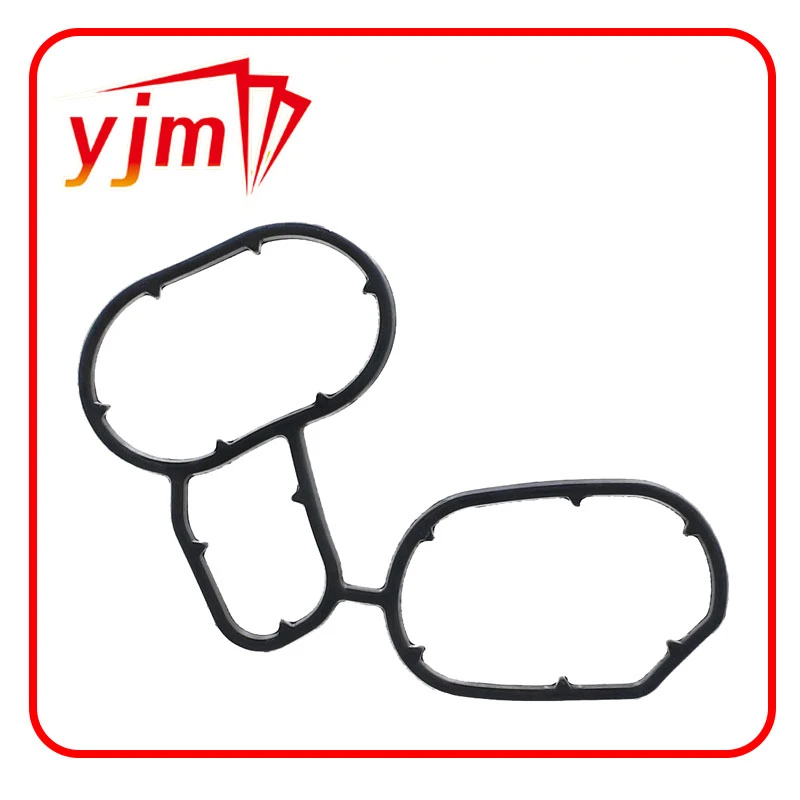
11427508970 BMW - OIL FILTER HOUSING GASKETS
-
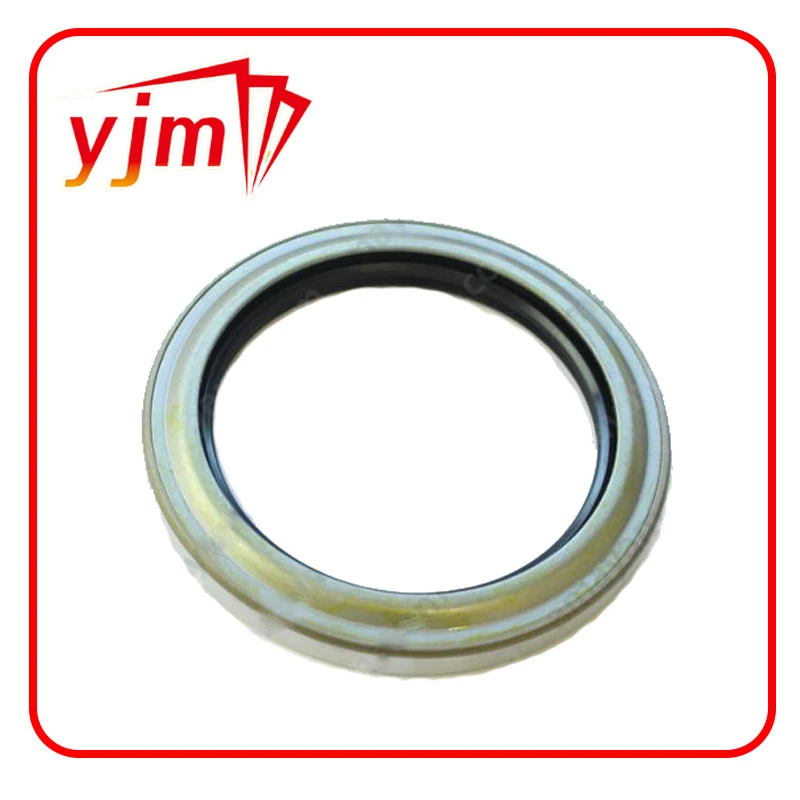
SEAL, OIL Genuine Toyota (9031170011)
-
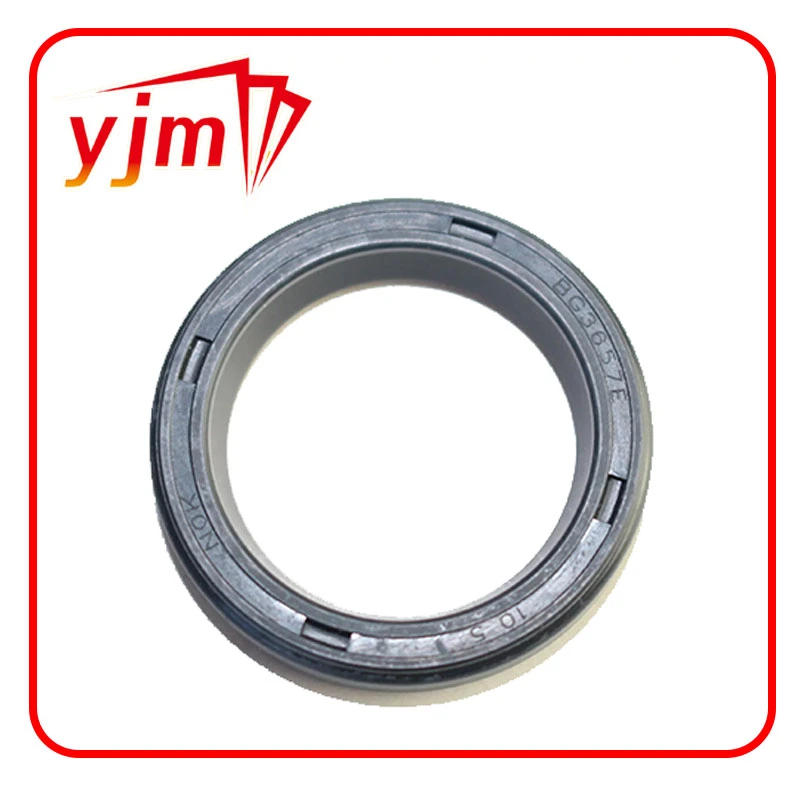
Transfer Case Output Shaft Seal Part 9031223001
-
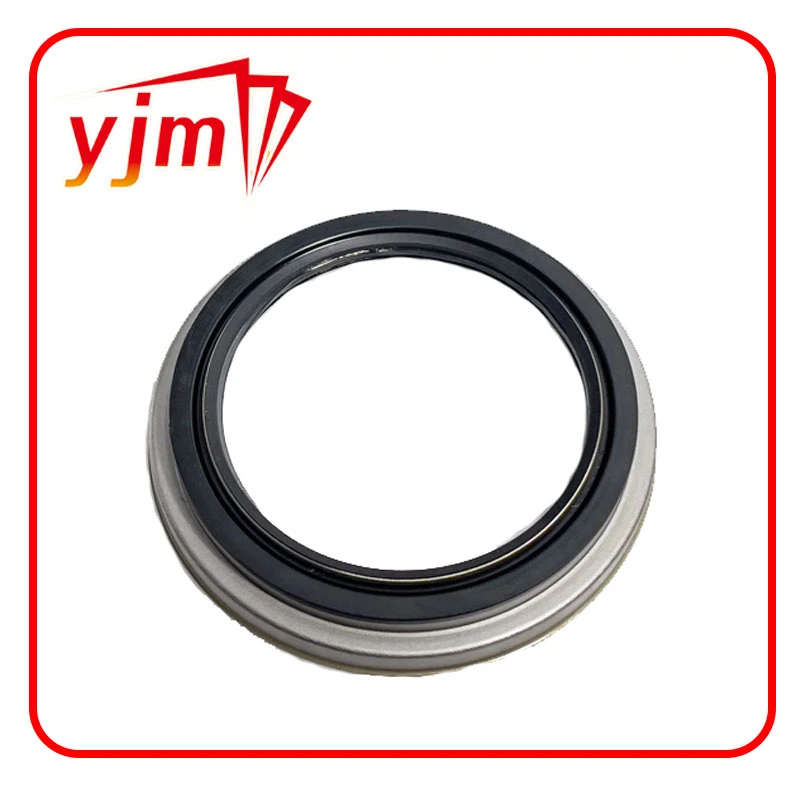
SEAL, OIL Genuine Toyota (9031672001)
-
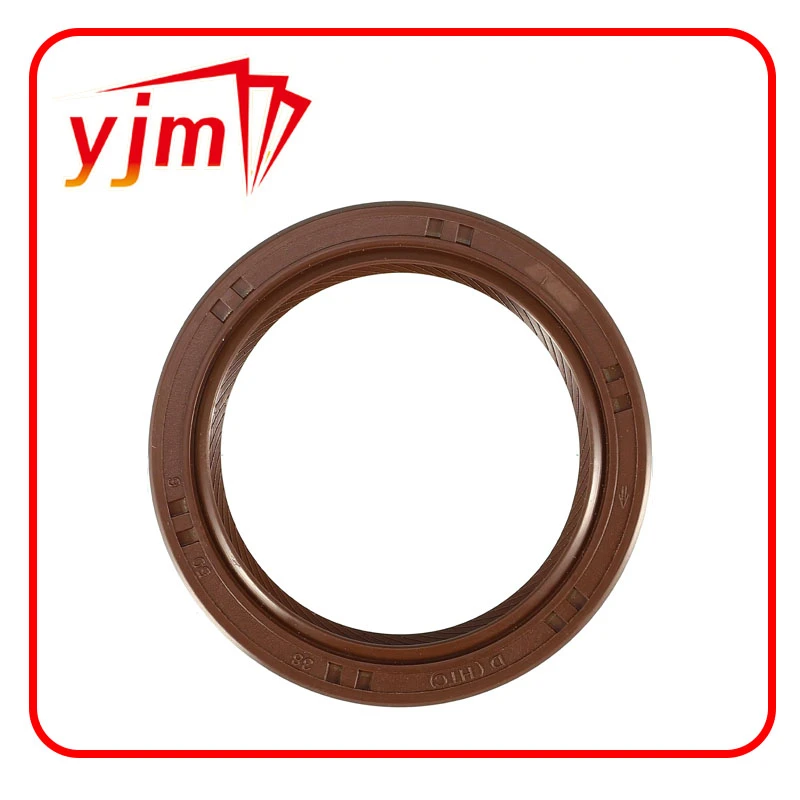
Engine Crankshaft Oil Seal No.9031138096
-
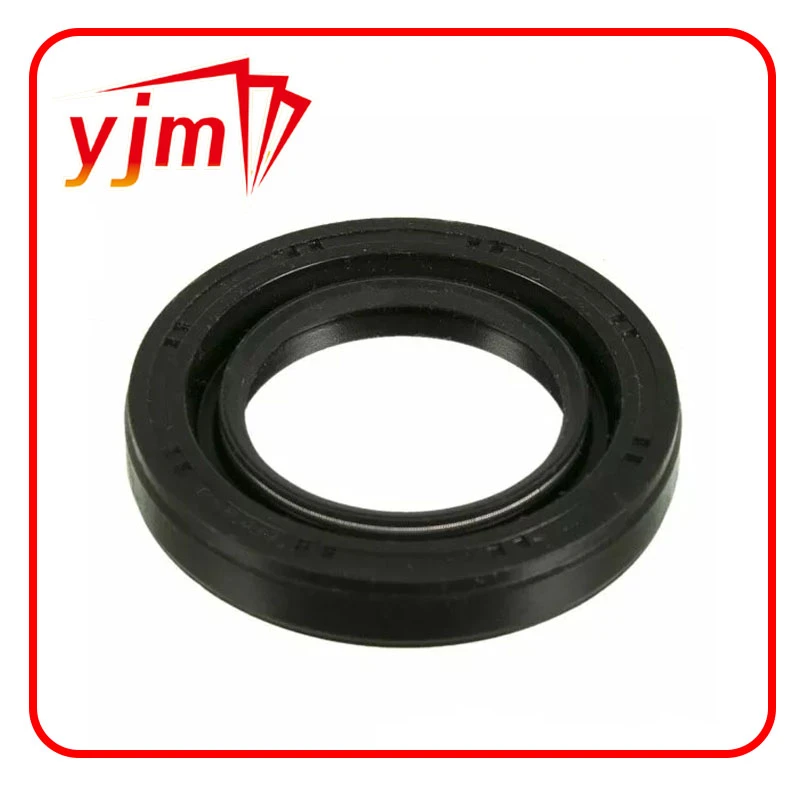
Toyota Transfer Case Output Shaft Seal Front 9031136006
-
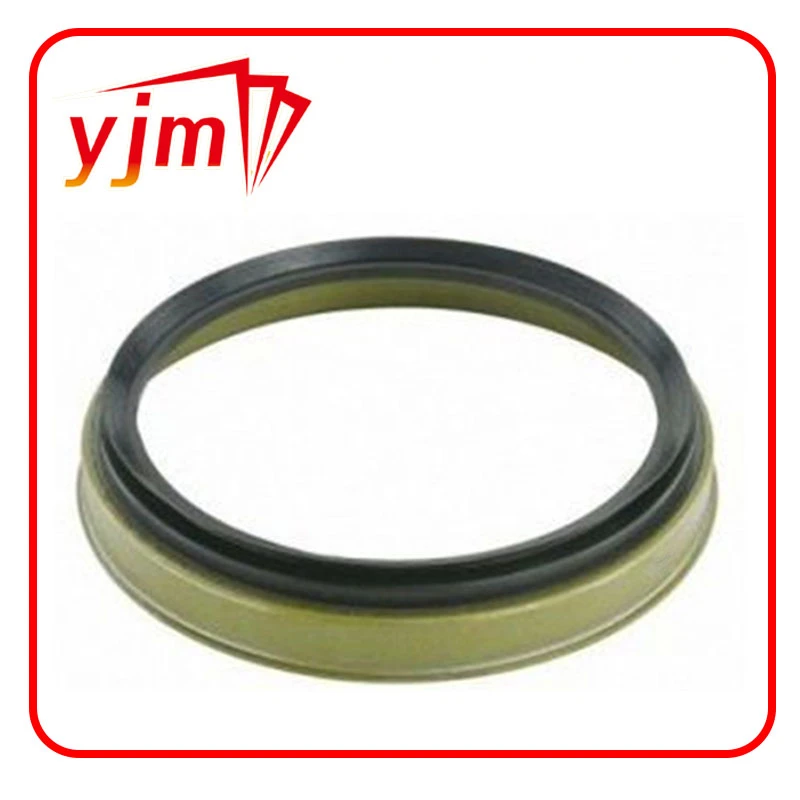
Seal, type v oil 9031287001 TOYOTA
-
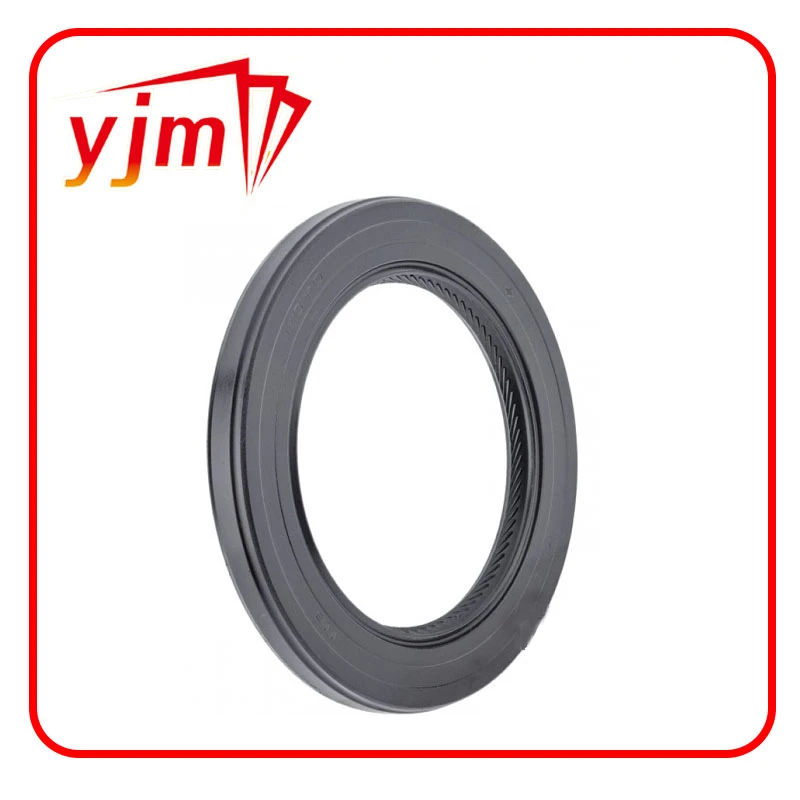
Oil pump seal 9031143010
-
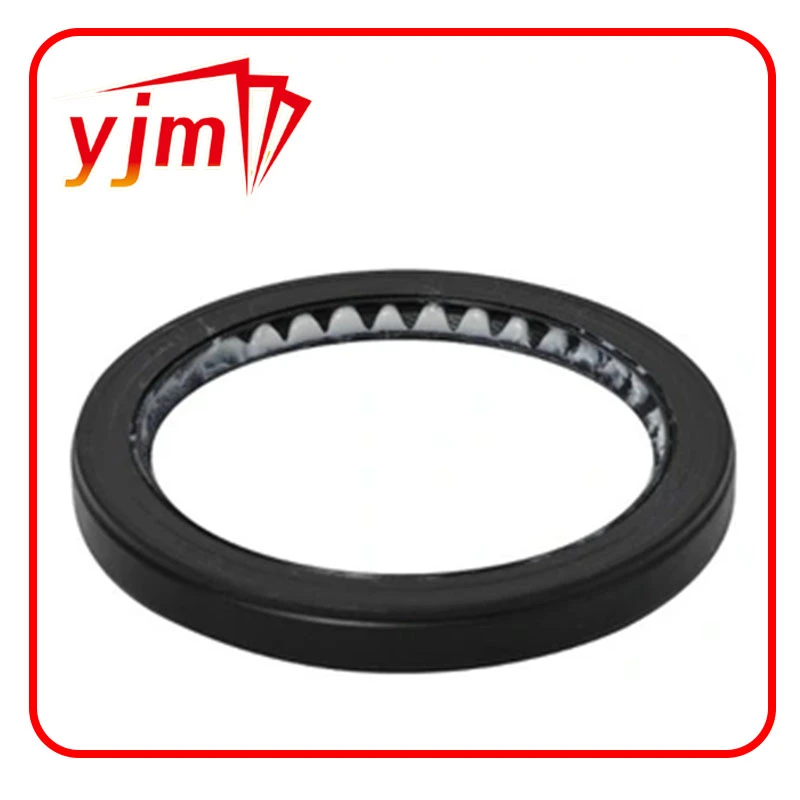
Genuine Toyota Oil SEAL 90311-54006
-
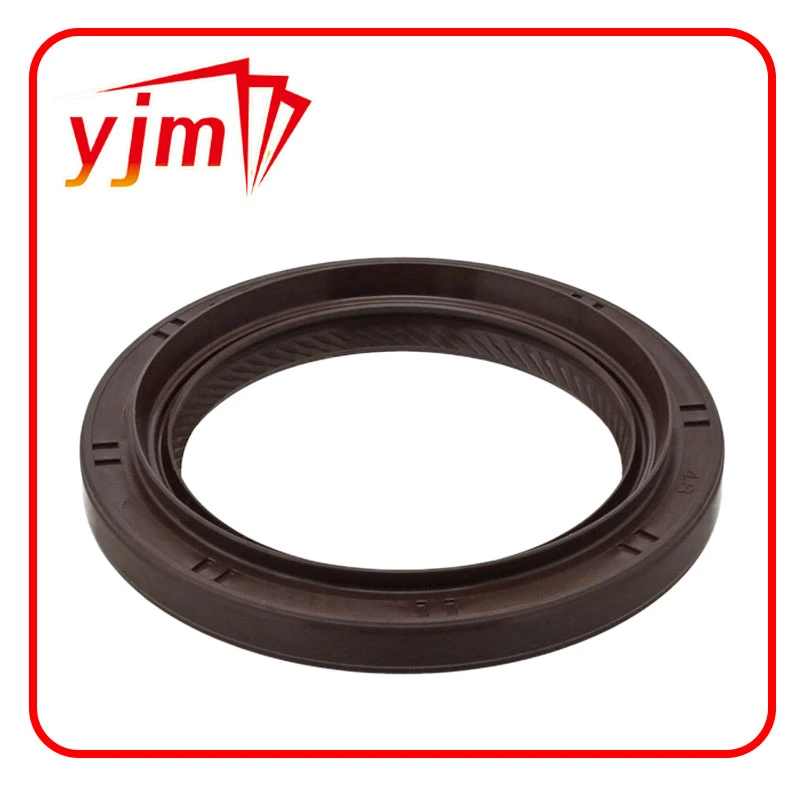
Toyota SEAL TYPE T OIL 90311-48031
-
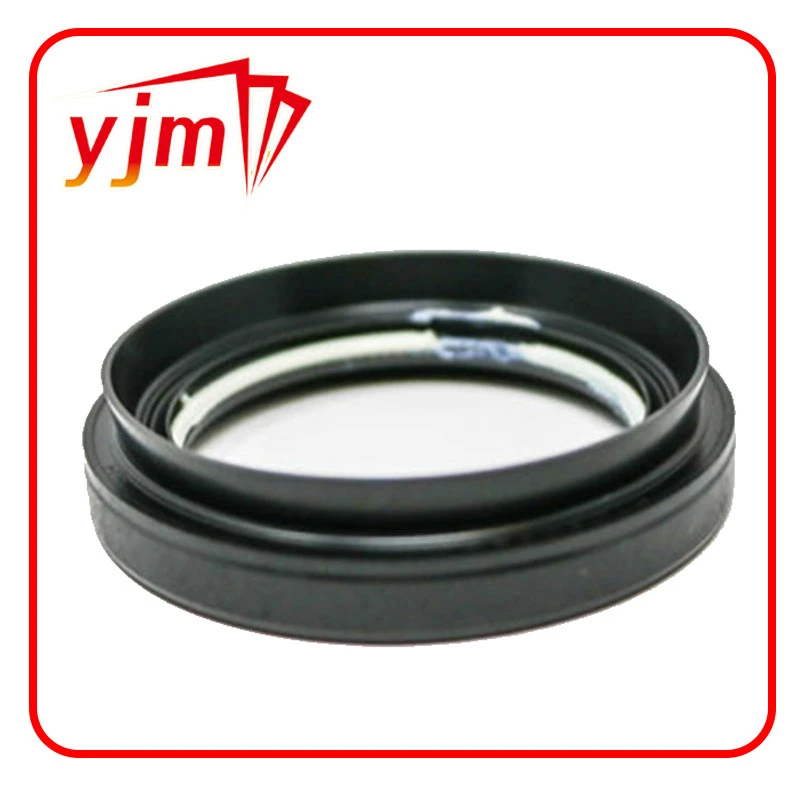
Type T Oil Seal, Front Drive Shaft, Left 9031150064
-
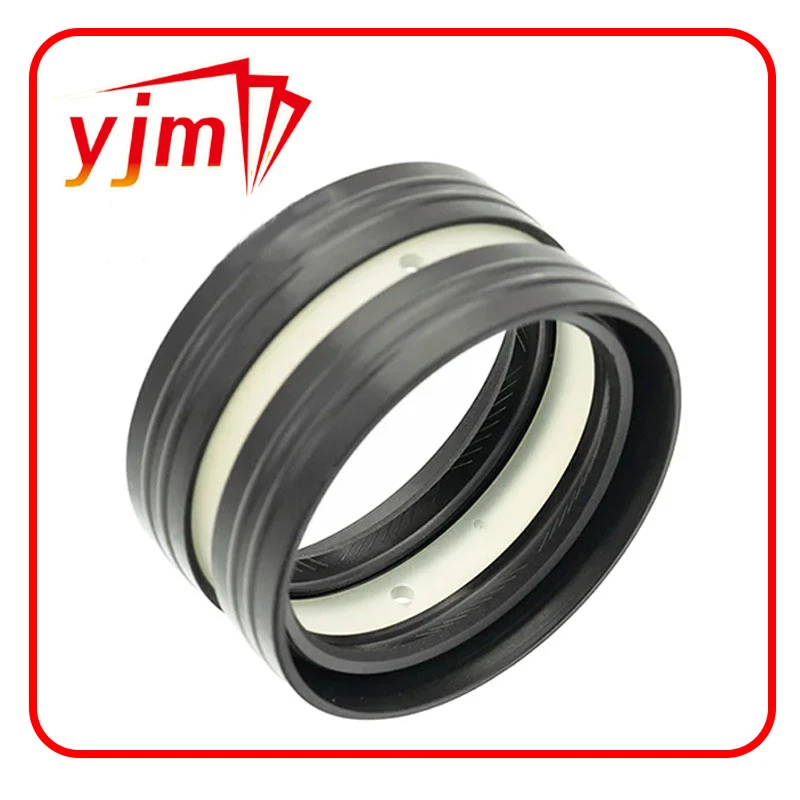
Seal, type d oil 9031634001 TOYOTA
 Afrikaans
 Albanian
 Amharic
 Arabic
 Armenian
 Azerbaijani
 Basque
 Belarusian
 Bengali
 Bosnian
 Bulgarian
 Catalan
 Cebuano
 Corsican
 Croatian
 Czech
Czech
 Danish
 Dutch
Dutch
 Esperanto
 Estonian
 Finnish
 French
 Frisian
 Galician
 Georgian
 German
 Greek
Greek
 Gujarati
 Haitian Creole
 Hausa
Hausa
 Hawaiian
 Hebrew
 Hindi
Hindi
 Miao
Miao
 Hungarian
 Icelandic
 Igbo
Igbo
 Indonesian
 Irish
Irish
 Italian
 Japanese
 Javanese
 Kannada
 Kazakh
 Khmer
Khmer
 Rwandese
 Korean
 Kurdish
 Kyrgyz
 Lao
Lao
 Latin
Latin
 Latvian
 Lithuanian
 Luxembourgish
 Macedonian
 Malgashi
 Malay
Malay
 Malayalam
 Maltese
 Maori
Maori
 Marathi
 Mongolian
 Myanmar
 Nepali
 Norwegian
 Norwegian
 Occitan
 Pashto
 Persian
 Polish
 Portuguese
 Punjabi
 Romanian
 Russian
 Samoan
 Scottish Gaelic
 Serbian
 Sesotho
 Shona
Shona
 Sindhi
 Sinhala
 Slovak
 Slovenian
 Somali
 Spanish
 Sundanese
 Swahili
 Swedish
 Tagalog
 Tajik
Tajik
 Tamil
Tamil
 Tatar
Tatar
 Telugu
 Thai
Thai
 Turkish
 Turkmen
 Ukrainian
 Urdu
Urdu
 Uighur
 Uzbek
Uzbek
 Vietnamese
 Welsh
Welsh
 Bantu
Bantu
 Yiddish
 Yoruba
 Zulu
Zulu
 English