Crank Seal: A Critical Component for Engine Reliability and Sustainability
Why the humble crank seal deserves more of your attention
If you’re in the realm of machinery, automotive repair, or industrial maintenance, the crank seal is probably already on your radar. But for everyone else, it’s one of those tiny parts that quietly saves the day by preventing oil leaks, keeping engines healthy, and extending equipment life—without ever asking for applause. In a globalized industrial world, understanding what a crank seal does—and why it matters—is more than just niche knowledge. It’s a key to durability, sustainability, and cost efficiency across countless sectors. Think about it: machines worldwide depend on these seals to perform consistently, whether it’s in a Tokyo factory or a remote mining site in Australia.
Getting familiar with crank seals can save money, reduce downtime, and even impact environmental footprints by maintaining leak-free operations. As industries push toward greener and smarter technologies, the role of these unassuming components only grows more important.
Understanding the global significance of crank seals
So, why is the crank seal globally relevant? According to data from the International Organization for Standardization (ISO), nearly 50% of machinery failure in industries like automotive and manufacturing relates to maintenance issues linked to sealing components. Furthermore, the World Bank estimates that global machinery downtime costs billions annually, much of which could be controlled by improved seal performance.
A major problem lies in improper sealing leading to oil leaks and mechanical wear—issues that crank seals are literally made to solve. For industries prioritizing greener operations, a high-quality crank seal isn’t just a part; it’s a critical enabler to reduce waste and emissions. Think of factories in Europe or North America, pressured by environmental policies to reduce oil pollution: it’s here that the crank seal transitions from an afterthought to a frontline necessity.
Mini takeaway:
- Crank seals are essential to reduce machinery downtime and environmental impact worldwide.
- They help manufacturers meet stringent eco-standards and operate more reliably.
What exactly is a crank seal?
Simply put, a crank seal (often called a crankshaft seal) is a vital mechanical component that seals the crankshaft of an engine or machine housing, preventing lubricants like oil from leaking out and contaminants like dust from sneaking in. This elastic ring sits snugly around the crankshaft, balancing firmness with flexibility. Its design minimizes friction while maintaining a tight seal as the crankshaft rotates at high speed.
The humble crank seal is a perfect example of how a tiny, relatively inexpensive item can uphold the smooth operation of complex equipment that industries and humanitarian efforts take for granted. For example, in emergency power generators for disaster relief, a reliable crank seal ensures the generator can run for extended hours, powering medical supplies and shelters without interruption. Oddly enough, a failure here could mean real-world disruption for vulnerable communities.
Mini takeaway:
- Crank seals prevent oil leakage and contamination ingress on rotating shafts.
- They are critical for machine reliability, including life-saving applications.
Core Components and What Makes a Crank Seal Tick
Durability
Durability is often the first checkpoint when choosing a crank seal. Many engineers swear by seals made with nitrile rubber (NBR) for standard engine use, while fluorocarbon (FKM) seals cater to high-temperature, aggressive environments. The seal must resist wear, heat, and chemical erosion over thousands of operating hours.
Material Compatibility
Compatibility with the lubricant type and shaft material affects seal lifespan. Mismatched materials could cause premature wear or swelling. For instance, a seal designed for synthetic oil may perform poorly with mineral oil.
Design Precision
The lip design of the crank seal directly impacts sealing effectiveness. A single lip might suffice for simple tasks, but double-lip seals provide added protection against dust and moisture—vital in harsh or dusty environments like remote mines or construction sites.
Installation and Maintenance Ease
Since replacing seals can sometimes mean opening entire engine assemblies, ease of installation matters. Some new designs feature self-aligning lips or rubber-coated metal cases for simplified fitting and longer service intervals.
Cost Efficiency
Of course, price is always a consideration. A balance between upfront seal cost and long-term savings through less downtime and extended equipment life is key. Low-quality seals might save pennies but could end up costing more in repairs.
Mini takeaway:
- A top-notch crank seal balances material strength, fitting precision, and cost savings.
- Choosing based on operating conditions can significantly impact performance and longevity.
Global Applications and Real-World Use Cases
Whether it’s automotive giants in Germany, small engine manufacturers in India, or industrial mining operations in South Africa, crank seals play a universal role. In post-disaster zones, reliable machinery often hinges on seals preventing breakdowns—power generators in Puerto Rico after hurricanes depended heavily on solid seals to keep the lights on.
Heavy equipment in remote parts of Canada benefits from seals built to last through freezing winters and rough usage. Meanwhile, Southeast Asian manufacturing plants use advanced seals compatible with new synthetic lubricants to boost efficiency and meet rising production demands.
And, if you’re wondering where you might spot innovation—the surge of electric vehicles (EVs) subtly changes crank seal needs as there’s less need for oil-based sealing in some parts, while other rotating components still require precise sealing solutions.
Mini takeaway:
- Crank seals serve diverse industries from automotive to humanitarian aid.
- Applications span extreme climates, rigorous usage, and evolving tech like EVs.
The Long-Term Value of High-Quality Crank Seals
When you invest in a reliable crank seal, you’re not just buying a part. You’re investing in peace of mind. Fewer oil leaks mean cleaner environments, less downtime means higher productivity, and longer seal life means less waste—good news for both your wallet and the planet. Many operators in logistics or manufacturing report up to 20% reduction in maintenance-related downtime with premium seals, which translates to steady revenue flow.
What’s more, the social benefits can’t be ignored; workers experience safer operations due to reduced oil spills, and machinery function means essential services in remote locations continue without interruption. Trust in the “invisible” but indispensable small parts often grows just like that—quietly, steadily.
Future Trends and Innovations in Crank Seal Technology
Emerging trends hint at even smarter seals. Imagine crank seals embedded with sensors for real-time condition monitoring—an innovation that could alert teams before a failure happens. Materials are also evolving; bio-based elastomers hold promise for greener manufacturing, while nano-coatings aim to reduce friction and extend service life.
Plus, as industries pursue Industry 4.0 and digital transformation, the role of connected seals and automated upkeep promises to reduce unexpected breakdowns and maintenance costs.
Challenges & Modern Solutions
Despite their importance, crank seals face challenges: improper installation, material incompatibility, and limited lifespan under extreme conditions can lead to leaks and equipment failures. But leading vendors now offer improved installation guides, customized seal materials, and ongoing support services, making these issues less frequent. Plus, ongoing R&D is producing seals tolerant to new synthetic oils and harsh chemicals, improving versatility.
Crank Seal FAQ: Your Practical Questions Answered
- What signs indicate a failing crank seal?
- Look for oil leaks near the crankshaft area, engine misfires, or unusual burning odors. These symptoms usually mean the seal is compromised and needs replacement to prevent engine damage.
- Can I reuse an old crank seal during engine rebuilds?
- It’s generally not recommended, as reusing seals can cause leaks due to wear or deformation. Always opt for a new, compatible crank seal to ensure long-lasting reliability.
- How does temperature affect crank seal performance?
- Extreme heat or cold can cause seal materials to harden or soften, leading to cracks or distortion. Selecting seals made from materials rated for your operating environment helps maintain sealing effectiveness.
- Are there crank seals compatible with electric vehicles?
- Yes, while EVs require fewer oil seals, other rotating parts still need protection. Specialized seals designed for reduced lubrication and different temperature profiles are becoming more common in this field.
- Where can I buy high-quality crank seals?
- Reputable suppliers like YJM Seal offer a wide range of crank seals tested for durability and compatibility. Look for vendors with strong warranties and customer support.
Product Specification Table: Typical Crank Seal Features
| Feature | Standard Value | Notes |
|---|---|---|
| Material | Nitrile Rubber (NBR) / FKM | Depends on temp & chemical exposure |
| Operating Temperature | -40°C to +150°C | Varies by compound |
| Shaft Diameter Range | 10-200 mm | Custom sizes available |
| Lip Design | Single or Double Lip | Double lip for dust protection |
| Expected Lifespan | 30,000 - 50,000 hours | Depends on conditions |
Comparing Major Crank Seal Vendors
| Vendor | Product Range | Material Options | Lead Time | Customer Support |
|---|---|---|---|---|
| YJM Seal | Wide, custom solutions | NBR, FKM, Silicone | 1-2 weeks | 24/7 technical support |
| SealTech Corp | Standard & OEM parts | NBR, Polyurethane | 3-4 weeks | Business hours only |
| GlobalSeal | Industrial focus | FKM, EPDM | 2-3 weeks | Project-based support |
Wrapping It Up
Ultimately, while the crank seal might seem like a modest component, its impact is anything but. It’s the quiet guardian of engines everywhere—making machines run smoothly, prolonging equipment life, and keeping the environment cleaner by preventing leaks. Industries and innovators alike can’t afford to overlook its importance. So if you’re in maintenance, manufacturing, or even humanitarian logistics, paying attention to the quality and specification of your crank seals could be a game-changer.
Curious to learn more or ready to upgrade your sealing solutions? Feel free to explore the offerings at YJM Seal — reliable seals for reliable performance.
References
-
Guide to Choosing the Right Washer for Oil Change and Sealing
News Apr.16,2026
-
Essential Guide to High Quality rubber washer oil drain plug
News Apr.09,2026
-
Understanding Rubber Crush Washers for Optimal Sealing Performance
News Apr.07,2026
-
Comprehensive Guide to Understanding and Reusing Crush Washer for Optimal Sealing
News Apr.04,2026
-
The Vital Role of a Drain Screw Gasket in Fluid System Integrity
News Mar.31,2026
-
The Essential Guide to Drain Crush Washer Selection and Plumbing Leak Prevention
News Mar.28,2026
-
The Vital Role of a Crush Washer in Oil Changes for Engine Protection
News Mar.26,2026
Products categories
-
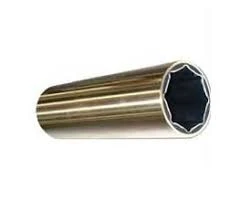
Brass cutlass marine bearing
-
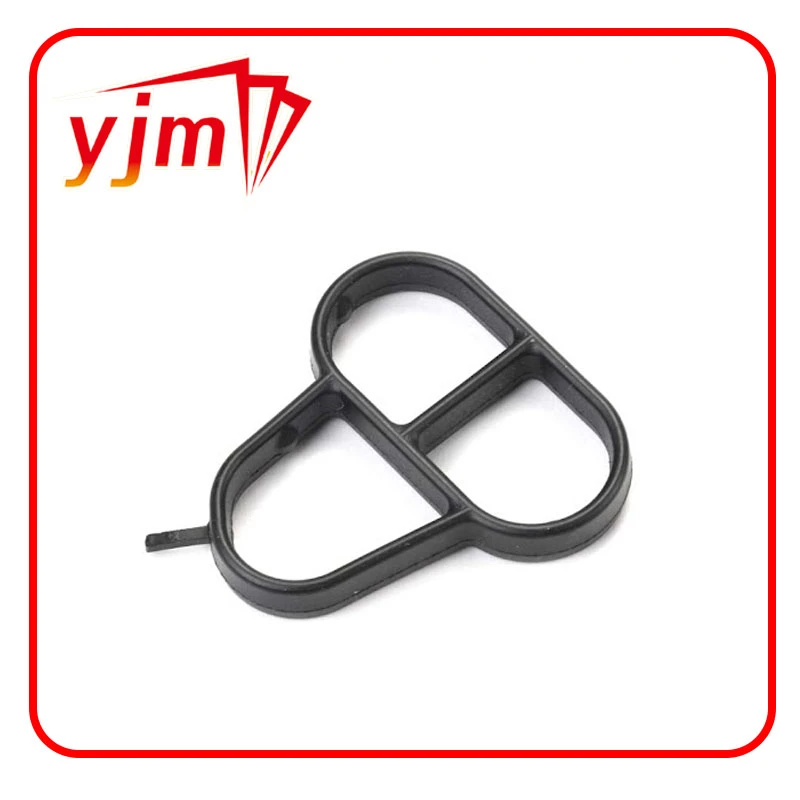
Genuine OEM Engine Oil Filter Housing Cover O-Ring For VW/Audi 06E115446
-
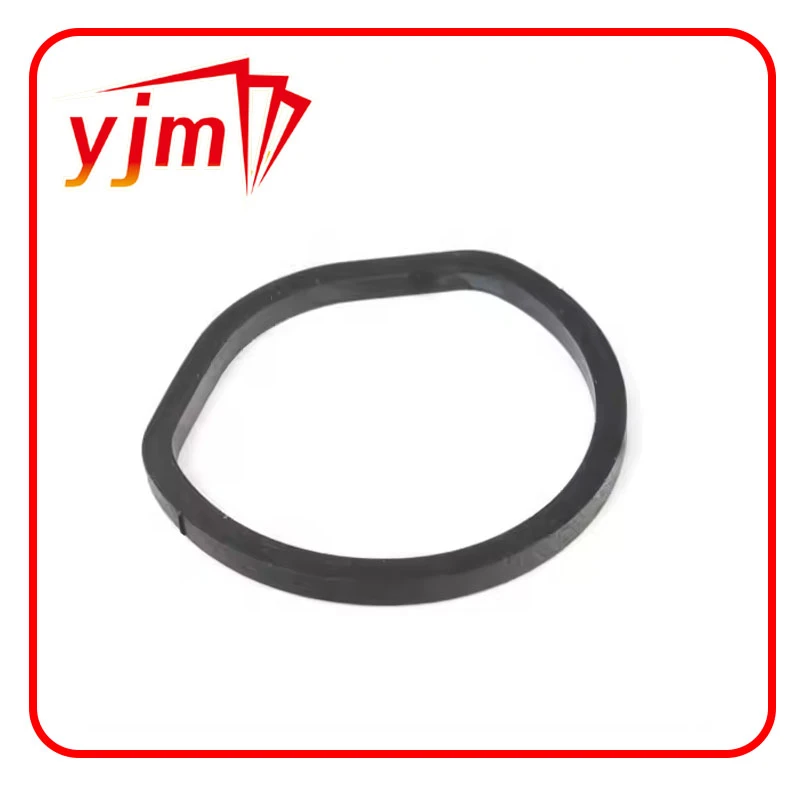
Oil Filter Stand Gasket,Oil filter cover seal
-
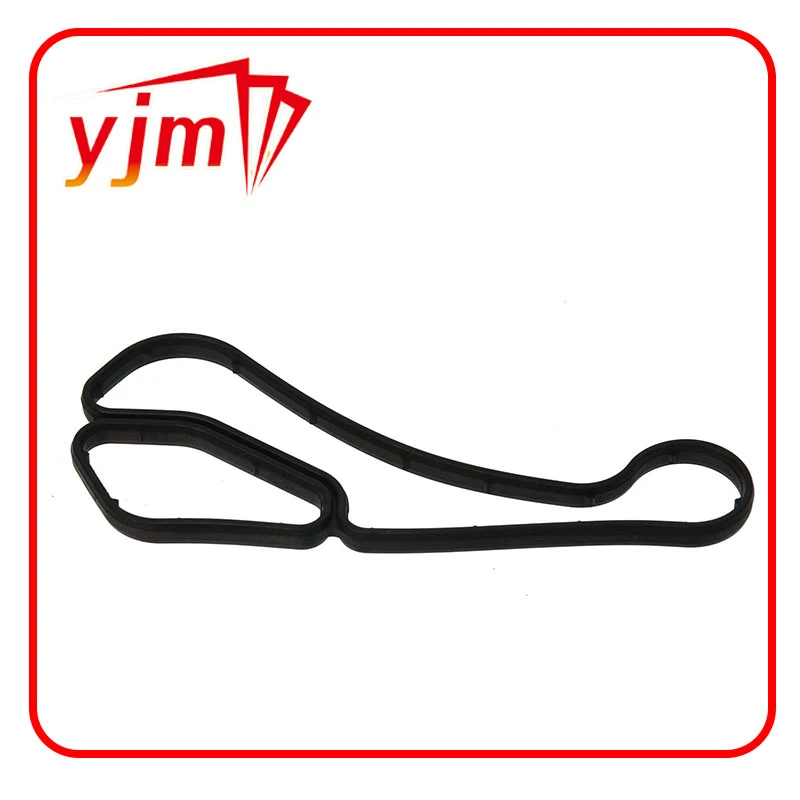
Oil Cooler Gasket, Oil Cooler to Oil Filter Housing 11427525335
-
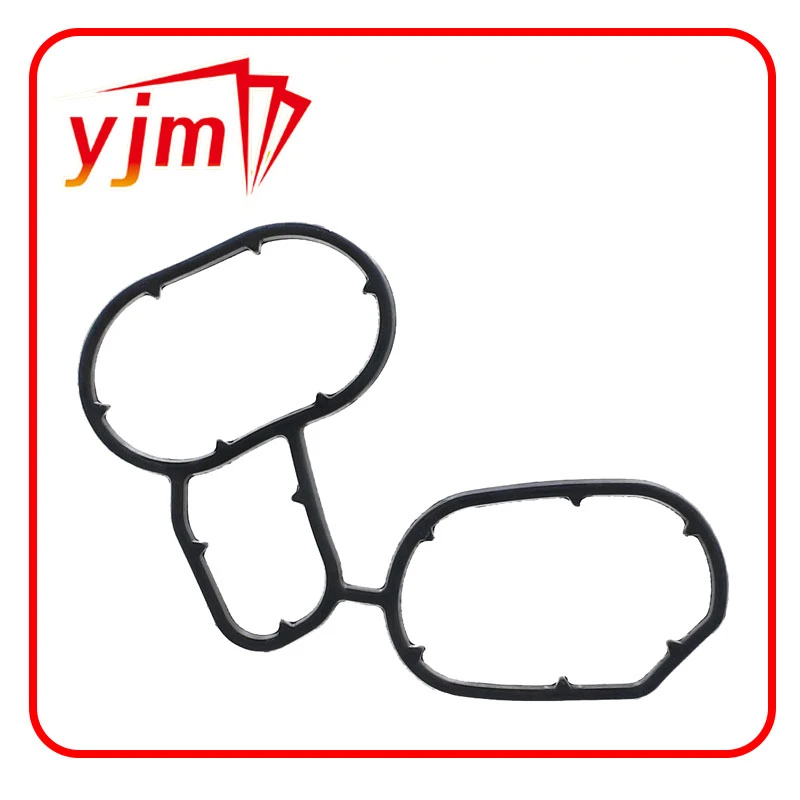
11427508970 BMW - OIL FILTER HOUSING GASKETS
-
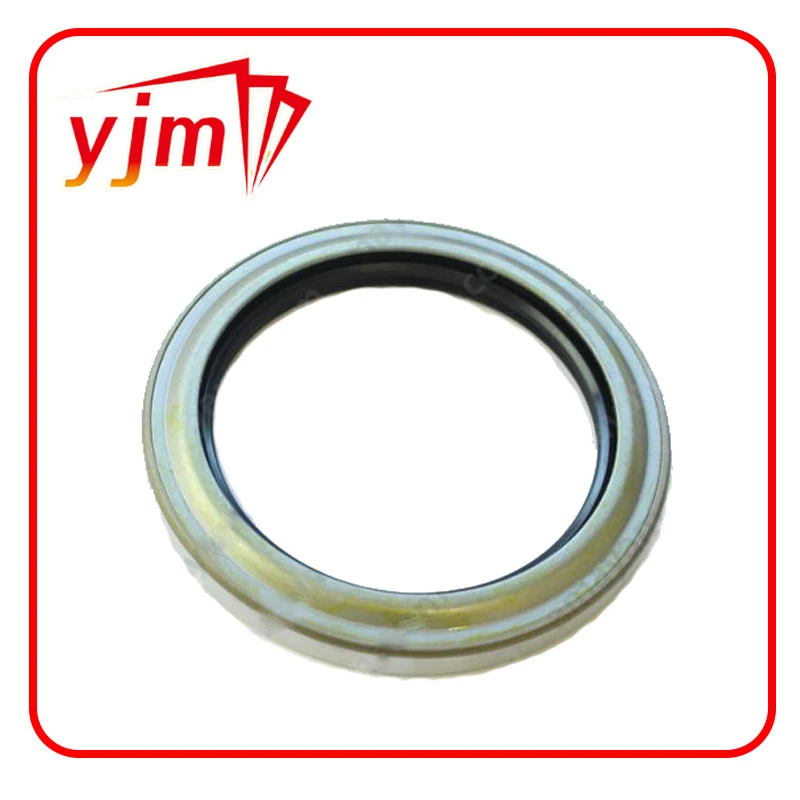
SEAL, OIL Genuine Toyota (9031170011)
-
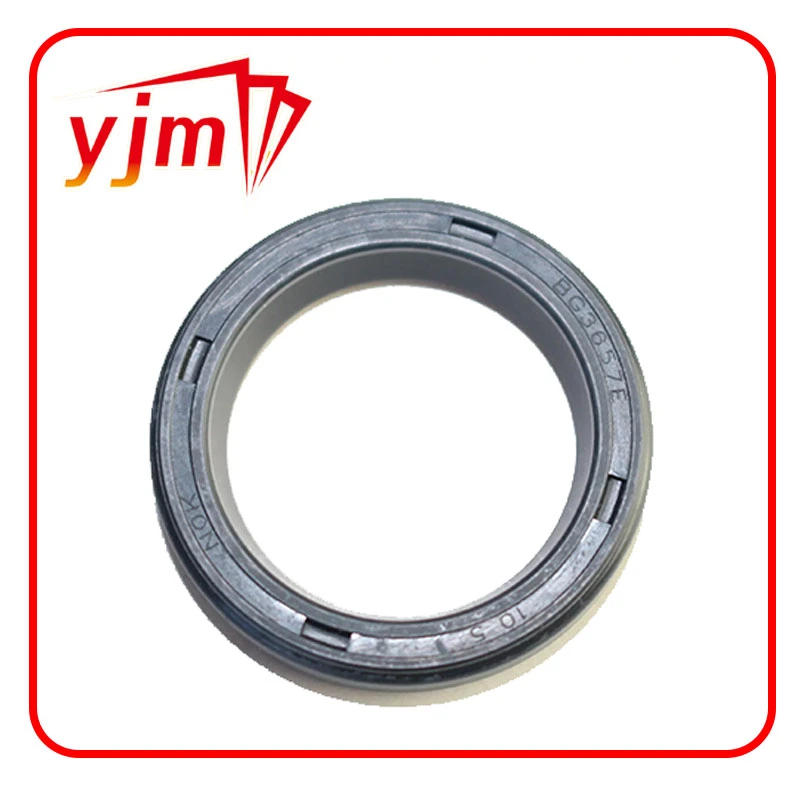
Transfer Case Output Shaft Seal Part 9031223001
-
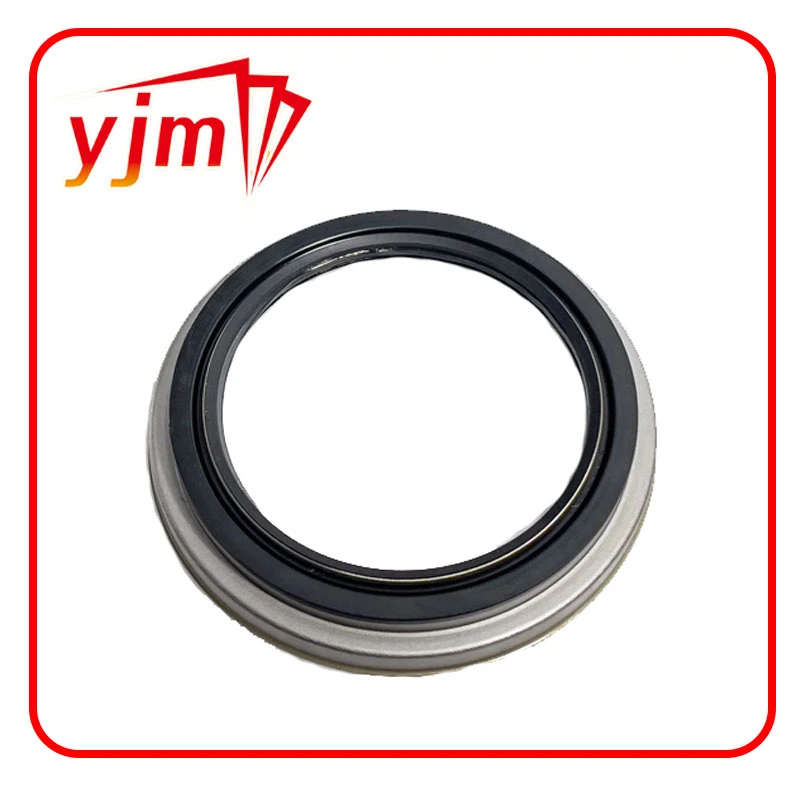
SEAL, OIL Genuine Toyota (9031672001)
-
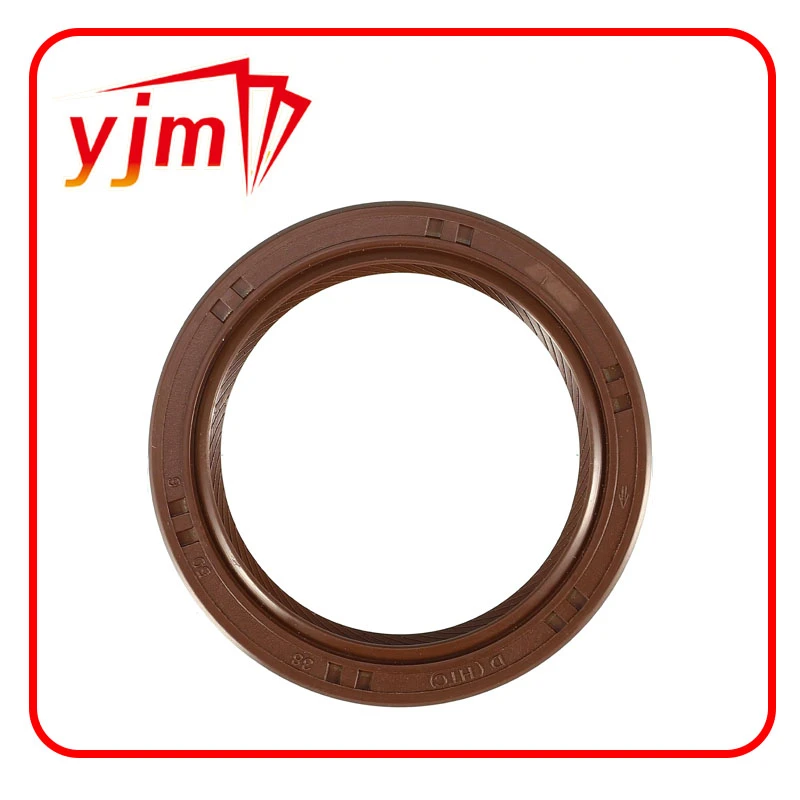
Engine Crankshaft Oil Seal No.9031138096
-
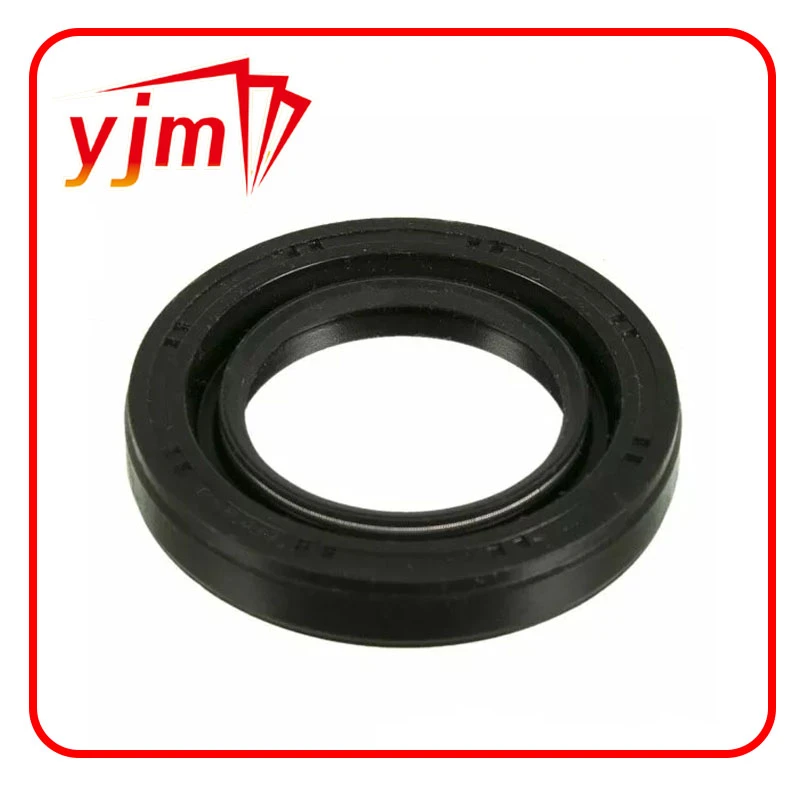
Toyota Transfer Case Output Shaft Seal Front 9031136006
-
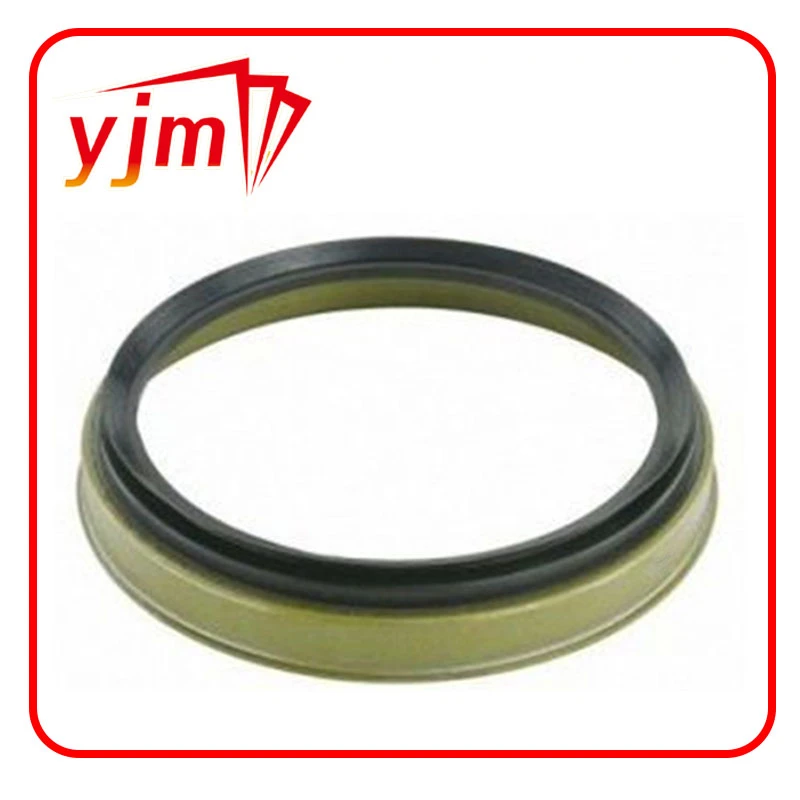
Seal, type v oil 9031287001 TOYOTA
-
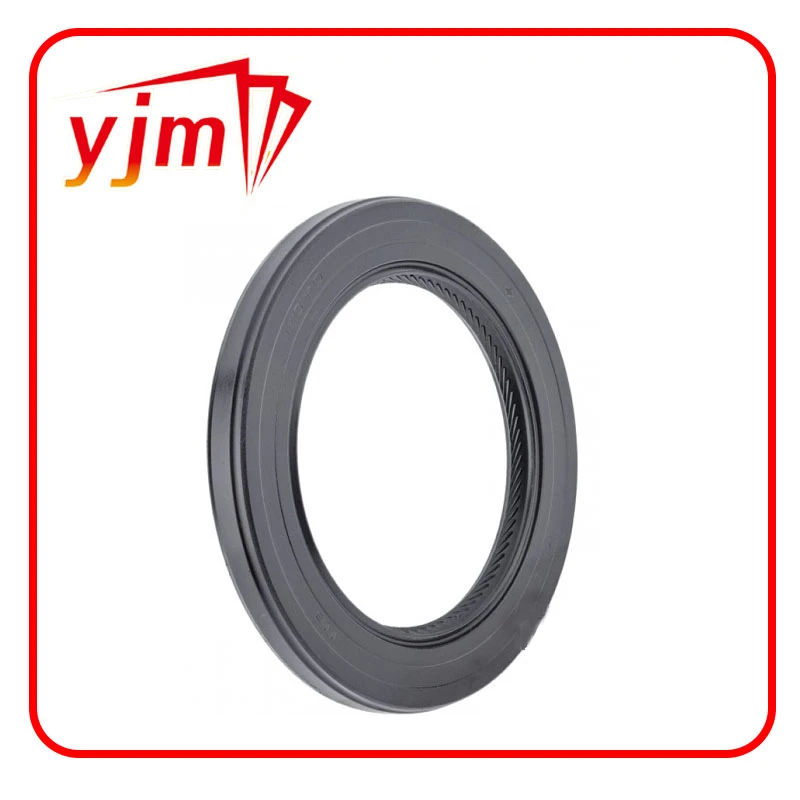
Oil pump seal 9031143010
-
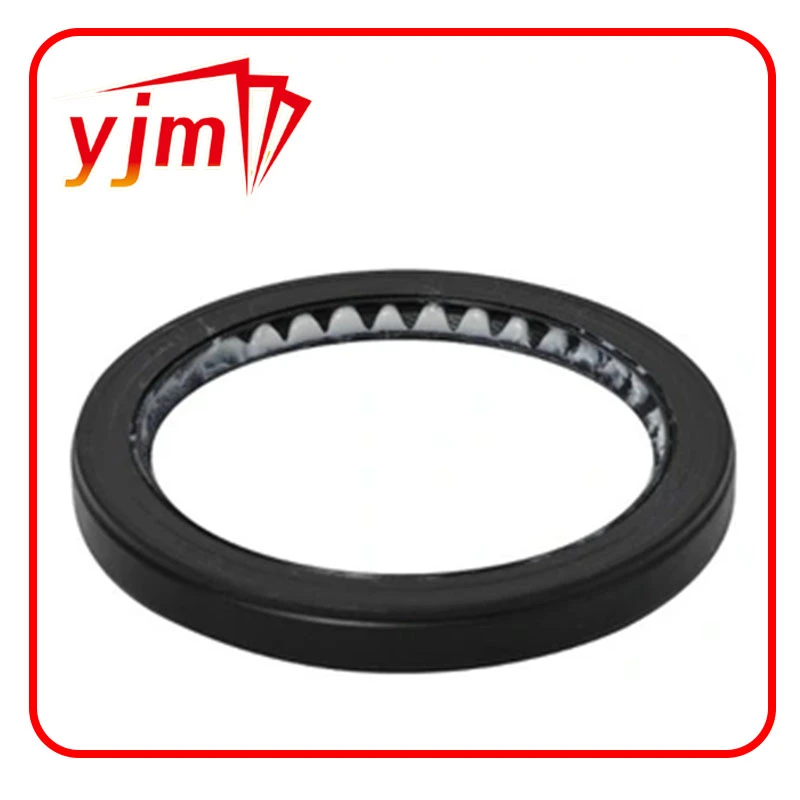
Genuine Toyota Oil SEAL 90311-54006
-
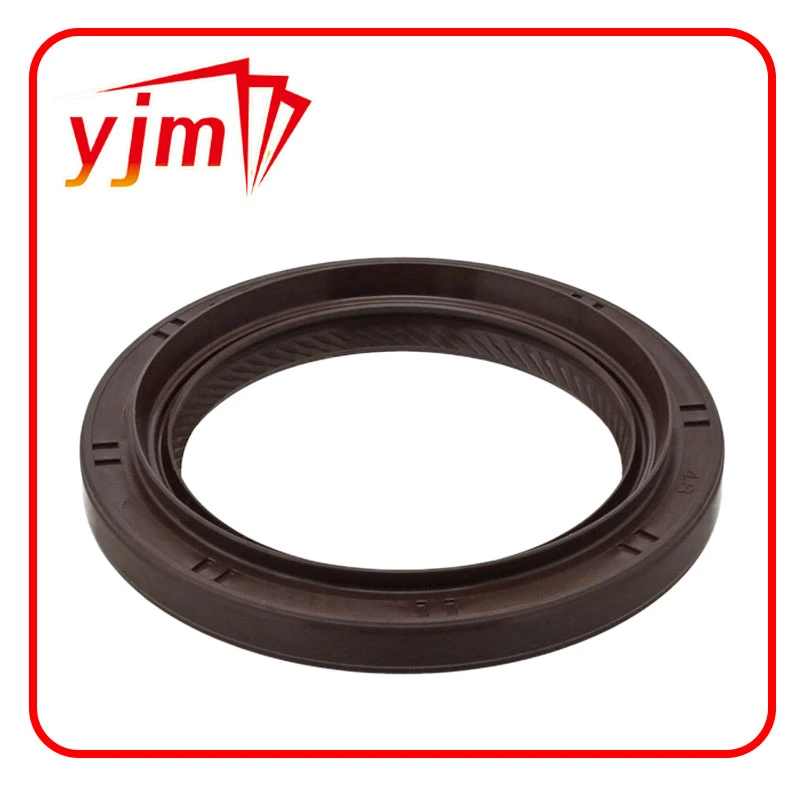
Toyota SEAL TYPE T OIL 90311-48031
-
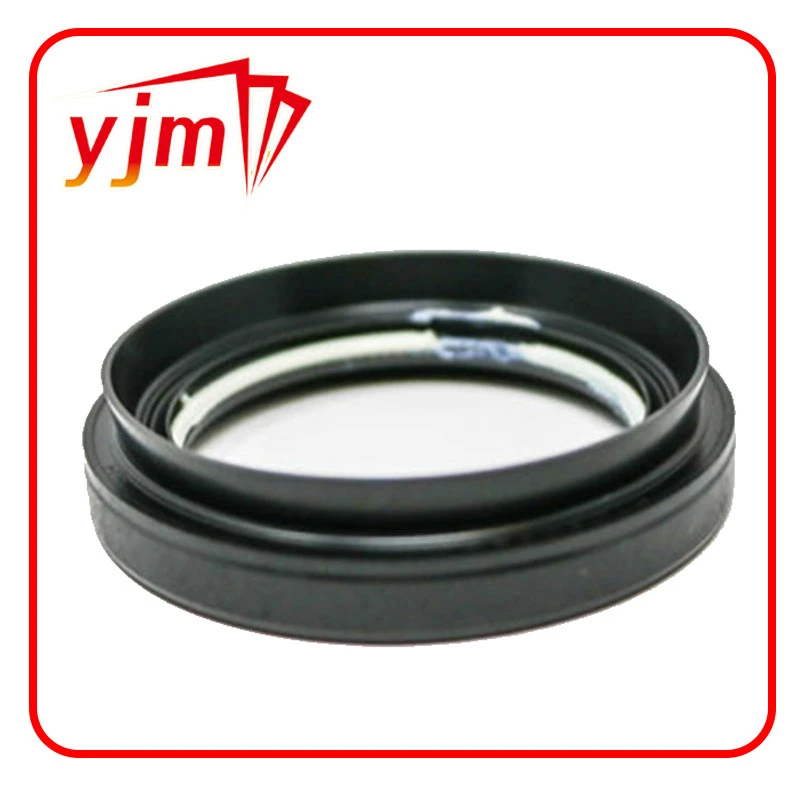
Type T Oil Seal, Front Drive Shaft, Left 9031150064
-
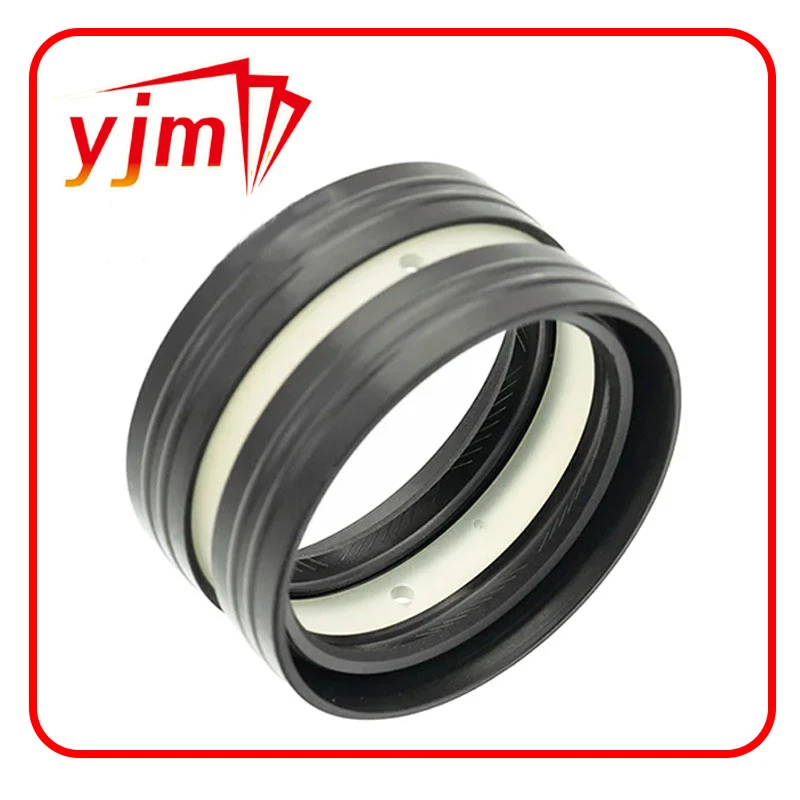
Seal, type d oil 9031634001 TOYOTA
 Afrikaans
 Albanian
 Amharic
 Arabic
 Armenian
 Azerbaijani
 Basque
 Belarusian
 Bengali
 Bosnian
 Bulgarian
 Catalan
 Cebuano
 Corsican
 Croatian
 Czech
Czech
 Danish
 Dutch
Dutch
 Esperanto
 Estonian
 Finnish
 French
 Frisian
 Galician
 Georgian
 German
 Greek
Greek
 Gujarati
 Haitian Creole
 Hausa
Hausa
 Hawaiian
 Hebrew
 Hindi
Hindi
 Miao
Miao
 Hungarian
 Icelandic
 Igbo
Igbo
 Indonesian
 Irish
Irish
 Italian
 Japanese
 Javanese
 Kannada
 Kazakh
 Khmer
Khmer
 Rwandese
 Korean
 Kurdish
 Kyrgyz
 Lao
Lao
 Latin
Latin
 Latvian
 Lithuanian
 Luxembourgish
 Macedonian
 Malgashi
 Malay
Malay
 Malayalam
 Maltese
 Maori
Maori
 Marathi
 Mongolian
 Myanmar
 Nepali
 Norwegian
 Norwegian
 Occitan
 Pashto
 Persian
 Polish
 Portuguese
 Punjabi
 Romanian
 Russian
 Samoan
 Scottish Gaelic
 Serbian
 Sesotho
 Shona
Shona
 Sindhi
 Sinhala
 Slovak
 Slovenian
 Somali
 Spanish
 Sundanese
 Swahili
 Swedish
 Tagalog
 Tajik
Tajik
 Tamil
Tamil
 Tatar
Tatar
 Telugu
 Thai
Thai
 Turkish
 Turkmen
 Ukrainian
 Urdu
Urdu
 Uighur
 Uzbek
Uzbek
 Vietnamese
 Welsh
Welsh
 Bantu
Bantu
 Yiddish
 Yoruba
 Zulu
Zulu
 English