Quick Oil Drain Plug: Efficient, Clean, and Reliable Maintenance Solution
Understanding the Quick Oil Drain Plug: Why It Matters
When you think about maintaining machinery, engines, or heavy equipment, one small but mighty component often goes unnoticed: the quick oil drain plug. Frankly, it’s a bit like the unsung hero in the oil change process. This simple device speeds up maintenance work, reduces spills, and improves safety — benefits that stack up big time, especially across global industries from manufacturing plants to agricultural farms.
Globally, machinery downtime can cost companies billions annually. The quick oil drain plug helps address this by enabling faster, cleaner oil changes. Understanding its design and application can save time, money, and headaches. Plus, as sustainability demands grow, reducing wasted oil and spills becomes an ethical and practical imperative.
Introduction: Global Context of Quick Oil Drain Plug Use
The global heavy equipment market is projected to grow steadily, and with it, the demand for streamlined maintenance tools like the quick oil drain plug. According to the World Bank, inefficient equipment maintenance contributes significantly to energy waste and pollution — and a lot of that comes from simple tasks like oil draining.
The challenge? Traditional oil drain plugs can be slow to remove, messy, and prone to leaks. This costs time and risks environmental fines or damage in sensitive areas. In environments from remote construction sites in Asia to large-scale factories in Europe, faster and cleaner oil draining is not just a luxury; it’s increasingly a must.
Defining the Quick Oil Drain Plug
So what exactly is a quick oil drain plug? Put simply, it’s a specially designed valve or plug that allows for rapid, controlled draining of oil from engines or gearboxes without the need to fully unscrew the standard drain plug. This enables faster oil changes and reduces the chance of spills or contamination.
In modern industrial settings and even humanitarian operations requiring reliable power machinery, having a quick and clean oil change method improves operational uptime significantly. It’s a small innovation with outsized impact.
Key Components and Features of a Quick Oil Drain Plug
1. Durability
Most quick oil drain plugs are made from corrosion-resistant materials like stainless steel or anodized aluminum to withstand harsh conditions and frequent use. If you’re working in salty or dusty environments, you want a plug that won’t fail prematurely.
2. Ease of Use
The main point is quick access. Many designs feature ergonomic handles or levers allowing operators to open and close the valve with a single motion, often without tools.
3. Leak Prevention
A tight seal is critical. These plugs incorporate advanced gasket or O-ring systems to prevent leaks during operation, helping protect the environment and reduce waste.
4. Compatibility
They come in various thread sizes and types to fit different engines and transmissions, which means versatility is key for manufacturers and fleet managers.
5. Cost Efficiency
While they cost a bit more upfront than standard plugs, they save money by cutting maintenance time and minimizing oil spills — plus less downtime equals more productivity.
Mini takeaway: The quick oil drain plug’s features streamline oil changes and enhance equipment reliability, especially in demanding conditions.
Global Applications and Sectors Benefiting from Quick Oil Drain Plugs
From Japan to Brazil, industries including automotive manufacturing, heavy machinery, agriculture, and even maritime shipping rely on these plugs to optimize routine service tasks. For example:
- Construction Equipment: In remote areas where heavy machines operate long shifts, rapid oil drainage minimizes stoppages.
- Agriculture: On farms, timely oil changes are critical during planting season, where downtime is costly.
- Emergency Services: Rescue generators and vehicles benefit from quick servicing for reliable operation.
In post-disaster zones, like after typhoons, equipment maintenance with quick oil drain plugs ensures that relief machinery keeps running without delay. Certain NGOs operating fleets in Africa have reported less oil wastage thanks to such plugs, improving both sustainability and budget allocation.
Advantages and Long-Term Value Propositions
There’s a lot to like:
- Cost savings: Faster oil changes reduce labor hours significantly.
- Sustainability: Less oil spillage helps protect soil and water.
- Safety: Operators avoid burns or mess from cumbersome oil changes.
- Reliability: Consistent equipment performance enhances trust.
More than just a tool, using quick drain plugs fosters confidence in machinery care practices. It’s a small step often overlooked but one that preserves dignity and safety in maintenance routines worldwide.
Product Specification Table
| Feature | Specification |
|---|---|
| Material | Stainless Steel (304) or Anodized Aluminum |
| Thread Sizes | M14x1.5, M16x1.5, M20x1.5 |
| Operating Temperature | -40°C to 150°C |
| Seal Type | Nitrile rubber O-ring |
| Max Operating Pressure | 5 bar |
| Installation | Tool-free lever or screw-in |
Vendor Comparison Table: Popular Quick Oil Drain Plug Suppliers
| Vendor | Material | Price Range | Lead Time | Warranty |
|---|---|---|---|---|
| YJM Seal | Stainless Steel | $$ | 1-2 weeks | 24 months |
| QuickFlow Tech | Aluminum | $ | 3-4 weeks | 12 months |
| ProDrain Solutions | Stainless Steel | $$$ | 2-3 weeks | 36 months |
Future Trends and Innovations
Innovation in this niche is quietly exciting. Suppliers are exploring lightweight composite materials to reduce weight without sacrificing durability. There’s also a push to integrate smart sensors that monitor oil temperature and level in real-time — fascinating for predictive maintenance strategies.
Moreover, with green energy technologies on the rise, some manufacturers are adapting quick oil drain plugs for electric vehicle cooling systems or hybrid machinery, aligning with broader sustainability goals.
Challenges & Solutions
Of course, not everything is perfect. A common limitation is ensuring universal compatibility with the vast range of engines worldwide. Some companies solve this by offering customizable plug sizes and thread types.
Another challenge is ensuring seal longevity in extreme conditions. Here, advances in polymer science continually help improve gasket materials. Frankly, it takes a bit of trial and error to get it just right.
FAQ: Quick Oil Drain Plug Essentials
- Q: How much time does a quick oil drain plug really save?
- A: Typically it shortens oil change time by 30–50%, depending on the equipment and operator, making it invaluable in high-volume maintenance environments.
- Q: Are quick oil drain plugs compatible with all engine types?
- A: Most are designed for widespread compatibility, but it’s essential to verify thread size and oil system pressure with your equipment specs before purchase.
- Q: Can these plugs be retrofitted to older machines?
- A: Often, yes. Many models are made for easy retrofit, though, in rare cases, adapter kits may be needed.
- Q: Is professional installation recommended?
- A: While simple models are user-installable, professional installation ensures optimal sealing and prevents common mistakes.
- Q: How does a quick oil drain plug contribute to environmental protection?
- A: By minimizing oil spillage and waste during changes, it reduces soil contamination and the risk of costly cleanup operations.
Conclusion + Call to Action
In the grand scheme of machinery maintenance, the quick oil drain plug may seem like a minor part — but it’s one that delivers major benefits: faster service, less waste, improved safety, and cost savings all rolled into one compact device. For those managing fleets or engine-powered operations, it feels like a no-brainer.
If you want to learn more or explore your options, I recommend checking out YJM Seal's range of quick oil drain plugs. Their products offer reliability alongside customization options suited for many industries.
Oddly enough, sometimes it’s the little things that keep the big machines running smoothly — fast, clean, and safe.
References
-
Guide to Choosing the Right Washer for Oil Change and Sealing
News Apr.16,2026
-
Essential Guide to High Quality rubber washer oil drain plug
News Apr.09,2026
-
Understanding Rubber Crush Washers for Optimal Sealing Performance
News Apr.07,2026
-
Comprehensive Guide to Understanding and Reusing Crush Washer for Optimal Sealing
News Apr.04,2026
-
The Vital Role of a Drain Screw Gasket in Fluid System Integrity
News Mar.31,2026
-
The Essential Guide to Drain Crush Washer Selection and Plumbing Leak Prevention
News Mar.28,2026
-
The Vital Role of a Crush Washer in Oil Changes for Engine Protection
News Mar.26,2026
Products categories
-
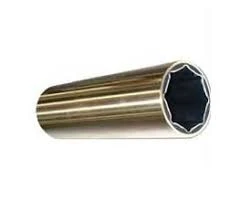
Brass cutlass marine bearing
-
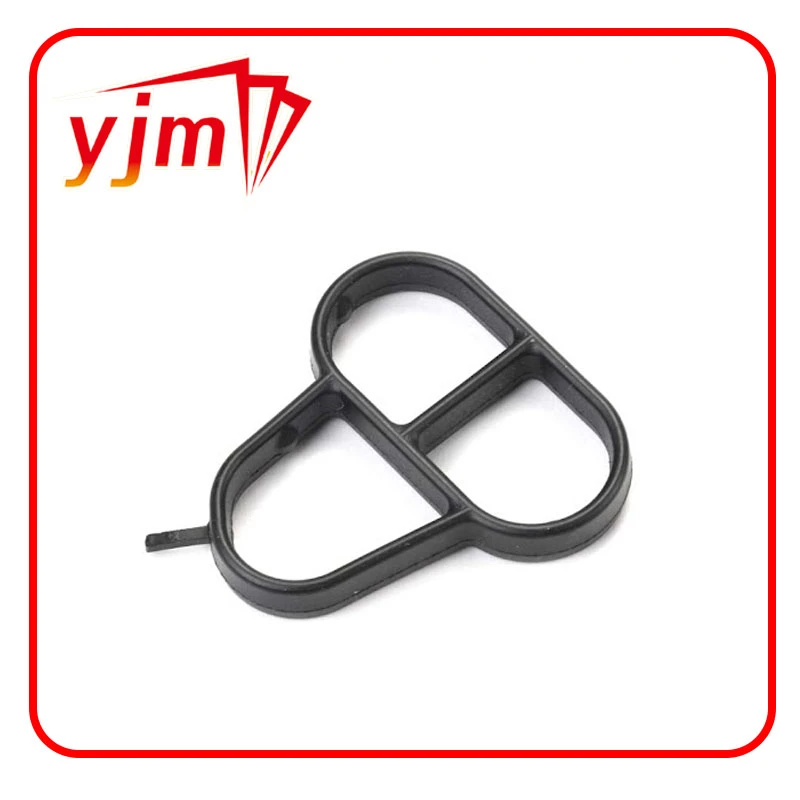
Genuine OEM Engine Oil Filter Housing Cover O-Ring For VW/Audi 06E115446
-
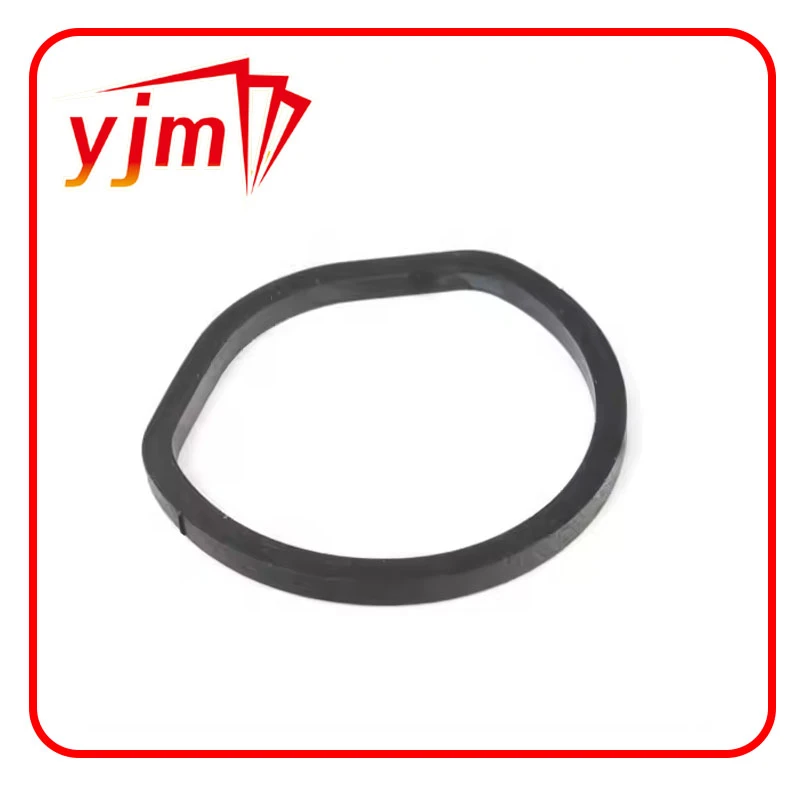
Oil Filter Stand Gasket,Oil filter cover seal
-
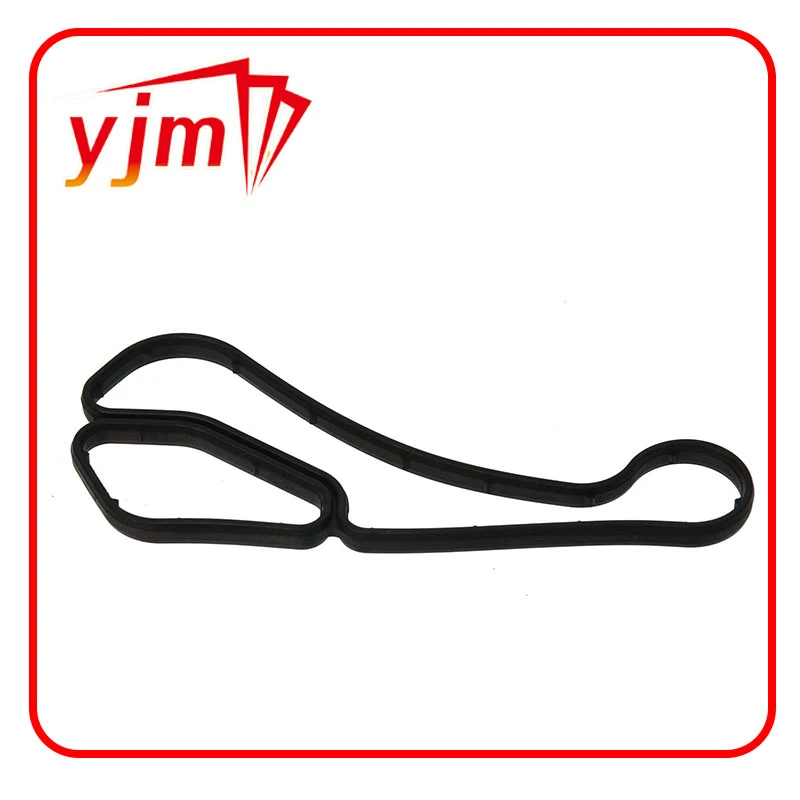
Oil Cooler Gasket, Oil Cooler to Oil Filter Housing 11427525335
-
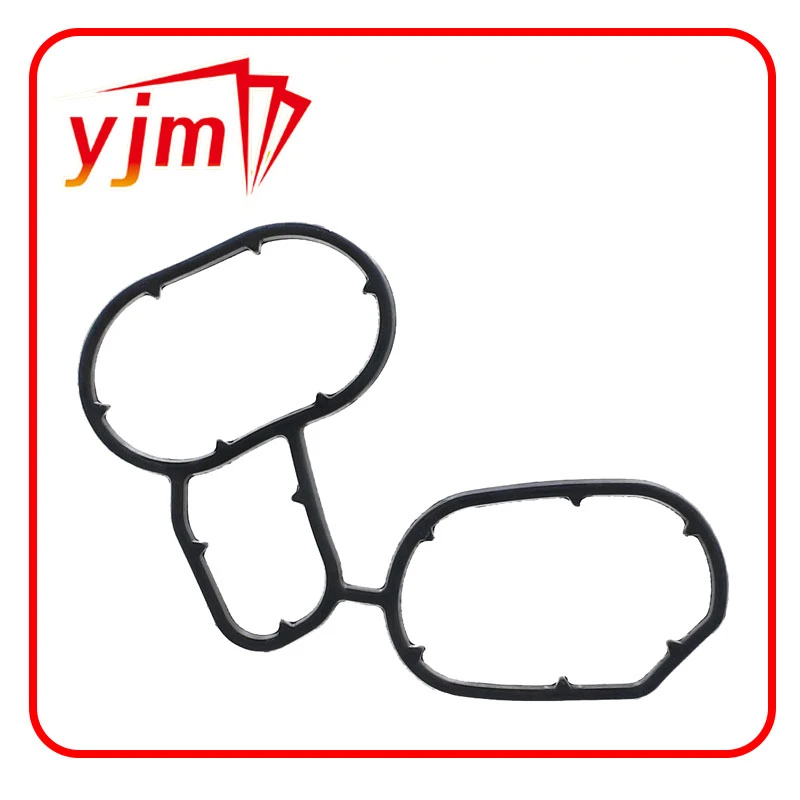
11427508970 BMW - OIL FILTER HOUSING GASKETS
-
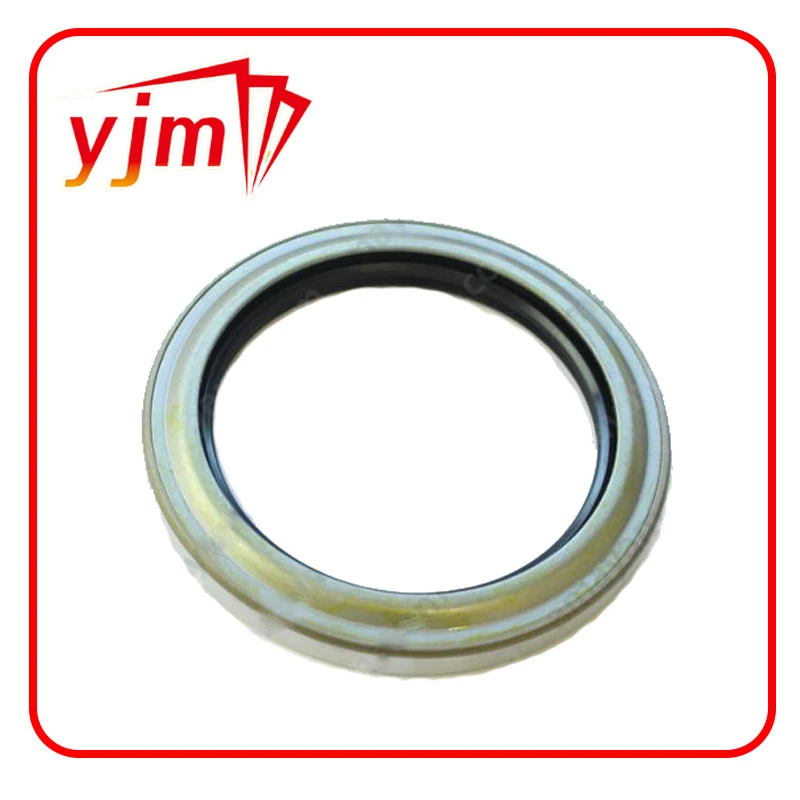
SEAL, OIL Genuine Toyota (9031170011)
-
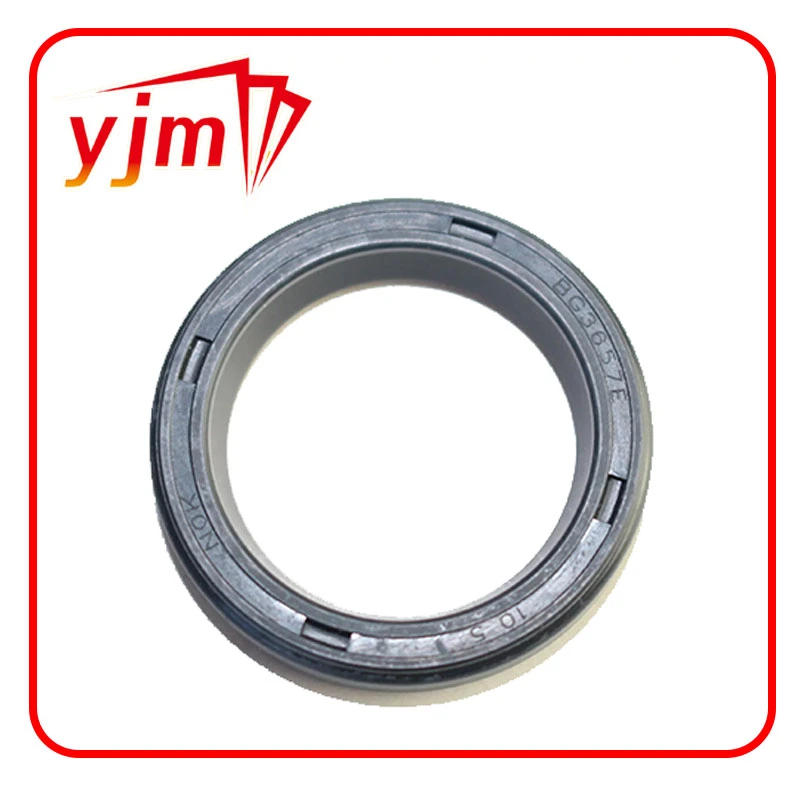
Transfer Case Output Shaft Seal Part 9031223001
-
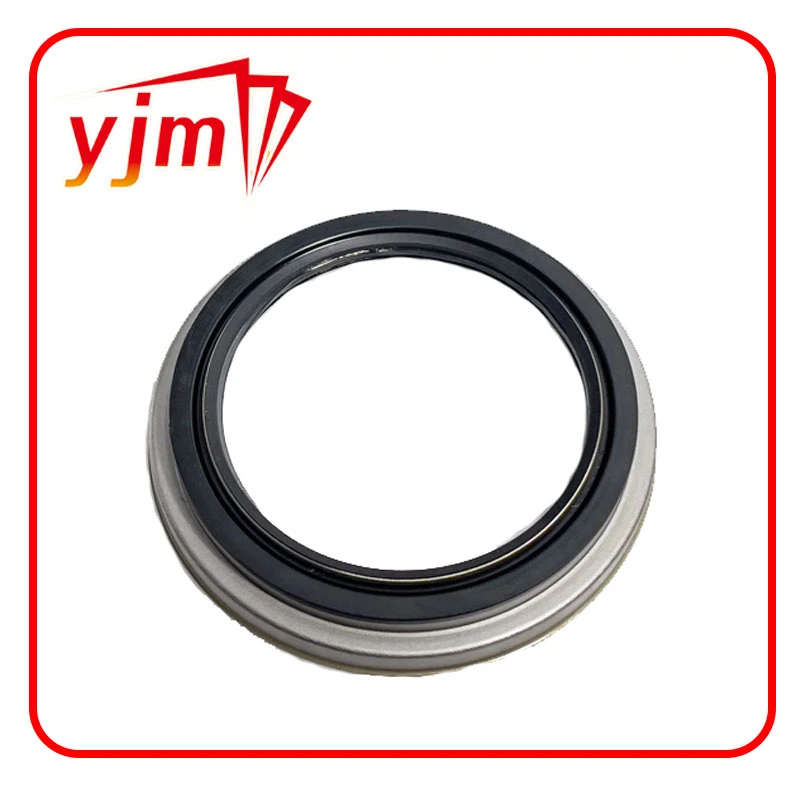
SEAL, OIL Genuine Toyota (9031672001)
-
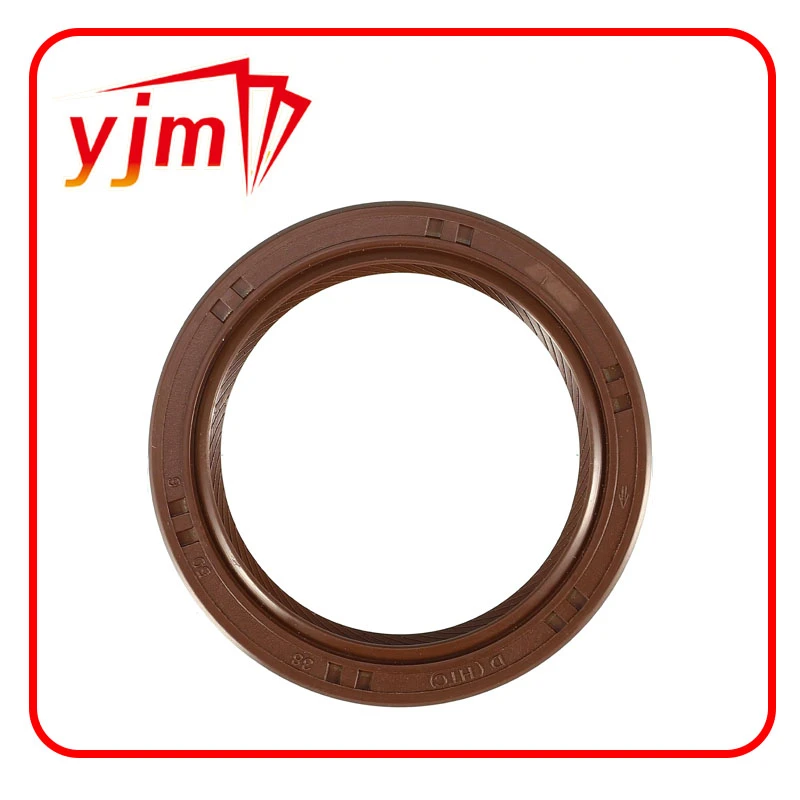
Engine Crankshaft Oil Seal No.9031138096
-
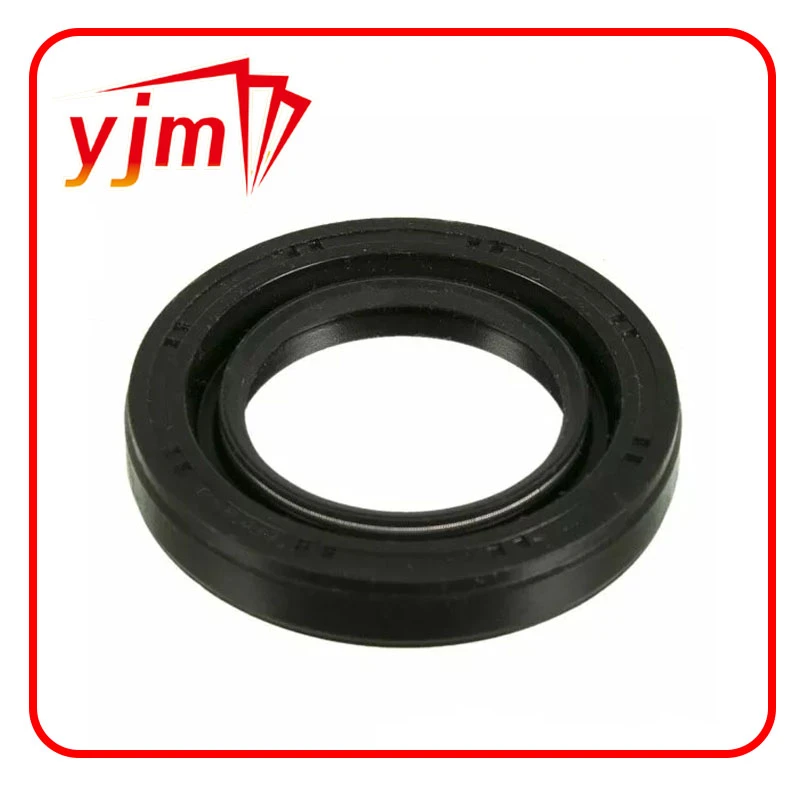
Toyota Transfer Case Output Shaft Seal Front 9031136006
-
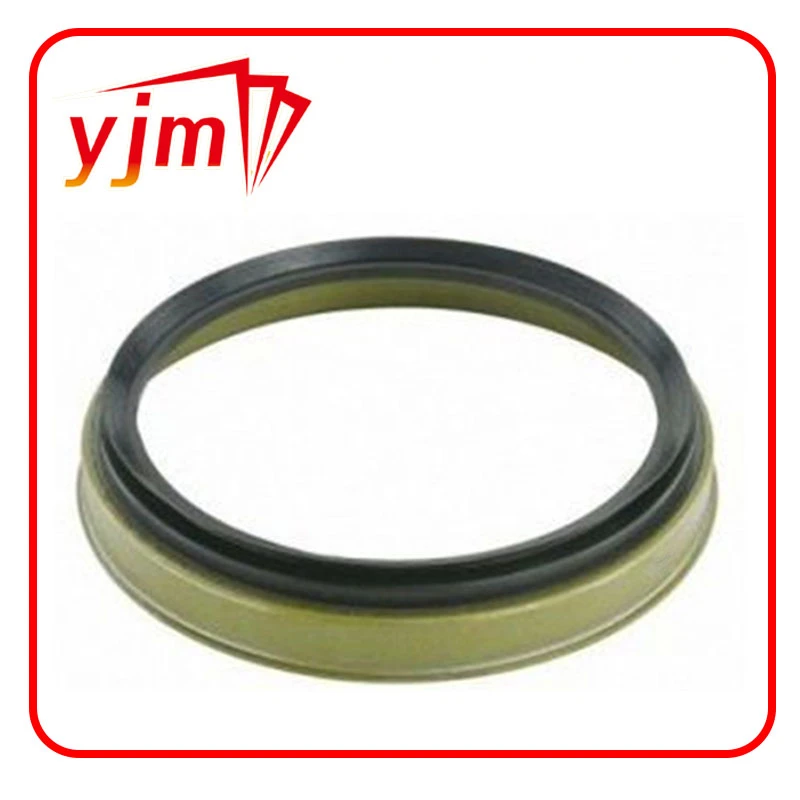
Seal, type v oil 9031287001 TOYOTA
-
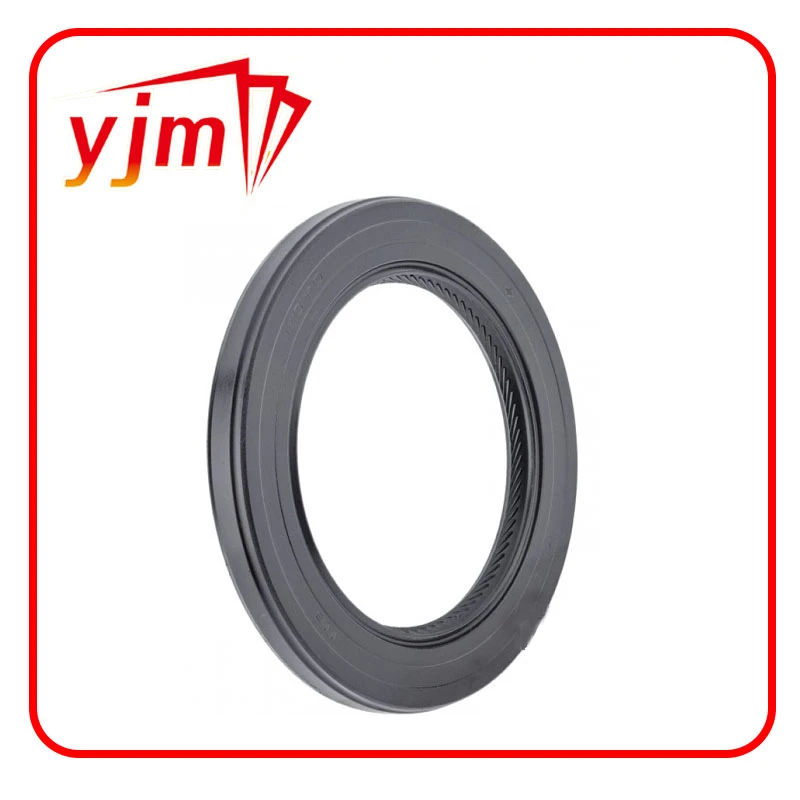
Oil pump seal 9031143010
-
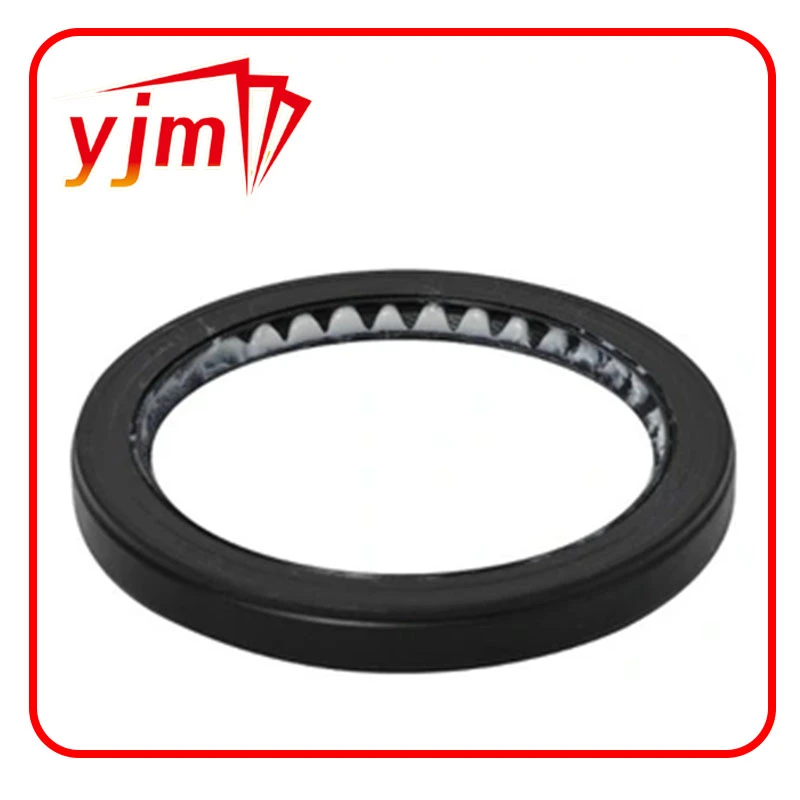
Genuine Toyota Oil SEAL 90311-54006
-
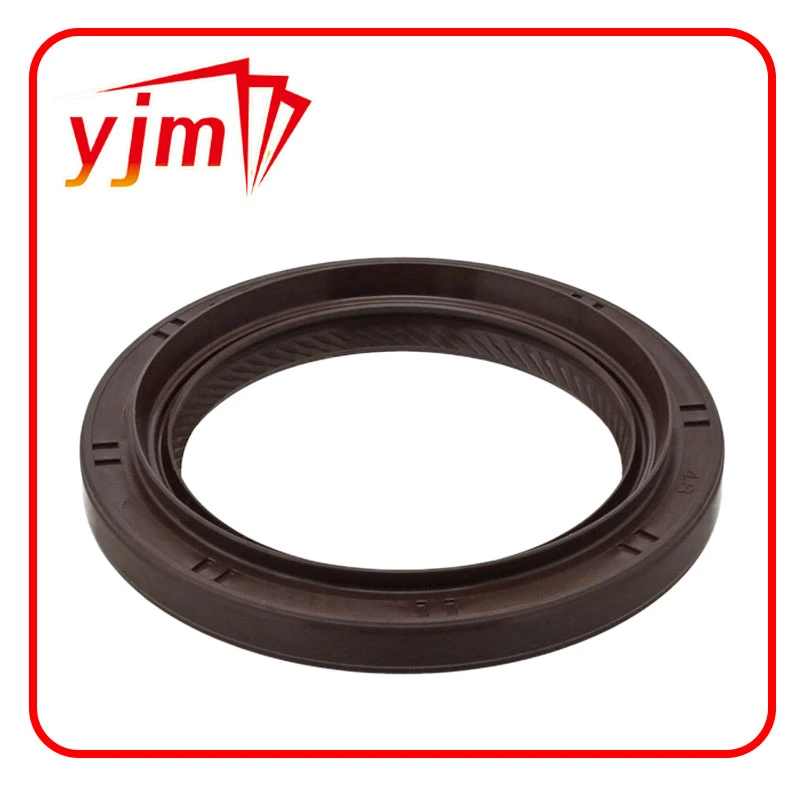
Toyota SEAL TYPE T OIL 90311-48031
-
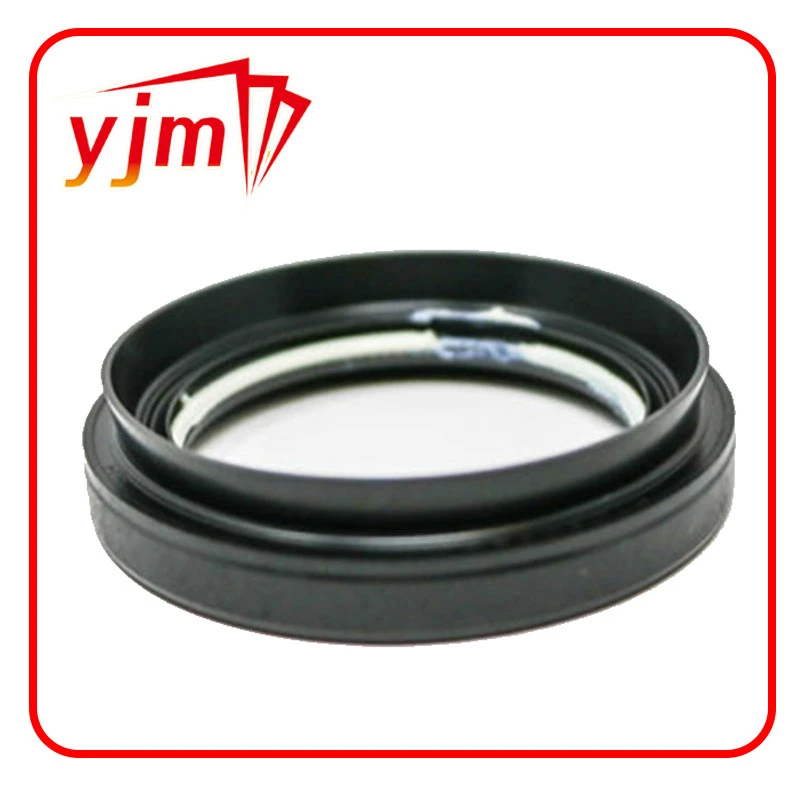
Type T Oil Seal, Front Drive Shaft, Left 9031150064
-
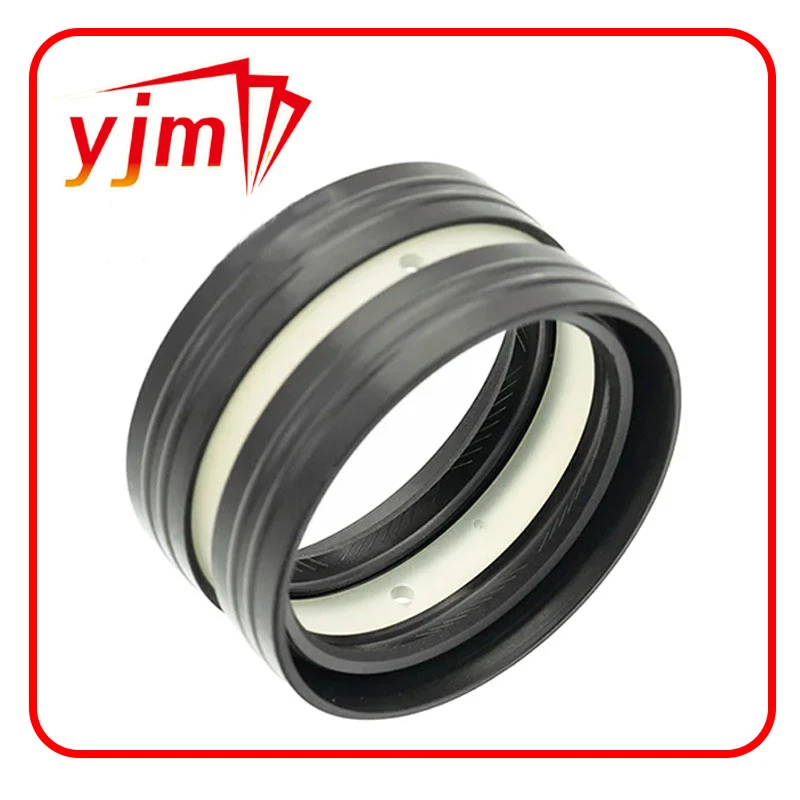
Seal, type d oil 9031634001 TOYOTA
 Afrikaans
 Albanian
 Amharic
 Arabic
 Armenian
 Azerbaijani
 Basque
 Belarusian
 Bengali
 Bosnian
 Bulgarian
 Catalan
 Cebuano
 Corsican
 Croatian
 Czech
Czech
 Danish
 Dutch
Dutch
 Esperanto
 Estonian
 Finnish
 French
 Frisian
 Galician
 Georgian
 German
 Greek
Greek
 Gujarati
 Haitian Creole
 Hausa
Hausa
 Hawaiian
 Hebrew
 Hindi
Hindi
 Miao
Miao
 Hungarian
 Icelandic
 Igbo
Igbo
 Indonesian
 Irish
Irish
 Italian
 Japanese
 Javanese
 Kannada
 Kazakh
 Khmer
Khmer
 Rwandese
 Korean
 Kurdish
 Kyrgyz
 Lao
Lao
 Latin
Latin
 Latvian
 Lithuanian
 Luxembourgish
 Macedonian
 Malgashi
 Malay
Malay
 Malayalam
 Maltese
 Maori
Maori
 Marathi
 Mongolian
 Myanmar
 Nepali
 Norwegian
 Norwegian
 Occitan
 Pashto
 Persian
 Polish
 Portuguese
 Punjabi
 Romanian
 Russian
 Samoan
 Scottish Gaelic
 Serbian
 Sesotho
 Shona
Shona
 Sindhi
 Sinhala
 Slovak
 Slovenian
 Somali
 Spanish
 Sundanese
 Swahili
 Swedish
 Tagalog
 Tajik
Tajik
 Tamil
Tamil
 Tatar
Tatar
 Telugu
 Thai
Thai
 Turkish
 Turkmen
 Ukrainian
 Urdu
Urdu
 Uighur
 Uzbek
Uzbek
 Vietnamese
 Welsh
Welsh
 Bantu
Bantu
 Yiddish
 Yoruba
 Zulu
Zulu
 English