Cassette Oil Seal – Durable & Efficient Sealing Solutions for Industrial Applications | YJM Seal
Understanding Cassette Oil Seals: Why They Matter
If you’ve ever peeked under the hood of a machine or peeked inside industrial gearboxes, you might not have noticed the small but mighty cassette oil seal. Yet, these seals play an essential role in keeping machinery running smoothly worldwide. This component is vital in preventing leaks, contamination, and failure—problems that cost industries billions annually.
Globally, as industries push toward increased automation and sustainability, how materials and components like cassette oil seals perform can make or break operations. Understanding their function not only boosts maintenance efficiency but also supports product longevity and environmental responsibility. In short: knowing your oil seals is a simple step with outsized benefits.
The Global Context: Why Cassette Oil Seals Are More Relevant Than Ever
Picture this: Across the globe, manufacturing and automotive sectors contribute approximately 16% of the world’s GDP (World Bank, 2023). Most rely heavily on robust mechanical parts — including seals — that keep equipment safe from oil leakage and external contaminants. Oil seals, especially cassette-style ones, are crucial in this ecosystem.
One longstanding challenge is environmental compliance. According to ISO 14001 environmental standards, leaks from poorly sealed machinery can pollute soils and waterways. The cassette oil seal addresses this by offering an improved sealing solution that extends maintenance intervals and reduces environmental risks. This is invaluable in remote industrial zones or harsh environments like offshore oil rigs and deserts.
What Exactly Is a Cassette Oil Seal?
Simply put, a cassette oil seal is an advanced type of rotary shaft seal designed to fit as a unitized component in heavy-duty equipment. Unlike traditional seals that require multiple steps for installation and alignment, cassette seals come as “ready-to-install” units, simplifying the maintenance process.
Their construction typically includes a rubber sealing lip integrated into a metal or polymer casing, shaped like a cassette (or cartridge) that snaps into place. This design combines mechanical robustness with ease-of-installation, reducing downtime and the likelihood of installation errors.
In modern industries—like automotive assembly, wind turbines, and heavy machinery production—cassette oil seals protect sensitive components from lubricant leaks and external dirt, ensuring operational longevity and safety.
Key Features That Make Cassette Oil Seals Stand Out
1. Durability
Many engineers say that the cassette oil seal’s longevity is unmatched under extreme conditions. It is often built from wear-resistant rubber compounds combined with stainless or zinc-coated steel, resisting abrasion, high pressures, and temperature swings up to 150°C (~302°F). This means less frequent replacements and extended machine uptime.
2. Ease of Installation
The modular “cassette” design lets technicians replace seals quickly without crane support or disassembling entire gearboxes. This feature is a big deal in large industrial plants where downtime costs can be staggering.
3. Cost Efficiency
Though the upfront cost for cassette oil seals might be slightly higher than traditional seals, the lifecycle cost is significantly lower. Less maintenance labor, fewer oil leaks, and improved machinery performance combine to save money over time.
4. Environmental Protection
By effectively preventing leaks, these seals cut down on the risk of environmental contamination, aligning compliance with ISO environmental standards. That’s a win not just for companies but also for communities living near industrial operations.
5. Versatility
Cassette seals cater to numerous shaft sizes and applications, from heavy trucks and agricultural machinery to massive wind turbines. Their design flexibility means they’re often customized to fit unique operational parameters.
| Parameter | Value | Notes |
|---|---|---|
| Shaft Diameter Range | 15 mm to 300 mm | Varies by model |
| Max Operating Temperature | 150°C (302°F) | Depends on seal material |
| Pressure Tolerance | Up to 0.15 MPa | Suitable for moderate pressures |
| Material | NBR or FKM Rubber, Steel | Standard choices for durability |
| Installation Method | Snap-in cassette cartridge | Minimizes installation errors |
Mini takeaway: Cassette oil seals blend durability, user-friendly design, and cost efficiency—qualities that make them a favorite for many industries globally.
How Cassette Oil Seals Serve Global Industries and Communities
Because of their design and effectiveness, cassette oil seals find their way into numerous sectors:
- Automotive Industry: Protecting engines and transmissions from oil leaks and dirt ingress.
- Renewable Energy: Wind turbines rely on these seals to keep lubricants in place despite off-shore corrosive environments.
- Heavy Machinery: Mining, construction, and agricultural machines require reliable sealing to reduce downtime.
- Humanitarian and Emergency Equipment: Mobile power generators used in disaster zones depend on high-quality seals for reliability.
For example, in northern Europe’s wind farms, engineers praised cassette seals for lasting 30% longer than older designs, reducing costly maintenance trips to remote sites. Meanwhile, in subtropical regions, large agricultural equipment benefits from seals that withstand dust and frequent temperature swings.
Vendor Comparison: Picking the Right Cassette Oil Seal Supplier
| Vendor | Material Options | Custom Sizes | Price Range | Lead Time |
|---|---|---|---|---|
| YJM Seal | NBR, FKM, Silicone | Yes | $15–$50 | 2–3 weeks |
| GlobalSeal Corp. | NBR only | Limited | $10–$40 | 3–5 weeks |
| SealMaster Ltd. | FKM, EPDM | Yes | $20–$60 | 4 weeks |
Advantages: The Real-World Impact of Cassette Oil Seals
The benefits of cassette oil seals aren’t just technical specs on paper. When these seals perform reliably, the ripple effects are visible:
- Cost Savings: Less leak-induced downtime means more production hours and less waste.
- Sustainability: Preventing lubricant leaks reduces harmful environmental contamination.
- Worker Safety: Reduced oil spills create safer factory floors — nobody wants slip hazards or fire risks.
- Equipment Longevity: Efficient sealing preserves vital machinery components, cutting repair costs.
Psychologically, knowing your machines have trustworthy seals gives operators peace of mind. Frankly, a small dependable part like this builds big trust. It’s odd how something so tiny can feel like a silent workhorse.
Looking Ahead: Innovations and Future Trends in Cassette Oil Seals
Materials science is on a roll. Recent developments include high-performance fluorosilicone compounds that resist harsh chemicals and super-fine sealing lip geometries designed with AI simulation for zero leakage. These advancements dovetail with Industry 4.0’s push for sensors embedded into seals, enabling predictive maintenance and real-time condition monitoring.
Moreover, sustainability trends are pushing for bio-based elastomers and recyclable seal designs. Imagine oil seals that not only seal but biodegrade safely at end-of-life — that’d be a game-changer.
Common Challenges and How to Tackle Them
Despite their benefits, cassette oil seals aren’t perfect. Installation mistakes, such as improper shaft surface finishing, can reduce seal lifespan significantly. Also, exposure to extreme pressures or temperatures beyond design limits shortens their efficacy.
Experts recommend rigorous training on proper installation, choosing seals fit for operational conditions (never a “one size fits all”), and regularly monitoring seals in critical areas. Vendors like YJM Seal often provide installation guidelines and engineering support, which are worth the extra time.
FAQ: Quick Answers About Cassette Oil Seals
- How do cassette oil seals differ from traditional shaft seals?
- Cassette seals come as preassembled cartridges, making installation faster and more error-proof compared to traditional loose lip seals requiring manual assembly.
- What maintenance does a cassette oil seal need?
- They require regular inspection for wear and contamination, but generally need less frequent replacement due to improved durability.
- Can cassette oil seals handle high-speed shafts?
- Yes, many designs accommodate moderate to high rotational speeds, but always check manufacturer specs for max RPM ratings.
- Are cassette oil seals environmentally friendly?
- By minimizing lubricant leaks and using advanced materials, they reduce contamination risks, making them more eco-friendly than older technologies.
- Can these seals be customized for unique machinery sizes?
- Absolutely. Most vendors offer custom sizes and materials to suit specific equipment needs.
Wrapping Up: Why Cassette Oil Seals Are Worth the Attention
In the vast world of industrial components, the cassette oil seal might seem humble, but it’s no underdog. From boosting machine reliability to supporting environmental goals and saving costs, its impact is big and tangible.
Next time you evaluate machinery components, give these seals a closer look. For detailed technical specs, variations, and support, check out cassette oil seal solutions and see how they fit your operational needs.
Takeaway: Small piece, big difference. Sometimes innovation is about packaging the familiar in smarter ways.
References
-
Guide to Choosing the Right Washer for Oil Change and Sealing
News Apr.16,2026
-
Essential Guide to High Quality rubber washer oil drain plug
News Apr.09,2026
-
Understanding Rubber Crush Washers for Optimal Sealing Performance
News Apr.07,2026
-
Comprehensive Guide to Understanding and Reusing Crush Washer for Optimal Sealing
News Apr.04,2026
-
The Vital Role of a Drain Screw Gasket in Fluid System Integrity
News Mar.31,2026
-
The Essential Guide to Drain Crush Washer Selection and Plumbing Leak Prevention
News Mar.28,2026
-
The Vital Role of a Crush Washer in Oil Changes for Engine Protection
News Mar.26,2026
Products categories
-
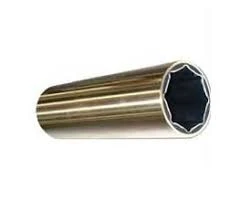
Brass cutlass marine bearing
-
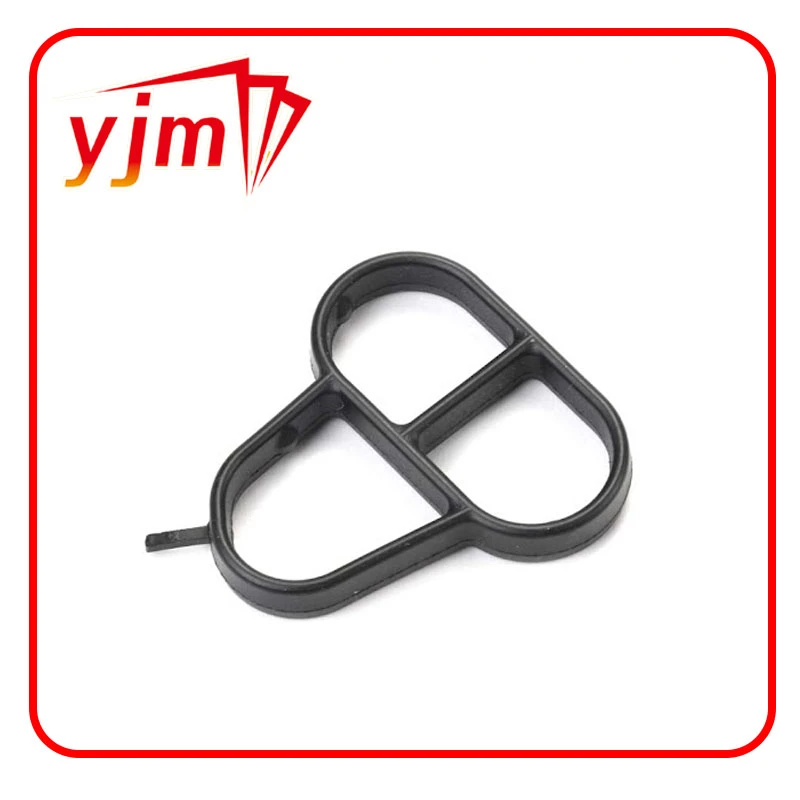
Genuine OEM Engine Oil Filter Housing Cover O-Ring For VW/Audi 06E115446
-
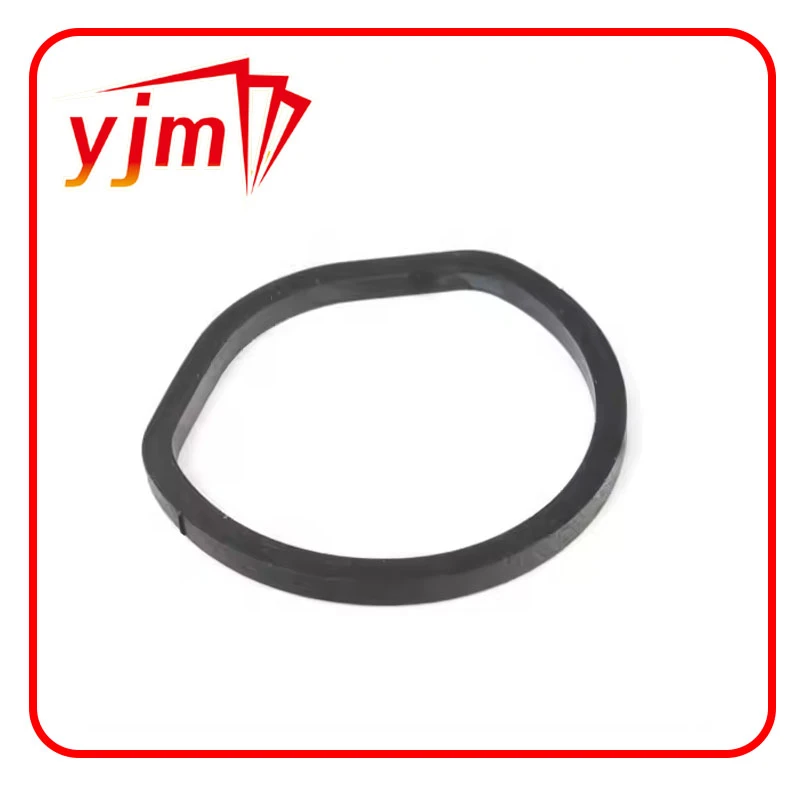
Oil Filter Stand Gasket,Oil filter cover seal
-
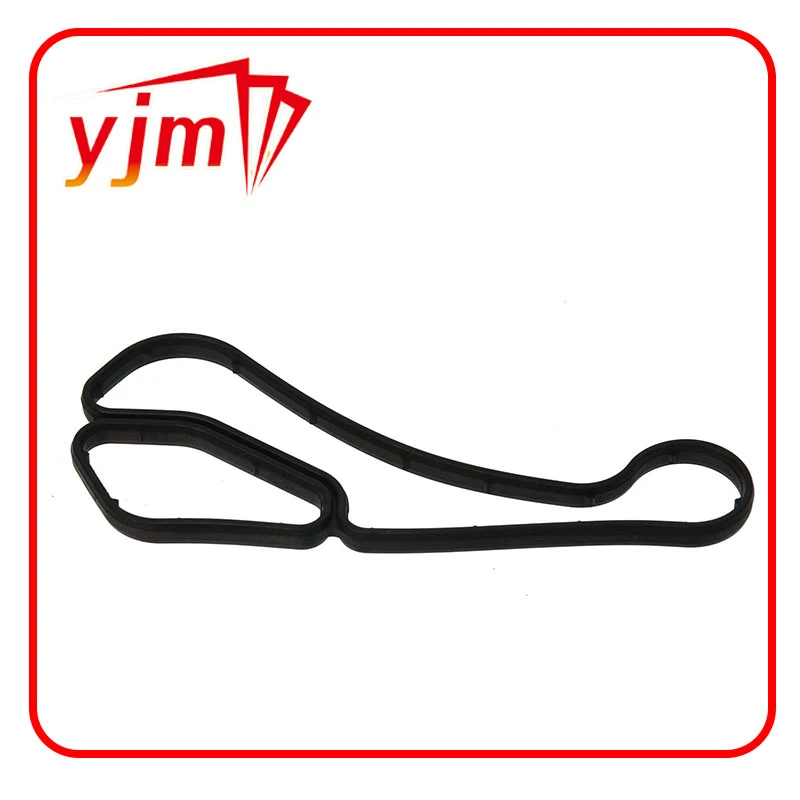
Oil Cooler Gasket, Oil Cooler to Oil Filter Housing 11427525335
-
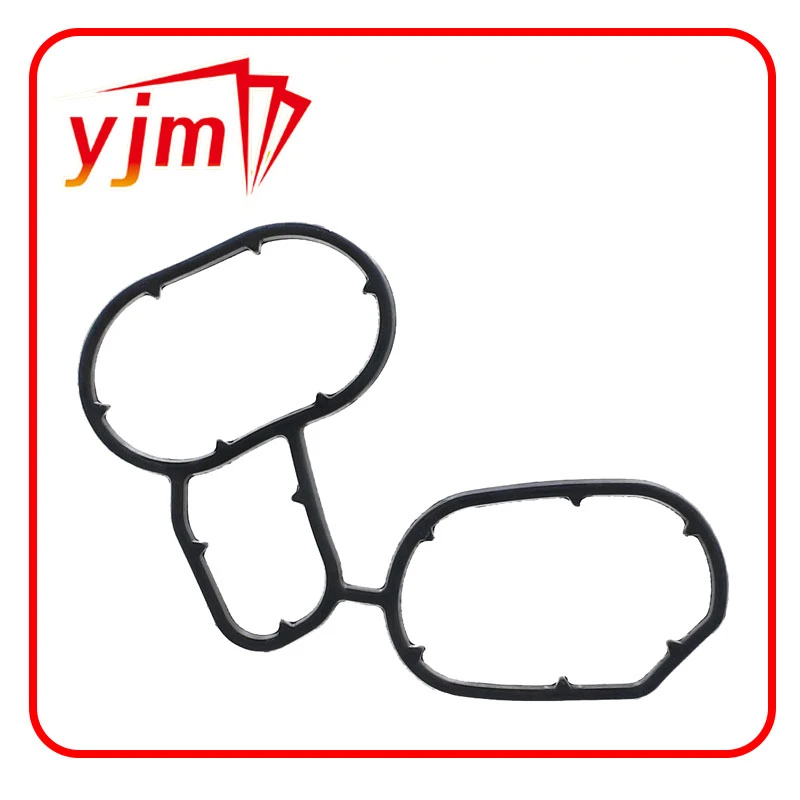
11427508970 BMW - OIL FILTER HOUSING GASKETS
-
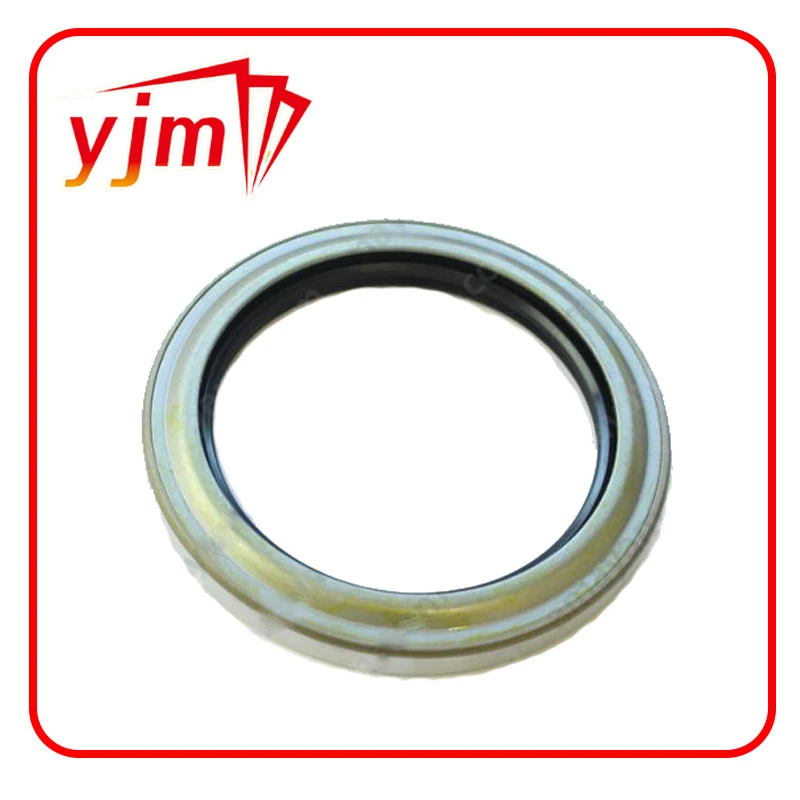
SEAL, OIL Genuine Toyota (9031170011)
-
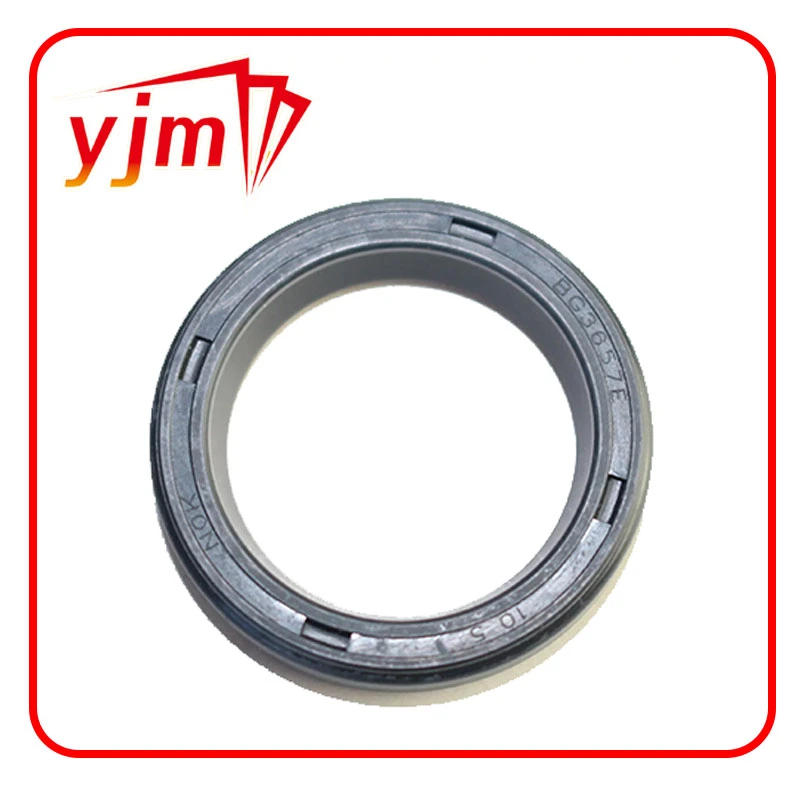
Transfer Case Output Shaft Seal Part 9031223001
-
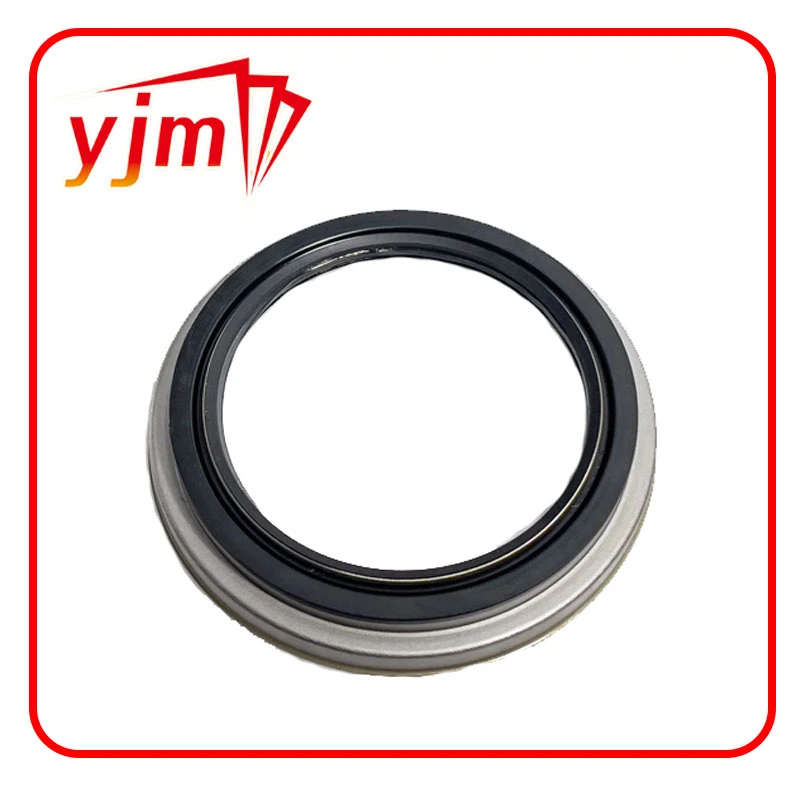
SEAL, OIL Genuine Toyota (9031672001)
-
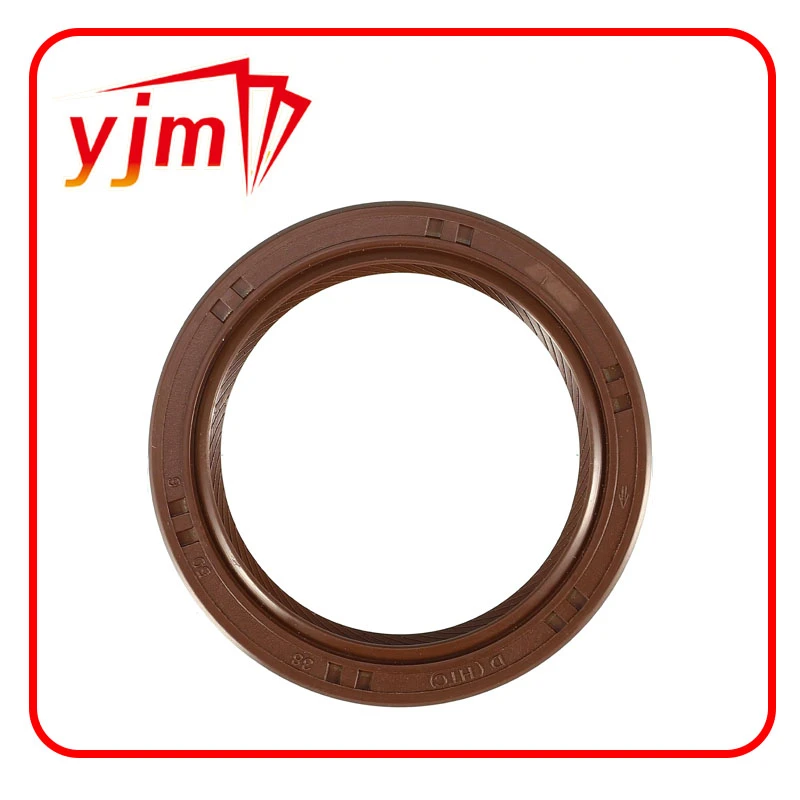
Engine Crankshaft Oil Seal No.9031138096
-
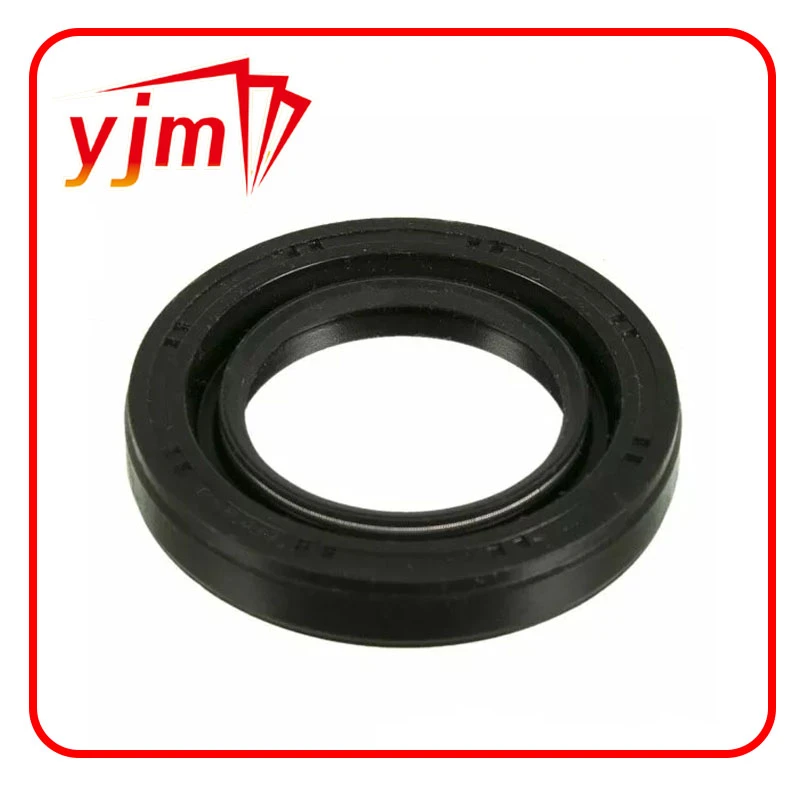
Toyota Transfer Case Output Shaft Seal Front 9031136006
-
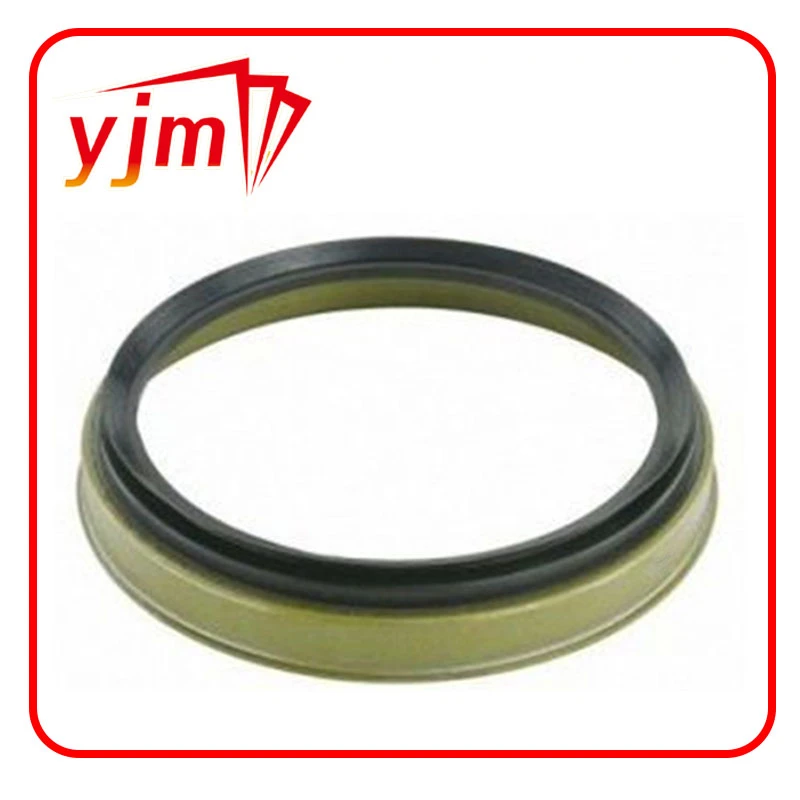
Seal, type v oil 9031287001 TOYOTA
-
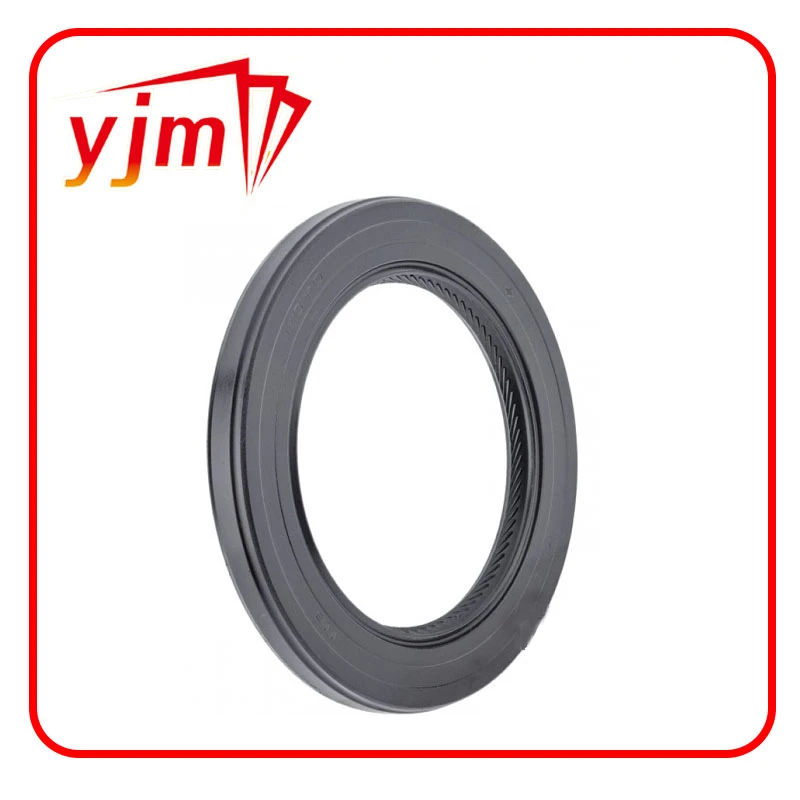
Oil pump seal 9031143010
-
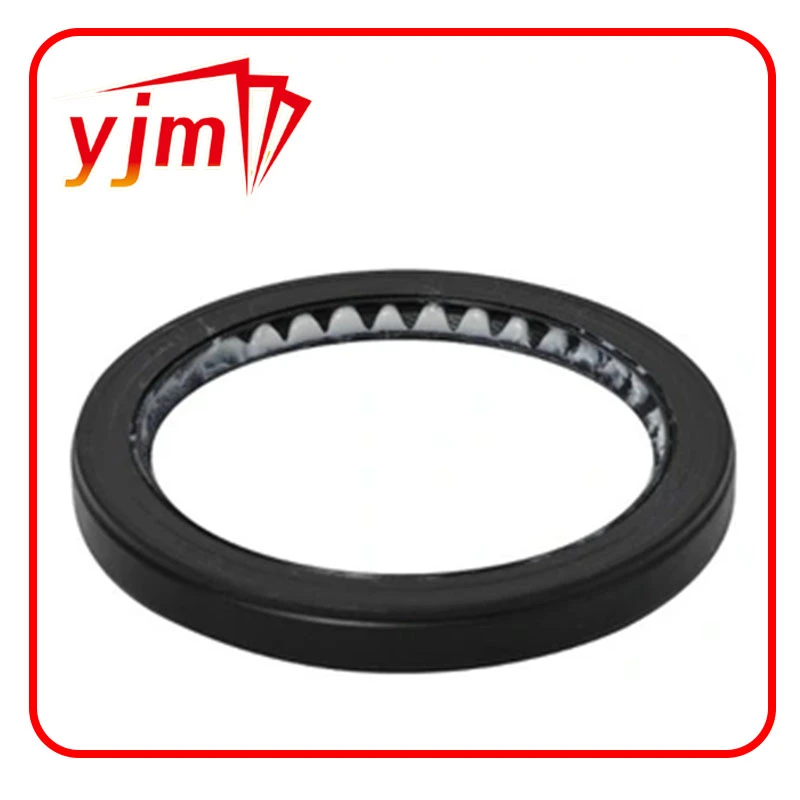
Genuine Toyota Oil SEAL 90311-54006
-
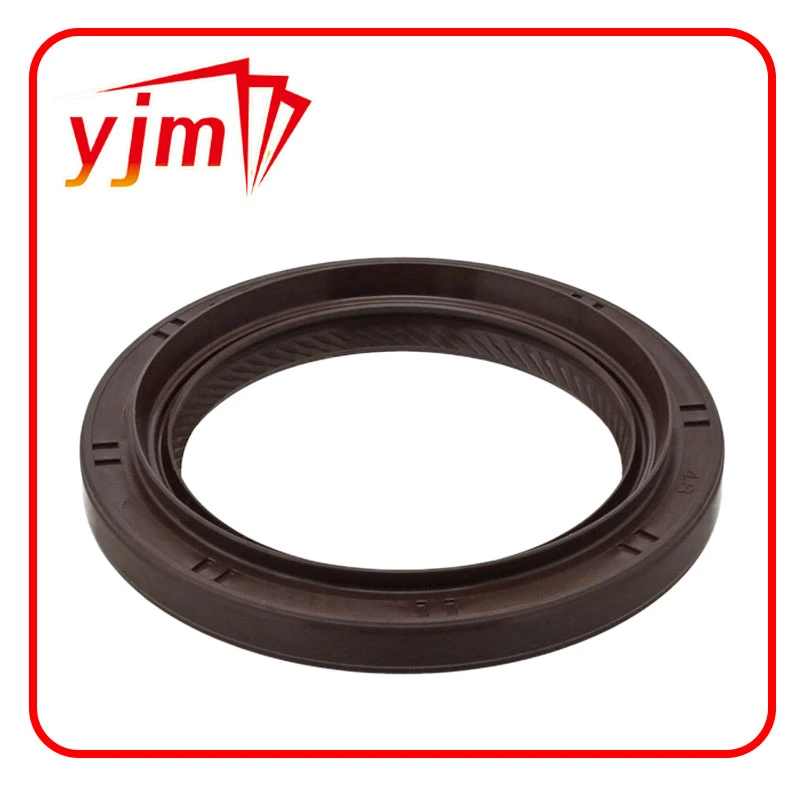
Toyota SEAL TYPE T OIL 90311-48031
-
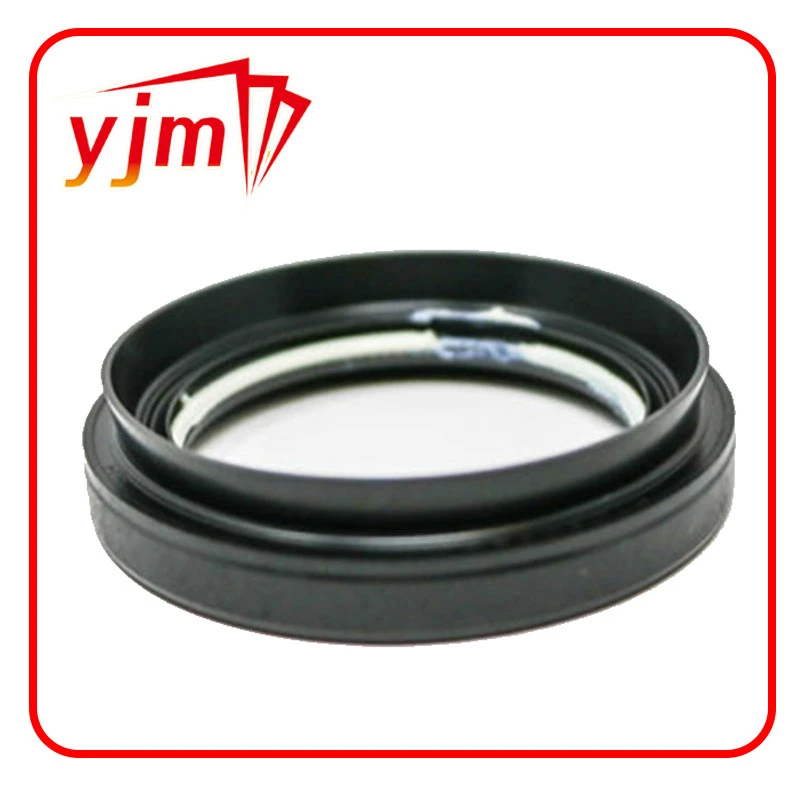
Type T Oil Seal, Front Drive Shaft, Left 9031150064
-
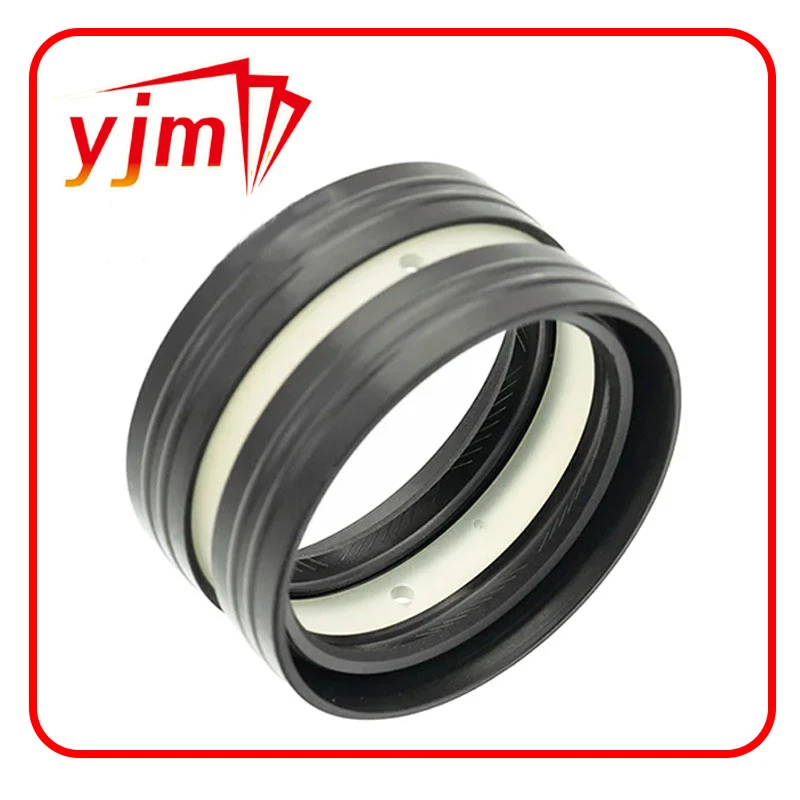
Seal, type d oil 9031634001 TOYOTA
 Afrikaans
 Albanian
 Amharic
 Arabic
 Armenian
 Azerbaijani
 Basque
 Belarusian
 Bengali
 Bosnian
 Bulgarian
 Catalan
 Cebuano
 Corsican
 Croatian
 Czech
Czech
 Danish
 Dutch
Dutch
 Esperanto
 Estonian
 Finnish
 French
 Frisian
 Galician
 Georgian
 German
 Greek
Greek
 Gujarati
 Haitian Creole
 Hausa
Hausa
 Hawaiian
 Hebrew
 Hindi
Hindi
 Miao
Miao
 Hungarian
 Icelandic
 Igbo
Igbo
 Indonesian
 Irish
Irish
 Italian
 Japanese
 Javanese
 Kannada
 Kazakh
 Khmer
Khmer
 Rwandese
 Korean
 Kurdish
 Kyrgyz
 Lao
Lao
 Latin
Latin
 Latvian
 Lithuanian
 Luxembourgish
 Macedonian
 Malgashi
 Malay
Malay
 Malayalam
 Maltese
 Maori
Maori
 Marathi
 Mongolian
 Myanmar
 Nepali
 Norwegian
 Norwegian
 Occitan
 Pashto
 Persian
 Polish
 Portuguese
 Punjabi
 Romanian
 Russian
 Samoan
 Scottish Gaelic
 Serbian
 Sesotho
 Shona
Shona
 Sindhi
 Sinhala
 Slovak
 Slovenian
 Somali
 Spanish
 Sundanese
 Swahili
 Swedish
 Tagalog
 Tajik
Tajik
 Tamil
Tamil
 Tatar
Tatar
 Telugu
 Thai
Thai
 Turkish
 Turkmen
 Ukrainian
 Urdu
Urdu
 Uighur
 Uzbek
Uzbek
 Vietnamese
 Welsh
Welsh
 Bantu
Bantu
 Yiddish
 Yoruba
 Zulu
Zulu
 English