Crankshaft Main Seal – Essential Guide to Durability, Applications & Innovations
Understanding the Crankshaft Main Seal: Essential Component for Modern Machinery
At first glance, the crankshaft main seal might not sound like a game-changer. However, this humble component plays a vital role in the durability and performance of engines worldwide—whether in heavy-duty trucks, industrial generators, or marine vessels. Its importance extends beyond just functioning machinery; it ties into global efforts to improve equipment reliability, reduce emissions, and minimize waste arising from frequent maintenance. Knowing how crankshaft seals work and what to look for can save industries millions while supporting sustainability goals—a small insight, big impact.
Global Context: Why the Crankshaft Main Seal Matters Today
The World Bank estimates that the global industrial engine market will exceed $250 billion by 2027, reflecting broad growth in manufacturing, transportation, and energy sectors. At the heart of many such engines is the crankshaft, which converts linear piston movement into rotational power. The crankshaft main seal ensures that lubricants stay put and contaminants stay out—a seemingly simple job but one that helps engines run efficiently and reduces failure rates.
Oddly enough, the most common cause of engine oil leaks worldwide is a failed crankshaft seal, leading to costly downtime and environmental hazards due to spillage. With the rise in automotive and equipment use globally—especially in emerging markets—there's a greater urgency to enhance these seals’ longevity and performance standards, where ISO norms like ISO 6194 guide testing for oil seals.
Mini takeaway: Globally, the crankshaft main seal is more than a maintenance detail; it’s a keystone for sustainable industrial growth and environmental care.
What is a Crankshaft Main Seal?
Simply put, the crankshaft main seal is a circular component made of resilient materials like rubber or silicone, sealed tightly around the crankshaft’s rotating shaft. It prevents the engine oil inside the crankcase from leaking out while keeping dirt and water from entering. Think of it as the gatekeeper balancing lubrication inside and protection outside, ensuring the engine's internals operate under optimal conditions.
This seal’s job connects directly to modern humanitarian and industrial needs. Reliable engines power emergency vehicles, agricultural machines, and even water pumps in disaster-hit areas. A failure here can disrupt vital services, which frankly underlines the importance of quality parts in global health and safety logistics.
Key Factors of Crankshaft Main Seal Design and Performance
Durability
Materials chosen—commonly nitrile rubber, fluoroelastomer, or polyurethane—give the seal resistance to heat, wear, and chemicals. This durability means fewer replacements and reduced maintenance costs.
Precision Fit
Manufacturers need micron-level tolerances to ensure the seal fits snugly on the crankshaft. Even a slight mismatch can cause leaks, which engineers often fine-tune with specialized tools.
Temperature Resistance
Engines generate intense heat, so seals must endure temperatures ranging from -40°C to over 150°C without losing elasticity.
Lubricant Compatibility
Seals should be compatible with various lubricants, including synthetics and conventional oils, to avoid degradation.
Environmental Compliance
New regulations stress environmentally friendly materials and waste reduction in manufacturing processes.
Product Specification: Typical Crankshaft Main Seal
| Specification | Detail |
|---|---|
| Outer Diameter | Standard sizes from 30 mm to 120 mm |
| Inner Diameter | Tailored to specific crankshaft diameter |
| Material | Nitrile rubber (NBR), FKM, PTFE options |
| Temperature Range | -40°C to +150°C (typical) |
| Installation type | Press fit or clamp fit |
Global Applications and Use Cases
The crankshaft main seal finds itself at the crossroads of many industries:
- Automotive: Cars and trucks worldwide depend on these seals to keep engines running smoothly, especially in regions with extreme climates.
- Marine: Ships and fishing vessels use seals designed to endure salty air and continuous operation.
- Construction and Agriculture: Heavy machinery operating in remote or harsh environments rely heavily on robust sealing solutions to minimize downtime.
For example, in Southeast Asia’s humid conditions, crankshaft seals often need extra protection to resist mold and water ingress. Meanwhile, emergency generators used in post-disaster relief—a context I’m sure many engineers can appreciate—require seals that maintain integrity under prolonged use without frequent servicing.
Mini takeaway: The crankshaft main seal isn’t a one-size-fits-all; it adapts across climates and industries, delivering vital reliability.
Advantages and Long-Term Value of Quality Seals
What sets a good crankshaft main seal apart? Cost savings, no doubt, but the story is deeper. Reliable seals prevent oil leakage, reducing environmental contamination—a growing concern as regulations tighten globally. They also extend engine life, supporting sustainability by cutting down the need for replacements and manufacturing new parts.
Besides tangibles like money saved, there’s an emotional comfort in knowing machines won’t fail when you need them most. This reliability builds trust between operators, manufacturers, and customers—a subtle, yet powerful factor often overlooked.
Future Trends and Innovations
Materials science is pushing boundaries with seals using advanced polymers and composites that last longer and resist harsher chemicals. There’s also a push toward “smart seals” imbued with sensors that monitor wear or leaks in real-time—aligning with Industry 4.0’s digital transformation ethos.
From a sustainability angle, entirely recyclable or bio-based seal materials are emerging, addressing lifecycle impacts. Meanwhile, automation in manufacturing ensures tighter tolerances and consistency. The next few years might see more eco-conscious and smarter crankshaft seals becoming standard.
Challenges and Solutions
Despite advances, challenges remain. For instance, improper installation can ruin even the best seals. Training maintenance personnel and using the right tools is critical. Additionally, exposure to new biofuels can degrade traditional rubber compounds, pushing the need for seals compatible with evolving fuels.
Manufacturers are responding by designing seals with innovative lip profiles to maintain contact and prevent leaks better, plus adopting coatings that reduce friction and wear. Continuous testing to meet ISO and SAE standards ensures quality remains high across markets.
Vendor Comparison: Top Crankshaft Main Seal Suppliers
| Vendor | Material Options | Customization | Global Reach | Pricing |
|---|---|---|---|---|
| YJM Seal | NBR, FKM, PTFE | High | Asia, Europe, Americas | Competitive |
| SealTech Co. | NBR, Silicone | Medium | Europe, North America | Premium |
| GlobalSeal Inc. | NBR, FKM | Low | Worldwide | Affordable |
FAQ: Common Questions About Crankshaft Main Seals
1. How do I know when my crankshaft main seal needs replacing?
If you notice oil leaks around the crankshaft area, decreased oil levels without clear cause, or unusual noises, it may indicate seal wear. Regular inspections during service intervals help catch problems early.
2. Can I install a crankshaft main seal myself?
While possible, correct installation requires precision tools to avoid damage or improper seating. If unsure, it’s wiser to consult a professional mechanic.
3. Are all crankshaft main seals compatible with synthetic oils?
Not necessarily. Some seals degrade quickly with certain synthetic lubricants. It’s best to check manufacturer specs or choose seals explicitly rated for your lubricant type.
4. How long does a typical crankshaft main seal last?
Under normal conditions, expect 50,000 to 100,000 miles in automotive applications, but factors like driving style, environment, and maintenance can affect lifespan.
5. Do crankshaft seals contribute to engine emissions control?
Indirectly, yes. By preventing oil leaks and contamination, seals help engines operate smoothly and reduce hydrocarbon emissions associated with oil burning.
Conclusion: Trust Your Crankshaft Main Seal For Dependable Engine Health
In real terms, the crankshaft main seal is a quiet hero—keeping engines clean, efficient, and reliable. Choosing the right seal pays dividends in cost savings, environmental protection, and peace of mind. For industries spanning automotive to heavy machinery, and for anyone valuing engine life and sustainability, this small but mighty part is a worthy focus.
Visit our website for more about crankshaft main seal solutions tailored to your needs—because quality starts at the seal.
It often surprises me just how pivotal such a tiny component can be. It goes to show the devil—and the solution—is in the details.
-
Guide to Choosing the Right Washer for Oil Change and Sealing
News Apr.16,2026
-
Essential Guide to High Quality rubber washer oil drain plug
News Apr.09,2026
-
Understanding Rubber Crush Washers for Optimal Sealing Performance
News Apr.07,2026
-
Comprehensive Guide to Understanding and Reusing Crush Washer for Optimal Sealing
News Apr.04,2026
-
The Vital Role of a Drain Screw Gasket in Fluid System Integrity
News Mar.31,2026
-
The Essential Guide to Drain Crush Washer Selection and Plumbing Leak Prevention
News Mar.28,2026
-
The Vital Role of a Crush Washer in Oil Changes for Engine Protection
News Mar.26,2026
Products categories
-
Brass cutlass marine bearing
-
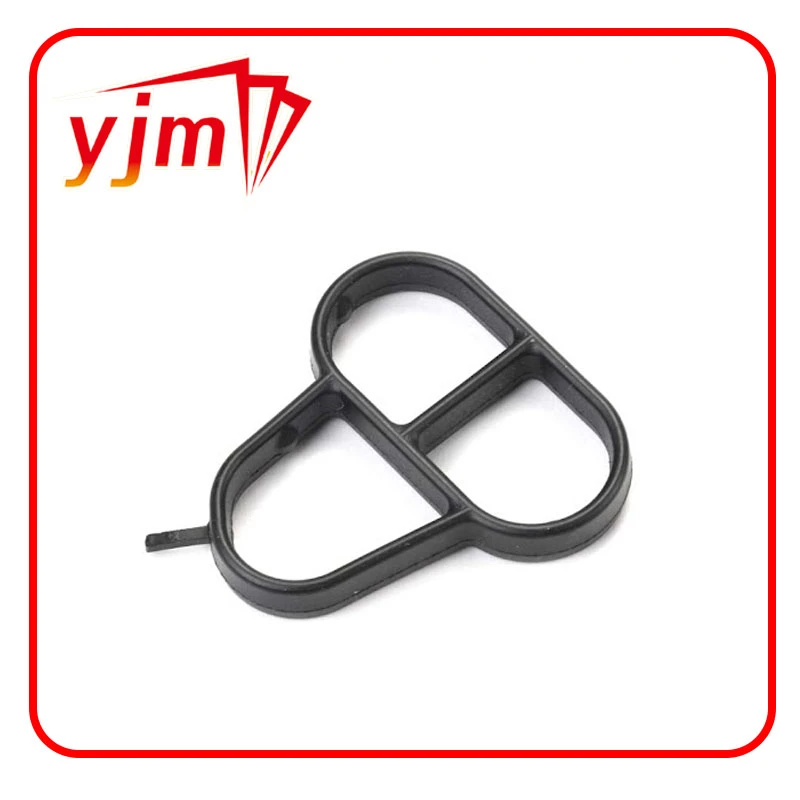
Genuine OEM Engine Oil Filter Housing Cover O-Ring For VW/Audi 06E115446
-
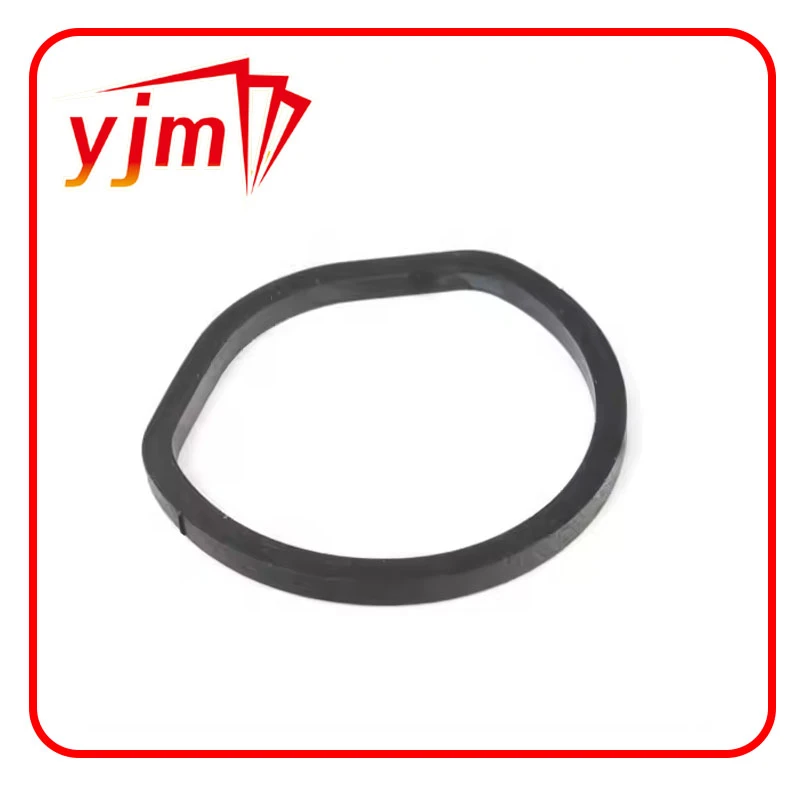
Oil Filter Stand Gasket,Oil filter cover seal
-
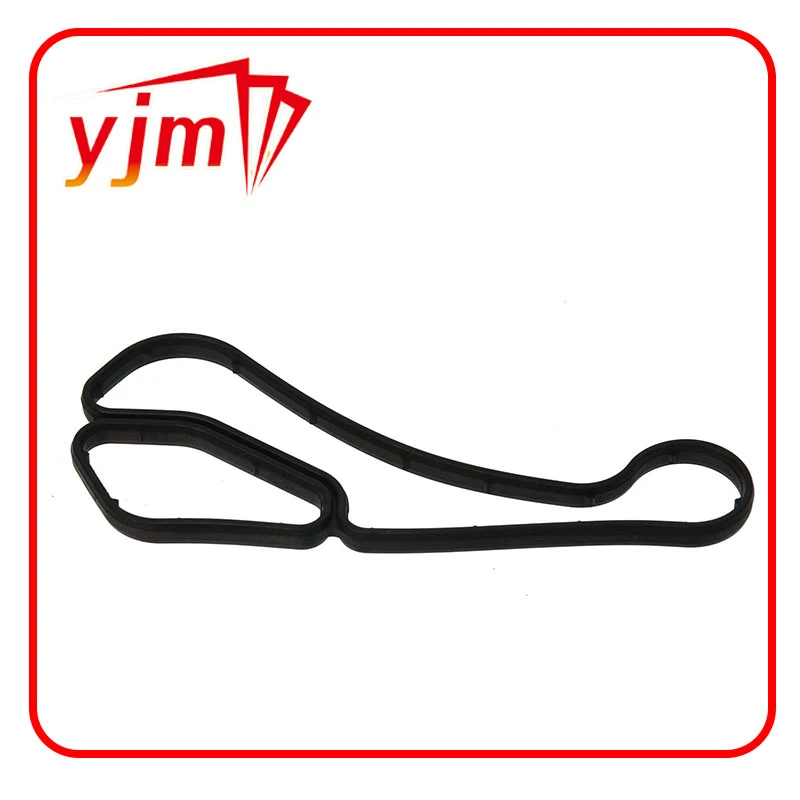
Oil Cooler Gasket, Oil Cooler to Oil Filter Housing 11427525335
-
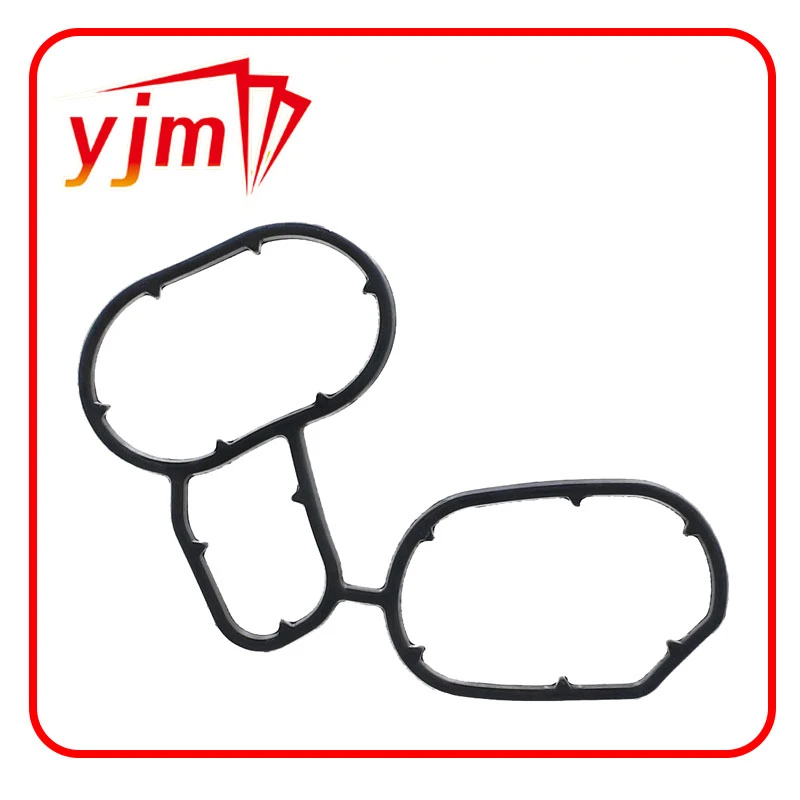
11427508970 BMW - OIL FILTER HOUSING GASKETS
-
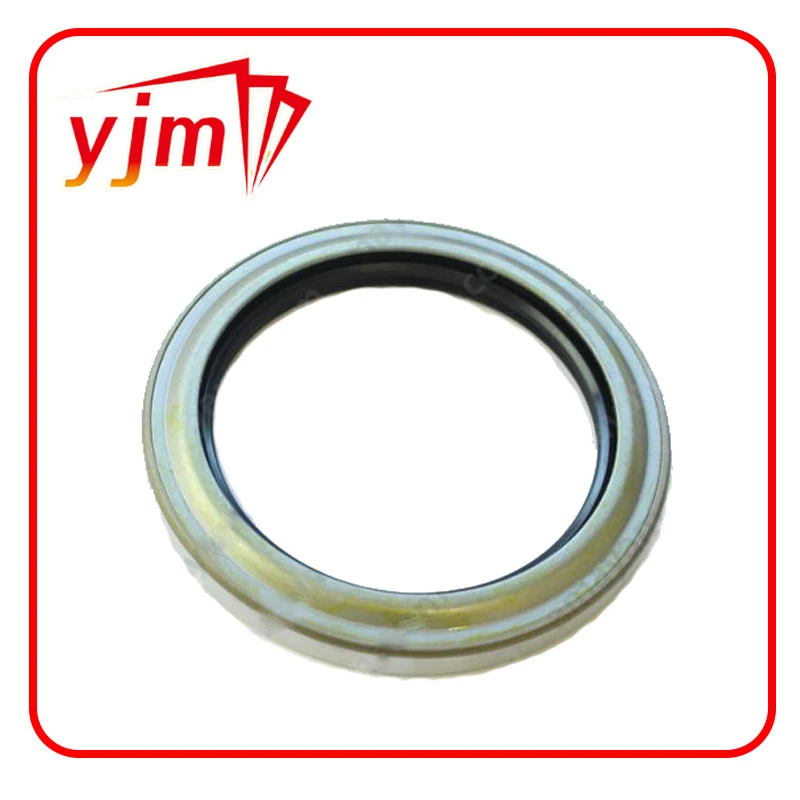
SEAL, OIL Genuine Toyota (9031170011)
-
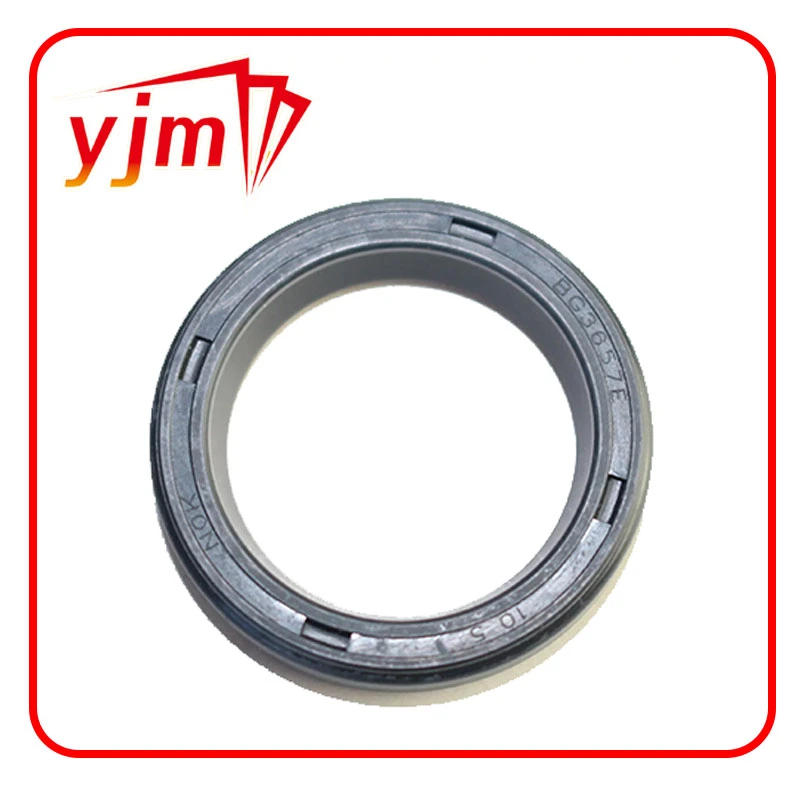
Transfer Case Output Shaft Seal Part 9031223001
-
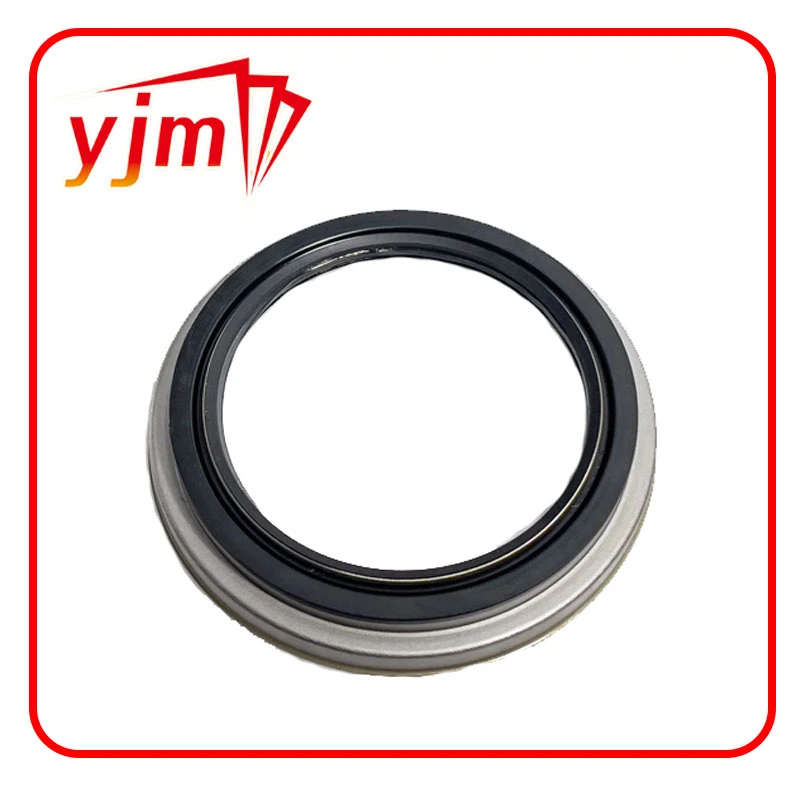
SEAL, OIL Genuine Toyota (9031672001)
-
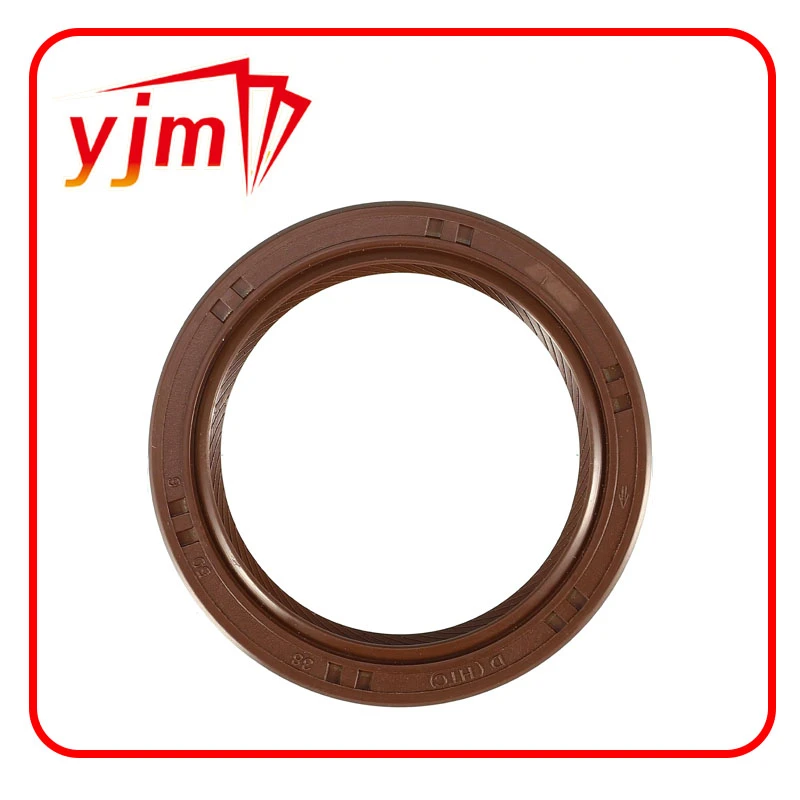
Engine Crankshaft Oil Seal No.9031138096
-
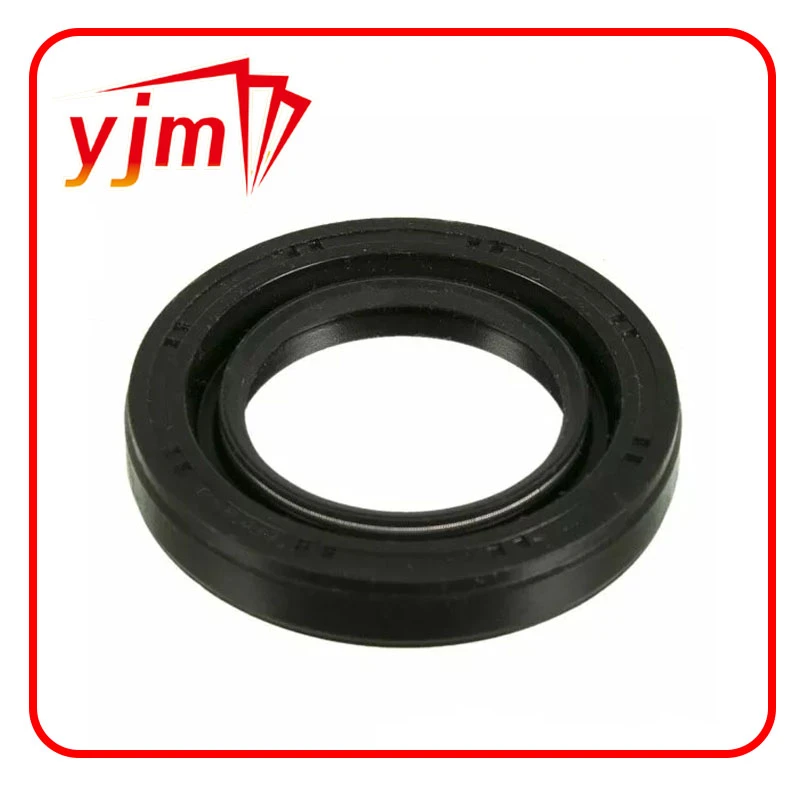
Toyota Transfer Case Output Shaft Seal Front 9031136006
-
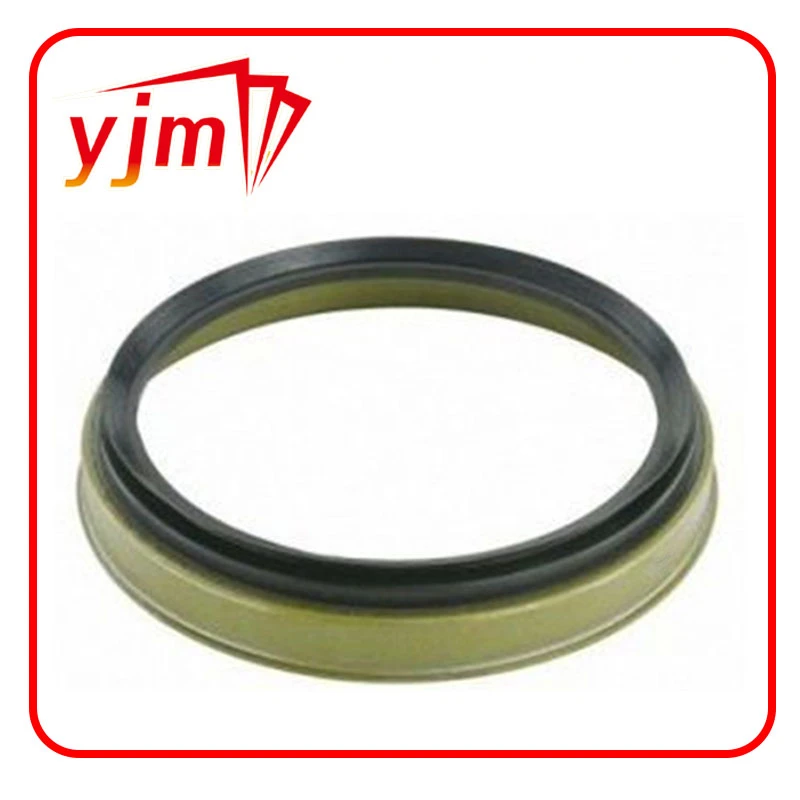
Seal, type v oil 9031287001 TOYOTA
-
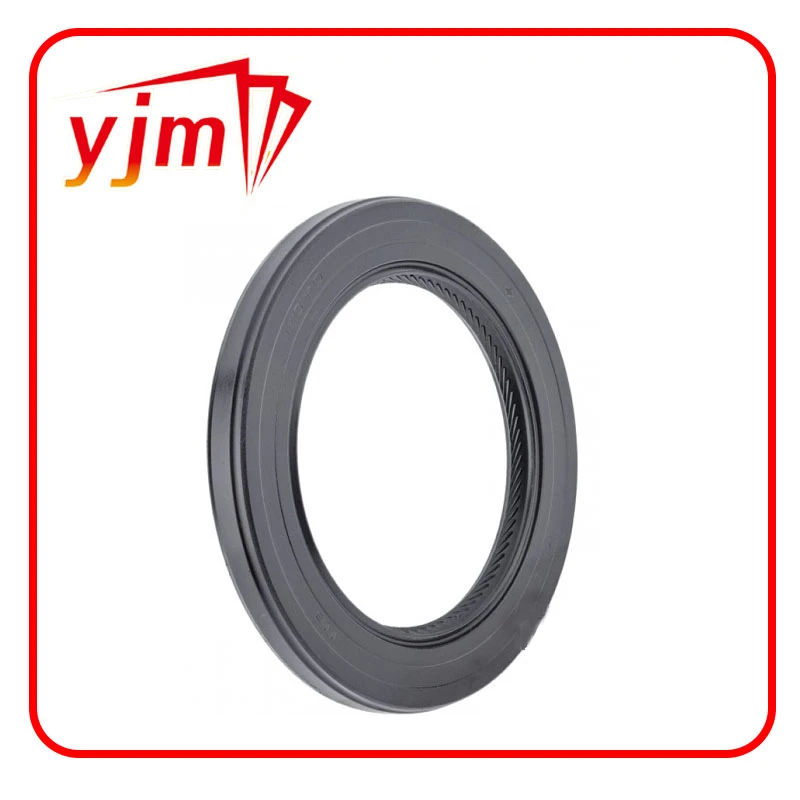
Oil pump seal 9031143010
-
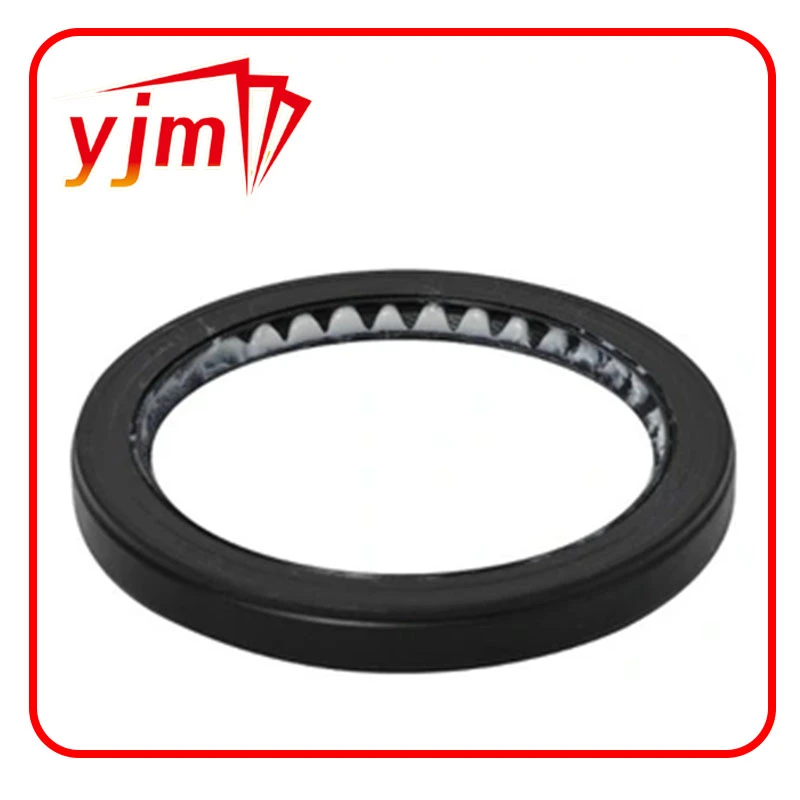
Genuine Toyota Oil SEAL 90311-54006
-
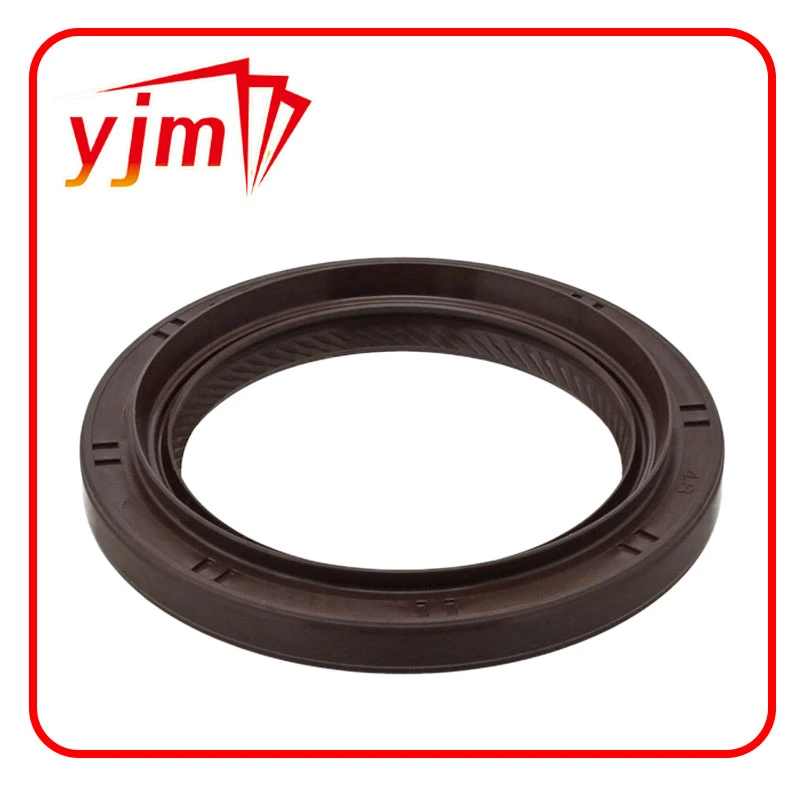
Toyota SEAL TYPE T OIL 90311-48031
-
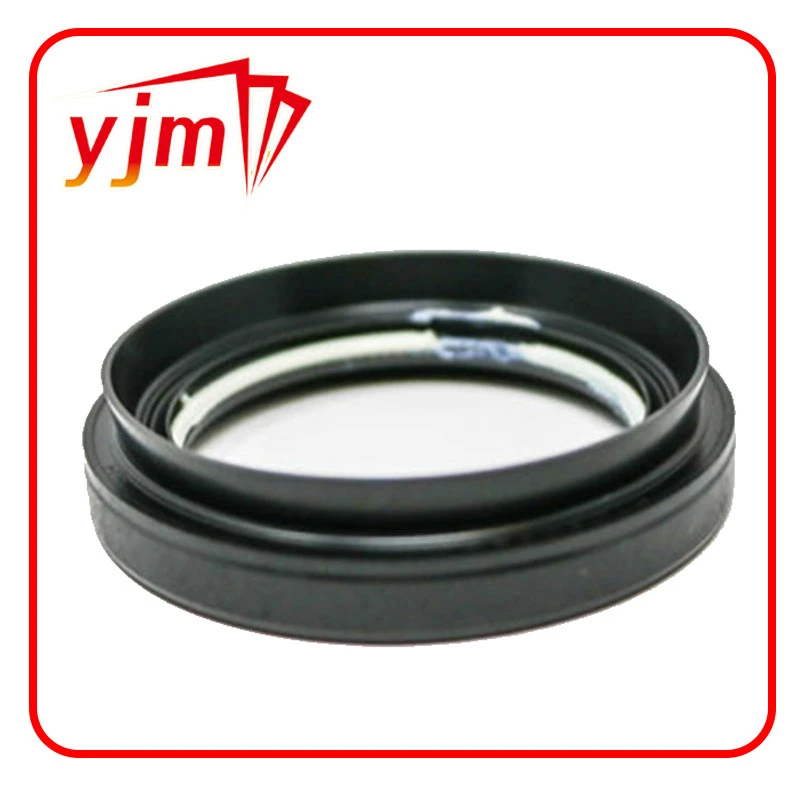
Type T Oil Seal, Front Drive Shaft, Left 9031150064
-
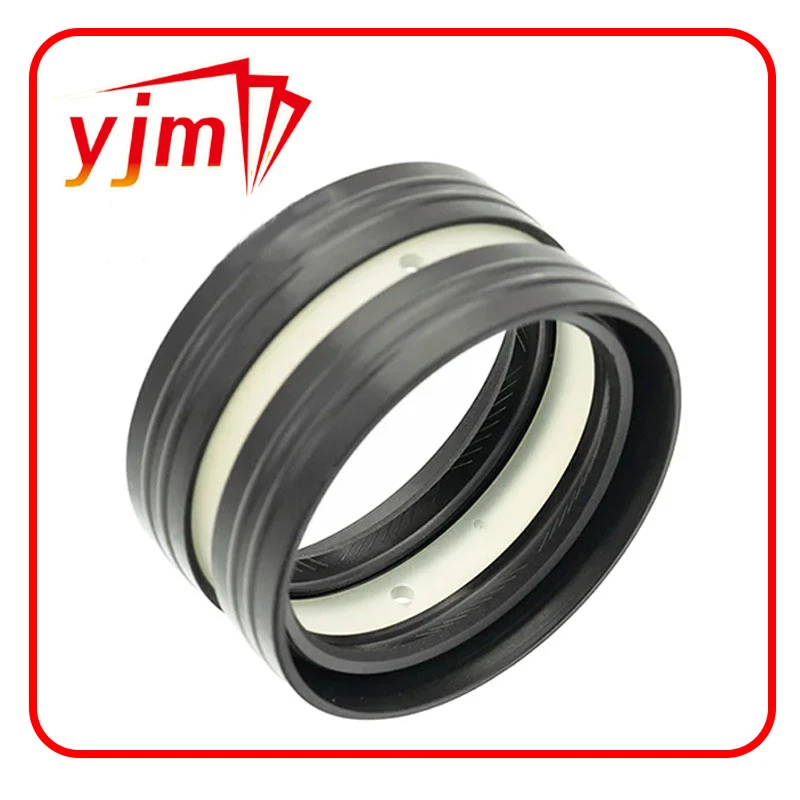
Seal, type d oil 9031634001 TOYOTA
 Afrikaans
 Albanian
 Amharic
 Arabic
 Armenian
 Azerbaijani
 Basque
 Belarusian
 Bengali
 Bosnian
 Bulgarian
 Catalan
 Cebuano
 Corsican
 Croatian
 Czech
Czech
 Danish
 Dutch
Dutch
 Esperanto
 Estonian
 Finnish
 French
 Frisian
 Galician
 Georgian
 German
 Greek
Greek
 Gujarati
 Haitian Creole
 Hausa
Hausa
 Hawaiian
 Hebrew
 Hindi
Hindi
 Miao
Miao
 Hungarian
 Icelandic
 Igbo
Igbo
 Indonesian
 Irish
Irish
 Italian
 Japanese
 Javanese
 Kannada
 Kazakh
 Khmer
Khmer
 Rwandese
 Korean
 Kurdish
 Kyrgyz
 Lao
Lao
 Latin
Latin
 Latvian
 Lithuanian
 Luxembourgish
 Macedonian
 Malgashi
 Malay
Malay
 Malayalam
 Maltese
 Maori
Maori
 Marathi
 Mongolian
 Myanmar
 Nepali
 Norwegian
 Norwegian
 Occitan
 Pashto
 Persian
 Polish
 Portuguese
 Punjabi
 Romanian
 Russian
 Samoan
 Scottish Gaelic
 Serbian
 Sesotho
 Shona
Shona
 Sindhi
 Sinhala
 Slovak
 Slovenian
 Somali
 Spanish
 Sundanese
 Swahili
 Swedish
 Tagalog
 Tajik
Tajik
 Tamil
Tamil
 Tatar
Tatar
 Telugu
 Thai
Thai
 Turkish
 Turkmen
 Ukrainian
 Urdu
Urdu
 Uighur
 Uzbek
Uzbek
 Vietnamese
 Welsh
Welsh
 Bantu
Bantu
 Yiddish
 Yoruba
 Zulu
Zulu
 English