Front Main Seal – Essential Guide to Durable Engine and Machinery Seals
A Closer Look at Front Main Seal: Why It Matters More Than You Think
In industries ranging from automotive manufacturing to heavy machinery, the front main seal plays an outsized role in asset longevity and operational efficiency. At first glance, it might seem like just another part tucked away in the engine or mechanical assembly, but its global significance—which might surprise you—cannot be overstated. This little component keeps oils in and dirt out, helping engines breathe easier and machines run smoother. Understanding the front main seal isn’t just about spare parts cataloging—it's about sustainability, safety, and cutting costs in some of the world's most demanding environments.
Understanding the Global Context: The Front Main Seal in Industry Today
Globally, the machinery sector is valued in the trillions. According to the International Organization for Standardization (ISO), preventive maintenance components—including seals—reduce industrial downtime by up to 30%. Despite this, seal failures cause an estimated 10-15% of mechanical breakdowns worldwide each year. It’s a quiet crisis because no one’s running headlines about "seal failure," but the ripple effects touch everyone.
From construction sites in the Middle East to manufacturing floors in Europe, the front main seal is the unsung hero. For example, in harsh climates where dust and debris are constant threats, an effective front main seal can prevent catastrophic engine failure, which otherwise leads to costly repairs or even safety incidents. That’s why companies globally prioritize advances in seal technology to enhance durability under extreme conditions.
What Exactly Is a Front Main Seal?
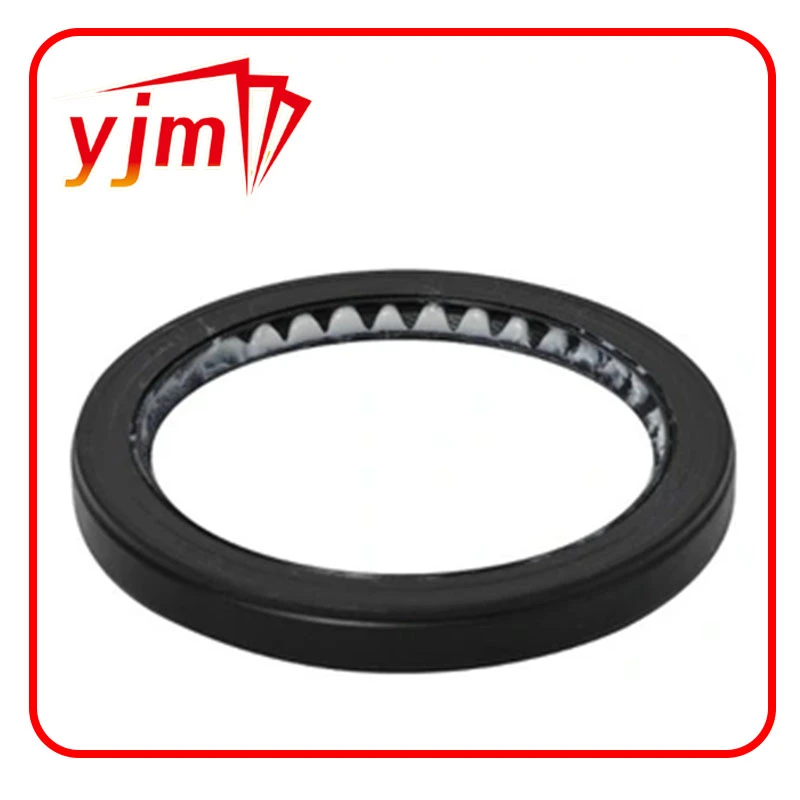
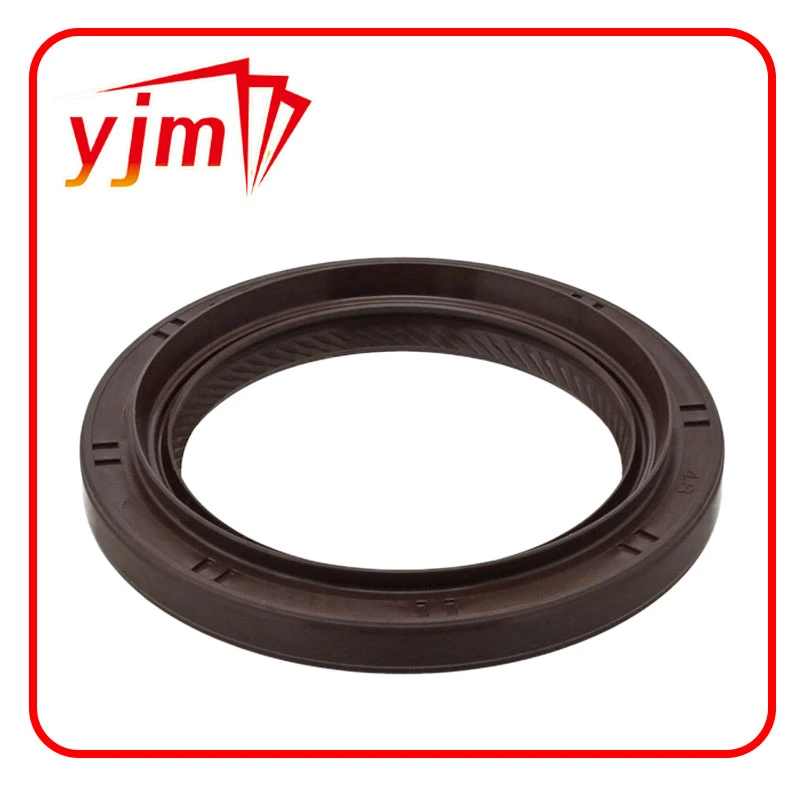
Simply put, the front main seal is a rotary oil seal positioned at the engine's front end, typically where the crankshaft exits the block. Its job? To keep lubricating oil inside the engine while barring contaminants like dust, dirt, water, or chemicals from entering. It’s a thin rubber or polymer ring mounted in a steel case, sometimes reinforced with spring-loaded lips that press gently against rotating shafts.
This piece is critical not only in automotive engines but also in a variety of industrial machines and generators. It helps maintain the machine's integrity, efficiency, and lifespan—a small seal with a big responsibility.
Core Components That Define the Front Main Seal’s Performance
Material Durability
Choosing the right compound—usually nitrile rubber (NBR), fluoroelastomer (FKM), or silicone—is essential. Each material has its quirks: nitrile offers decent resistance to oil, fluoroelastomer tolerates high temperatures, and silicone thrives under extreme cold. The selection depends heavily on where and how the seal will be used.
Design & Seal Geometry
The seal’s cross-section, lip angle, and spring tension affect how snugly it fits and how long it lasts. A poorly designed lip can wear prematurely or leak, which—oddly enough—is more common than you'd think.
Installation Precision
No seal performs well if it’s installed incorrectly. Proper alignment and avoiding shaft damage during assembly reduce early failures. This is why many engineers emphasize correct installation tools and techniques as much as the product itself.
Operating Conditions
The temperature, rotational speed, and pressure the seal experiences every day make a big difference. A front main seal in a heavy industrial generator faces entirely different stresses than one shielding a motorcycle engine. So “one size fits all” simply doesn’t apply.
Compatibility with Lubricants and Contaminants
Exposure to synthetic oils, corrosive fluids, or abrasive particles can drastically shorten a seal’s lifespan unless it’s specially designed for those environments.
Mini takeaway: The perfect front main seal is a tailored answer to your machine’s environment, combining materials, design, and installation know-how.
Where Are Front Main Seals Making Real-World Impact?
Look around and you’ll find them everywhere. In emerging markets, like Asia-Pacific, demand for affordable, reliable machinery parts has exploded due to urbanization and industrial growth. Meanwhile, in harsh environments like the Middle East or Siberia, seals must handle extremes—from desert sandstorms to bone-chilling cold.
- Automotive Manufacturing: The engine never runs smoothly without a proper seal.
- Heavy Equipment: Front main seals prevent costly downtime on construction and mining sites.
- Power Generation: Turbines and diesel generators rely on seals to maintain energy flows without leakage.
- Marine Industry: Seals endure salty, corrosive atmospheres on ships.
In post-disaster machinery repair scenarios, such as after hurricanes or earthquakes, fresh front main seals enable rescue vehicles and generators to rebound quickly—an unglamorous but vital contribution to humanitarian efforts.
The Real Advantages of Choosing Quality Front Main Seals
Why fuss over the front main seal? Let’s get practical:
- Cost Efficiency: A robust seal cuts down on oil leaks and reduces maintenance costs.
- Longevity: Machines last longer and perform better.
- Environmental Impact: Less leaking means fewer contaminants polluting ecosystems.
- Safety & Trust: Prevents sudden breakdowns, keeping workers and operators safe.
- Innovation & Comfort: Modern seals use advanced polymers that decrease noise and vibration subtly but significantly.
In real terms, the front main seal builds trust between manufacturers and users, splitting the gap between expected reliability and unexpected failure. It’s kind of the quiet guardian of your machinery’s health.
Where Is Front Main Seal Technology Headed?
On the horizon, new materials like bio-based polymers and self-lubricating elastomers loom large. As industries strive for greener manufacturing, front main seals are evolving to perform in electric vehicle drivetrains and smart machinery that self-monitor wear levels via embedded sensors.
Automation in installation — using robotic arms for precision placement — is helping reduce human error. Advanced coatings that repel contaminants or reduce friction are becoming more routine. It’s a fascinating blend of material science and digital tech that promises machines which can “tell you” when their seals need replacing, well before any damage occurs.
Challenges to Know—and Smart Solutions
One persistent challenge is getting consistent quality in mass-produced seals. Variability in materials or slight molding defects can cause leaks later on. Also, harsh chemical environments or unpredictable operating conditions continue to push seals beyond their comfort zone.
Solutions? Better quality control using infrared and ultrasonic testing at production, plus real-time monitoring systems in machines, are making huge differences. Modular seal designs that allow quick swaps during servicing better suit field engineers dealing with tight schedules. And, of course, front main seal specialists working closely with OEMs to customize seals is definitely on the rise.
Frequently Asked Questions About Front Main Seal
- What causes a front main seal to fail prematurely?
- Common causes include improper installation, contamination by dirt or debris, use of incompatible lubricants, and temperature extremes. Using the right seal material and following installation protocols reduces failure risks.
- How often should a front main seal be replaced?
- Replacement intervals vary by vehicle or machine type and operating environment but typically align with major service intervals, often around 60,000 to 100,000 miles for cars, or according to OEM guidelines.
- Can the front main seal be upgraded to handle extreme environments?
- Yes. Seals made from specialized compounds like fluorocarbon or silicone withstand higher temperatures and harsh chemicals, making them ideal for extreme climates or heavy-duty machinery.
- Is it difficult to replace a front main seal?
- Depending on the machine, it can be straightforward or require significant disassembly. Professional installation is highly recommended to avoid damage and ensure correct sealing.
Product Specification Table: Front Main Seal Typical Specs
| Specification | Typical Value | Notes |
|---|---|---|
| Material | Fluoroelastomer (FKM) | For high temp applications |
| Operating Temp Range | -40°C to +200°C | Suitable for automotive & industrial |
| Shaft Diameter Range | 10mm – 120mm | Standard sizes available |
| Pressure Rating | Up to 0.5 MPa | Static and dynamic applications |
| Installation Method | Press fit with precision tools | Avoids deformation/damage |
| Lifespan | Up to 100,000 miles / 5 years | Dependent on usage & conditions |
Vendor Comparison Table: Front Main Seal Suppliers
| Vendor | Material Options | Customization | Lead Time | Typical Industries |
|---|---|---|---|---|
| YJM Seal | NBR, FKM, Silicone | Custom sizes & lip designs | 2-3 weeks | Automotive, Heavy Equipment, Marine |
| SealTech Corp | FKM, EPDM | Standard & limited custom | 4 weeks | Industrial, Power Generation |
| GlobalSeals | NBR, Silicone | Mass production focus | 1 week | Automotive OEMs, Consumer Products |
Wrapping Up: Why Investing in Front Main Seal Technology Pays Off
So here’s the thing—while the front main seal might never win a “Best Part of the Year” award, it quietly prevents messy problems that can cost thousands in repairs and headaches. Its value is long-term, sometimes invisible, but absolutely necessary. Plus, advancements in materials and smart manufacturing promise seals that last longer, perform better, and even help meet environmental goals.
Thinking about upgrades or replacements? Take a peek at front main seal resources and consider how the right seal can keep your machines running smoother and longer. Sometimes the smallest change is the most impactful.
Until next time, keep those seals tight and your engines happier.
References
-
Guide to Choosing the Right Washer for Oil Change and Sealing
News Apr.16,2026
-
Essential Guide to High Quality rubber washer oil drain plug
News Apr.09,2026
-
Understanding Rubber Crush Washers for Optimal Sealing Performance
News Apr.07,2026
-
Comprehensive Guide to Understanding and Reusing Crush Washer for Optimal Sealing
News Apr.04,2026
-
The Vital Role of a Drain Screw Gasket in Fluid System Integrity
News Mar.31,2026
-
The Essential Guide to Drain Crush Washer Selection and Plumbing Leak Prevention
News Mar.28,2026
-
The Vital Role of a Crush Washer in Oil Changes for Engine Protection
News Mar.26,2026
Products categories
-
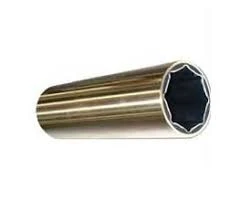
Brass cutlass marine bearing
-
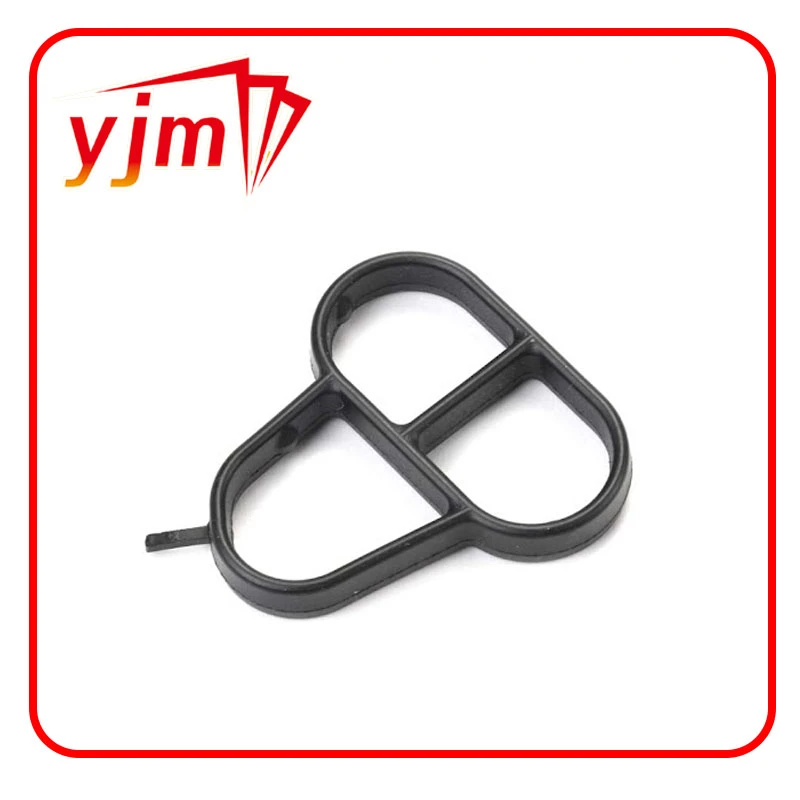
Genuine OEM Engine Oil Filter Housing Cover O-Ring For VW/Audi 06E115446
-
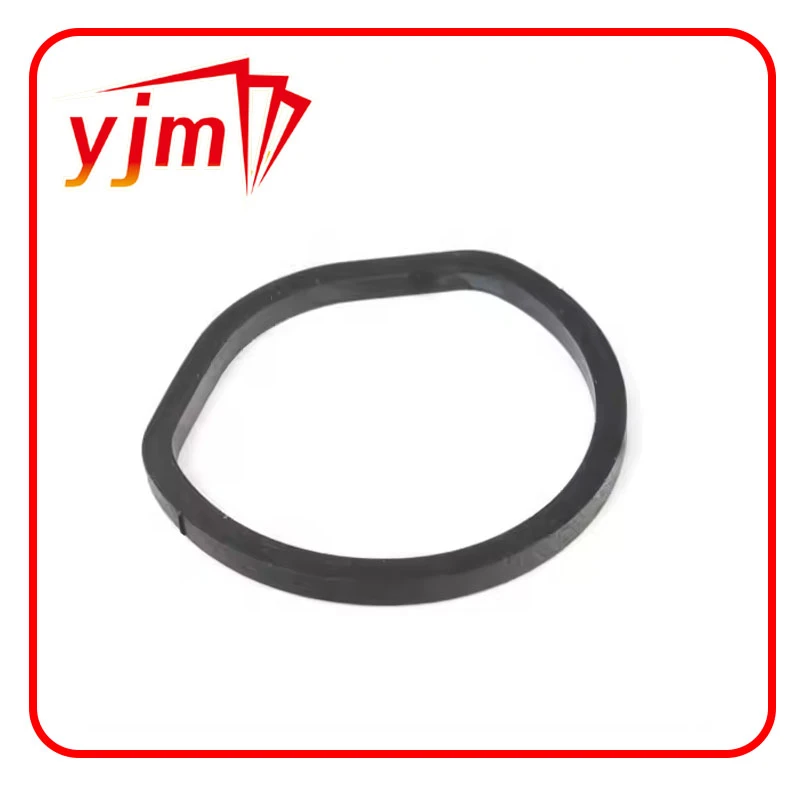
Oil Filter Stand Gasket,Oil filter cover seal
-
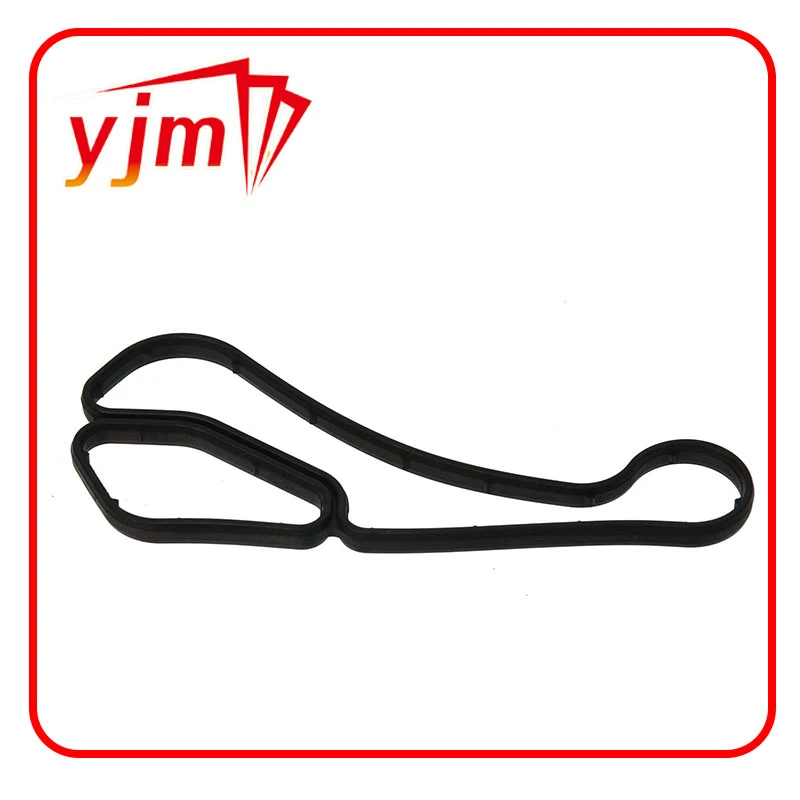
Oil Cooler Gasket, Oil Cooler to Oil Filter Housing 11427525335
-
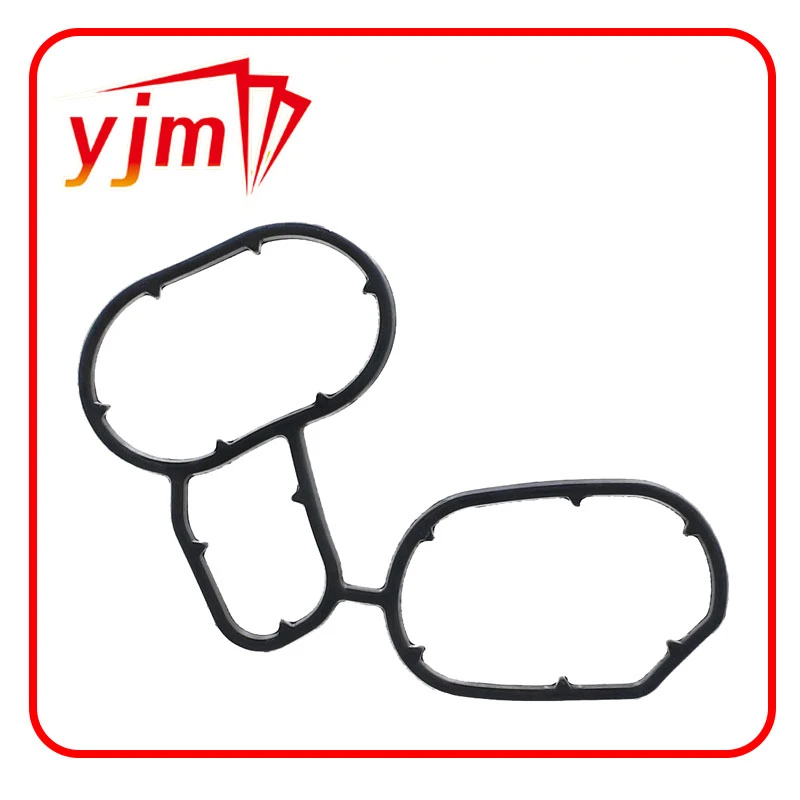
11427508970 BMW - OIL FILTER HOUSING GASKETS
-
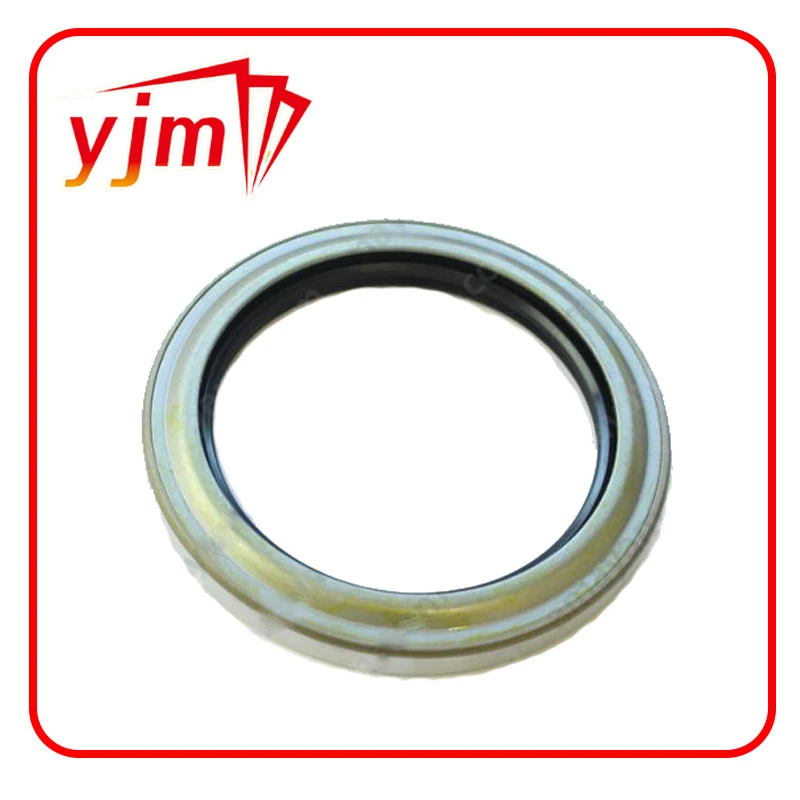
SEAL, OIL Genuine Toyota (9031170011)
-
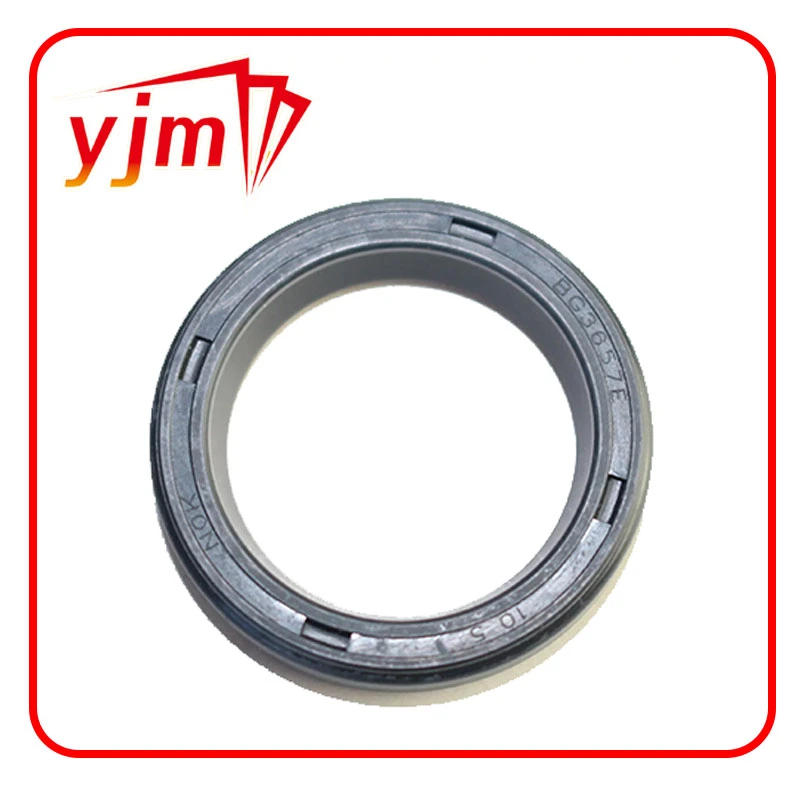
Transfer Case Output Shaft Seal Part 9031223001
-
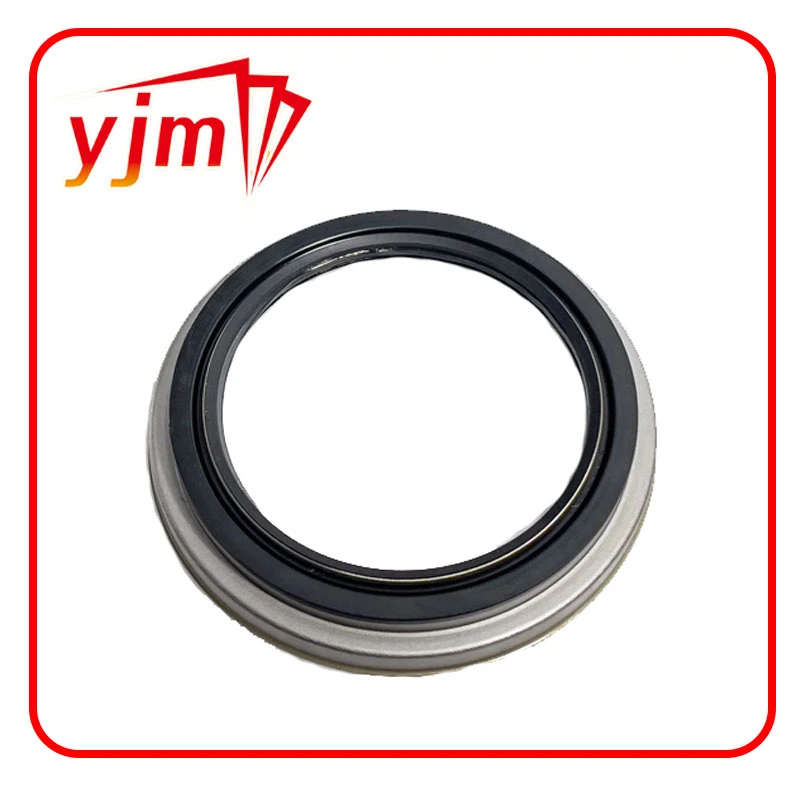
SEAL, OIL Genuine Toyota (9031672001)
-
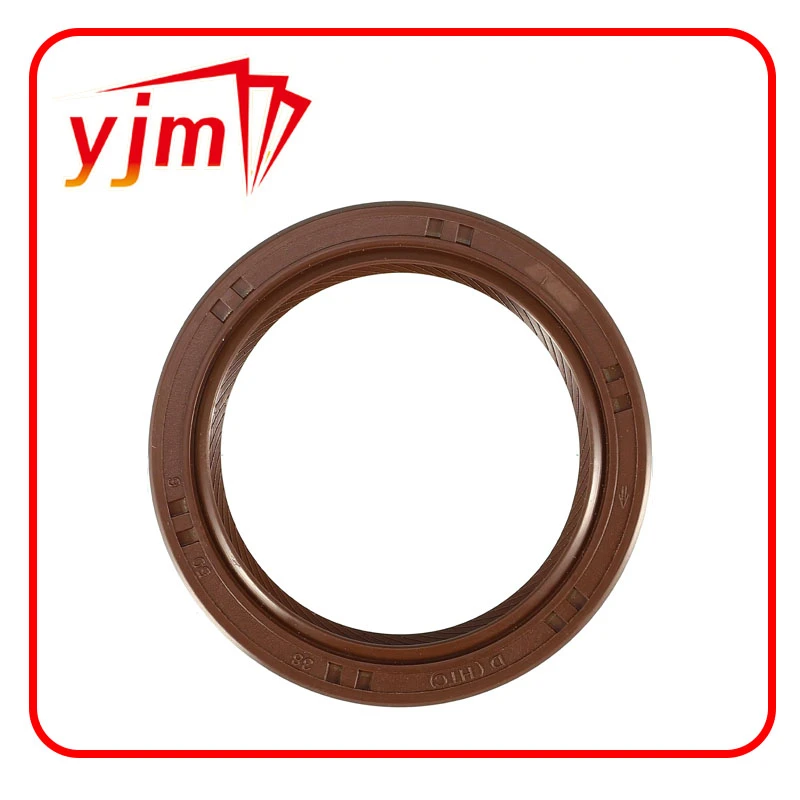
Engine Crankshaft Oil Seal No.9031138096
-
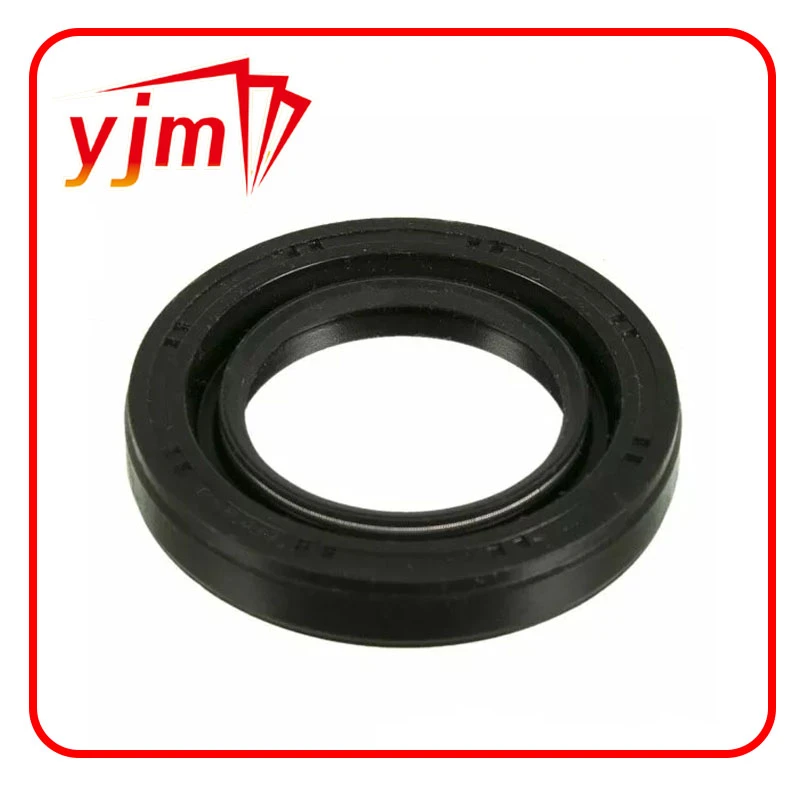
Toyota Transfer Case Output Shaft Seal Front 9031136006
-
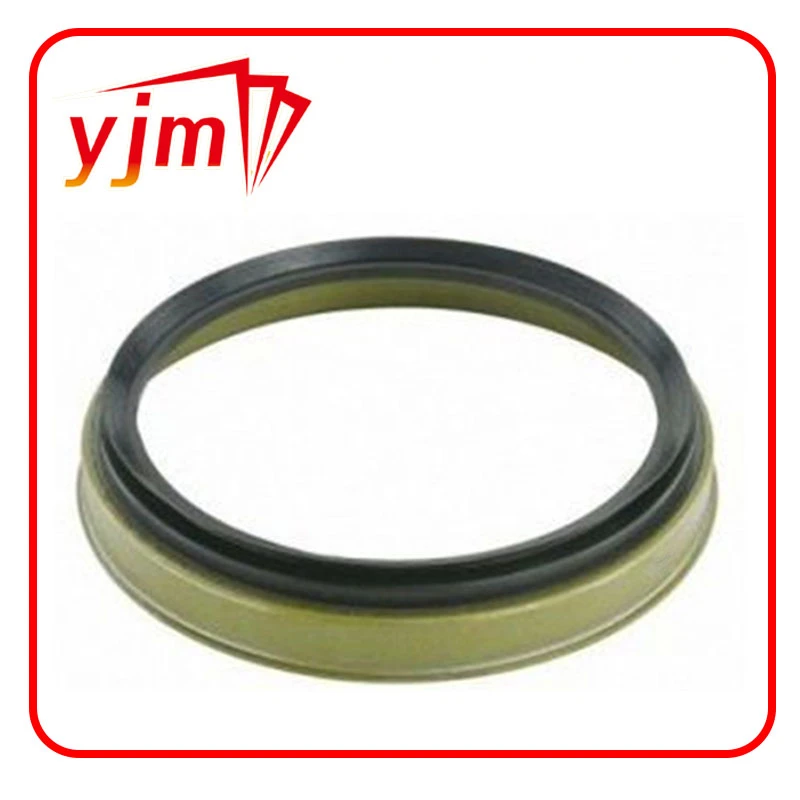
Seal, type v oil 9031287001 TOYOTA
-
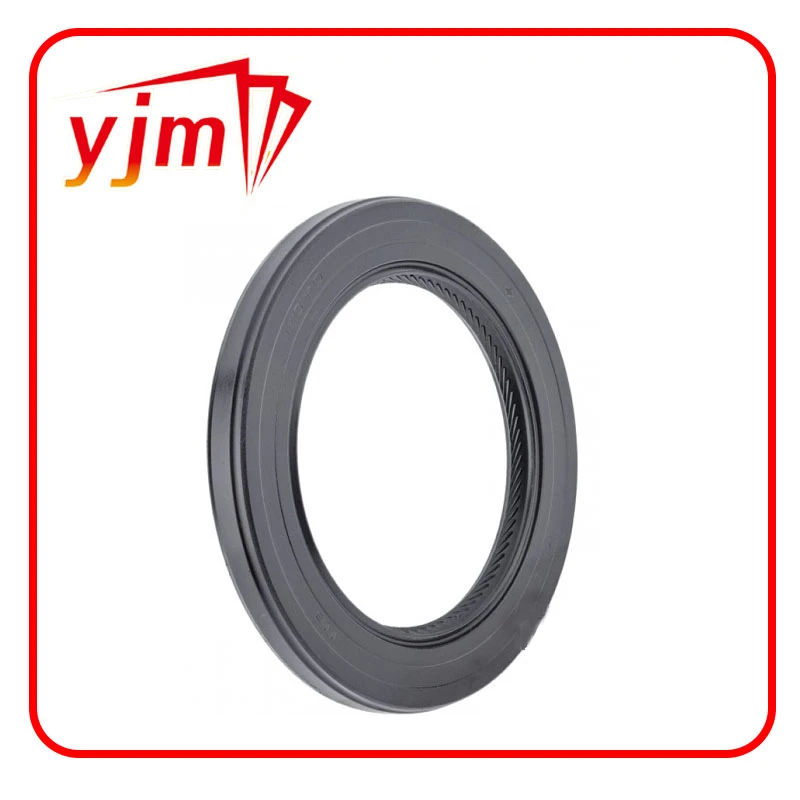
Oil pump seal 9031143010
-
Genuine Toyota Oil SEAL 90311-54006
-
Toyota SEAL TYPE T OIL 90311-48031
-
Type T Oil Seal, Front Drive Shaft, Left 9031150064
-
Seal, type d oil 9031634001 TOYOTA
 Afrikaans
 Albanian
 Amharic
 Arabic
 Armenian
 Azerbaijani
 Basque
 Belarusian
 Bengali
 Bosnian
 Bulgarian
 Catalan
 Cebuano
 Corsican
 Croatian
 Czech
Czech
 Danish
 Dutch
Dutch
 Esperanto
 Estonian
 Finnish
 French
 Frisian
 Galician
 Georgian
 German
 Greek
Greek
 Gujarati
 Haitian Creole
 Hausa
Hausa
 Hawaiian
 Hebrew
 Hindi
Hindi
 Miao
Miao
 Hungarian
 Icelandic
 Igbo
Igbo
 Indonesian
 Irish
Irish
 Italian
 Japanese
 Javanese
 Kannada
 Kazakh
 Khmer
Khmer
 Rwandese
 Korean
 Kurdish
 Kyrgyz
 Lao
Lao
 Latin
Latin
 Latvian
 Lithuanian
 Luxembourgish
 Macedonian
 Malgashi
 Malay
Malay
 Malayalam
 Maltese
 Maori
Maori
 Marathi
 Mongolian
 Myanmar
 Nepali
 Norwegian
 Norwegian
 Occitan
 Pashto
 Persian
 Polish
 Portuguese
 Punjabi
 Romanian
 Russian
 Samoan
 Scottish Gaelic
 Serbian
 Sesotho
 Shona
Shona
 Sindhi
 Sinhala
 Slovak
 Slovenian
 Somali
 Spanish
 Sundanese
 Swahili
 Swedish
 Tagalog
 Tajik
Tajik
 Tamil
Tamil
 Tatar
Tatar
 Telugu
 Thai
Thai
 Turkish
 Turkmen
 Ukrainian
 Urdu
Urdu
 Uighur
 Uzbek
Uzbek
 Vietnamese
 Welsh
Welsh
 Bantu
Bantu
 Yiddish
 Yoruba
 Zulu
Zulu
 English