High-Quality Rear Crankshaft Seals - Durable, Precise, Eco-Friendly | YJM Seal
The Unsung Hero: Why the Rear Crankshaft Seal Deserves Your Attention
At first glance, a rear crankshaft seal might seem like a tiny, unspectacular component tucked away at the back of your engine’s rotating beast. But trust me — it quietly carries a massive responsibility. Globally, millions of engines rely on this small ring of precision engineering to prevent oil leaks, reduce contamination, and preserve engine life. In an interconnected world where machinery powers everything from agriculture to shipping, understanding this seal can save money, downtime, and a whole heap of frustration.
What’s particularly fascinating is how an often-overlooked part contributes directly to environmental protection by preventing oil spills and prolonging engine efficiency in the transport and energy sectors. So, if you're involved in automotive repair, manufacturing, or supply chain logistics, learning about rear crankshaft seals isn’t just technical trivia — it’s a practical advantage.
Looking at Rear Crankshaft Seals in the Global Industry Context
Behind the hum of a globalized economy are engines powering trucks, ships, and industrial machinery — all of which depend on flawless sealing systems. According to the International Organization for Standardization (ISO), reliable sealing solutions reduce maintenance intervals and energy consumption, indirectly supporting global sustainability goals. Also, trends in automotive manufacturing show a rising demand for seals that can handle higher RPMs and more demanding thermal environments.
The challenge revolves around balancing durability with cost and environmental factors. Oil leaks from a compromised rear crankshaft seal aren’t just a nuisance; they lead to increased emissions and hazardous waste, burdening fragile ecosystems and raising operational costs. So, the humble rear crankshaft seal, while small, plays a key role in addressing the leakage challenge — an issue that costs the global transportation and manufacturing sectors millions annually.
So, What Exactly Is a Rear Crankshaft Seal?
Simply put, a rear crankshaft seal is a precision-engineered ring or gasket positioned at the rear end of the crankshaft — the shaft that translates piston motion into rotational power. Its job is to keep engine oil inside while keeping dirt, dust, and contaminants out. Think of it as a vigilant gatekeeper, only allowing the right things to flow through.
This seal is often made from specialized elastomers combined with metal or fabric reinforcements to withstand heat, pressure, and chemical exposure common in engine compartments. Without this tiny yet tough seal, engine oil would leak, lubrication suffers, and the engine risks catastrophic damage.
Core Components and Key Factors of Rear Crankshaft Seals
1. Durability and Material Quality
Since the rear crankshaft seal sits where heat and friction are extreme, durability is paramount. Most seals feature a nitrile rubber or fluoroelastomer lip backed by a metal casing, providing elasticity and heat resistance. The better the material, the longer the seal lasts — sometimes well beyond 100,000 miles in automotive use.
2. Precision Engineering and Design
The seal must hold tight against the rotating crankshaft without causing extra wear on either surface. This means tight manufacturing tolerances and fine surface finishes — many manufacturers use automated quality controls and 3D laser measurement now.
3. Cost Efficiency
While premium seals might cost a bit more upfront, lower failure rates translate to less frequent replacements and fewer oil leaks. This saves fleets and industrial operators money in both parts and labor over time.
4. Compatibility and Customization
Different engines call for different seal designs. Industries demand seals tailored to specific crankshaft diameters, engine types (diesel versus gasoline), and even environmental exposures like saltwater for marine engines.
5. Environmental Resistance
Many rear crankshaft seals now include advanced materials that resist ozone, heat, and chemical degradation to help engines pass ever-tightening emissions standards.
Mini takeaway:
In essence, the rear crankshaft seal is a fine balancing act between chemistry, manufacturing precision, and cost, all tailored to meet varied operational demands. It’s a tiny part with a big job — and getting it right affects everything downstream.
Global Applications and Real-World Use Cases of Rear Crankshaft Seals
Anywhere internal combustion engines operate, you'll find rear crankshaft seals working silently:
- Automotive Industry: From passenger cars to heavy-duty trucks, these seals keep millions of vehicles on the road, especially in regions like North America, Europe, and East Asia, where vehicle uptime is a top priority.
- Maritime and Shipping: Marine diesel engines operate in corrosive saltwater environments. Marine-grade rear crankshaft seals are designed to withstand these harsh conditions, critical for global shipping lanes.
- Agriculture and Construction: Heavy machinery relying on diesel engines in remote regions like Sub-Saharan Africa or South America benefits from durable seals that reduce maintenance frequency and costly downtime.
- Disaster Relief & Humanitarian Aid: Emergency power generators used in disaster zones rely heavily on reliable seals. A failed rear crankshaft seal in such contexts could delay critical operations.
As you can see, from Arctic cold to tropical humidity, rear crankshaft seals adapt to critical roles globally.
Product Specification Table: Typical Rear Crankshaft Seal Features
| Feature | Specification | Benefits |
|---|---|---|
| Material | Fluoroelastomer (FKM) or Nitrile Rubber (NBR) | High temperature & chemical resistance |
| Operating Temperature Range | -40°C to 150°C (up to 200°C in some models) | Durability in extreme engine conditions |
| Shaft Diameter Compatibility | 30mm to 100mm (custom sizes available) | Fits a wide range of engines |
| Sealing Lip Design | Single or double lip with garter spring | Enhanced sealing and pressure tolerance |
| Installation Type | Press-fit or bolt-in | Secure, leak-proof mounting |
Advantages and Long-Term Value of Quality Rear Crankshaft Seals
By choosing reliable rear crankshaft seals, industries can:
- Save money over an engine’s lifespan through reduced oil leaks and maintenance costs.
- Protect the environment by minimizing hazardous oil leakage and waste.
- Increase reliability for critical operations, from trucking to power generation.
- Support safety and dignity — avoiding sudden breakdowns in remote or dangerous environments means people stay safe and operations continue smoothly.
In practical terms, many engineers I’ve spoken to emphasize the peace of mind that comes from a well-designed rear crankshaft seal. It’s a seemingly small choice that yields big dividends in trust and operational stability.
Future Trends and Innovations Shaping Rear Crankshaft Seals
The sealing industry is moving fast in some unexpected ways:
- Advanced Materials: Research into graphene-enhanced elastomers promises even better wear resistance and longevity.
- Digital Quality Assurance: 3D scanning and AI-driven defect detection are ensuring seals are produced with near-zero tolerance errors.
- Eco-friendly Manufacturing: New processes aim to reduce rubber compound environmental impact and emphasize recyclability.
- Customization via Additive Manufacturing: 3D printing prototypes for complex geometries allow faster R&D and tailored solutions.
It feels like this old-school component is evolving into a high-tech staple supporting cleaner, more efficient engines worldwide.
Challenges and Practical Solutions When Choosing Rear Crankshaft Seals
Common challenges include premature failure due to:
- Poor installation practices causing lip damage.
- Oil contamination leading to seal wear.
- Material selection mismatch resulting in early cracking.
Many companies now invest in professional training for mechanics and use better oil filtration systems to extend seal life. Also, partnering with reputable vendors offering guaranteed specs and application guidance makes a world of difference.
Comparing Top Vendors of Rear Crankshaft Seals
| Vendor | Materials | Lead Time | Customization | Price Range |
|---|---|---|---|---|
| YJM Seal | FKM, NBR, Custom Blends | 1–2 weeks | High (OEM tailored) | $$ |
| SealTech Co. | Standard Fluoroelastomers | 3–4 weeks | Medium | $ |
| Global Rubber Seals | Wide Range | 2–3 weeks | Medium-High | $$$ |
FAQ: Answers to Your Burning Questions About Rear Crankshaft Seals
Q1: How do I know when my rear crankshaft seal is failing?
A1: Common signs include visible oil leaks at the rear of the engine, a burning oil smell, or sudden drops in oil levels. If you notice any, inspect the seal or consult a mechanic promptly to avoid engine damage.
Q2: Can all rear crankshaft seals be used interchangeably?
A2: Not really. Seals vary in diameter, thickness, and material based on engine design and conditions. Using the wrong seal can lead to leaks and premature failure, so always check OEM specifications or consult a professional.
Q3: How difficult is it to replace a rear crankshaft seal?
A3: Replacement can be straightforward or complex depending on engine layout. Some engines require removing transmission parts to access the seal, so it’s a job best handled by experienced technicians.
Q4: Are there eco-friendly rear crankshaft seals available?
A4: Yes, newer seals made with sustainable rubbers and manufacturing processes are entering the market. They aim to reduce environmental impact without compromising performance.
Q5: How can I be sure to buy quality rear crankshaft seals?
A5: Look for reputable manufacturers with ISO certification and positive customer feedback. YJM Seal, for instance, specializes in OEM-grade seals with extensive testing and custom solutions.
Final Thoughts: Why Investing in Quality Rear Crankshaft Seals Pays Off
The rear crankshaft seal might not get the spotlight, but it quietly safeguards your engine’s health, efficiency, and longevity. From global shipping hubs to local farms, the right seal ensures machines keep humming and livelihoods keep running smoothly. And frankly, spending a few extra dollars upfront on quality pays for itself in long-term reliability, less environmental harm, and peace of mind.
If you’re looking to upgrade or stock up on quality rear crankshaft seals, don’t hesitate to explore options from trusted suppliers. For tailored, dependable seals, visit YJM Seal — their expertise could be exactly what your engine needs.
References:
-
Guide to Choosing the Right Washer for Oil Change and Sealing
News Apr.16,2026
-
Essential Guide to High Quality rubber washer oil drain plug
News Apr.09,2026
-
Understanding Rubber Crush Washers for Optimal Sealing Performance
News Apr.07,2026
-
Comprehensive Guide to Understanding and Reusing Crush Washer for Optimal Sealing
News Apr.04,2026
-
The Vital Role of a Drain Screw Gasket in Fluid System Integrity
News Mar.31,2026
-
The Essential Guide to Drain Crush Washer Selection and Plumbing Leak Prevention
News Mar.28,2026
-
The Vital Role of a Crush Washer in Oil Changes for Engine Protection
News Mar.26,2026
Products categories
-
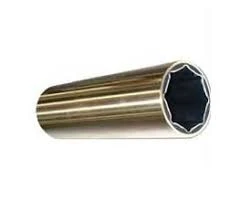
Brass cutlass marine bearing
-
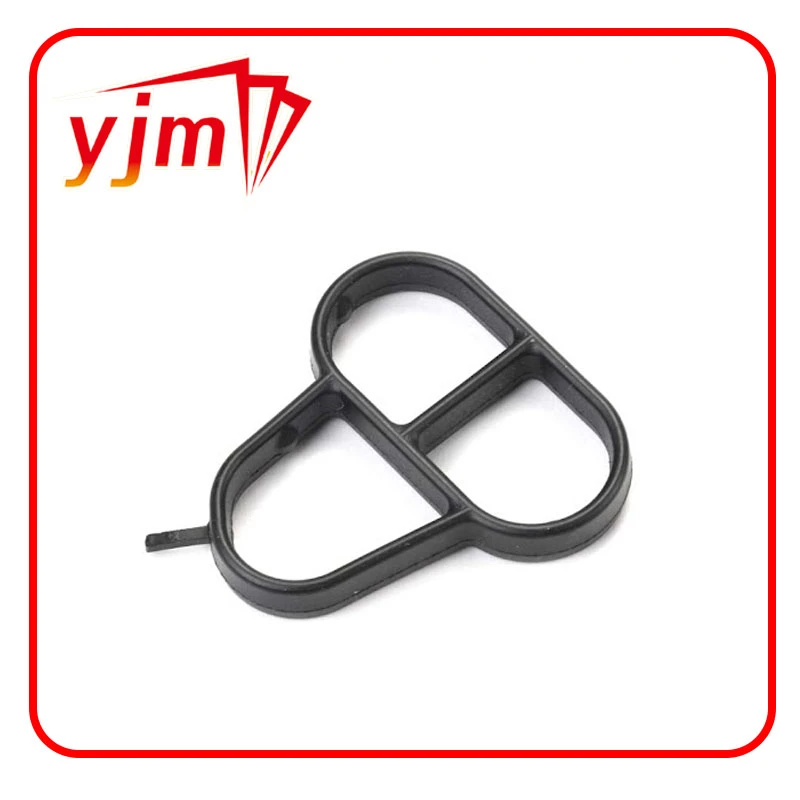
Genuine OEM Engine Oil Filter Housing Cover O-Ring For VW/Audi 06E115446
-
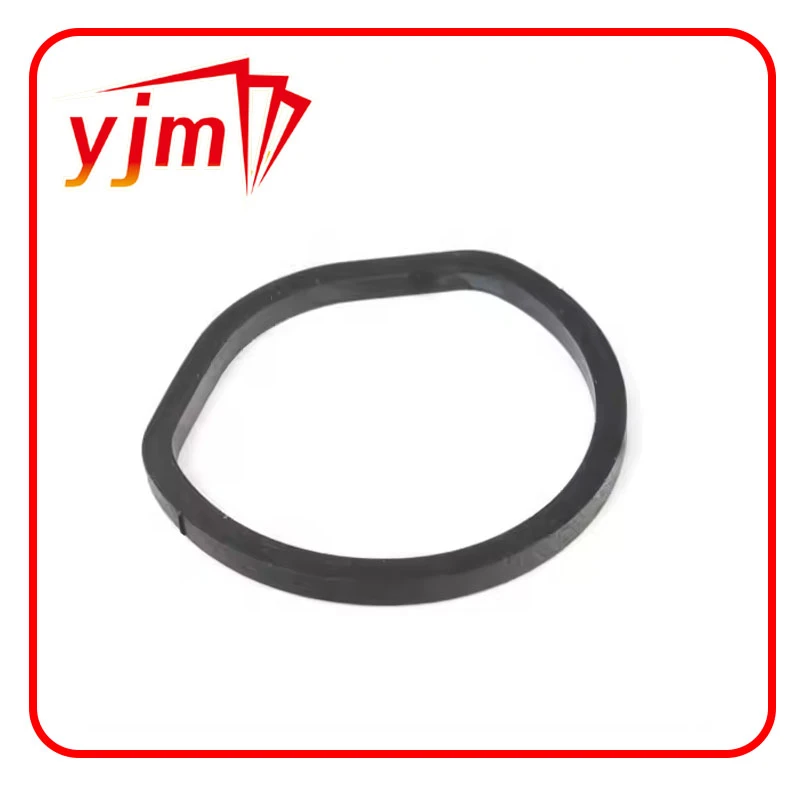
Oil Filter Stand Gasket,Oil filter cover seal
-
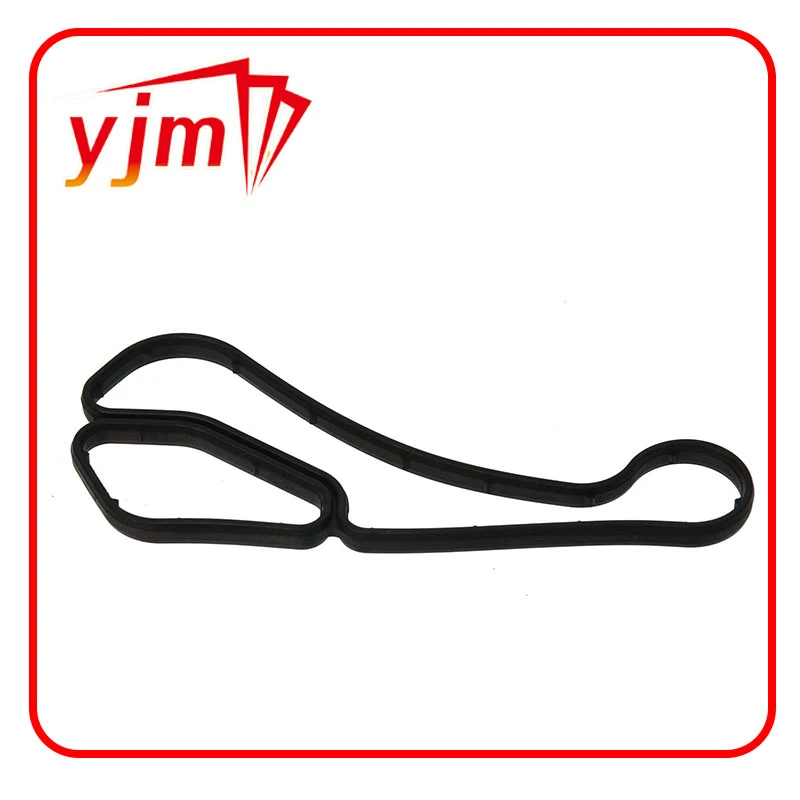
Oil Cooler Gasket, Oil Cooler to Oil Filter Housing 11427525335
-
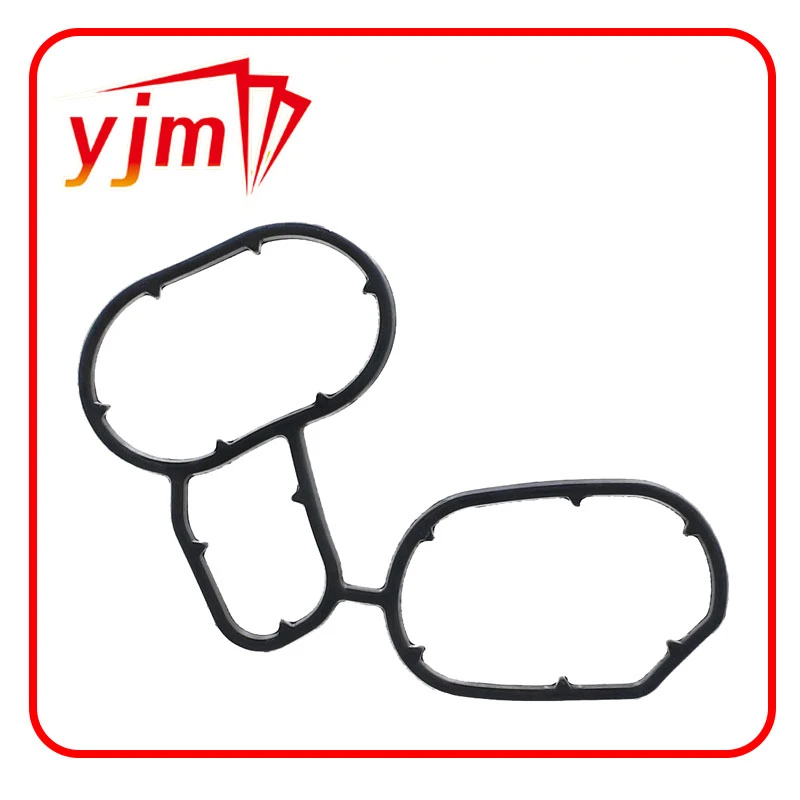
11427508970 BMW - OIL FILTER HOUSING GASKETS
-
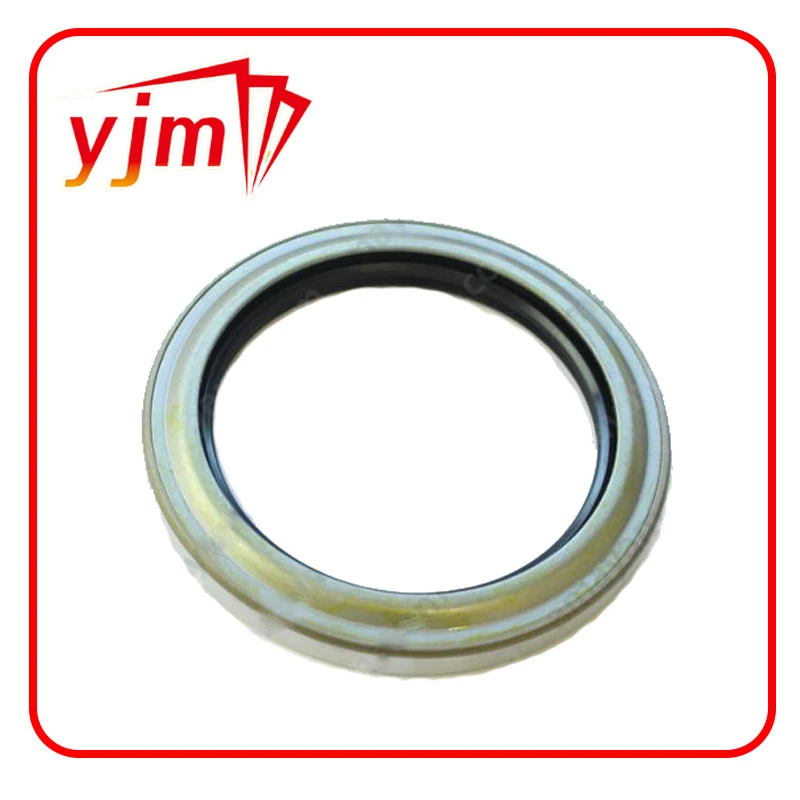
SEAL, OIL Genuine Toyota (9031170011)
-
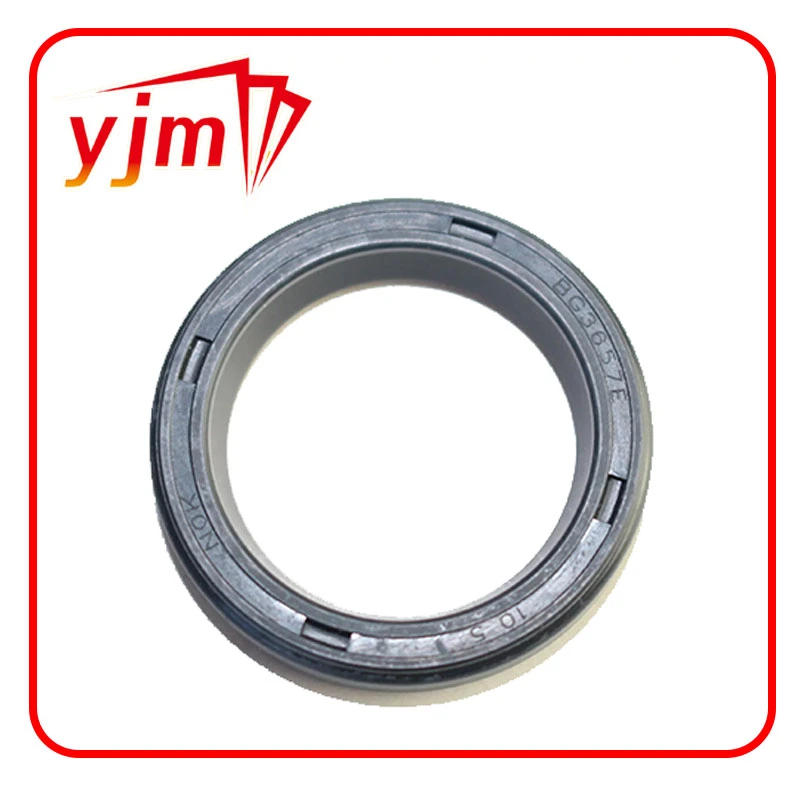
Transfer Case Output Shaft Seal Part 9031223001
-
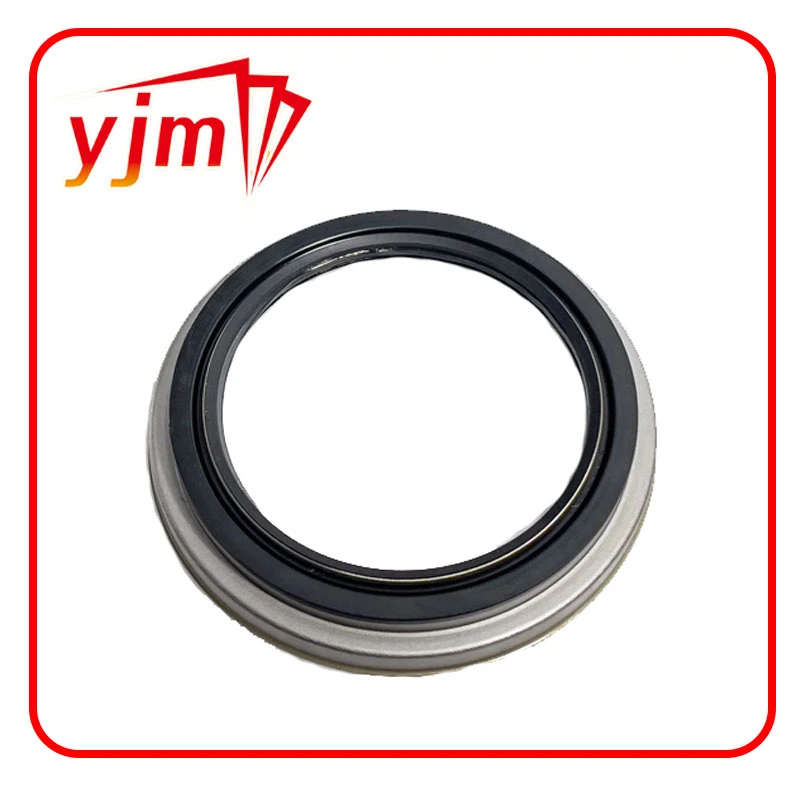
SEAL, OIL Genuine Toyota (9031672001)
-
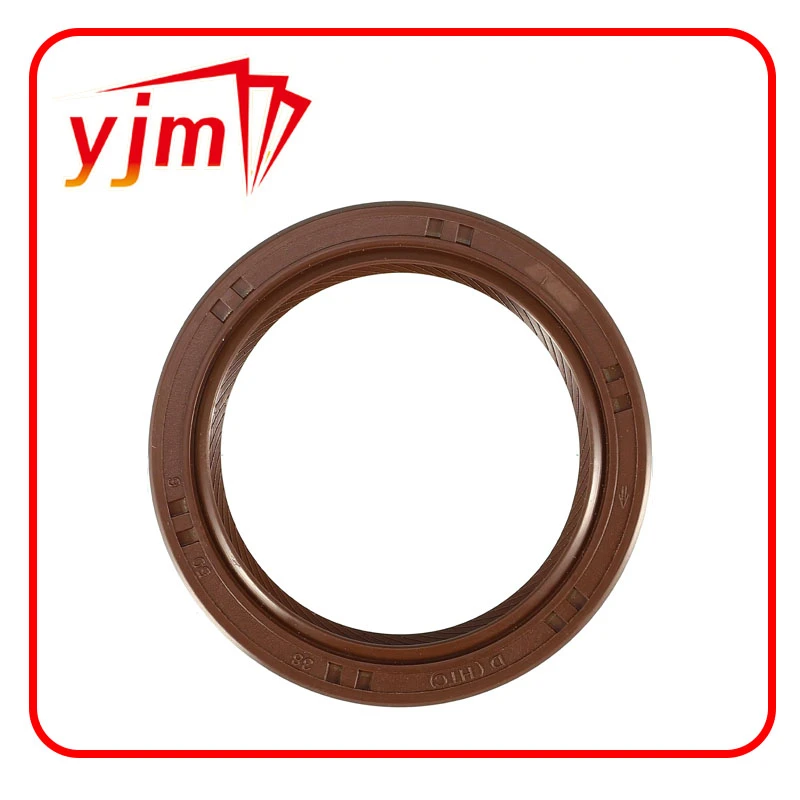
Engine Crankshaft Oil Seal No.9031138096
-
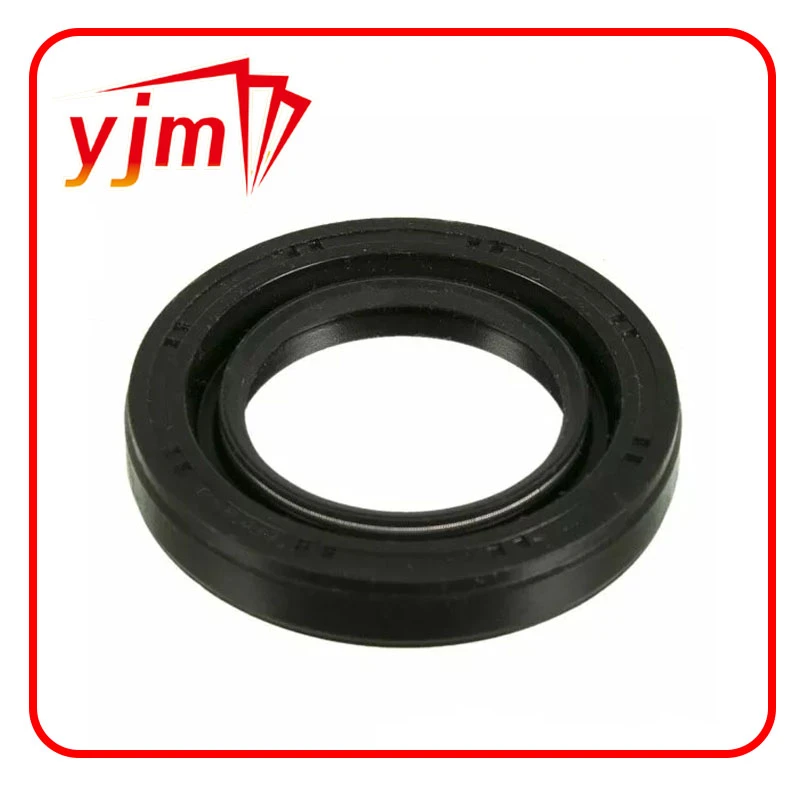
Toyota Transfer Case Output Shaft Seal Front 9031136006
-
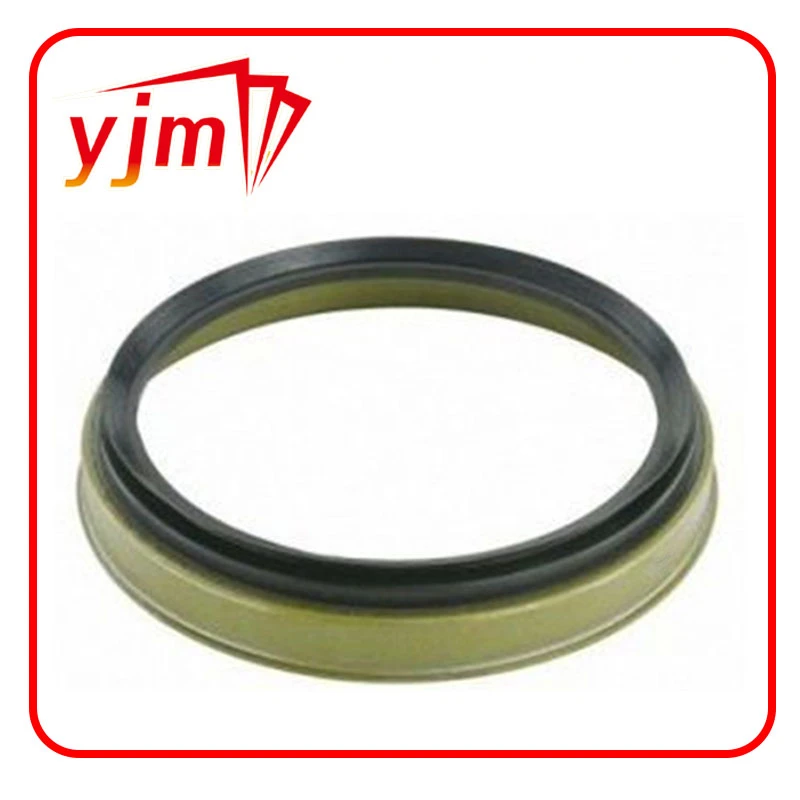
Seal, type v oil 9031287001 TOYOTA
-
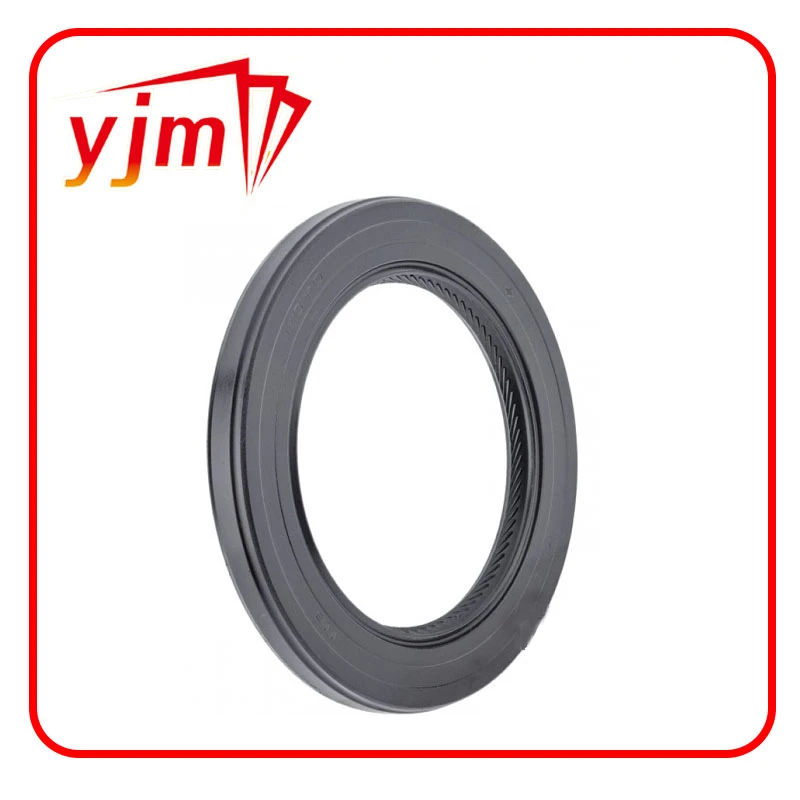
Oil pump seal 9031143010
-
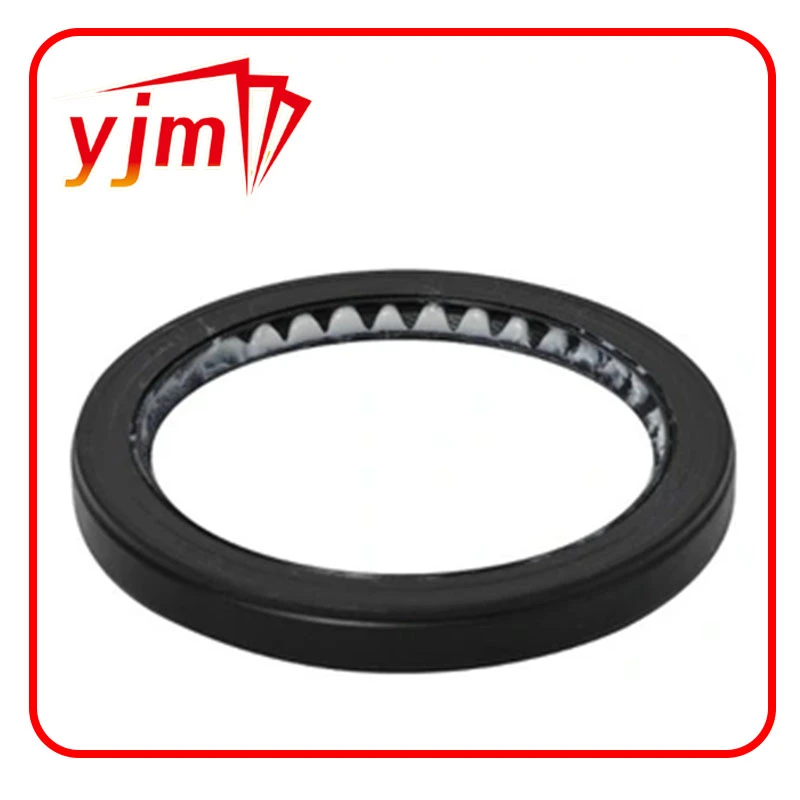
Genuine Toyota Oil SEAL 90311-54006
-
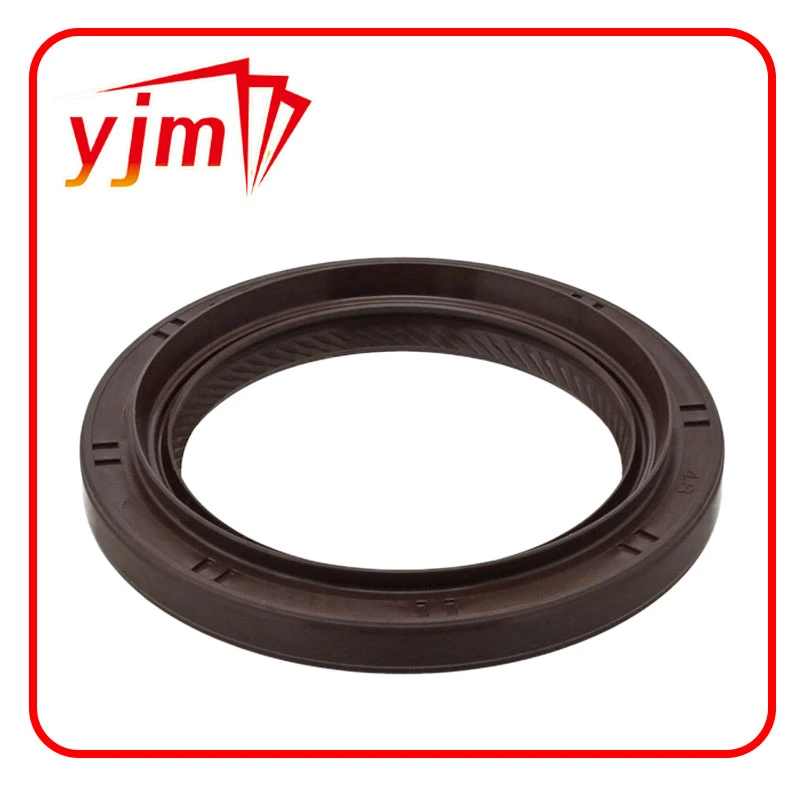
Toyota SEAL TYPE T OIL 90311-48031
-
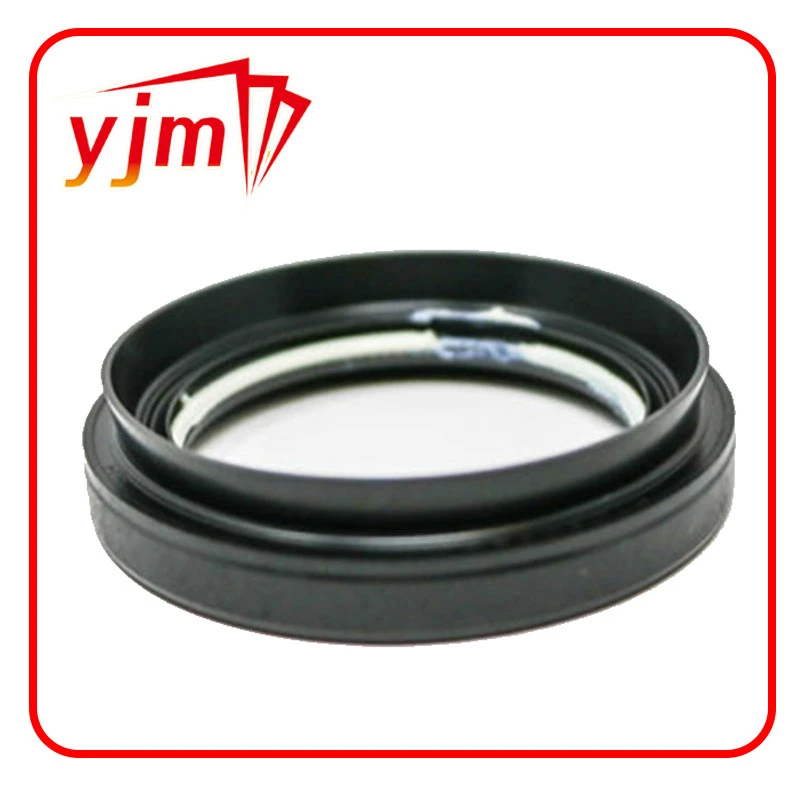
Type T Oil Seal, Front Drive Shaft, Left 9031150064
-
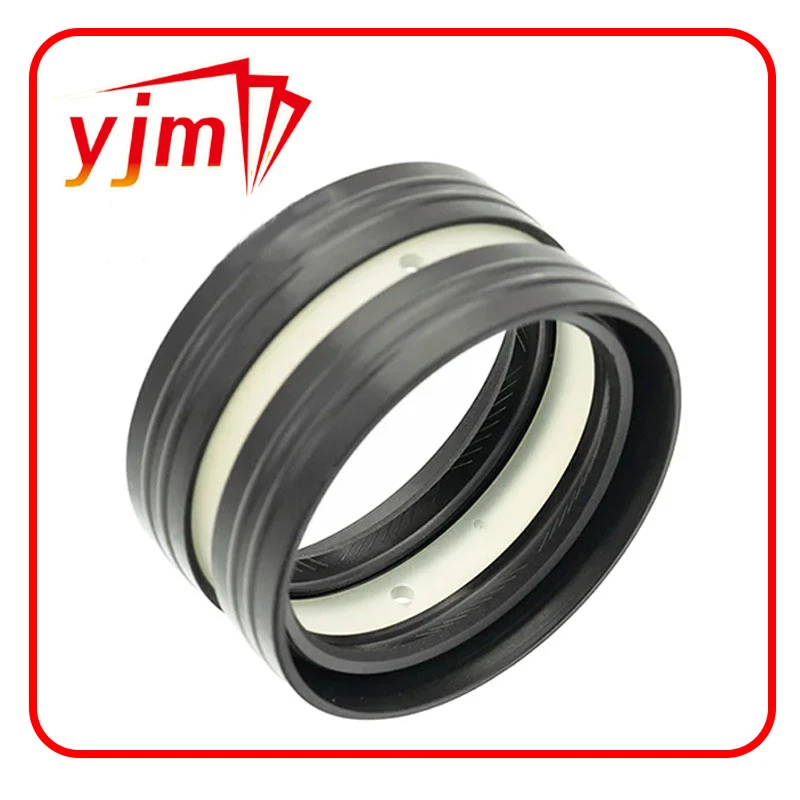
Seal, type d oil 9031634001 TOYOTA
 Afrikaans
 Albanian
 Amharic
 Arabic
 Armenian
 Azerbaijani
 Basque
 Belarusian
 Bengali
 Bosnian
 Bulgarian
 Catalan
 Cebuano
 Corsican
 Croatian
 Czech
Czech
 Danish
 Dutch
Dutch
 Esperanto
 Estonian
 Finnish
 French
 Frisian
 Galician
 Georgian
 German
 Greek
Greek
 Gujarati
 Haitian Creole
 Hausa
Hausa
 Hawaiian
 Hebrew
 Hindi
Hindi
 Miao
Miao
 Hungarian
 Icelandic
 Igbo
Igbo
 Indonesian
 Irish
Irish
 Italian
 Japanese
 Javanese
 Kannada
 Kazakh
 Khmer
Khmer
 Rwandese
 Korean
 Kurdish
 Kyrgyz
 Lao
Lao
 Latin
Latin
 Latvian
 Lithuanian
 Luxembourgish
 Macedonian
 Malgashi
 Malay
Malay
 Malayalam
 Maltese
 Maori
Maori
 Marathi
 Mongolian
 Myanmar
 Nepali
 Norwegian
 Norwegian
 Occitan
 Pashto
 Persian
 Polish
 Portuguese
 Punjabi
 Romanian
 Russian
 Samoan
 Scottish Gaelic
 Serbian
 Sesotho
 Shona
Shona
 Sindhi
 Sinhala
 Slovak
 Slovenian
 Somali
 Spanish
 Sundanese
 Swahili
 Swedish
 Tagalog
 Tajik
Tajik
 Tamil
Tamil
 Tatar
Tatar
 Telugu
 Thai
Thai
 Turkish
 Turkmen
 Ukrainian
 Urdu
Urdu
 Uighur
 Uzbek
Uzbek
 Vietnamese
 Welsh
Welsh
 Bantu
Bantu
 Yiddish
 Yoruba
 Zulu
Zulu
 English