Engine Oil Plug - Quality Parts for Reliable Industrial Engines
Why the Engine Oil Plug Still Matters More Than Ever
If you’ve spent some time in the industrial equipment world — and I have, quite a few years now — you quickly realize that even the smallest components can make or break an operation. One such unsung hero is the engine oil plug. It might seem like a trivial screw in the grand scheme of things, but trust me, it’s a vital piece that deserves a little more spotlight.
In real terms, an engine oil plug seals the oil sump, preventing leaks and contamination. Oddly enough, not all plugs are created equal. Material quality, thread design, and sealing technology all influence durability and safety. I remember a job a few years back where a poorly made oil plug led to an unforeseen leak—costly downtime and a lot of frustrated engineers. Since then, I’m a big fan of components that are tested to high standards and made from reliable materials like forged steel or heavy-duty aluminum alloys.
Speaking of which, recent industry trends show a move toward more advanced coatings and improved sealing elements within these plugs—think anti-corrosive layers and integrated rubber gaskets that stand up to heat and vibration. These innovations extend service intervals and reduce maintenance headaches. In the field, that’s gold.
| Parameter | Details |
|---|---|
| Material | Forged steel or anodized aluminum |
| Thread Type | Metric or imperial, fine/pitch options |
| Sealing Element | NBR rubber gasket or integrated O-ring |
| Coating | Anti-corrosion zinc plating or powder coating |
| Operating Temperature | -40°C to +150°C |
| Torque Range | 15 Nm to 40 Nm (varies by model) |
What’s also interesting is how suppliers differ in approach. I’ve often debated with peers about the best source for oil plugs, especially when dealing with custom or high-performance engines. Here’s a quick rundown of some leading vendors I’ve worked with or researched, focusing on four key aspects: material quality, price range, customization, and lead times.
| Vendor | Material Quality | Price Range | Customization | Lead Time |
|---|---|---|---|---|
| YJM Seal | High-grade forged steel | Mid-range | Full customization available | 2-4 weeks |
| Vendor B | Standard steel | Budget-friendly | Limited options | 1-2 weeks |
| Vendor C | Aluminum alloy | Higher-end | Some customization | 3-5 weeks |
I suppose what I really want to stress is the value of picking a supplier you can trust — one that understands the nuances of industrial environments and offers solid support. For instance, YJM Seal has been on my radar for a while for precisely that reason: their attention to detail, quality control, and ability to tweak designs based on client feedback. In one project involving custom hydraulic engines, their fast turnaround and customized plugs prevented what could’ve been costly delays.
Maintenance routines are another thing to keep in mind when discussing engine oil plugs. It’s often overlooked, but regularly inspecting these plugs for wear, thread damage, or gasket deterioration can save you a lot of grief down the line. I’ve noticed many engineers tend to focus on oil quality or filters but forget this small but critical part.
To wrap up, while the engine oil plug might fly under the radar, it’s a crucial player in engine health and overall machine reliability. It’s wise to invest in plugs that match your equipment requirements and sourcing from a trusted partner. Trust me, the hassle you save in maintenance and unexpected failure will be worth it.
A small reflection: sometimes, the toughest lessons come from the simplest parts. An oil plug leak once grounded a project overnight for me — a humbling reminder that reliability starts at the thread.
References:
1. ASTM International - Material standards for forged steel components
2. Machinery Lubrication Journal - Advances in sealing technologies, 2022
3. Industrial Maintenance Monthly - Best practices in engine oil system maintenance
-
Guide to Choosing the Right Washer for Oil Change and Sealing
News Apr.16,2026
-
Essential Guide to High Quality rubber washer oil drain plug
News Apr.09,2026
-
Understanding Rubber Crush Washers for Optimal Sealing Performance
News Apr.07,2026
-
Comprehensive Guide to Understanding and Reusing Crush Washer for Optimal Sealing
News Apr.04,2026
-
The Vital Role of a Drain Screw Gasket in Fluid System Integrity
News Mar.31,2026
-
The Essential Guide to Drain Crush Washer Selection and Plumbing Leak Prevention
News Mar.28,2026
-
The Vital Role of a Crush Washer in Oil Changes for Engine Protection
News Mar.26,2026
Products categories
-
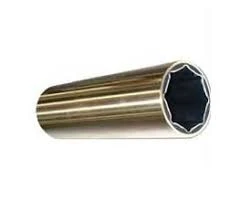
Brass cutlass marine bearing
-
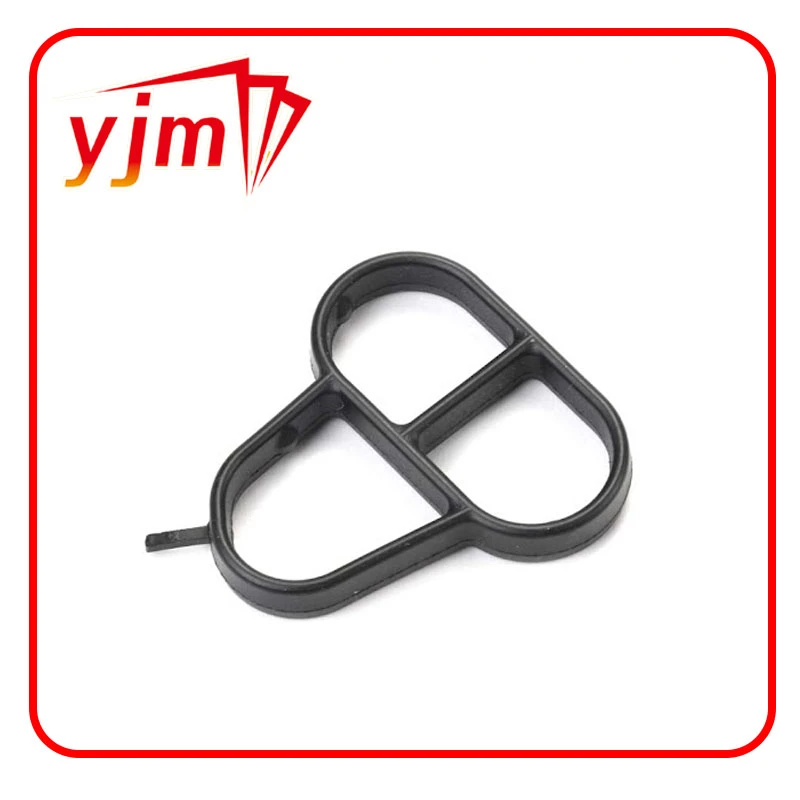
Genuine OEM Engine Oil Filter Housing Cover O-Ring For VW/Audi 06E115446
-
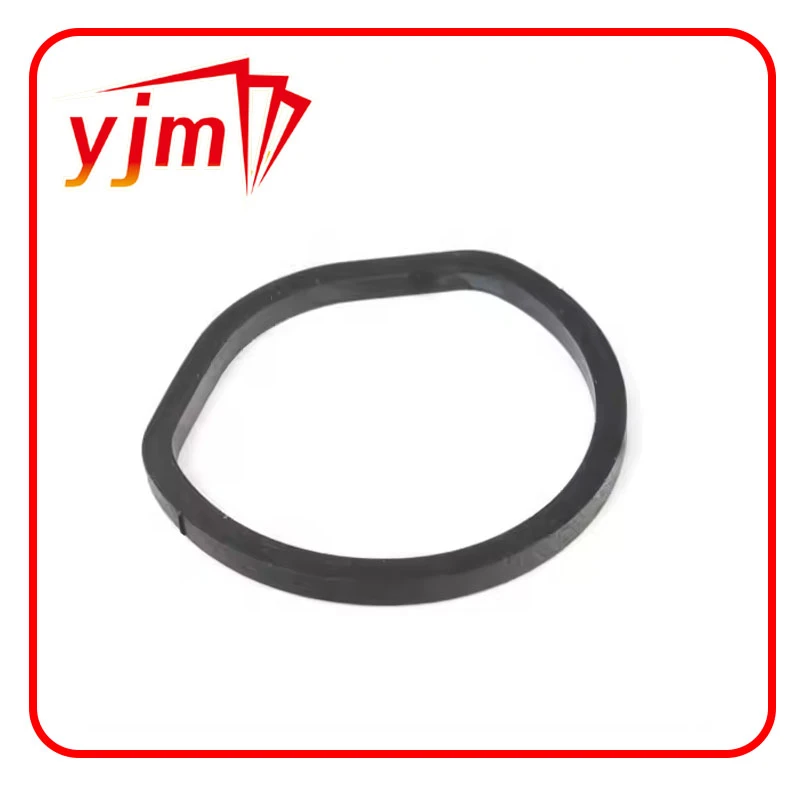
Oil Filter Stand Gasket,Oil filter cover seal
-
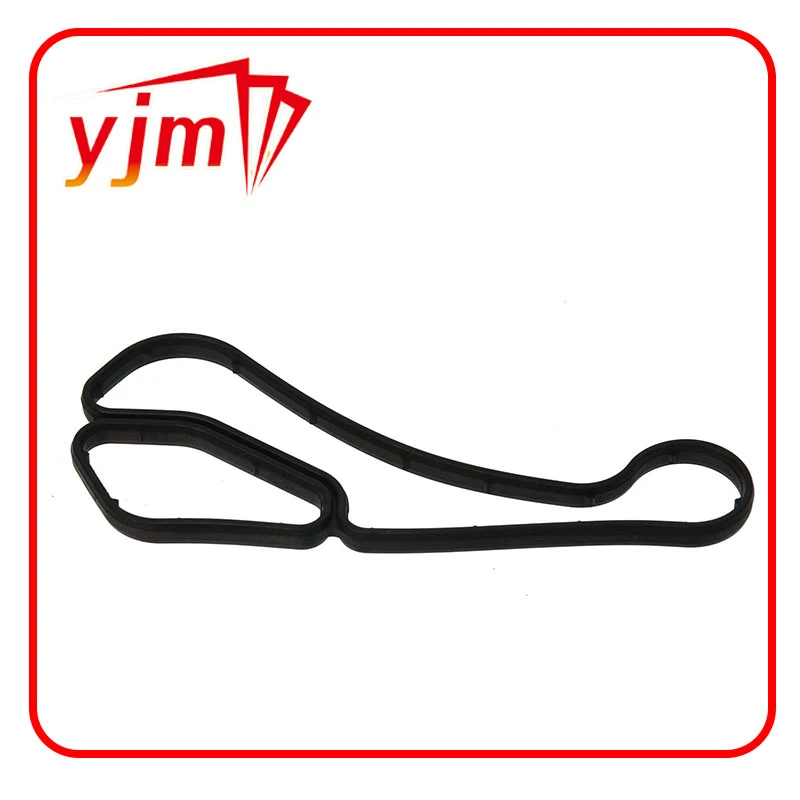
Oil Cooler Gasket, Oil Cooler to Oil Filter Housing 11427525335
-
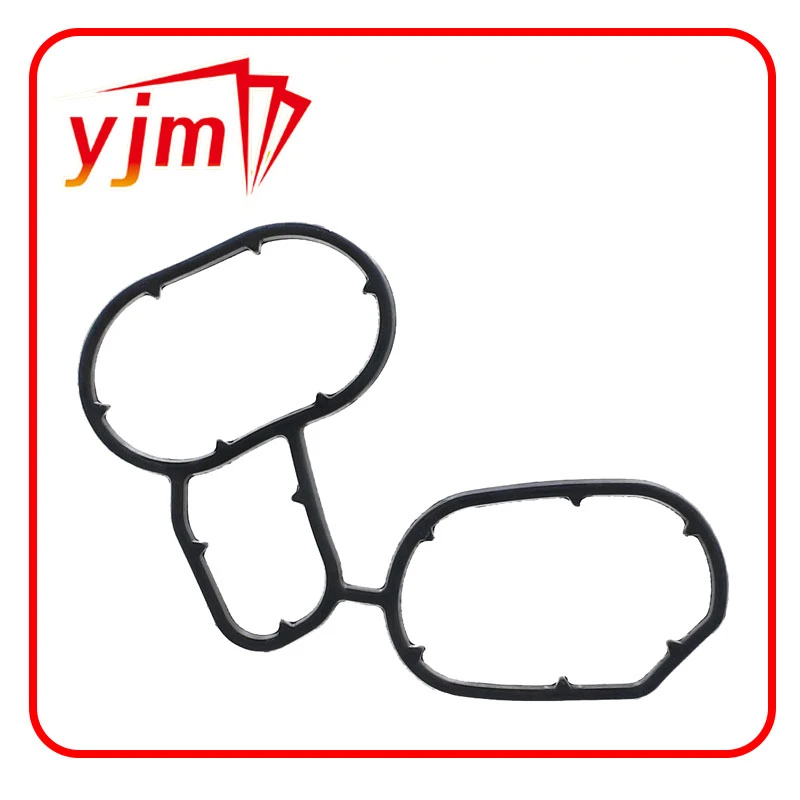
11427508970 BMW - OIL FILTER HOUSING GASKETS
-
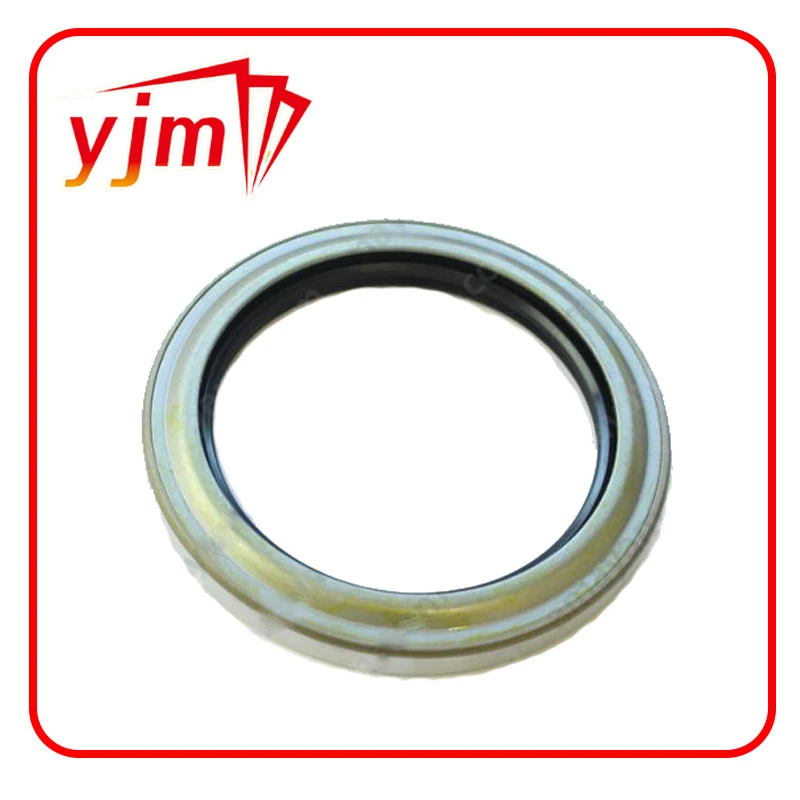
SEAL, OIL Genuine Toyota (9031170011)
-
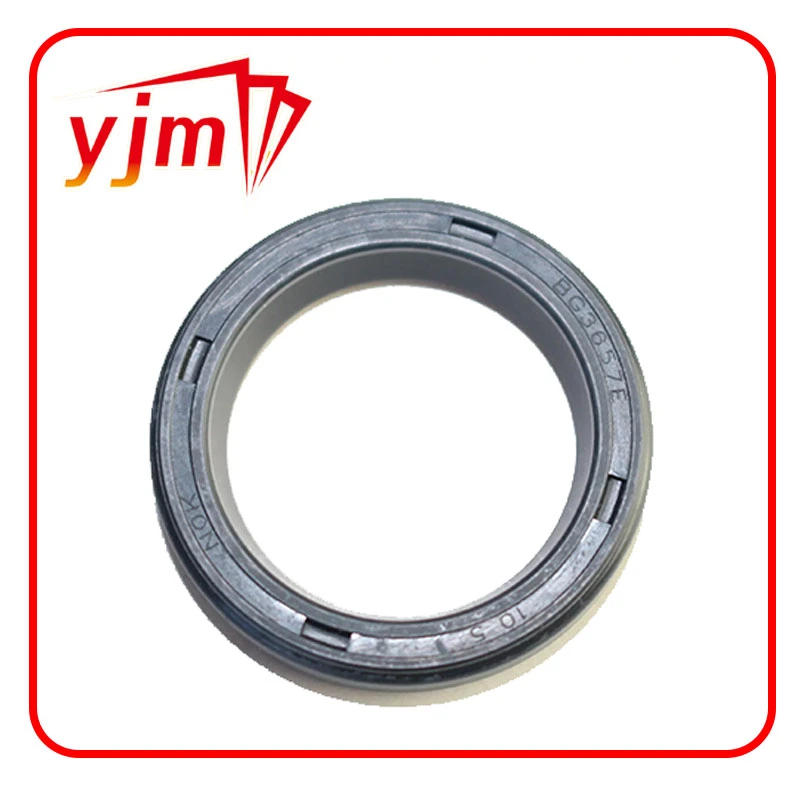
Transfer Case Output Shaft Seal Part 9031223001
-
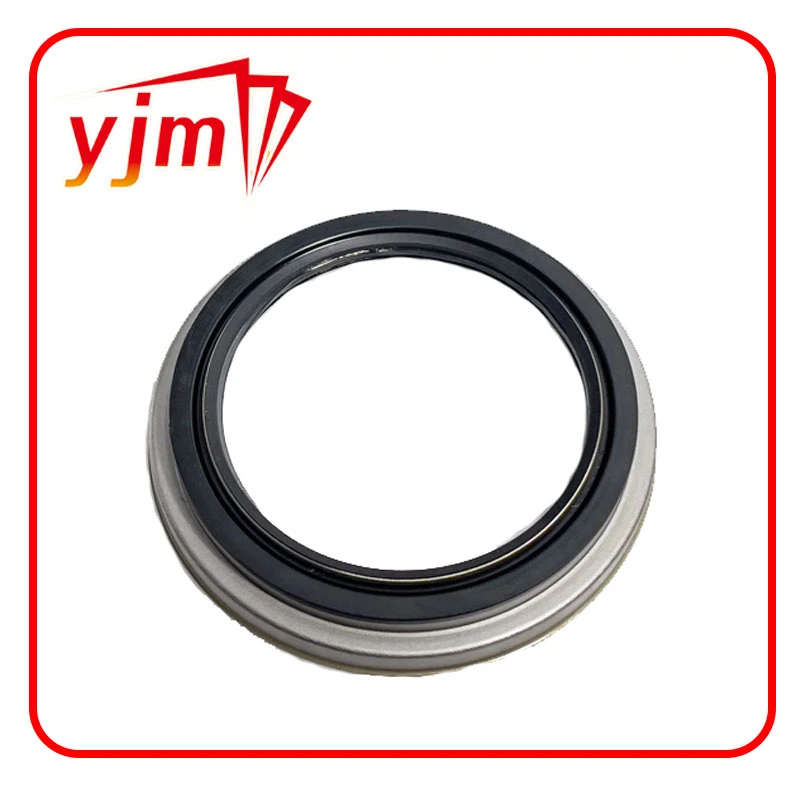
SEAL, OIL Genuine Toyota (9031672001)
-
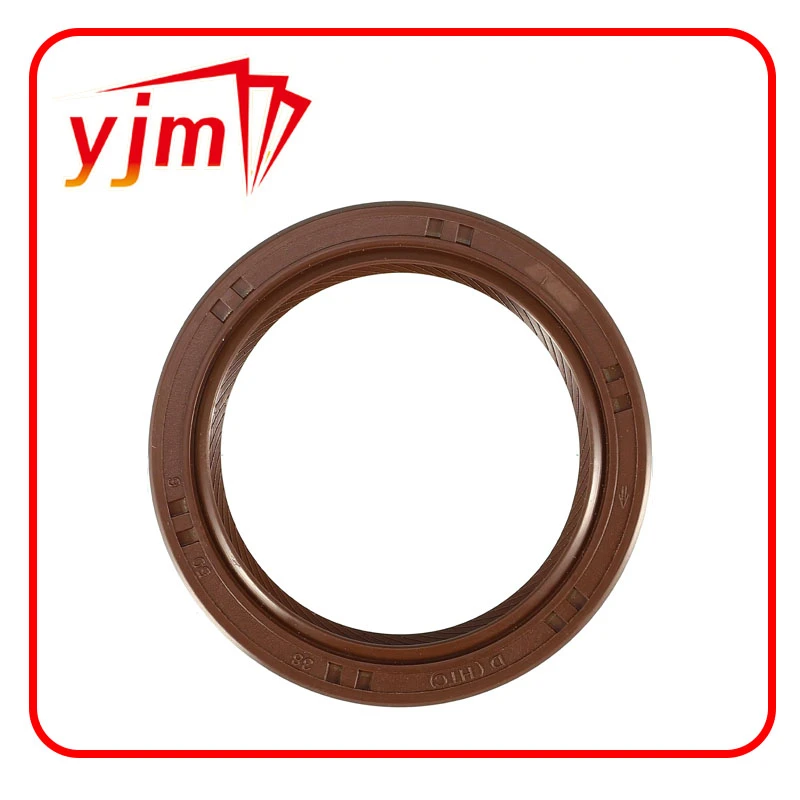
Engine Crankshaft Oil Seal No.9031138096
-
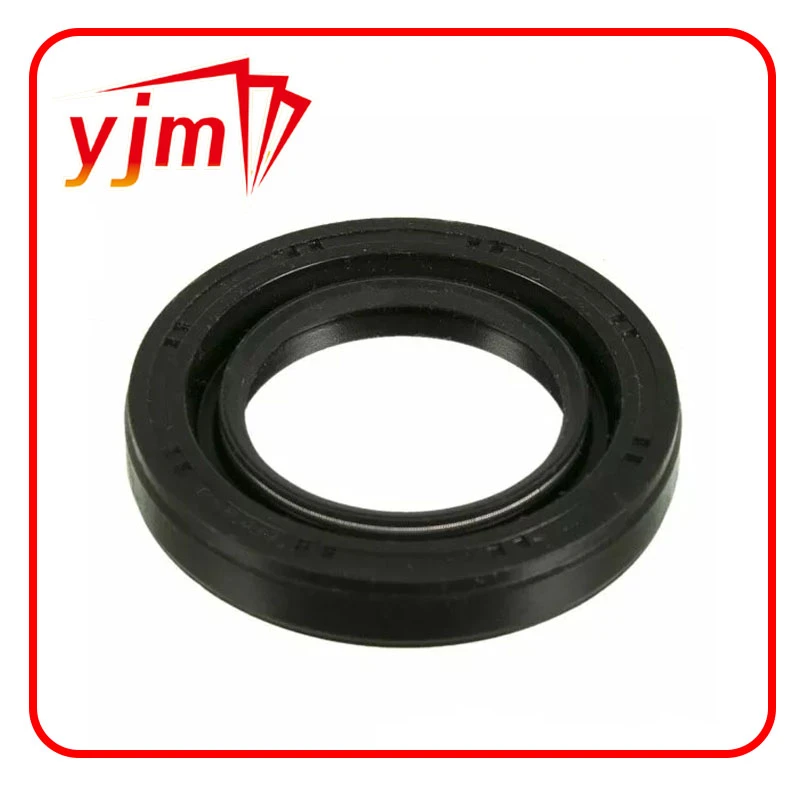
Toyota Transfer Case Output Shaft Seal Front 9031136006
-
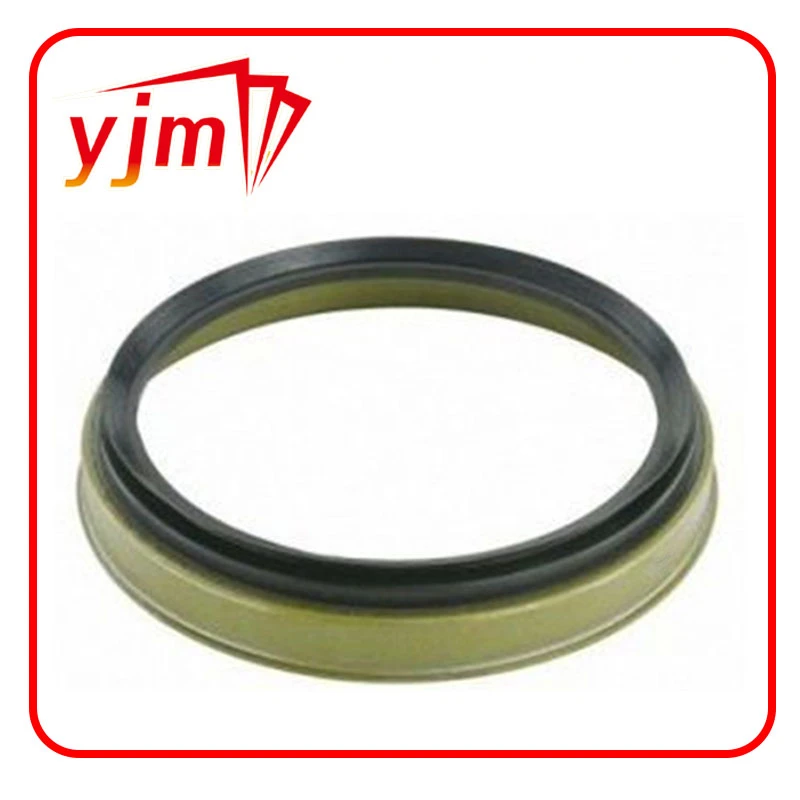
Seal, type v oil 9031287001 TOYOTA
-
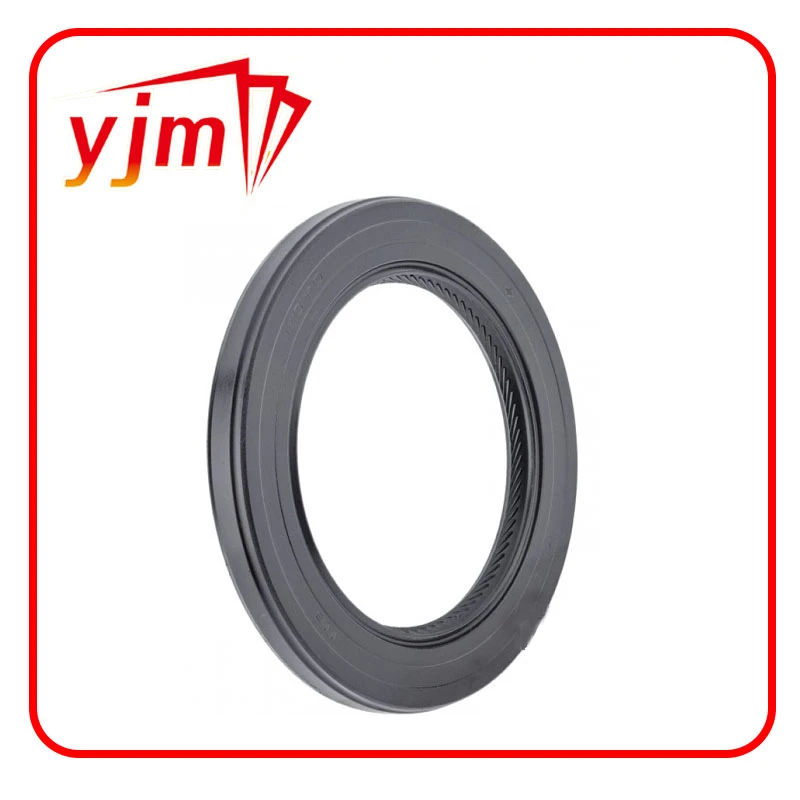
Oil pump seal 9031143010
-
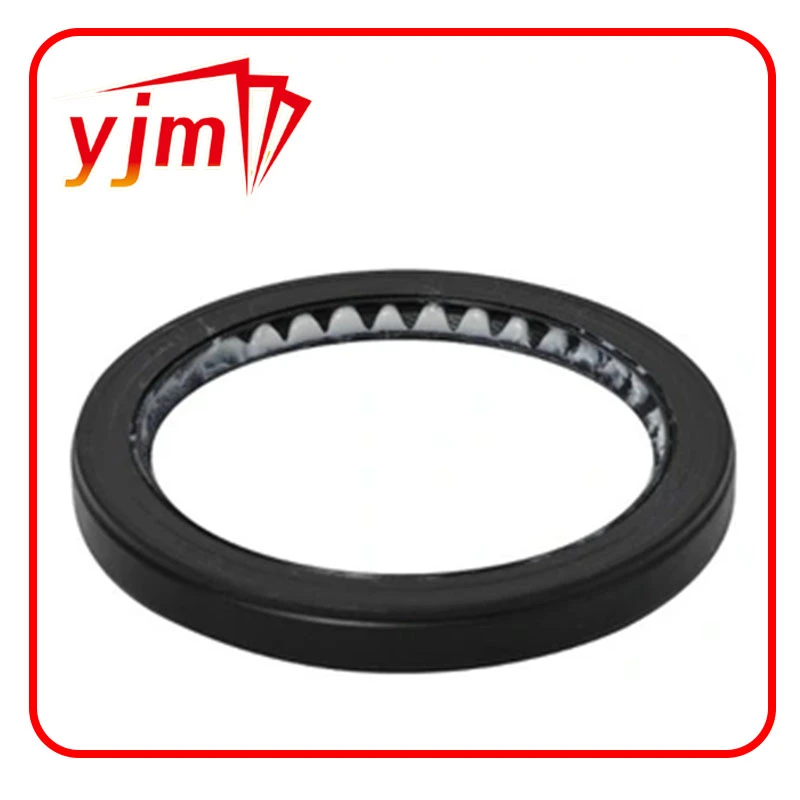
Genuine Toyota Oil SEAL 90311-54006
-
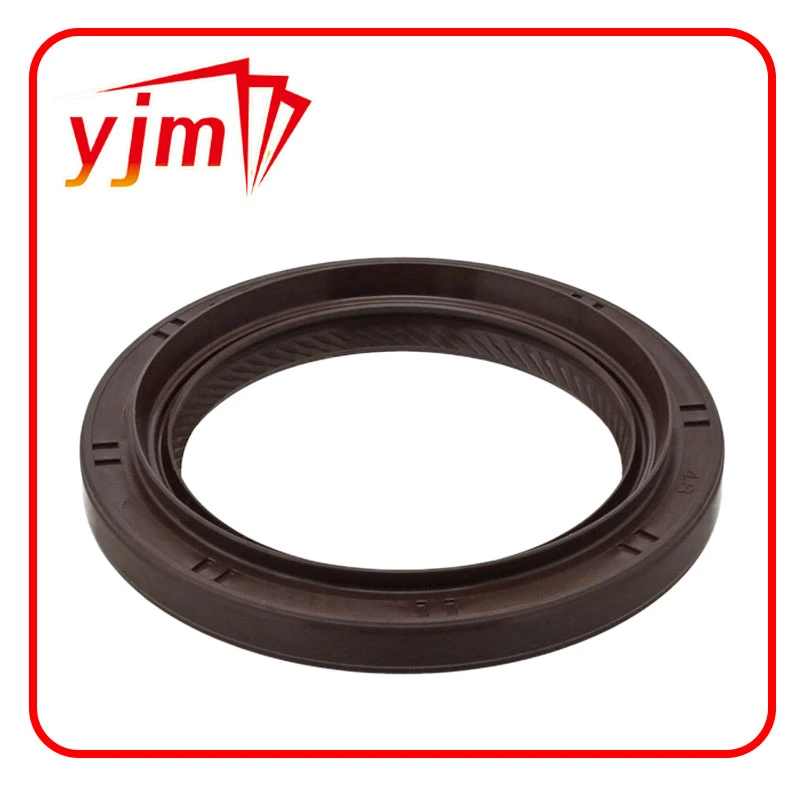
Toyota SEAL TYPE T OIL 90311-48031
-
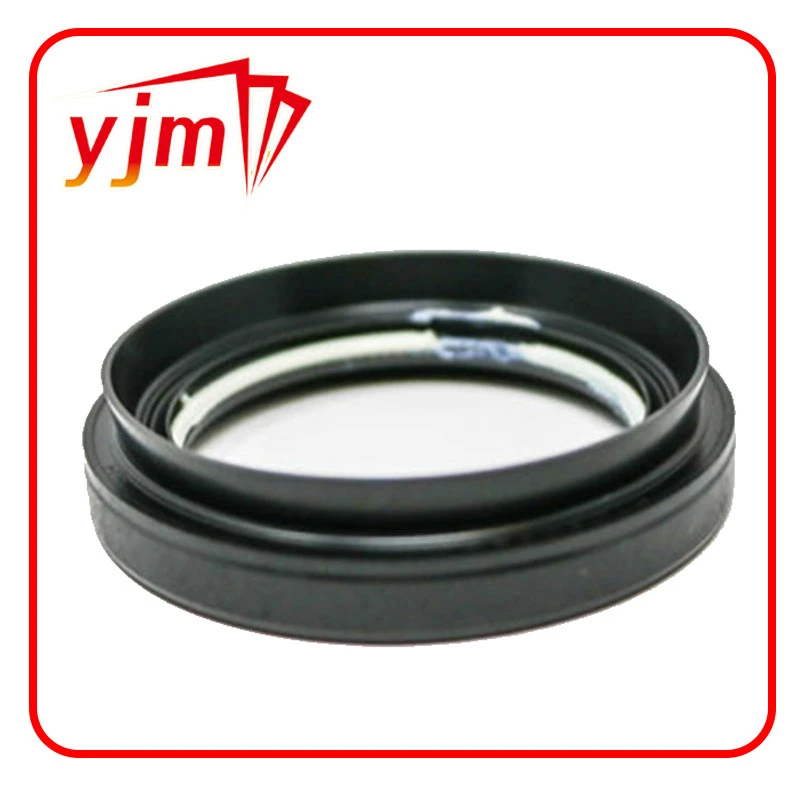
Type T Oil Seal, Front Drive Shaft, Left 9031150064
-
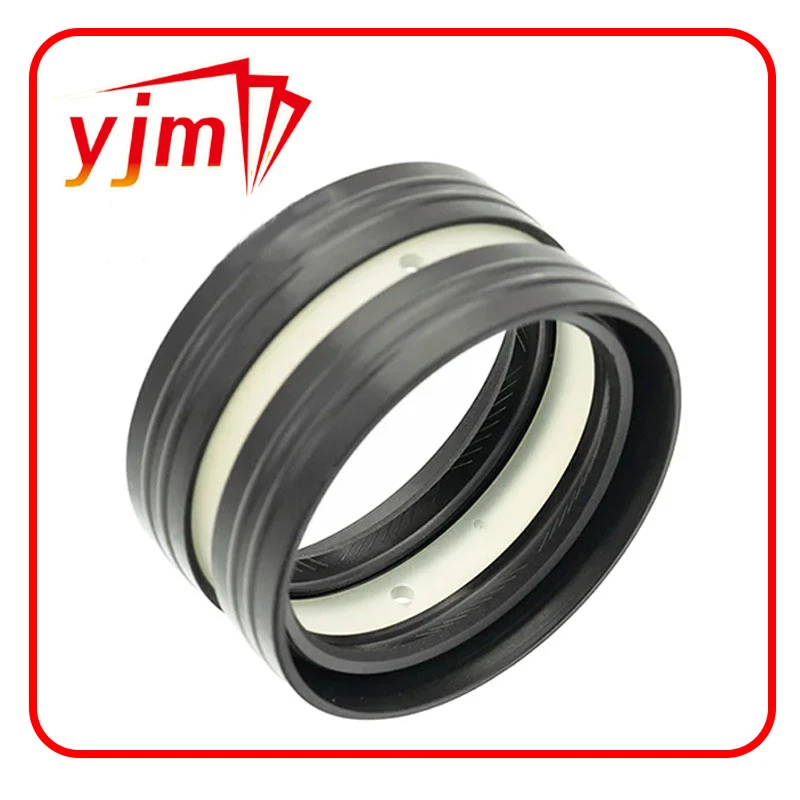
Seal, type d oil 9031634001 TOYOTA
 Afrikaans
 Albanian
 Amharic
 Arabic
 Armenian
 Azerbaijani
 Basque
 Belarusian
 Bengali
 Bosnian
 Bulgarian
 Catalan
 Cebuano
 Corsican
 Croatian
 Czech
Czech
 Danish
 Dutch
Dutch
 Esperanto
 Estonian
 Finnish
 French
 Frisian
 Galician
 Georgian
 German
 Greek
Greek
 Gujarati
 Haitian Creole
 Hausa
Hausa
 Hawaiian
 Hebrew
 Hindi
Hindi
 Miao
Miao
 Hungarian
 Icelandic
 Igbo
Igbo
 Indonesian
 Irish
Irish
 Italian
 Japanese
 Javanese
 Kannada
 Kazakh
 Khmer
Khmer
 Rwandese
 Korean
 Kurdish
 Kyrgyz
 Lao
Lao
 Latin
Latin
 Latvian
 Lithuanian
 Luxembourgish
 Macedonian
 Malgashi
 Malay
Malay
 Malayalam
 Maltese
 Maori
Maori
 Marathi
 Mongolian
 Myanmar
 Nepali
 Norwegian
 Norwegian
 Occitan
 Pashto
 Persian
 Polish
 Portuguese
 Punjabi
 Romanian
 Russian
 Samoan
 Scottish Gaelic
 Serbian
 Sesotho
 Shona
Shona
 Sindhi
 Sinhala
 Slovak
 Slovenian
 Somali
 Spanish
 Sundanese
 Swahili
 Swedish
 Tagalog
 Tajik
Tajik
 Tamil
Tamil
 Tatar
Tatar
 Telugu
 Thai
Thai
 Turkish
 Turkmen
 Ukrainian
 Urdu
Urdu
 Uighur
 Uzbek
Uzbek
 Vietnamese
 Welsh
Welsh
 Bantu
Bantu
 Yiddish
 Yoruba
 Zulu
Zulu
 English