Crankshaft Oil Seal Rear – Essential Guide to Industrial Engine Reliability
Understanding Crankshaft Oil Seal Rear: Why It Matters in Industry Today
When you hear “crankshaft oil seal rear,” you might just think of a small mechanical part tucked away in an engine. But oddly enough, it’s much more significant than that—this tiny seal plays a critical role in keeping engines durable, reliable, and efficient worldwide. Whether you’re into automotive engineering, heavy machinery, or even industrial power generation, understanding the importance of the rear crankshaft oil seal can open up insights into better maintenance, cost savings, and sustainability.
Globally, the automotive and heavy equipment industries depend heavily on reliable engine parts to keep economies moving. According to data from the International Organization for Standardization (ISO), manufacturing quality engine seals directly impacts the operational lifespan of engines, reducing the frequency of repairs and enhancing fuel efficiency (1). From rural farms in Asia to sprawling manufacturing plants in Europe, crankshaft oil seals help prevent costly oil leaks that could lead to environmental damage and equipment downtime.
What Exactly Is a Crankshaft Oil Seal Rear?
Simply put, the rear crankshaft oil seal is a component that fits around the rear end of the crankshaft within an engine. Its main job? To prevent engine oil from leaking out while allowing the crankshaft to rotate smoothly. Imagine it as a guardian that keeps oil inside, protecting both your engine’s internals and the environment from potentially harmful oil spills.
In the context of modern automotive engineering, this seal supports engine longevity while meeting growing environmental regulations. Plus, it’s a tiny but essential piece in the puzzle of emission reductions and improved fuel efficiency.
Key Factors: What Makes a Great Rear Crankshaft Oil Seal?
Durability
Since the crankshaft spins at high speeds and encounters heat, the seal material must resist wear and temperature extremes. Silicone and nitrile rubber compounds are popular because they maintain a tight seal over many thousands of miles.
Compatibility
The seal’s design and material must be perfectly matched to the engine model and lubricant type. For instance, synthetic oils demand seals that won’t degrade prematurely.
Precision Fit
Poorly fitted seals cause leaks—and frankly, leaks are expensive. Precision manufacturing processes ensure that the oil seal fits the crankshaft snugly without hindering movement.
Cost Efficiency
While materials and manufacturing must be top-notch, cost is also a big consideration. The best seals balance performance with affordability, offering value not just upfront but over the whole engine lifecycle.
Crankshaft Oil Seal Rear Product Specification
| Parameter | Typical Values |
|---|---|
| Material | Nitrile Rubber (NBR), Silicone |
| Temperature Range | -30°C to 120°C |
| Operating Speed | Up to 10,000 rpm |
| Hardness | 65-75 Shore A |
| Seal Lip Type | Single, Double, Spring-energized |
Global Applications and Use Cases
Crankshaft oil seals have an international footprint. In Japan’s automotive sector, OEMs rely heavily on premium seals to meet strict emission rules. Meanwhile, in developing countries, these seals are crucial in agricultural machinery where oil leaks can cause environmental hazards and operational downtime.
Oddly enough, even in humanitarian relief operations where generators keep critical medical equipment running, a minor oil leak caused by a faulty rear crankshaft seal can potentially jeopardize urgent care. It’s one of those unnoticed components that quietly supports life-saving activities.
In mining regions of Australia, durable crankshaft oil seals enhance equipment uptime in harsh conditions, directly impacting productivity and safety for workers.
Vendor Comparison: Top Crankshaft Oil Seal Manufacturers
| Feature | Vendor A | Vendor B | Vendor C |
|---|---|---|---|
| Material Quality | Premium NBR | Silicone Blend | Standard NBR |
| Custom Fit Options | Yes | Limited | No |
| Price Range | $$$ | $$ | $ |
| Availability | Global | Regional | Local |
Advantages & Long-Term Value
Investing in a quality crankshaft oil seal rear isn’t just about avoiding oil drips. It’s about enhancing engine reliability, lowering maintenance costs, and supporting environmental stewardship. A good seal feels like that trustworthy partner you rarely notice but truly depend on — preventing leaks, reducing engine wear, and preserving lubrication efficacy.
On the emotional side, there’s reassurance in knowing your engine won’t abruptly fail, and on the logical side, it’s sound economics. Downtime is costly, and machinery with well-maintained seals tends to hold their value longer for resale or repurposing.
Future Trends & Innovations
The future of crankshaft oil seals is intriguing. Materials science is pushing toward seals made from advanced polymers that tolerate higher temperatures and aggressive lubricants. Some manufacturers are experimenting with nanocomposites and eco-friendly elastomers to reduce environmental impact.
Digitally, the rise of predictive maintenance tools means sensors could soon monitor seal integrity in real-time, alerting operators before leaks become a problem. Frankly, it feels like the oil seal is about to get “smart.”
Challenges & Solutions
Of course, not everything is perfect. One common headache is premature seal failure due to incorrect installation or incompatible materials. But many engineers agree that investing in precision tooling and seal training often reduces failures significantly.
Additionally, balancing cost with performance remains an ongoing challenge. Innovative coatings and manufacturing techniques help here—but the key is collaboration between OEMs, suppliers, and end-users.
Frequently Asked Questions About Crankshaft Oil Seal Rear
- Q: How do I know if my rear crankshaft oil seal is failing?
A: Common signs include oil leaks near the rear engine area, unusual engine noises, or oil spots under your vehicle. Early detection via inspection helps prevent major damage. - Q: Can I replace the rear crankshaft oil seal myself?
A: It’s generally a job for professionals due to the seal’s location and precise fit requirements. Improper installation can cause leaks or damage. - Q: What materials are best for a rear crankshaft oil seal?
A: Nitrile rubber (NBR) is common for general use, but silicone or fluorocarbon elastomers might be preferred for high temperature or chemical resistance. - Q: How often should the rear crankshaft oil seal be inspected?
A: During routine engine servicing or every 30,000 to 50,000 miles, especially for older engines or heavy-use machinery. - Q: Does the rear crankshaft oil seal affect engine performance?
A: Yes. A faulty seal can cause oil leaks causing low lubrication, leading to premature engine wear or failure.
Conclusion
Understanding the vital role of a crankshaft oil seal rear leads to smarter maintenance and longer engine life. From cutting downtime to protecting the environment, the right seal changes more than engine mechanics—it shapes reliability and trust. For reliable, high-quality seals, consider exploring leading providers that offer customized solutions tailored to your machinery’s demands.
Visit https://www.yjmseal.com to learn more about top-tier rear crankshaft oil seals crafted for global standards.
Takeaway: Even the smallest parts, like the rear crankshaft oil seal, quietly power the engines of industry and progress worldwide.
References
-
Guide to Choosing the Right Washer for Oil Change and Sealing
News Apr.16,2026
-
Essential Guide to High Quality rubber washer oil drain plug
News Apr.09,2026
-
Understanding Rubber Crush Washers for Optimal Sealing Performance
News Apr.07,2026
-
Comprehensive Guide to Understanding and Reusing Crush Washer for Optimal Sealing
News Apr.04,2026
-
The Vital Role of a Drain Screw Gasket in Fluid System Integrity
News Mar.31,2026
-
The Essential Guide to Drain Crush Washer Selection and Plumbing Leak Prevention
News Mar.28,2026
-
The Vital Role of a Crush Washer in Oil Changes for Engine Protection
News Mar.26,2026
Products categories
-
Brass cutlass marine bearing
-
Genuine OEM Engine Oil Filter Housing Cover O-Ring For VW/Audi 06E115446
-
Oil Filter Stand Gasket,Oil filter cover seal
-
Oil Cooler Gasket, Oil Cooler to Oil Filter Housing 11427525335
-
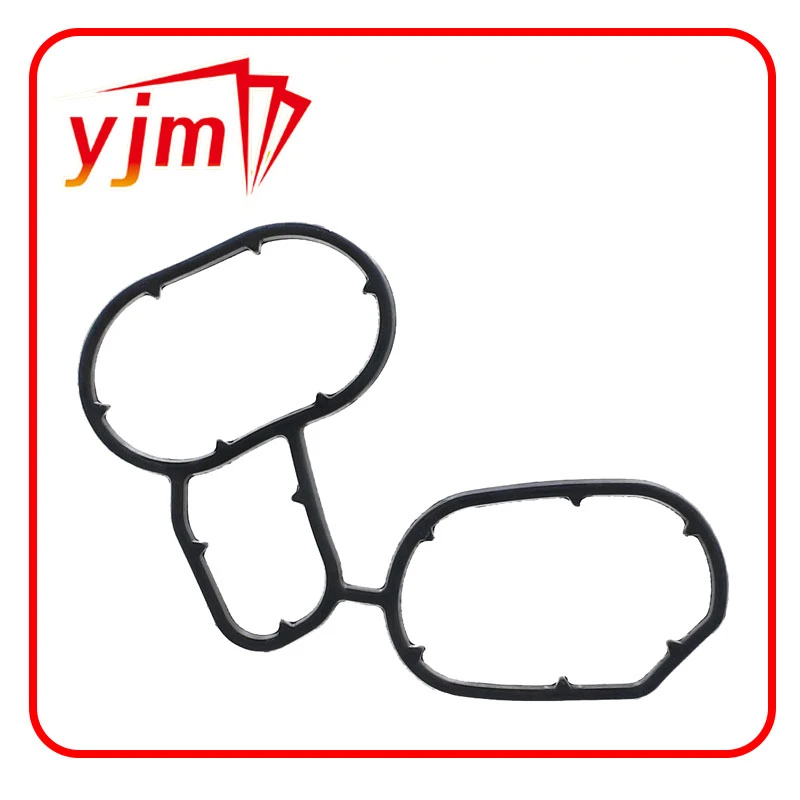
11427508970 BMW - OIL FILTER HOUSING GASKETS
-
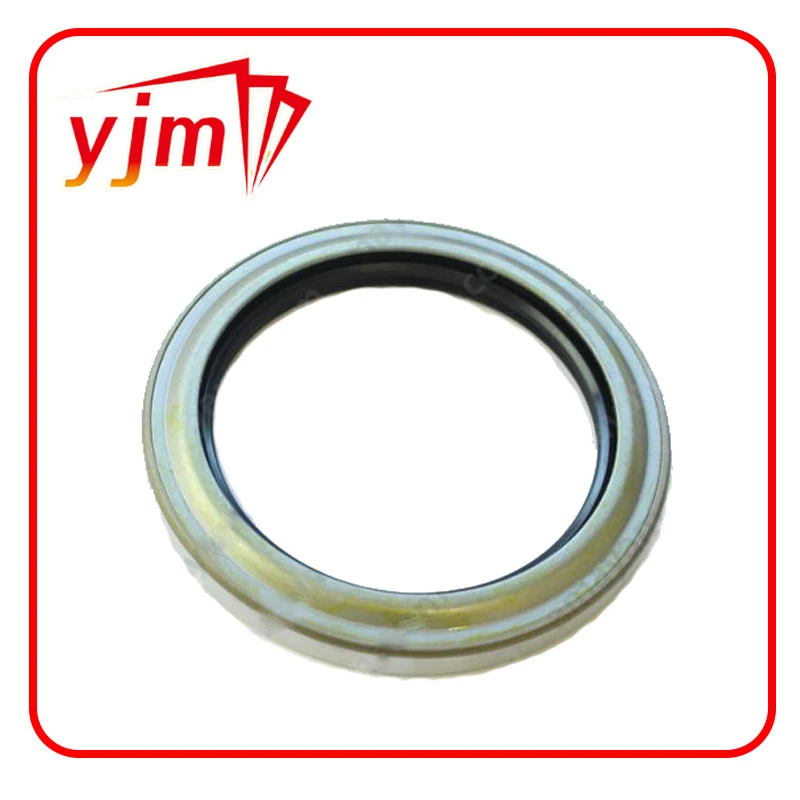
SEAL, OIL Genuine Toyota (9031170011)
-
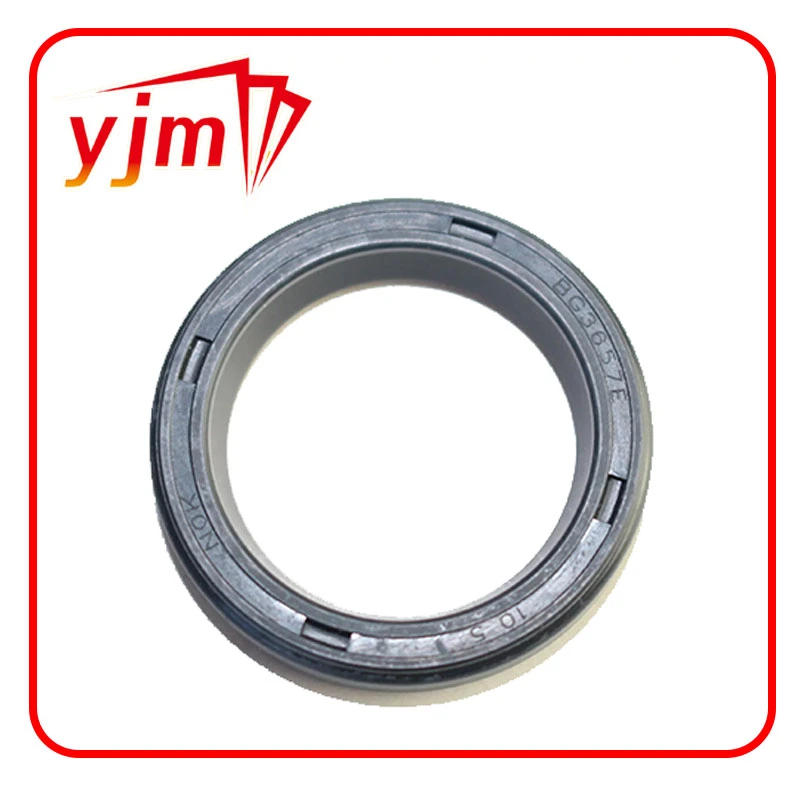
Transfer Case Output Shaft Seal Part 9031223001
-
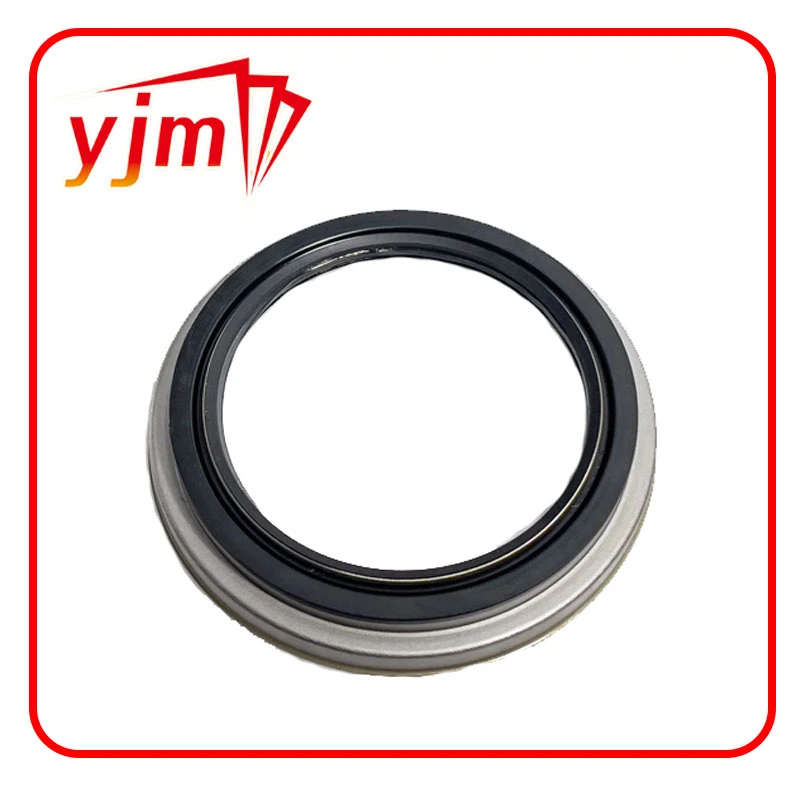
SEAL, OIL Genuine Toyota (9031672001)
-
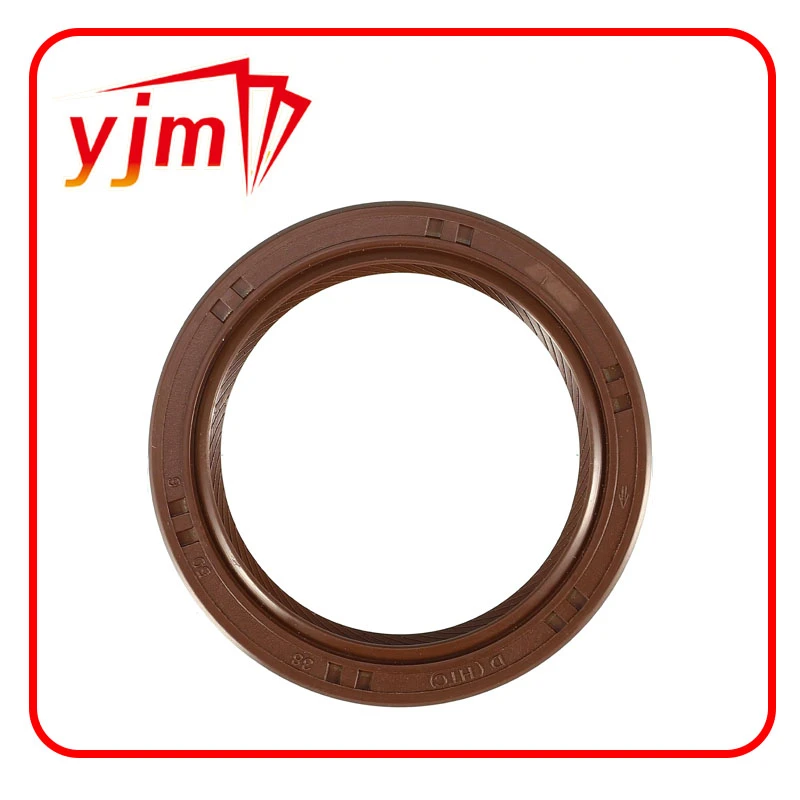
Engine Crankshaft Oil Seal No.9031138096
-
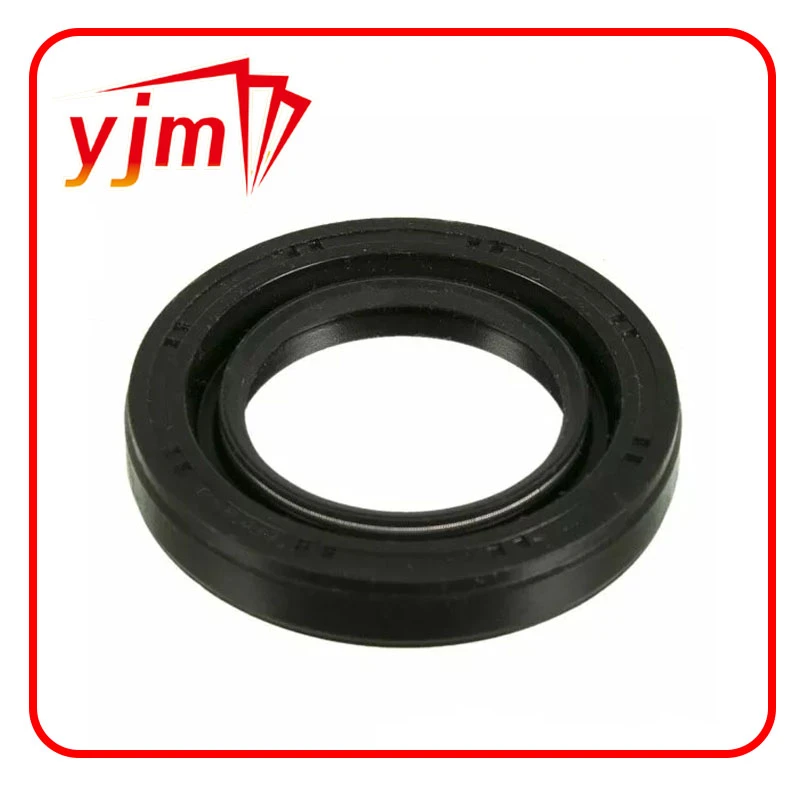
Toyota Transfer Case Output Shaft Seal Front 9031136006
-
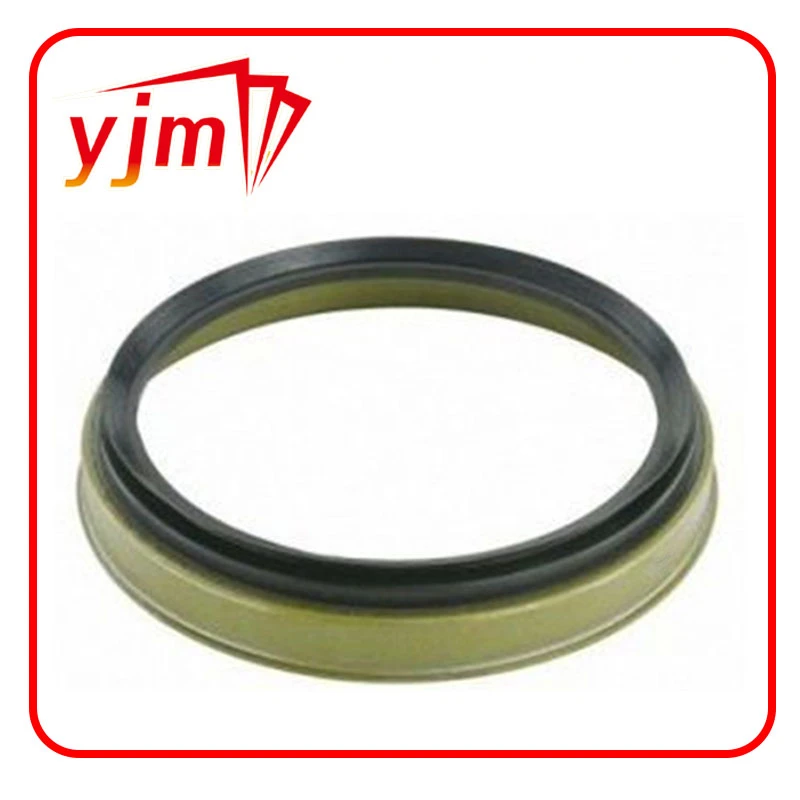
Seal, type v oil 9031287001 TOYOTA
-
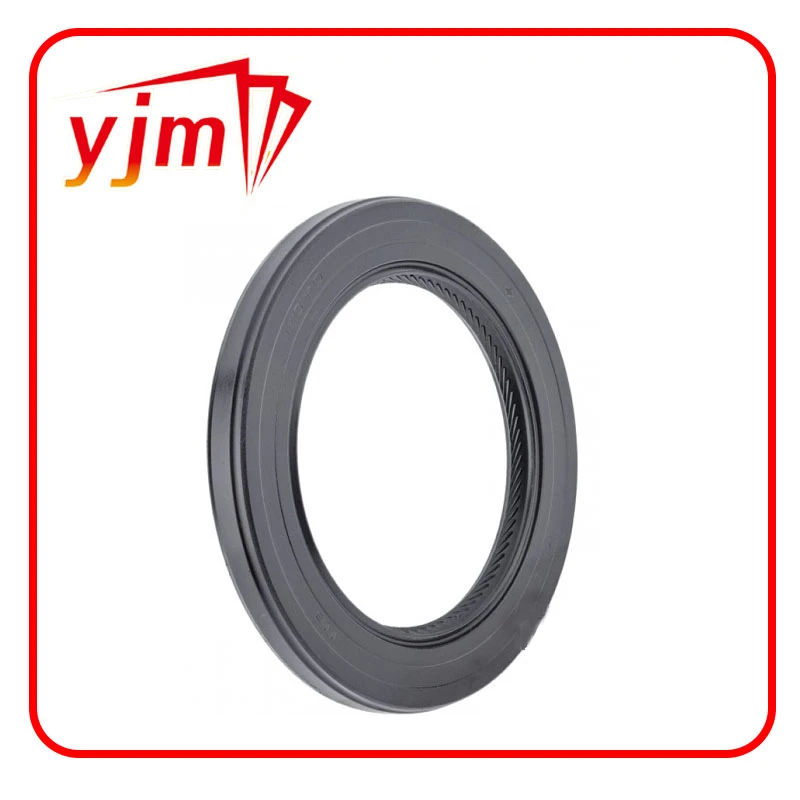
Oil pump seal 9031143010
-
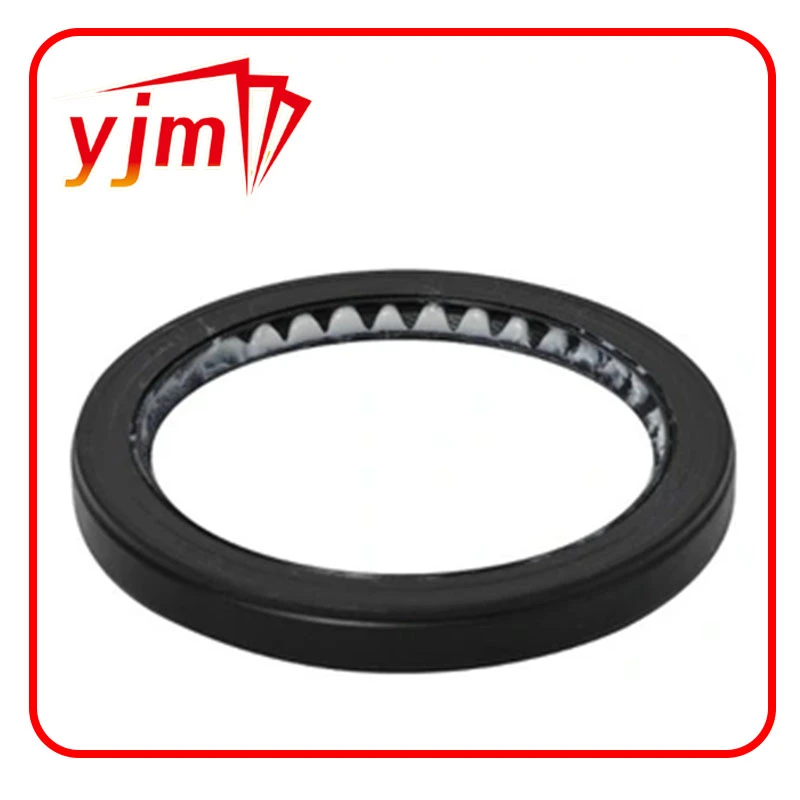
Genuine Toyota Oil SEAL 90311-54006
-
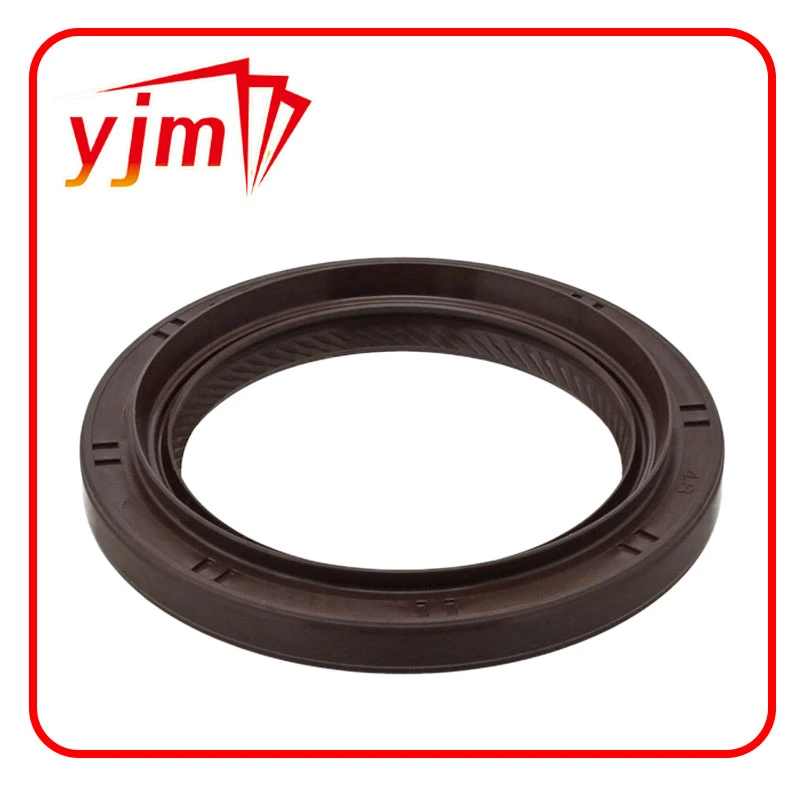
Toyota SEAL TYPE T OIL 90311-48031
-
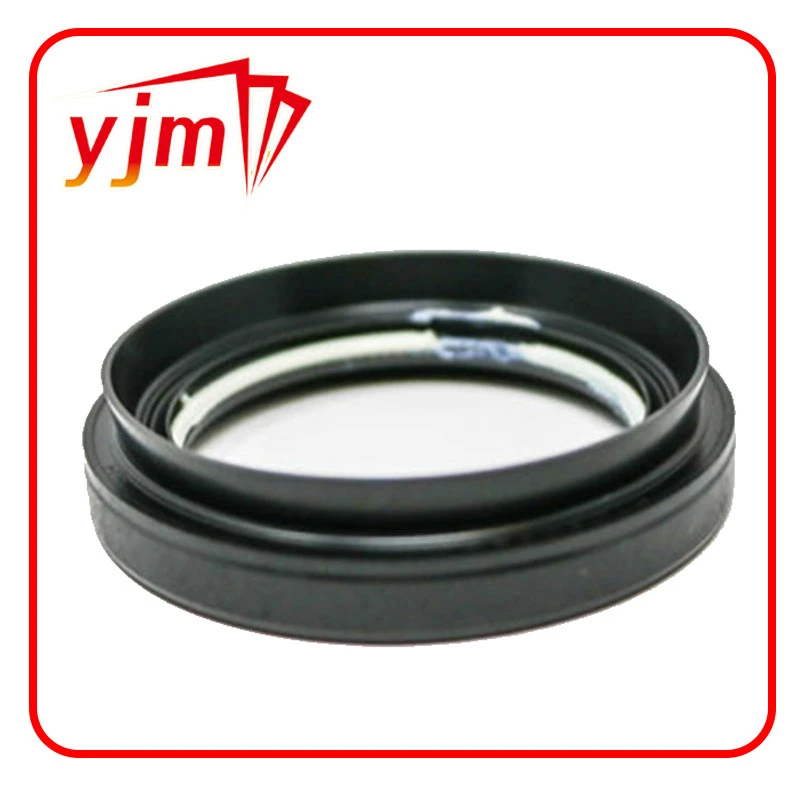
Type T Oil Seal, Front Drive Shaft, Left 9031150064
-
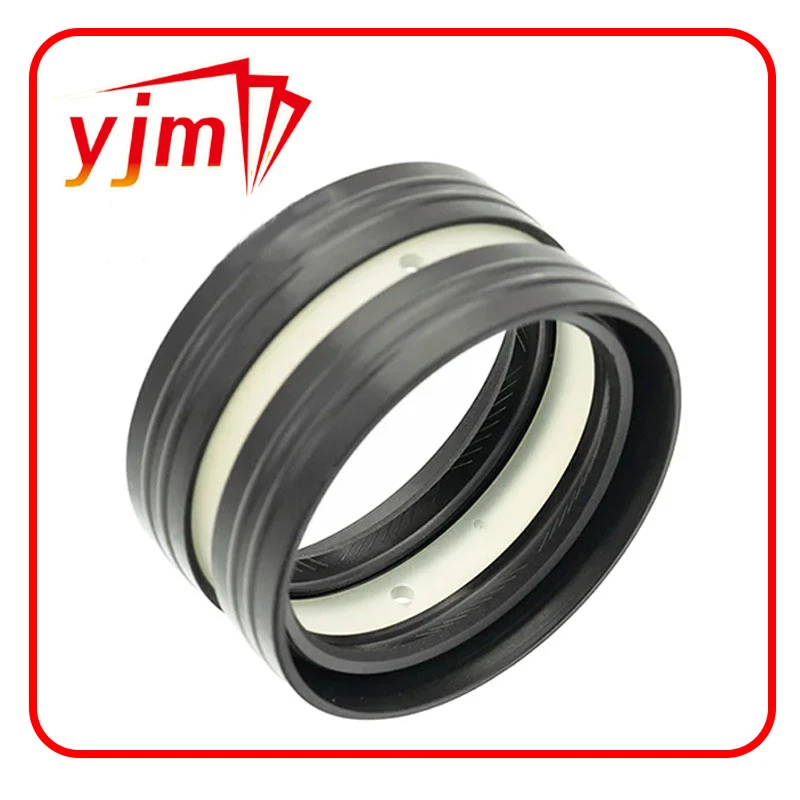
Seal, type d oil 9031634001 TOYOTA
 Afrikaans
 Albanian
 Amharic
 Arabic
 Armenian
 Azerbaijani
 Basque
 Belarusian
 Bengali
 Bosnian
 Bulgarian
 Catalan
 Cebuano
 Corsican
 Croatian
 Czech
Czech
 Danish
 Dutch
Dutch
 Esperanto
 Estonian
 Finnish
 French
 Frisian
 Galician
 Georgian
 German
 Greek
Greek
 Gujarati
 Haitian Creole
 Hausa
Hausa
 Hawaiian
 Hebrew
 Hindi
Hindi
 Miao
Miao
 Hungarian
 Icelandic
 Igbo
Igbo
 Indonesian
 Irish
Irish
 Italian
 Japanese
 Javanese
 Kannada
 Kazakh
 Khmer
Khmer
 Rwandese
 Korean
 Kurdish
 Kyrgyz
 Lao
Lao
 Latin
Latin
 Latvian
 Lithuanian
 Luxembourgish
 Macedonian
 Malgashi
 Malay
Malay
 Malayalam
 Maltese
 Maori
Maori
 Marathi
 Mongolian
 Myanmar
 Nepali
 Norwegian
 Norwegian
 Occitan
 Pashto
 Persian
 Polish
 Portuguese
 Punjabi
 Romanian
 Russian
 Samoan
 Scottish Gaelic
 Serbian
 Sesotho
 Shona
Shona
 Sindhi
 Sinhala
 Slovak
 Slovenian
 Somali
 Spanish
 Sundanese
 Swahili
 Swedish
 Tagalog
 Tajik
Tajik
 Tamil
Tamil
 Tatar
Tatar
 Telugu
 Thai
Thai
 Turkish
 Turkmen
 Ukrainian
 Urdu
Urdu
 Uighur
 Uzbek
Uzbek
 Vietnamese
 Welsh
Welsh
 Bantu
Bantu
 Yiddish
 Yoruba
 Zulu
Zulu
 English