Understanding Seal 16x26x7 – Essential Industrial and Mechanical Applications
Why the Seal 16x26x7 Matters Globally
Every machine whisperer, from factory floor engineers to DIY enthusiasts, knows the quiet but indispensable role seals play. Among them, the seal 16x26x7 stands out—though it sounds cryptic, this little component quietly ensures machines stay leak-proof, efficient, and long-lasting. Understanding its design, applications, and advantages doesn't just save a handful of dollars on repairs; it affects how industries from automotive to aerospace push innovation globally.
According to the International Organization for Standardization (ISO), efficient sealing solutions contribute to reducing mechanical failures by over 40% in industrial settings. It’s no exaggeration: a reliable seal can be the difference between downtime and smooth operations—impacting global supply chains and economies. So, getting comfortable with the 16x26x7 seal might seem niche, but the ripple effect is vast, and oddly satisfying when you think about it.
Setting the Stage: The Global Context of Seal 16x26x7
Globally, machinery and rotating equipment are everywhere—from bustling manufacturing plants in Germany to oil rigs off the Nigerian coast. In these harsh environments, seals like the 16x26x7 handle a tough gig: preventing lubricant leaks, keeping dust and moisture out, and battling extreme rotational speeds.
The World Bank reports that industrial maintenance issues, often related to seal failures, cost billions annually worldwide. One common complaint? The mysterious, sneaky failure of tiny components, the ones you barely notice until they cause a problem. Enter the seal 16x26x7— a proactive piece in damage control. This size/type is popular enough that UD, SKF, and others dedicate entire product lines to it. Why? Because getting this tiny seal wrong can cost serious money and downtime.
Seal 16x26x7: What Is It, Really?
Let’s unpack the name. The “16x26x7” is shorthand for the seal’s dimensions: 16mm inner diameter, 26mm outer diameter, and 7mm thickness. It’s usually a radial shaft seal, designed to snugly fit around a rotating shaft, maintaining pressure and keeping contaminants out.
Radial shaft seals like the 16x26x7 are the unsung heroes in everything from car engines and electric motors to pumps and industrial gearboxes. Their design generally includes a rubber sealing lip, a steel reinforcement ring, and sometimes a garter spring for tension. It’s this compact, specialized geometry that makes them versatile, durable, and easy to source worldwide—and yes, very customizable to different environments.
Key Factors in the Design and Use of Seal 16x26x7
Durability & Material Composition
Typically crafted from nitrile rubber (NBR), fluorocarbon (FKM), or silicone compounds, the seal needs to withstand temperature swings, chemical exposure, and mechanical friction. Many engineers say the choice boils down to the application’s environment. For example, if you’re dealing with automotive fluids, FKM seals outlast NBR in longevity and chemical resistance.
Precision Fit
Those millimeters matter. A loose fit invites leaks; too tight, and you risk premature wear. The 16x26x7 dimensions are standardized, but slight tolerances exist depending on temperature and pressure—factors engineers track carefully. Oddly enough, this small variation affects service intervals and lifetime costs dramatically.
Cost Efficiency
With inexpensive components like the 16x26x7 seal, replacing them before catastrophic failure is standard practice. Their low unit cost contrasts sharply with the high cost of machine downtime, so predictive maintenance that targets these seals can save tens of thousands over a year.
Customization & Compatibility
Many manufacturers offer seals with additional features—special lip designs, reinforced steels, or even double lips for extra defense. This flexibility lets industries tweak seals for specifics like higher RPMs or unusual shaft materials.
Ease of Installation & Replacement
Frankly, this seal’s straightforward sizing and design make it a favorite replacement part worldwide. Field engineers appreciate how quickly it slides into place without expensive tools or lengthy downtime.
Seal 16x26x7 in Action: Where and How It Works
From the spinning axles of Asian automotive factories to the heavy-duty equipment in South American mining operations, the seal 16x26x7 pops up in places where rotational machinery is king. It even plays a starring role in smaller industrial gadgets.
In post-disaster relief efforts—say, rebuilding after a storm—portable generators rely on these seals to stay operational under tough field conditions. Remote industrial zones, often miles from repair shops, prize the ability to stock standardized seals like the 16x26x7 for quick fixes.
OEMs (Original Equipment Manufacturers) appreciate how global availability of this popular size simplifies supply chains. SKF reports thousands of units shipped daily for industries ranging from agriculture to aerospace, underscoring its versatility.
Specification Table: Standard Seal 16x26x7 Overview
| Specification | Detail |
|---|---|
| Inner Diameter | 16 mm |
| Outer Diameter | 26 mm |
| Thickness | 7 mm |
| Material | NBR, FKM, Silicone (optional) |
| Temperature Range | -40°C to +150°C (varies by material) |
| Usage | Rotating shaft sealing |
| Typical Industries | Automotive, Pumps, Aerospace, Industrial machinery |
How Vendors Compare: A Quick Look at Popular Seal 16x26x7 Providers
| Vendor | Material Options | Price Range (USD) | Lead Time | Special Features |
|---|---|---|---|---|
| SKF | NBR, FKM, Silicone | $1.50 - $3.00 | 2-5 days | High temp resistance, GARLOCK® options |
| Timken | NBR, EPDM | $1.20 - $2.50 | 3-7 days | Double-lip options, customizable springs |
| YJM Seal | NBR, FKM, Silicone | $1.00 - $2.80 | 1-4 days | Fast delivery, OEM customization seal 16x26x7 |
Benefits You Gain from Choosing Seal 16x26x7
On the surface, seals don’t often inspire passion, but the seal 16x26x7 packs serious advantages:
- Cost Savings: Prevent equipment failure early and skip expensive repairs.
- Sustainability: Durable seals reduce waste and energy loss from leaks.
- Reliability: Trusted worldwide for predictable performance and service life.
- Safety: Eliminates hazardous leaks of lubricants, which also benefits workers and machinery.
- Innovation Enabler: Supports faster machine speeds and tighter engineering tolerances.
Looking Ahead: Innovations That Will Shape the Future of Seals
Material science is ever-evolving, with new polymers promising longer life spans and resistance to heat and chemicals once thought impossible. Meanwhile, digital monitoring—using sensors embedded near seals—helps schedule maintenance before leaks start. It’s weirdly cool how these tiny components now get a slice of the Industry 4.0 spotlight.
Expect greener manufacturing processes too, as regulatory bodies push for more sustainable materials and recycling protocols across the mechanical parts ecosystem.
Challenges Facing Seal 16x26x7 and How the Industry Responds
Despite their robust design, seals face threats like shaft misalignment, contamination, and exposure to aggressive chemicals that degrade materials faster than intended. Experts recommend regular inspection schedules and selecting seals with advanced compound formulas or additional lips for extra defense. Interestingly, some plants opt for full shaft covers paired with seals to extend lifespan further.
FAQ: Common Questions About Seal 16x26x7
- How do I know if the 16x26x7 seal is the right size for my machine?
- Measure the shaft diameter, housing bore, and required seal thickness carefully. The 16x26x7 corresponds to 16 mm inner diameter, 26 mm outer diameter, and 7 mm thickness. Matching these with your equipment ensures proper fit and performance.
- What materials are best for seals handling high temperatures?
- Fluorocarbon (FKM) seals excel in high-temperature environments (up to around 200°C) and resist many chemicals better than standard nitrile (NBR). Choose based on the operating environment.
- Can I reuse a seal 16x26x7 once removed?
- Generally, it’s not recommended. Removing a seal can deform the flexible sealing lip, leading to leaks. Replacing with a new seal ensures reliability.
- Where can I buy a quality seal 16x26x7 quickly?
- Many suppliers stock this common size, including online industrial parts companies and vendors like YJM Seal. Fast shipping options are often available.
- How does temperature affect the performance of seal 16x26x7?
- Excessive heat can harden or crack rubber seals, reducing sealing efficiency. Selecting heat-rated materials and proper lubrication boosts longevity.
Wrapping Up: Why Seal 16x26x7 Is More Than Just a Small Part
In industries that count on spinning parts and near-perfect tolerance, the humble seal 16x26x7 quietly holds things together—even when nobody’s looking. It’s a brilliant example of how thoughtful engineering and standardized sizing can unite global operations under one tiny, resilient component. Hey, I've seen it save downtime that would’ve otherwise grounded a full production line... worth every cent.
Thinking about upgrading or replacing your seals? Visit our website at https://www.yjmseal.com to explore options and get custom advice tailored to your needs.
-
Guide to Choosing the Right Washer for Oil Change and Sealing
News Apr.16,2026
-
Essential Guide to High Quality rubber washer oil drain plug
News Apr.09,2026
-
Understanding Rubber Crush Washers for Optimal Sealing Performance
News Apr.07,2026
-
Comprehensive Guide to Understanding and Reusing Crush Washer for Optimal Sealing
News Apr.04,2026
-
The Vital Role of a Drain Screw Gasket in Fluid System Integrity
News Mar.31,2026
-
The Essential Guide to Drain Crush Washer Selection and Plumbing Leak Prevention
News Mar.28,2026
-
The Vital Role of a Crush Washer in Oil Changes for Engine Protection
News Mar.26,2026
Products categories
-
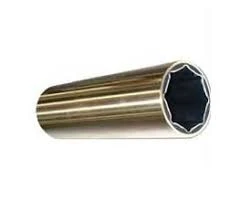
Brass cutlass marine bearing
-
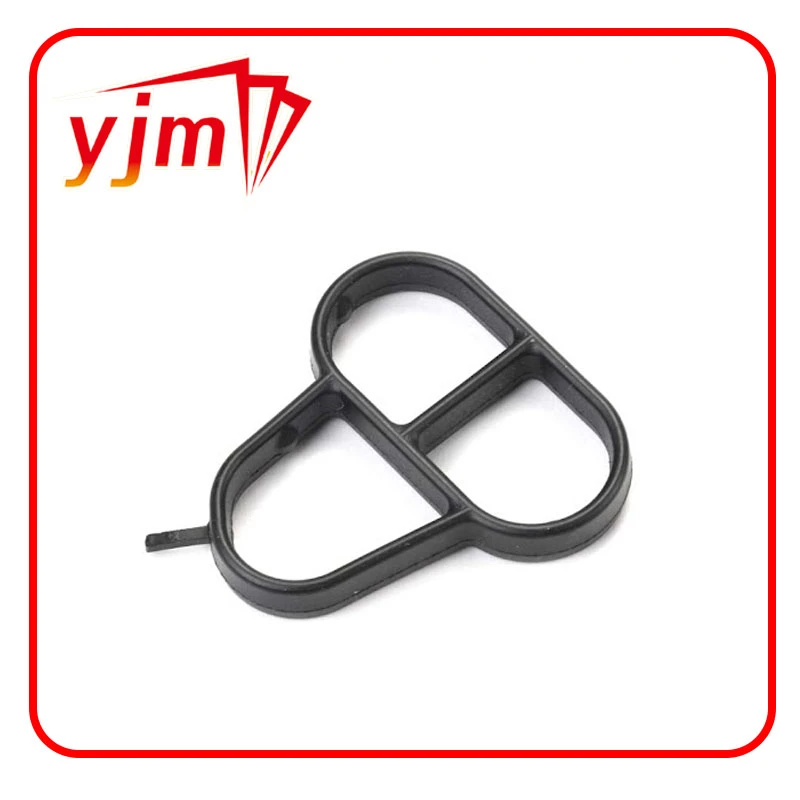
Genuine OEM Engine Oil Filter Housing Cover O-Ring For VW/Audi 06E115446
-
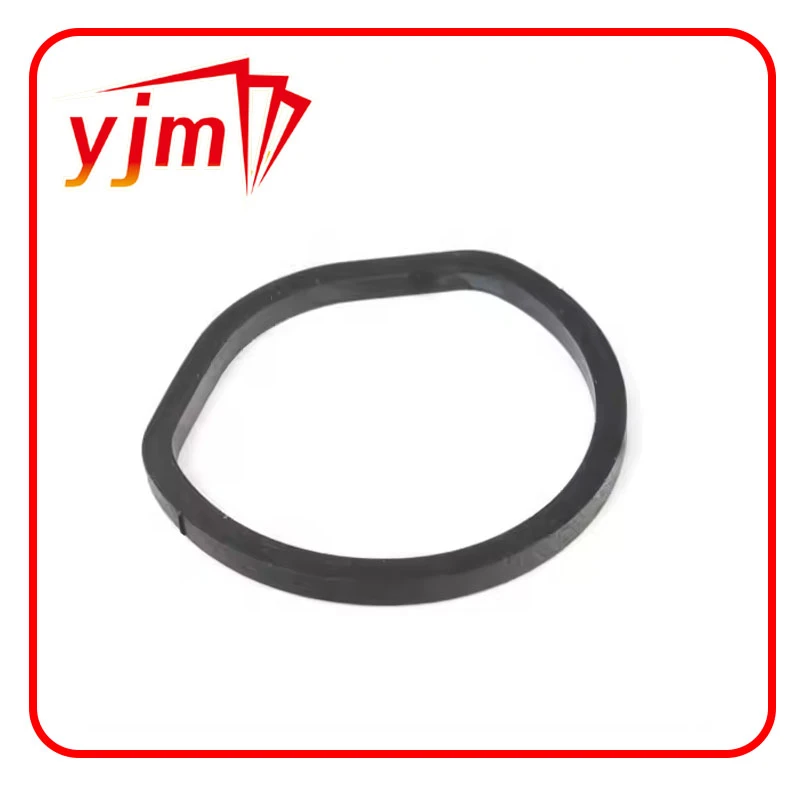
Oil Filter Stand Gasket,Oil filter cover seal
-
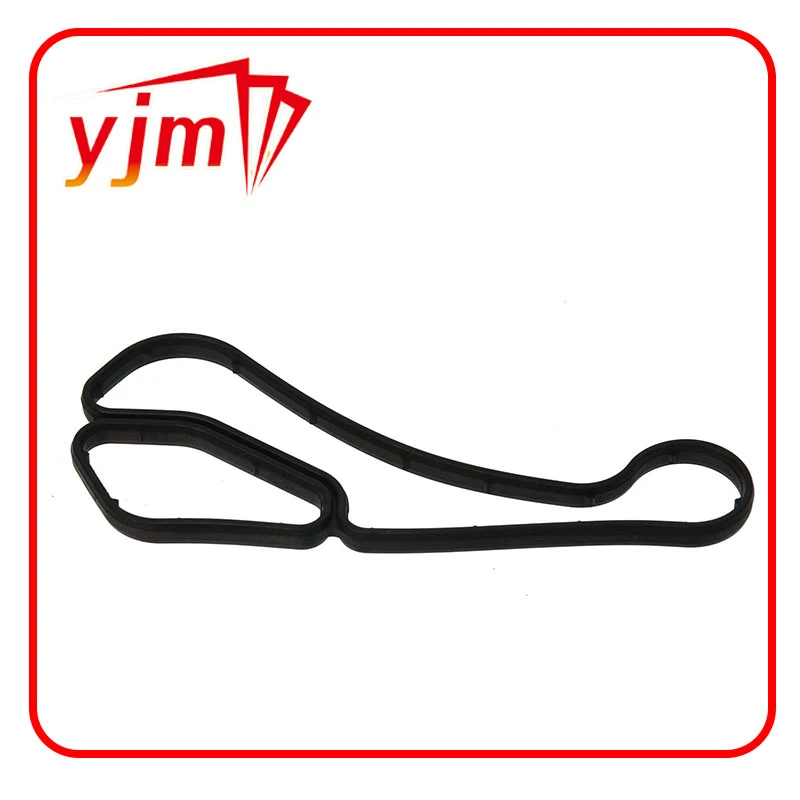
Oil Cooler Gasket, Oil Cooler to Oil Filter Housing 11427525335
-
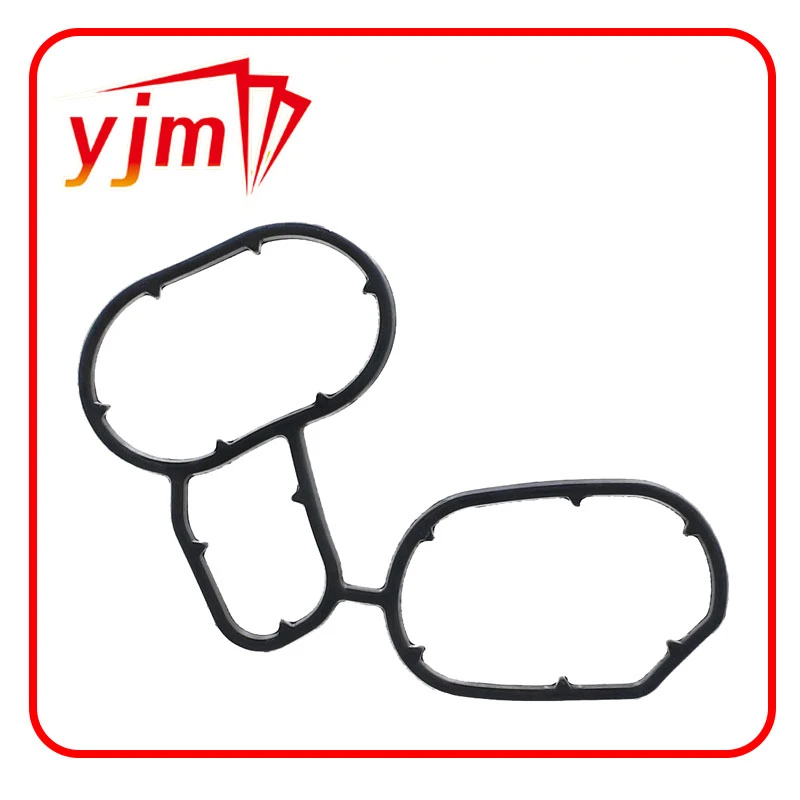
11427508970 BMW - OIL FILTER HOUSING GASKETS
-
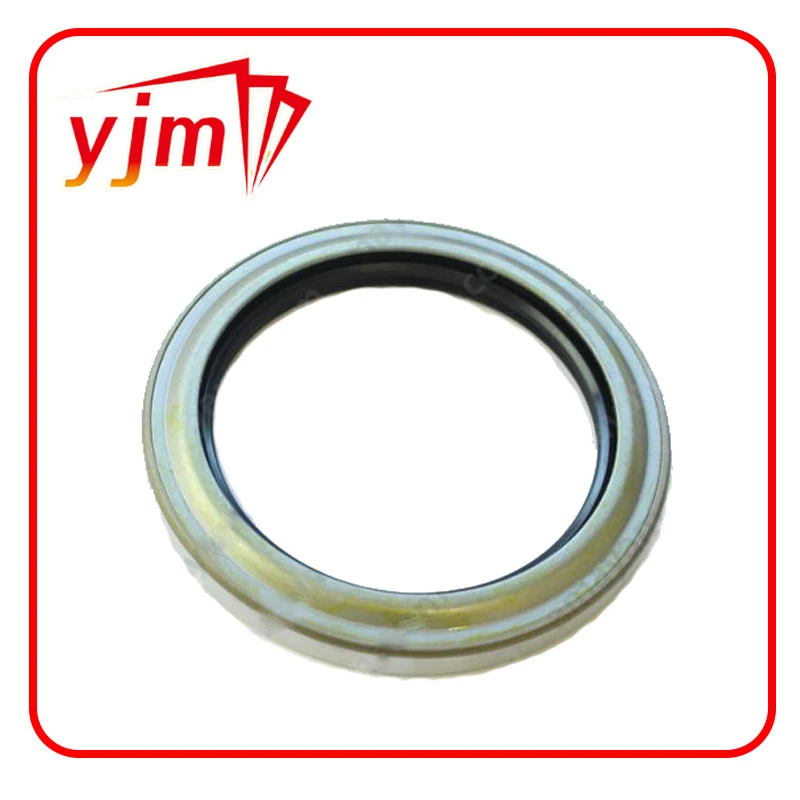
SEAL, OIL Genuine Toyota (9031170011)
-
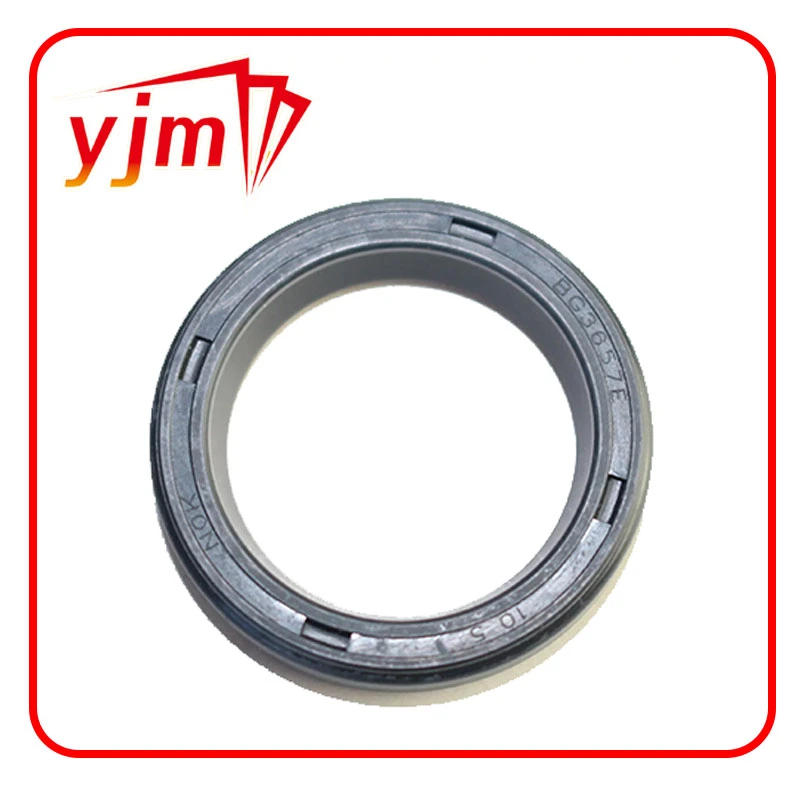
Transfer Case Output Shaft Seal Part 9031223001
-
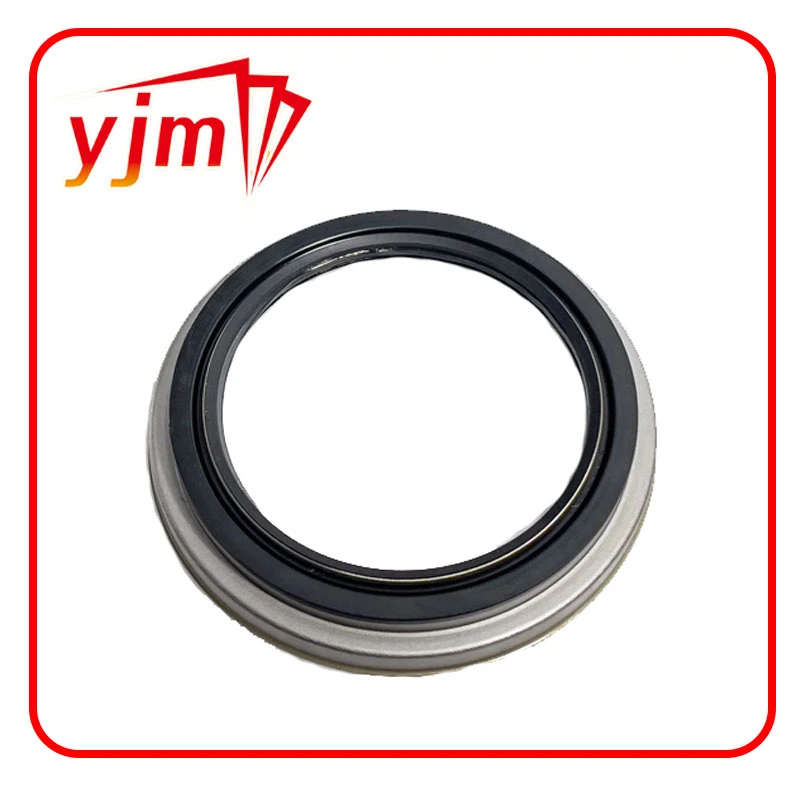
SEAL, OIL Genuine Toyota (9031672001)
-
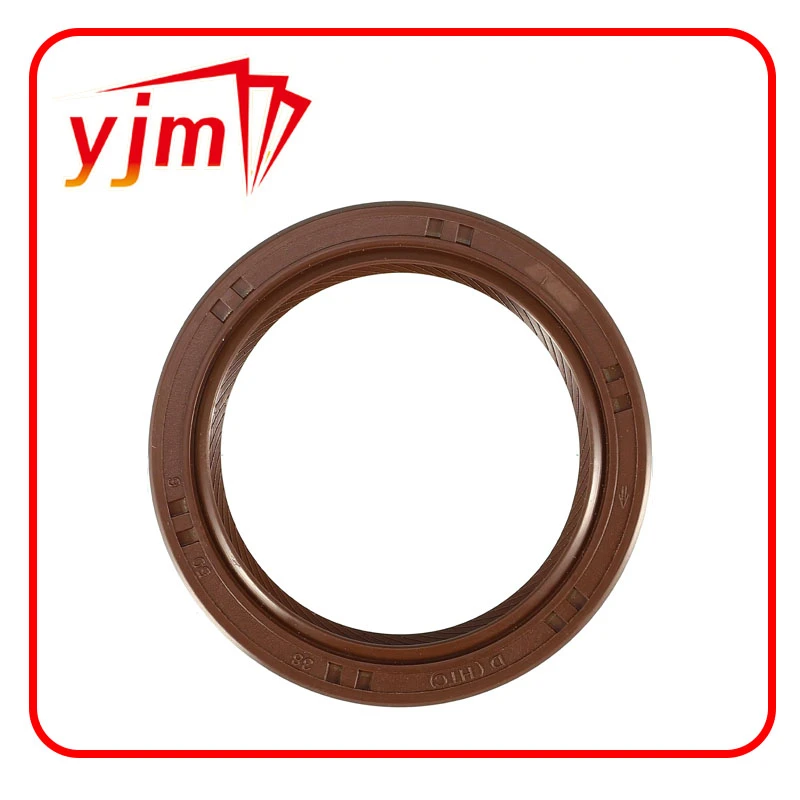
Engine Crankshaft Oil Seal No.9031138096
-
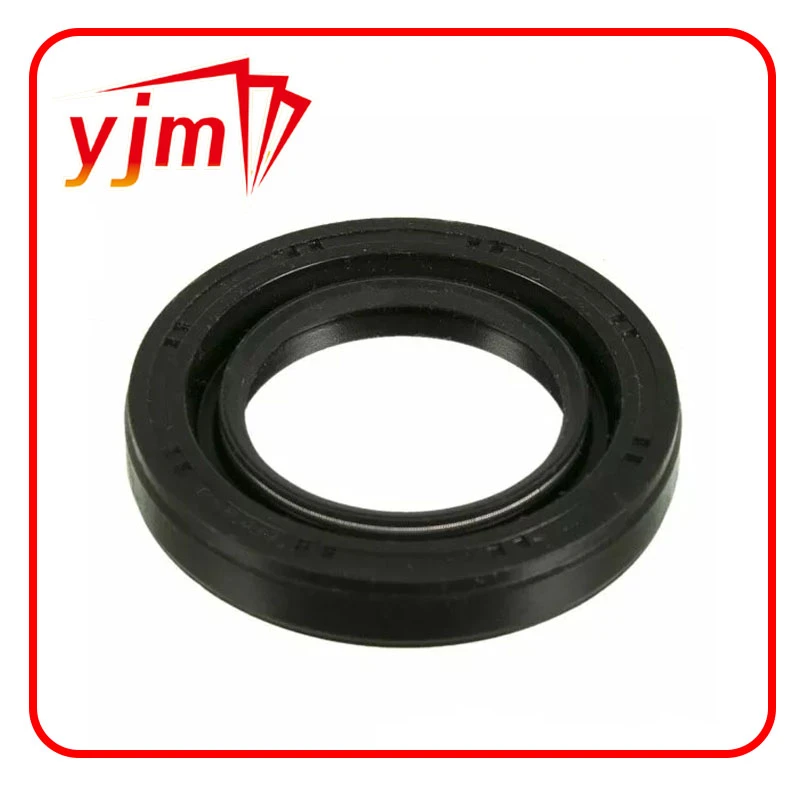
Toyota Transfer Case Output Shaft Seal Front 9031136006
-
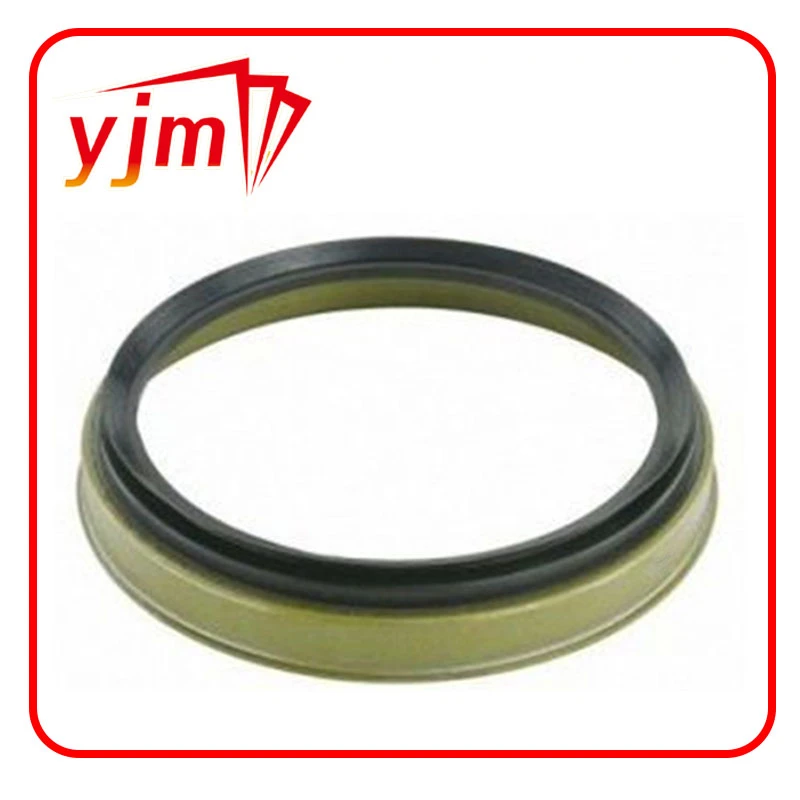
Seal, type v oil 9031287001 TOYOTA
-
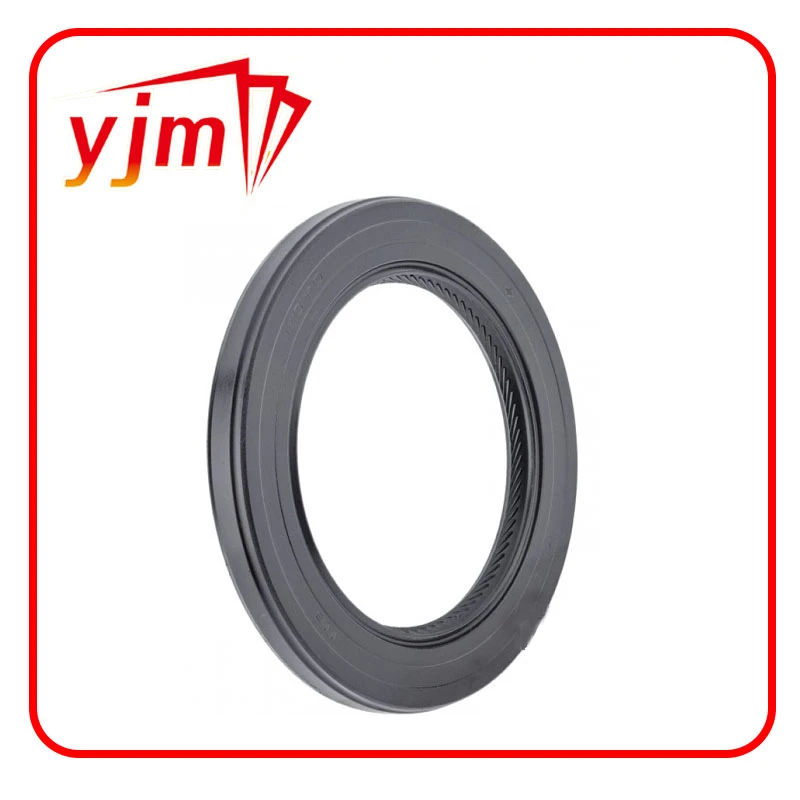
Oil pump seal 9031143010
-
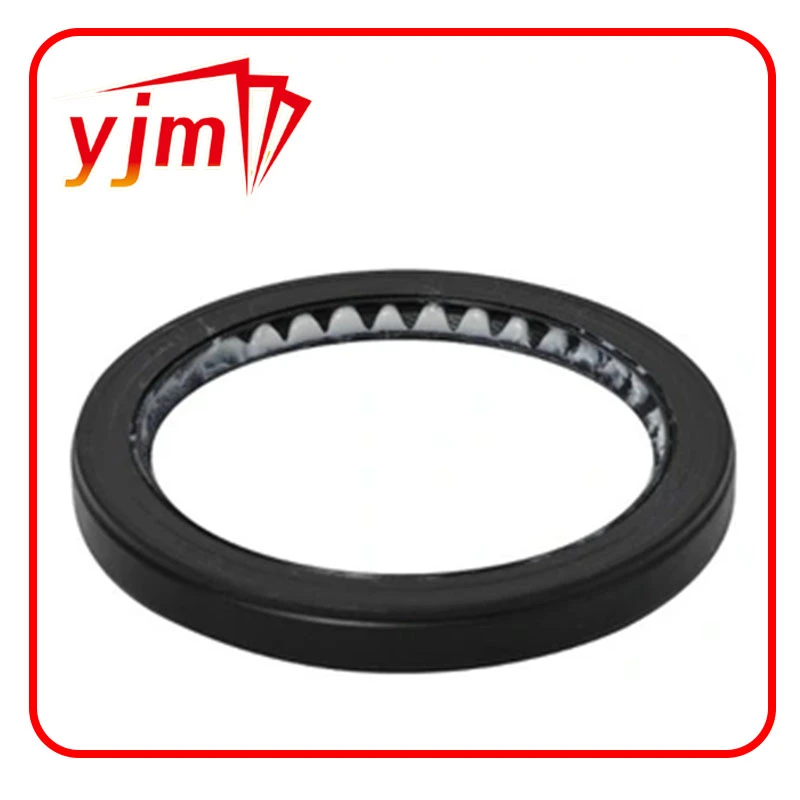
Genuine Toyota Oil SEAL 90311-54006
-
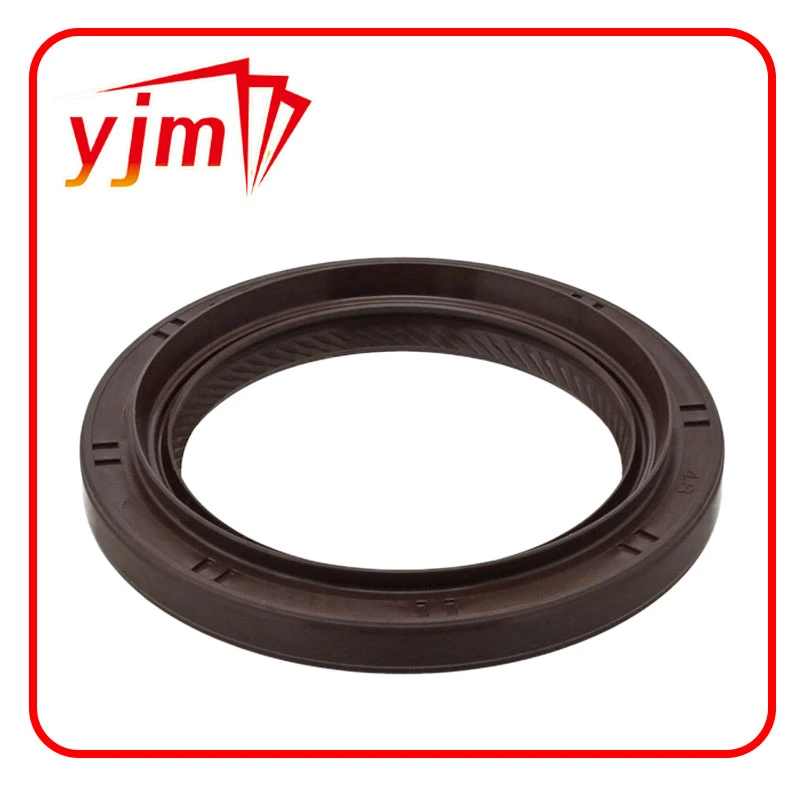
Toyota SEAL TYPE T OIL 90311-48031
-
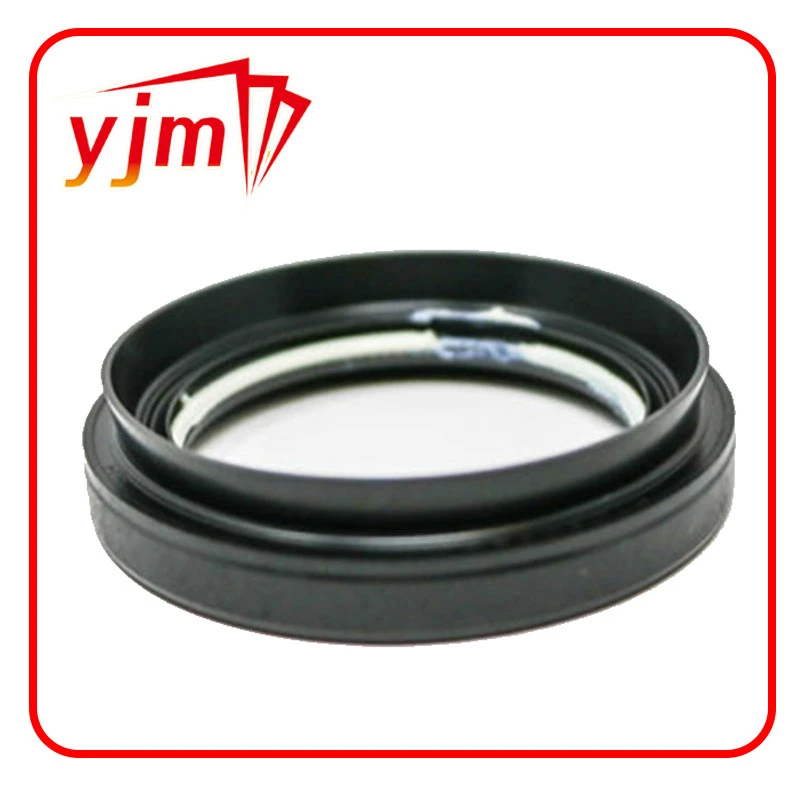
Type T Oil Seal, Front Drive Shaft, Left 9031150064
-
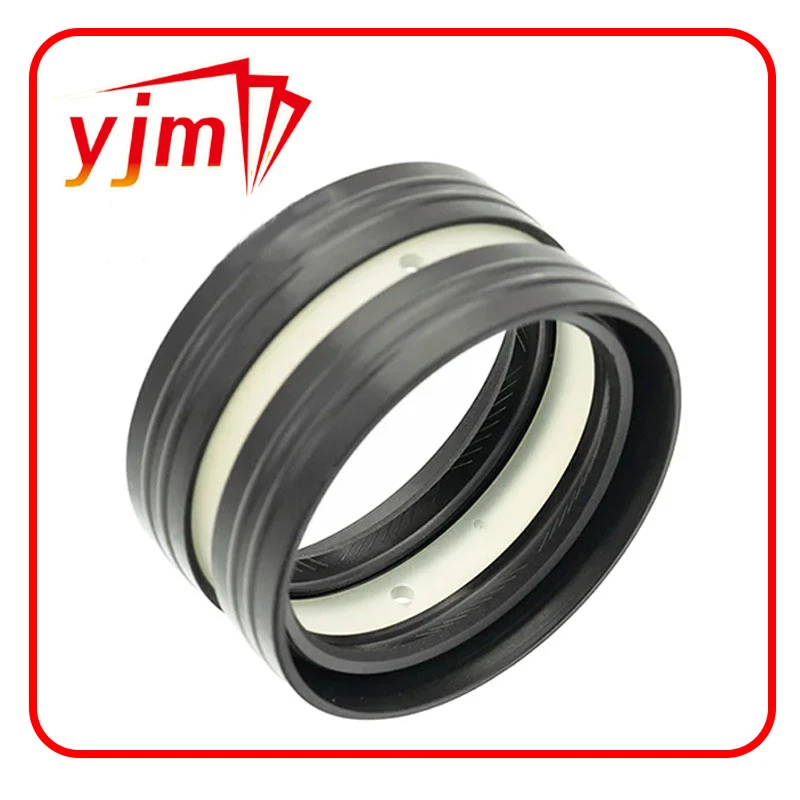
Seal, type d oil 9031634001 TOYOTA
 Afrikaans
 Albanian
 Amharic
 Arabic
 Armenian
 Azerbaijani
 Basque
 Belarusian
 Bengali
 Bosnian
 Bulgarian
 Catalan
 Cebuano
 Corsican
 Croatian
 Czech
Czech
 Danish
 Dutch
Dutch
 Esperanto
 Estonian
 Finnish
 French
 Frisian
 Galician
 Georgian
 German
 Greek
Greek
 Gujarati
 Haitian Creole
 Hausa
Hausa
 Hawaiian
 Hebrew
 Hindi
Hindi
 Miao
Miao
 Hungarian
 Icelandic
 Igbo
Igbo
 Indonesian
 Irish
Irish
 Italian
 Japanese
 Javanese
 Kannada
 Kazakh
 Khmer
Khmer
 Rwandese
 Korean
 Kurdish
 Kyrgyz
 Lao
Lao
 Latin
Latin
 Latvian
 Lithuanian
 Luxembourgish
 Macedonian
 Malgashi
 Malay
Malay
 Malayalam
 Maltese
 Maori
Maori
 Marathi
 Mongolian
 Myanmar
 Nepali
 Norwegian
 Norwegian
 Occitan
 Pashto
 Persian
 Polish
 Portuguese
 Punjabi
 Romanian
 Russian
 Samoan
 Scottish Gaelic
 Serbian
 Sesotho
 Shona
Shona
 Sindhi
 Sinhala
 Slovak
 Slovenian
 Somali
 Spanish
 Sundanese
 Swahili
 Swedish
 Tagalog
 Tajik
Tajik
 Tamil
Tamil
 Tatar
Tatar
 Telugu
 Thai
Thai
 Turkish
 Turkmen
 Ukrainian
 Urdu
Urdu
 Uighur
 Uzbek
Uzbek
 Vietnamese
 Welsh
Welsh
 Bantu
Bantu
 Yiddish
 Yoruba
 Zulu
Zulu
 English