Look, I’ve spent the last fifteen years on construction sites, getting my hands dirty with engineers, and wrestling with materials. And if there’s one thing that consistently causes headaches – and delays, and budget overruns – it’s seal failure. That’s where a good oil seal ring comes in. It’s not glamorous, it’s not something the client sees, but trust me, a compromised seal can bring a whole project to its knees. We're talking about preventing leaks, protecting vital components, and ultimately, ensuring long-term operational reliability. It’s about keeping things running smoothly, and that's a big deal.
These aren't just little rubber rings, you know. The advancements in materials and manufacturing, especially over the last decade, have been pretty significant. We've gone from dealing with seals that needed replacing every six months to ones that can last years, even in the most demanding environments. And believe me, I’ve seen some demanding environments - offshore rigs, deep underground tunnels, even Arctic conditions. The right oil seal ring isn’t a cost, it’s an investment in preventing far more expensive repairs down the line.
Frankly, the difference between a project that stays on schedule and within budget, and one that spirals out of control, often comes down to the details. And a properly specified and installed seal is definitely one of those details. It's something too many people overlook until it's too late, and then they're calling me, scrambling to find a fix. We need to focus on proactive prevention, not reactive repair.
The Importance of Oil Seal Ring Selection
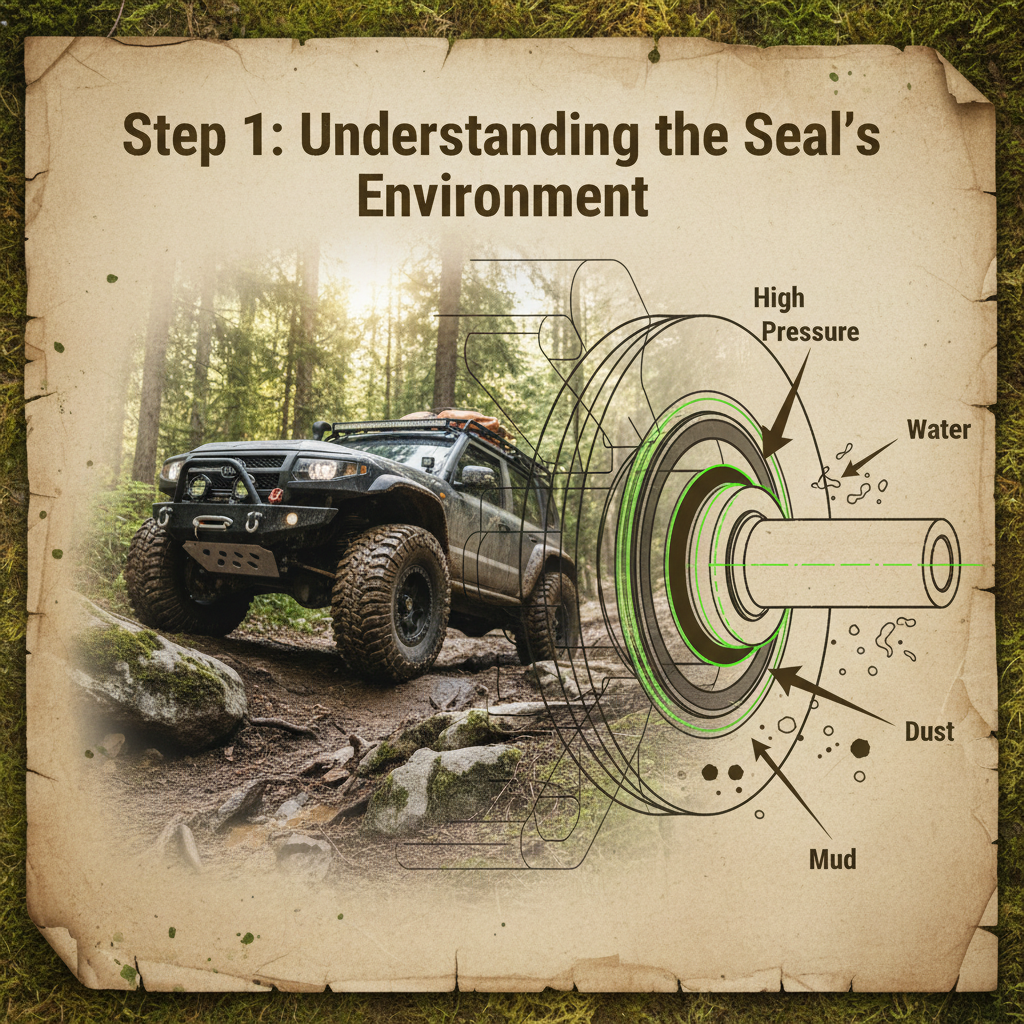
Choosing the right oil seal ring isn’t just about finding something that fits. It's about understanding the operating conditions – temperature, pressure, fluid compatibility, shaft speed, and the environment. I've seen projects where someone grabbed the cheapest seal they could find, and within weeks, we were dealing with hydraulic fluid all over the place. It cost them a fortune in cleanup, downtime, and replacement parts. Spending a little more upfront on a quality seal, designed for the application, saves a lot of money later.
You need to consider the material. Nitrile rubber is good for many applications, but it doesn’t hold up to high temperatures or certain chemicals. Viton is better for those situations, but it's more expensive. There’s a trade-off, and it's our job to find the sweet spot. And remember, it’s not just the material of the seal itself; it’s the casing, the spring energizer, and how everything interacts.
Material Science & Seal Performance
The materials used in oil seal ring construction have a massive impact on performance. Nitrile (NBR) is the workhorse – good all-around chemical resistance and cost-effective. Then you’ve got Viton (FKM), a fluoroelastomer, for high temperatures and aggressive chemicals. Silicone (VMQ) is fantastic for extreme temperatures, but limited in its chemical compatibility. Polyurethane (PU) offers excellent abrasion resistance, making it ideal for demanding applications like hydraulic cylinders.
But it’s not just about the base material. Fillers and additives are crucial. Carbon black, for instance, improves tensile strength and abrasion resistance. PTFE (Teflon) coatings can reduce friction and improve sealing performance. We’re constantly seeing new formulations come onto the market, offering improved properties. It's a fast-moving field, and staying up-to-date is essential.
And don’t underestimate the importance of the shore hardness. A softer seal will conform better to imperfections in the shaft, but it will wear faster. A harder seal will be more durable, but might not seal as effectively. It’s about finding the right balance for the specific application.
Key Factors Influencing Oil Seal Ring Lifespan
A bunch of factors can shorten the life of an oil seal ring. Misalignment is a big one. If the shaft isn't perfectly aligned with the housing, the seal will wear unevenly and fail prematurely. Lubrication is critical; insufficient lubrication creates friction and heat, which degrade the seal material.
Contamination is another killer. Dirt, dust, and debris can get past the seal and damage the internal components. And of course, operating conditions – temperature extremes, high pressure, and exposure to corrosive chemicals – all take their toll. Proper installation is paramount. Stretching the seal too much or damaging it during installation guarantees premature failure.
It's not enough to just slap a seal in place. You need to make sure the sealing surfaces are clean and smooth, and that the seal is properly lubricated during installation. And don't forget to check for shaft runout. Even a small amount of runout can cause premature seal wear. These things matter, and they all add up.
Application-Specific Oil Seal Ring Designs
There isn't a one-size-fits-all oil seal ring. Different applications require different designs. For example, a rotary seal in a hydraulic cylinder will be different than a static seal in a gearbox. You've got lip seals, U-cups, O-rings, and a whole host of other configurations.
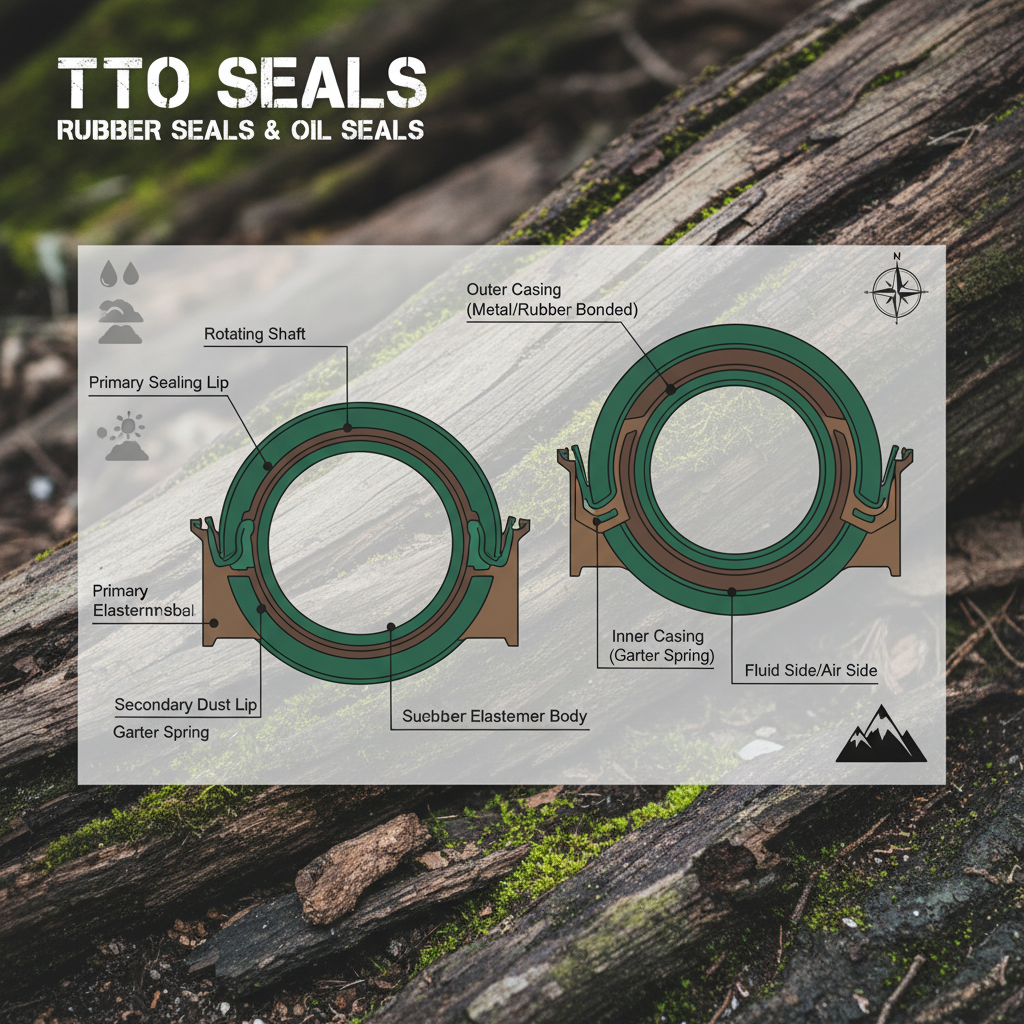
Then there are specialized designs. Heavy-duty seals with reinforced rubber, metal casings, or spring-energized lips for high-pressure applications. Seals with dust lips to protect against contamination. Seals with internal springs to maintain contact with the shaft. It’s about choosing the right design for the job, and that requires a good understanding of the application.
Oil Seal Ring Performance by Design Type
Global Industries Relying on Oil Seal Ring Technology
Pretty much every industry relies on oil seal rings in some way. Automotive, aerospace, oil and gas, construction, manufacturing – you name it. Hydraulic systems, transmissions, engines, pumps… they all need seals to function properly. I've seen them critical in everything from wind turbines to submarines.
We’re seeing a growing demand in renewable energy, particularly in wind turbines. Those massive turbines have a lot of moving parts, and they operate in harsh environments. Seals are essential for keeping them running efficiently and reliably. And with the push for electric vehicles, the demand for seals in electric motors and battery systems is also increasing.
Advantages of High-Quality Oil Seal Rings
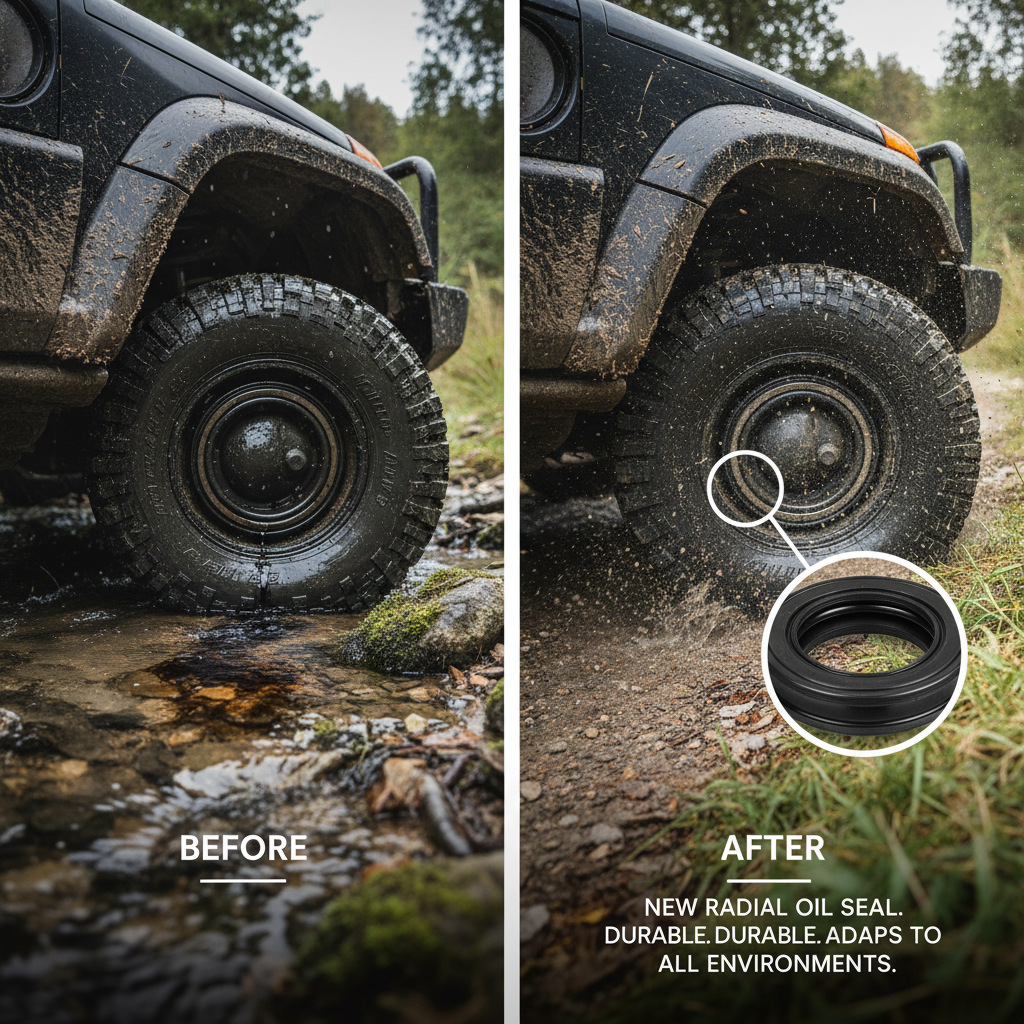
Investing in high-quality oil seal rings delivers significant advantages. Reduced downtime is huge – less time spent on repairs means more time producing. Increased efficiency translates to lower operating costs. Improved reliability extends the lifespan of equipment, reducing the need for frequent replacements.
And don't forget about safety. A seal failure can lead to hazardous leaks, potentially causing injuries or environmental damage. A properly functioning seal protects people and the environment. It's a peace-of-mind thing, and that's worth a lot.
Future Trends and Innovations in Oil Seal Ring Development
We’re seeing a lot of innovation in the seal industry. New materials are being developed with improved resistance to heat, chemicals, and abrasion. Smart seals, with built-in sensors that can monitor seal performance and predict failures, are starting to emerge.
There's also a push for more sustainable materials. Biodegradable elastomers and recycled materials are gaining traction. And with the rise of Industry 4.0, we're seeing more integration of seals into digital monitoring and control systems. It's an exciting time to be involved in this field.
Key Performance Indicators for Next-Generation Oil Seal Ring Designs
| Seal Material |
Operating Temperature Range (°C) |
Chemical Resistance (1-10) |
Expected Lifespan (Years) |
| Nitrile (NBR) |
-40 to 120 |
6 |
2-5 |
| Viton (FKM) |
-20 to 200 |
9 |
5-10 |
| Silicone (VMQ) |
-60 to 230 |
4 |
3-7 |
| Polyurethane (PU) |
-30 to 80 |
7 |
4-8 |
| PTFE (Teflon) |
-200 to 260 |
10 |
7-15 |
| Bio-Elastomer |
-30 to 150 |
5 |
2-4 |
FAQS
Honestly, it's underestimating the operating conditions. They pick a seal based on price without considering temperature, pressure, or the fluid it's going to be exposed to. That's a recipe for disaster. You need to properly assess the application and choose a seal that’s designed to handle those conditions. A cheap seal now can lead to an expensive failure later.
It's critical! A perfectly good seal can be ruined by improper installation. You need to make sure the sealing surfaces are clean and smooth, and that the seal isn't stretched or damaged during installation. Proper lubrication is also essential. A poorly installed seal will leak, and it’s often difficult to diagnose the cause.
Look for leaks, of course. But also listen for unusual noises, like squealing or grinding. If you notice a decrease in performance, that could be a sign of a failing seal. Regular inspections can help you catch problems early before they become major issues.
It depends on the fluid, temperature, and pressure. Nitrile is a good all-around choice, but Viton is better for high temperatures and aggressive chemicals. Silicone is great for extreme temperatures, but it’s not compatible with all fluids. We can help you determine the best material for your specific needs.
Generally, no. Once a seal has been installed and subjected to operating conditions, it should be replaced. Even if it looks okay, it may have been damaged or worn. Reusing a seal is a gamble, and it’s usually not worth the risk.
You'll want a reputable supplier with a proven track record. Look for companies that offer a wide range of materials and designs, and that can provide technical support. We at YJM Seal specialize in providing reliable solutions and expert advice.
Conclusion
Let's be clear: the oil seal ring is often the unsung hero of any mechanical system. From preventing catastrophic failures to ensuring optimal performance and extending equipment lifespan, it plays a critical role in countless industries. Proper selection, installation, and maintenance are essential for maximizing its benefits and minimizing costly downtime. It's about more than just a rubber ring; it’s about reliability, safety, and efficiency.
Looking ahead, we’ll continue to see innovations in materials and designs, driven by the demands of increasingly challenging applications. Smart seals and sustainable materials will become more prevalent. By staying informed about these trends and investing in high-quality seals, we can build more resilient and efficient systems for the future. Don't underestimate the power of a good seal - it can make all the difference.




 English
  Afrikaans
  Albanian
  Amharic
  Arabic
  Armenian
  Azerbaijani
  Basque
  Belarusian
  Bengali
  Bosnian
  Bulgarian
  Catalan
  Cebuano
  Corsican
  Croatian
  Czech
Czech  Danish
  Dutch
Dutch  Esperanto
  Estonian
  Finnish
  French
  Frisian
  Galician
  Georgian
  German
  Greek
Greek  Gujarati
  Haitian Creole
  Hausa
Hausa  Hawaiian
  Hebrew
  Hindi
Hindi  Miao
Miao  Hungarian
  Icelandic
  Igbo
Igbo  Indonesian
  Irish
Irish  Italian
  Japanese
  Javanese
  Kannada
  Kazakh
  Khmer
Khmer  Rwandese
  Korean
  Kurdish
  Kyrgyz
  Lao
Lao  Latin
Latin  Latvian
  Lithuanian
  Luxembourgish
  Macedonian
  Malgashi
  Malay
Malay  Malayalam
  Maltese
  Maori
Maori  Marathi
  Mongolian
  Myanmar
  Nepali
  Norwegian
  Norwegian
  Occitan
  Pashto
  Persian
  Polish
  Portuguese
  Punjabi
  Romanian
  Russian
  Samoan
  Scottish Gaelic
  Serbian
  Sesotho
  Shona
Shona  Sindhi
  Sinhala
  Slovak
  Slovenian
  Somali
  Spanish
  Sundanese
  Swahili
  Swedish
  Tagalog
  Tajik
Tajik  Tamil
Tamil  Tatar
Tatar  Telugu
  Thai
Thai  Turkish
  Turkmen
  Ukrainian
  Urdu
Urdu  Uighur
  Uzbek
Uzbek  Vietnamese
  Welsh
Welsh  Bantu
Bantu  Yiddish
  Yoruba
  Zulu
Zulu