The double lip seal is a critical component in a vast array of industries, ensuring the reliable operation of machinery and preventing costly downtime. These seals, known for their robust design and ability to withstand harsh conditions, are fundamental to maintaining efficiency and longevity in everything from automotive engines to hydraulic systems. Understanding their intricacies, applications, and future developments is paramount for engineers, maintenance professionals, and anyone involved in the design and operation of rotating equipment.
Globally, the demand for high-performance sealing solutions like the double lip seal is continually increasing, driven by the pursuit of greater efficiency, reduced environmental impact, and enhanced safety. Industries across the world, particularly those in manufacturing, aerospace, and energy, rely heavily on these seals to prevent leakage and contamination, protecting both equipment and the surrounding environment. This widespread reliance makes the continuous improvement and innovation in double lip seal technology a vital factor in global industrial progress.
In essence, the double lip seal serves as a crucial barrier against the escape of fluids or gases, while simultaneously preventing the ingress of contaminants. Its effectiveness directly impacts operational costs, environmental regulations, and overall system performance, making it an indispensable element in modern industrial practices.
The Fundamental Role of double lip seal
A double lip seal's primary function is to create a hermetic barrier, preventing the leakage of fluids (oils, greases, coolants) and the intrusion of contaminants like dust, dirt, and moisture. This functionality is achieved through two precisely engineered lips that maintain contact with the rotating shaft or housing, providing a dual layer of protection. double lip seal are therefore essential for maintaining the integrity and efficiency of rotating equipment.
The selection of appropriate materials for a double lip seal is critical, as it must withstand the specific operating conditions – temperature, pressure, rotational speed, and the chemical compatibility with the fluid being sealed. Common materials include various elastomers like nitrile rubber (NBR), Viton (FKM), and silicone rubber, chosen for their specific properties and resistance to degradation.
Global Significance and Industry Context
The global market for sealing solutions, including double lip seals, is substantial and continues to grow, largely driven by expansion in manufacturing, automotive, aerospace, and energy sectors. According to industry reports, the global seals market was valued at over $80 billion in 2023 and is projected to reach over $100 billion by 2028, demonstrating a significant growth trajectory. This growth is fueled by increasing demand for reliable and durable sealing solutions in diverse applications.
Industrial automation and the increasing complexity of machinery are further driving the need for advanced sealing technologies. As equipment operates under more demanding conditions, the performance and reliability of seals become paramount to prevent failures, reduce maintenance costs, and ensure operational safety. The consistent demand for improved efficiency also plays a critical role.
Challenges related to environmental concerns and stringent regulations are also contributing to the adoption of better sealing technologies. Leakage of hazardous materials poses a significant environmental risk, and double lip seals play a vital role in preventing such occurrences, thereby supporting sustainable industrial practices and complying with environmental standards.
Defining the double lip seal: A Core Component
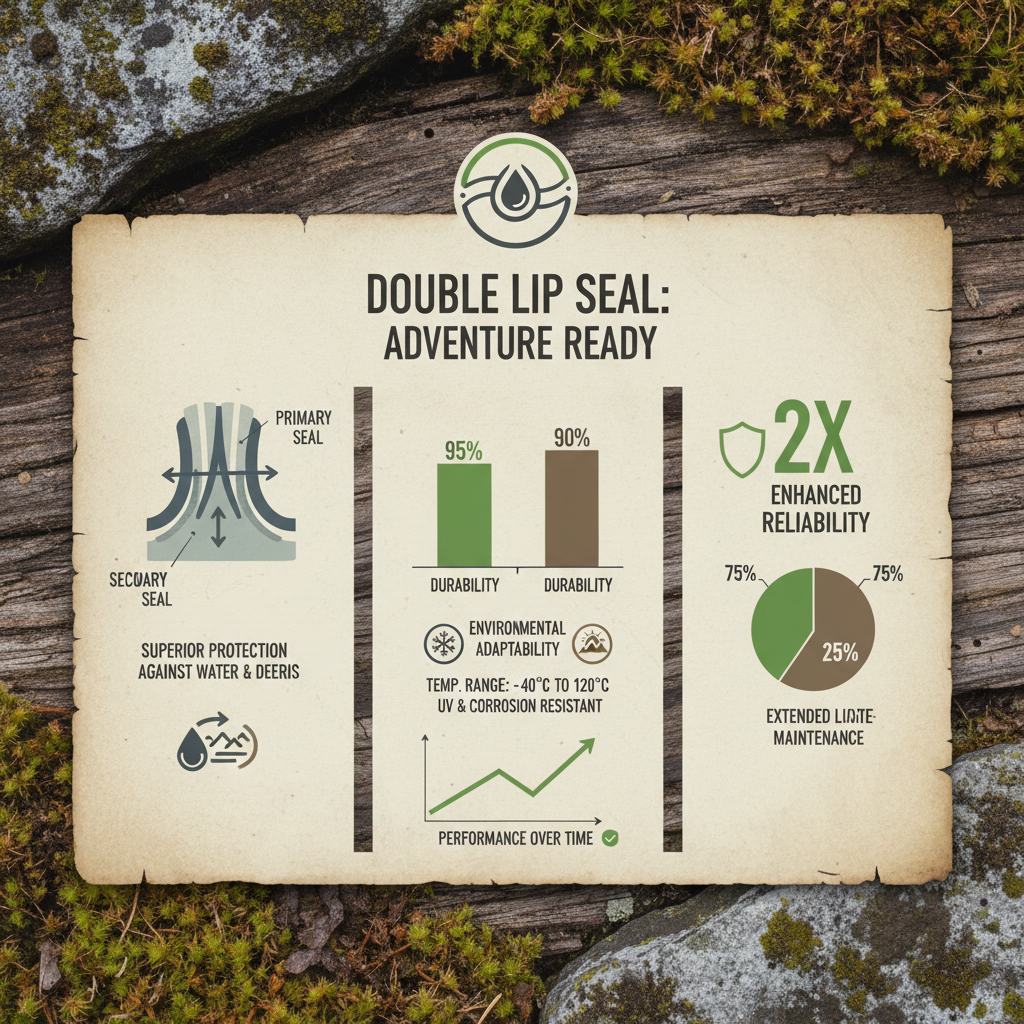
A double lip seal, in its simplest definition, is a mechanical component designed to prevent leakage between a rotating shaft and its housing. Unlike single lip seals, it employs two sealing lips, creating a redundant barrier that offers superior protection against contamination and fluid loss. This design provides enhanced reliability, especially in demanding applications.
The connection to modern industry and humanitarian needs is profound. In industrial settings, a faulty seal can lead to costly downtime, equipment damage, and safety hazards. In critical infrastructure – like water treatment plants or power generation facilities – reliable sealing is paramount for continuous operation. Even humanitarian efforts benefit, as durable seals are essential in mobile water purification systems and other field equipment deployed in disaster relief scenarios.
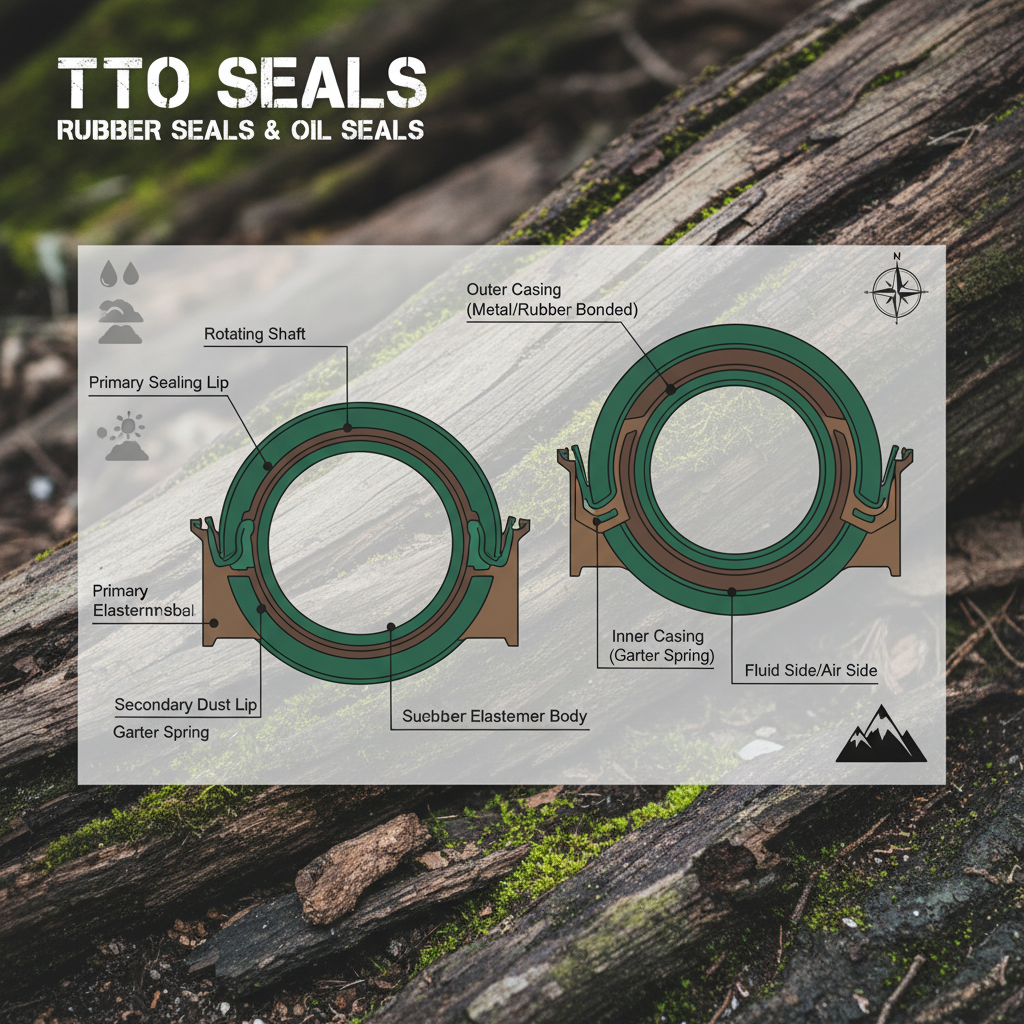
Modern double lip seals often incorporate features such as spring-loaded lips, dust lips, and various materials tailored to specific operating conditions. The goal is always to maintain a consistent sealing force against the shaft surface, regardless of variations in temperature, pressure, or speed, ensuring long-term performance and minimal maintenance.
Key Characteristics of Effective double lip seal Designs
Durability is a cornerstone of effective double lip seal design. Seals must resist wear and tear from continuous contact with the rotating shaft, exposure to abrasive particles, and degradation from chemical attack. High-quality materials and precision manufacturing processes are essential to achieve long service life.
Thermal Stability is equally important. Operating temperatures can vary widely depending on the application. A well-designed double lip seal should maintain its sealing properties across a broad temperature range, preventing hardening, cracking, or softening that could compromise its integrity.
Performance Metrics for different double lip seal types
Real-World Applications of double lip seal Technology
The automotive industry is a major consumer of double lip seals, utilizing them extensively in engines, transmissions, and axles to prevent oil leakage and maintain optimal performance. From passenger vehicles to heavy-duty trucks, reliable sealing is critical for ensuring vehicle longevity and reducing maintenance.
In the aerospace sector, double lip seals are employed in critical components such as landing gear, engine accessories, and hydraulic systems. The stringent safety requirements and extreme operating conditions necessitate seals that can withstand high temperatures, pressures, and vibrations.
Advantages and Long-Term Value Proposition
The implementation of double lip seals offers significant cost savings over their lifespan. By preventing leakage and contamination, they reduce the need for frequent replacements, minimize downtime, and prevent costly repairs to associated equipment. This proactive approach to maintenance translates into substantial economic benefits.
Beyond cost, double lip seals contribute to greater sustainability by minimizing fluid loss and reducing environmental impact. This aligns with growing corporate responsibility initiatives and helps organizations meet increasingly stringent environmental regulations. They contribute to safer operating environments by preventing spills and reducing the risk of accidents.
Future Trends and Innovations in double lip seal Development
The future of double lip seal technology is intertwined with advancements in materials science. Research is focused on developing new elastomers with enhanced resistance to chemicals, temperature extremes, and abrasion. Self-lubricating materials and coatings are also being explored to reduce friction and wear, extending seal life.
Digitalization and data analytics are playing an increasingly important role. Sensors embedded within seals can provide real-time data on performance metrics like pressure, temperature, and wear, enabling predictive maintenance and optimizing sealing solutions. This data-driven approach will lead to more efficient and reliable operation.
Sustainable materials and eco-friendly manufacturing processes are also gaining prominence, driven by the growing demand for environmentally responsible products. The development of bio-based elastomers and recyclable seal components will further reduce the environmental footprint of sealing solutions.
Key Comparative Analysis of Double Lip Seal Performance Factors
| Seal Material |
Temperature Resistance (°C) |
Chemical Compatibility |
Wear Resistance (Rating 1-10) |
| Nitrile Rubber (NBR) |
-40 to 120 |
Good with oils, moderate with fuels |
6 |
| Viton (FKM) |
-20 to 200 |
Excellent with oils, fuels, and chemicals |
8 |
| Silicone Rubber |
-60 to 200 |
Good with many fluids, limited with fuels |
5 |
| Polyurethane (PU) |
-30 to 100 |
Good with oils and greases, limited with solvents |
9 |
| PTFE (Teflon) |
-200 to 260 |
Excellent with almost all chemicals |
7 |
| HNBR (Hydrogenated Nitrile Rubber) |
-40 to 150 |
Superior oil, fuel, and ozone resistance |
8 |
FAQS
A single lip seal utilizes one sealing lip to create a barrier, while a double lip seal employs two. This redundant design in double lip seals offers significantly improved protection against leakage and contamination, particularly in high-pressure or harsh environments. Double lip seals are typically preferred for applications demanding greater reliability and extended service life, while single lip seals are often sufficient for less demanding conditions.
Selecting the appropriate material for a double lip seal requires considering several factors, including the fluid being sealed, operating temperature, pressure, and rotational speed. Common materials like NBR, Viton, and silicone rubber each offer unique properties. NBR is cost-effective for oil-based fluids, Viton provides excellent chemical resistance, and silicone excels in high-temperature applications. Consulting material compatibility charts and considering specific application needs are crucial.
Common causes of double lip seal failure include excessive heat, chemical incompatibility, improper installation, shaft misalignment, and abrasive contamination. Heat can degrade the seal material, while incompatible chemicals can cause swelling or cracking. Incorrect installation or shaft misalignment can lead to uneven wear and premature failure. Protecting the seal from abrasive particles is also essential.
The replacement frequency of double lip seals depends on the application and operating conditions. Routine inspections are recommended to identify signs of wear, such as cracks, swelling, or loss of elasticity. As a general guideline, seals should be replaced during scheduled maintenance or when any signs of degradation are observed. Ignoring these signs can lead to costly downtime and equipment damage.
While double lip seals are primarily designed for dynamic applications involving rotating shafts, they can also be adapted for certain static sealing applications. In dynamic applications, the seal’s lips maintain constant contact with the rotating surface, providing a continuous barrier. For static applications, the seal’s design is modified to ensure a secure and reliable seal without movement, though they are not typically the first choice for entirely static sealing.
Spring-loaded double lip seals offer enhanced sealing performance, particularly in applications with variations in pressure or temperature. The spring provides consistent contact force between the seal lips and the shaft, compensating for wear and maintaining a tight seal. This results in improved reliability, reduced leakage, and extended service life compared to non-spring-loaded designs.
Conclusion
In conclusion, the double lip seal remains a critical component in a wide range of industries, providing essential protection against leakage, contamination, and equipment failure. Its robust design, coupled with advancements in materials and manufacturing techniques, ensures reliable performance in even the most demanding operating conditions. Understanding the key characteristics, applications, and future trends in double lip seal technology is crucial for maximizing efficiency, reducing costs, and promoting sustainable practices.
Looking ahead, continued innovation in materials science, digitalization, and sustainable manufacturing will drive further improvements in double lip seal performance and longevity. By embracing these advancements and prioritizing proactive maintenance practices, industries can unlock the full potential of this essential technology and ensure the reliable operation of critical equipment for years to come. Visit our website for more information: www.yjmseal.com





 English
  Afrikaans
  Albanian
  Amharic
  Arabic
  Armenian
  Azerbaijani
  Basque
  Belarusian
  Bengali
  Bosnian
  Bulgarian
  Catalan
  Cebuano
  Corsican
  Croatian
  Czech
Czech  Danish
  Dutch
Dutch  Esperanto
  Estonian
  Finnish
  French
  Frisian
  Galician
  Georgian
  German
  Greek
Greek  Gujarati
  Haitian Creole
  Hausa
Hausa  Hawaiian
  Hebrew
  Hindi
Hindi  Miao
Miao  Hungarian
  Icelandic
  Igbo
Igbo  Indonesian
  Irish
Irish  Italian
  Japanese
  Javanese
  Kannada
  Kazakh
  Khmer
Khmer  Rwandese
  Korean
  Kurdish
  Kyrgyz
  Lao
Lao  Latin
Latin  Latvian
  Lithuanian
  Luxembourgish
  Macedonian
  Malgashi
  Malay
Malay  Malayalam
  Maltese
  Maori
Maori  Marathi
  Mongolian
  Myanmar
  Nepali
  Norwegian
  Norwegian
  Occitan
  Pashto
  Persian
  Polish
  Portuguese
  Punjabi
  Romanian
  Russian
  Samoan
  Scottish Gaelic
  Serbian
  Sesotho
  Shona
Shona  Sindhi
  Sinhala
  Slovak
  Slovenian
  Somali
  Spanish
  Sundanese
  Swahili
  Swedish
  Tagalog
  Tajik
Tajik  Tamil
Tamil  Tatar
Tatar  Telugu
  Thai
Thai  Turkish
  Turkmen
  Ukrainian
  Urdu
Urdu  Uighur
  Uzbek
Uzbek  Vietnamese
  Welsh
Welsh  Bantu
Bantu  Yiddish
  Yoruba
  Zulu
Zulu