Essential Guide to Fuel Water Separator Drain Plug Replacement and Maintenance
Understanding and Replacing Your Fuel Water Separator Drain Plug
Maintaining a clean fuel system is crucial for optimal engine performance, especially in diesel engines. A key component in this process is the fuel water separator, and a vital part of that system is the fuel water separator drain plug. This article delves into the function of the drain plug, how to identify when it needs replacing, and the benefits of choosing a high-quality replacement from YJM Seal. Neglecting this small but important part can lead to significant engine issues and costly repairs. Understanding its role and proper maintenance is key to a long-lasting and efficient engine.
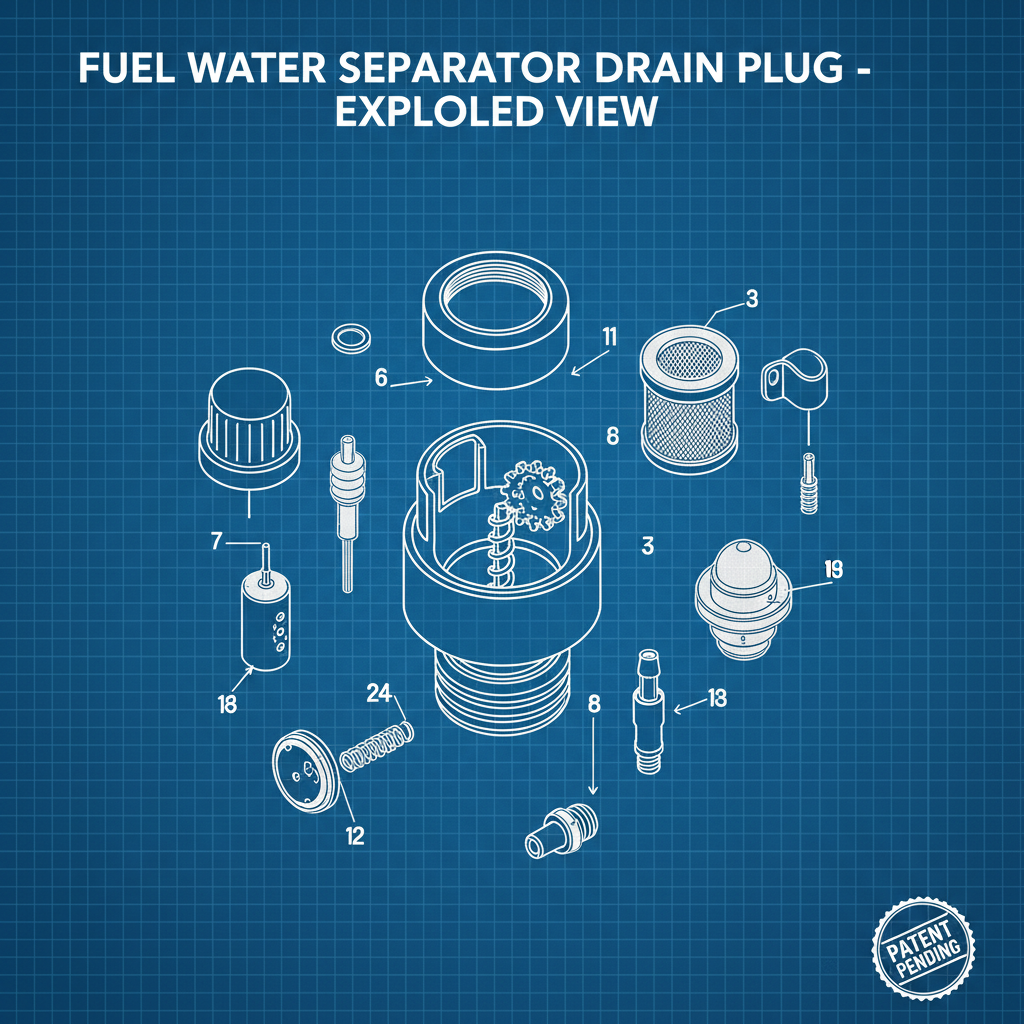
The Essential Role of the Fuel Water Separator Drain Plug
The fuel water separator drain plug serves a simple yet critical function: allowing you to drain accumulated water and sediment from the fuel bowl. Diesel fuel systems are susceptible to water contamination, which can cause corrosion, fuel injector damage, and ultimately, engine failure. The drain plug provides a convenient access point to remove these contaminants regularly. Regular draining prevents buildup and ensures a consistent supply of clean fuel to your engine. Without a functioning drain plug, or one that is damaged, proper maintenance of your fuel system becomes significantly more difficult. This seemingly small component plays a large role in safeguarding your engine.
Key Benefit: Prevents fuel injector damage and engine failure by removing water and sediment.
When to Replace Your Fuel Water Separator Drain Plug
Knowing when to replace your drain plug is essential. Common signs include a stripped thread, a cracked or broken plug, or difficulty sealing properly. If you notice fuel leaking from the drain plug, it's a clear indication of a failed seal and the plug needs to be replaced immediately. Even if there are no visible signs of damage, it's good practice to replace the plug during routine fuel system maintenance – typically every year or with each filter change. Using a damaged drain plug can lead to fuel leaks, which are both environmentally harmful and a fire hazard. YJM Seal offers durable replacement options designed to prevent these issues.
Signs of a Failing Drain Plug:
• Stripped threads
• Cracks or breaks
• Fuel leakage
• Difficulty sealing
Fuel Water Separator Drain Plug: Material Comparison
Drain plugs are commonly made from brass, stainless steel, or plastic. Each material has its own advantages and disadvantages. Brass plugs are relatively inexpensive but can be prone to corrosion. Stainless steel offers excellent corrosion resistance but is generally more expensive. Plastic plugs are lightweight and corrosion-resistant but may not be as durable as metal options. Choosing the right material depends on your specific application and budget. YJM Seal specializes in high-quality stainless steel and durable plastic drain plugs, offering a reliable solution for long-term performance.
Choosing the Right Drain Plug: YJM Seal's Commitment to Quality
At YJM Seal, we understand the importance of reliable fuel system components. Our fuel water separator drain plugs are manufactured to exacting standards, using high-quality materials to ensure durability and a leak-proof seal. We offer a wide range of sizes and thread types to fit various fuel water separator models. We prioritize customer satisfaction and offer competitive pricing and fast shipping. Investing in a YJM Seal drain plug is an investment in the longevity and performance of your engine.
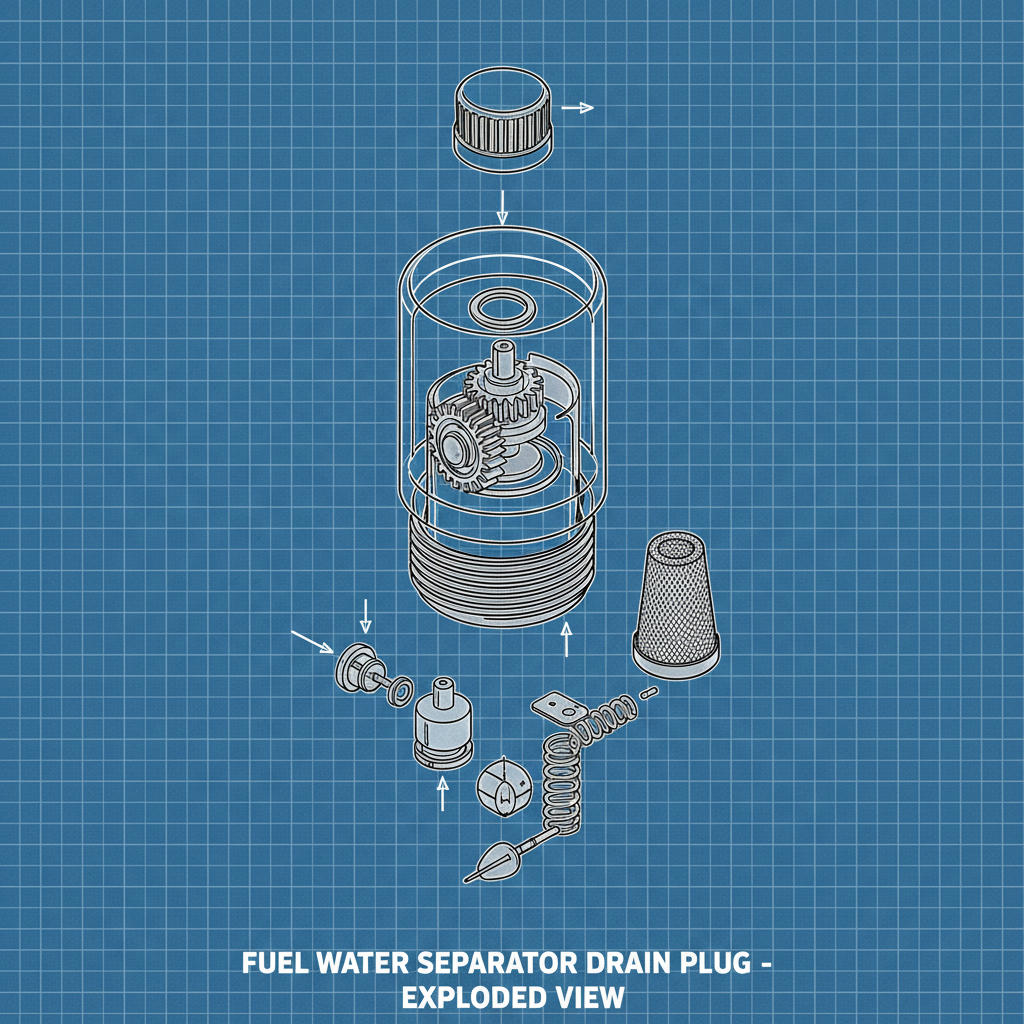
Product Specifications: YJM Seal Drain Plugs
Here's a glimpse of some of our key product specifications:
Conclusion: Protect Your Engine with a Reliable Drain Plug
The fuel water separator drain plug is a small but vital component in maintaining the health of your diesel engine. Don't underestimate its importance. By choosing a high-quality replacement from YJM Seal, you're ensuring reliable performance, preventing costly repairs, and extending the life of your engine. Prioritize preventative maintenance and safeguard your investment.
Frequently Asked Questions (FAQs)
How often should I drain my fuel water separator?
The frequency of draining depends on your operating conditions. As a general guideline, drain the separator every time you refuel, or at least once a month. If you operate in dusty or contaminated environments, you may need to drain it more frequently. Regularly checking the water level indicator (if equipped) is also a good practice. Ignoring this maintenance can lead to water buildup, fuel contamination, and potentially expensive engine repairs. Prioritizing regular draining helps ensure optimal engine performance and prevents issues down the road.
What tools do I need to replace the drain plug?
Typically, you'll only need a wrench or socket of the correct size to remove and install the drain plug. A small container to catch any spilled fuel is also helpful. It's recommended to consult your vehicle's service manual for specific instructions and tool requirements. Always ensure the engine is cool before attempting any maintenance. If you’re unsure about the process, seeking professional assistance is always a good idea.
Can I use any drain plug as a replacement?
No, it's crucial to use a drain plug that is specifically designed for your fuel water separator model. Incorrectly sized or threaded plugs can cause leaks or damage the fuel system. Always refer to your vehicle's service manual or consult with a parts specialist to ensure you're using the correct replacement. YJM Seal provides a wide selection of drain plugs with detailed specifications to help you find the perfect fit.
-
Guide to Choosing the Right Washer for Oil Change and Sealing
News Apr.16,2026
-
Essential Guide to High Quality rubber washer oil drain plug
News Apr.09,2026
-
Understanding Rubber Crush Washers for Optimal Sealing Performance
News Apr.07,2026
-
Comprehensive Guide to Understanding and Reusing Crush Washer for Optimal Sealing
News Apr.04,2026
-
The Vital Role of a Drain Screw Gasket in Fluid System Integrity
News Mar.31,2026
-
The Essential Guide to Drain Crush Washer Selection and Plumbing Leak Prevention
News Mar.28,2026
-
The Vital Role of a Crush Washer in Oil Changes for Engine Protection
News Mar.26,2026
Products categories
-
Brass cutlass marine bearing
-
Genuine OEM Engine Oil Filter Housing Cover O-Ring For VW/Audi 06E115446
-
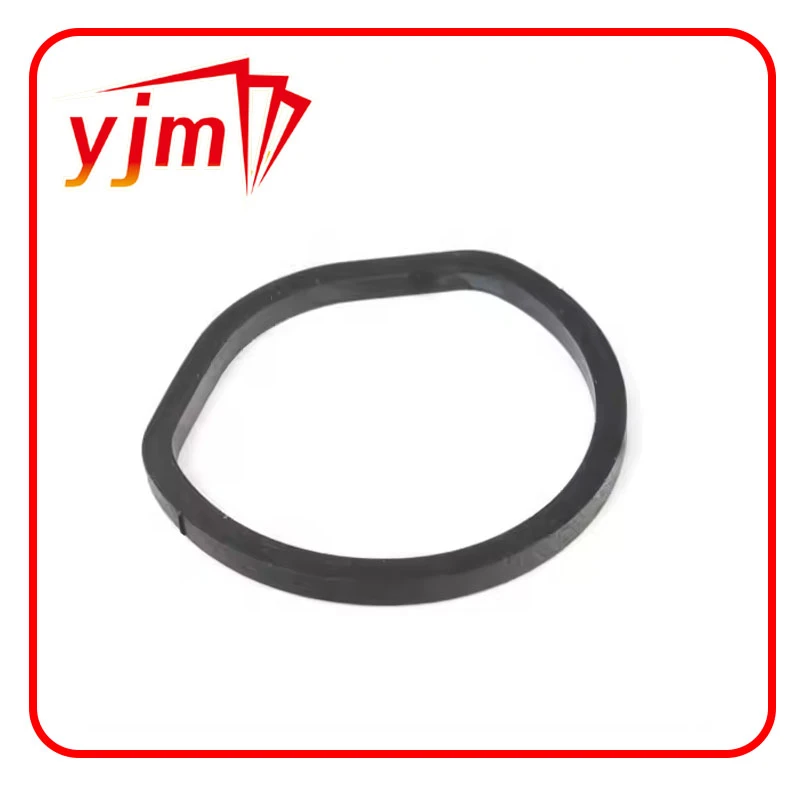
Oil Filter Stand Gasket,Oil filter cover seal
-
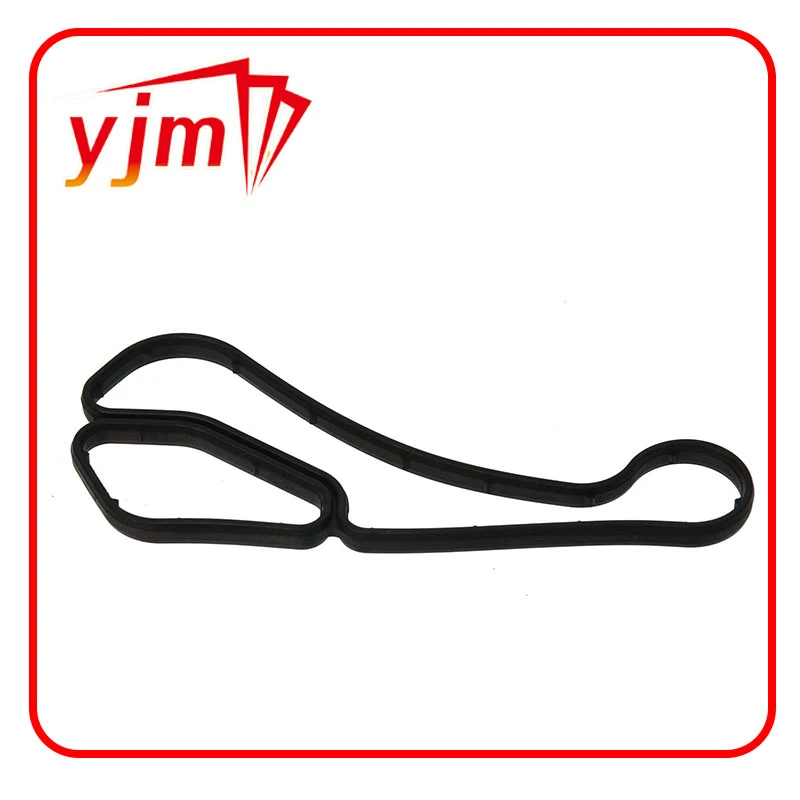
Oil Cooler Gasket, Oil Cooler to Oil Filter Housing 11427525335
-
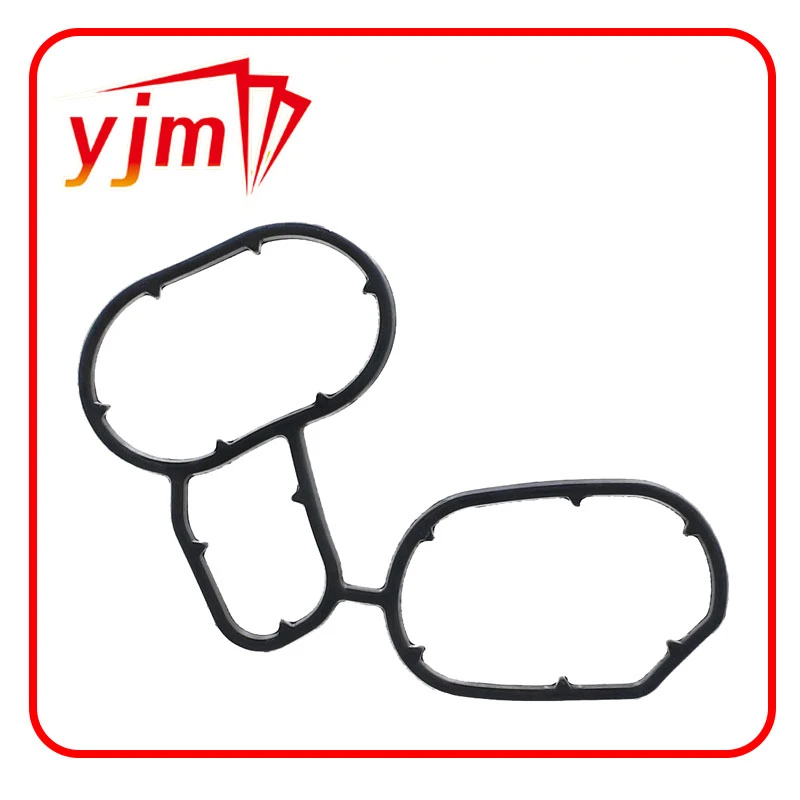
11427508970 BMW - OIL FILTER HOUSING GASKETS
-
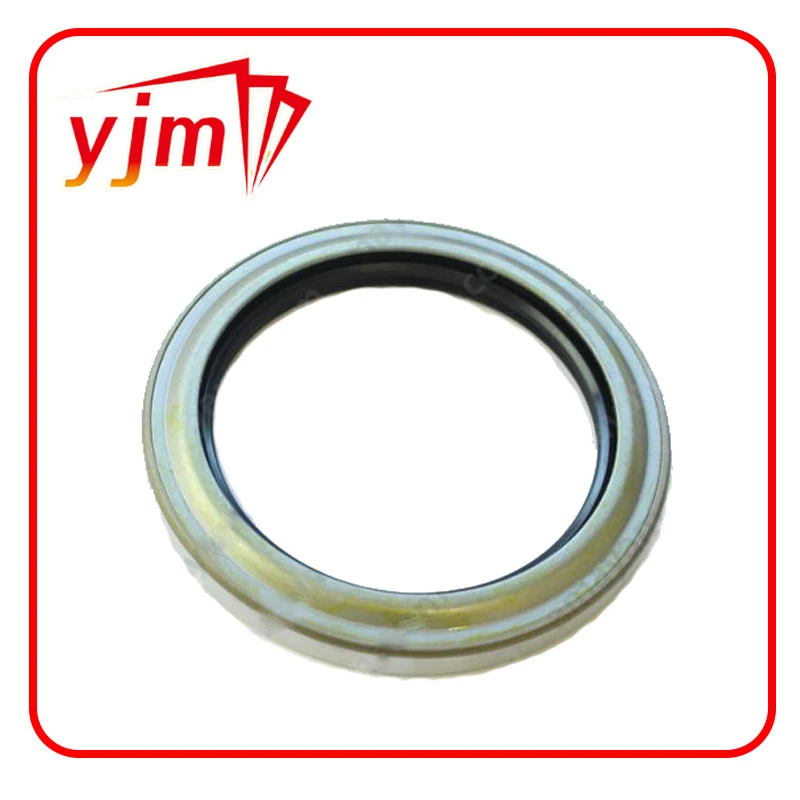
SEAL, OIL Genuine Toyota (9031170011)
-
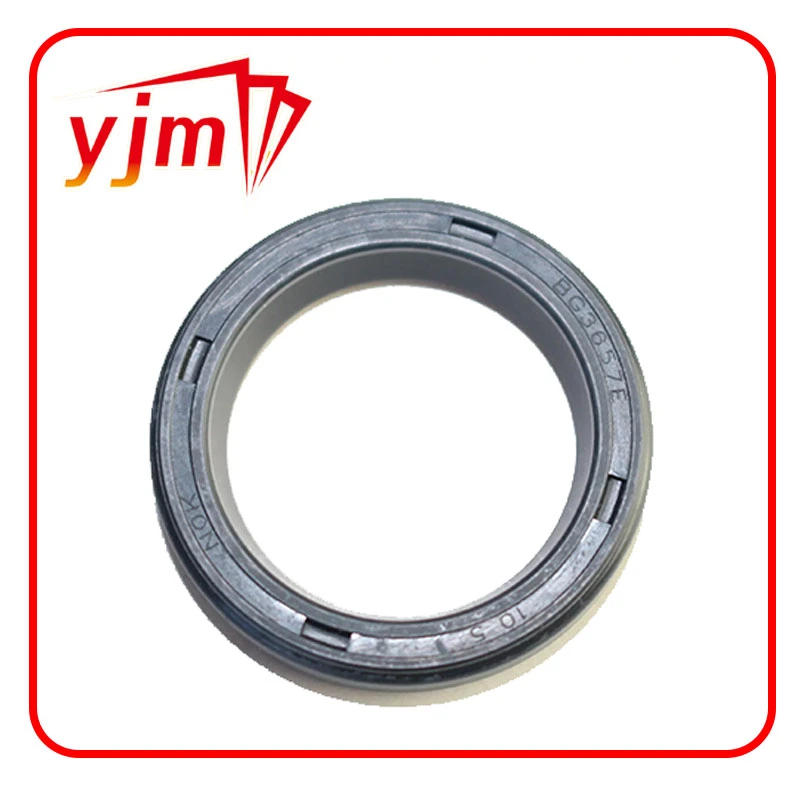
Transfer Case Output Shaft Seal Part 9031223001
-
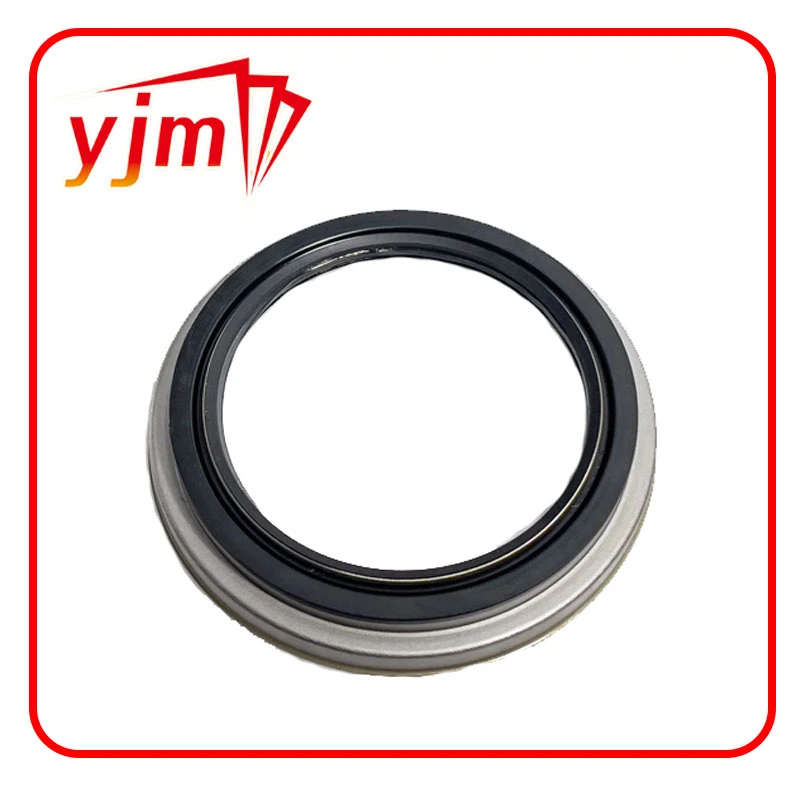
SEAL, OIL Genuine Toyota (9031672001)
-
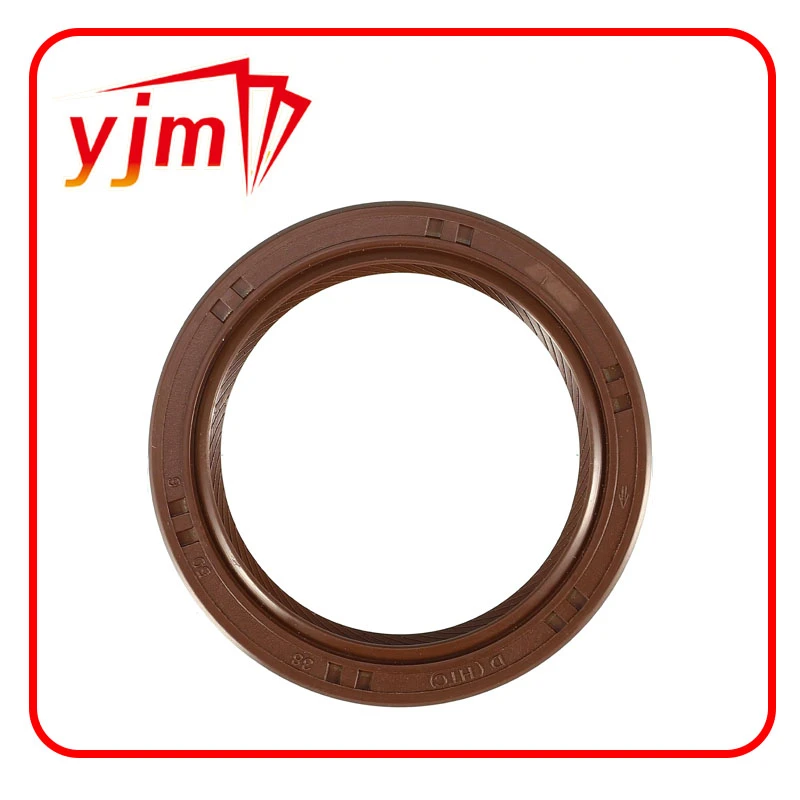
Engine Crankshaft Oil Seal No.9031138096
-
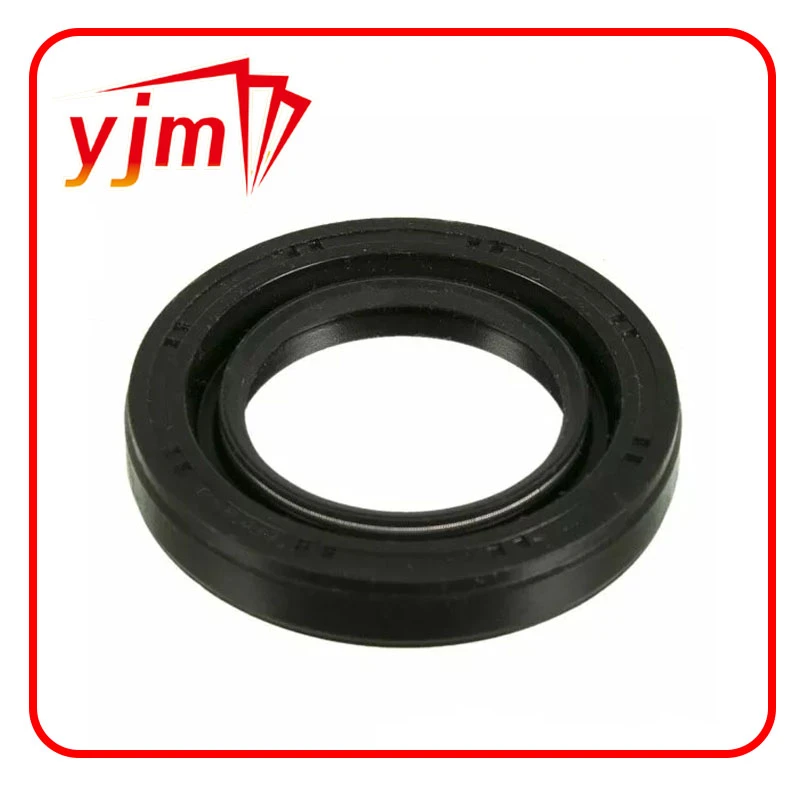
Toyota Transfer Case Output Shaft Seal Front 9031136006
-
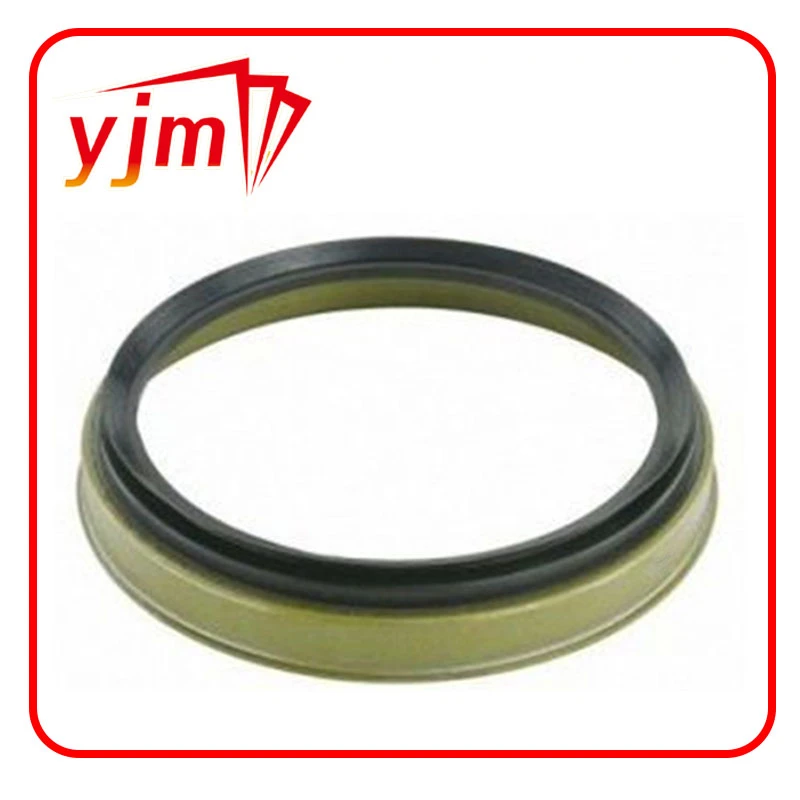
Seal, type v oil 9031287001 TOYOTA
-
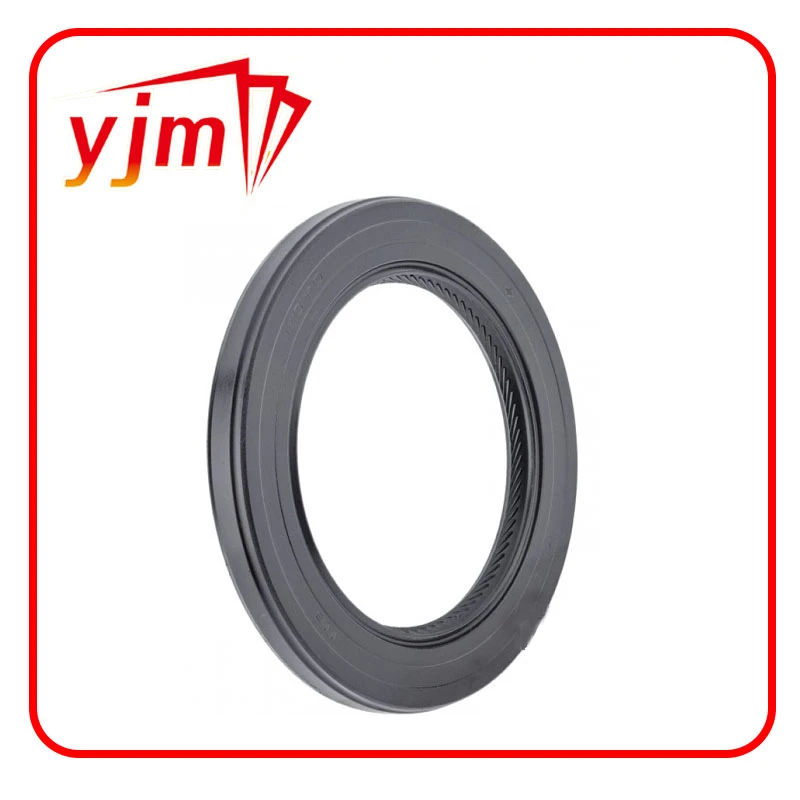
Oil pump seal 9031143010
-
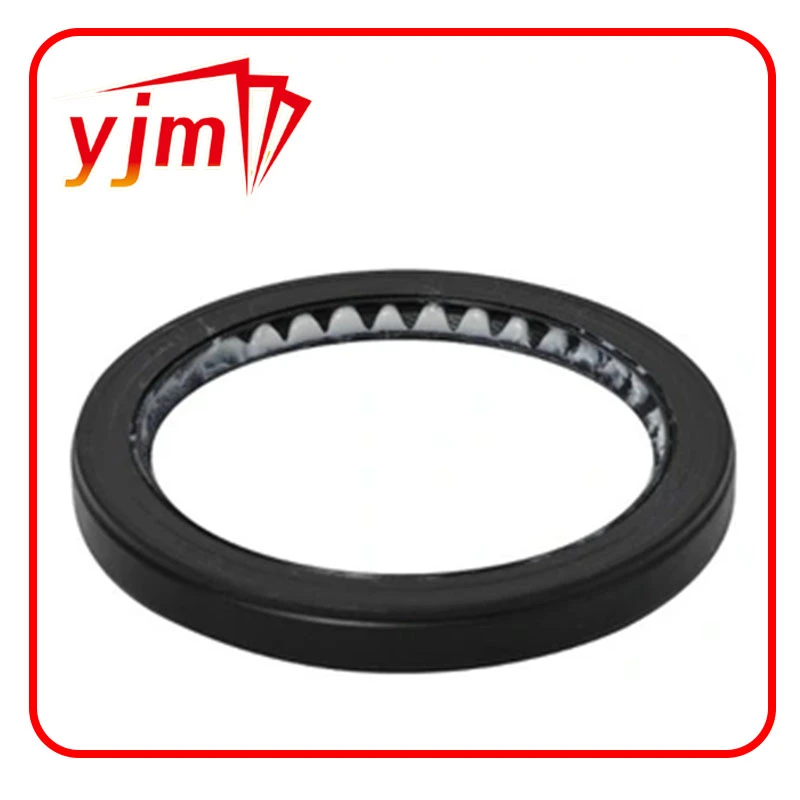
Genuine Toyota Oil SEAL 90311-54006
-
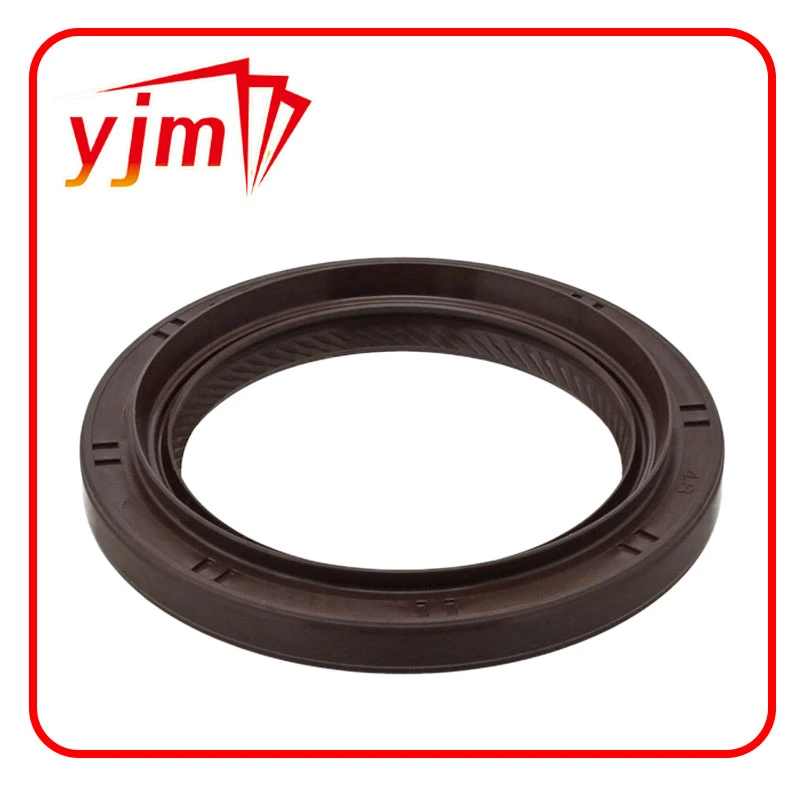
Toyota SEAL TYPE T OIL 90311-48031
-
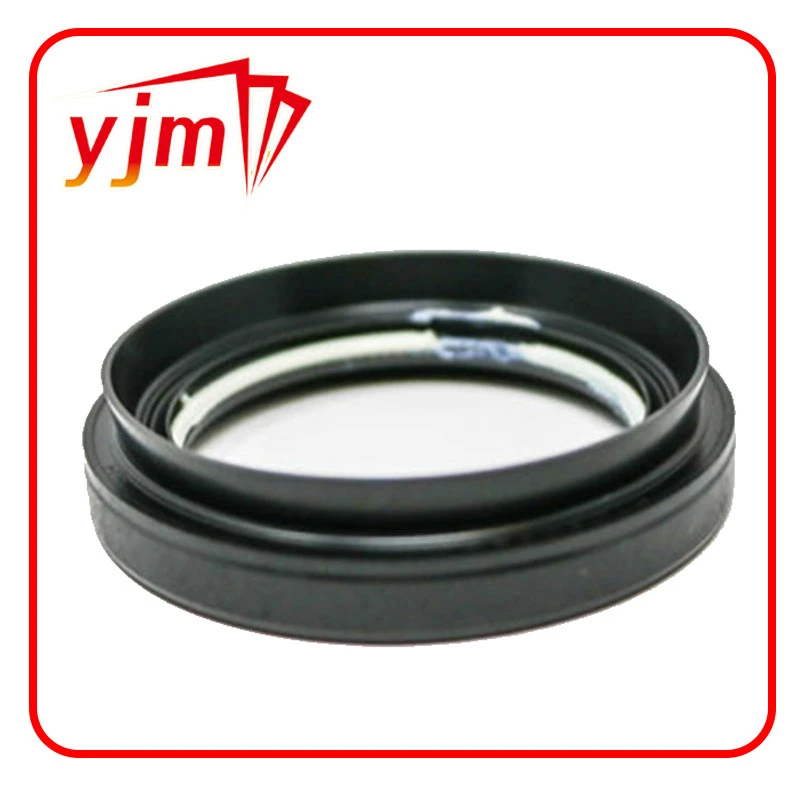
Type T Oil Seal, Front Drive Shaft, Left 9031150064
-
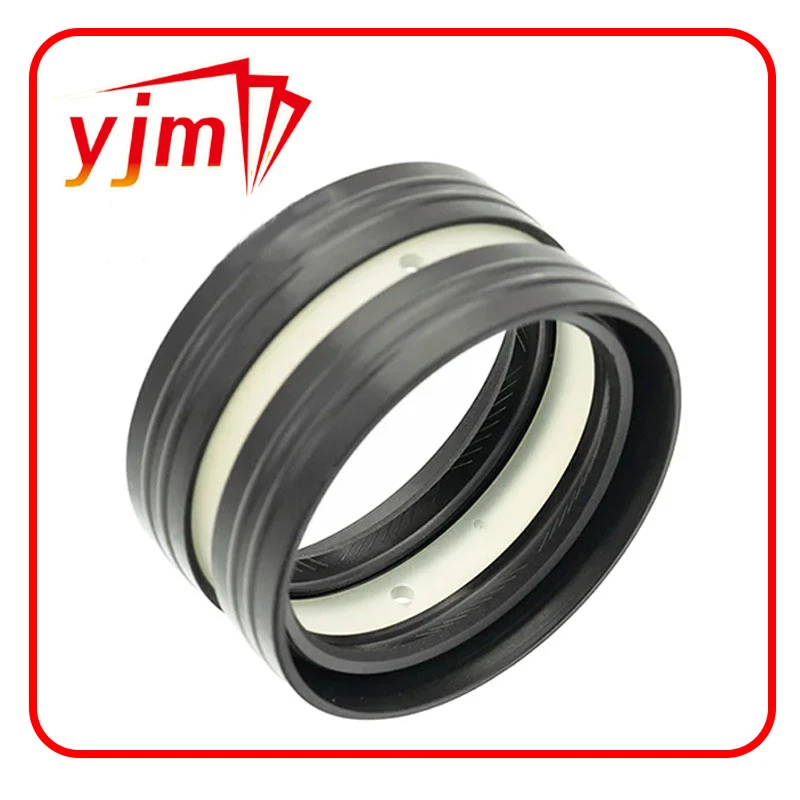
Seal, type d oil 9031634001 TOYOTA
 Afrikaans
 Albanian
 Amharic
 Arabic
 Armenian
 Azerbaijani
 Basque
 Belarusian
 Bengali
 Bosnian
 Bulgarian
 Catalan
 Cebuano
 Corsican
 Croatian
 Czech
Czech
 Danish
 Dutch
Dutch
 Esperanto
 Estonian
 Finnish
 French
 Frisian
 Galician
 Georgian
 German
 Greek
Greek
 Gujarati
 Haitian Creole
 Hausa
Hausa
 Hawaiian
 Hebrew
 Hindi
Hindi
 Miao
Miao
 Hungarian
 Icelandic
 Igbo
Igbo
 Indonesian
 Irish
Irish
 Italian
 Japanese
 Javanese
 Kannada
 Kazakh
 Khmer
Khmer
 Rwandese
 Korean
 Kurdish
 Kyrgyz
 Lao
Lao
 Latin
Latin
 Latvian
 Lithuanian
 Luxembourgish
 Macedonian
 Malgashi
 Malay
Malay
 Malayalam
 Maltese
 Maori
Maori
 Marathi
 Mongolian
 Myanmar
 Nepali
 Norwegian
 Norwegian
 Occitan
 Pashto
 Persian
 Polish
 Portuguese
 Punjabi
 Romanian
 Russian
 Samoan
 Scottish Gaelic
 Serbian
 Sesotho
 Shona
Shona
 Sindhi
 Sinhala
 Slovak
 Slovenian
 Somali
 Spanish
 Sundanese
 Swahili
 Swedish
 Tagalog
 Tajik
Tajik
 Tamil
Tamil
 Tatar
Tatar
 Telugu
 Thai
Thai
 Turkish
 Turkmen
 Ukrainian
 Urdu
Urdu
 Uighur
 Uzbek
Uzbek
 Vietnamese
 Welsh
Welsh
 Bantu
Bantu
 Yiddish
 Yoruba
 Zulu
Zulu
 English