Rubber oil seals are critical components in countless industries, from automotive and aerospace to manufacturing and hydraulic systems. Their primary function is to prevent leakage of fluids – oils, fuels, water, and gases – between stationary and moving parts. Globally, the demand for high-performance, reliable rubber oil seals is driven by increasing industrialization, stricter environmental regulations, and the constant need for improved efficiency. These seals aren’t just simple barriers; they are engineered solutions contributing to the longevity, safety, and performance of complex machinery.
The widespread adoption of rubber oil seals is a testament to their versatility and cost-effectiveness. With a market projected to continue growing, fueled by sectors like electric vehicles and renewable energy, understanding their nuances is paramount for engineers, technicians, and procurement professionals alike. The quality and material composition of a rubber oil seal directly impact operational costs, environmental impact, and the overall reliability of the systems they protect.
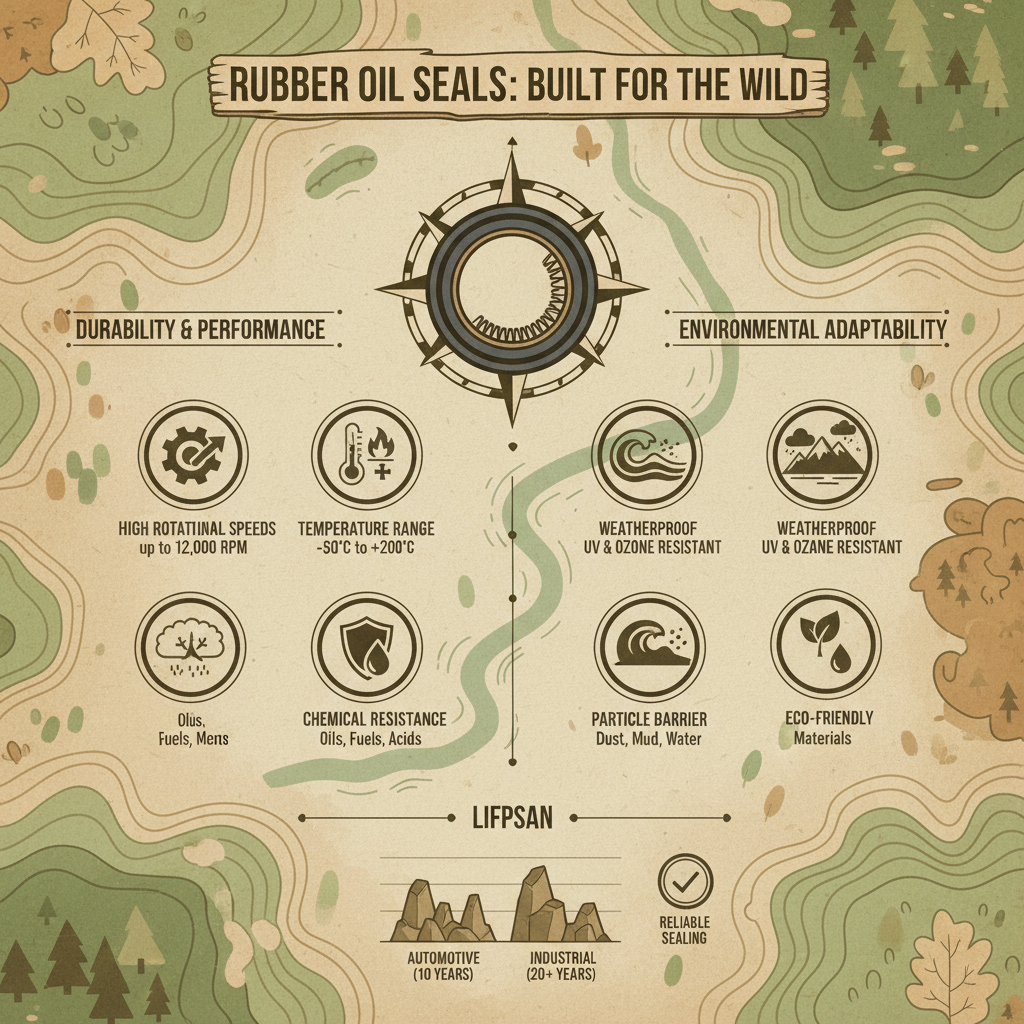
Furthermore, advancements in materials science are continually expanding the application range of rubber oil seals. From resisting extreme temperatures and corrosive chemicals to adapting to high-speed rotational environments, modern rubber oil seal technology is essential for maintaining the integrity and functionality of critical equipment worldwide.
Introduction to rubber oil seal
A rubber oil seal is a crucial element in preventing the escape of fluids from rotating or reciprocating machinery. These seals are designed to create a dynamic barrier, accommodating movement while maintaining a tight seal against leakage. The materials used in their construction are carefully selected for compatibility with the fluid being contained and the operating conditions of the application.
Without effective rubber oil seals, machinery would experience increased wear, reduced efficiency, and potential environmental contamination. Their seemingly simple function is, in reality, fundamental to the reliable operation of a vast array of industrial and consumer products.
Global Relevance and Industry Context
The global rubber oil seal market is a multi-billion dollar industry, driven by the constant demand from automotive, aerospace, construction, and manufacturing sectors. According to industry reports, the Asia-Pacific region accounts for the largest share of the market, owing to its robust industrial growth and increasing manufacturing activities. The increasing production of vehicles, especially in emerging economies like China and India, is a significant driver.
The United Nations Sustainable Development Goals (SDGs) also indirectly impact the demand for high-quality rubber oil seals. Reducing industrial pollution (SDG 12) and ensuring sustainable infrastructure (SDG 9) require effective sealing solutions to prevent leaks and minimize environmental damage. Furthermore, the implementation of stricter emissions regulations globally pushes manufacturers to optimize their designs, leading to a greater reliance on reliable sealing components.
A critical challenge remains: ensuring consistent quality and reliability across the supply chain. Substandard seals can lead to costly downtime, environmental hazards, and safety risks. This emphasizes the need for stringent quality control measures and the adoption of industry standards like ISO 9001 to guarantee performance and durability.
Defining the rubber oil seal
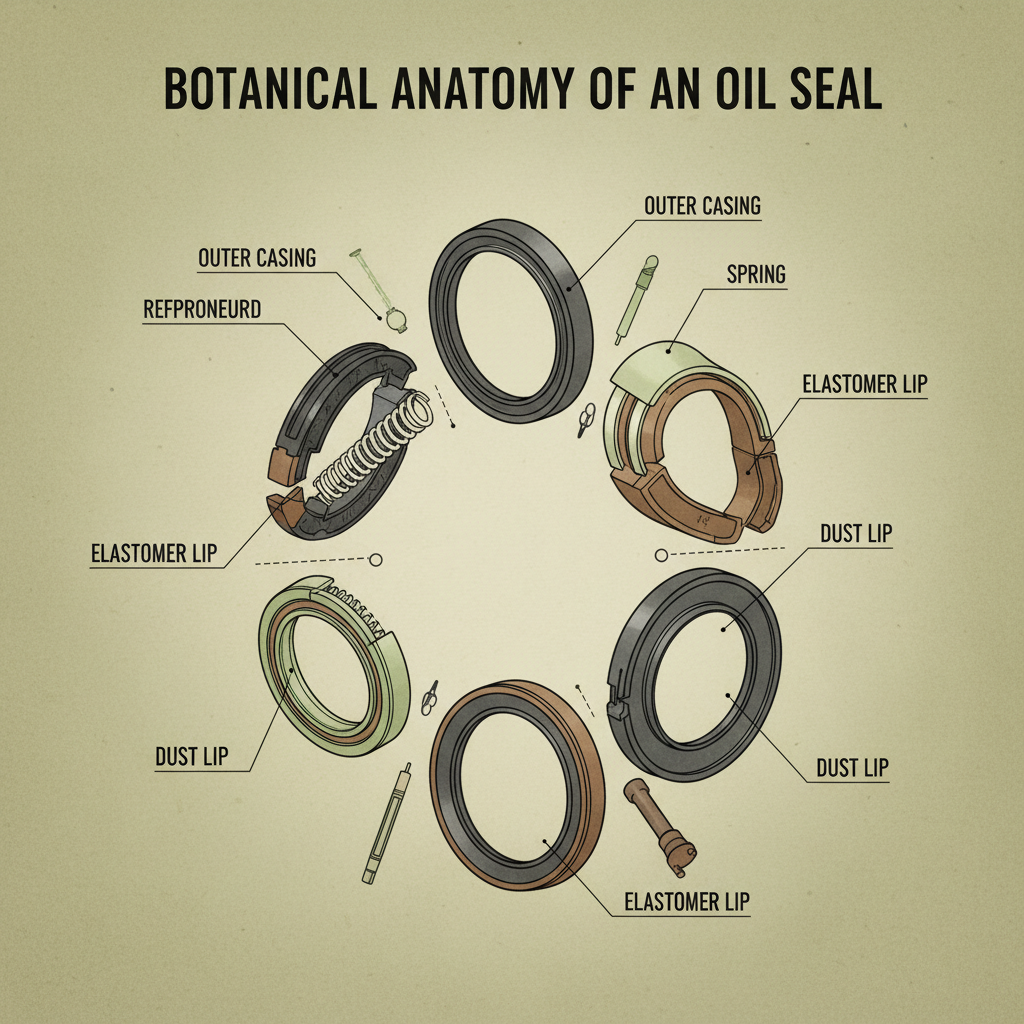
A rubber oil seal, at its core, is a barrier designed to prevent the passage of fluids – be it oil, grease, water, or other liquids and gases – between a static and dynamic component. It typically consists of an elastomeric sealing lip, reinforced with a metal case, providing both flexibility and structural support. This lip is carefully designed to maintain contact with the rotating or reciprocating surface, creating a dynamic seal.
Its connection to modern industry is profound. Virtually every machine with moving parts utilizes some form of sealing to prevent fluid loss and maintain efficiency. From the simple engine in a car to the complex hydraulic systems in heavy machinery, rubber oil seals are indispensable. They are not merely ancillary components, but integral to the operation and longevity of these systems.
Consider the humanitarian impact: reliable irrigation systems, powered by pumps sealed with rubber oil seals, contribute to food security in arid regions. Similarly, robust sealing in medical equipment ensures the safe and effective delivery of critical healthcare services. Thus, the seemingly simple rubber oil seal has far-reaching consequences for both industrial progress and human well-being.
Key Characteristics of Effective rubber oil seal
The effectiveness of a rubber oil seal hinges on several critical characteristics. First is Material Compatibility: The seal material must be chemically compatible with the fluid being sealed and the operating environment. Common materials include nitrile rubber (NBR), Viton (FKM), silicone rubber (VMQ), and PTFE, each offering different resistance to temperature, chemicals, and abrasion.
Secondly, Dynamic Sealing Capability is vital. This refers to the seal’s ability to maintain contact with the rotating or reciprocating surface without excessive friction or wear. Lip design, spring force, and surface finish all contribute to dynamic sealing performance.
Performance Metrics for Common rubber oil seal Materials
Applications Across Industries
The applications of rubber oil seals are incredibly diverse. In the automotive industry, they are found in engines, transmissions, axles, and power steering systems, preventing oil leaks and ensuring efficient operation. In the aerospace sector, they are critical for sealing hydraulic actuators, fuel systems, and landing gear components.
The manufacturing industry relies heavily on rubber oil seals in pumps, compressors, gearboxes, and various types of machinery. Even in everyday appliances, such as washing machines and dishwashers, rubber oil seals play a vital role in preventing water leaks and ensuring reliable performance.
Advantages and Long-Term Value
The advantages of utilizing quality rubber oil seals are substantial. Cost savings are a primary benefit, as preventing leaks reduces fluid consumption and minimizes downtime for maintenance and repairs. Sustainability is also improved, as reduced leakage minimizes environmental contamination and waste.
Long-term reliability translates to increased equipment lifespan and reduced life-cycle costs. The enhanced safety provided by preventing fluid-related hazards builds trust with both operators and end-users. Investing in high-quality rubber oil seals represents a proactive approach to asset management, fostering innovation and ensuring operational integrity.
Future Trends in rubber oil seal Technology
Several emerging trends are shaping the future of rubber oil seal technology. The rise of electric vehicles (EVs) is driving demand for seals that can withstand the unique challenges of electric drive systems, such as compatibility with new coolants and lubricants. Increased focus on sustainability is leading to the development of bio-based and recyclable seal materials.
Digitalization is also playing a role, with the integration of sensors into seals to monitor performance and predict potential failures. Advanced materials, like graphene-enhanced elastomers, are being explored to further enhance durability and sealing capabilities. These innovations promise to extend the lifespan of equipment, reduce maintenance costs, and minimize environmental impact.
Automation and precision manufacturing processes are also improving the consistency and quality of rubber oil seals, resulting in more reliable performance and reduced risk of failure.
FAQS
The lifespan of a rubber oil seal varies greatly depending on operating conditions, fluid compatibility, and seal material. Generally, a well-maintained seal in a standard application can last anywhere from 1 to 5 years. However, harsh environments, abrasive fluids, or excessive temperatures can significantly reduce its lifespan. Regular inspection and preventative maintenance are crucial for maximizing longevity.
Common causes include material incompatibility, abrasion from contaminants, improper installation, excessive temperature or pressure, and age-related degradation. Contamination, such as dirt and debris, can scratch the sealing surface and lead to leaks. Incorrect installation can damage the seal or prevent it from seating properly. Choosing the right seal material for the specific application is paramount to preventing premature failure.
Selecting the right rubber oil seal requires careful consideration of several factors, including the fluid being sealed, operating temperature, pressure, speed, and the materials of the surrounding components. Consult material compatibility charts to ensure the seal material is compatible with the fluid. Consider the dynamic and static sealing requirements of the application. If unsure, consult with a sealing specialist.
Some rubber oil seals are designed for use with harsh chemicals, but it depends entirely on the seal material. Viton (FKM) and PTFE are excellent choices for chemical resistance, while NBR has limited resistance to many chemicals. Always verify the chemical compatibility of the seal material before use to prevent degradation and failure. Refer to chemical resistance guides from reputable seal manufacturers.
Proper installation is critical for ensuring the seal’s effectiveness. Clean the sealing surfaces thoroughly before installation. Use a suitable installation tool to avoid damaging the seal lip. Ensure the seal is properly seated and aligned. Lubricate the seal with a compatible lubricant to aid installation and reduce friction. Follow the manufacturer's recommendations for specific installation procedures.
Yes, manufacturers are increasingly developing eco-friendly rubber oil seals using bio-based elastomers and recyclable materials. These alternatives reduce reliance on fossil fuels and minimize environmental impact. While performance may vary, these eco-friendly options are becoming more viable for a wider range of applications. Look for seals certified by environmental standards organizations.
Conclusion
In conclusion, the rubber oil seal is a deceptively simple yet profoundly important component across a vast spectrum of industries. From ensuring the reliable operation of critical machinery to preventing environmental contamination and upholding safety standards, its role is indispensable. Understanding the key characteristics, applications, and future trends in rubber oil seal technology is crucial for professionals seeking to optimize performance, minimize costs, and embrace sustainable practices.
Looking ahead, continued innovation in materials science, coupled with the integration of digital technologies, will further enhance the capabilities of rubber oil seals. By embracing these advancements, industries can unlock new levels of efficiency, reliability, and sustainability. For comprehensive sealing solutions and expert guidance, visit our website at rubber oil seal.





 English
  Afrikaans
  Albanian
  Amharic
  Arabic
  Armenian
  Azerbaijani
  Basque
  Belarusian
  Bengali
  Bosnian
  Bulgarian
  Catalan
  Cebuano
  Corsican
  Croatian
  Czech
Czech  Danish
  Dutch
Dutch  Esperanto
  Estonian
  Finnish
  French
  Frisian
  Galician
  Georgian
  German
  Greek
Greek  Gujarati
  Haitian Creole
  Hausa
Hausa  Hawaiian
  Hebrew
  Hindi
Hindi  Miao
Miao  Hungarian
  Icelandic
  Igbo
Igbo  Indonesian
  Irish
Irish  Italian
  Japanese
  Javanese
  Kannada
  Kazakh
  Khmer
Khmer  Rwandese
  Korean
  Kurdish
  Kyrgyz
  Lao
Lao  Latin
Latin  Latvian
  Lithuanian
  Luxembourgish
  Macedonian
  Malgashi
  Malay
Malay  Malayalam
  Maltese
  Maori
Maori  Marathi
  Mongolian
  Myanmar
  Nepali
  Norwegian
  Norwegian
  Occitan
  Pashto
  Persian
  Polish
  Portuguese
  Punjabi
  Romanian
  Russian
  Samoan
  Scottish Gaelic
  Serbian
  Sesotho
  Shona
Shona  Sindhi
  Sinhala
  Slovak
  Slovenian
  Somali
  Spanish
  Sundanese
  Swahili
  Swedish
  Tagalog
  Tajik
Tajik  Tamil
Tamil  Tatar
Tatar  Telugu
  Thai
Thai  Turkish
  Turkmen
  Ukrainian
  Urdu
Urdu  Uighur
  Uzbek
Uzbek  Vietnamese
  Welsh
Welsh  Bantu
Bantu  Yiddish
  Yoruba
  Zulu
Zulu