Loctite on Oil Drain Plug – Reliable Industrial Threadlocking Solutions
Why Loctite on Oil Drain Plugs Makes Sense in Industrial Equipment Maintenance
Having spent a good chunk of my career knee-deep in industrial equipment maintenance, I’ve seen firsthand how small things make big differences. Take Loctite on oil drain plugs, for example. It might sound like a minor detail, but applying the right threadlocker can seriously reduce headaches—and oil leaks.
In the field, oil leaks from drain plugs are one of those pesky, recurring issues. You tighten the plug, it seems snug, and yet sometimes it’s not enough to prevent slow leaks caused by vibration or temperature shifts. Oddly enough, many engineers I worked with underestimated the value of proper sealing compounds on these plugs, but saving those few pennies on Loctite ends up costing far more in cleanup, downtime, and parts replacement.
What I usually recommend—and have adopted myself—is using a medium-strength anaerobic threadlocker like Loctite 242 or 243 on oil drain plugs. These formulas create a secure bond that prevents loosening from vibration but remain removable with standard hand tools, which is crucial. Frankly, stripping a drain plug thread or encountering a sealed bolt that won’t budge can cause awkward, costly repairs.
From a product perspective, these formulations are specially designed for metal-to-metal bonds and resist oils and fuels. That stands out because, in industrial vehicles or stationary engines, oil contamination on threads is unavoidable. Many threadlockers on the market fail or degrade quickly under those conditions. Loctite, by contrast, has been tested extensively and consistently delivers reliable performance.
| Specification | Loctite 242 (Medium Strength) | Loctite 271 (High Strength) |
|---|---|---|
| Curing Time | 24 hours | 24 hours |
| Temperature Resistance | -55°C to 150°C | -55°C to 180°C |
| Oil Resistance | Excellent | Excellent |
| Removability | Removable with hand tools | Requires heat to remove |
Now, in terms of industry trends, there’s a growing demand for easier maintenance cycles and longer equipment uptime. Loctite’s approach aligns perfectly since the sealants don’t just stop leaks; they help maintain mechanical integrity without extra parts or gaskets. This is particularly important in the age of IoT-enabled machinery, where unscheduled downtime can disrupt complex systems.
One thing I did notice, though, is the importance of surface prep. Thread surfaces must be clean and free of oil before applying Loctite—it sounds obvious, but in loud, fast-paced shops, this step sometimes gets skipped. I’ve had a customer who originally had constant leaks due to this oversight; a simple wipe-down and proper application of the product made a world of difference.
Let’s talk briefly about vendor options, because not all threadlockers are created equal. Here’s a quick comparison of a few popular choices based on what I’ve gathered and tested personally:
| Vendor | Oil Resistance | Curing Time | Ease of Removal | Price Range |
|---|---|---|---|---|
| Loctite (Henkel) | Excellent | 24h | Hand tools / Heat (varies) | Mid-High |
| 3M | Good | 12-24h | Hand tools | Mid |
| Permatex | Fair | 15-30min (initial set) | Hand tools | Low-Mid |
In my experience, Loctite’s brand just edges out others because of consistent performance. It feels like there’s more R&D behind their product stability in extreme conditions. That said, the ideal choice might hinge on your specific oil types, temperatures, and maintenance cadence.
So, when you’re next under that machinery, oil drain plug loosened or leaking again, give threadlocker a fair shot. It’s a simple solution that often saves a world of hassle. And if you want to read more or source some reliable products, YJM Seal offers a nice range worth checking out.
In real terms, the little things like Loctite can add up to huge operational wins over time.
References
- Henkel Loctite Technical Data Sheets (2023)
- Personal field experience in industrial equipment maintenance (2010-2023)
- Industry discussions and forums such as Machinery Lubrication and Practical Machinist
-
Guide to Choosing the Right Washer for Oil Change and Sealing
News Apr.16,2026
-
Essential Guide to High Quality rubber washer oil drain plug
News Apr.09,2026
-
Understanding Rubber Crush Washers for Optimal Sealing Performance
News Apr.07,2026
-
Comprehensive Guide to Understanding and Reusing Crush Washer for Optimal Sealing
News Apr.04,2026
-
The Vital Role of a Drain Screw Gasket in Fluid System Integrity
News Mar.31,2026
-
The Essential Guide to Drain Crush Washer Selection and Plumbing Leak Prevention
News Mar.28,2026
-
The Vital Role of a Crush Washer in Oil Changes for Engine Protection
News Mar.26,2026
Products categories
-
Brass cutlass marine bearing
-
Genuine OEM Engine Oil Filter Housing Cover O-Ring For VW/Audi 06E115446
-
Oil Filter Stand Gasket,Oil filter cover seal
-
Oil Cooler Gasket, Oil Cooler to Oil Filter Housing 11427525335
-
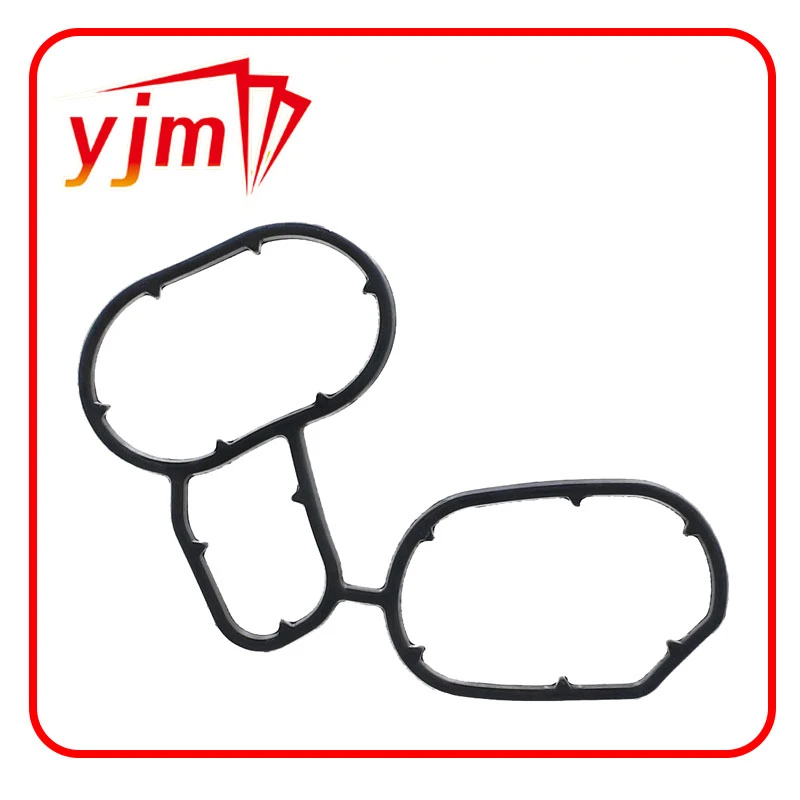
11427508970 BMW - OIL FILTER HOUSING GASKETS
-
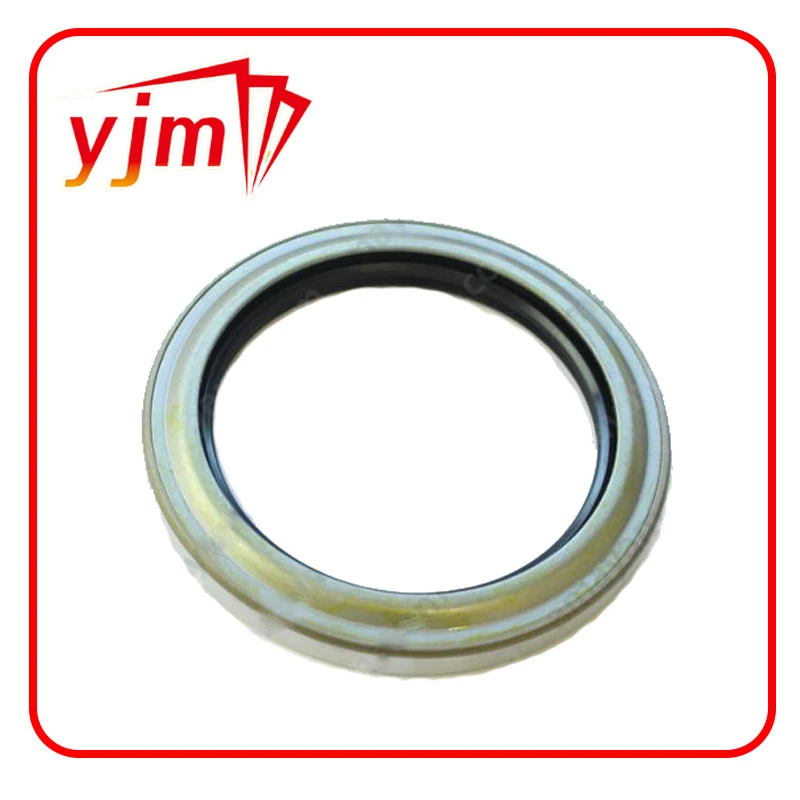
SEAL, OIL Genuine Toyota (9031170011)
-
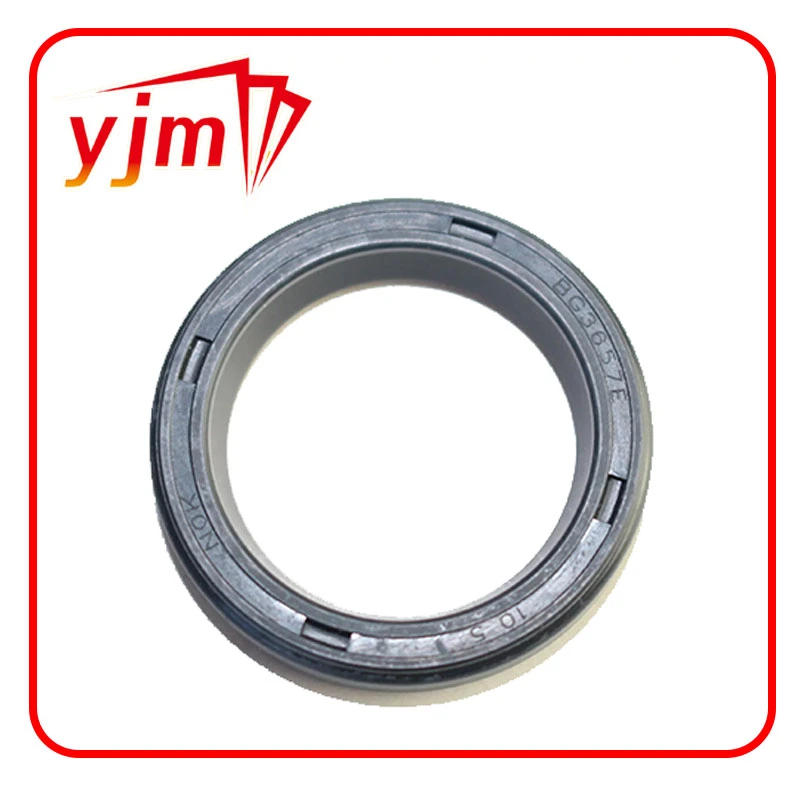
Transfer Case Output Shaft Seal Part 9031223001
-
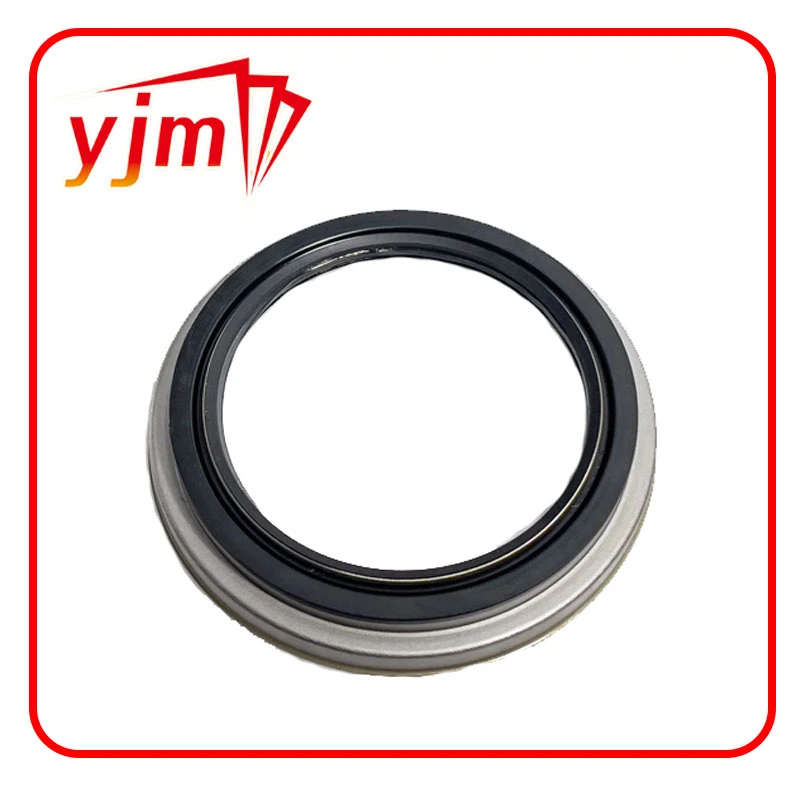
SEAL, OIL Genuine Toyota (9031672001)
-
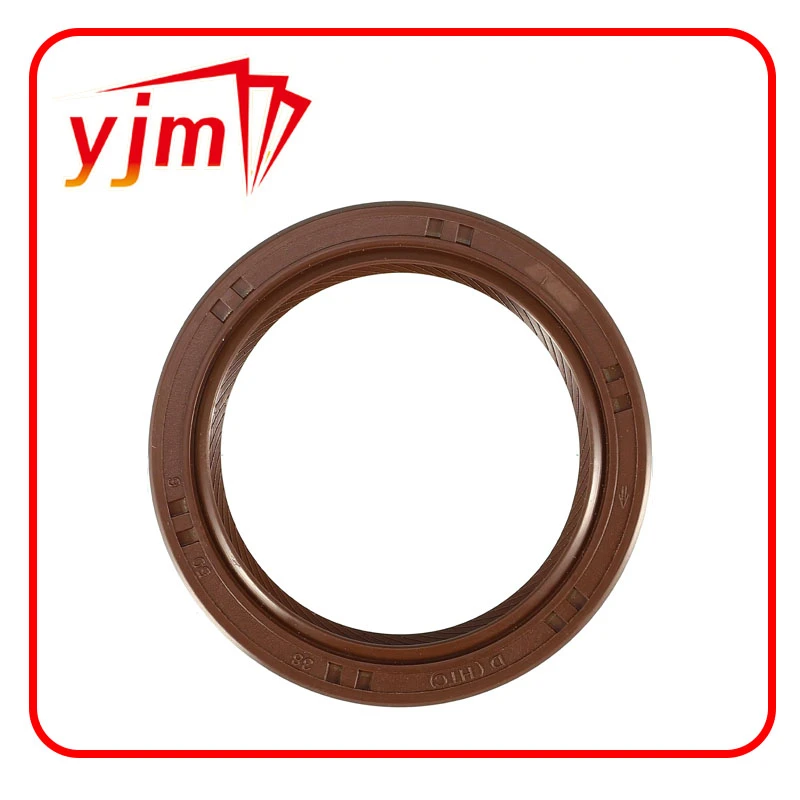
Engine Crankshaft Oil Seal No.9031138096
-
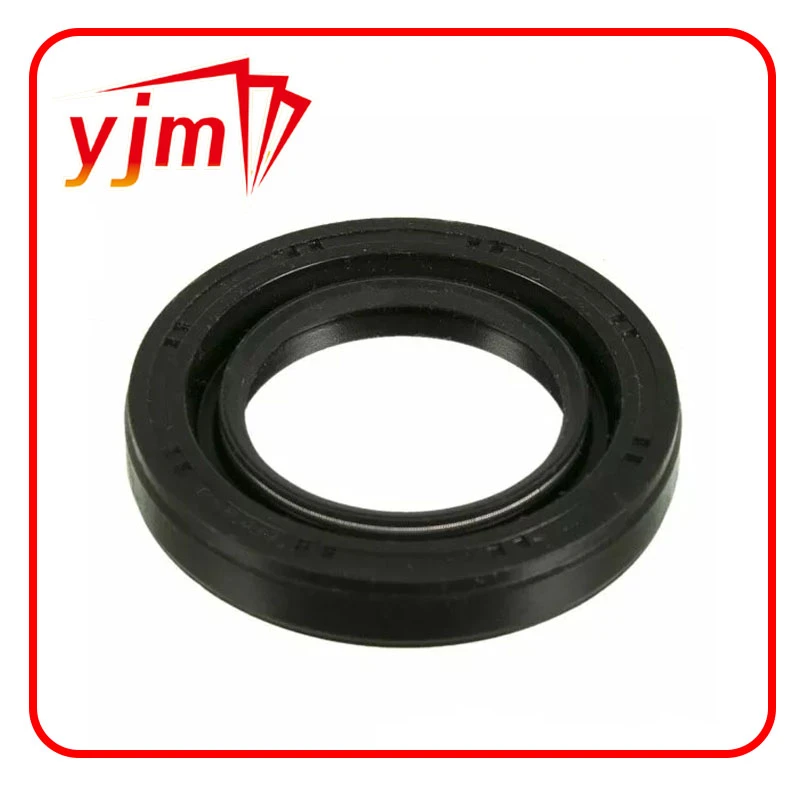
Toyota Transfer Case Output Shaft Seal Front 9031136006
-
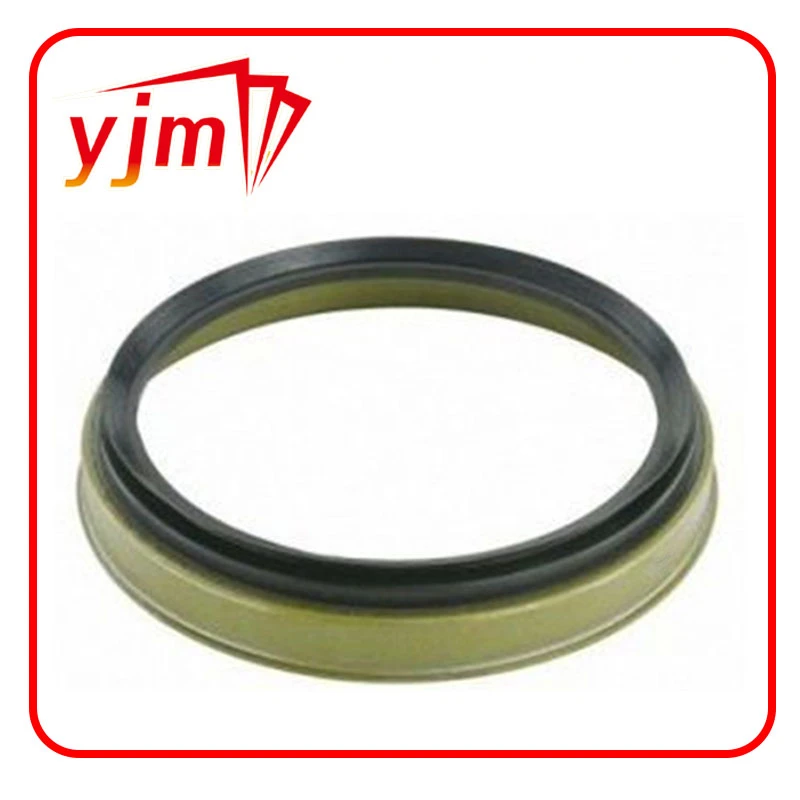
Seal, type v oil 9031287001 TOYOTA
-
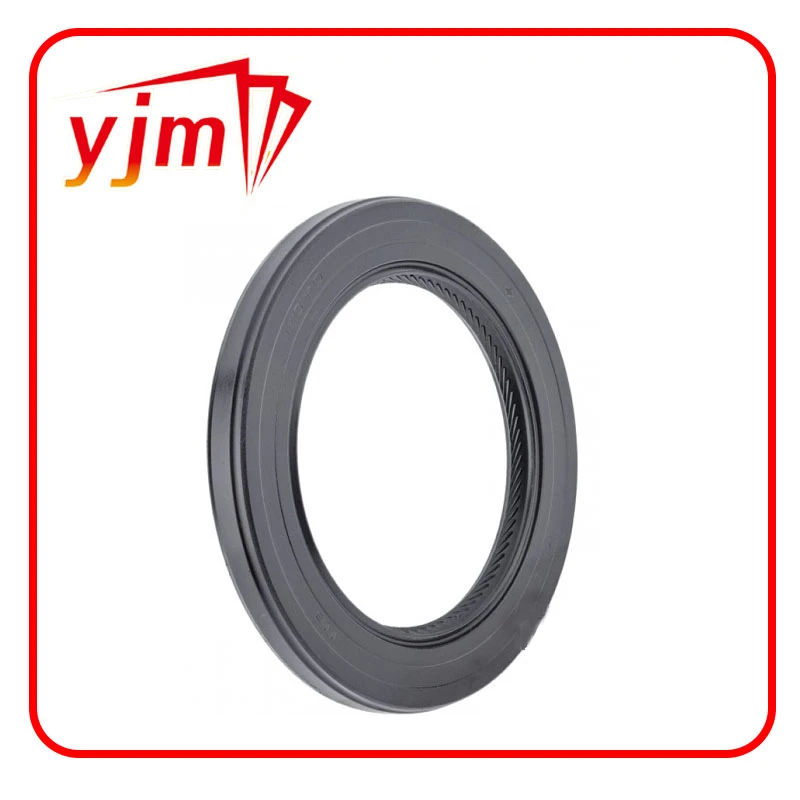
Oil pump seal 9031143010
-
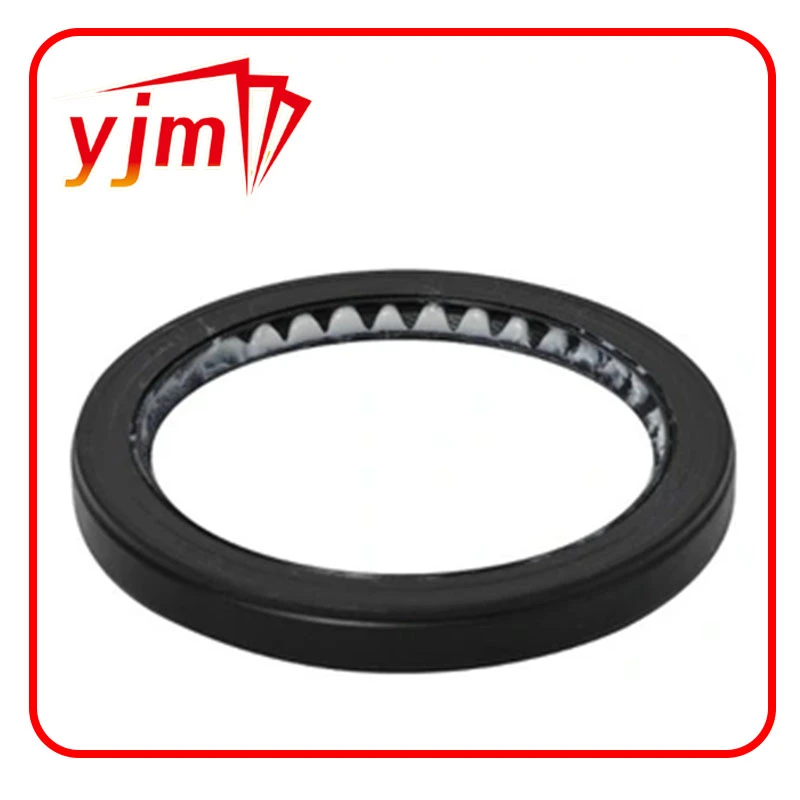
Genuine Toyota Oil SEAL 90311-54006
-
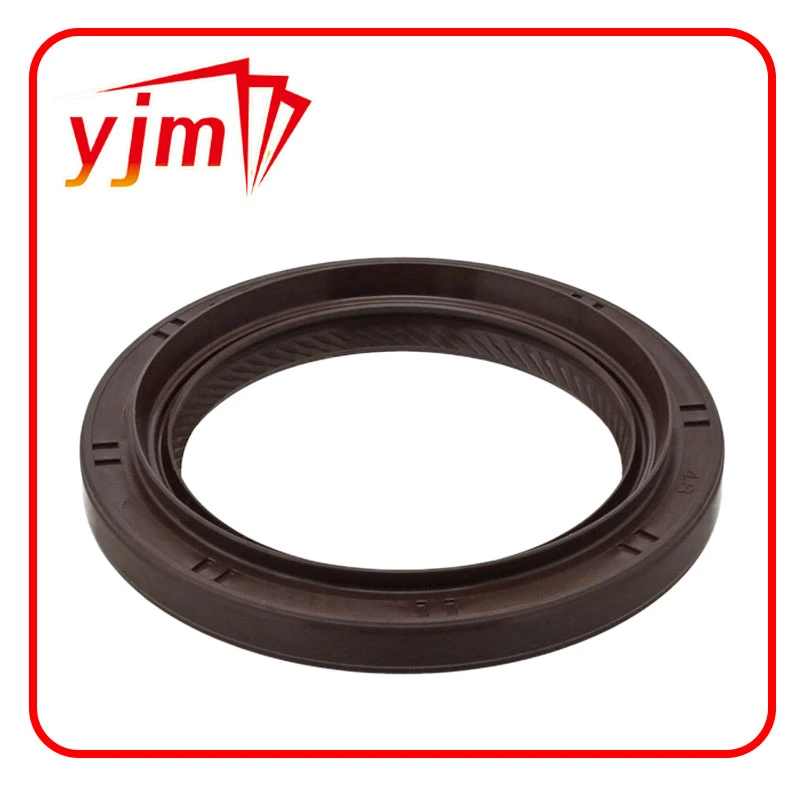
Toyota SEAL TYPE T OIL 90311-48031
-
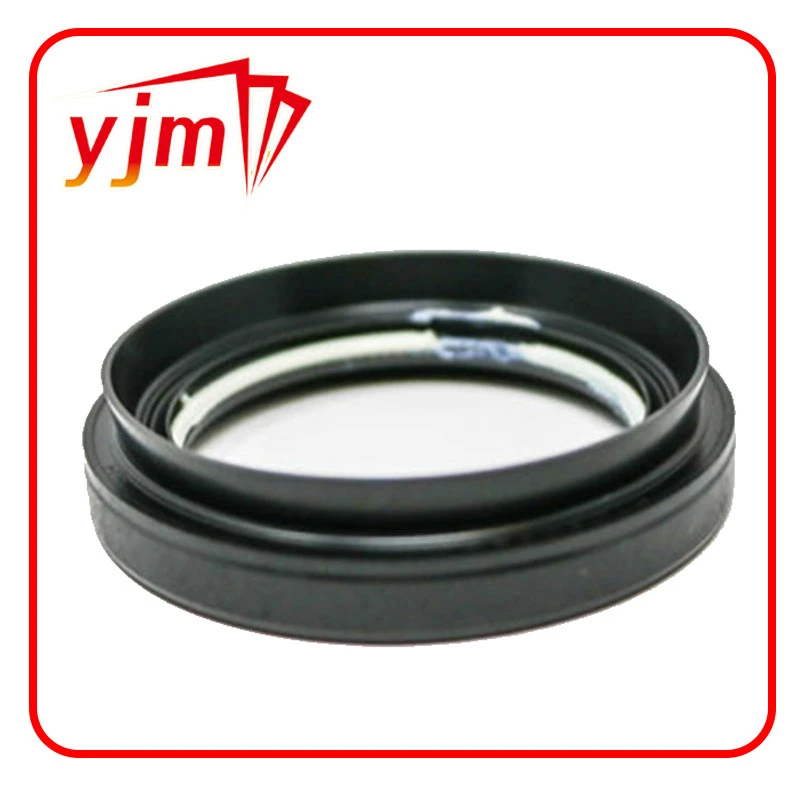
Type T Oil Seal, Front Drive Shaft, Left 9031150064
-
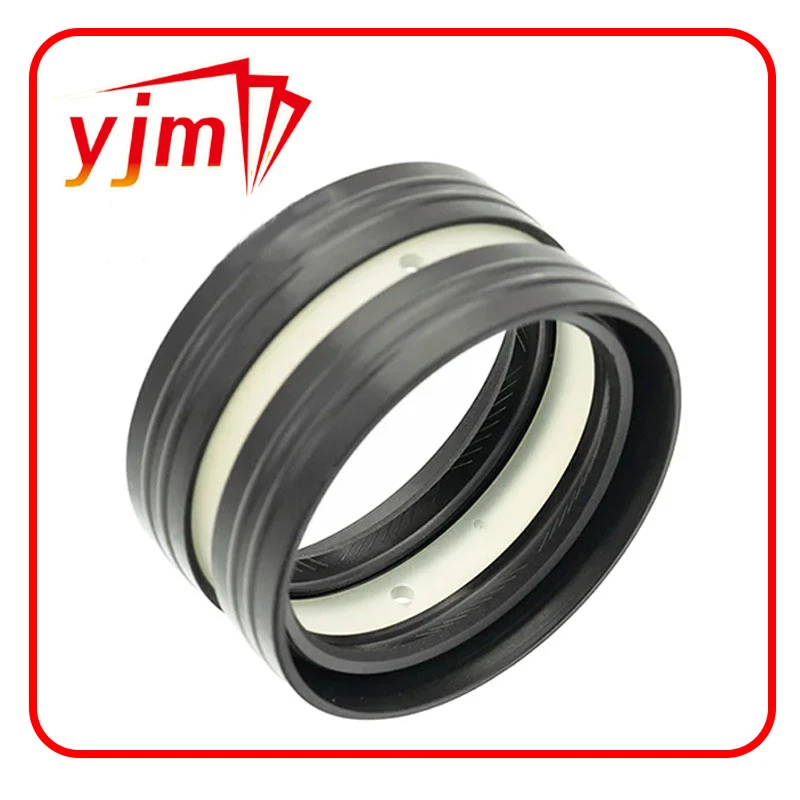
Seal, type d oil 9031634001 TOYOTA
 Afrikaans
 Albanian
 Amharic
 Arabic
 Armenian
 Azerbaijani
 Basque
 Belarusian
 Bengali
 Bosnian
 Bulgarian
 Catalan
 Cebuano
 Corsican
 Croatian
 Czech
Czech
 Danish
 Dutch
Dutch
 Esperanto
 Estonian
 Finnish
 French
 Frisian
 Galician
 Georgian
 German
 Greek
Greek
 Gujarati
 Haitian Creole
 Hausa
Hausa
 Hawaiian
 Hebrew
 Hindi
Hindi
 Miao
Miao
 Hungarian
 Icelandic
 Igbo
Igbo
 Indonesian
 Irish
Irish
 Italian
 Japanese
 Javanese
 Kannada
 Kazakh
 Khmer
Khmer
 Rwandese
 Korean
 Kurdish
 Kyrgyz
 Lao
Lao
 Latin
Latin
 Latvian
 Lithuanian
 Luxembourgish
 Macedonian
 Malgashi
 Malay
Malay
 Malayalam
 Maltese
 Maori
Maori
 Marathi
 Mongolian
 Myanmar
 Nepali
 Norwegian
 Norwegian
 Occitan
 Pashto
 Persian
 Polish
 Portuguese
 Punjabi
 Romanian
 Russian
 Samoan
 Scottish Gaelic
 Serbian
 Sesotho
 Shona
Shona
 Sindhi
 Sinhala
 Slovak
 Slovenian
 Somali
 Spanish
 Sundanese
 Swahili
 Swedish
 Tagalog
 Tajik
Tajik
 Tamil
Tamil
 Tatar
Tatar
 Telugu
 Thai
Thai
 Turkish
 Turkmen
 Ukrainian
 Urdu
Urdu
 Uighur
 Uzbek
Uzbek
 Vietnamese
 Welsh
Welsh
 Bantu
Bantu
 Yiddish
 Yoruba
 Zulu
Zulu
 English