Top Insights on the Best Magnetic Oil Drain Plug: Features, Benefits & Trends
Unlocking Efficiency and Durability with the Best Magnetic Oil Drain Plug
Let’s start with the basics: a magnetic oil drain plug isn’t just a nifty add-on for your vehicle; it’s a small but crucial component that can drastically influence engine health and maintenance. Why does this matter, you ask? Across the globe, engine performance and efficient maintenance are vital—not just for individual drivers or car enthusiasts, but for industries where uptime and durability translate into millions saved. The best magnetic oil drain plug enhances oil filtration, capturing metal debris before damages occur.
Globally, over ISO standards emphasize the importance of reliable engine components to reduce emissions and optimize performance. In fact, equipment breakdown due to poor lubrication often creates costly downtime. The right magnetic oil drain plug intercepts metal shavings, which are common symptoms of wear and tear, helping engineers identify issues before they become catastrophic.
Context: Why the Best Magnetic Oil Drain Plug Matters Worldwide
Around 75 million vehicles are produced annually worldwide according to recent industry data, and maintaining them efficiently is non-negotiable. Oddly enough, many drivers overlook simple parts like oil drain plugs, which safeguard engine oil integrity. For sectors like construction, agriculture, and logistics—especially in emerging markets—reliability means everything, and a high-quality magnetic drain plug helps protect that.
What Exactly Is a Magnetic Oil Drain Plug?
At its core, a magnetic oil drain plug is a standard oil drain plug fitted with a magnet to attract metal particles suspended in engine oil. Those tiny fragments are microscopic clues of friction and wear inside your engine components. Capturing them prevents these particles from circulating and scratching delicate parts. It’s like having an early warning sensor built into a routine maintenance part.
In modern industries—automotive, marine, heavy machinery—this simple but clever solution supports long-term machine health. Its connection to sustainability also shouldn’t be underestimated: by extending oil change intervals and reducing engine wear, it contributes to lower waste and better resource management.
Core Factors for Choosing the Best Magnetic Oil Drain Plug
1. Material Durability
Obviously, a magnetic oil drain plug has to endure harsh conditions—high heat, corrosive environments, and mechanical stress. Most quality options use steel or brass constructions paired with powerful neodymium magnets. You want rust-resistant metals, as corrosion could ruin the seal or demagnetize the core over time.
2. Magnet Strength
It might seem trivial, but the magnet’s strength directly impacts how many metal particles it traps. Stronger magnets capture more debris, especially the finer bits that could slip by a weaker magnet. Many experts recommend neodymium magnets, which retain their pull even in extreme temperatures.
3. Fit & Compatibility
Another practical factor: the plug has to fit your specific engine’s drain opening perfectly. Cross-threading or poor sealing is a nightmare. Most manufacturers offer multiple thread sizes—M14x1.5, M16x1.5, etc.—but always confirm fit before buying.
4. Maintenance & Ease of Access
It sounds simple, but easy-to-remove plugs that don't get stuck save time and frustration. Some designs feature knurled edges or hex heads for quick hand-tightening or socket use. Given how often oil drains happen, you want smooth, hassle-free servicing.
Product Specifications Table of Typical Magnetic Oil Drain Plug
| Specification | Details |
|---|---|
| Material | Steel Body with Neodymium Magnet |
| Thread Size Options | M12x1.25, M14x1.5, M16x1.5 |
| Magnet Strength | Up to 15,000 Gauss |
| Seal Type | High-Temperature Nitrile Rubber O-ring |
| Temperature Resistance | -40°F to 400°F (-40°C to 204°C) |
Global Applications & Use Cases of Magnetic Oil Drain Plugs
This is where it gets interesting: magnetic oil drain plugs find homes everywhere from bustling European automotive workshops to remote mining operations in Australia. Industries reliant on heavy machinery—think construction cranes, diesel trucks, generators—often depend on these plugs to prolong equipment life.
In post-disaster relief operations, for example, generators must run reliably under harsh conditions. Here, a robust magnetic plug reduces the chance of unexpected failures caused by engine wear. Similarly, fleets operating in sub-Saharan Africa depend on dependable, easy-to-service parts, improving uptime dramatically.
Comparison of Leading Vendors of Magnetic Oil Drain Plugs
| Vendor | Material Quality | Magnet Type | Price Range | Customer Rating (out of 5) |
|---|---|---|---|---|
| MagnaSeal | 316 Stainless Steel | Neodymium | $15 - $25 | 4.7 |
| MagProTech | Brass | Ferrite | $10 - $18 | 4.2 |
| AutoMagnet | Hardened Steel | Neodymium | $18 - $30 | 4.5 |
Advantages and Long-Term Value of Using Magnetic Oil Drain Plugs
You might think, “Is it really worth spending extra on a magnetic plug?” Well, here’s where logic and a bit of feeling intersect. The tangible benefits are pretty clear: improved engine longevity, fewer breakdowns, and reduced maintenance costs. On the emotional side, knowing your equipment has an added layer of protection gives genuine peace of mind.
Sustainability-wise, fewer engine repairs mean less resource consumption and waste. Plus, since some magnetic plugs extend the interval between oil changes, they contribute to less environmental disposal of used oil. It’s a win-win — both for your wallet and the planet.
Emerging Trends: Innovations Shaping Magnetic Oil Drain Plugs
Interestingly, the future holds some intriguing developments. Engineers are exploring coating materials that resist corrosion better and enhance sealing performance. There’s also work on embedding sensors alongside magnets to digitally monitor metal debris levels in real-time — kind of a “smart drain plug” vision coming to life.
Sustainability remains front and center, with manufacturers sourcing rare earth magnets more responsibly or using recycled metals. Add to that the rise of electric vehicles, which might one day reduce magnetic drain plug usage—but until then, internal combustion engines will benefit for some time.
Challenges & Solutions in Magnetic Oil Drain Plug Use
Not everything is smooth sailing. Some challenges include incorrect plug sizing that leads to leaks or insufficient magnet strength. In certain high-vibration environments, plugs can loosen if not secured properly. Also, some cheaper magnets lose effectiveness over time due to temperature exposure.
How to fix this? Experts recommend buying from trusted brands (you might start with the vendors above), confirming thread size and torque specs, and regular inspection during oil changes. Installing plugs with locking washers or thread locker compounds can also prevent loosening.
FAQs About the Best Magnetic Oil Drain Plug
-
Q: How do I know if my engine needs a magnetic oil drain plug?
A: If your engine is prone to wear, or you want an extra layer of protection and early detection from metal particulates, it’s a smart upgrade. They’re most valuable in high-mileage or heavy-duty engines. -
Q: Can magnetic oil drain plugs affect oil change intervals?
A: Yes, by capturing debris and improving oil purity, some users safely extend their oil change intervals—but always follow manufacturer recommendations to avoid warranty issues. -
Q: Are magnetic oil drain plugs compatible with all vehicles?
A: Not all plugs fit every vehicle; ensure you select one matching your engine’s drain thread size and specifications. -
Q: Can I install a magnetic oil drain plug myself?
A: Generally, yes. Just drain the oil, remove the old plug, inspect the threads, and install the new plug with appropriate torque. If you’re uncertain, a mechanic can assist.
Conclusion: Why Investing in the Best Magnetic Oil Drain Plug Pays Off
So, the takeaway? Magnetic oil drain plugs, while often overlooked, offer a superb mix of simplicity and benefit — aiding engine protection, supporting cost efficiency, and promoting sustainability in a world increasingly focused on smart maintenance. Whether you’re a vehicle enthusiast, fleet manager, or heavy equipment operator, installing the best magnetic oil drain plug is a modest step with outsized impact.
Check out trusted suppliers and consider this upgrade next time you’re under the hood—it honestly feels like an insurance policy for your engine’s health.
References:
1. ISO 13485: ISO.org
2. World Bank vehicle production data, 2023 report
3. Automotive Maintenance Best Practices, SAE International
-
Guide to Choosing the Right Washer for Oil Change and Sealing
News Apr.16,2026
-
Essential Guide to High Quality rubber washer oil drain plug
News Apr.09,2026
-
Understanding Rubber Crush Washers for Optimal Sealing Performance
News Apr.07,2026
-
Comprehensive Guide to Understanding and Reusing Crush Washer for Optimal Sealing
News Apr.04,2026
-
The Vital Role of a Drain Screw Gasket in Fluid System Integrity
News Mar.31,2026
-
The Essential Guide to Drain Crush Washer Selection and Plumbing Leak Prevention
News Mar.28,2026
-
The Vital Role of a Crush Washer in Oil Changes for Engine Protection
News Mar.26,2026
Products categories
-
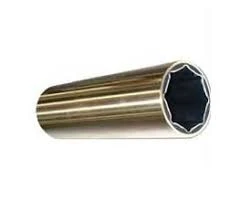
Brass cutlass marine bearing
-
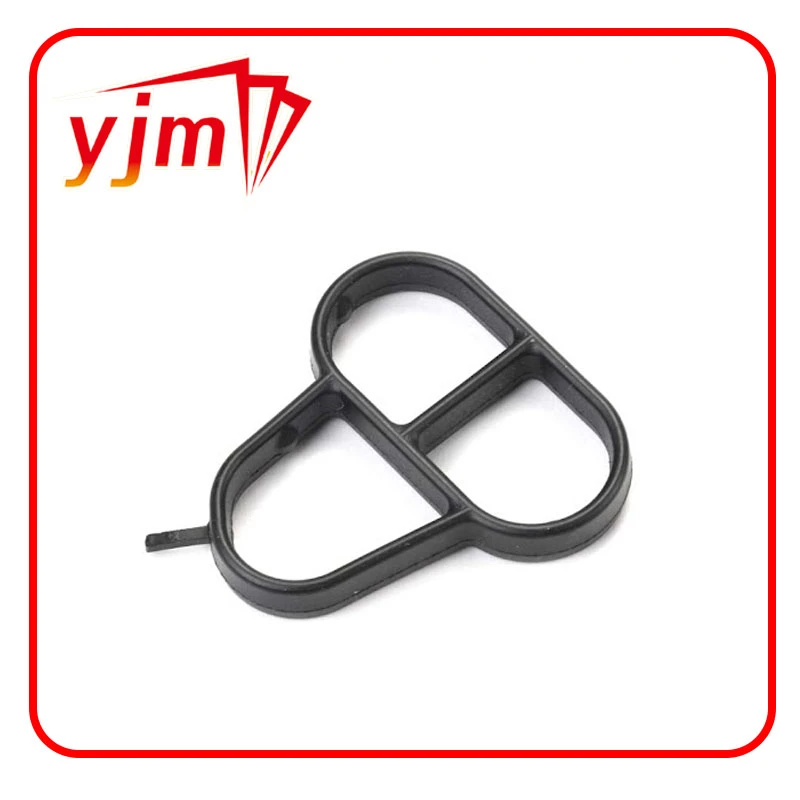
Genuine OEM Engine Oil Filter Housing Cover O-Ring For VW/Audi 06E115446
-
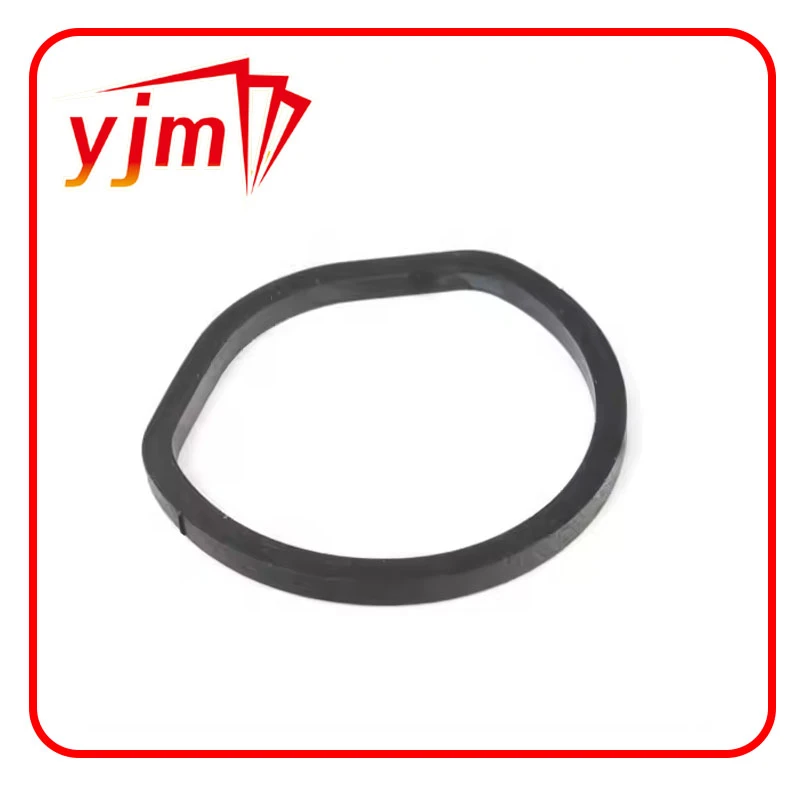
Oil Filter Stand Gasket,Oil filter cover seal
-
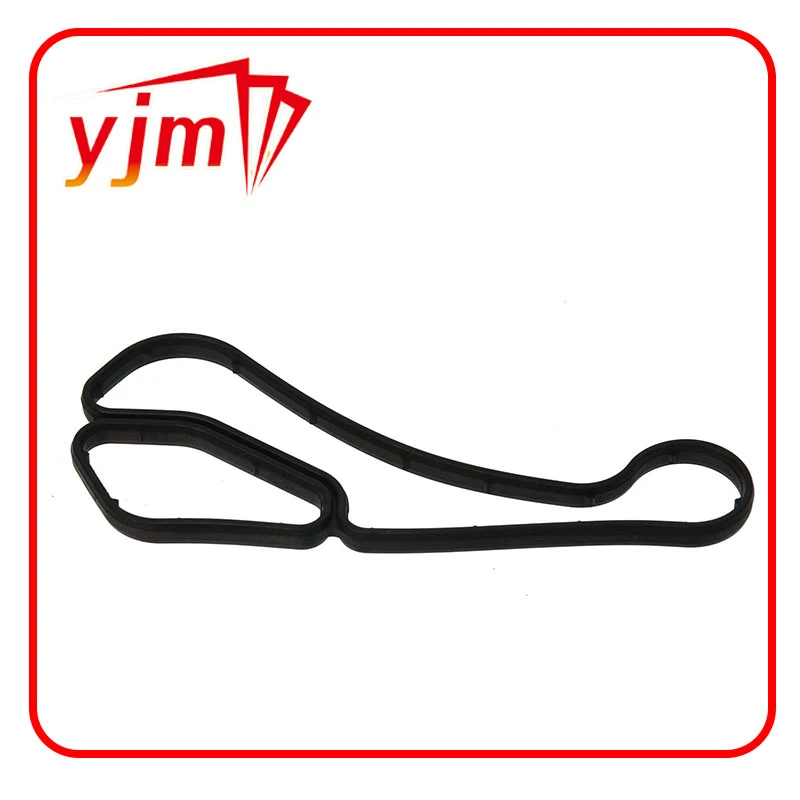
Oil Cooler Gasket, Oil Cooler to Oil Filter Housing 11427525335
-
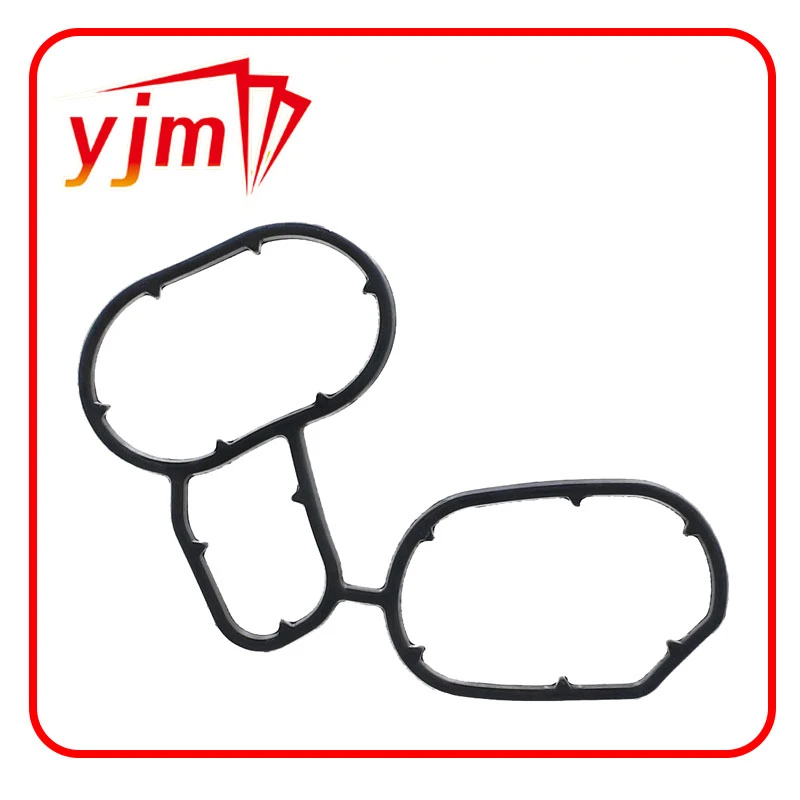
11427508970 BMW - OIL FILTER HOUSING GASKETS
-
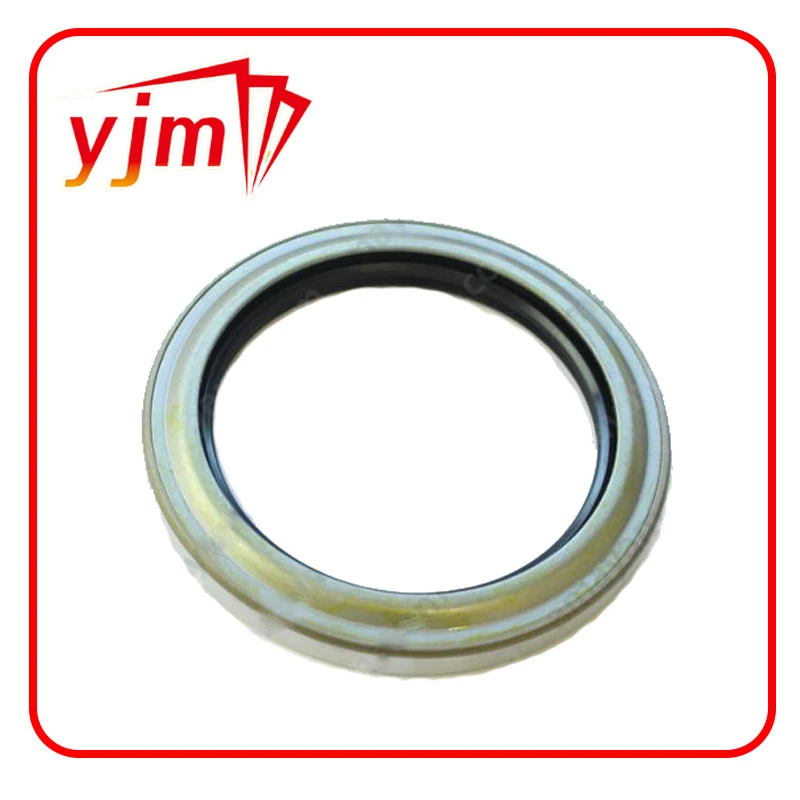
SEAL, OIL Genuine Toyota (9031170011)
-
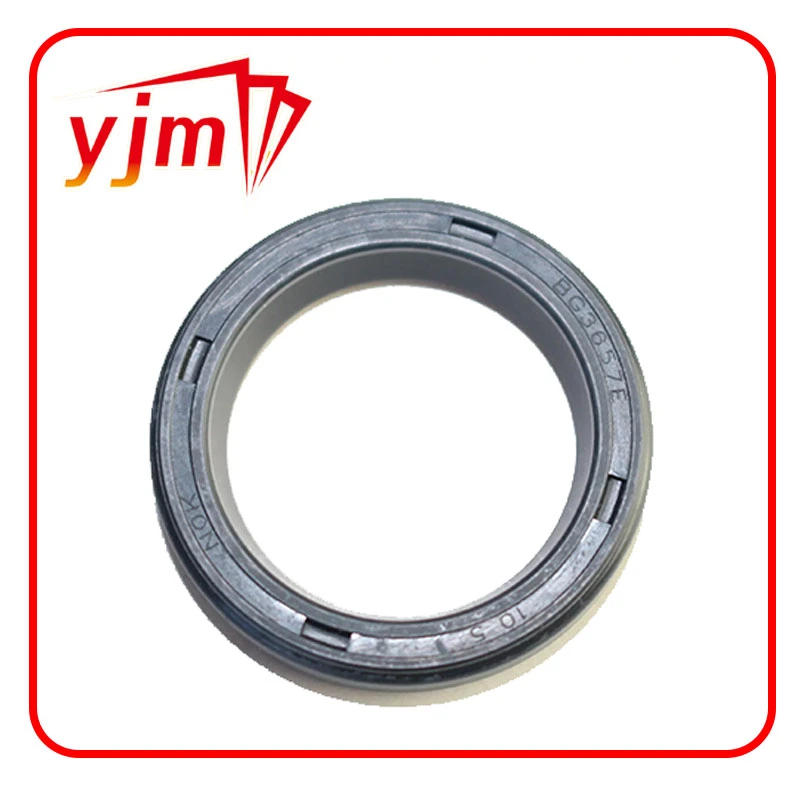
Transfer Case Output Shaft Seal Part 9031223001
-
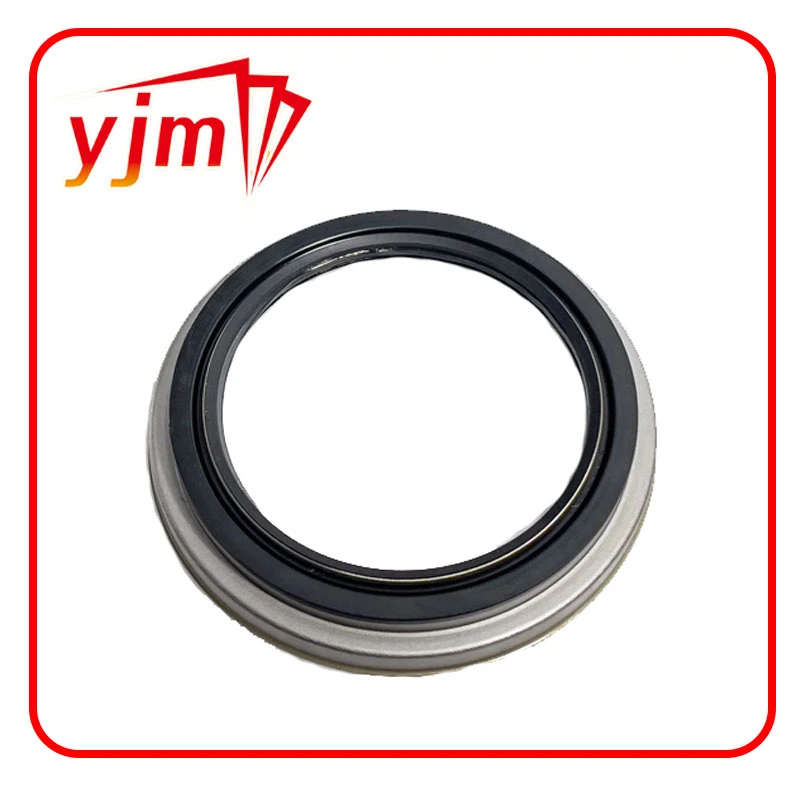
SEAL, OIL Genuine Toyota (9031672001)
-
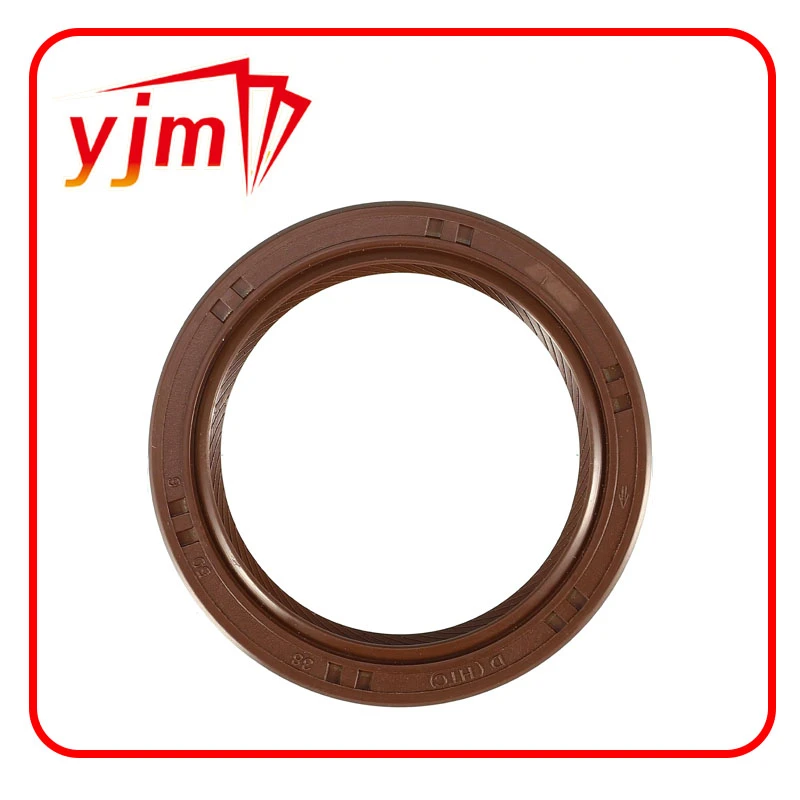
Engine Crankshaft Oil Seal No.9031138096
-
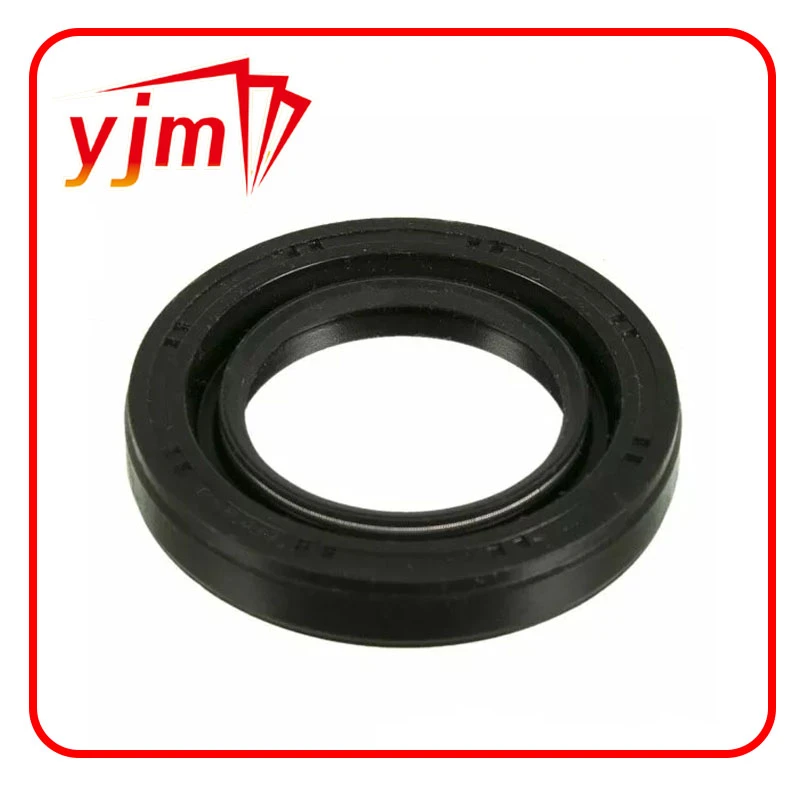
Toyota Transfer Case Output Shaft Seal Front 9031136006
-
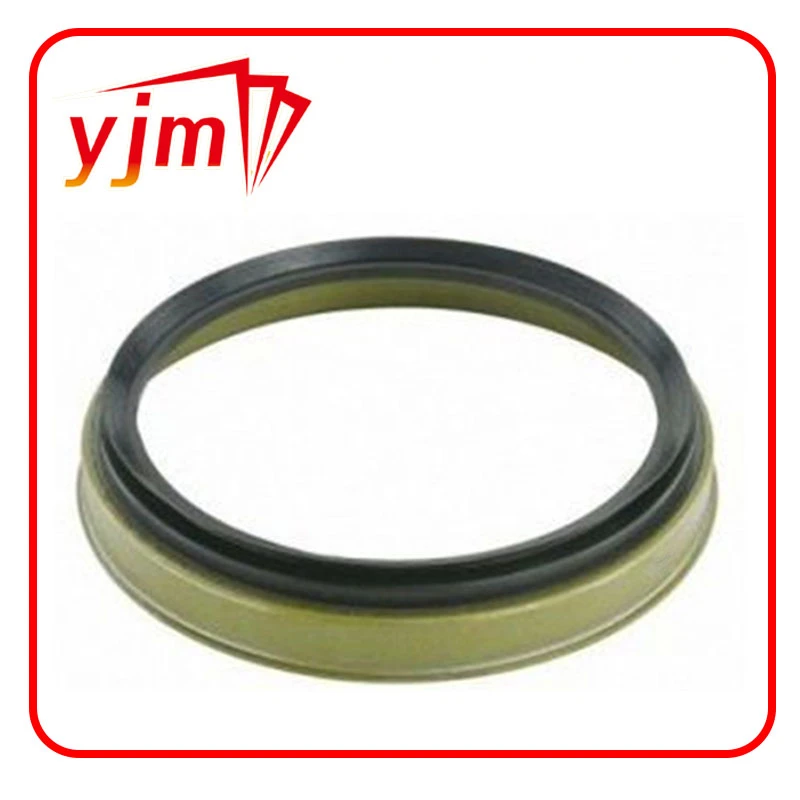
Seal, type v oil 9031287001 TOYOTA
-
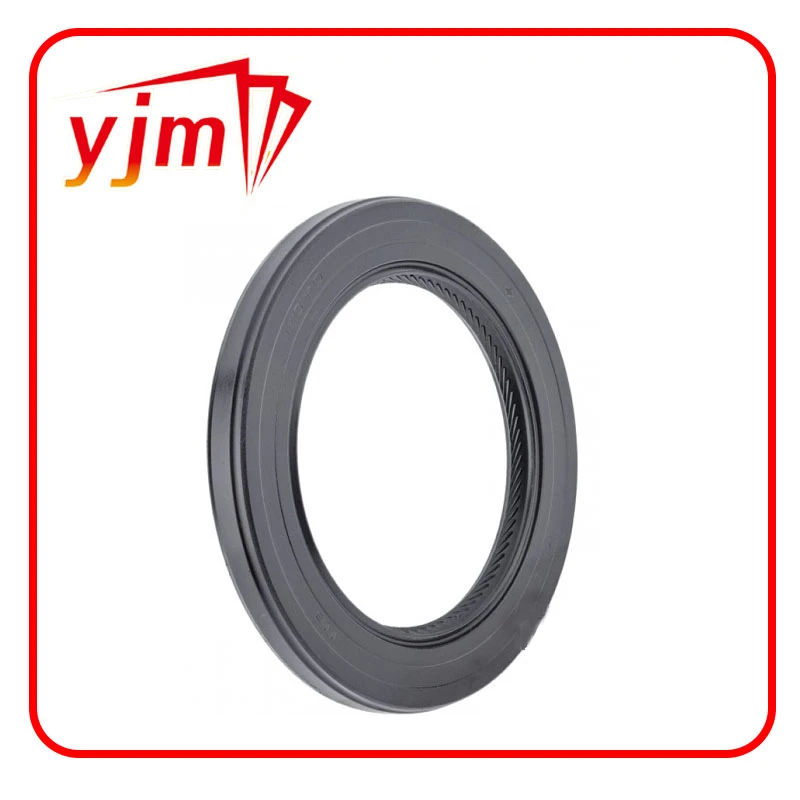
Oil pump seal 9031143010
-
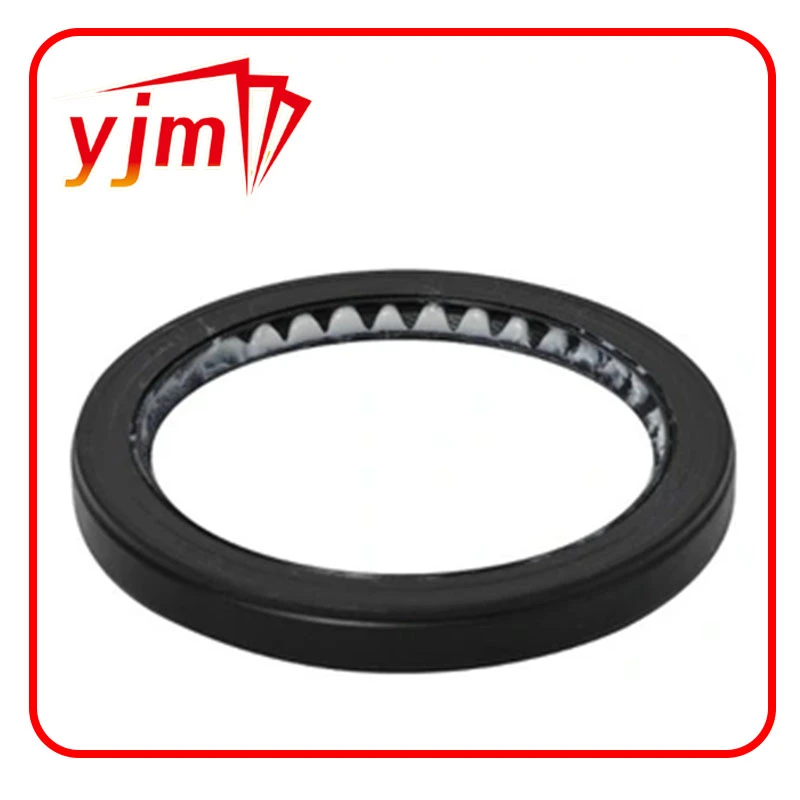
Genuine Toyota Oil SEAL 90311-54006
-
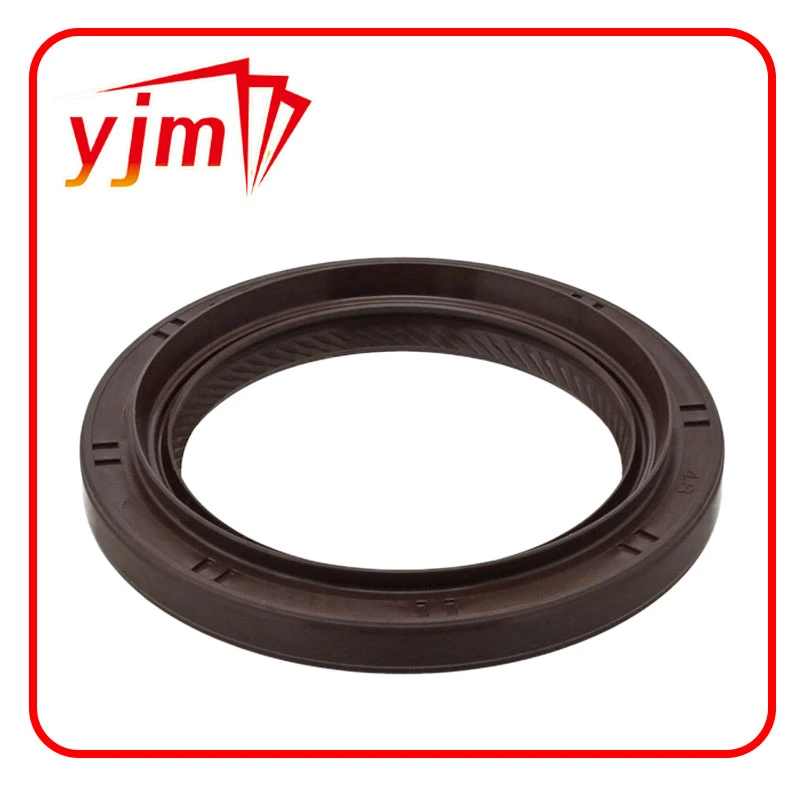
Toyota SEAL TYPE T OIL 90311-48031
-
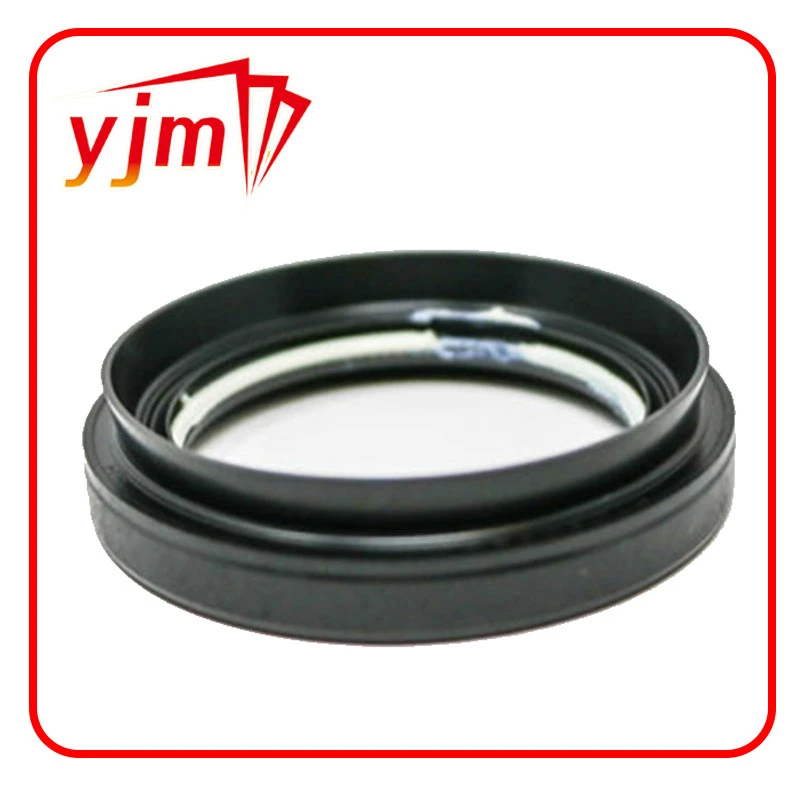
Type T Oil Seal, Front Drive Shaft, Left 9031150064
-
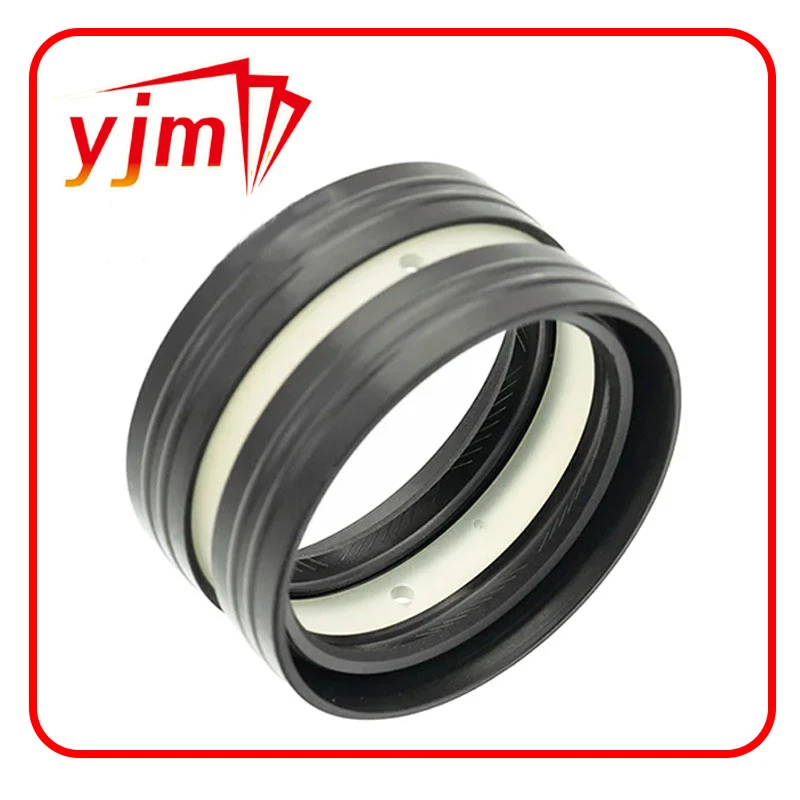
Seal, type d oil 9031634001 TOYOTA
 Afrikaans
 Albanian
 Amharic
 Arabic
 Armenian
 Azerbaijani
 Basque
 Belarusian
 Bengali
 Bosnian
 Bulgarian
 Catalan
 Cebuano
 Corsican
 Croatian
 Czech
Czech
 Danish
 Dutch
Dutch
 Esperanto
 Estonian
 Finnish
 French
 Frisian
 Galician
 Georgian
 German
 Greek
Greek
 Gujarati
 Haitian Creole
 Hausa
Hausa
 Hawaiian
 Hebrew
 Hindi
Hindi
 Miao
Miao
 Hungarian
 Icelandic
 Igbo
Igbo
 Indonesian
 Irish
Irish
 Italian
 Japanese
 Javanese
 Kannada
 Kazakh
 Khmer
Khmer
 Rwandese
 Korean
 Kurdish
 Kyrgyz
 Lao
Lao
 Latin
Latin
 Latvian
 Lithuanian
 Luxembourgish
 Macedonian
 Malgashi
 Malay
Malay
 Malayalam
 Maltese
 Maori
Maori
 Marathi
 Mongolian
 Myanmar
 Nepali
 Norwegian
 Norwegian
 Occitan
 Pashto
 Persian
 Polish
 Portuguese
 Punjabi
 Romanian
 Russian
 Samoan
 Scottish Gaelic
 Serbian
 Sesotho
 Shona
Shona
 Sindhi
 Sinhala
 Slovak
 Slovenian
 Somali
 Spanish
 Sundanese
 Swahili
 Swedish
 Tagalog
 Tajik
Tajik
 Tamil
Tamil
 Tatar
Tatar
 Telugu
 Thai
Thai
 Turkish
 Turkmen
 Ukrainian
 Urdu
Urdu
 Uighur
 Uzbek
Uzbek
 Vietnamese
 Welsh
Welsh
 Bantu
Bantu
 Yiddish
 Yoruba
 Zulu
Zulu
 English