Heavy Duty Plastic Seals for Secure Supply Chains & Humanitarian Aid
Heavy Duty Plastic Seals: What Are They and Why Do They Matter Globally?
Heavy duty plastic seals might sound like something tucked away inside industrial packaging, but their importance stretches far beyond that. These simple yet ingenious items play a critical role in supply chain security, transportation, and even humanitarian aid on a global scale. Understanding what they are and why they matter is key not only for industries but also for governments and NGOs striving to maintain integrity, safety, and efficiency in their operations. Across the world, when goods need to move securely—whether from remote mining sites to urban factories, or from aid warehouses to disaster zones—these seals help ensure what’s inside stays untouched by tampering or contamination. Given the increasing complexity of global logistics and heightened concerns about security and authenticity, heavy duty plastic seals have become indispensable. Their strength, tamper evidence, and versatility are just a few reasons why. But more on that soon.Introduction: The Global Importance of Heavy Duty Plastic Seals
Today’s interconnected world depends heavily on the secure movement of goods and materials. According to the World Bank, global merchandise trade exceeded $19 trillion in recent years, and countless shipments rely on seals to ensure package integrity. Beyond commerce, organizations like the United Nations have underscored the need for secure logistics in humanitarian efforts to deliver aid reliably without misdirection or theft. However, traditional metal or paper seals sometimes fall short—especially in harsh environments or long transit times. That’s where heavy duty plastic seals come in, offering durability and tamper-evidence that withstands rough handling and extreme weather. For industries and agencies alike, using these seals tackles the problem of unauthorized access, fraud, and spoiling of perishable goods. Even more, with growing demands for transparency and traceability in supply chains, these seals help verify authenticity and compliance, aligning with standards like ISO 17712 for cargo sealing. So when you hear about heavy duty plastic seals, you’re looking at a small but crucial piece of the global logistical puzzle.Defining Heavy Duty Plastic Seals: What Are They Exactly?
Heavy duty plastic seals, often called cable seals or bolt seals when referring to specific types, are robust locking devices made from engineered polymers designed to permanently secure containers, bags, and equipment. Unlike simple tags or fragile paper seals, these are built to resist cutting, impact, and environmental extremes such as UV rays, chemicals, and moisture. They typically consist of a plastic locking body combined with a steel cable or flexible plastic loop that threads through the locking point and snaps shut. Once locked, the seal cannot be reopened without visible damage, providing a clear tamper-evident mechanism. Industries from shipping and logistics to utilities and manufacturing use these seals to comply with security regulations, prevent contamination, and ensure chain of custody. Even in humanitarian or emergency contexts, they safeguard equipment, aid supplies, or fuel containers so they reach their intended recipients without interference. It’s funny how something so small and simple can be a cornerstone of modern industry and relief efforts alike. The need for basic trust and security—deciphered in a twisted little cable.Key Features That Make Heavy Duty Plastic Seals Essential
Durability & Tamper Resistance
Heavy duty plastic seals are engineered to withstand cutting tools, chemical corrosion, and extreme climates—whether it’s blistering desert sun or freezing arctic blasts. Their tamper-evident design means any unauthorized access leaves unmistakable signs.Customization & Traceability
Manufacturers often add unique serial numbers, barcodes, or RFID tags to seals, enabling easy tracking and verification. This helps supply chain managers keep a digital footprint of every locked container or asset.Cost Efficiency
Compared to heavy metal seals, plastic seals are lighter, cheaper, and easier to deploy in volume. For organizations shipping thousands of containers monthly, the savings add up.Compliance & Regulatory Alignment
Heavy duty plastic seals help companies meet international standards like ISO 17712, and customs requirements, which often mandate robust seals to reduce smuggling or tampering.Environmental Resistance
Plastic seals resist rust and degradation better than metal alternatives, making them ideal in humid or corrosive environments, and reducing waste by lasting longer during transport.Global Applications & Use Cases for Heavy Duty Plastic Seals
Let’s zoom out. Where exactly do these seals show up? Everywhere from the vast shipping lanes of Asia-Pacific to relief warehouses in Africa.- Shipping Containers: Ports worldwide rely on plastic seals to certify container closures before and after transit.
- Energy Sector: Seals protect valves and fuel tanks in oil rigs and refineries against unauthorized access.
- Humanitarian Aid: UN agencies and NGOs use them to ensure that food, medicine, and equipment get delivered intact in fragile contexts.
- Agriculture & Food Supply: Frozen and fresh cargoes receive protective seals to keep cold chains unbroken.
- Customs & Border Control: Customs officers use plastic seals as part of tamper-proof trade procedures.
Advantages & Long-Term Value
Why do so many industries swear by these seals? The benefits stack up quite nicely: - Enhanced Security: Reduced theft, adulteration, and fraud risks. - Cost Savings: Lower loss rates & fewer claims for damaged or tampered goods. - Sustainability: Lightweight plastic seals mean less transport emissions compared to metal alternatives; increasingly, biodegradable polymers are being adopted. - Social Impact: Trusted aid delivery fosters community dignity and trust. - Innovation: Integration with digital tracking leads to smarter logistics and better compliance. Safety feels intangible, but when you know your vaccine shipment or food aid container is sealed with a tamper-proof device, it’s reassuring. That peace of mind ripples outward — from individual recipients back into global supply trust.Product Specification Table: Example Heavy Duty Plastic Seal
| Specification | Details |
|---|---|
| Material | High-density polyethylene (HDPE) body with galvanized steel cable |
| Cable Length | 300 mm (customizable) |
| Tensile Strength | Minimum 300 kgf (kilogram-force) |
| Color Options | Red, Blue, Green, Yellow, Black (custom colors available) |
| Tamper Evidence | Visible cable break or deformation upon tampering |
| Serialization | Laser-engraved sequential numbers or barcodes |
Comparing Leading Vendors of Heavy Duty Plastic Seals
| Feature | YJM Seal | SealPro | SafeLock |
|---|---|---|---|
| Material Quality | HDPE + galvanized cable | ABS plastic + steel cable | Polypropylene + stainless steel |
| Tensile Strength | 300+ kgf | 275 kgf | 320 kgf |
| Customization Options | Colors, lengths, serialization | Colors and barcode only | Limited color range |
| Price (per 1000 units) | $850 | $900 | $880 |
| Lead Time | 2 weeks | 3-4 weeks | 3 weeks |
Future Trends & Innovations in Heavy Duty Plastic Seals
Technology never sleeps, and it’s reshaping heavy duty plastic seals too. Increasingly, firms are embedding RFID chips and QR codes to allow digital scanning, freedom from paperwork, and real-time status updates. Then there’s the drive toward sustainability — bioplastics are making their way into seals without sacrificing strength, responding to growing environmental concerns. Automation and smart logistics also dovetail with these innovations. Imagine a smart seal that not only signals tampering but records the time and GPS of such attempts. This is no longer science fiction but something early adopters are piloting. As governments tighten customs security and supply chain transparency laws evolve—particularly following pandemic-driven disruptions—these innovations will likely become the new norm. And we’ll probably see more tailored seals for specific challenges, such as temperature-sensitive and hazardous cargos.Challenges and Ways to Overcome Them
Of course, no solution is flawless. Sometimes seals fall victim to counterfeiters using imitation seals. Durability in extreme cold or certain chemicals can also be compromised, depending on materials used. Plus, not every supply chain actor uses seals consistently, undermining their effectiveness. To counter these, companies invest in advanced materials harder to replicate and incorporate unique serialization combined with digital traceability. Training end-users on proper seal application and detection is often underrated but vitally important. Collaborations between manufacturers, customs, and industry stakeholders help build effective sealing protocols. In sum, heavy duty plastic seals are as good as the system backing their deployment — but responsible use paired with innovation continues to push their reliability upward.Frequently Asked Questions About Heavy Duty Plastic Seals
- What types of materials are used to make heavy duty plastic seals?
- Most seals use high-density polyethylene (HDPE) or polypropylene for the locking body combined with galvanized or stainless steel cables to balance durability and tamper resistance.
- How can I verify if a heavy duty plastic seal has been tampered with?
- These seals are designed to show visible signs like cable breakage, deformation, or damaged locking mechanisms if opened. Some also incorporate serialized markings or RFID for authenticity checks.
- Are these seals reusable?
- No. Heavy duty plastic seals are single-use and permanently locked. Opening them means destroying the seal, guaranteeing tamper evidence.
- Can I customize the seals with my company name or logo?
- Yes. Many manufacturers offer laser engraving or printing options for branding, serial numbers, barcodes, or QR codes for tracking purposes.
- What industries most commonly use these seals?
- Shipping, logistics, customs, energy, agriculture, and humanitarian organizations use plastic seals to secure containers, fuel tanks, food shipments, and equipment.
Conclusion & Call to Action
Heavy duty plastic seals quietly keep global trade, aid delivery, and industrial safety ticking along without a hitch. Their blend of toughness, tamper evidence, and adaptability meets modern demands from freight to humanitarian missions. As technology and sustainability goals evolve, so too will these tiny, mighty devices. If security and reliability are priorities in your operations, you might want to explore the latest options in heavy duty plastic seals. Imagine the peace of mind that comes with every sealed container or piece of equipment. Stay ahead in safeguarding your supply chain – because sometimes the smallest seal packs the biggest punch.References
-
Guide to Choosing the Right Washer for Oil Change and Sealing
News Apr.16,2026
-
Essential Guide to High Quality rubber washer oil drain plug
News Apr.09,2026
-
Understanding Rubber Crush Washers for Optimal Sealing Performance
News Apr.07,2026
-
Comprehensive Guide to Understanding and Reusing Crush Washer for Optimal Sealing
News Apr.04,2026
-
The Vital Role of a Drain Screw Gasket in Fluid System Integrity
News Mar.31,2026
-
The Essential Guide to Drain Crush Washer Selection and Plumbing Leak Prevention
News Mar.28,2026
-
The Vital Role of a Crush Washer in Oil Changes for Engine Protection
News Mar.26,2026
Products categories
-
Brass cutlass marine bearing
-
Genuine OEM Engine Oil Filter Housing Cover O-Ring For VW/Audi 06E115446
-
Oil Filter Stand Gasket,Oil filter cover seal
-
Oil Cooler Gasket, Oil Cooler to Oil Filter Housing 11427525335
-
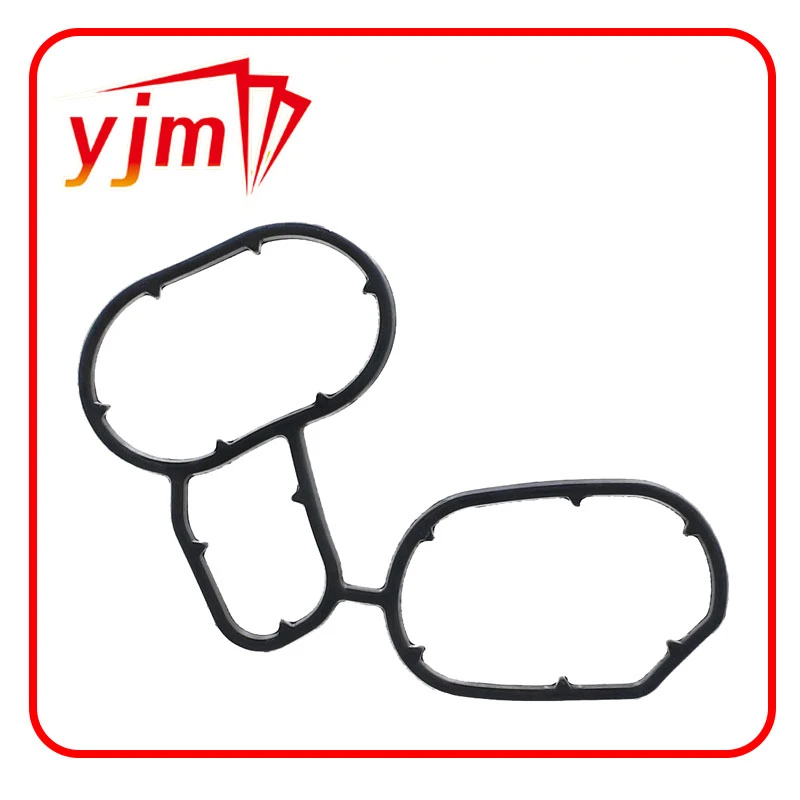
11427508970 BMW - OIL FILTER HOUSING GASKETS
-
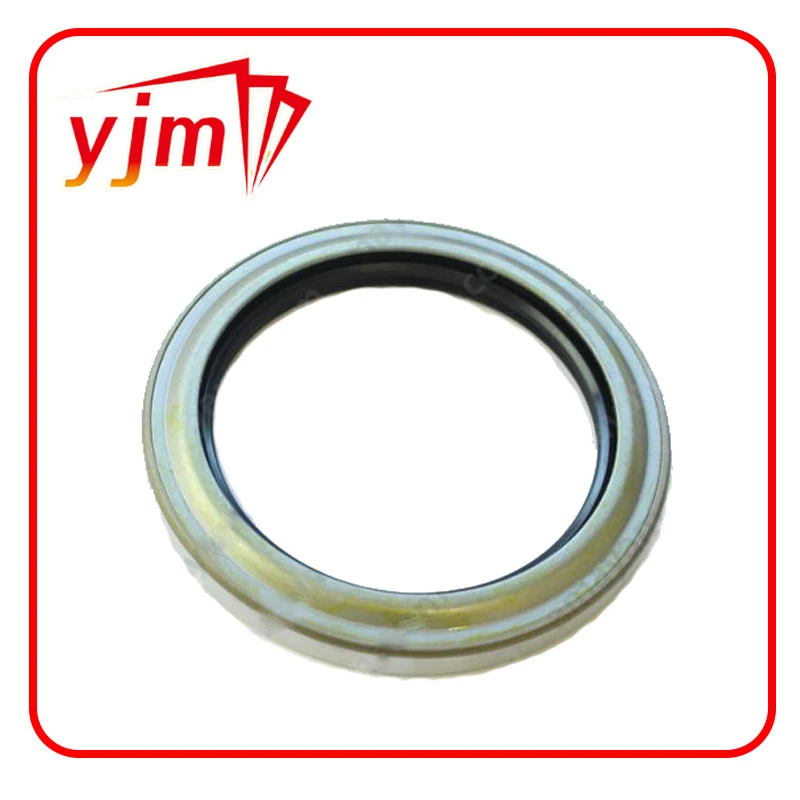
SEAL, OIL Genuine Toyota (9031170011)
-
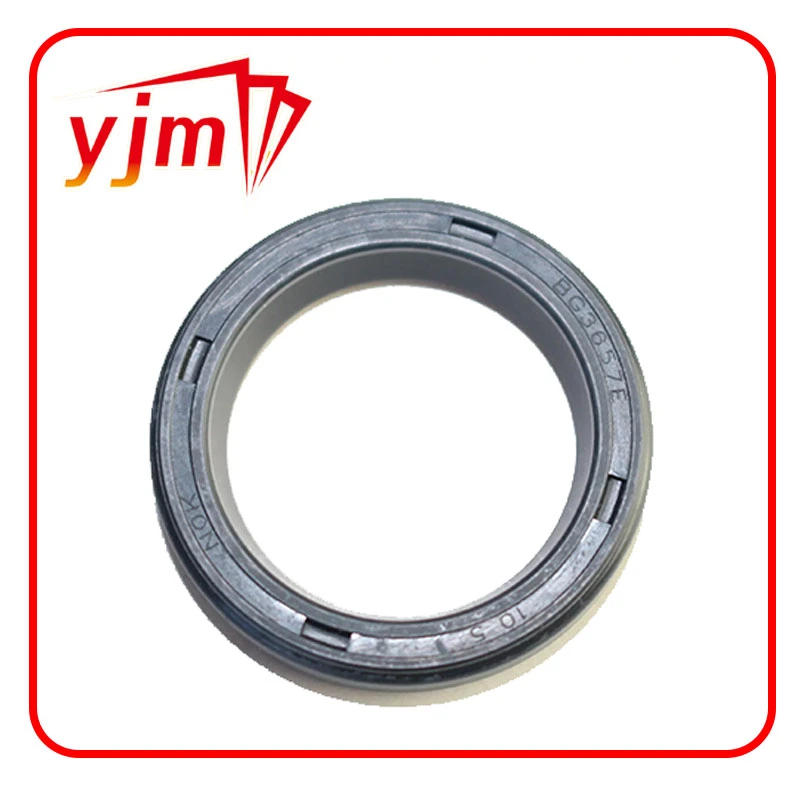
Transfer Case Output Shaft Seal Part 9031223001
-
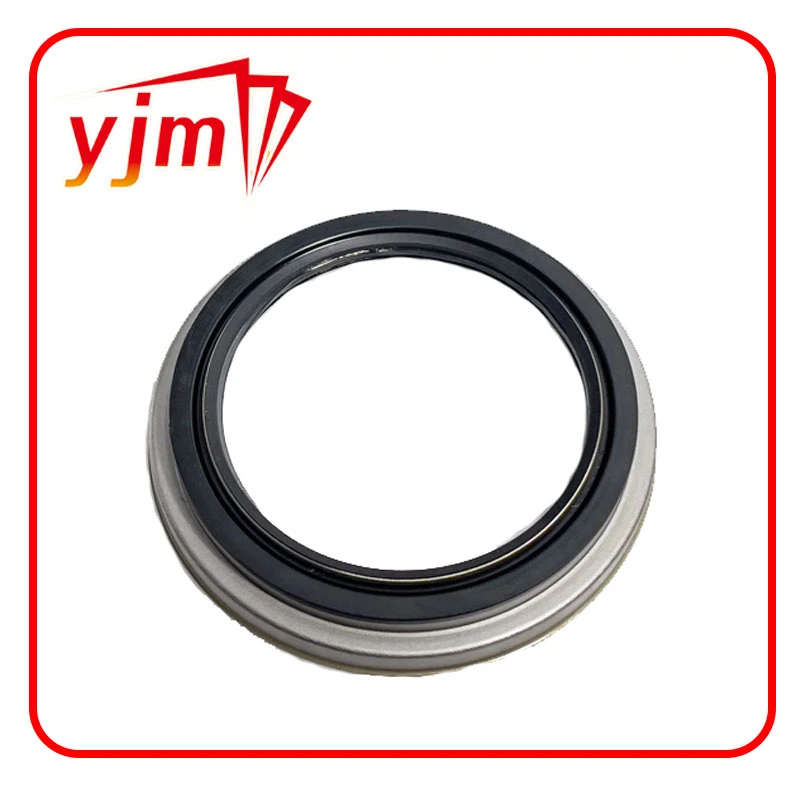
SEAL, OIL Genuine Toyota (9031672001)
-
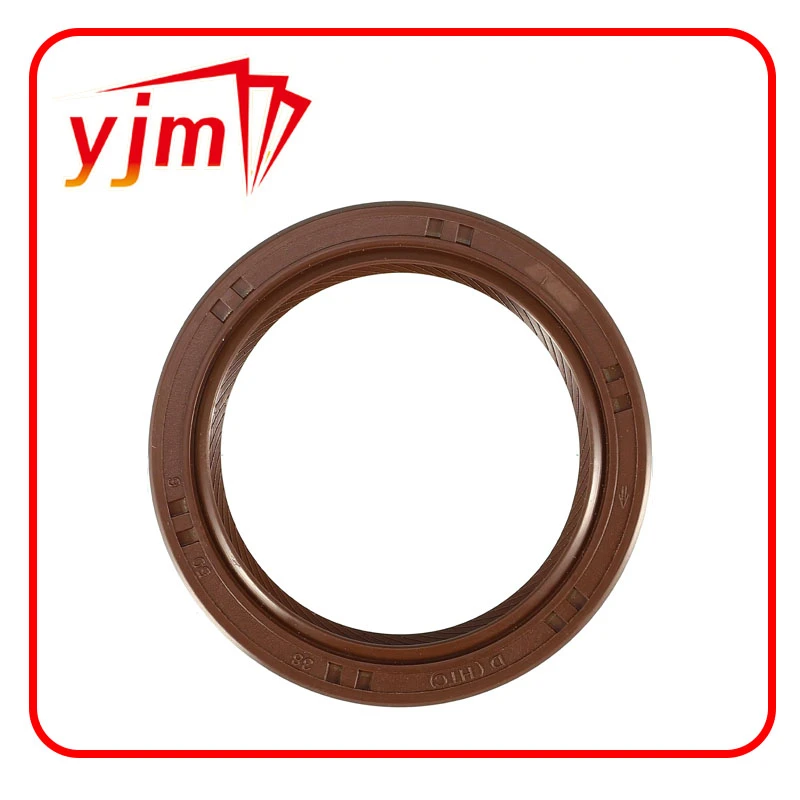
Engine Crankshaft Oil Seal No.9031138096
-
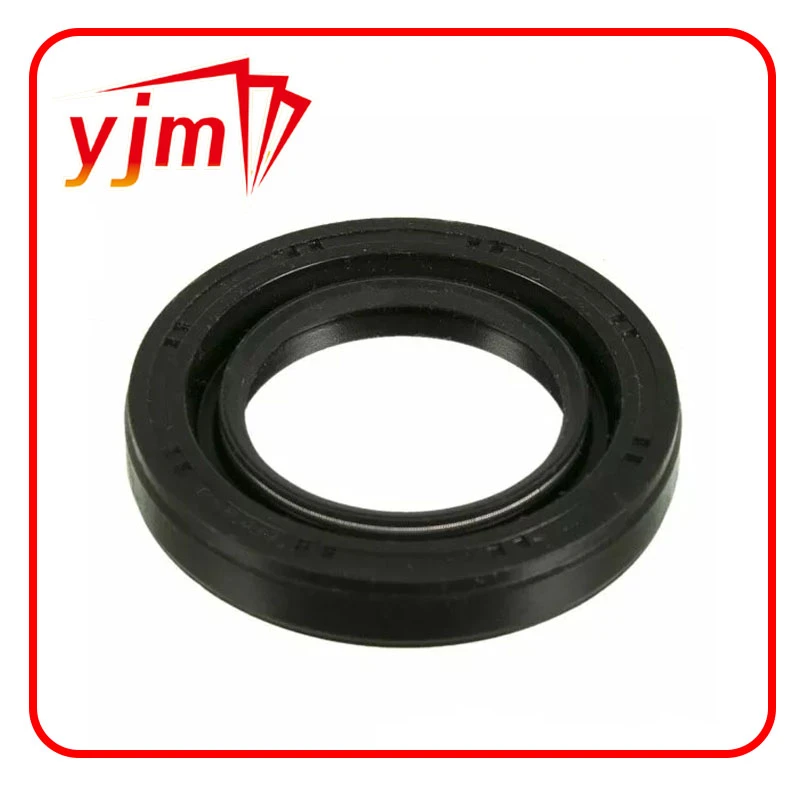
Toyota Transfer Case Output Shaft Seal Front 9031136006
-
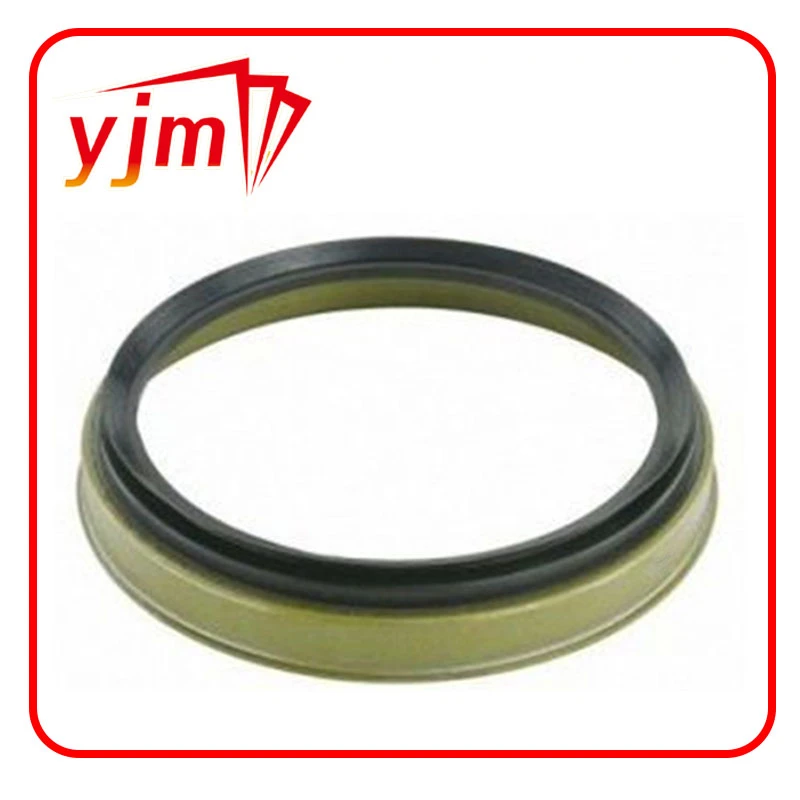
Seal, type v oil 9031287001 TOYOTA
-
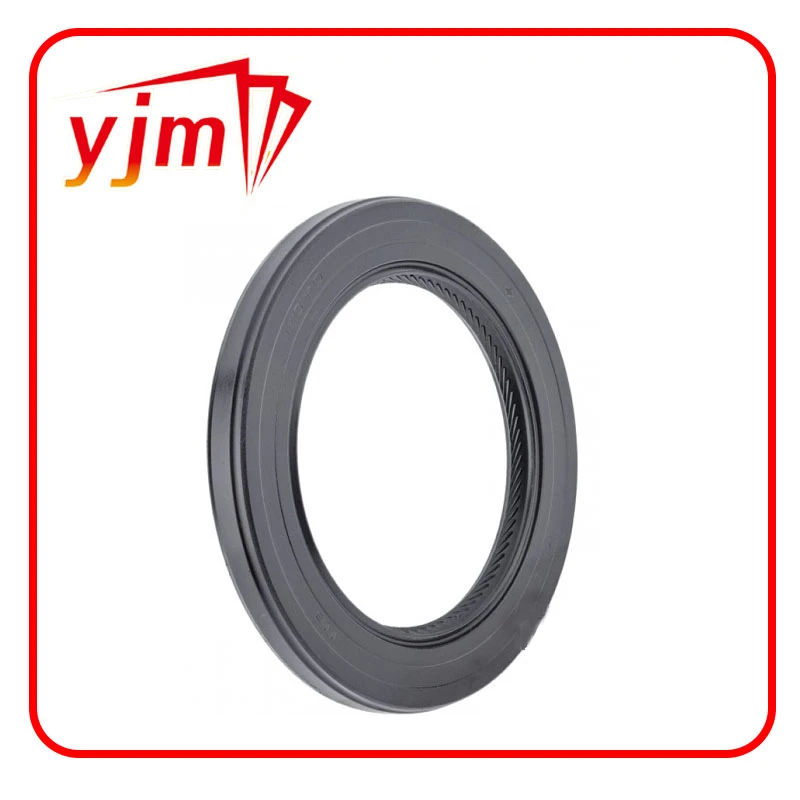
Oil pump seal 9031143010
-
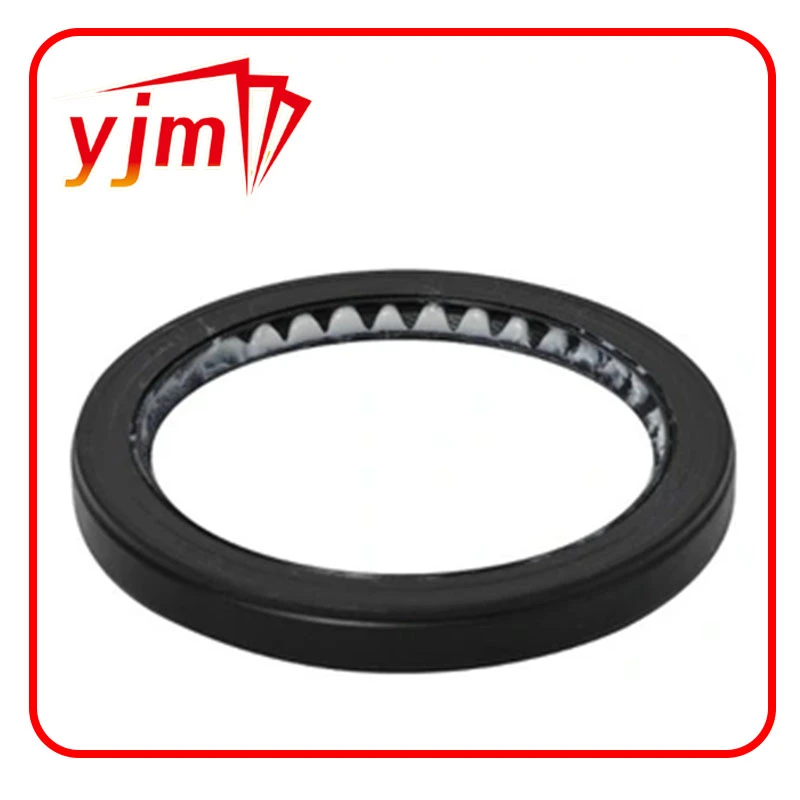
Genuine Toyota Oil SEAL 90311-54006
-
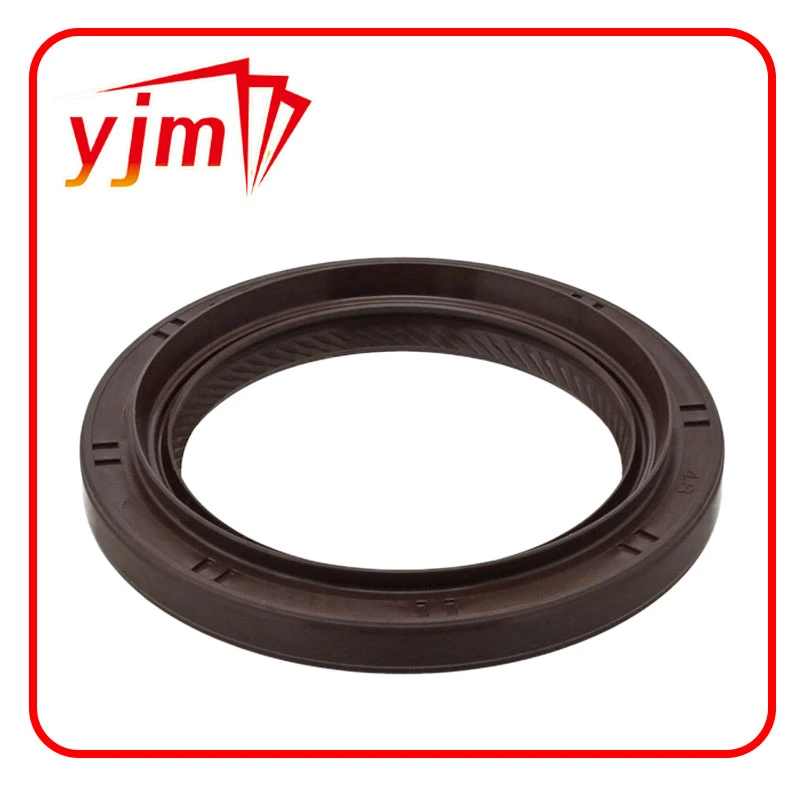
Toyota SEAL TYPE T OIL 90311-48031
-
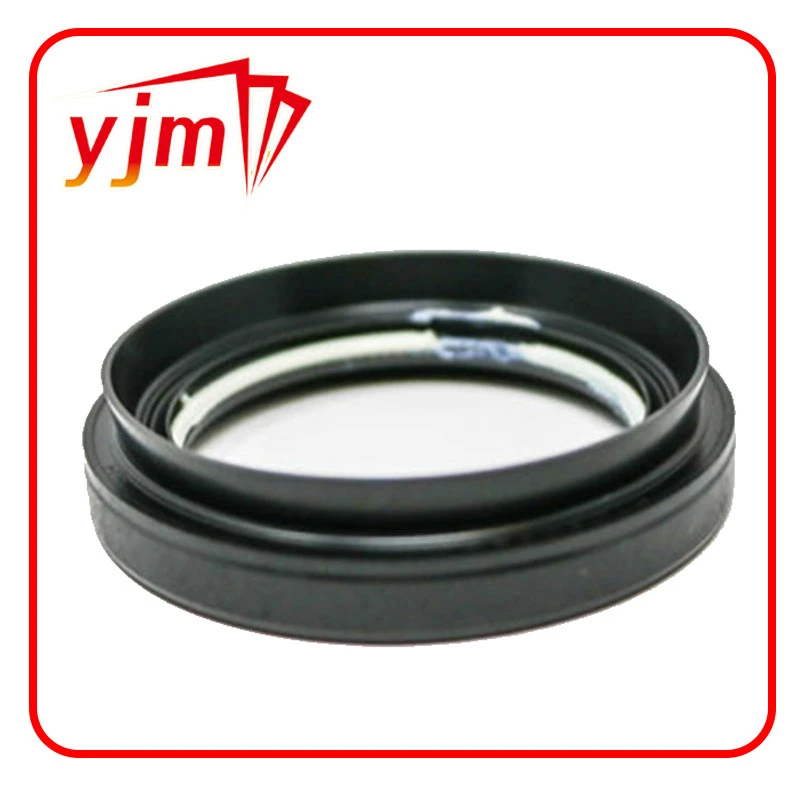
Type T Oil Seal, Front Drive Shaft, Left 9031150064
-
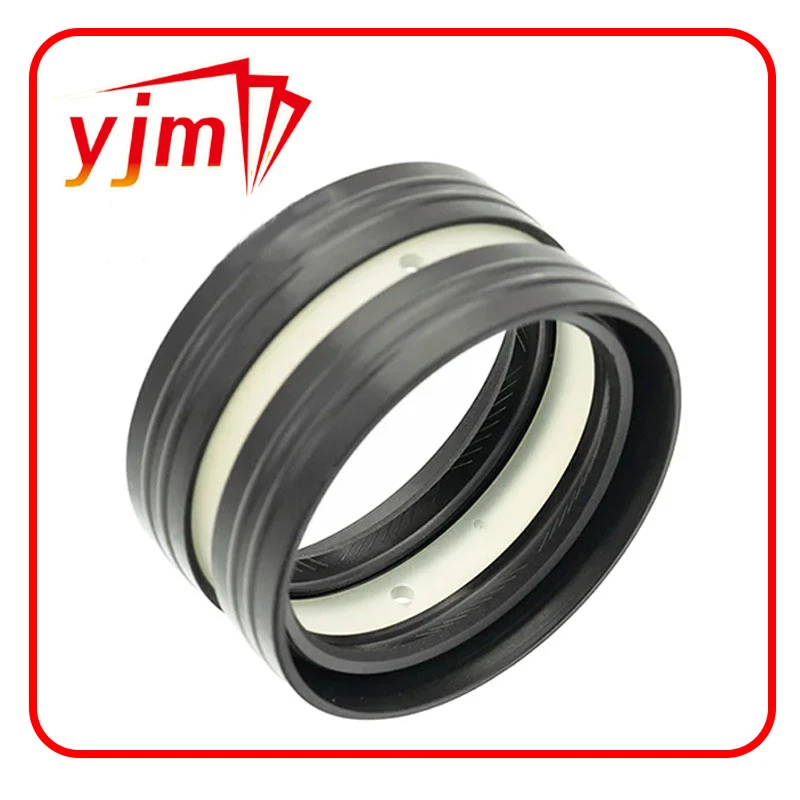
Seal, type d oil 9031634001 TOYOTA
 Afrikaans
 Albanian
 Amharic
 Arabic
 Armenian
 Azerbaijani
 Basque
 Belarusian
 Bengali
 Bosnian
 Bulgarian
 Catalan
 Cebuano
 Corsican
 Croatian
 Czech
Czech
 Danish
 Dutch
Dutch
 Esperanto
 Estonian
 Finnish
 French
 Frisian
 Galician
 Georgian
 German
 Greek
Greek
 Gujarati
 Haitian Creole
 Hausa
Hausa
 Hawaiian
 Hebrew
 Hindi
Hindi
 Miao
Miao
 Hungarian
 Icelandic
 Igbo
Igbo
 Indonesian
 Irish
Irish
 Italian
 Japanese
 Javanese
 Kannada
 Kazakh
 Khmer
Khmer
 Rwandese
 Korean
 Kurdish
 Kyrgyz
 Lao
Lao
 Latin
Latin
 Latvian
 Lithuanian
 Luxembourgish
 Macedonian
 Malgashi
 Malay
Malay
 Malayalam
 Maltese
 Maori
Maori
 Marathi
 Mongolian
 Myanmar
 Nepali
 Norwegian
 Norwegian
 Occitan
 Pashto
 Persian
 Polish
 Portuguese
 Punjabi
 Romanian
 Russian
 Samoan
 Scottish Gaelic
 Serbian
 Sesotho
 Shona
Shona
 Sindhi
 Sinhala
 Slovak
 Slovenian
 Somali
 Spanish
 Sundanese
 Swahili
 Swedish
 Tagalog
 Tajik
Tajik
 Tamil
Tamil
 Tatar
Tatar
 Telugu
 Thai
Thai
 Turkish
 Turkmen
 Ukrainian
 Urdu
Urdu
 Uighur
 Uzbek
Uzbek
 Vietnamese
 Welsh
Welsh
 Bantu
Bantu
 Yiddish
 Yoruba
 Zulu
Zulu
 English