Harmonic Balancer Seal: Essential Guide to Performance & Reliability
Understanding the Harmonic Balancer Seal: Why It Matters Globally
At first glance, a harmonic balancer seal might sound like a niche auto part, tucked away in the engine bay and hardly mentioned at dinner tables worldwide. Yet, this small, often overlooked component plays a crucial role in ensuring the longevity and efficient operation of engines across countless industries. From automotive manufacturers in Detroit to heavy machinery operators in Southeast Asia, the harmonic balancer seal silently prevents catastrophic failures by securing and protecting engine components from harmful contaminants.
In an increasingly industrialized and automated world, understanding the harmonic balancer seal is more than just an engineer’s concern — it’s about safeguarding equipment investment, reducing environmental waste, and supporting global supply chain efficiency. Here’s why this seemingly small part deserves a bigger place in the conversation.
The Global Relevance and Challenges of Harmonic Balancer Seals
Globally, investment in heavy-duty machinery and automotive manufacturing drives billions in economic activity annually. According to the International Organization for Standardization (ISO), equipment downtime due to engine failures accounts for a significant portion of maintenance costs worldwide.
The harmonic balancer seal, often the first line of defense against oil leaks and belt misalignments, directly influences this downtime statistic. When these seals fail, leaks can cause engine vibration imbalances, damaging costly components and leading to unplanned repairs.
Particularly in fast-growing industrial regions like China, India, and emerging markets in Africa, the cost and availability of quality spare parts — including harmonic balancer seals — present an ongoing challenge to maintaining machinery uptime. These challenges call for reliable seal designs that balance affordability, durability, and ease of installation.
What Exactly Is a Harmonic Balancer Seal?
Put simply, a harmonic balancer seal is a specialized gasket fitted around the crankshaft’s harmonic balancer. Its job? To prevent oil and contaminants from leaking out of or into the crankcase area where the balancer operates.
The “harmonic balancer” itself is a weighted device that absorbs vibrations from the engine’s crankshaft rotation, improving smoothness and preventing wear. But without a reliable seal, those vibrations can cause leaks that jeopardize engine performance. This is why the seal’s integrity is essential to prolonging engine life.
More broadly, this small part connects to modern industry and humanitarian needs by ensuring that critical vehicles and machines remain operational, especially in remote or disaster-prone areas where equipment failure can stall vital aid or production.
Key Features of Harmonic Balancer Seals
1. Durability Under Stress
These seals must endure high temperatures (often up to 150°C or more) and chemical exposure to engine oils without degrading. Materials such as nitrile rubber (NBR), fluorocarbon (FKM), or silicone are commonly used. The seal has to remain flexible while resisting abrasion — a precise balance.
2. Precision Fit and Compatibility
Owing to various engine designs, the seal dimensions—including internal diameter, outer diameter, and thickness—have to be spot on. A poor fit leads to leaks and premature failures, so compatibility with the exact harmonic balancer is non-negotiable.
3. Resistance to Oil and Contaminants
The seal must block liquids like motor oil, coolant, and contaminants such as dust or dirt effectively. This keeps the engine internals clean and functioning optimally.
4. Ease of Installation
Field engineers and mechanics often appreciate seals designed for straightforward installation. Reduced complexity means faster turnaround times and less risk of damage during setup.
5. Environmental Suitability
Whether a vehicle is operating in dusty deserts or humid jungles, the seal needs to maintain its integrity. Special formulations sometimes enhance resilience to UV exposure or extreme weather.
Mini takeaway:
When evaluating harmonic balancer seals, balancing durability, chemical resistance, fit, and environmental factors makes all the difference between a reliable engine and one destined for repeated repairs.
Where Do Harmonic Balancer Seals Come into Play Globally?
This component finds vital use in multiple industries:
- Automotive Manufacturing: Passenger cars and heavy trucks rely on them to sustain smooth engine operation and meet emission standards worldwide.
- Construction & Mining Equipment: Machines working in rugged environments, like backhoes and excavators, need durable seals to cope with heat and grime.
- Agricultural Machinery: Tractors and harvesters in remote areas can’t afford downtime—quality seals help keep them running season after season.
- Disaster Relief Vehicles: Emergency response vehicles, often pushed to their limits in harsh conditions, depend on flawless components to deliver critical aid.
- Maritime & Industrial Engines: These engines experience continuous operation where seal failures risk costly interruptions.
It’s no coincidence that countries with large-scale manufacturing bases or harsh terrain emphasize high-quality seal standards to prolong equipment life.
Advantages and Long-Term Value of Investing in Quality Harmonic Balancer Seals
On a surface level, these seals reduce leakage and vibration issues. But dig a bit deeper, and the benefits multiply:
- Cost Savings: Preventing leaks means less frequent repairs, reduced oil consumption, and lower downtime.
- Environmental Impact: Avoiding oil leaks reduces soil and water pollution, contributing to cleaner operations.
- Operational Reliability: Ensures smoother engine performance, resulting in safer and more predictable machine usage.
- Extended Equipment Lifespan: Protecting critical components means engines last longer, delaying expensive replacements.
- Peace of Mind: Knowing your machines have robust sealing solutions fosters trust between operators and maintenance teams.
Product Specification Table: Typical Harmonic Balancer Seal Features
| Specification | Typical Value | Remarks |
|---|---|---|
| Material | Nitrile Rubber (NBR), FKM | Heat & oil resistant |
| Temperature Range | -40°C to 150°C | Suitable for gasoline/diesel engines |
| Inside Diameter (ID) | Varies: 40mm - 120mm | Engine-specific fit |
| Outside Diameter (OD) | Varies: 70mm - 180mm | Ensures proper seal pressure |
| Pressure Resistance | Up to 60 psi | Withstands crankcase pressure fluctuations |
Top Vendors Comparison: Picking the Right Harmonic Balancer Seal Supplier
| Vendor | Material Quality | Customization | Lead Time | Warranty |
|---|---|---|---|---|
| YJM Seal | High-grade FKM & NBR | Full custom sizes | 2-3 weeks | 12 months |
| Global Seal Co. | Standard NBR blends | Limited | 4-5 weeks | 6 months |
| SealTech Industries | Premium FKM variants | Moderate | 3-4 weeks | 9 months |
Looking Ahead: Future Trends and Innovations in Harmonic Balancer Seals
Technology isn’t standing still. In fact, innovation in materials science continues to push the boundaries for harmonic balancer seals. One promising trend is the development of bio-based elastomers — materials derived from renewable resources designed to perform as well as synthetic rubber but with a smaller carbon footprint.
Another area gaining traction is incorporating sensors within the seal assembly to provide real-time feedback on wear and leaking signs. Such digital sensing integration could transform maintenance from reactive to predictive, saving companies time and money.
Additionally, stricter global emissions and sustainability regulations are driving demand for seals with higher resistance to increasingly demanding lubricant chemistries and operating conditions.
Challenges and Practical Solutions
Despite progress, challenges remain. For example, sourcing high-grade sealing materials consistently can be difficult in emerging markets, sometimes forcing manufacturers to compromise on quality. Also, improper installation remains a significant cause of premature seal failure.
Experts recommend thorough training for technicians on seal handling, correct tool usage during installation, and routine inspection protocols. Investing in seals from reputable vendors who offer technical support (like harmonic balancer seal specialists) can also mitigate many common issues.
Frequently Asked Questions About Harmonic Balancer Seal
- Q: How often should harmonic balancer seals be replaced?
- A: Typically, seals last between 60,000 to 100,000 miles depending on vehicle use and environment. Signs of oil leaks or unusual engine vibration are good indicators to check seals.
- Q: Can I replace a harmonic balancer seal myself?
- A: While possible for experienced mechanics with the right tools, seal installation is delicate. Improper fitting can cause leaks or damage, so professional installation is usually recommended.
- Q: Are all harmonic balancer seals interchangeable?
- A: No, each engine model has specific size and material requirements. Using the exact seal designed for your engine model ensures proper function.
- Q: Do harmonic balancer seals affect engine performance?
- A: Indirectly, yes. Seals prevent leaks and maintain vibration damping, both of which contribute to consistent engine operation and longevity.
- Q: What materials provide the best resistance for these seals?
- A: Fluorocarbon (FKM) seals generally outperform nitrile rubber (NBR) in high temperature and chemical resistance, though cost and application context influence material choice.
Wrapping Up: The Value of a Quality Harmonic Balancer Seal
In the grand scheme of engine maintenance, a harmonic balancer seal may seem like a minor player. But in real terms, it is a linchpin for keeping machines running smooth and safe. Whether you're in manufacturing, agriculture, or emergency response, investing in quality seals means fewer interruptions, less environmental impact, and a more reliable daily operation. Curious to see which options best fit your needs? Check out the offerings at https://www.yjmseal.com — often a great starting point to avoid surprises down the road.
References
-
Guide to Choosing the Right Washer for Oil Change and Sealing
News Apr.16,2026
-
Essential Guide to High Quality rubber washer oil drain plug
News Apr.09,2026
-
Understanding Rubber Crush Washers for Optimal Sealing Performance
News Apr.07,2026
-
Comprehensive Guide to Understanding and Reusing Crush Washer for Optimal Sealing
News Apr.04,2026
-
The Vital Role of a Drain Screw Gasket in Fluid System Integrity
News Mar.31,2026
-
The Essential Guide to Drain Crush Washer Selection and Plumbing Leak Prevention
News Mar.28,2026
-
The Vital Role of a Crush Washer in Oil Changes for Engine Protection
News Mar.26,2026
Products categories
-
Brass cutlass marine bearing
-
Genuine OEM Engine Oil Filter Housing Cover O-Ring For VW/Audi 06E115446
-
Oil Filter Stand Gasket,Oil filter cover seal
-
Oil Cooler Gasket, Oil Cooler to Oil Filter Housing 11427525335
-
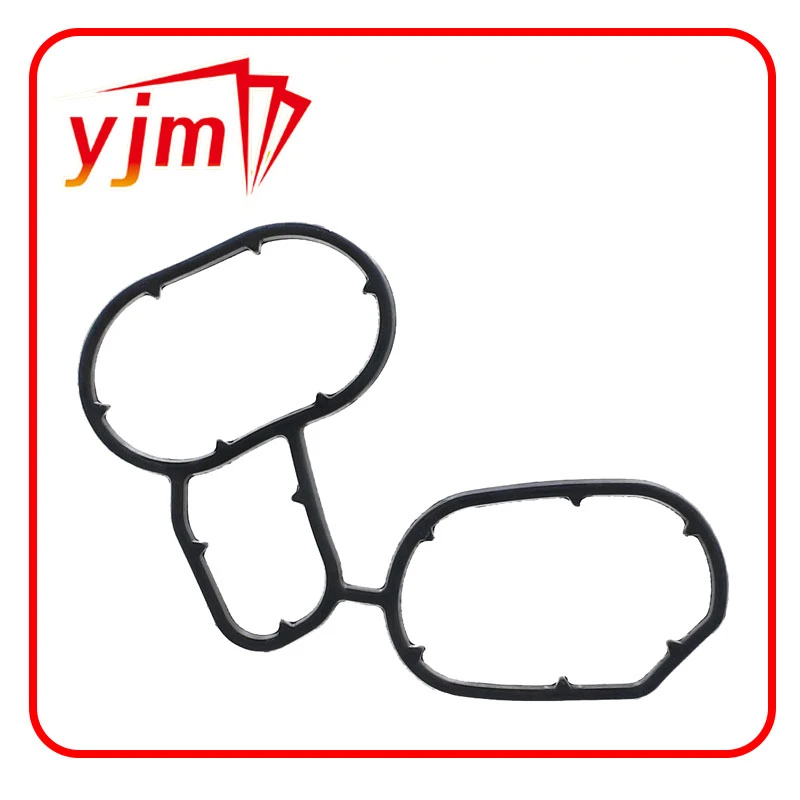
11427508970 BMW - OIL FILTER HOUSING GASKETS
-
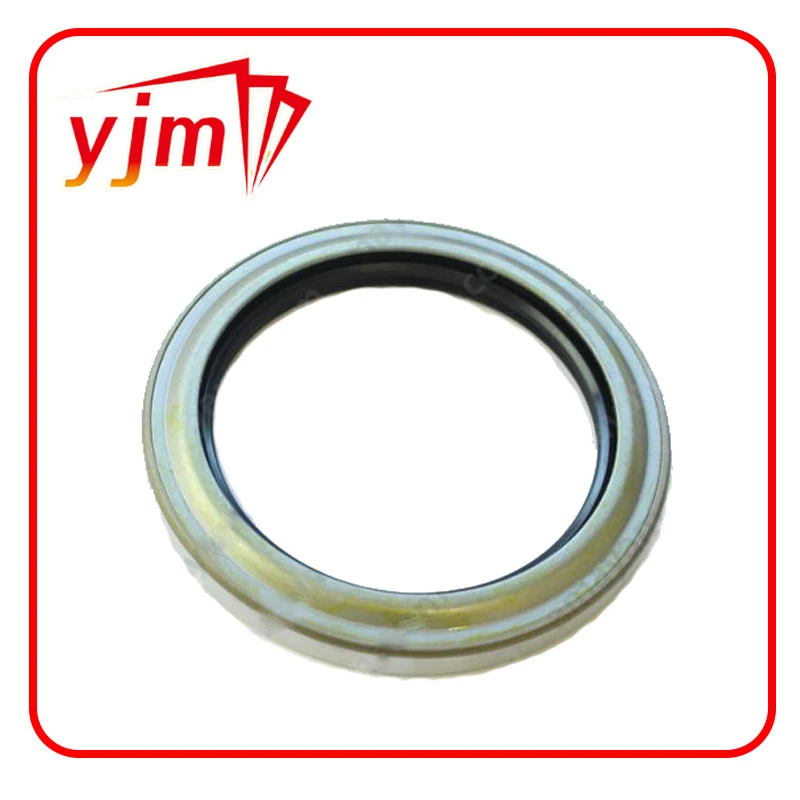
SEAL, OIL Genuine Toyota (9031170011)
-
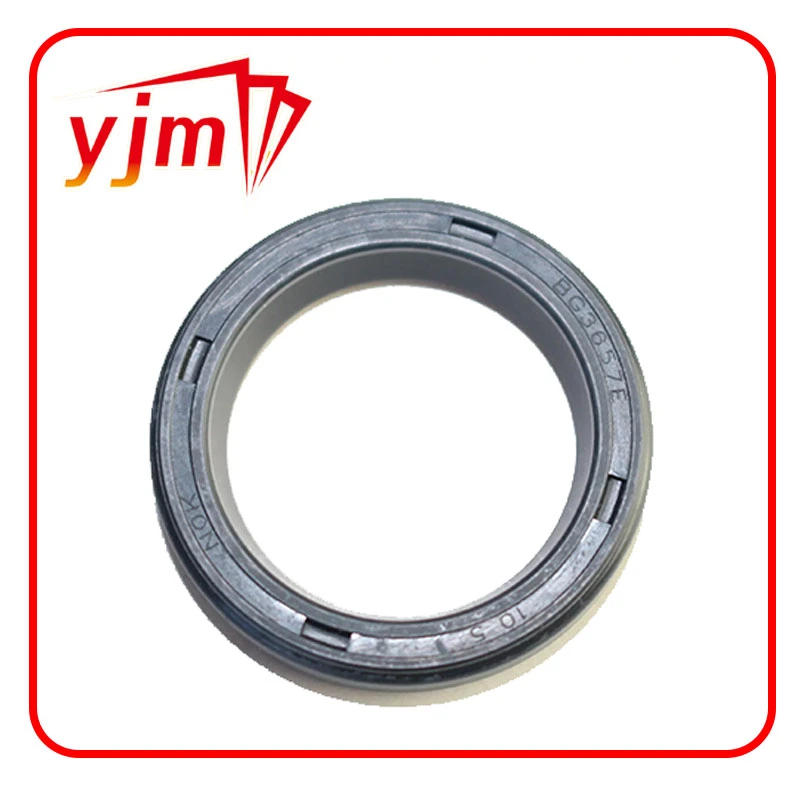
Transfer Case Output Shaft Seal Part 9031223001
-
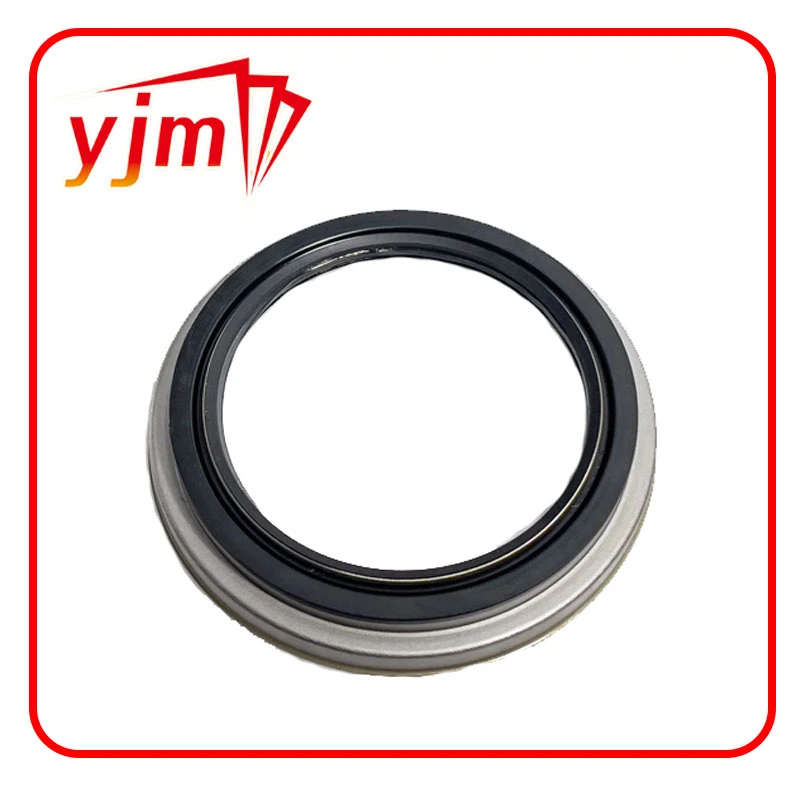
SEAL, OIL Genuine Toyota (9031672001)
-
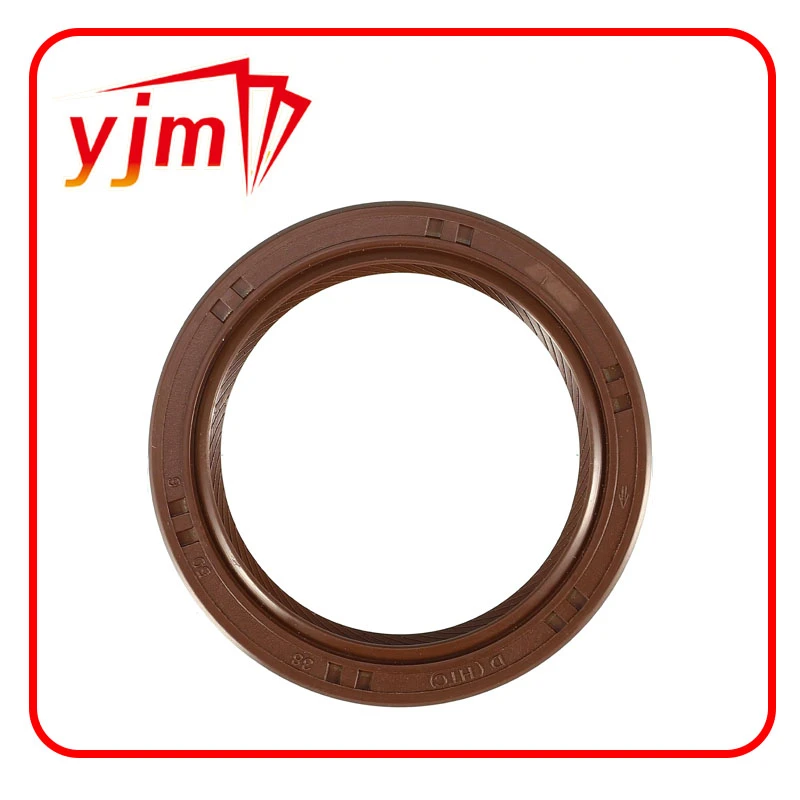
Engine Crankshaft Oil Seal No.9031138096
-
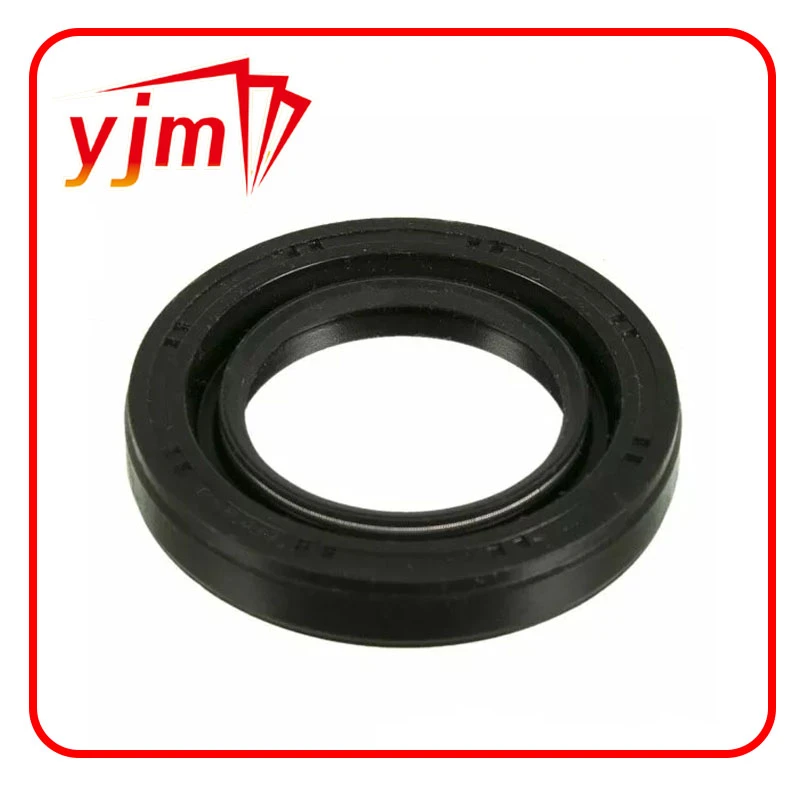
Toyota Transfer Case Output Shaft Seal Front 9031136006
-
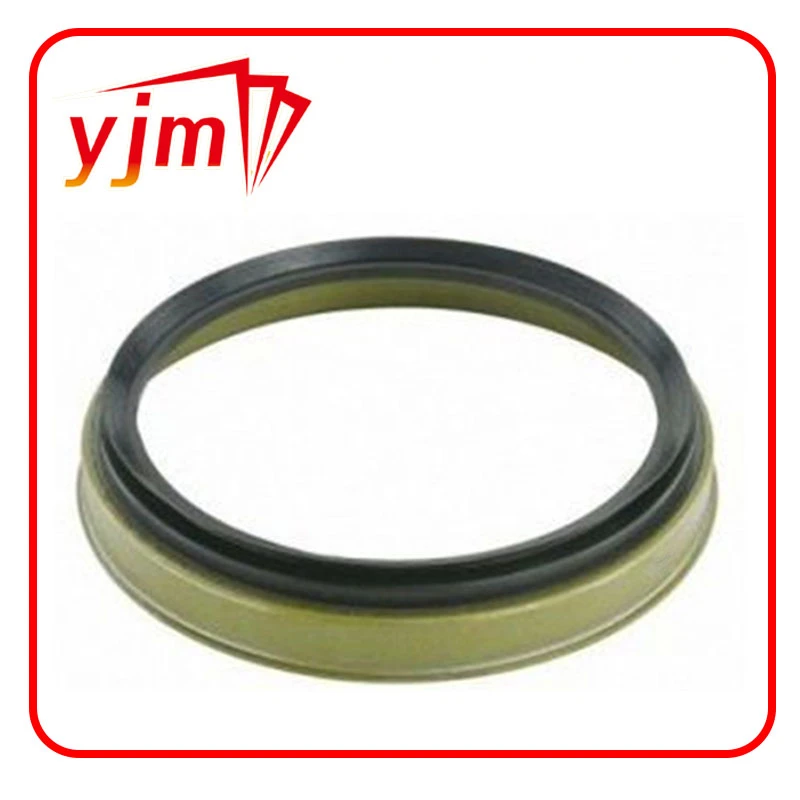
Seal, type v oil 9031287001 TOYOTA
-
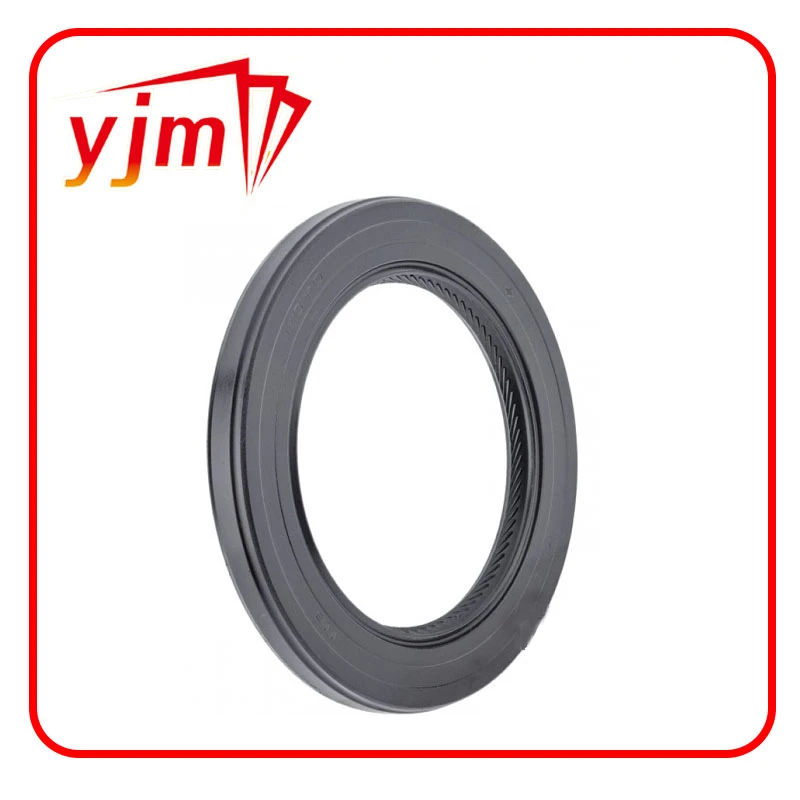
Oil pump seal 9031143010
-
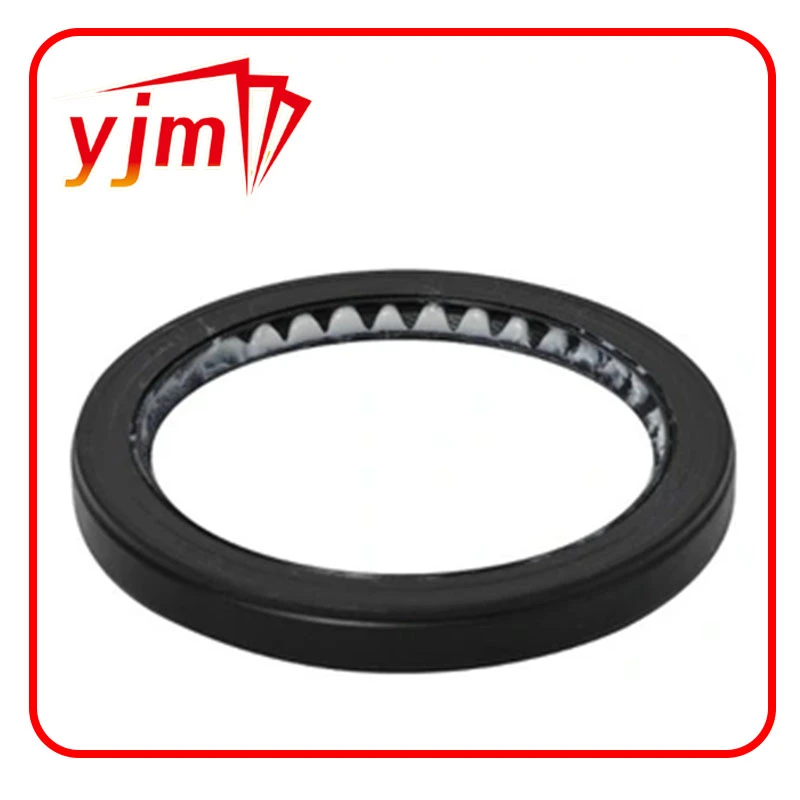
Genuine Toyota Oil SEAL 90311-54006
-
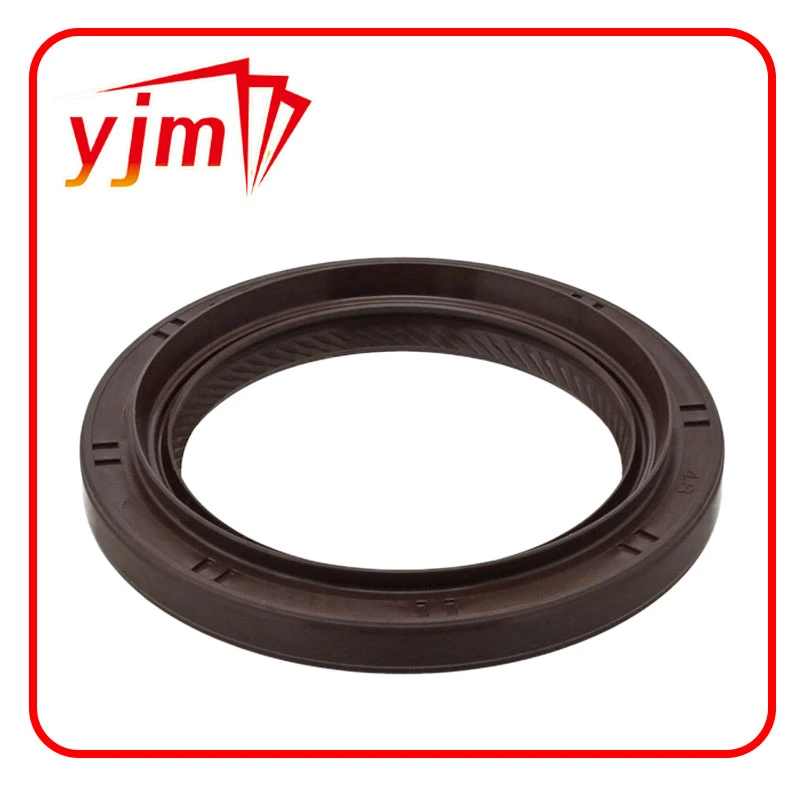
Toyota SEAL TYPE T OIL 90311-48031
-
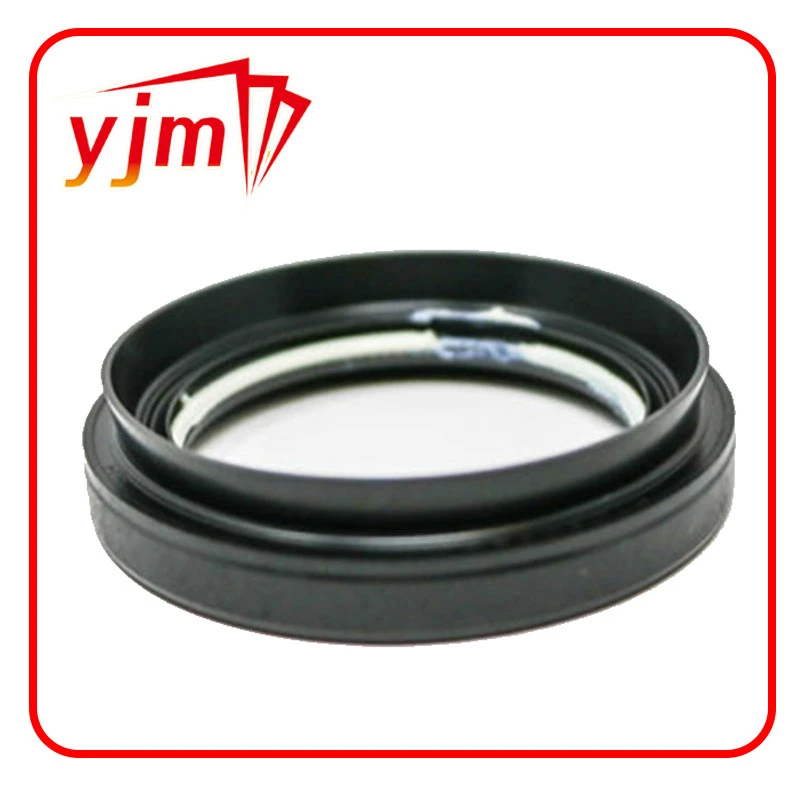
Type T Oil Seal, Front Drive Shaft, Left 9031150064
-
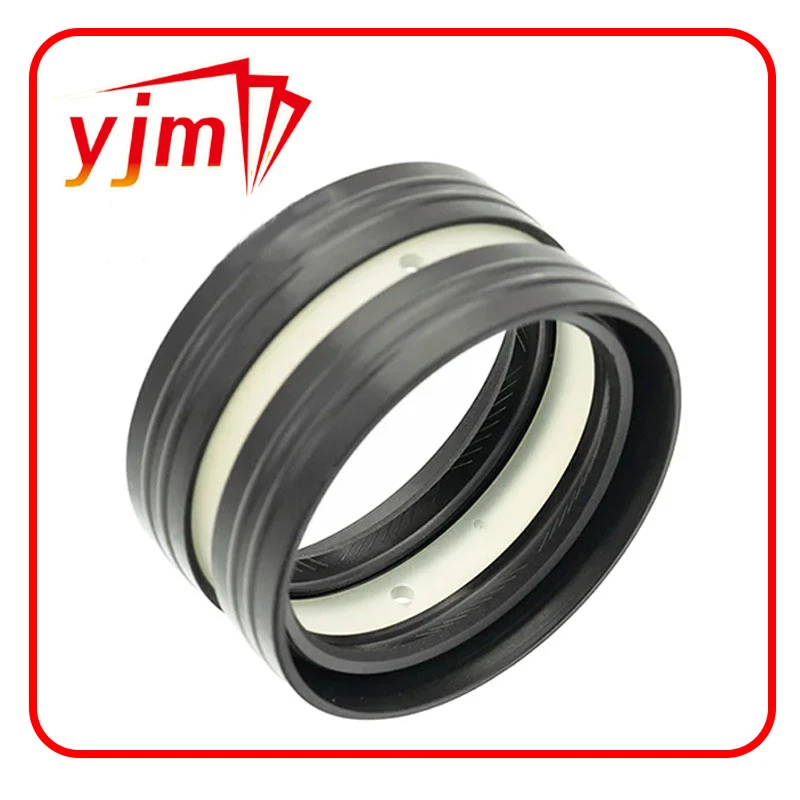
Seal, type d oil 9031634001 TOYOTA
 Afrikaans
 Albanian
 Amharic
 Arabic
 Armenian
 Azerbaijani
 Basque
 Belarusian
 Bengali
 Bosnian
 Bulgarian
 Catalan
 Cebuano
 Corsican
 Croatian
 Czech
Czech
 Danish
 Dutch
Dutch
 Esperanto
 Estonian
 Finnish
 French
 Frisian
 Galician
 Georgian
 German
 Greek
Greek
 Gujarati
 Haitian Creole
 Hausa
Hausa
 Hawaiian
 Hebrew
 Hindi
Hindi
 Miao
Miao
 Hungarian
 Icelandic
 Igbo
Igbo
 Indonesian
 Irish
Irish
 Italian
 Japanese
 Javanese
 Kannada
 Kazakh
 Khmer
Khmer
 Rwandese
 Korean
 Kurdish
 Kyrgyz
 Lao
Lao
 Latin
Latin
 Latvian
 Lithuanian
 Luxembourgish
 Macedonian
 Malgashi
 Malay
Malay
 Malayalam
 Maltese
 Maori
Maori
 Marathi
 Mongolian
 Myanmar
 Nepali
 Norwegian
 Norwegian
 Occitan
 Pashto
 Persian
 Polish
 Portuguese
 Punjabi
 Romanian
 Russian
 Samoan
 Scottish Gaelic
 Serbian
 Sesotho
 Shona
Shona
 Sindhi
 Sinhala
 Slovak
 Slovenian
 Somali
 Spanish
 Sundanese
 Swahili
 Swedish
 Tagalog
 Tajik
Tajik
 Tamil
Tamil
 Tatar
Tatar
 Telugu
 Thai
Thai
 Turkish
 Turkmen
 Ukrainian
 Urdu
Urdu
 Uighur
 Uzbek
Uzbek
 Vietnamese
 Welsh
Welsh
 Bantu
Bantu
 Yiddish
 Yoruba
 Zulu
Zulu
 English