Understanding the M14 Sump Plug for Optimal Engine Performance
Understanding the M14 Sump Plug: A Comprehensive Guide
The M14 sump plug is a crucial component in engine oil systems, responsible for sealing the oil pan and allowing for oil drainage during servicing. Ensuring you have a reliable and high-quality sump plug is vital for preventing leaks and maintaining optimal engine performance. This article will delve into the specifics of the M14 sump plug, its applications, materials, common issues, and where to source premium quality replacements from YJM Seal. Properly understanding this component can save you costly repairs and ensure the longevity of your engine.
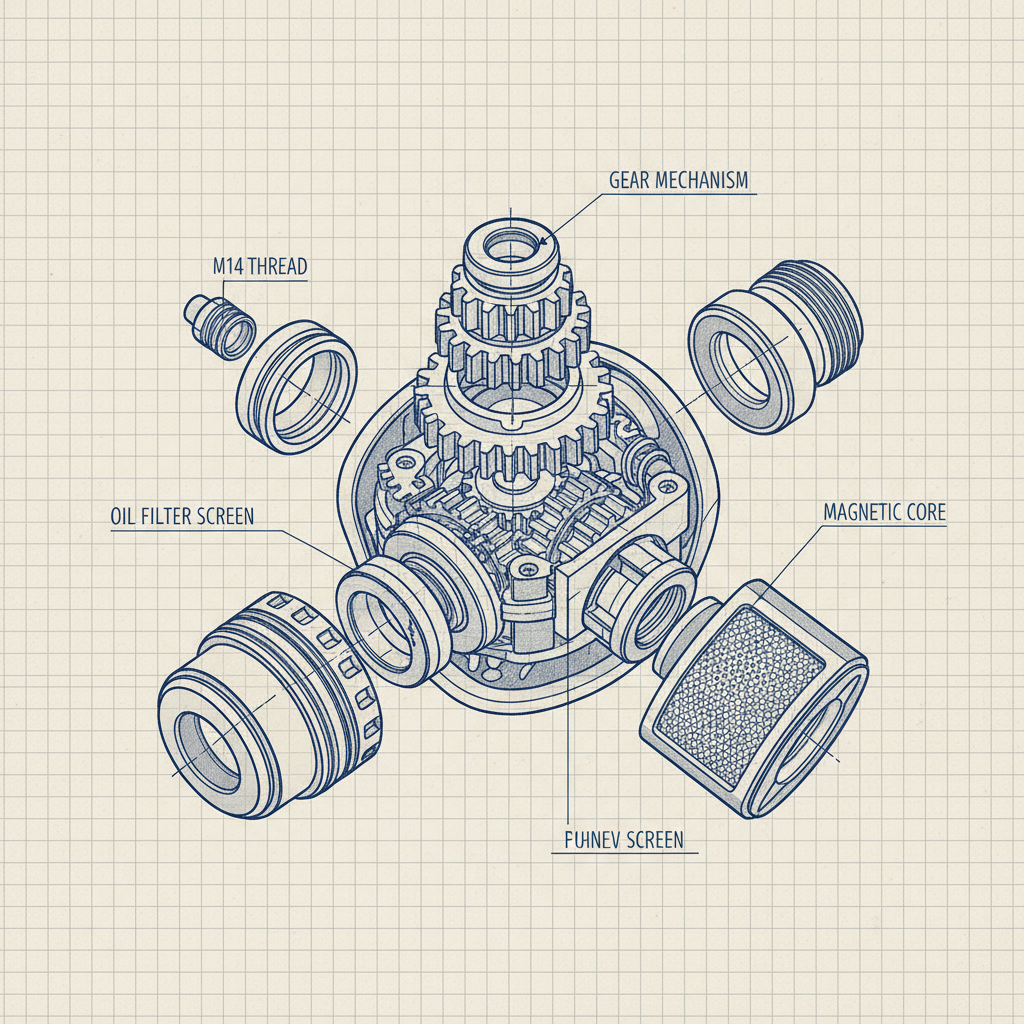
What Exactly is an M14 Sump Plug?
The 'M14' designation refers to the thread size of the plug – 14 millimeters. Sump plugs are typically found at the lowest point of the oil pan, acting as a barrier against oil leakage when tightened correctly. When maintenance is needed, removing this plug allows the used oil to drain completely. The design often includes a sealing washer to ensure a tight and leak-proof seal. Different vehicles may require different types of M14 sump plugs depending on the oil pan material, depth and specific engine requirements. Sourcing the correct plug is essential for avoiding leaks and potential engine damage. YJM Seal specializes in providing a wide range of these plugs to suit diverse vehicle applications.
Key Features: Robust threaded design, integrated sealing surface, often incorporates a drain hole for complete oil evacuation. Available in various materials for durability and corrosion resistance.
M14 Sump Plug Materials: A Comparative Overview
M14 sump plugs are commonly manufactured from several materials, each offering unique benefits and drawbacks. Steel is the most prevalent option due to its strength and affordability. However, it’s susceptible to corrosion. Stainless steel offers improved corrosion resistance but can be more expensive. Aluminum plugs are lightweight but may be less durable and prone to damage with repeated tightening/loosening. Finally, brass plugs offer a good balance of corrosion resistance and affordability. The best material for your application depends on your vehicle's environment and the level of durability required. YJM Seal offers M14 sump plugs in a variety of these materials.
Material Comparison:
• Steel: Strong, affordable, prone to corrosion.
• Stainless Steel: Corrosion resistant, more expensive.
• Aluminum: Lightweight, less durable.
• Brass: Good corrosion resistance, affordable.
Common Issues with M14 Sump Plugs and How to Prevent Them
Several issues can arise with M14 sump plugs. Stripped threads are a common problem, often caused by over-tightening. Corrosion can lead to leaks, especially in steel plugs exposed to moisture. Damage to the sealing surface can also compromise the seal. To prevent these issues, always use a torque wrench to tighten the plug to the manufacturer's specified torque. Regularly inspect the plug for signs of corrosion or damage. Replace the sealing washer with each oil change. Purchasing a high-quality M14 sump plug from a reputable supplier like YJM Seal can significantly reduce the risk of these problems.
Choosing the Right M14 Sump Plug from YJM Seal
At YJM Seal, we offer a comprehensive selection of M14 sump plugs manufactured to exacting standards. We provide various materials, including steel, stainless steel, and brass, ensuring we have a solution to fit your specific needs. Our plugs are rigorously tested for durability and leak resistance. We also offer a variety of sealing washers to accompany our plugs, guaranteeing a complete and reliable sealing solution. Explore our catalog today and find the perfect M14 sump plug for your vehicle!
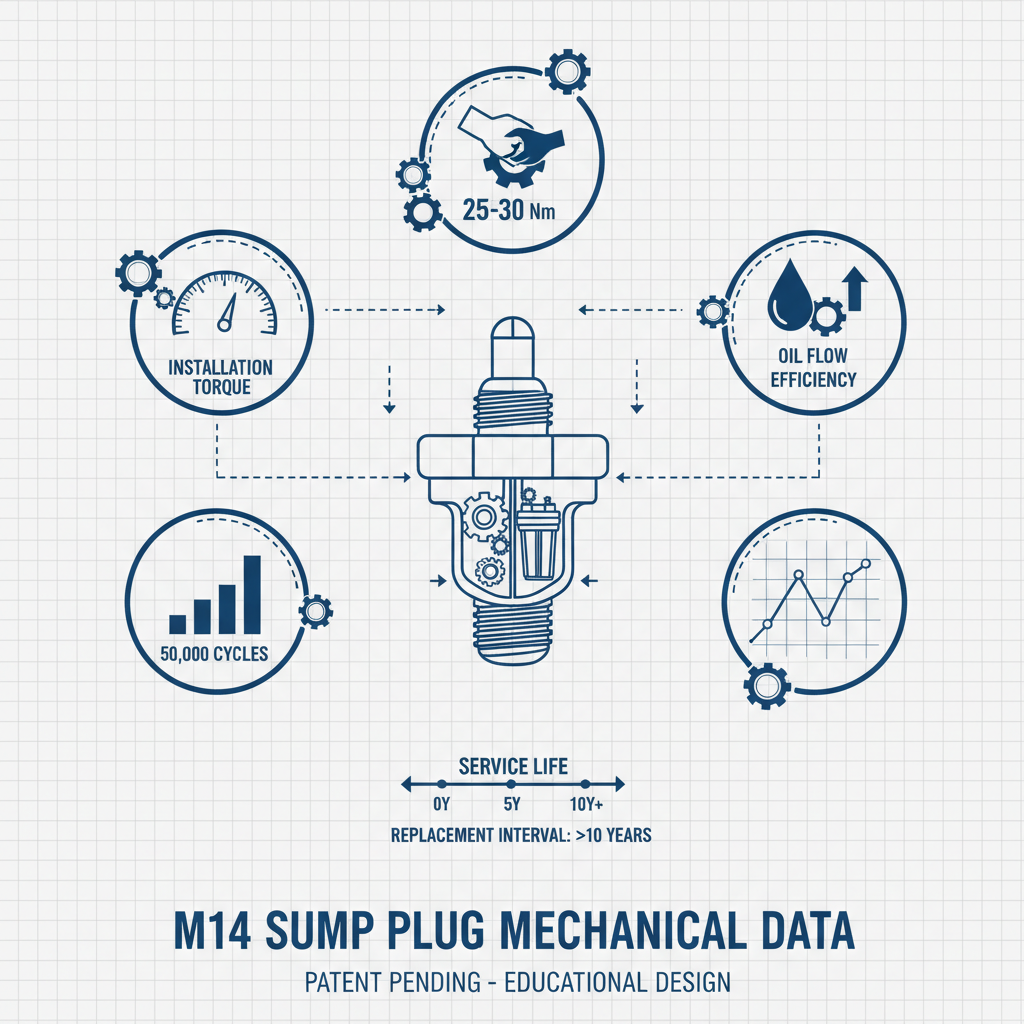
Conclusion: Ensuring Engine Reliability with a Quality Sump Plug
Investing in a high-quality M14 sump plug is a small investment that can prevent significant engine damage and costly repairs. Choose YJM Seal for reliable and durable sump plugs tailored to your vehicle's needs.
Don't compromise on engine health – ensure a secure seal with a premium M14 sump plug.
Frequently Asked Questions (FAQs)
What torque should I use when tightening an M14 sump plug?
The correct torque specification varies depending on the vehicle manufacturer and the oil pan material. Generally, torque values range between 25-35 Nm (18-26 lb-ft). Always refer to your vehicle's service manual for the precise torque specification. Using a torque wrench is essential to avoid over-tightening, which can strip the threads, or under-tightening, which can lead to leaks. Incorrect torque can significantly shorten the lifespan of the sump plug and the oil pan.
Should I replace the sump plug washer every time I change the oil?
Yes, absolutely! The sump plug washer is a crush washer designed to create a tight seal. With each tightening, the washer compresses. Reusing a compressed washer significantly increases the risk of oil leaks. It’s a small and inexpensive component, but replacing it ensures a reliable seal and prevents potential engine damage. YJM Seal offers a variety of suitable replacement washers alongside our M14 sump plugs.
What does ‘stripped thread’ mean in relation to a sump plug?
Stripped threads occur when the threads inside the oil pan or on the sump plug itself become damaged, typically due to over-tightening. This means the plug can no longer be securely tightened, leading to oil leaks. Repairing stripped threads can be a complex and expensive process, often requiring re-tapping the oil pan or even replacing it entirely. Prevention is key—always use a torque wrench and avoid excessive force when tightening the plug.
How can I identify the correct M14 sump plug for my vehicle?
The best way to identify the correct M14 sump plug is to consult your vehicle's service manual or parts catalog. You can also compare the old plug with the specifications available on the YJM Seal website. Pay attention to the thread pitch, plug length, and head style to ensure compatibility. If you're unsure, our customer support team can assist you in finding the right plug for your vehicle.
-
Guide to Choosing the Right Washer for Oil Change and Sealing
News Apr.16,2026
-
Essential Guide to High Quality rubber washer oil drain plug
News Apr.09,2026
-
Understanding Rubber Crush Washers for Optimal Sealing Performance
News Apr.07,2026
-
Comprehensive Guide to Understanding and Reusing Crush Washer for Optimal Sealing
News Apr.04,2026
-
The Vital Role of a Drain Screw Gasket in Fluid System Integrity
News Mar.31,2026
-
The Essential Guide to Drain Crush Washer Selection and Plumbing Leak Prevention
News Mar.28,2026
-
The Vital Role of a Crush Washer in Oil Changes for Engine Protection
News Mar.26,2026
Products categories
-
Brass cutlass marine bearing
-
Genuine OEM Engine Oil Filter Housing Cover O-Ring For VW/Audi 06E115446
-
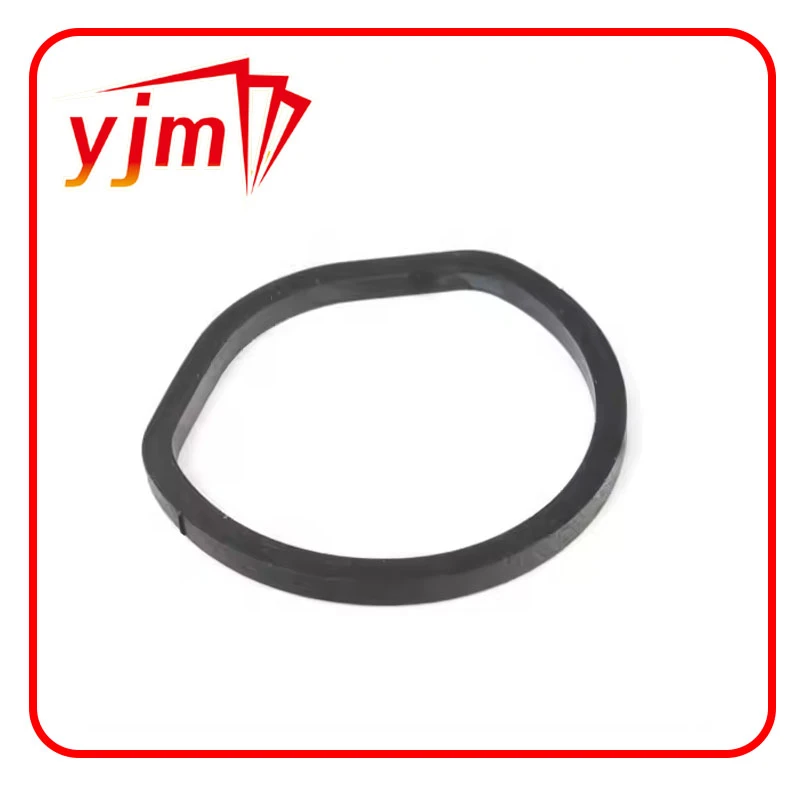
Oil Filter Stand Gasket,Oil filter cover seal
-
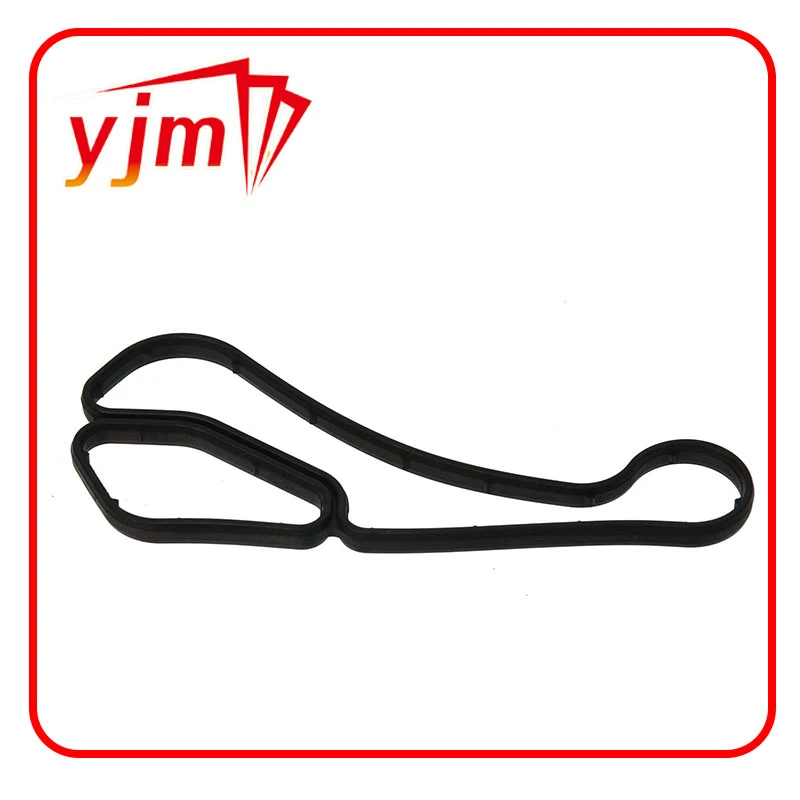
Oil Cooler Gasket, Oil Cooler to Oil Filter Housing 11427525335
-
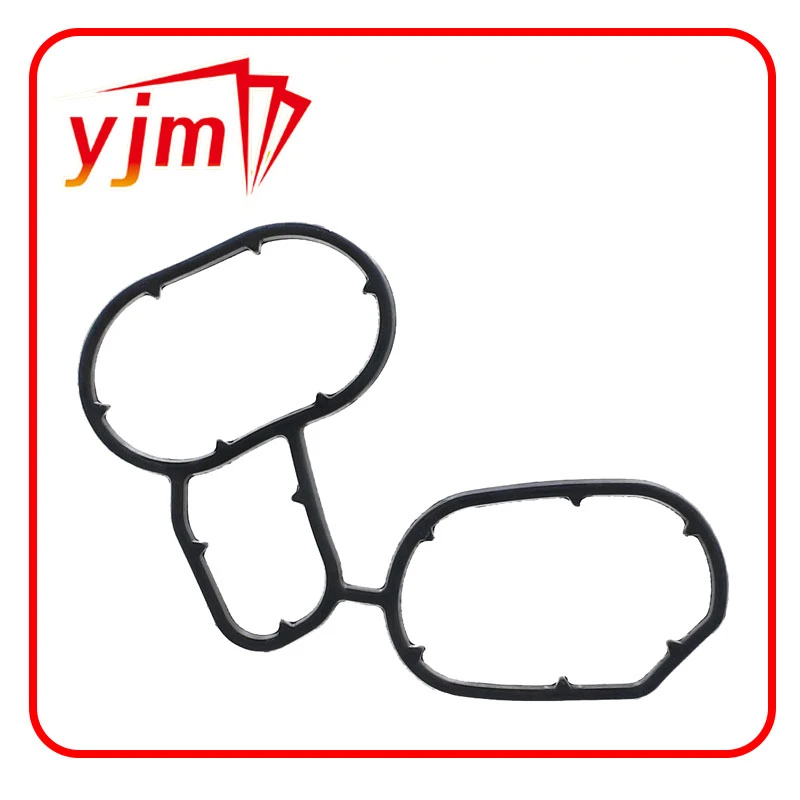
11427508970 BMW - OIL FILTER HOUSING GASKETS
-
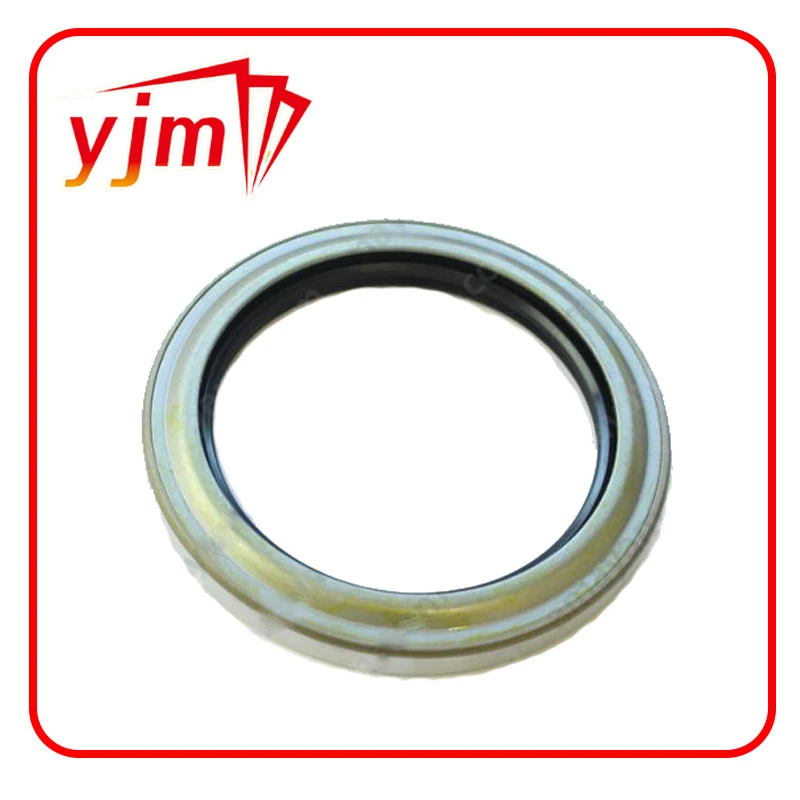
SEAL, OIL Genuine Toyota (9031170011)
-
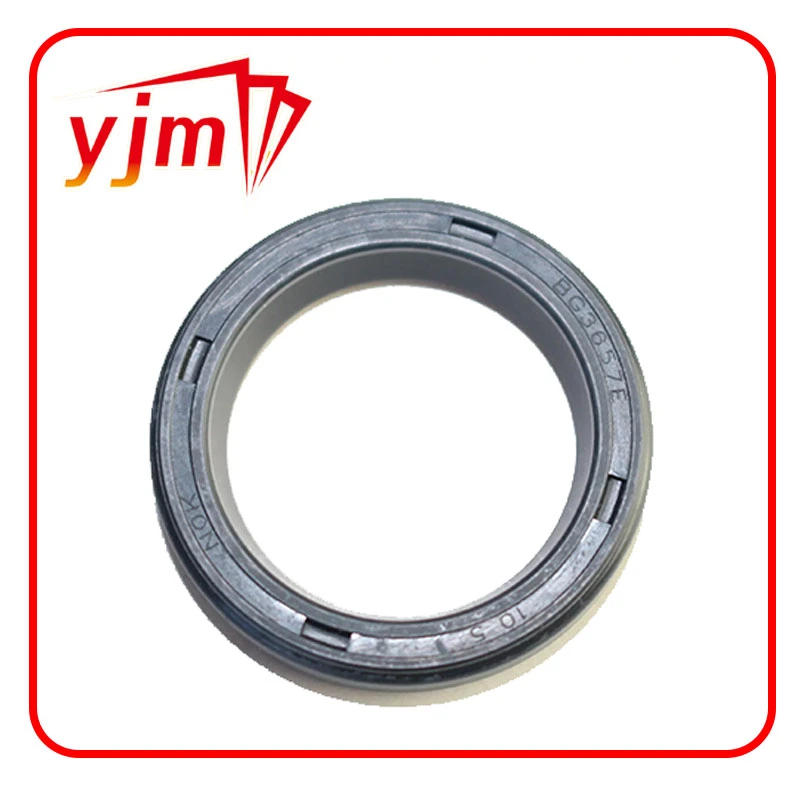
Transfer Case Output Shaft Seal Part 9031223001
-
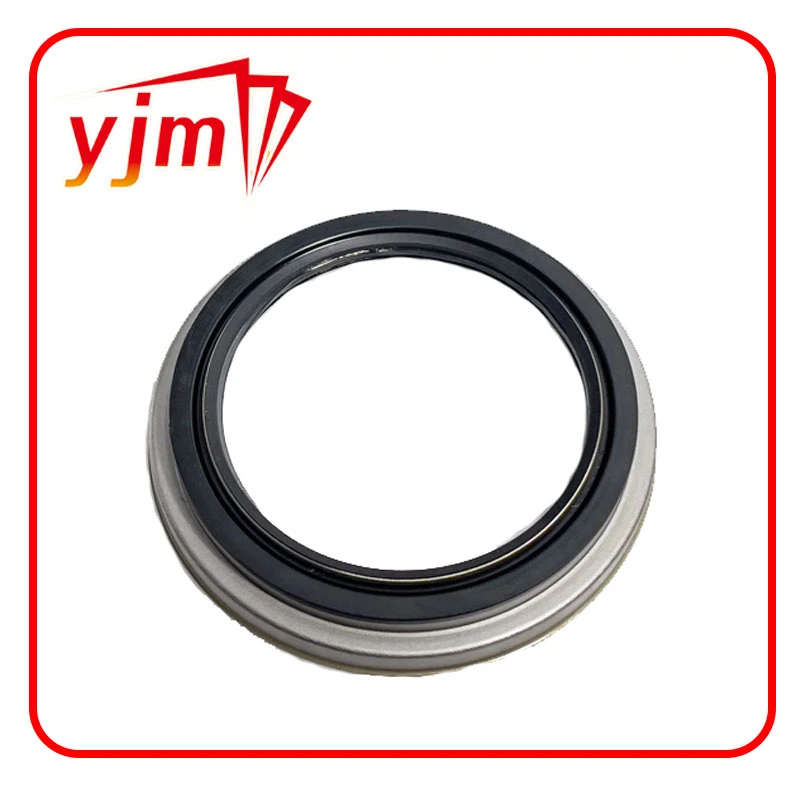
SEAL, OIL Genuine Toyota (9031672001)
-
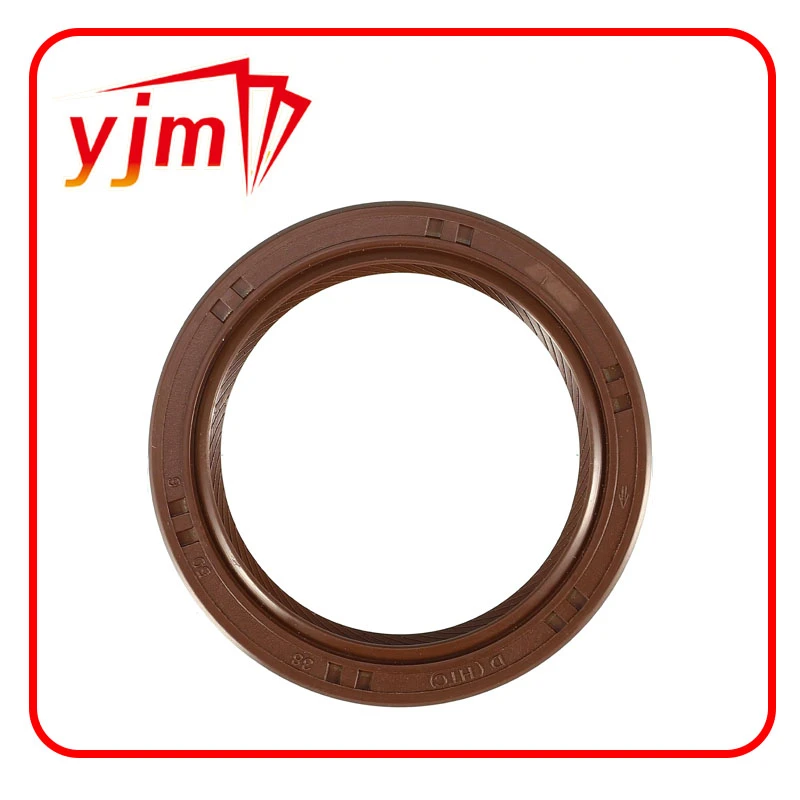
Engine Crankshaft Oil Seal No.9031138096
-
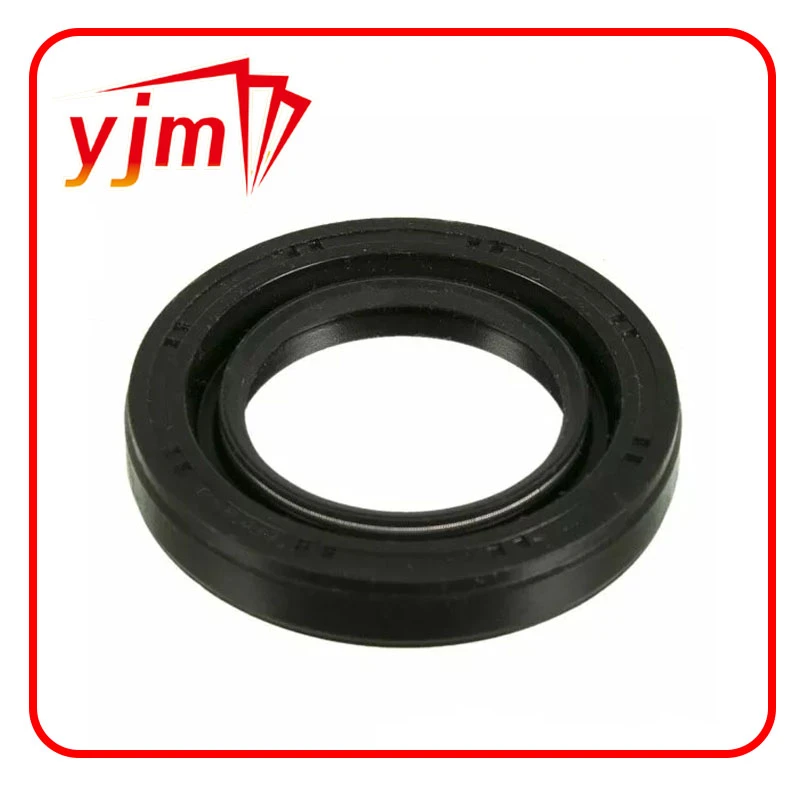
Toyota Transfer Case Output Shaft Seal Front 9031136006
-
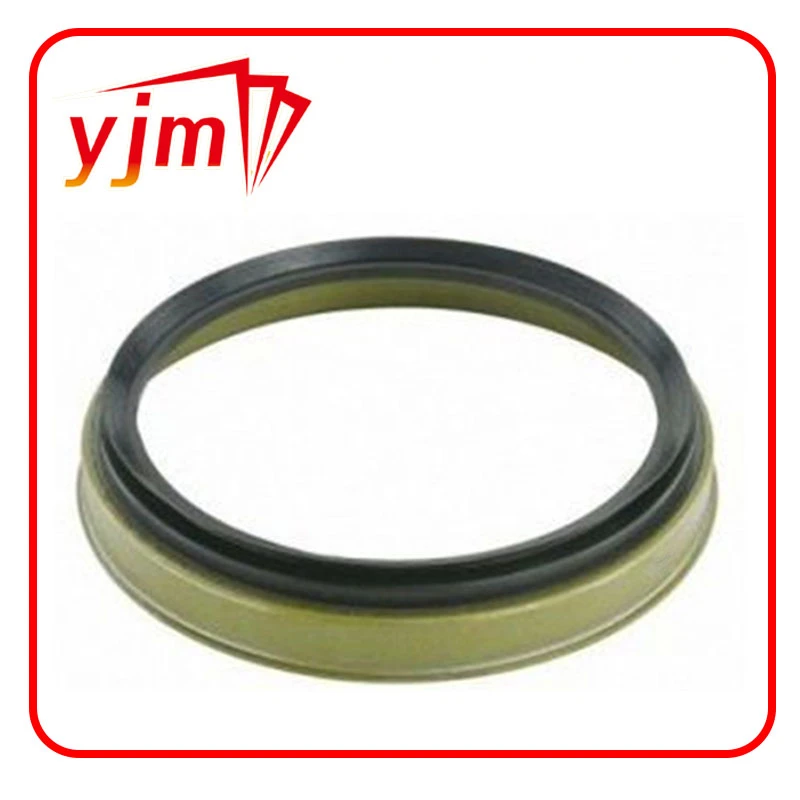
Seal, type v oil 9031287001 TOYOTA
-
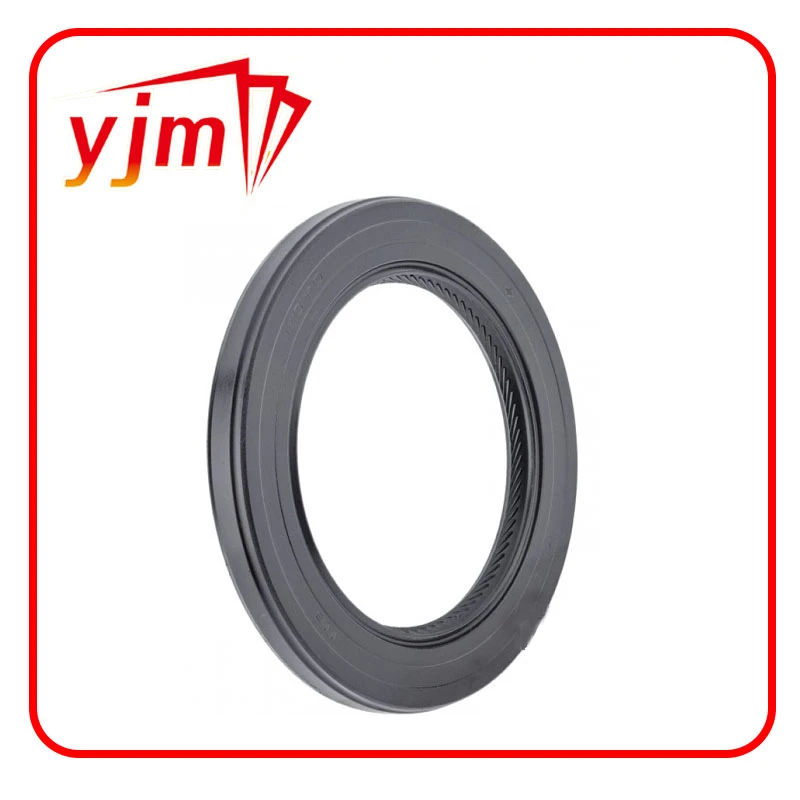
Oil pump seal 9031143010
-
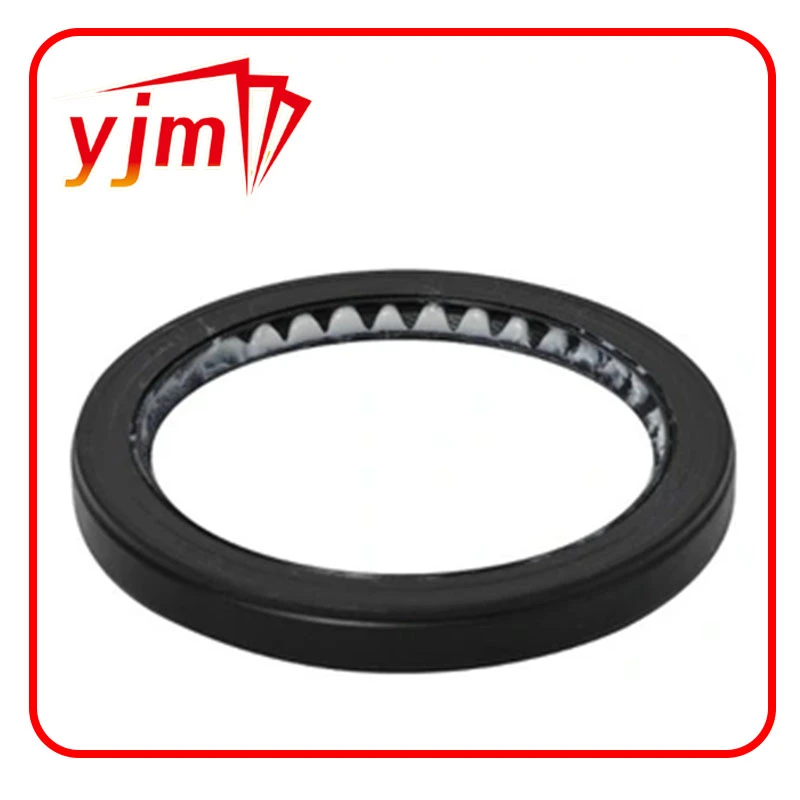
Genuine Toyota Oil SEAL 90311-54006
-
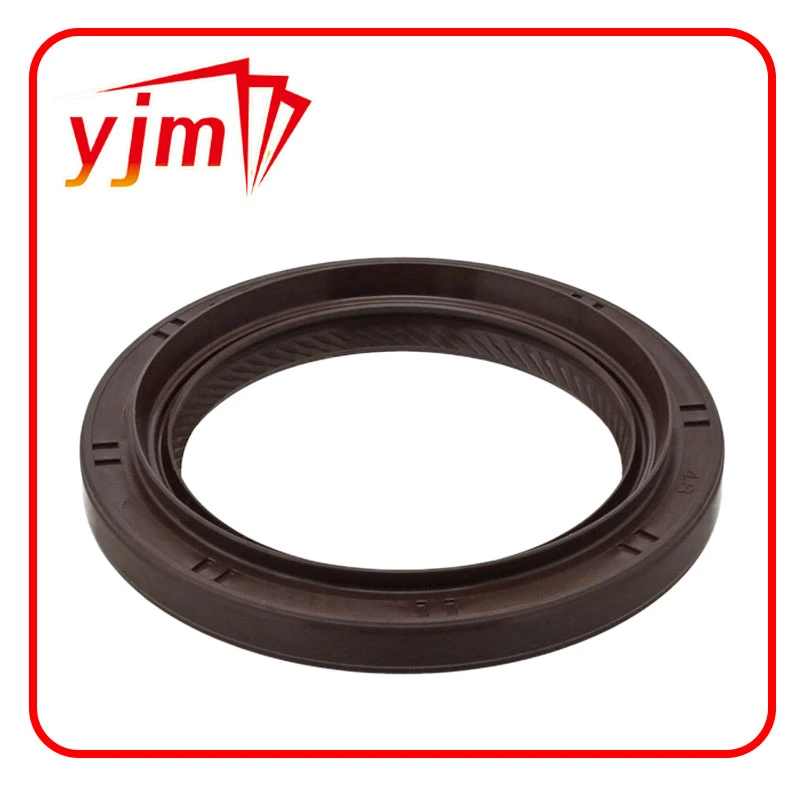
Toyota SEAL TYPE T OIL 90311-48031
-
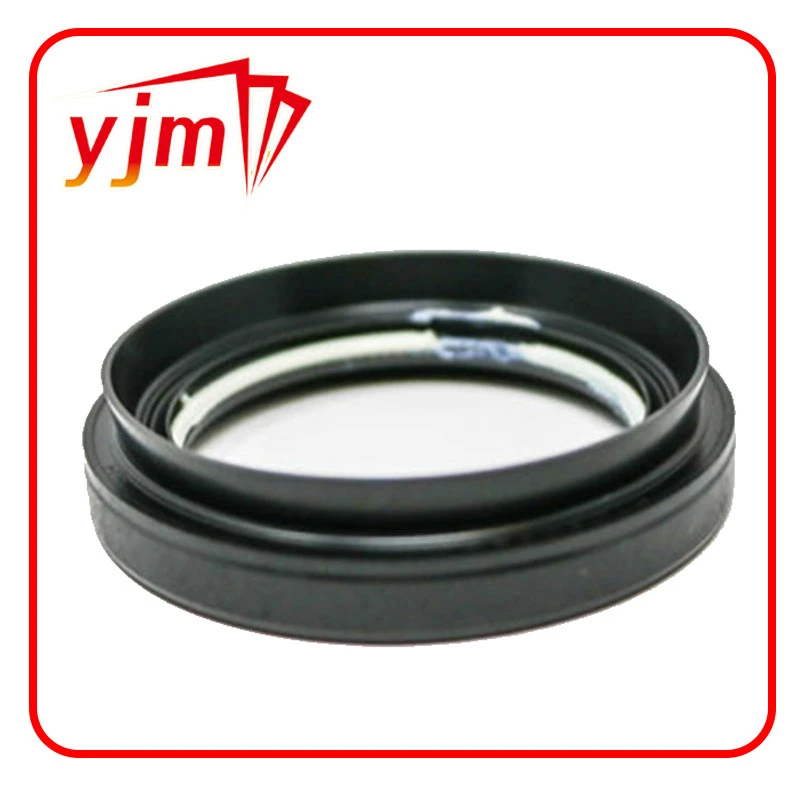
Type T Oil Seal, Front Drive Shaft, Left 9031150064
-
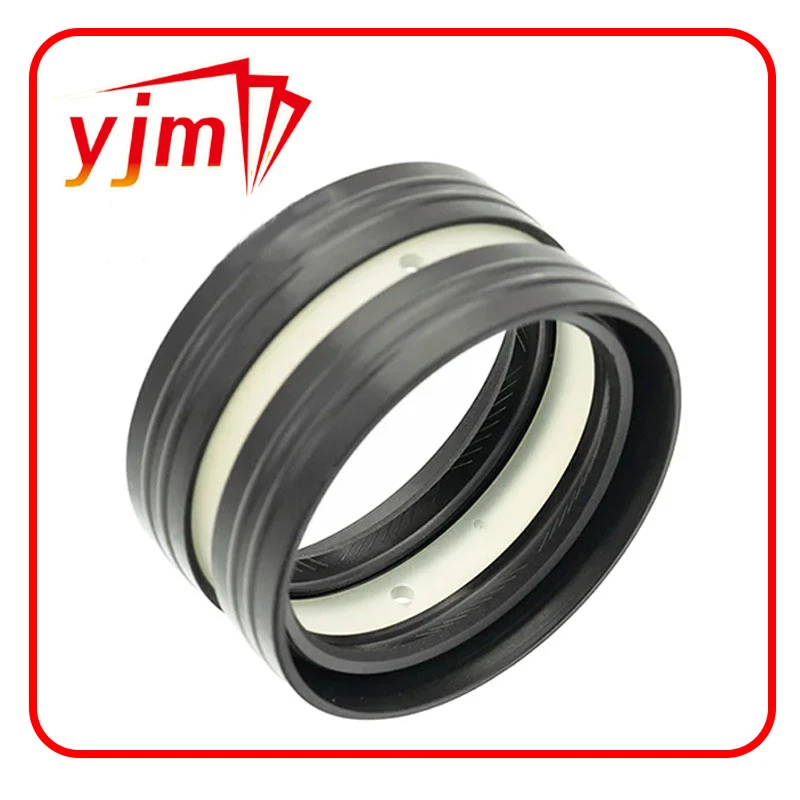
Seal, type d oil 9031634001 TOYOTA
 Afrikaans
 Albanian
 Amharic
 Arabic
 Armenian
 Azerbaijani
 Basque
 Belarusian
 Bengali
 Bosnian
 Bulgarian
 Catalan
 Cebuano
 Corsican
 Croatian
 Czech
Czech
 Danish
 Dutch
Dutch
 Esperanto
 Estonian
 Finnish
 French
 Frisian
 Galician
 Georgian
 German
 Greek
Greek
 Gujarati
 Haitian Creole
 Hausa
Hausa
 Hawaiian
 Hebrew
 Hindi
Hindi
 Miao
Miao
 Hungarian
 Icelandic
 Igbo
Igbo
 Indonesian
 Irish
Irish
 Italian
 Japanese
 Javanese
 Kannada
 Kazakh
 Khmer
Khmer
 Rwandese
 Korean
 Kurdish
 Kyrgyz
 Lao
Lao
 Latin
Latin
 Latvian
 Lithuanian
 Luxembourgish
 Macedonian
 Malgashi
 Malay
Malay
 Malayalam
 Maltese
 Maori
Maori
 Marathi
 Mongolian
 Myanmar
 Nepali
 Norwegian
 Norwegian
 Occitan
 Pashto
 Persian
 Polish
 Portuguese
 Punjabi
 Romanian
 Russian
 Samoan
 Scottish Gaelic
 Serbian
 Sesotho
 Shona
Shona
 Sindhi
 Sinhala
 Slovak
 Slovenian
 Somali
 Spanish
 Sundanese
 Swahili
 Swedish
 Tagalog
 Tajik
Tajik
 Tamil
Tamil
 Tatar
Tatar
 Telugu
 Thai
Thai
 Turkish
 Turkmen
 Ukrainian
 Urdu
Urdu
 Uighur
 Uzbek
Uzbek
 Vietnamese
 Welsh
Welsh
 Bantu
Bantu
 Yiddish
 Yoruba
 Zulu
Zulu
 English