The global demand for reliable sealing solutions is consistently high, driving the need for a dependable oil seal supplier. These components are critical across a vast spectrum of industries, from automotive and aerospace to manufacturing and energy. Understanding the nuances of oil seal supply, including material science, precision engineering, and logistical capabilities, is paramount for operational efficiency and long-term cost savings. A robust supply chain of oil seals directly impacts equipment lifespan, minimizes downtime, and contributes to overall system performance.
The importance of a qualified oil seal supplier extends beyond simply providing a product; it encompasses a commitment to quality control, adherence to industry standards (like ISO certifications), and the ability to offer customized solutions tailored to specific application requirements. As industries evolve and demand increasingly complex sealing technologies, the role of these suppliers becomes even more critical. Without a consistent supply of high-quality seals, businesses face significant risks associated with equipment failure, environmental hazards, and production delays.
In today's interconnected world, choosing the right oil seal supplier is a strategic decision. Factors such as geographic location, lead times, inventory management, and technical support all play a vital role in ensuring a smooth and efficient supply chain. Effective partnerships with these suppliers can lead to innovation, reduced costs, and a competitive advantage in the marketplace.
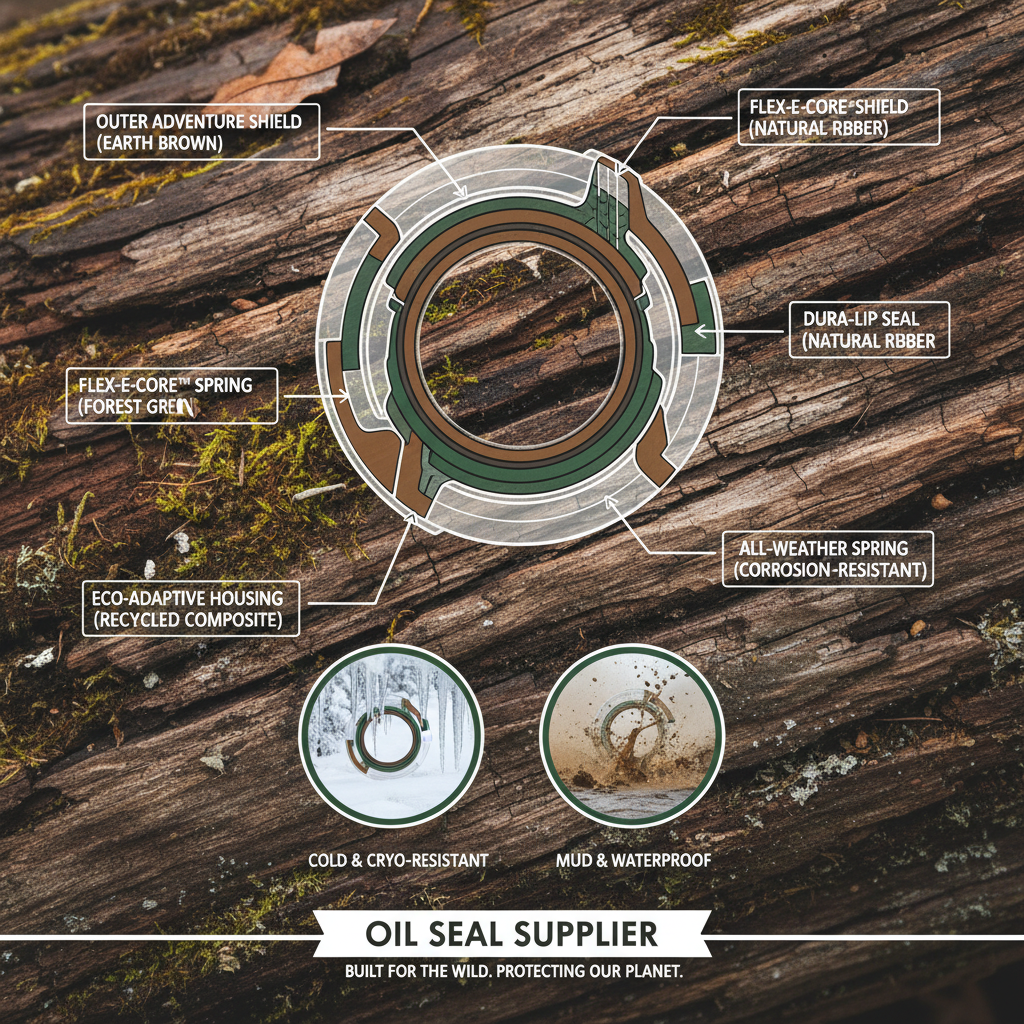
The Significance of Oil Seal Suppliers
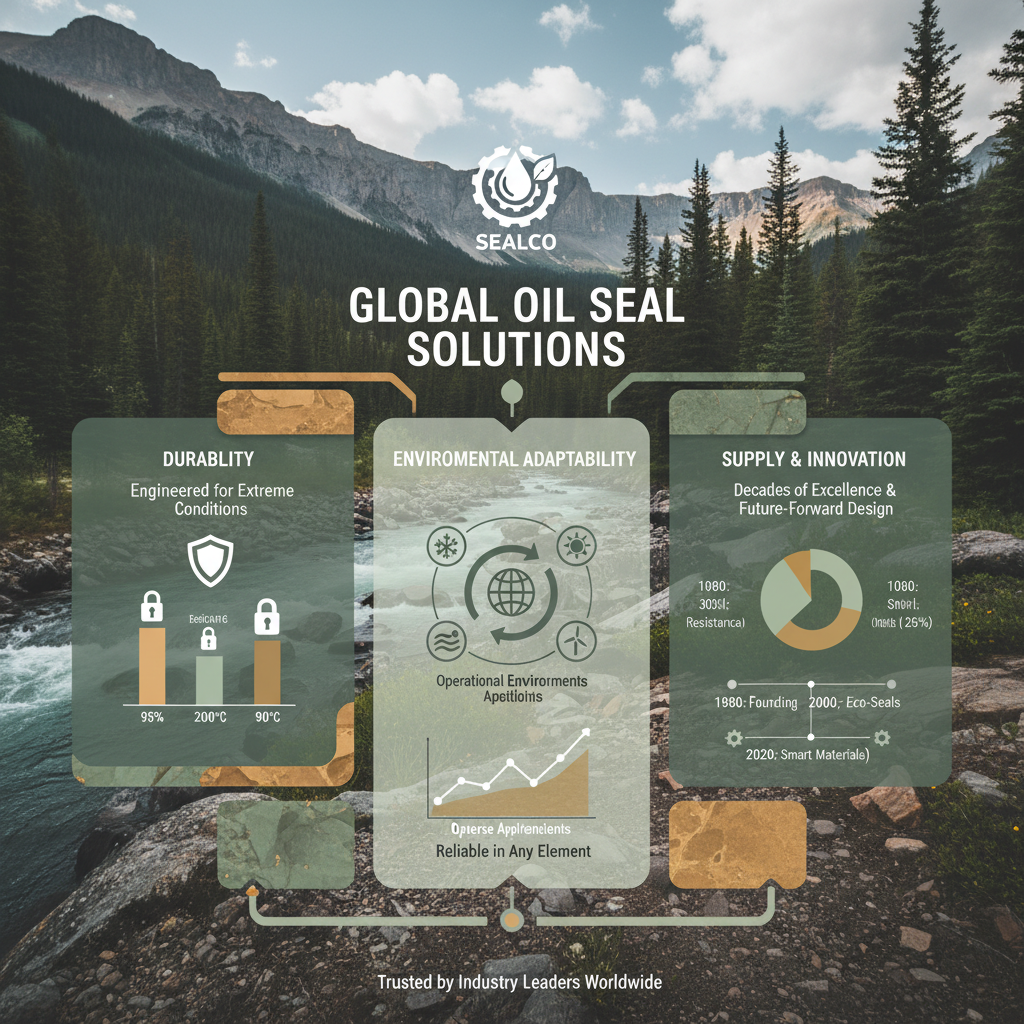
A dependable oil seal supplier is the backbone of many industrial operations, providing essential components that prevent leakage, maintain pressure, and protect sensitive equipment. The impact extends beyond the immediate function of the seal, influencing overall system reliability and operational costs.
The quality and consistency of the seals directly correlate with the efficiency and longevity of machinery. Sourcing from a trusted oil seal supplier mitigates risks associated with premature failure, costly repairs, and potential environmental hazards.
FAQS
When evaluating an oil seal supplier, prioritize certifications like ISO 9001 (Quality Management), IATF 16949 (Automotive Quality), and ISO 14001 (Environmental Management). These demonstrate a commitment to quality, consistent processes, and responsible environmental practices. Look for suppliers who can provide documentation of these certifications and regularly undergo audits. Specific industry certifications may also be relevant depending on your application, such as aerospace standards. These certifications help ensure the reliability and traceability of the seals.
Ensuring consistent quality involves several steps. Request samples for testing and verification before committing to a large order. Implement a robust incoming inspection process to check seals for defects and dimensional accuracy. Conduct regular supplier audits to assess their quality control procedures. Establish clear communication channels to address any quality concerns promptly. A reputable oil seal supplier should be proactive in addressing quality issues and providing detailed quality reports.
Common materials used in oil seal manufacturing include Nitrile Rubber (NBR), Viton (FKM), Silicone, Polyurethane (PU), and PTFE. NBR is a cost-effective general-purpose material. Viton offers excellent resistance to heat, chemicals, and oils. Silicone is ideal for high and low-temperature applications. PU provides high abrasion resistance. PTFE is used for demanding applications requiring low friction and chemical inertness. The best material depends on the specific application requirements.
The lead time for custom oil seals can vary significantly depending on the complexity of the design, material requirements, and the oil seal supplier's production capacity. Generally, expect a lead time of 4-8 weeks for custom seals. However, this can be longer for complex designs or materials with long procurement times. Clear communication and early engagement with the supplier are essential to minimize lead times. A reliable supplier should provide realistic timelines and keep you informed of any potential delays.
To minimize supply chain disruptions, consider diversifying your supplier base. Don't rely solely on a single oil seal supplier. Maintain a safety stock of critical seals to buffer against unexpected delays. Develop contingency plans for alternative sourcing options. Choose suppliers with robust inventory management systems and geographically diverse manufacturing facilities. Proactive communication and collaboration with your suppliers are key to mitigating risks.
A good oil seal supplier should offer comprehensive technical support, including assistance with seal selection, material recommendations, design review, and troubleshooting. They should have experienced engineers available to answer your questions and provide guidance. They may also offer customized testing services to validate seal performance in your specific application. Access to technical documentation, such as datasheets and application notes, is also essential.
Conclusion
In conclusion, selecting the right oil seal supplier is a critical decision that impacts operational efficiency, equipment reliability, and long-term costs. A trustworthy supplier demonstrates a commitment to quality, technical expertise, and a robust supply chain. Understanding the core characteristics of effective suppliers and proactively monitoring key performance indicators are essential for building a successful partnership.
Looking ahead, the industry is poised for continued innovation in materials science, digitalization, and sustainability. Staying informed about these trends and partnering with a forward-thinking oil seal supplier will be crucial for maintaining a competitive edge. Visit our website at www.yjmseal.com to learn more about how we can meet your sealing needs.
Related Posts
-

Investing in Quality Oil Pan Gasket Maker for Engine Longevity and Performance
-

Find Reliable High Pressure Oil Seals Suppliers for Optimal Performance
-
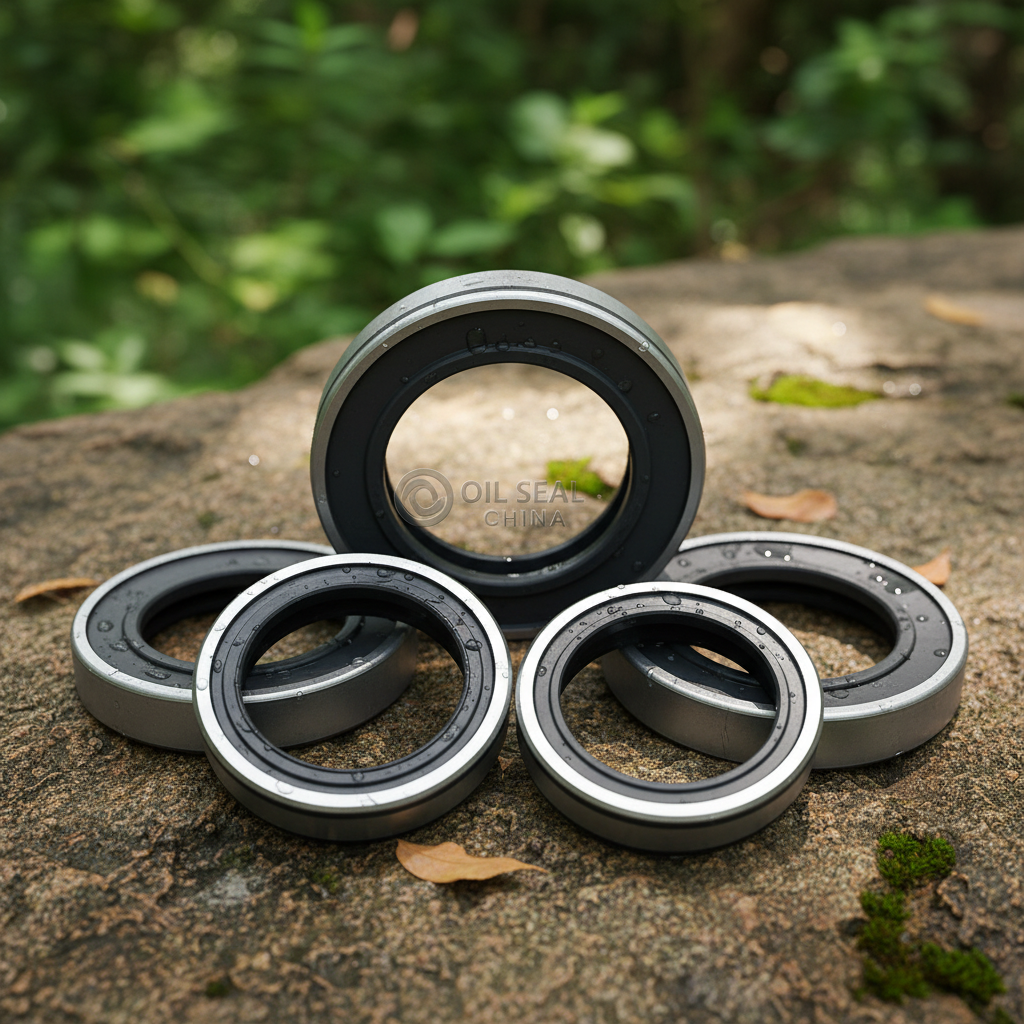
Exploring the Landscape of Oil Seal China Manufacturing and Global Applications
-
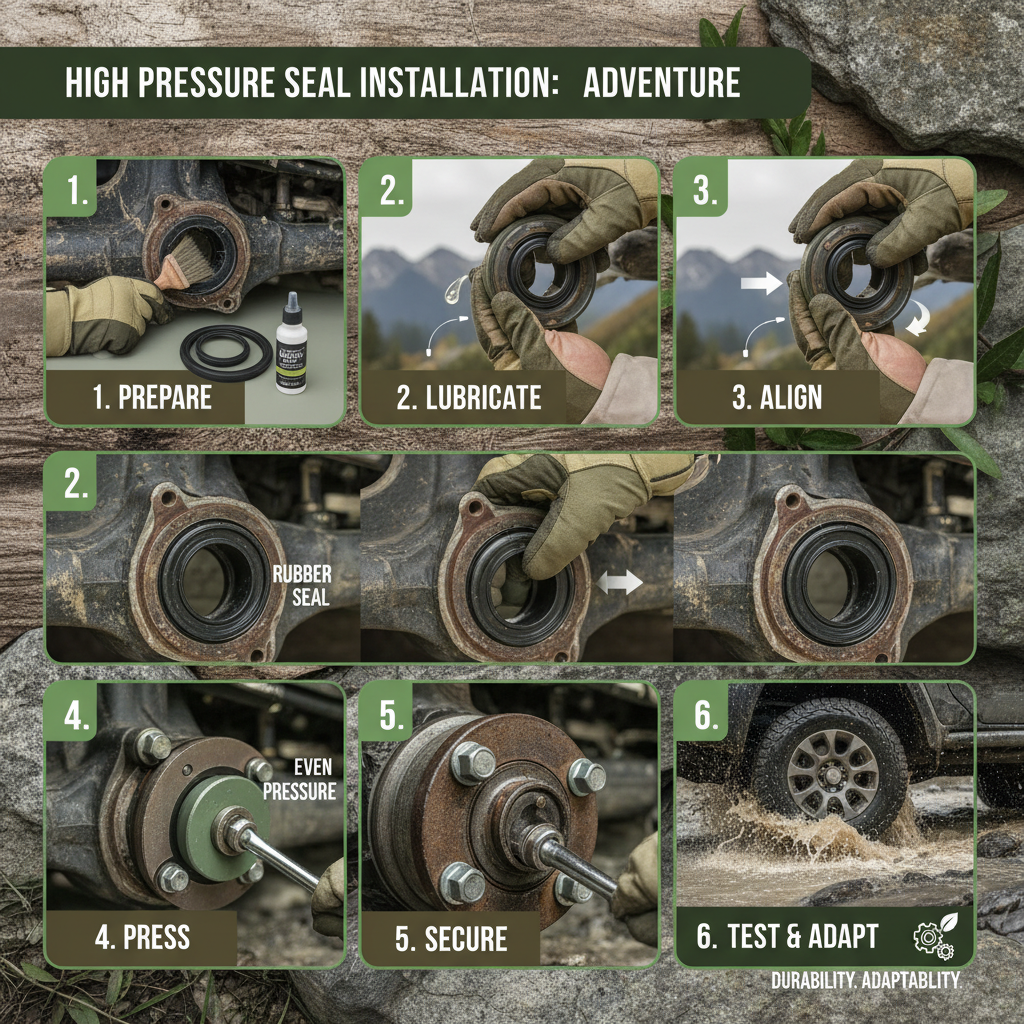
Advanced High Pressure Seal Technology for Critical Industrial Applications

 English
  Afrikaans
  Albanian
  Amharic
  Arabic
  Armenian
  Azerbaijani
  Basque
  Belarusian
  Bengali
  Bosnian
  Bulgarian
  Catalan
  Cebuano
  Corsican
  Croatian
  Czech
Czech  Danish
  Dutch
Dutch  Esperanto
  Estonian
  Finnish
  French
  Frisian
  Galician
  Georgian
  German
  Greek
Greek  Gujarati
  Haitian Creole
  Hausa
Hausa  Hawaiian
  Hebrew
  Hindi
Hindi  Miao
Miao  Hungarian
  Icelandic
  Igbo
Igbo  Indonesian
  Irish
Irish  Italian
  Japanese
  Javanese
  Kannada
  Kazakh
  Khmer
Khmer  Rwandese
  Korean
  Kurdish
  Kyrgyz
  Lao
Lao  Latin
Latin  Latvian
  Lithuanian
  Luxembourgish
  Macedonian
  Malgashi
  Malay
Malay  Malayalam
  Maltese
  Maori
Maori  Marathi
  Mongolian
  Myanmar
  Nepali
  Norwegian
  Norwegian
  Occitan
  Pashto
  Persian
  Polish
  Portuguese
  Punjabi
  Romanian
  Russian
  Samoan
  Scottish Gaelic
  Serbian
  Sesotho
  Shona
Shona  Sindhi
  Sinhala
  Slovak
  Slovenian
  Somali
  Spanish
  Sundanese
  Swahili
  Swedish
  Tagalog
  Tajik
Tajik  Tamil
Tamil  Tatar
Tatar  Telugu
  Thai
Thai  Turkish
  Turkmen
  Ukrainian
  Urdu
Urdu  Uighur
  Uzbek
Uzbek  Vietnamese
  Welsh
Welsh  Bantu
Bantu  Yiddish
  Yoruba
  Zulu
Zulu