Comprehensive Guide to Crankshaft Oil Seal Price: Factors, Trends & Global Insights
Understanding Crankshaft Oil Seal Price: Why It Matters Globally
If you’ve ever wondered about the crankshaft oil seal price and why it gets so much attention in global manufacturing and automotive industries, you’re not alone. At first glance, it might sound like a niche or technical subject, but frankly, the cost and quality of these seals impact much more than just cars or machinery. They have ripple effects on production costs, environmental sustainability, maintenance cycles, and even parts of humanitarian efforts where durable, reliable equipment is essential.
Globally, industries that rely on engines and compressors—from heavy equipment to power plants—demand crankshaft seals that aren’t just affordable but also high-performing. The right price tag, therefore, reflects a balance between cost-efficiency and long-term durability, ultimately influencing everything from factory throughput to rural electrification projects.
Introduction: The Global Industry Perspective
To put it in perspective, the global automotive aftermarket, where many crankshaft oil seals find their place, was valued at around USD 400 billion in 2023, according to industry analytics. Notably, emerging economies in Asia and Africa are rapidly expanding their fleets and industrial base, pushing demand for dependable, cost-effective components like crankshaft oil seals.
The challenge? Manufacturers and suppliers face a constant tug-of-war: how to keep the crankshaft oil seal price low without compromising on quality standards set by ISO 6194 (the widely accepted standard for rotary shaft seals). Meeting this balance means mitigating engine leaks, preventing costly downtime, and reducing environmental hazards from oil spills.
Defining Crankshaft Oil Seal Price
Simply put, crankshaft oil seal price refers to the market cost or quoted rate of the seals designed to prevent oil leaks around the crankshaft area of engines. These seals act as a barrier, protecting engines by keeping lubricants in and contaminants out.
As odd as it sounds, these small components are fundamental to the proper functioning of the engines powering everything from construction machinery in remote areas to ambulances in urban centers. The “price” of these seals, naturally, depends on material quality, manufacturing precision, and vendor location, but it can also reflect broader industrial trends, such as shifts toward greener materials.
Key Factors Influencing Crankshaft Oil Seal Price
1. Material Durability
The base materials—often nitrile rubber, fluorocarbon, or silicone—directly impact price. Seals made from higher-grade fluoroelastomers are pricier but offer excellent heat and chemical resistance, ideal for high-performance engines.
2. Manufacturing Precision
Tight tolerances in seal dimensions ensure a snug fit and prevent leaks. More precise manufacturing processes (e.g., CNC machining and advanced molding) increase costs but reduce failure rates.
3. Volume and Supply Chain
Bulk orders typically lower per-unit costs. However, logistical challenges and tariffs can drive prices up, depending on where the seal is sourced and delivered.
4. OEM vs Aftermarket Pricing
Original Equipment Manufacturer (OEM) seals usually come at a premium compared to generic aftermarket alternatives. Still, OEM seals often guarantee compatibility and longevity, which can justify the higher price for many customers.
5. Environmental and Regulatory Compliance
Increasingly, compliance with environmental standards (like REACH in the EU) influences both the materials used and final cost. Eco-friendly seals might demand newer compounds that cost more upfront but save on waste and emissions.
Crankshaft Oil Seal Specifications at a Glance
| Specification | Typical Value | Units |
|---|---|---|
| Inner Diameter Range | 20 - 150 | mm |
| Temperature Range | -40 to 200 | °C |
| Material | Nitrile, Fluoroelastomer | - |
| Maximum RPM | 7000 | rpm |
| Typical Price Range | $2.50 - $10.00 | per seal |
Global Applications & Use Cases
These seals find their way into diverse environments. In the heavy machinery sector of Australia’s mining industry, where equipment endures abrasive conditions, reliable crankshaft oil seals protect costly engines from downtime. Likewise, commercial trucking fleets across Europe demand seals that withstand long-haul operations and varying climates.
Oddly enough, humanitarian organizations operating in remote tropical regions understand the impact of a failed seal—they’ve reported that early maintenance and use of quality seals reduce breakdowns during critical relief missions. For instance, emergency generators in post-disaster zones rely heavily on seals that won’t leak and compromise performance.
So whether it’s a bulldozer digging foundations or an agricultural tractor powering a developing economy, the value proposition behind the crankshaft oil seal price extends beyond just dollars.
Vendor Comparison: Leading Crankshaft Oil Seal Providers
| Vendor | Price per Seal (USD) | Material Options | Lead Time | Warranty Period |
|---|---|---|---|---|
| YJM Seal | $3.80 - $7.50 | Nitrile, Fluoroelastomer | 7-14 days | 12 months |
| SealTech Corp. | $5.00 - $9.00 | Fluoroelastomer only | 10-20 days | 10 months |
| GlobalSeal Ltd. | $2.50 - $6.00 | Nitrile, Silicone | 5-12 days | 6 months |
Advantages & Long-Term Value
Choosing the right crankshaft oil seal price isn’t just about upfront cost savings. There’s a domino effect: superior seals reduce machinery breakdowns, lower maintenance costs, and minimize oil contamination—a win for both operational efficiency and the environment.
Many engineers emphasize how the trust placed in a durable seal directly translates into less downtime anxiety. For fleet managers or industrial operators, it’s a blend of logic and peace of mind, knowing the equipment is safeguarded against leaks. On the emotional side, the commitment to sustainability through longer-lasting, eco-friendly seals speaks volumes about corporate responsibility.
Future Trends & Innovations
Predictably, the future of crankshaft oil seal price is intertwined with technological innovation. For example, research into biobased elastomers, combined with AI-driven quality control in manufacturing, promises to push prices toward better value without compromising durability.
Moreover, as electric vehicles gain traction globally, the demand for traditional crankshaft seals might shift, yet heavy industry and older internal combustion engines won’t disappear overnight. Smart automation in supply chains, alongside improved recycling options, also points to more sustainable and economically feasible seal procurement strategies.
Common Challenges & Expert Solutions
Of course, not all suppliers balance cost and quality effortlessly. Some challenges include counterfeit parts inflating the market, inconsistent material quality, or supply chain disruptions leading to price spikes.
Experts often recommend rigorous vendor vetting, investing in ISO-certified parts, and purchasing from trusted manufacturers like YJM Seal. Also, predictive maintenance tools can help anticipate seal failure, which minimizes downtime and unexpected costs.
FAQ: Frequently Asked Questions About Crankshaft Oil Seal Price
-
Q: What factors affect the cost of a crankshaft oil seal the most?
A: Mainly material quality, manufacturing precision, and supply chain logistics. Higher-grade materials like fluoroelastomers cost more but last longer. Complex shapes or sizes can also increase price. -
Q: Are aftermarket seals cheaper but less reliable?
A: Generally, aftermarket seals tend to be less expensive and vary widely in quality. Choosing reputable brands and checking ISO certifications can mitigate risks. -
Q: How often should crankshaft oil seals be replaced?
A: It depends on engine use and operating conditions, but a typical interval ranges from 50,000 to 100,000 miles. Preventive maintenance schedules help avoid costly failures. -
Q: Can new materials reduce the overall crankshaft oil seal price long-term?
A: Absolutely. Investing in more durable seals upfront means fewer replacements, cutting life-cycle costs and environmental footprint.
Conclusion and Call to Action
To sum it all up, understanding the nuance behind the crankshaft oil seal price is vital for anyone involved in engine maintenance, manufacturing, or procurement worldwide. It’s not just a number — it’s a reflection of material science, supply challenges, and the ever-evolving push for sustainability and reliability.
If you want to find a trusted supplier who balances quality and price effectively, it’s worth exploring options at YJM Seal. Their extensive line of seals offers solid value for a wide range of industrial needs.
Quick takeaway: investing a few dollars more in quality crankshaft oil seals can save you thousands in prevented damage.
References
-
Guide to Choosing the Right Washer for Oil Change and Sealing
News Apr.16,2026
-
Essential Guide to High Quality rubber washer oil drain plug
News Apr.09,2026
-
Understanding Rubber Crush Washers for Optimal Sealing Performance
News Apr.07,2026
-
Comprehensive Guide to Understanding and Reusing Crush Washer for Optimal Sealing
News Apr.04,2026
-
The Vital Role of a Drain Screw Gasket in Fluid System Integrity
News Mar.31,2026
-
The Essential Guide to Drain Crush Washer Selection and Plumbing Leak Prevention
News Mar.28,2026
-
The Vital Role of a Crush Washer in Oil Changes for Engine Protection
News Mar.26,2026
Products categories
-
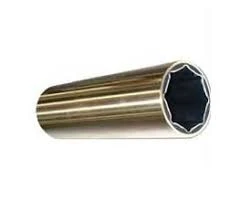
Brass cutlass marine bearing
-
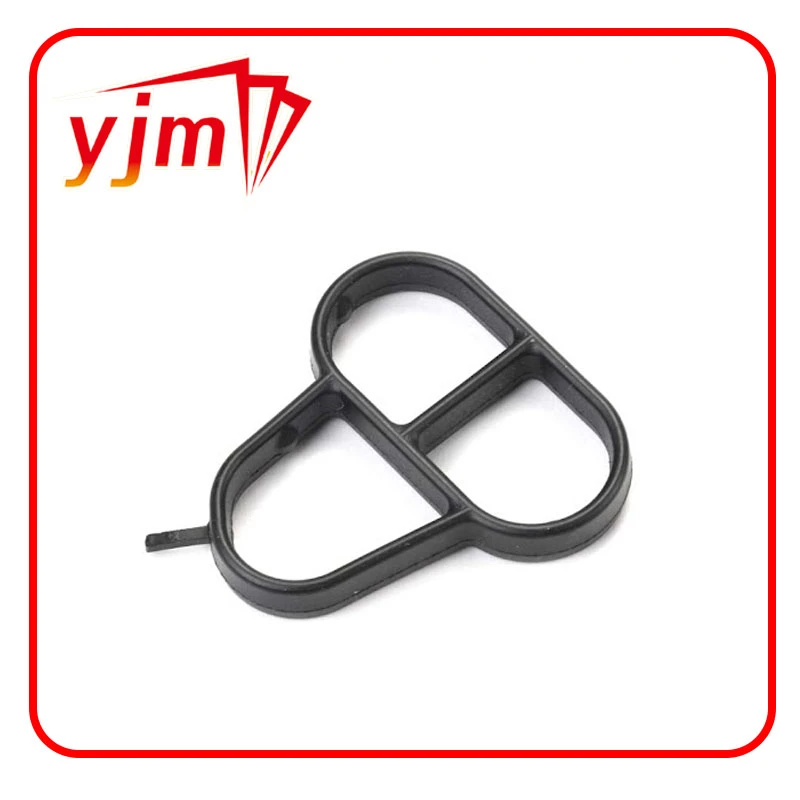
Genuine OEM Engine Oil Filter Housing Cover O-Ring For VW/Audi 06E115446
-
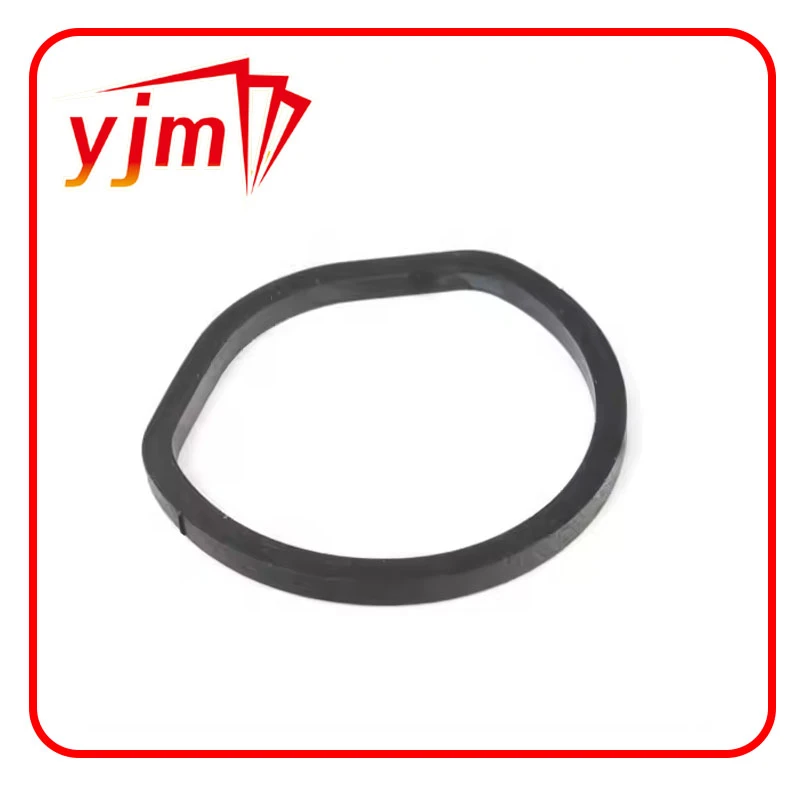
Oil Filter Stand Gasket,Oil filter cover seal
-
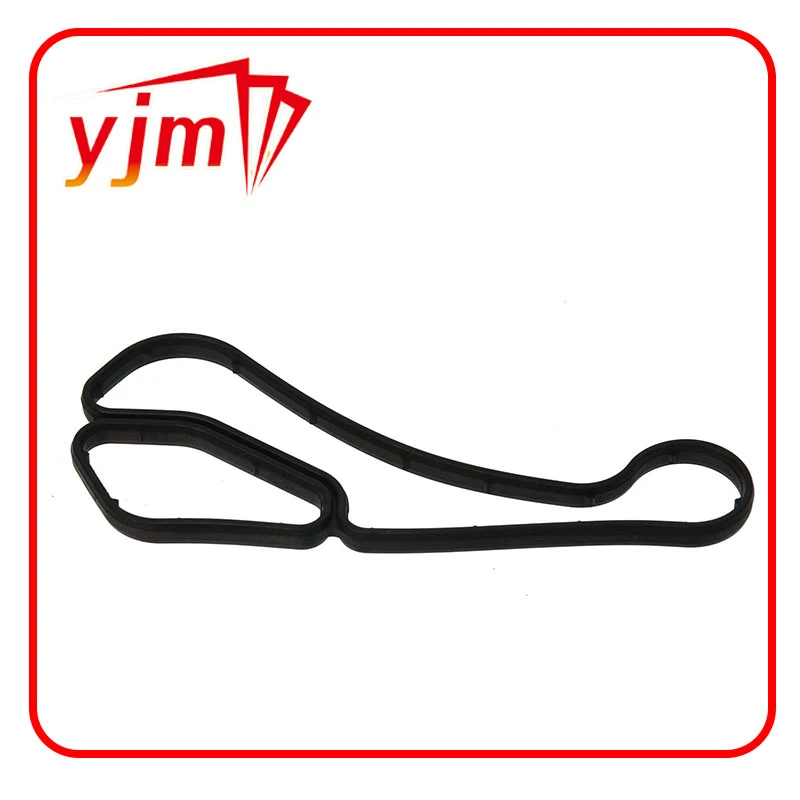
Oil Cooler Gasket, Oil Cooler to Oil Filter Housing 11427525335
-
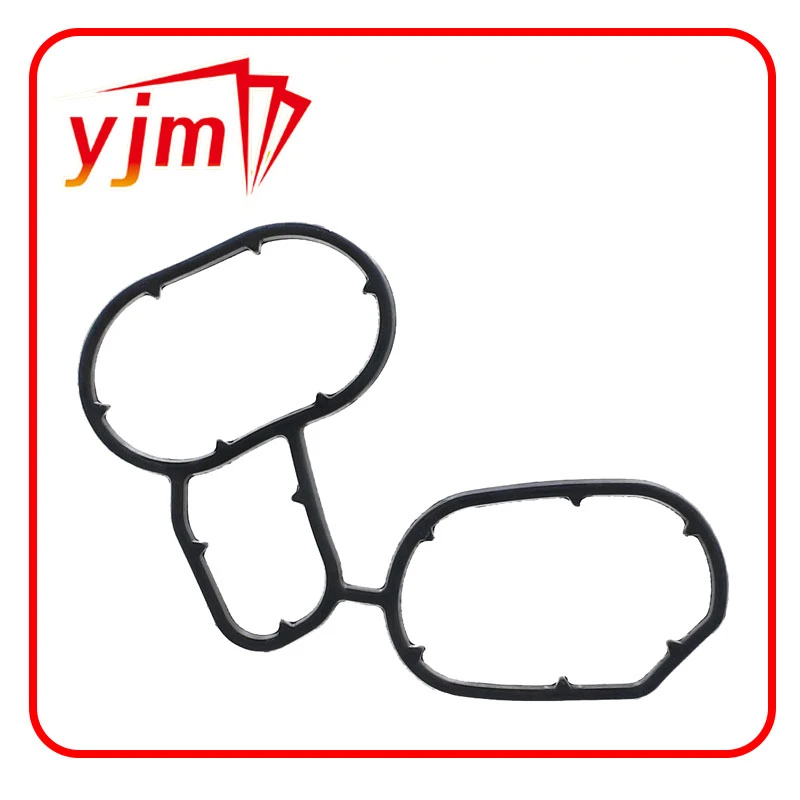
11427508970 BMW - OIL FILTER HOUSING GASKETS
-
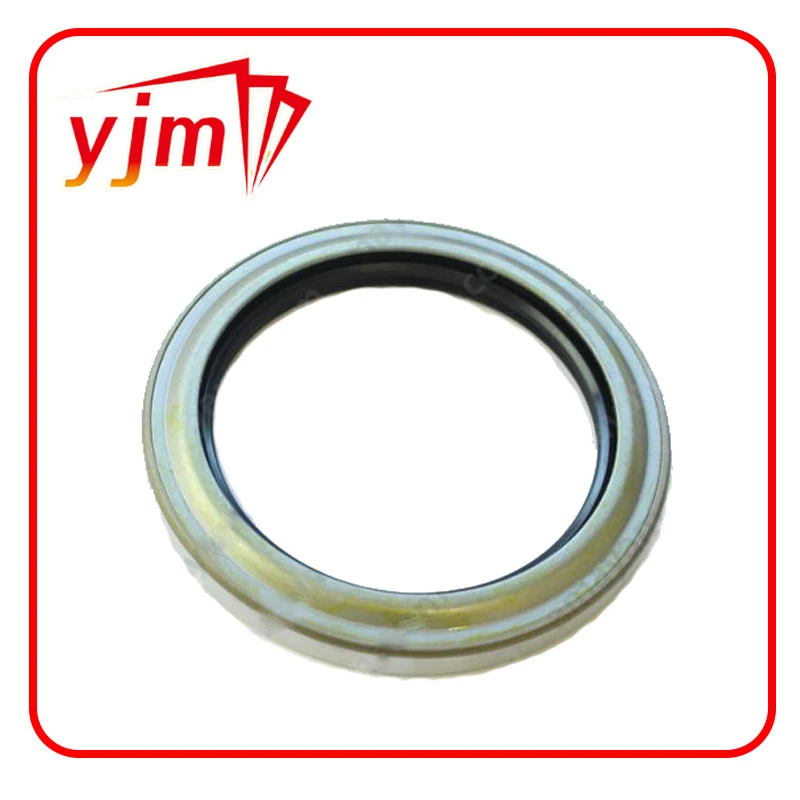
SEAL, OIL Genuine Toyota (9031170011)
-
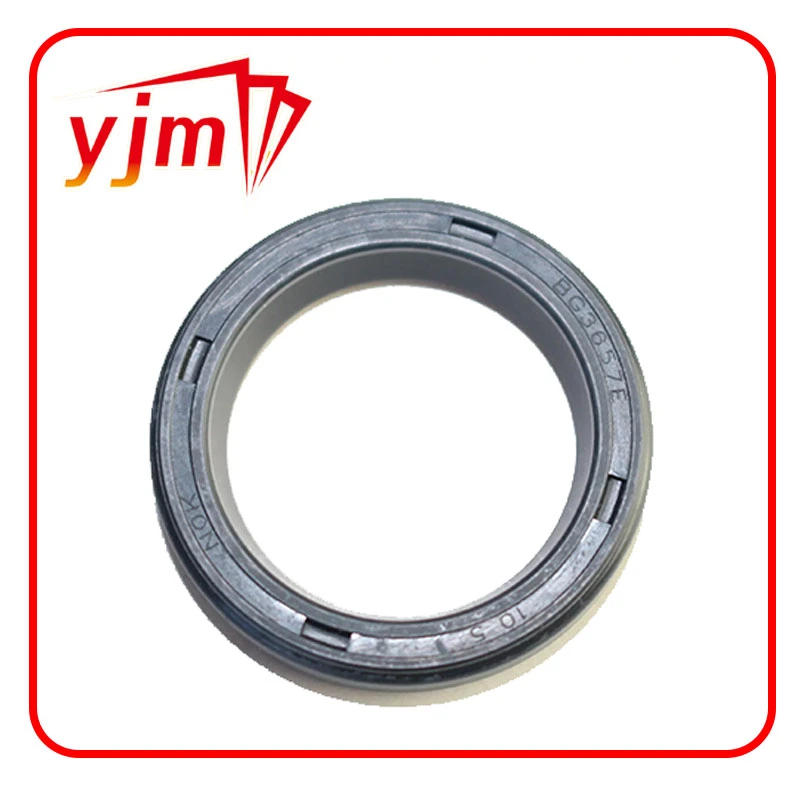
Transfer Case Output Shaft Seal Part 9031223001
-
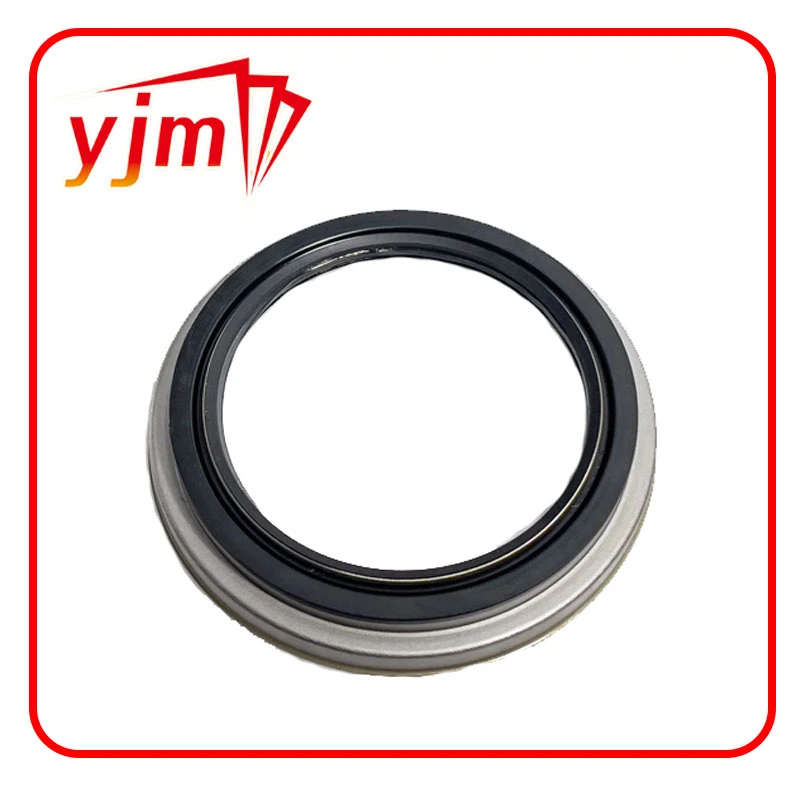
SEAL, OIL Genuine Toyota (9031672001)
-
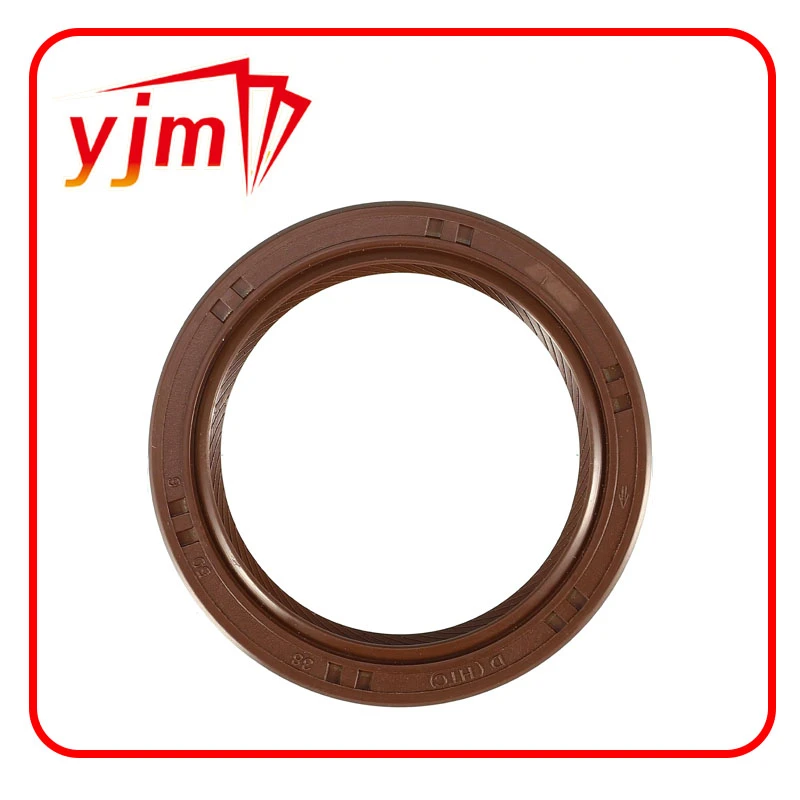
Engine Crankshaft Oil Seal No.9031138096
-
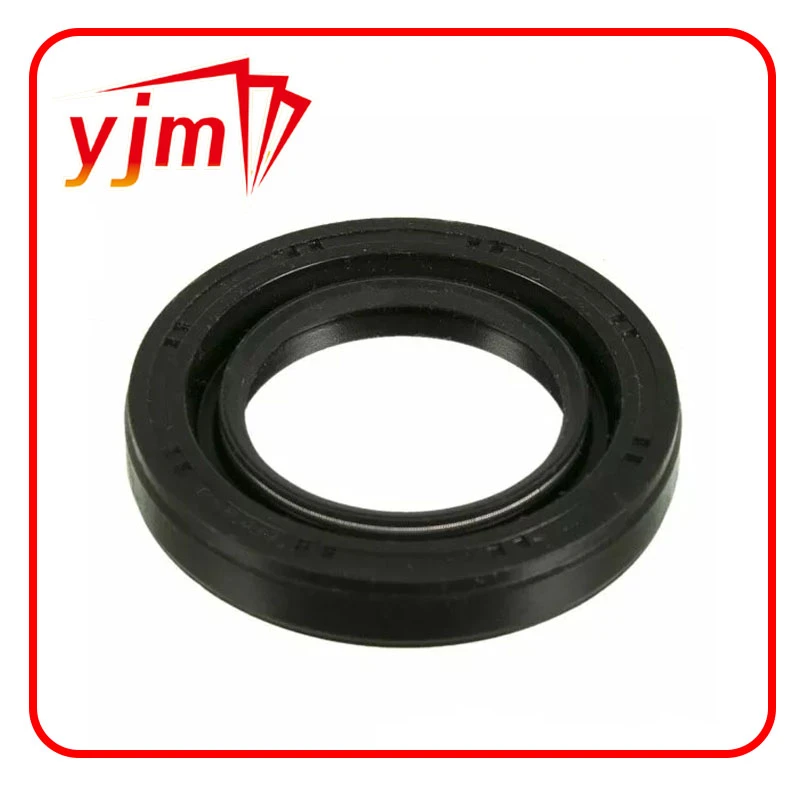
Toyota Transfer Case Output Shaft Seal Front 9031136006
-
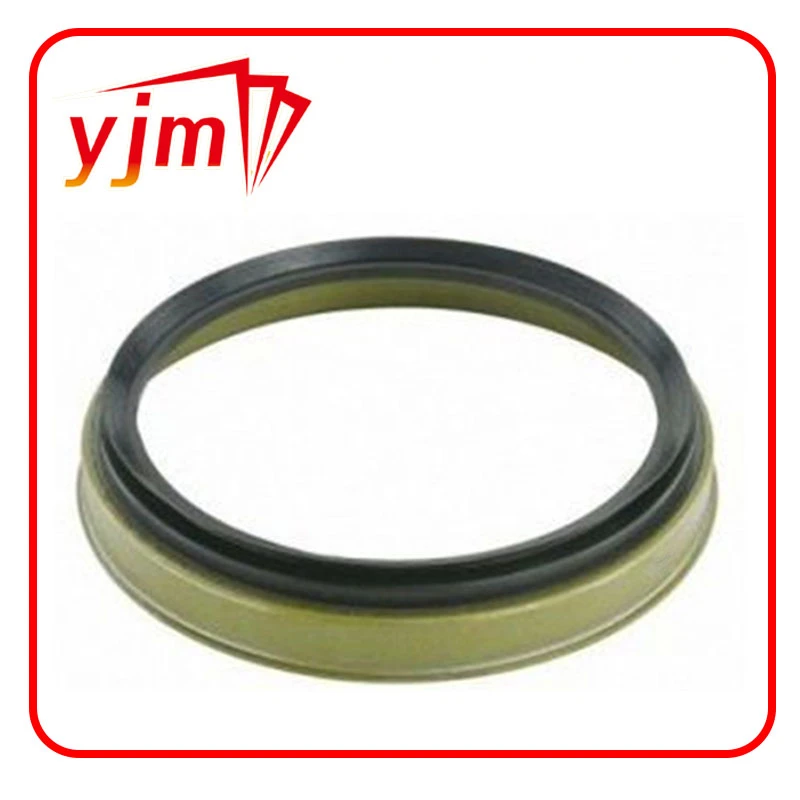
Seal, type v oil 9031287001 TOYOTA
-
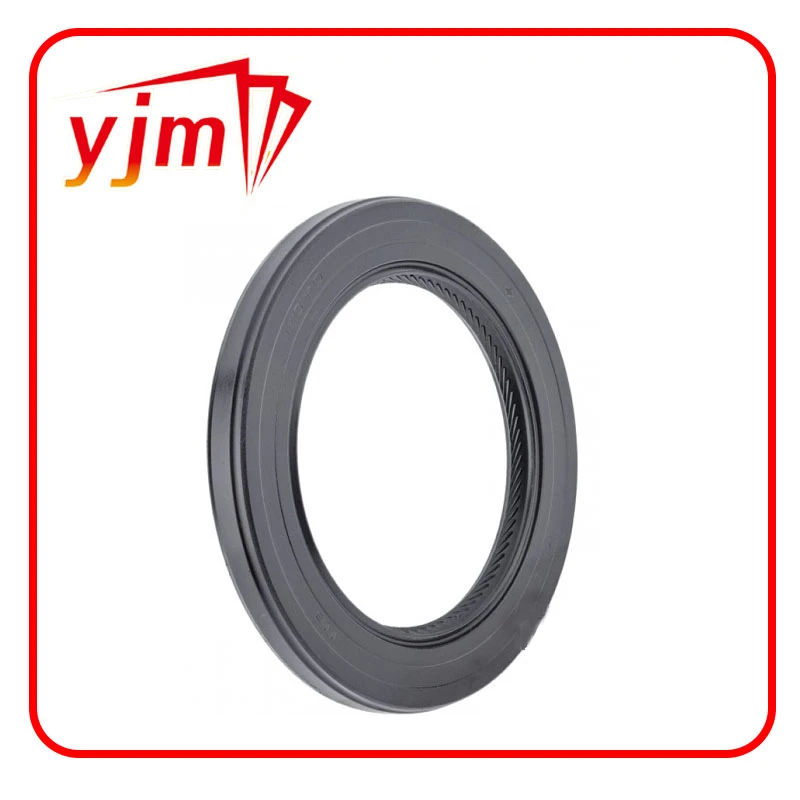
Oil pump seal 9031143010
-
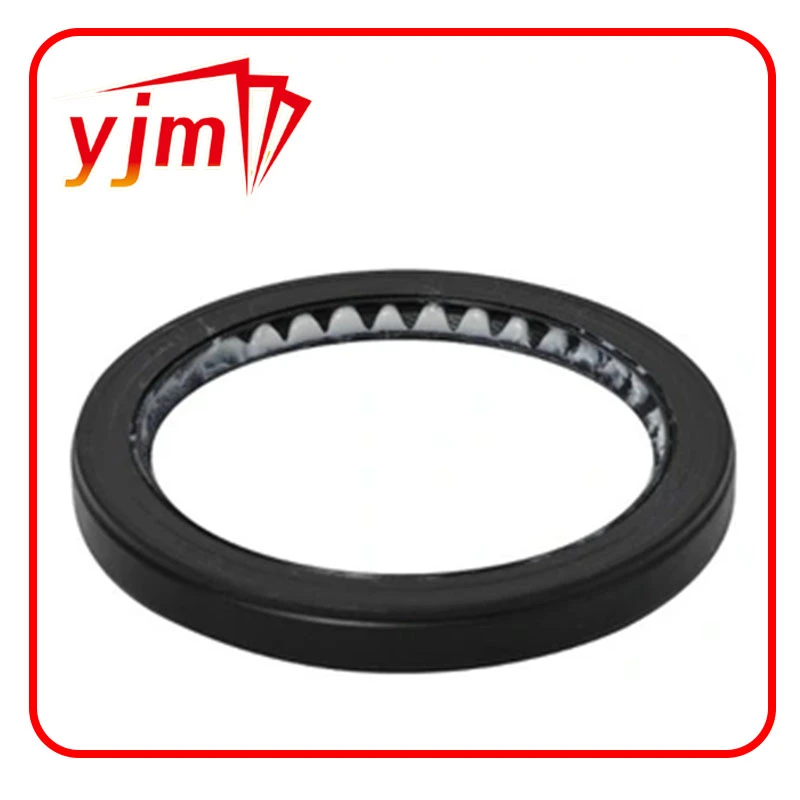
Genuine Toyota Oil SEAL 90311-54006
-
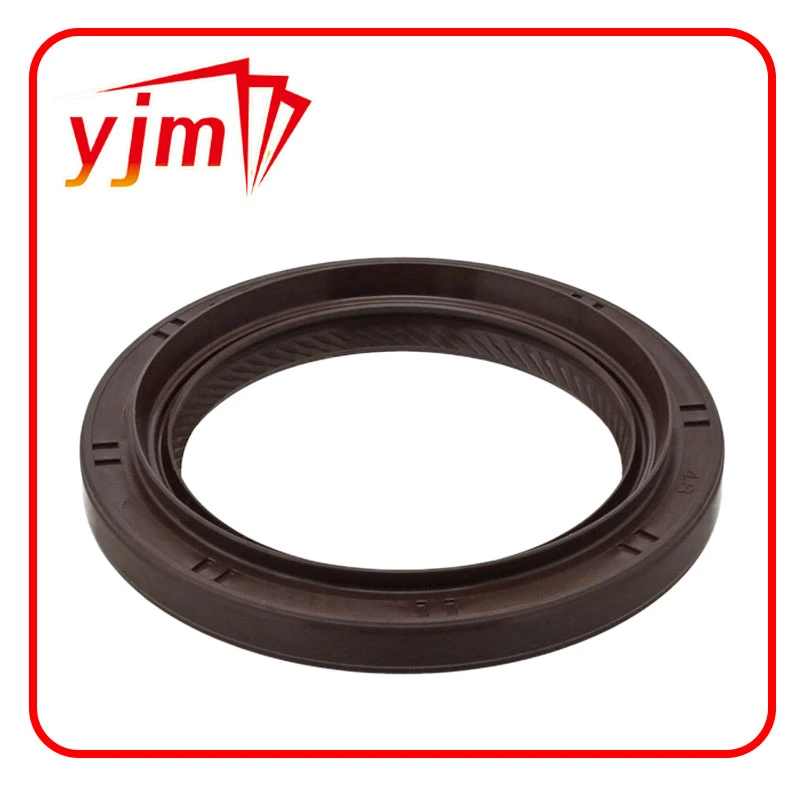
Toyota SEAL TYPE T OIL 90311-48031
-
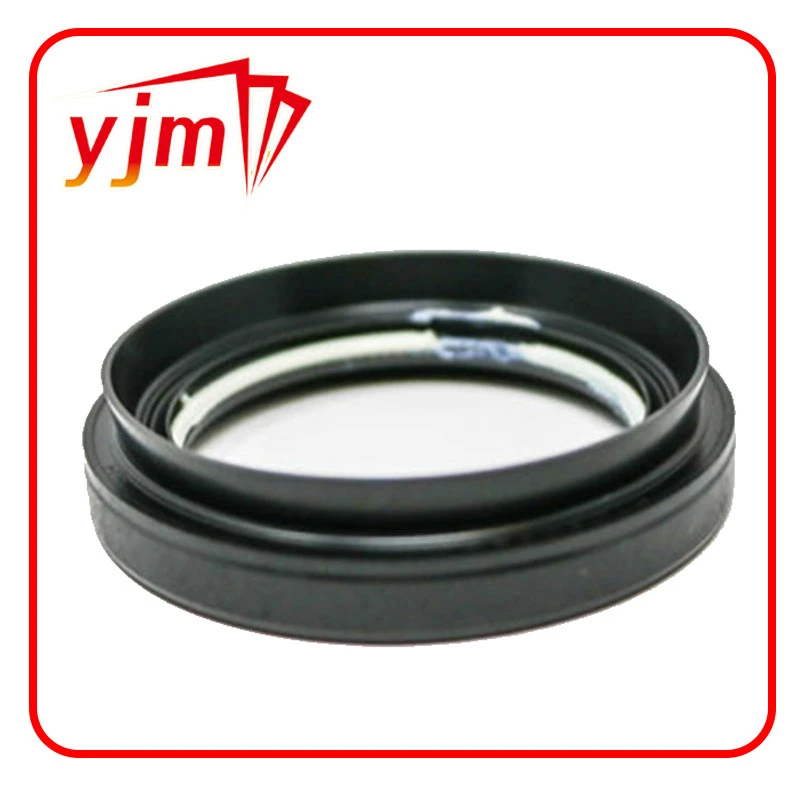
Type T Oil Seal, Front Drive Shaft, Left 9031150064
-
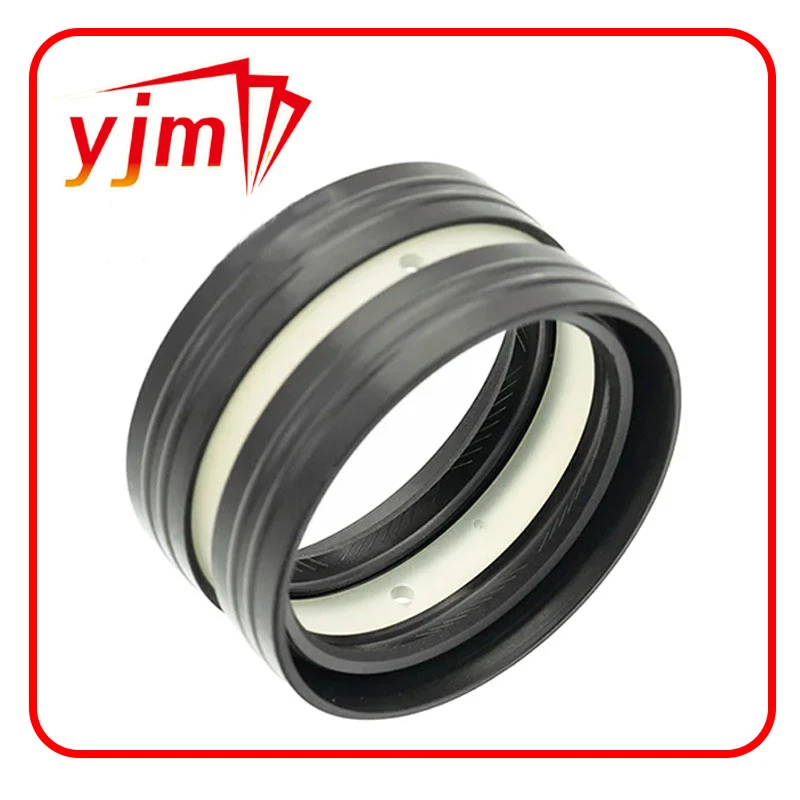
Seal, type d oil 9031634001 TOYOTA
 Afrikaans
 Albanian
 Amharic
 Arabic
 Armenian
 Azerbaijani
 Basque
 Belarusian
 Bengali
 Bosnian
 Bulgarian
 Catalan
 Cebuano
 Corsican
 Croatian
 Czech
Czech
 Danish
 Dutch
Dutch
 Esperanto
 Estonian
 Finnish
 French
 Frisian
 Galician
 Georgian
 German
 Greek
Greek
 Gujarati
 Haitian Creole
 Hausa
Hausa
 Hawaiian
 Hebrew
 Hindi
Hindi
 Miao
Miao
 Hungarian
 Icelandic
 Igbo
Igbo
 Indonesian
 Irish
Irish
 Italian
 Japanese
 Javanese
 Kannada
 Kazakh
 Khmer
Khmer
 Rwandese
 Korean
 Kurdish
 Kyrgyz
 Lao
Lao
 Latin
Latin
 Latvian
 Lithuanian
 Luxembourgish
 Macedonian
 Malgashi
 Malay
Malay
 Malayalam
 Maltese
 Maori
Maori
 Marathi
 Mongolian
 Myanmar
 Nepali
 Norwegian
 Norwegian
 Occitan
 Pashto
 Persian
 Polish
 Portuguese
 Punjabi
 Romanian
 Russian
 Samoan
 Scottish Gaelic
 Serbian
 Sesotho
 Shona
Shona
 Sindhi
 Sinhala
 Slovak
 Slovenian
 Somali
 Spanish
 Sundanese
 Swahili
 Swedish
 Tagalog
 Tajik
Tajik
 Tamil
Tamil
 Tatar
Tatar
 Telugu
 Thai
Thai
 Turkish
 Turkmen
 Ukrainian
 Urdu
Urdu
 Uighur
 Uzbek
Uzbek
 Vietnamese
 Welsh
Welsh
 Bantu
Bantu
 Yiddish
 Yoruba
 Zulu
Zulu
 English