Back Crankshaft Oil Seal – The Key to Reliable Engine Oil Retention and Industrial Efficiency
Understanding the Back Crankshaft Oil Seal: Why It Matters Worldwide
If you’re not into engines or industrial machines, the term back crankshaft oil seal might sound pretty obscure—like an internal whisper only mechanics get. But here’s the thing: this small component packs a big punch in how machines run, how energy is conserved, and how industries keep their gears spinning smoothly, whether it’s a car in Detroit or a heavy diesel generator in Lagos.
Globally, industries demand reliable sealing solutions to prevent costly oil leaks, avoid environmental contamination, and ensure long-term equipment reliability. The back crankshaft oil seal is a simple yet vital part that addresses these challenges by sealing the rear end of the crankshaft to keep lubricants in and grime out.
Understanding this small but essential part unlocks significant benefits – from reducing downtime and maintenance costs to supporting greener manufacturing processes. In an increasingly interconnected world, reliability means sustainability and safety.
Back Crankshaft Oil Seal in the Global Industrial Landscape
Globally, the industrial sector is projected to grow by about 3.5% annually, according to World Bank data, driven heavily by automotive, energy, and manufacturing. With millions of engines and rotating machinery operating across continents, the need for effective, durable sealing solutions has never been higher. ISO standards (like ISO 6194 for rotary shaft lip seals) underscore the importance of quality and performance to keep machinery efficient and environmentally sound.
And yet, oil leakage remains a persistent problem in factories and vehicles worldwide, causing billions of dollars in losses, equipment failures, and environmental hazards. This is where back crankshaft oil seals come into the spotlight as unsung heroes — preventing oil from seeping out at the crankshaft’s rear, where the shaft exits the engine block.
So, with global environmental standards tightening and machines running longer, back crankshaft oil seals must evolve to meet robustness and reliability expectations everywhere.
What Exactly Is a Back Crankshaft Oil Seal?
Simply put, a back crankshaft oil seal is a specialized type of rotary shaft seal that fits around the rear part of a crankshaft. Its job is to keep engine oil from leaking out where the crankshaft leaves the engine block and to block contaminants from getting inside.
Think of it as a precision gatekeeper: it allows smooth rotation but no oil escapes—or dirt sneaks in. With advancements in materials and designs—like using nitrile rubber, silicone, or fluorocarbon compounds—the seals can endure high heat, pressure, and friction. This makes them indispensable in automotive, marine, and power-generation engines.
Beyond just machines, these seals indirectly contribute to cleaner air and safer workplaces by minimizing oil waste and reducing hazardous spills.
Core Components and Considerations for Back Crankshaft Oil Seals
1. Durability Under Harsh Conditions
These seals endure constant rotation, high temperatures (often exceeding 150°C), and exposure to hot oil and contaminants. Materials like Viton or nitrile rubber provide excellent chemical and heat resistance, ensuring longevity.
2. Precision Fit and Design
An exact fit is crucial to prevent leaks. The seal must accommodate slight crankshaft shaft movements and wear without losing effectiveness. Advanced designs include flexible lips with spring tensioners to maintain consistent contact.
3. Cost Efficiency and Maintenance
Choosing the right seal impacts how often you need costly downtime and replacements. While premium materials might cost more upfront, they pay off by extending machinery life and reducing leaks.
4. Compatibility with Machinery Types
Different engines require different seal sizes and materials – from heavy-duty marine diesel engines to small gasoline motors. Suppliers offer customization that can significantly improve performance based on use case.
5. Environmental Impact
Effective sealing significantly reduces oil leaks, which are a source of soil and water contamination. Compliance with environmental regulations demands seals that minimize waste, aligning with growing global green manufacturing trends.
Where Are Back Crankshaft Oil Seals Making a Difference?
These seals power engines in countless contexts:
- Automotive Industry: Cars, trucks, and motorcycles rely on quality back crankshaft oil seals to prevent engine oil leaks and ensure smooth performance.
- Marine Sector: Diesel engines in ships use heavy-duty seals that can resist saltwater contamination and high operating temperatures.
- Power Generation: Generators in remote or off-grid areas, such as parts of Africa and Southeast Asia, depend on seals to maintain uninterrupted function.
- Construction & Mining Machinery: These rugged environments require seals that can handle dirt, debris, and intense mechanical stress without failure.
For example: after the 2019 cyclone in Mozambique, power generators enabled by reliable seals helped restore electricity to remote areas—highlighting the crucial role these components play in humanitarian and industrial recovery efforts.
Advantages & Long-Term Value of Back Crankshaft Oil Seals
Why go for high-quality seals? Some benefits include:
- Reduced Maintenance Costs: Less frequent oil leak-related repairs mean more uptime.
- Enhanced Machine Reliability: Consistent sealing reduces risk of mechanical failure.
- Environmental Compliance: Reducing oil leaks lessens contamination, meeting worldwide green standards.
- Improved Safety: Avoiding oil drips lowers fire hazards and workplace slips.
Beyond these logical benefits, the trust engineers feel when they know their engines won’t leave them stranded — well, that’s the intangible but real value you can’t always quantify.
Product Specifications: Back Crankshaft Oil Seal Sample Data
| Parameter | Specification | Unit |
|---|---|---|
| Inner Diameter | 35 - 150 | mm |
| Outer Diameter | 50 - 180 | mm |
| Thickness | 7 - 12 | mm |
| Material | Nitrile Rubber, Viton | - |
| Temperature Range | -40 to +150 | °C |
Comparing Back Crankshaft Oil Seal Suppliers
| Vendor | Material Options | Custom Sizes | Typical Lead Time | Price Range (USD) |
|---|---|---|---|---|
| YJM Seal | Nitrile, Viton, Silicone | Yes | 2-3 weeks | $1.50 - $5.00 |
| Global Seals Co. | Nitrile, Fluorocarbon | Limited | 3-4 weeks | $2.00 - $6.00 |
| SealTech Industries | Viton, Silicone | Yes | 1-2 weeks | $3.00 - $7.00 |
Innovations and Future Trends in Back Crankshaft Oil Seals
The future is about smarter, greener seals. Many companies are exploring bio-based elastomers or incorporating nanomaterials to boost lifespan and reduce friction. Digital monitoring systems linked to seals can predict failure before leaks happen, saving downtime.
Additionally, with electric vehicles gaining pace, seals for hybrid and EV powertrain components are evolving — they often require different compatibility and tighter tolerance due to new oil types or lubricants.
Governments worldwide push for sustainability; so expect more regulations around oil containment, pushing manufacturers to innovate further.
Common Challenges and How to Overcome Them
Despite advances, installers face:
- Seal Wear & Tear: Frequent replacement needed in rough environments.
- Improper Installation: Leading to leaks and early failure.
- Material Incompatibility: Causes swelling or degradation when exposed to wrong fluids.
Training technicians, choosing the right material for your application, and using precision installation tools help avoid these pitfalls. Partnering with reliable vendors ensures engineered solutions that last.
FAQ: Back Crankshaft Oil Seal Basics You Want to Know
Q1: How long does a typical back crankshaft oil seal last?
A1: Under normal operating conditions, high-quality seals can last anywhere from 3 to 7 years. This depends on engine temperature, lubricant type, and environmental factors. Regular inspections help catch wear before failure.
Q2: Can I replace the back crankshaft oil seal myself?
A2: While some experienced mechanics can perform the replacement, improper installation risks early leaks. It’s usually best done during scheduled engine maintenance by qualified personnel.
Q3: What materials are best for heavy-duty engines?
A3: Viton (fluorocarbon rubber) is often preferred for heavy-duty or marine engines due to its excellent heat and chemical resistance. Nitrile rubber is suitable for lighter applications.
Q4: Why do some oil seals fail prematurely?
A4: Causes include incorrect installation, improper lubrication, exposure to incompatible chemicals, or excessive shaft runout. Using the right seal design and material reduces these risks.
Q5: How can I source custom back crankshaft oil seals?
A5: Vendors like YJM Seal offer custom sizes and materials based on your engine specs. Providing accurate shaft dimensions and operating conditions helps ensure the best match.
Conclusion: Why Investing in Quality Back Crankshaft Oil Seals Pays Off
At the end of the day, the back crankshaft oil seal might be one of those small parts that many overlook, but it’s undeniably crucial for avoiding costly oil leaks and ensuring your engine’s reliability and safety. Whether your machines operate in harsh industrial zones or on smooth highways, the right seal is more than a component—it’s peace of mind.
For comprehensive sealing solutions and custom options, visit https://www.yjmseal.com and discover how quality and innovation meet to keep your engines running clean and efficient.
References:
-
Guide to Choosing the Right Washer for Oil Change and Sealing
News Apr.16,2026
-
Essential Guide to High Quality rubber washer oil drain plug
News Apr.09,2026
-
Understanding Rubber Crush Washers for Optimal Sealing Performance
News Apr.07,2026
-
Comprehensive Guide to Understanding and Reusing Crush Washer for Optimal Sealing
News Apr.04,2026
-
The Vital Role of a Drain Screw Gasket in Fluid System Integrity
News Mar.31,2026
-
The Essential Guide to Drain Crush Washer Selection and Plumbing Leak Prevention
News Mar.28,2026
-
The Vital Role of a Crush Washer in Oil Changes for Engine Protection
News Mar.26,2026
Products categories
-
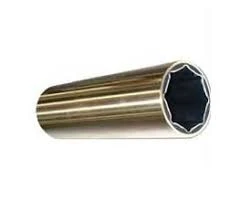
Brass cutlass marine bearing
-
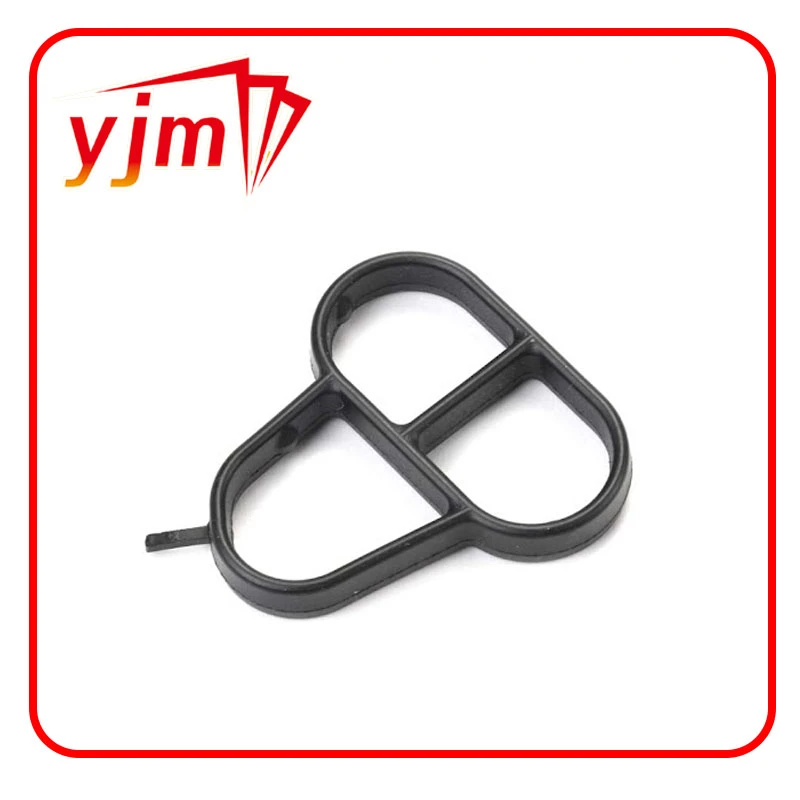
Genuine OEM Engine Oil Filter Housing Cover O-Ring For VW/Audi 06E115446
-
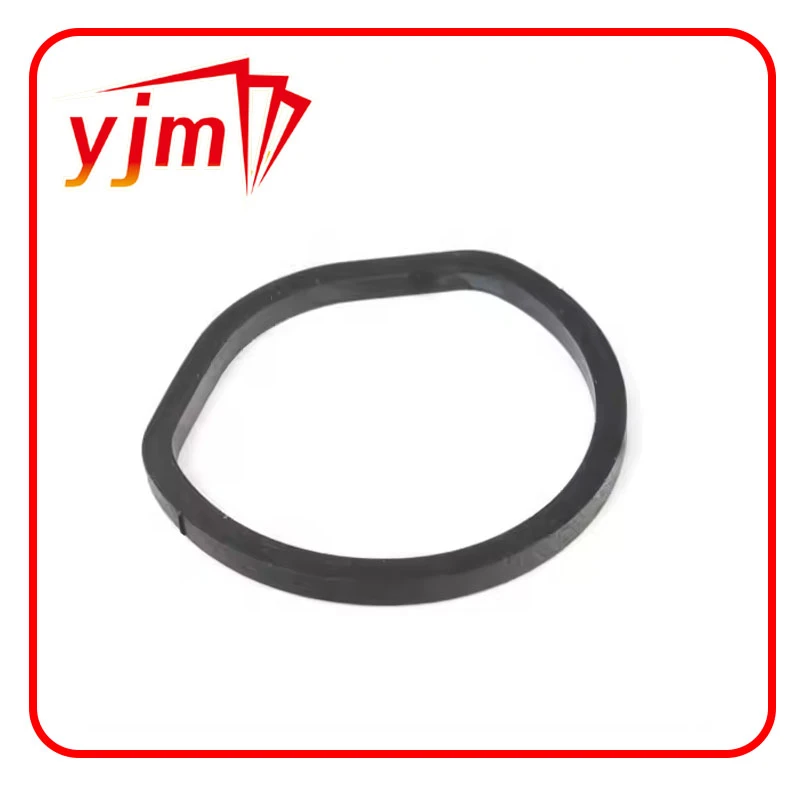
Oil Filter Stand Gasket,Oil filter cover seal
-
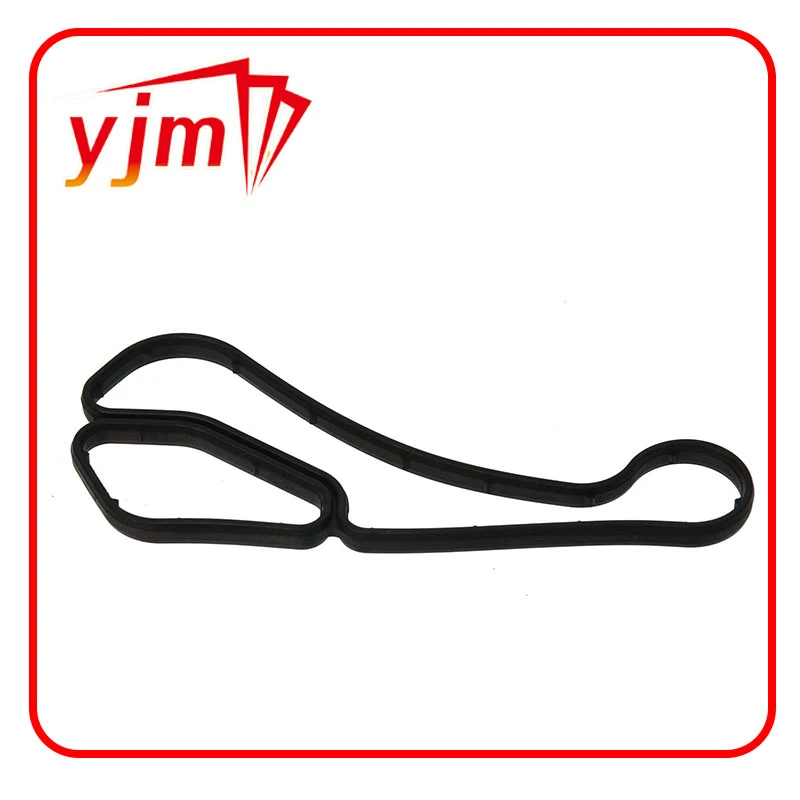
Oil Cooler Gasket, Oil Cooler to Oil Filter Housing 11427525335
-
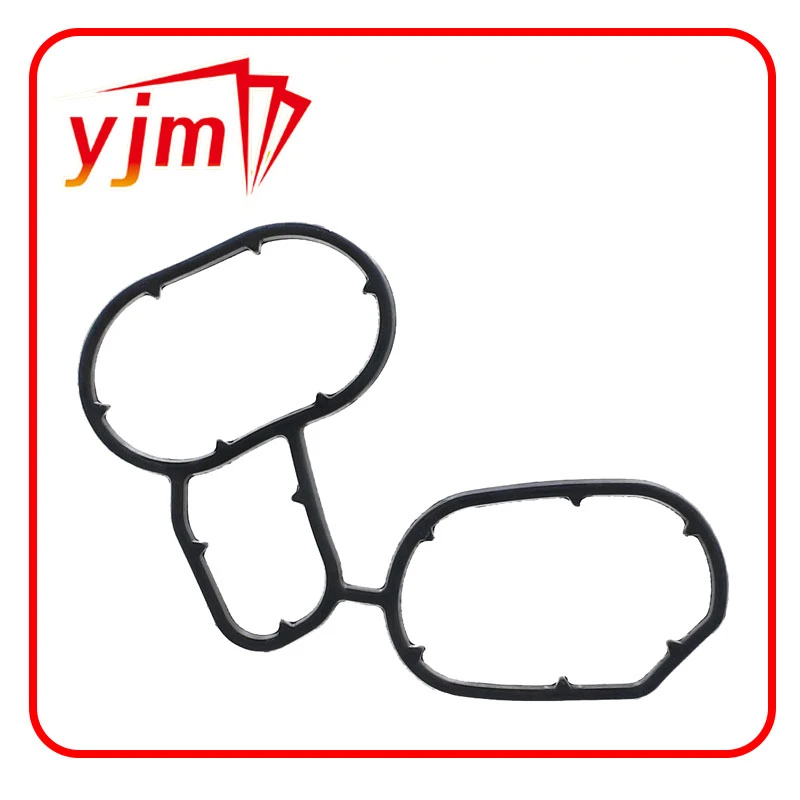
11427508970 BMW - OIL FILTER HOUSING GASKETS
-
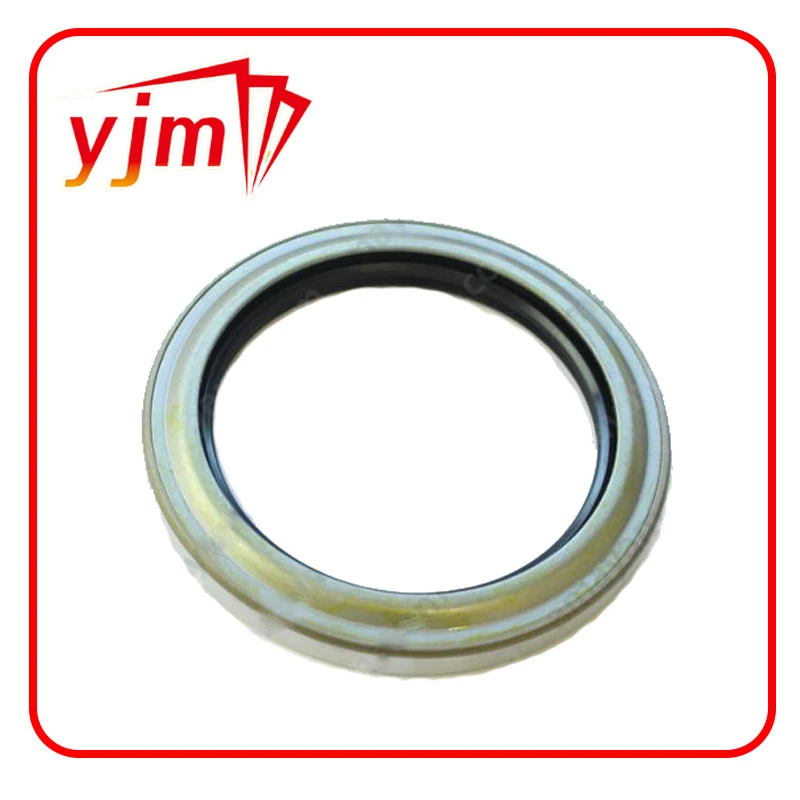
SEAL, OIL Genuine Toyota (9031170011)
-
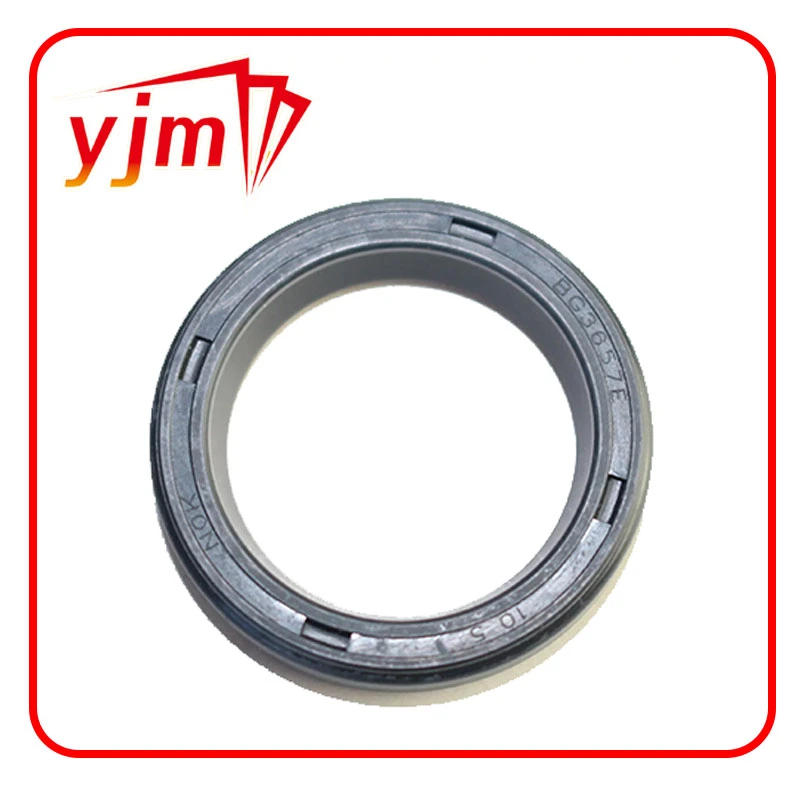
Transfer Case Output Shaft Seal Part 9031223001
-
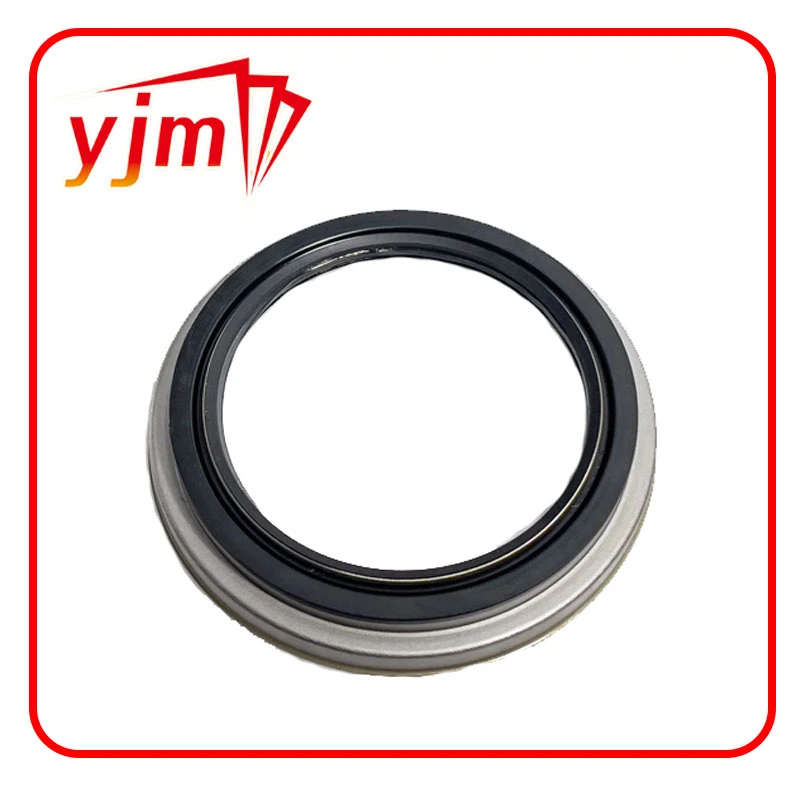
SEAL, OIL Genuine Toyota (9031672001)
-
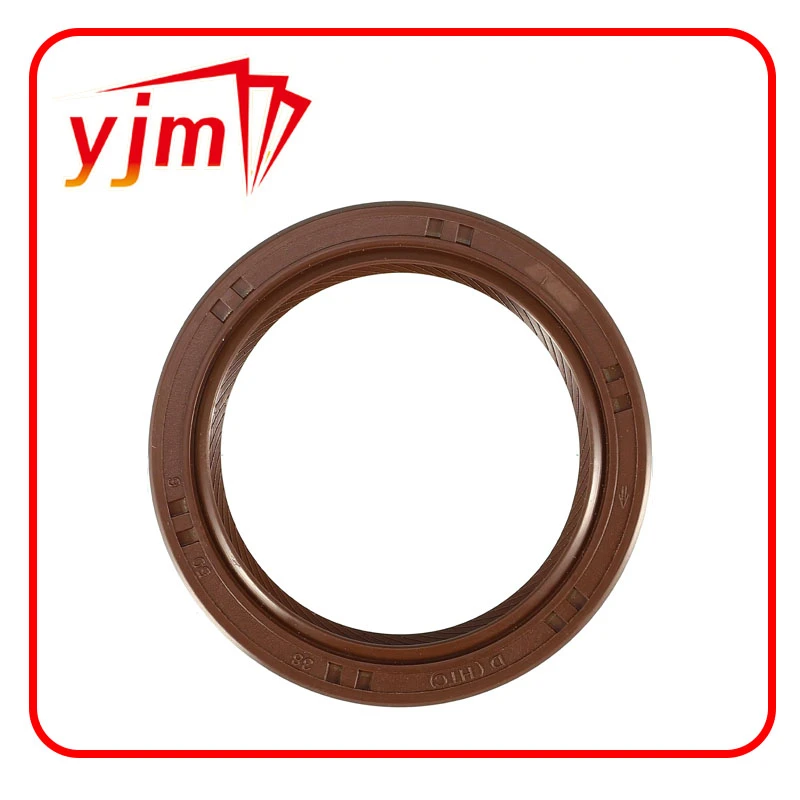
Engine Crankshaft Oil Seal No.9031138096
-
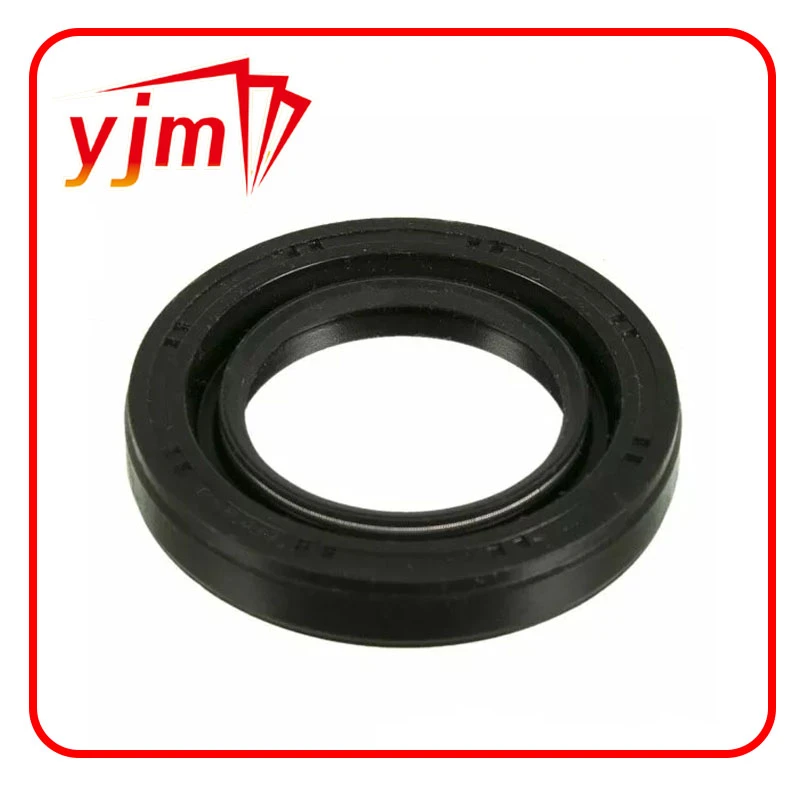
Toyota Transfer Case Output Shaft Seal Front 9031136006
-
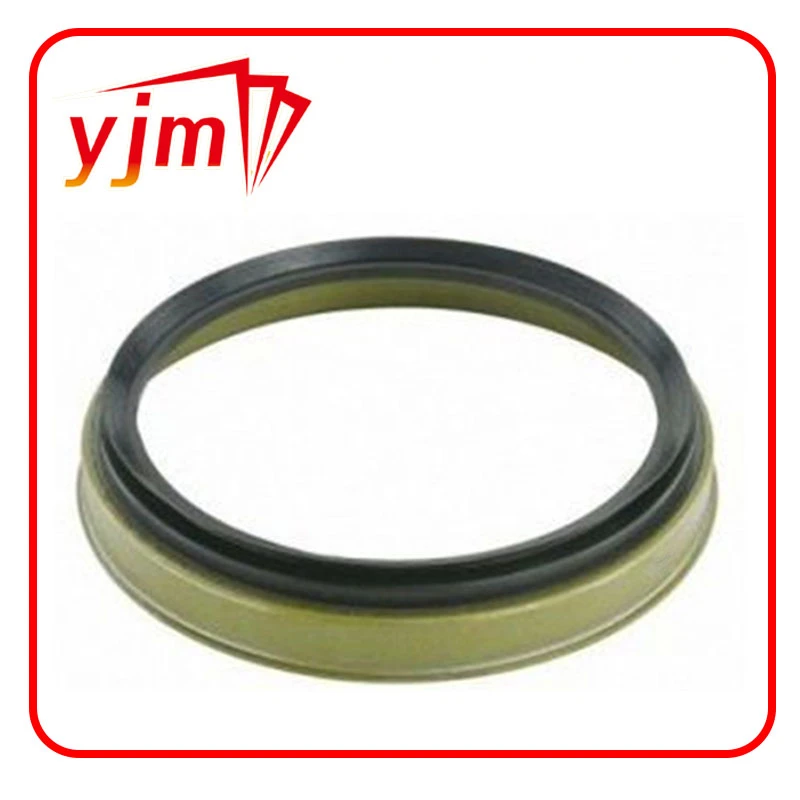
Seal, type v oil 9031287001 TOYOTA
-
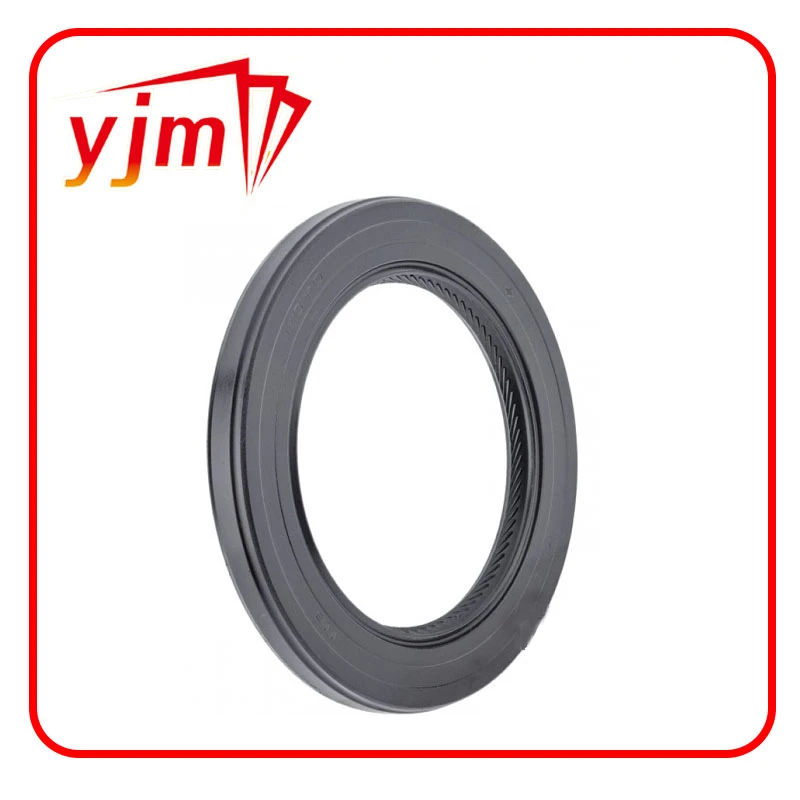
Oil pump seal 9031143010
-
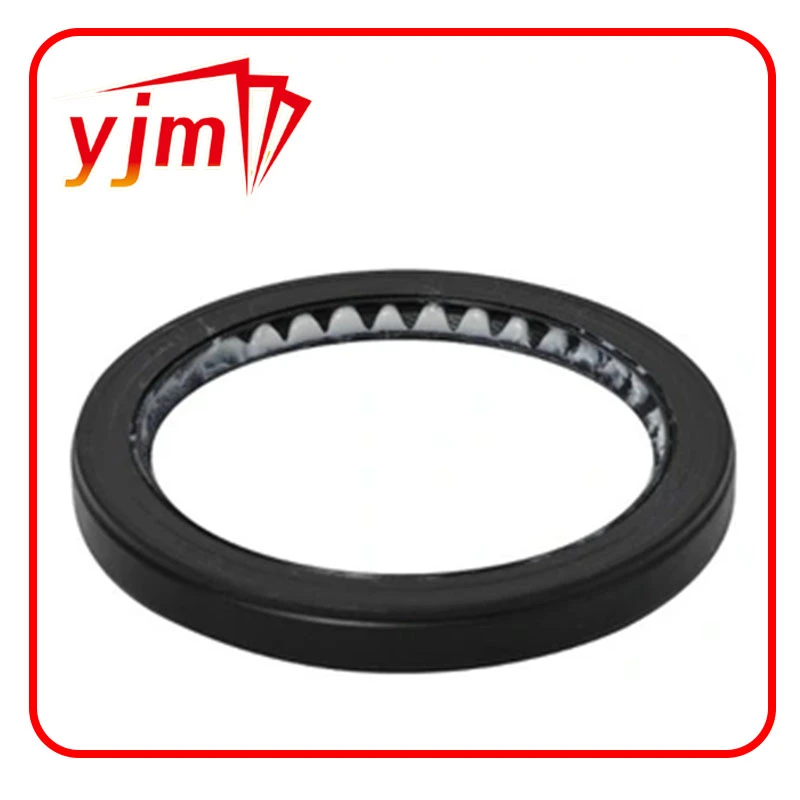
Genuine Toyota Oil SEAL 90311-54006
-
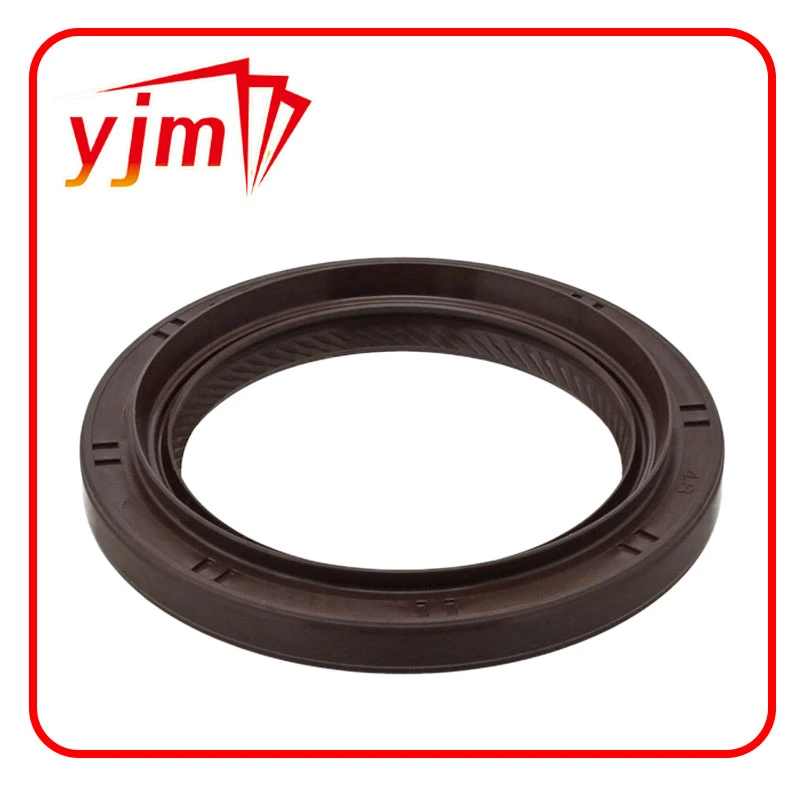
Toyota SEAL TYPE T OIL 90311-48031
-
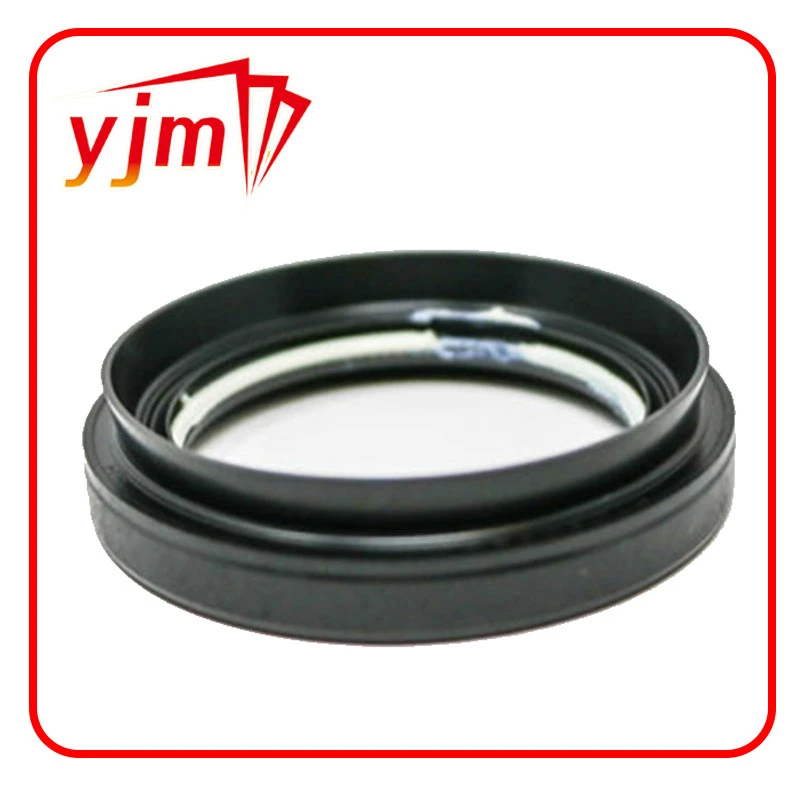
Type T Oil Seal, Front Drive Shaft, Left 9031150064
-
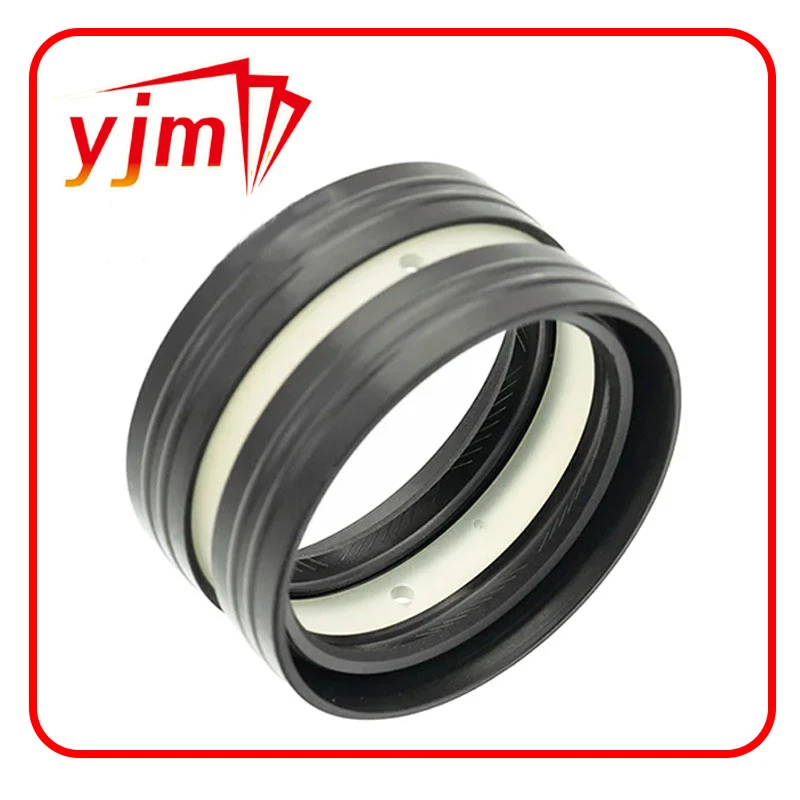
Seal, type d oil 9031634001 TOYOTA
 Afrikaans
 Albanian
 Amharic
 Arabic
 Armenian
 Azerbaijani
 Basque
 Belarusian
 Bengali
 Bosnian
 Bulgarian
 Catalan
 Cebuano
 Corsican
 Croatian
 Czech
Czech
 Danish
 Dutch
Dutch
 Esperanto
 Estonian
 Finnish
 French
 Frisian
 Galician
 Georgian
 German
 Greek
Greek
 Gujarati
 Haitian Creole
 Hausa
Hausa
 Hawaiian
 Hebrew
 Hindi
Hindi
 Miao
Miao
 Hungarian
 Icelandic
 Igbo
Igbo
 Indonesian
 Irish
Irish
 Italian
 Japanese
 Javanese
 Kannada
 Kazakh
 Khmer
Khmer
 Rwandese
 Korean
 Kurdish
 Kyrgyz
 Lao
Lao
 Latin
Latin
 Latvian
 Lithuanian
 Luxembourgish
 Macedonian
 Malgashi
 Malay
Malay
 Malayalam
 Maltese
 Maori
Maori
 Marathi
 Mongolian
 Myanmar
 Nepali
 Norwegian
 Norwegian
 Occitan
 Pashto
 Persian
 Polish
 Portuguese
 Punjabi
 Romanian
 Russian
 Samoan
 Scottish Gaelic
 Serbian
 Sesotho
 Shona
Shona
 Sindhi
 Sinhala
 Slovak
 Slovenian
 Somali
 Spanish
 Sundanese
 Swahili
 Swedish
 Tagalog
 Tajik
Tajik
 Tamil
Tamil
 Tatar
Tatar
 Telugu
 Thai
Thai
 Turkish
 Turkmen
 Ukrainian
 Urdu
Urdu
 Uighur
 Uzbek
Uzbek
 Vietnamese
 Welsh
Welsh
 Bantu
Bantu
 Yiddish
 Yoruba
 Zulu
Zulu
 English