High-Quality Automotive Shaft Seals | Durable, Precise & Cost-Effective
Understanding Automotive Shaft Seals: The Unsung Heroes of Industry
Automotive shaft seals may not be the flashiest components in a vehicle or machinery, but they’re crucial for keeping engines, transmissions, and countless mechanical systems running smoothly. At their core, these seals prevent fluid leaks and guard against contaminants, ensuring efficiency and longevity. Globally, the importance of reliable and durable shaft seals is climbing—driven by the automotive sector's expansion, stricter environmental regulations, and increasing demands for sustainability.
It might feel like a tiny detail, but mastering the ins and outs of automotive shaft seals can significantly impact maintenance strategies, cost savings, and environmental footprints worldwide.
The Global Context: Why Automotive Shaft Seals Matter More Than Ever
The global automotive market is expected to exceed $7 trillion by 2030, with emerging economies gaining ground in vehicle manufacturing and exports. Automotive shaft seals play an indispensable role here—they help maintain lubricants within engines and transmissions, reducing emissions and improving fuel efficiency. According to ISO 6194 standards for rotary shaft lip seals, quality and design consistency can prevent up to 30% of leaks in vehicles, which otherwise might contribute to environmental pollution and costly repairs.
Still, the challenge remains: How to balance durable sealing solutions with lightweight materials and eco-friendly designs? Plus, with the rise of electric vehicles, there’s a wave of engineering demands on seals that weren’t there before.
What Exactly Are Automotive Shaft Seals?
Simply put, automotive shaft seals are mechanical components designed to seal the interface between a rotating shaft and stationary housing in automotive machinery. They keep corrosive dirt, dust, and water out, while preventing lubricants like oil or grease from escaping. This preserves the integrity of the internal parts and helps systems run cooler and longer.
From a humanitarian angle, reliable shaft seals improve vehicle durability and reduce breakdowns, which is especially crucial in areas with limited access to repair facilities. You can imagine farming equipment in remote villages or relief supply trucks navigating rough roads—dependable seals reduce failures and keep those wheels turning.
Core Components and Key Factors of Automotive Shaft Seals
1. Durability
Seals must withstand continuous rotation and temperature fluctuations without losing their form or sealing ability. Durable materials like nitrile rubber (NBR) or fluorocarbon elastomers (FKM) endure harsh conditions, ensuring longer service life.
2. Material Compatibility
The seal’s ability to resist chemical degradation from lubricants, fuels, or road salt is non-negotiable. Different elastomers and polymer blends are chosen depending on their exposure.
3. Design Precision
Even a tiny imperfection can cause leakage. Today’s advanced CNC machining and molding methods help produce seals with highly reliable tolerances.
4. Cost Efficiency
While premium materials last longer, affordability still matters. Manufacturers strive for an optimal balance—choosing materials and designs that reduce total life cycle costs, not just sticker prices.
5. Environmental Impact
Green alternatives are emerging, focusing on recyclable materials and low VOC (volatile organic compound) manufacturing processes to reduce overall ecological footprints.
Mini takeaway:
Durability, material choice, and precision design form the backbone of seal quality—a trifecta that determines performance and cost-effectiveness.
Global Applications & Real-World Use Cases
Nearly every automotive system—from passenger cars to heavy-duty trucks, construction machinery, and agricultural equipment—relies on shaft seals. For instance, in Japan and Germany, where automotive engineering is highly sophisticated, seals are engineered to meet those countries’ strict emissions and efficiency standards.
In more challenging environments, like sub-Saharan Africa or parts of South America, the seals often confront contaminated water, mud, and extreme heat, making durability even more critical. Some NGOs deploying emergency vehicles rely heavily on automotive shaft seals that can endure tough conditions without frequent replacement.
Electric vehicles showcase a unique twist. Since EV motors work differently than combustion engines, seals have to handle new thermal profiles and electrical insulation requirements. Companies like Tesla and Hyundai are investing in customized seals to optimize EV motor reliability.
Mini takeaway:
The practical value of automotive shaft seals transcends borders and vehicle types, adapting to extreme environments and cutting-edge tech alike.
Advantages & Long-Term Value of Quality Shaft Seals
- Cost savings: Less frequent maintenance and reduced downtime means better asset utilization.
- Environmental benefits: Reduced leaks lower soil and water contamination.
- Safety and reliability: Prevents accidents caused by mechanical failure, protecting both operators and communities.
- Innovation and trust: Engineering a better seal reflects a commitment to quality and durability, increasing brand loyalty.
To me, it always comes back to this: a well-engineered seal isn’t just an industrial component; it’s a small guardian of safety and sustainability.
Product Specification Table: Typical Automotive Shaft Seal
| Specification | Details |
|---|---|
| Material | Nitrile Rubber (NBR) / Viton (FKM) |
| Temperature Range | -40°C to +150°C |
| Shaft Diameter Range | 5 mm to 200 mm |
| Operating Speed | Up to 20 m/s |
| Pressure Resistance | Up to 0.3 MPa |
| Standard Compliance | ISO 6194 |
Looking Ahead: Innovations and Future Trends
It feels like we’re on the brink of a seal revolution, sparked by material science breakthroughs and digital integration. Self-healing polymers and nano-coatings promise to extend seal life dramatically while cutting maintenance. Meanwhile, "smart" seals embedded with sensors could monitor pressure, temperature, and wear remotely—enabling predictive maintenance well before failures occur.
Greener manufacturing processes are also gaining traction. Lightweight biopolymers and recyclable elastomers could redefine industry standards within the next decade, complementary to the electric and hybrid vehicle boom.
Challenges & Practical Solutions
Despite progress, automotive shaft seals still face hurdles like thermal degradation, chemical attack, and installation errors. A common issue is premature wear due to shaft misalignment or debris getting trapped. Some engineers recommend improved quality control during assembly and the use of protective covers to mitigate contaminants.
Material fatigue under rapid thermal cycles is another problem for EV applications, prompting the development of hybrid sealing materials combining flexibility with stiffness.
Vendor Comparison Table: Top Automotive Shaft Seal Suppliers
| Vendor | Material Range | Customization Level | Lead Time | Price Range |
|---|---|---|---|---|
| YJM Seal | NBR, FKM, Silicone | High | 2–3 weeks | $$$ |
| SKF | NBR, Viton | Medium | 1–2 weeks | $$$$ |
| Freudenberg Group | FKM, PTFE blends | High | 3–5 weeks | $$$$ |
FAQ: Common Questions About Automotive Shaft Seals
- Q: How long do automotive shaft seals typically last?
- A: With proper installation and operating conditions, seals can last anywhere from 5 to 10 years, depending on material and wear environment. High temperatures or contaminated fluids may shorten lifespan.
- Q: Can shaft seals be customized for electric vehicles?
- Yes. EVs have unique thermal and electrical demands; manufacturers often specify custom seals with special materials and coatings to meet these requirements.
- Q: What should I look for when selecting an automotive shaft seal?
- Consider material compatibility, temperature range, shaft size tolerance, and expected operating conditions. High-quality sealing lip designs and manufacturer certifications are also key indicators.
- Q: How does proper shaft seal installation affect performance?
- Installation precision is crucial. Misalignment or damage during fitting can cause leaks or premature failure. Following manufacturer instructions and using correct tools helps ensure longevity.
Wrapping It Up: Why Automotive Shaft Seals Are a Smart Investment
At first glance, automotive shaft seals might seem like a minor footnote in engineering, but their impact is anything but small. They contribute to cost savings, environmental protection, and operational peace of mind across industries and continents. Whether in dusty deserts, bustling cities, or high-tech EVs, these seals keep the wheels, engines, and industries turning.
Curious to learn more or ready to upgrade your sealing solutions? Visit our website for detailed specs, custom options, and expert support at https://www.yjmseal.com.
References & Further Reading
-
Guide to Choosing the Right Washer for Oil Change and Sealing
News Apr.16,2026
-
Essential Guide to High Quality rubber washer oil drain plug
News Apr.09,2026
-
Understanding Rubber Crush Washers for Optimal Sealing Performance
News Apr.07,2026
-
Comprehensive Guide to Understanding and Reusing Crush Washer for Optimal Sealing
News Apr.04,2026
-
The Vital Role of a Drain Screw Gasket in Fluid System Integrity
News Mar.31,2026
-
The Essential Guide to Drain Crush Washer Selection and Plumbing Leak Prevention
News Mar.28,2026
-
The Vital Role of a Crush Washer in Oil Changes for Engine Protection
News Mar.26,2026
Products categories
-
Brass cutlass marine bearing
-
Genuine OEM Engine Oil Filter Housing Cover O-Ring For VW/Audi 06E115446
-
Oil Filter Stand Gasket,Oil filter cover seal
-
Oil Cooler Gasket, Oil Cooler to Oil Filter Housing 11427525335
-
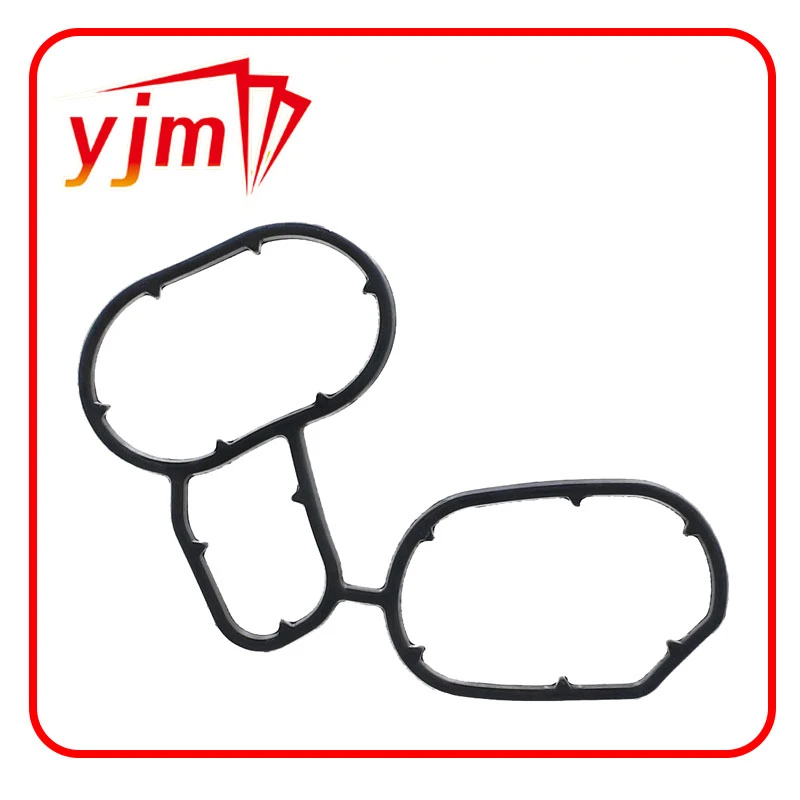
11427508970 BMW - OIL FILTER HOUSING GASKETS
-
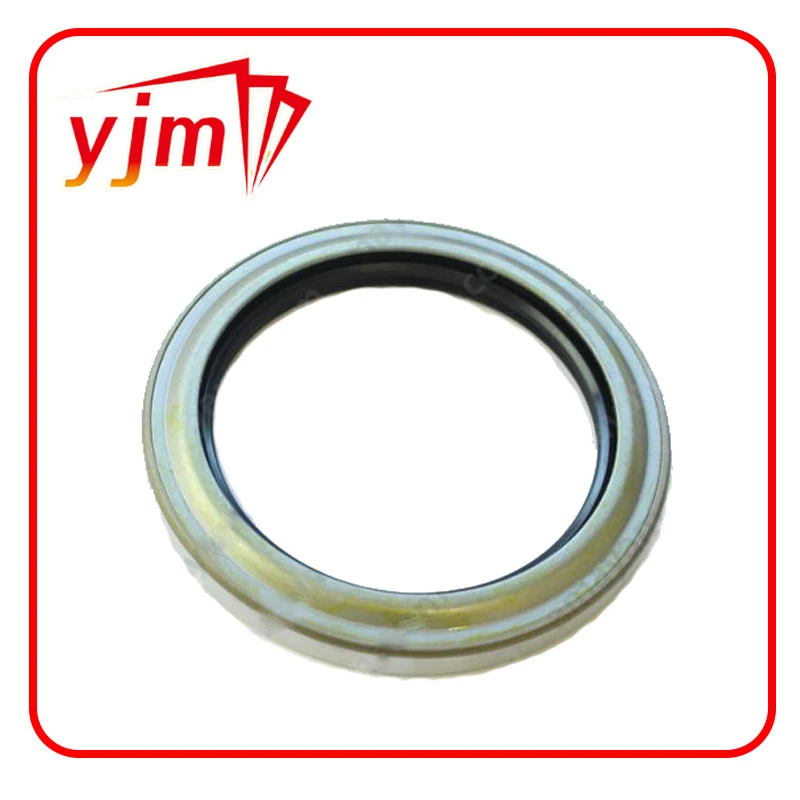
SEAL, OIL Genuine Toyota (9031170011)
-
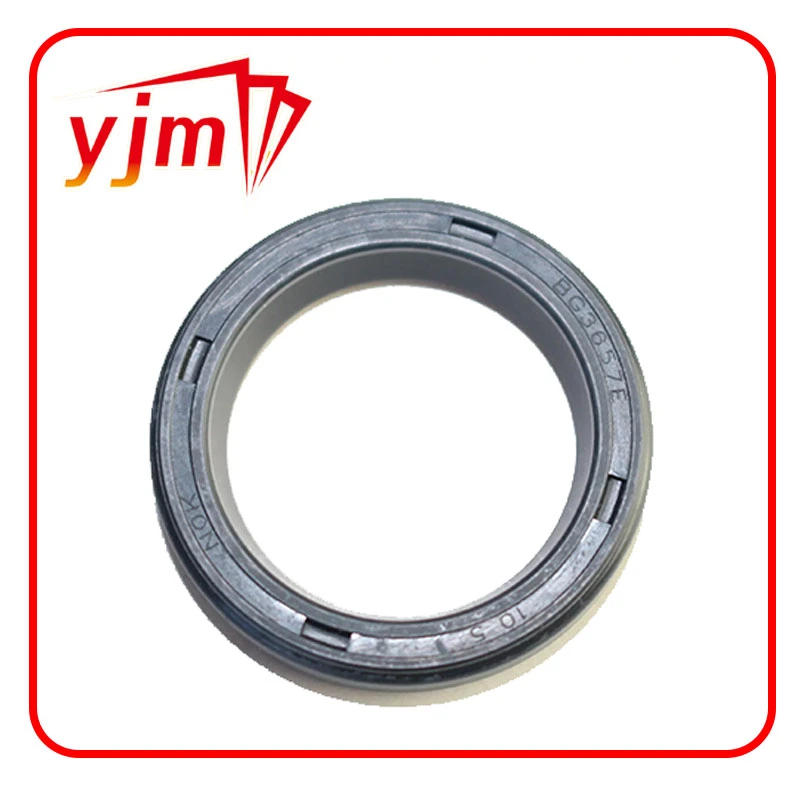
Transfer Case Output Shaft Seal Part 9031223001
-
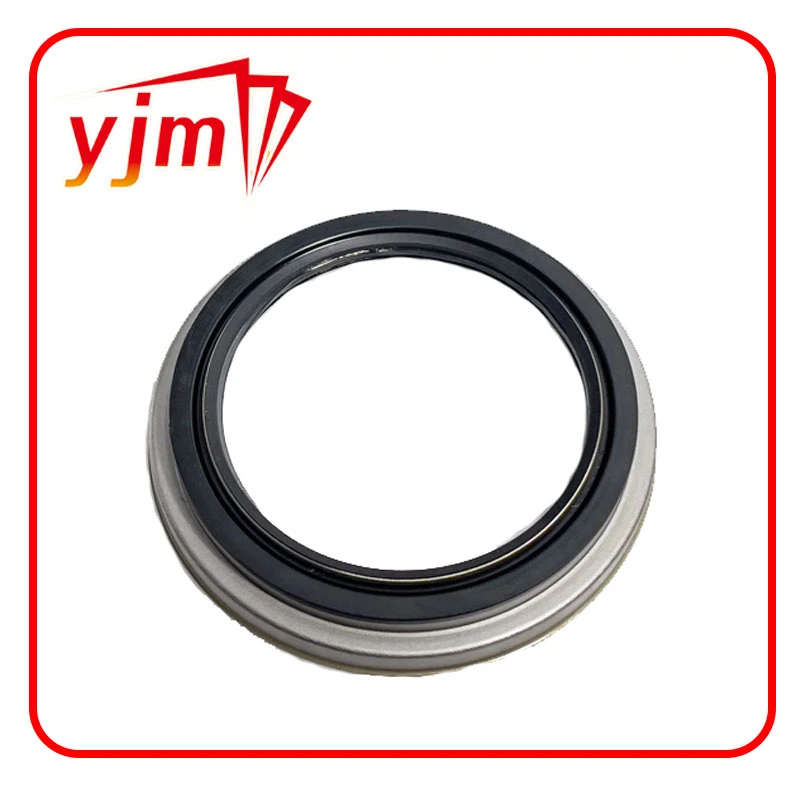
SEAL, OIL Genuine Toyota (9031672001)
-
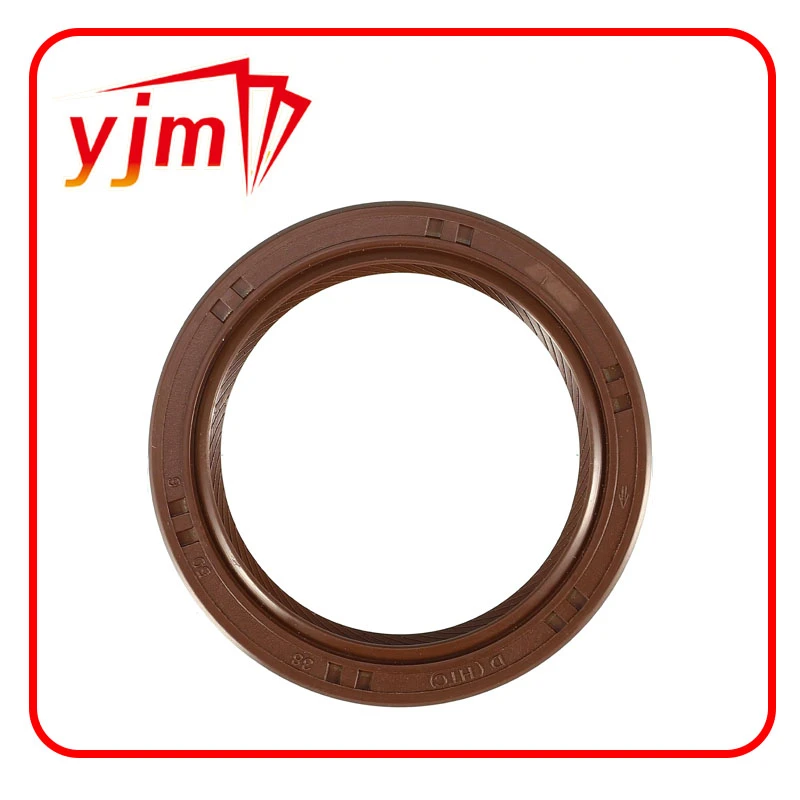
Engine Crankshaft Oil Seal No.9031138096
-
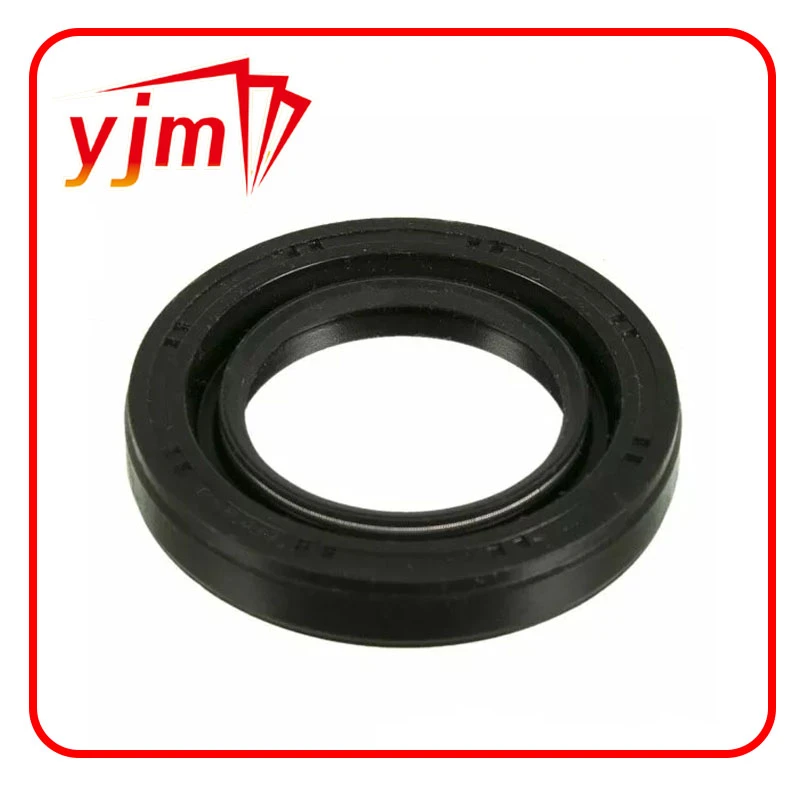
Toyota Transfer Case Output Shaft Seal Front 9031136006
-
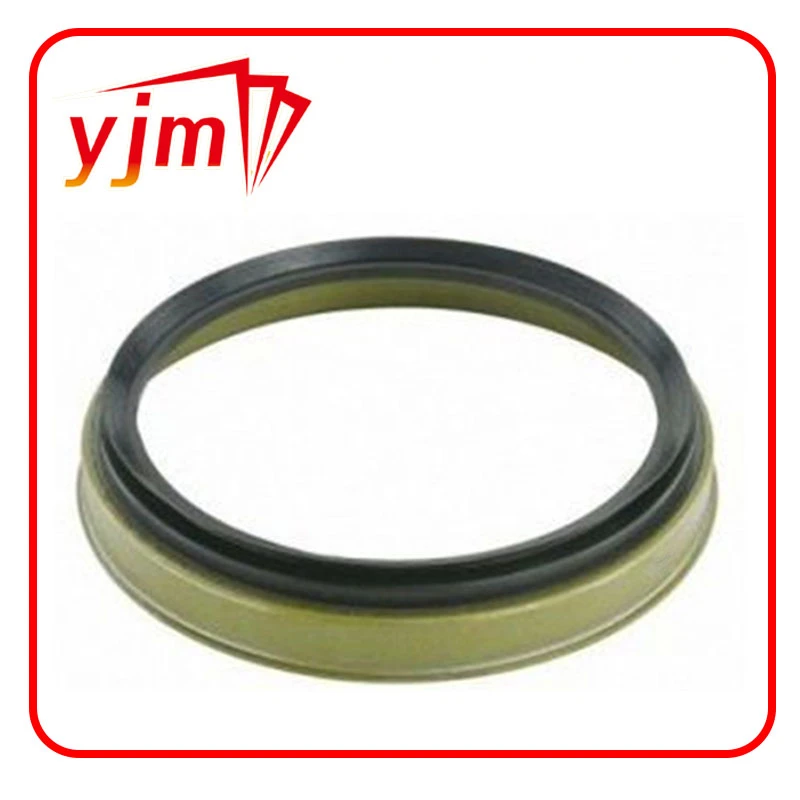
Seal, type v oil 9031287001 TOYOTA
-
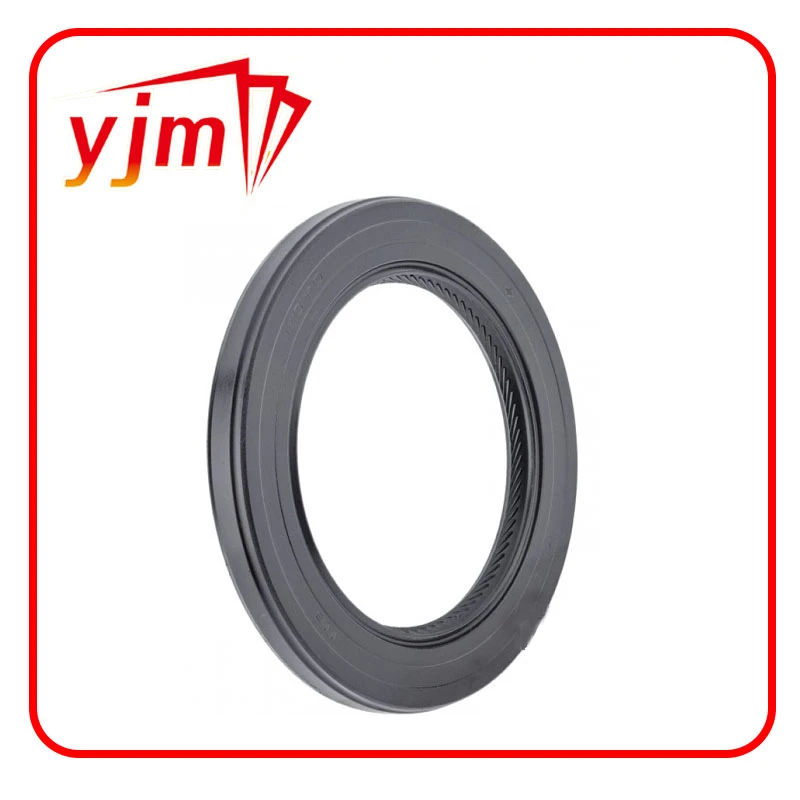
Oil pump seal 9031143010
-
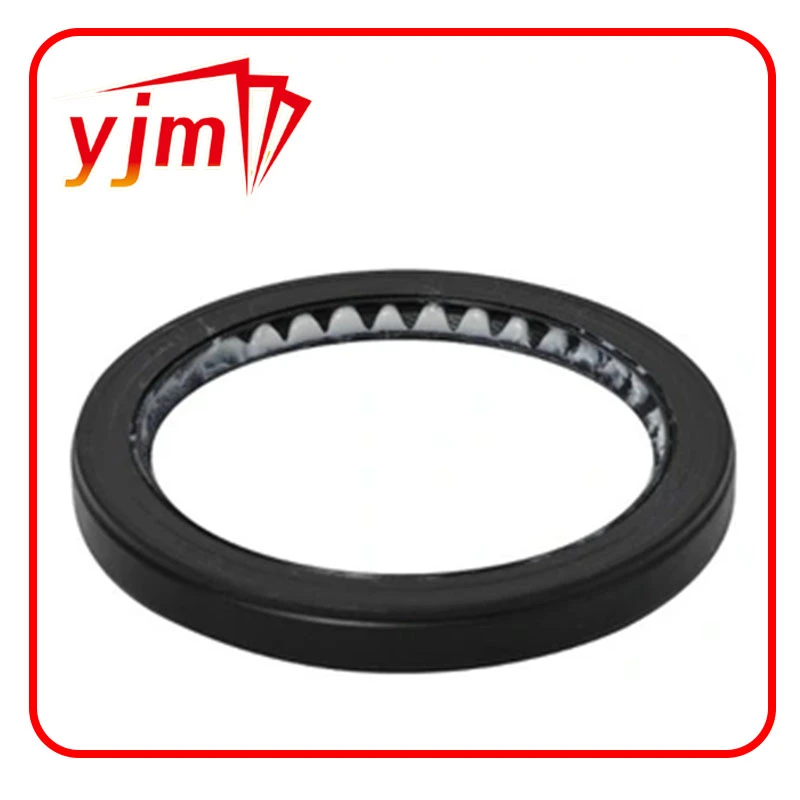
Genuine Toyota Oil SEAL 90311-54006
-
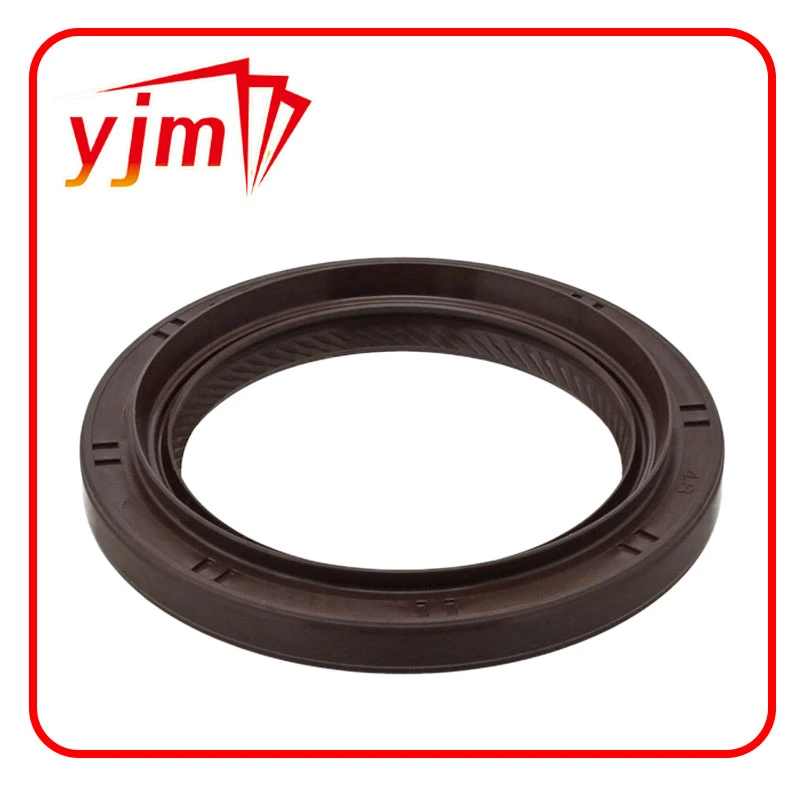
Toyota SEAL TYPE T OIL 90311-48031
-
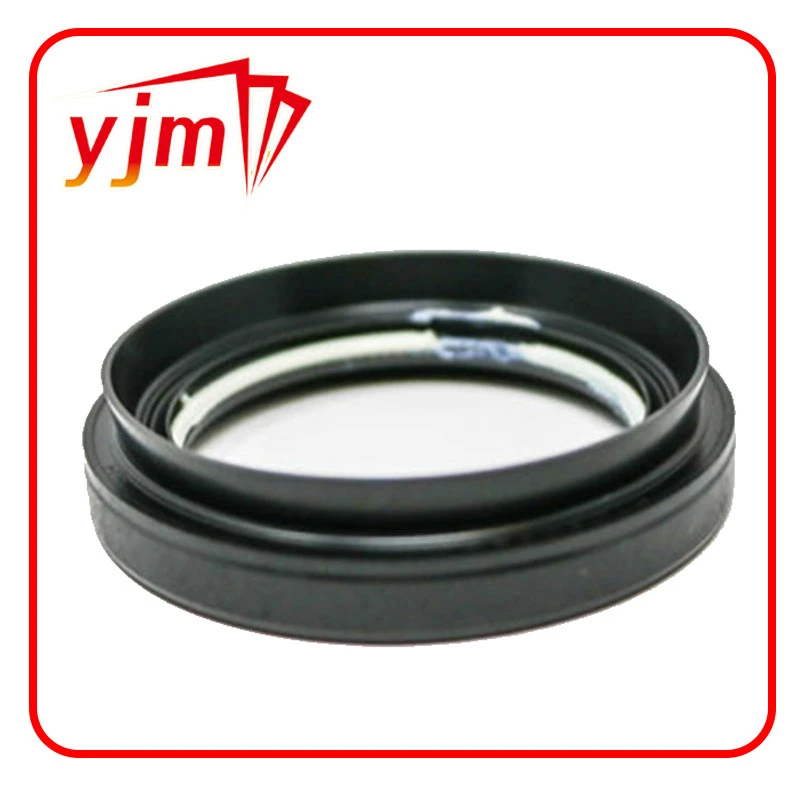
Type T Oil Seal, Front Drive Shaft, Left 9031150064
-
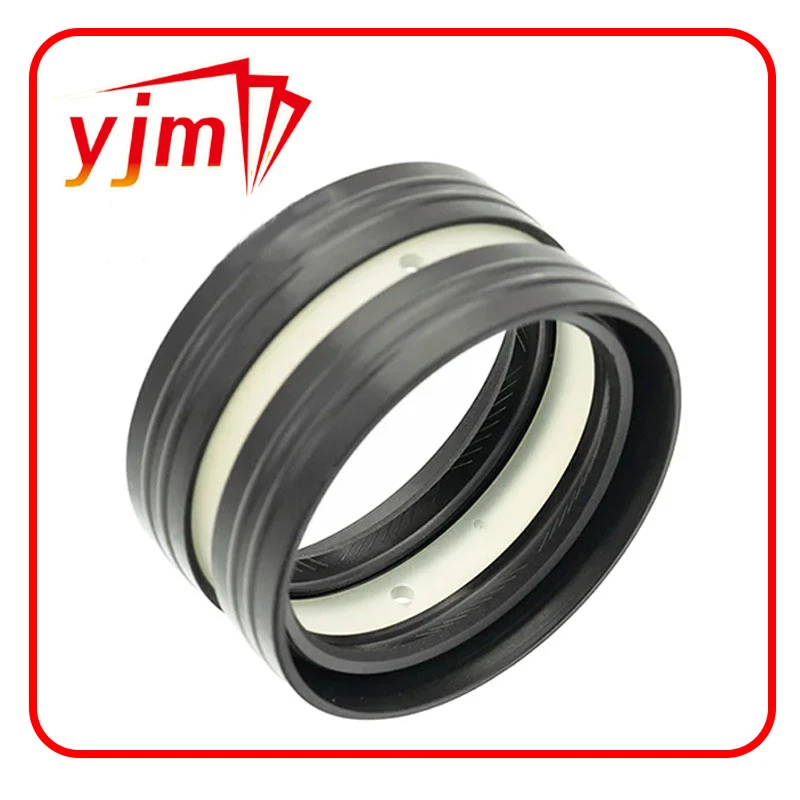
Seal, type d oil 9031634001 TOYOTA
 Afrikaans
 Albanian
 Amharic
 Arabic
 Armenian
 Azerbaijani
 Basque
 Belarusian
 Bengali
 Bosnian
 Bulgarian
 Catalan
 Cebuano
 Corsican
 Croatian
 Czech
Czech
 Danish
 Dutch
Dutch
 Esperanto
 Estonian
 Finnish
 French
 Frisian
 Galician
 Georgian
 German
 Greek
Greek
 Gujarati
 Haitian Creole
 Hausa
Hausa
 Hawaiian
 Hebrew
 Hindi
Hindi
 Miao
Miao
 Hungarian
 Icelandic
 Igbo
Igbo
 Indonesian
 Irish
Irish
 Italian
 Japanese
 Javanese
 Kannada
 Kazakh
 Khmer
Khmer
 Rwandese
 Korean
 Kurdish
 Kyrgyz
 Lao
Lao
 Latin
Latin
 Latvian
 Lithuanian
 Luxembourgish
 Macedonian
 Malgashi
 Malay
Malay
 Malayalam
 Maltese
 Maori
Maori
 Marathi
 Mongolian
 Myanmar
 Nepali
 Norwegian
 Norwegian
 Occitan
 Pashto
 Persian
 Polish
 Portuguese
 Punjabi
 Romanian
 Russian
 Samoan
 Scottish Gaelic
 Serbian
 Sesotho
 Shona
Shona
 Sindhi
 Sinhala
 Slovak
 Slovenian
 Somali
 Spanish
 Sundanese
 Swahili
 Swedish
 Tagalog
 Tajik
Tajik
 Tamil
Tamil
 Tatar
Tatar
 Telugu
 Thai
Thai
 Turkish
 Turkmen
 Ukrainian
 Urdu
Urdu
 Uighur
 Uzbek
Uzbek
 Vietnamese
 Welsh
Welsh
 Bantu
Bantu
 Yiddish
 Yoruba
 Zulu
Zulu
 English