High-Performance Car Engine Oil Seals for Reliability and Efficiency
Understanding the Importance of the Car Engine Oil Seal
At first glance, a car engine oil seal might seem like a small, almost forgettable piece nestled inside your vehicle’s complex machinery. But, oddly enough, this tiny component plays a pivotal role that resonates across industries worldwide. Its function — preventing oil leaks in an engine — isn’t just a matter of auto maintenance; it's an unsung guardian of efficiency, reliability, and environmental responsibility. Globally, understanding this simple seal can help prevent costly engine repairs, reduce environmental pollution, and extend the life span of vehicles, which in turn influences sustainable transportation and industrial operations.
So why does such a modest part matter on a grander scale? The automotive industry accounts for over 900 million vehicles worldwide according to the International Organization of Motor Vehicle Manufacturers (OICA), and each engine depends on proper sealing to function correctly. The ripple effect? Lesser breakdowns, safer roads, and fewer wasted resources. In other words, the car engine oil seal is a small hero in a massive global machine.
The Global Context: Why Engine Oil Seals Matter More Than Ever
The push for cleaner engines, more fuel-efficient cars, and reliable machinery is a global trend you can’t ignore. For example, the United Nations’ sustainable development goals emphasize innovation and infrastructure while reducing pollution — which connects directly to proper vehicle maintenance. In regions like Asia and Europe, where manufacturing and transport densify every year, engines run harder, hotter, and longer.
Oil leaks from faulty seals lead to reduced efficiency, wasted fuel, and chances of hazardous spills — all of which hurt both industry profits and local environments. The ISO 3601 standards specify sealing dimensions and materials for oil seals, ensuring global players can manufacture components that meet strict requirements — driving forward a more consistent, reliable automotive supply chain.
Yet despite advances, oil seal failure remains a common issue leading to some 15% of engine failures globally, based on reports from vehicle maintenance specialists. The challenge is clear: improving seal design and reliability benefits millions of vehicle owners and manufacturers alike.
What Exactly Is a Car Engine Oil Seal?
Simply put, a car engine oil seal is a circular component made often from rubber or specialized elastomers designed to keep engine oil inside — preventing it from leaking into unwanted areas like the exterior of the engine or other moving parts. These seals fit snugly around shafts or components like the crankshaft and camshaft, functioning as barriers that resist heat, pressure, and friction.
But here’s the interesting bit: with the shift towards more complex, eco-friendly vehicles — hybrids, electric vehicles, and advanced combustion engines — oil seals have evolved. They must cope with varying temperatures, chemicals, and longer service lives. And in many ways, these tiny seals help keep modern technology running, reduce waste, and uphold the safety of millions on the road daily.
Mini Takeaway:
The car engine oil seal is an unassuming but critical piece that ensures engines run well, cleanly, and safely in a world that’s demanding more from vehicles every day.
Core Components & Key Factors in Car Engine Oil Seal Design
1. Durability
The seal material must be tough, resistant to heat (up to 150°C typically), and chemicals like oil and coolant. Silicone, nitrile rubber (NBR), and fluoroelastomers (FKM) are common materials. A robust seal means less frequent replacements — and frankly, less frustrated drivers and mechanics.
2. Precision Fit
Oil seals come in precise dimensions tailored to different engine components. Deviations can cause leaks or premature wear. This demands high-precision manufacturing and quality control—think micron-level tolerances.
3. Cost Efficiency
While advanced materials cost more, their longevity reduces maintenance. This balance between upfront cost and lifecycle savings influences OEM and aftermarket decisions.
4. Environmental Resistance
Seals must withstand exposure to weather, temperature swings, and contaminants. A failed seal not only leaks oil but risks environmental pollution and engine damage.
5. Compatibility with Engine Types
Whether it’s a traditional combustion engine, hybrid, or emerging electric motor with oil-cooled components, seals must adapt accordingly.
Mini Takeaway:
High durability, precision, environmental resistance, and cost-effectiveness define the mark of a great car engine oil seal.
Real-World Applications: Where and How These Seals Make a Difference
The global automotive sector obviously relies heavily on quality oil seals, but their impact spills into multiple areas:
- Manufacturing hubs: Factories in China, Germany, and the U.S. produce seals to fit a variety of vehicles, supporting a multibillion-dollar supply chain.
- Industrial machinery: Beyond cars, oil seals are critical in turbines, pumps, and generators operating in harsh environments.
- Disaster response vehicles: In remote disaster zones, reliable engines with effective seals maintain continuity for relief transport.
- Aftermarket & repair services: Parts suppliers across the globe stock millions of oil seals to keep aging fleets on the road.
In countries with extreme weather—like Russia’s bitter winters or the heat-soaked Middle East—the oil seal’s ability to maintain performance under severe conditions is tested every day.
Mini Takeaway:
Car engine oil seals aren’t just automotive niceties; they keep essential machinery running worldwide — from factories to emergency relief fleets.
Advantages & Long-Term Value of Quality Oil Seals
Good oil seals don’t just protect engines; they boost sustainability and lower operational costs, which is why manufacturers and drivers alike invest in trustworthy brands. Here’s the gist:
- Cost Savings: Longer-lasting seals reduce frequent repairs and oil consumption.
- Environmental Benefits: Fewer oil leaks mean less hazardous waste entering soil and water systems.
- Safety & Reliability: Preventing unexpected engine failures increases road safety and trust.
- Innovation & Adaptability: Advanced materials improve performance under the pressures of today’s advanced engines.
Product Specification Table: Typical Car Engine Oil Seal Details
| Parameter | Specification |
|---|---|
| Material | Nitrile Rubber (NBR), Fluoroelastomer (FKM) |
| Operating Temperature | -30°C to 150°C |
| Shaft Diameter Range | 20mm to 100mm |
| Pressure Resistance | Up to 0.1 MPa |
| Lifespan | 3-5 years (depending on conditions) |
| Color Options | Black (standard), custom on demand |
Comparing Key Vendors: What Sets Them Apart?
| Vendor | Material Quality | Price Range | Global Reach | Customization |
|---|---|---|---|---|
| YJM Seal | High-grade FKM & NBR | $$ | Asia, Europe, Americas | Full custom specs |
| SealTech Global | Standard NBR rubber | $ | Europe, USA | Limited |
| ProSeal Industries | Advanced elastomers | $$$ | Worldwide | High customization |
Looking Ahead: The Future of Car Engine Oil Seals
Innovation in seal materials is accelerating, notably with bio-based and greener elastomers that reduce environmental footprints. Automakers also increasingly demand seals compatible with hybrid and electric vehicles, which may operate with different fluids or cooling systems. Digital transformation enables manufacturers to use IoT sensors to monitor seal performance in real-time, offering predictive maintenance before leaks develop.
Automation in manufacturing and 3D printing of complex seal geometries could further lower costs and improve functionality, opening new doors for custom designs that fit niche applications or extreme environments.
Challenges and How Industry Experts Are Addressing Them
Oil seal wear remains a concern, especially in older vehicles or harsh operating environments. Variations in shaft surface quality or improper installation cause premature failure. Experts recommend precision tooling, rigorous testing following ISO 3601, and choosing seals with compatible materials for given temperatures and pressures.
Additionally, the rising need for eco-friendly lubricants calls for seals that can resist new chemical formulations — a puzzle some R&D teams are actively solving.
FAQ: Quick Answers on Car Engine Oil Seals
- Q: How often should car engine oil seals be replaced?
- A: It depends on the vehicle and conditions, but typically every 3–5 years, or when oil leaks are noticed. Regular inspections help catch early wear.
- Q: Can a leaking oil seal damage the engine?
- A: Yes. Leaks reduce lubrication, increasing wear and overheating risks. Prompt replacement prevents costly damage.
- Q: Are aftermarket oil seals reliable?
- A: Quality varies widely. Choosing certified suppliers like car engine oil seal specialists ensures better reliability and compatibility.
- Q: What materials are best for engine oil seals in hot climates?
- A: Fluoroelastomers (FKM) offer excellent heat and chemical resistance, ideal for hot regions.
Wrapping Up: Why the Car Engine Oil Seal Is Worth Your Attention
It might not be flashy, but the car engine oil seal quietly enables the vast, complex dance of moving parts inside your vehicle. By understanding its role and choosing quality components, you not only protect engines but contribute to a safer, greener transport ecosystem. Interested in exploring durable, high-performance seals? Visit https://www.yjmseal.com to see what modern solutions are available for your automotive needs.
After all, sometimes it’s the small parts that hold the biggest stories.
References & Further Reading
-
Guide to Choosing the Right Washer for Oil Change and Sealing
News Apr.16,2026
-
Essential Guide to High Quality rubber washer oil drain plug
News Apr.09,2026
-
Understanding Rubber Crush Washers for Optimal Sealing Performance
News Apr.07,2026
-
Comprehensive Guide to Understanding and Reusing Crush Washer for Optimal Sealing
News Apr.04,2026
-
The Vital Role of a Drain Screw Gasket in Fluid System Integrity
News Mar.31,2026
-
The Essential Guide to Drain Crush Washer Selection and Plumbing Leak Prevention
News Mar.28,2026
-
The Vital Role of a Crush Washer in Oil Changes for Engine Protection
News Mar.26,2026
Products categories
-
Brass cutlass marine bearing
-
Genuine OEM Engine Oil Filter Housing Cover O-Ring For VW/Audi 06E115446
-
Oil Filter Stand Gasket,Oil filter cover seal
-
Oil Cooler Gasket, Oil Cooler to Oil Filter Housing 11427525335
-
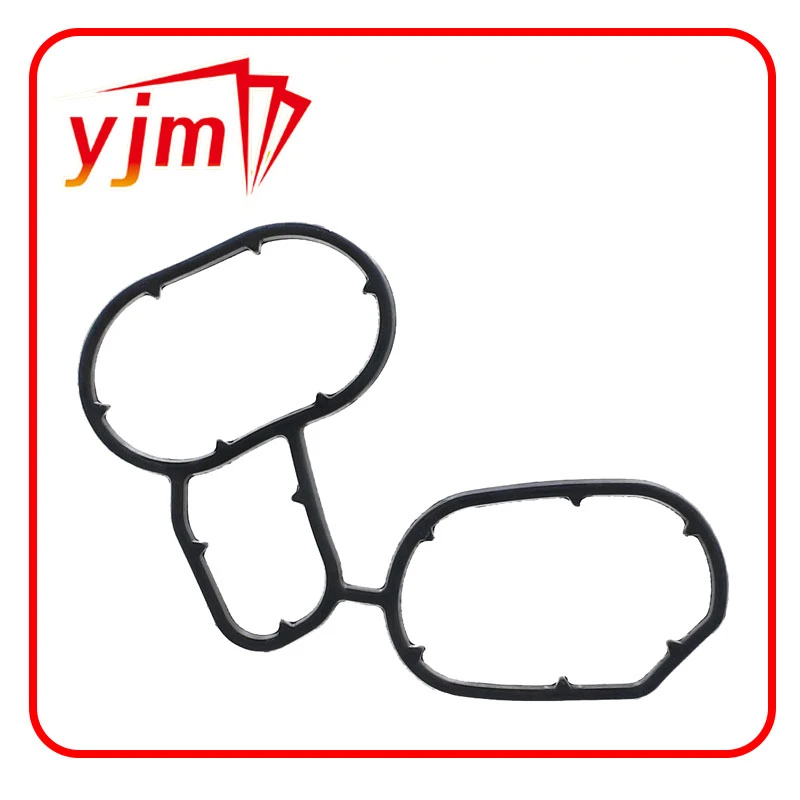
11427508970 BMW - OIL FILTER HOUSING GASKETS
-
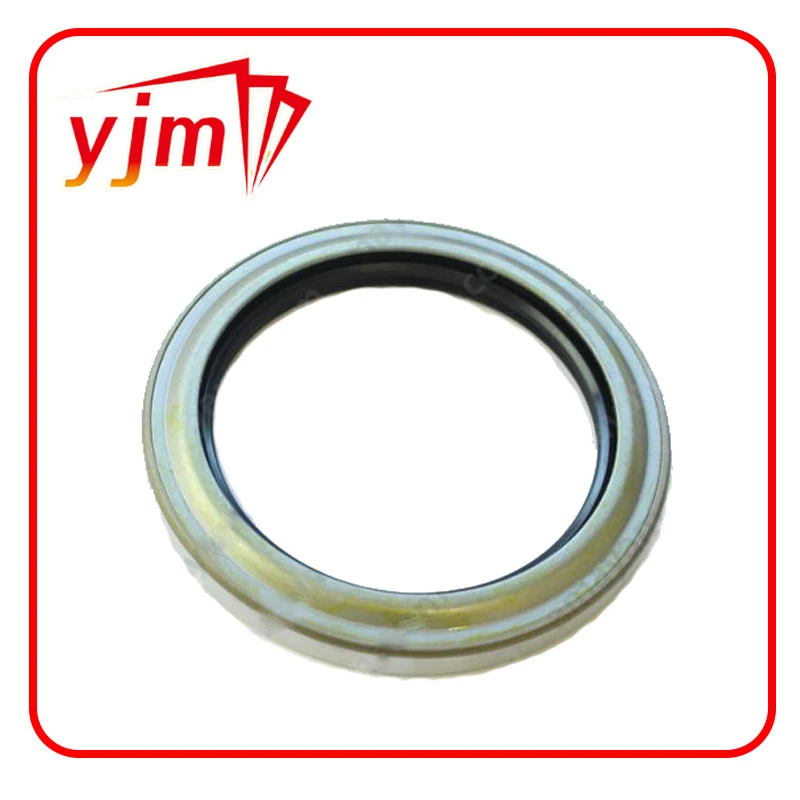
SEAL, OIL Genuine Toyota (9031170011)
-
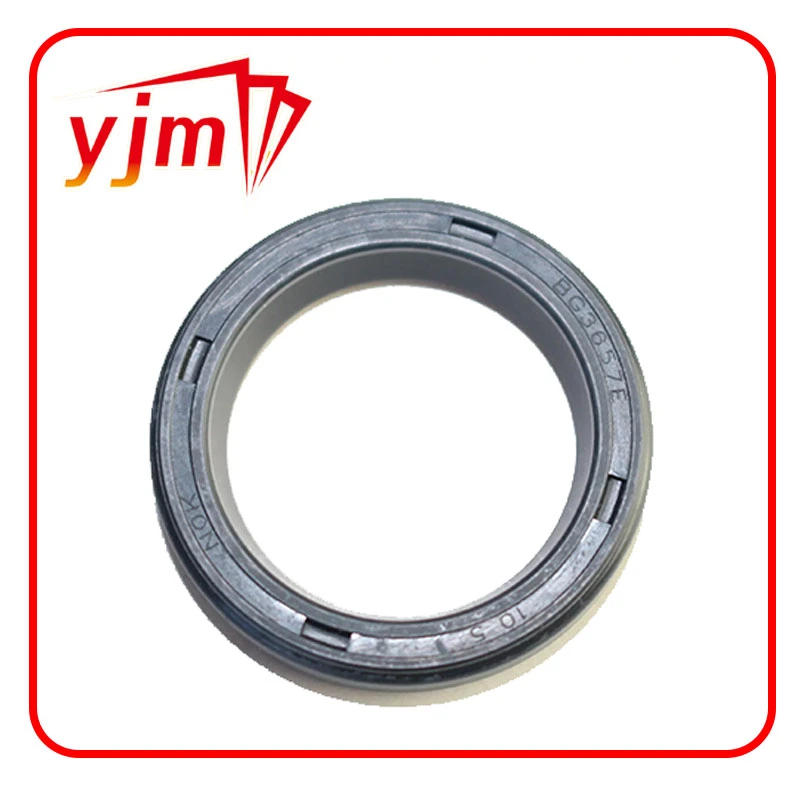
Transfer Case Output Shaft Seal Part 9031223001
-
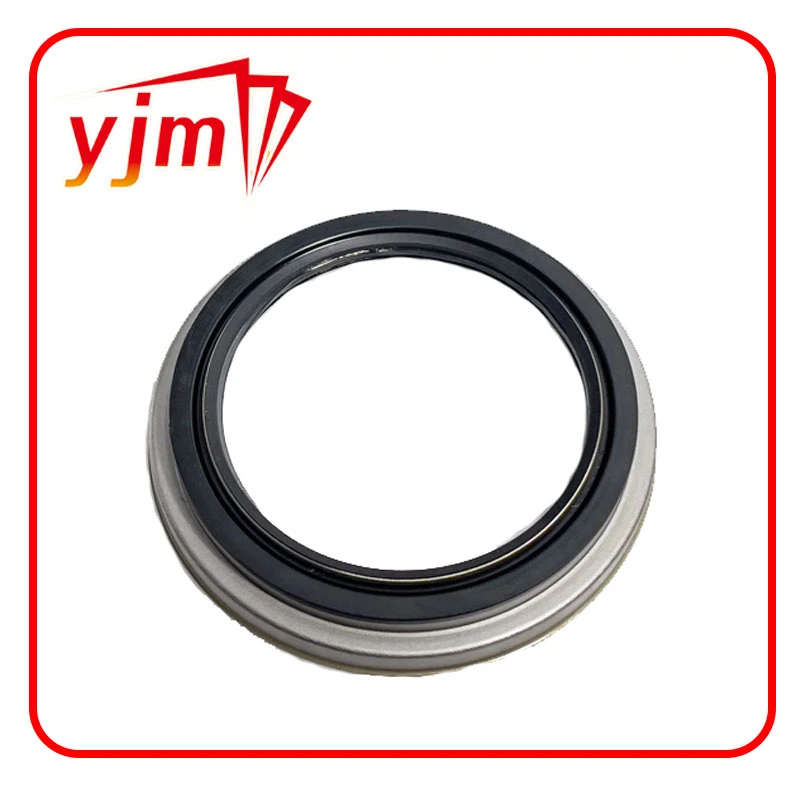
SEAL, OIL Genuine Toyota (9031672001)
-
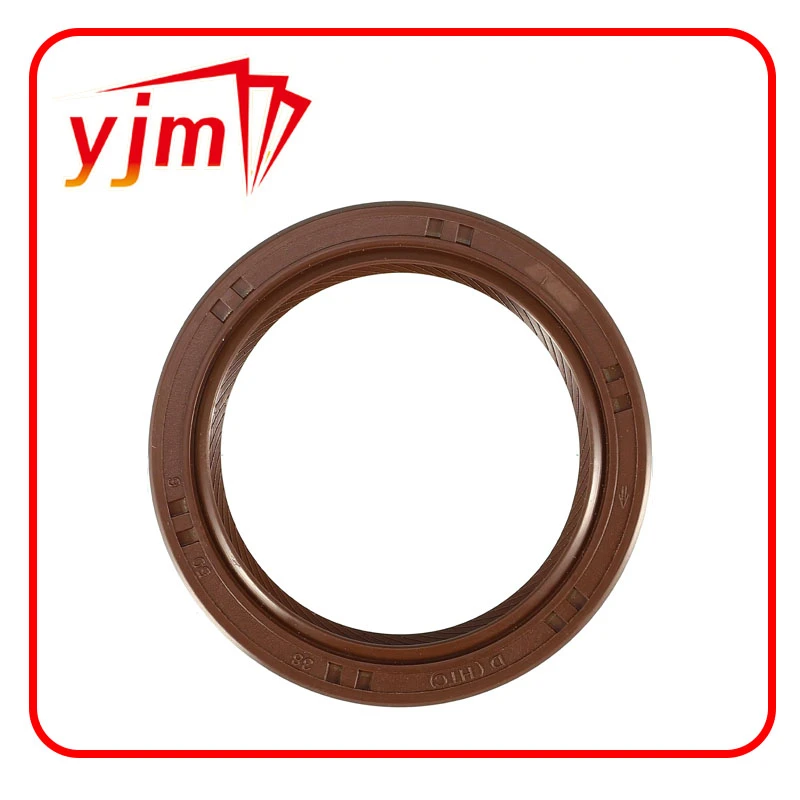
Engine Crankshaft Oil Seal No.9031138096
-
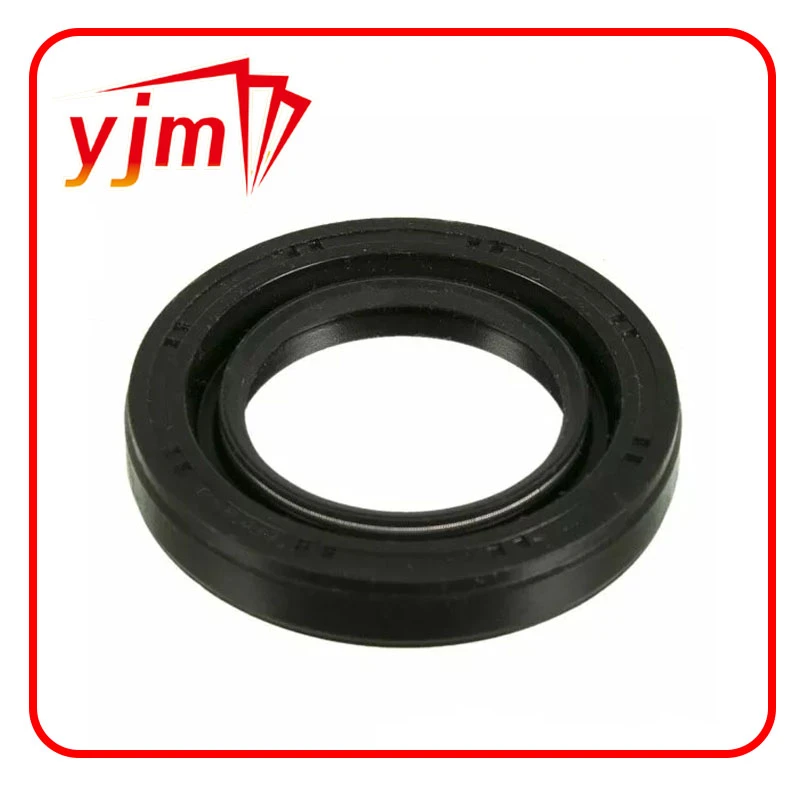
Toyota Transfer Case Output Shaft Seal Front 9031136006
-
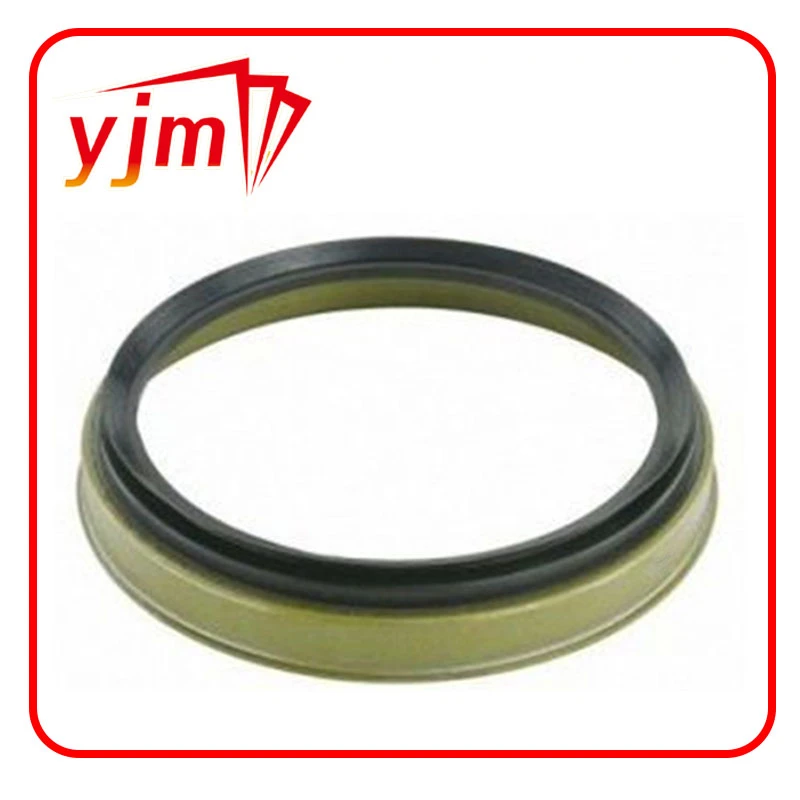
Seal, type v oil 9031287001 TOYOTA
-
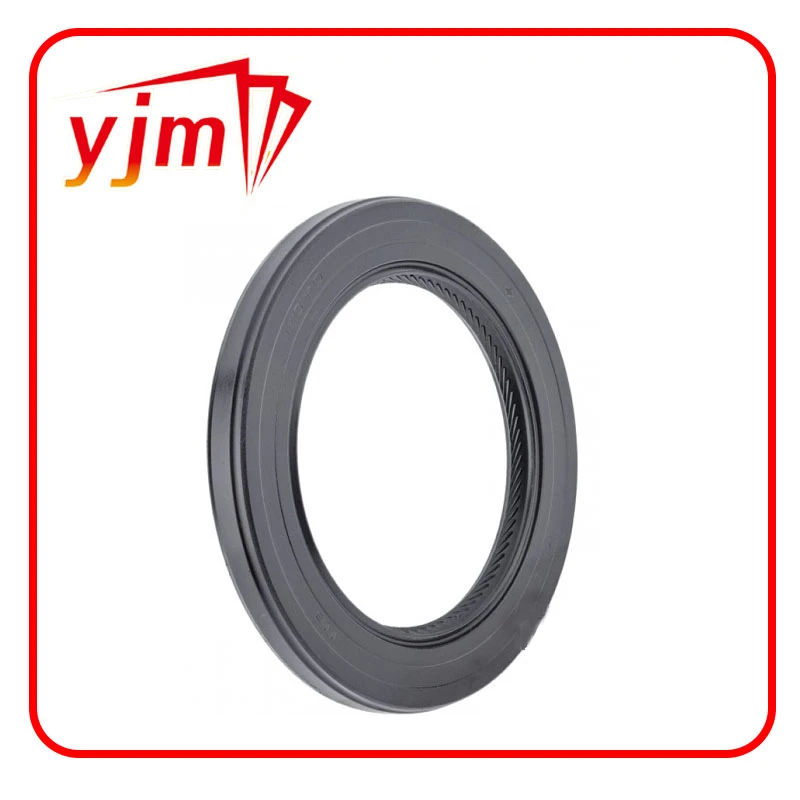
Oil pump seal 9031143010
-
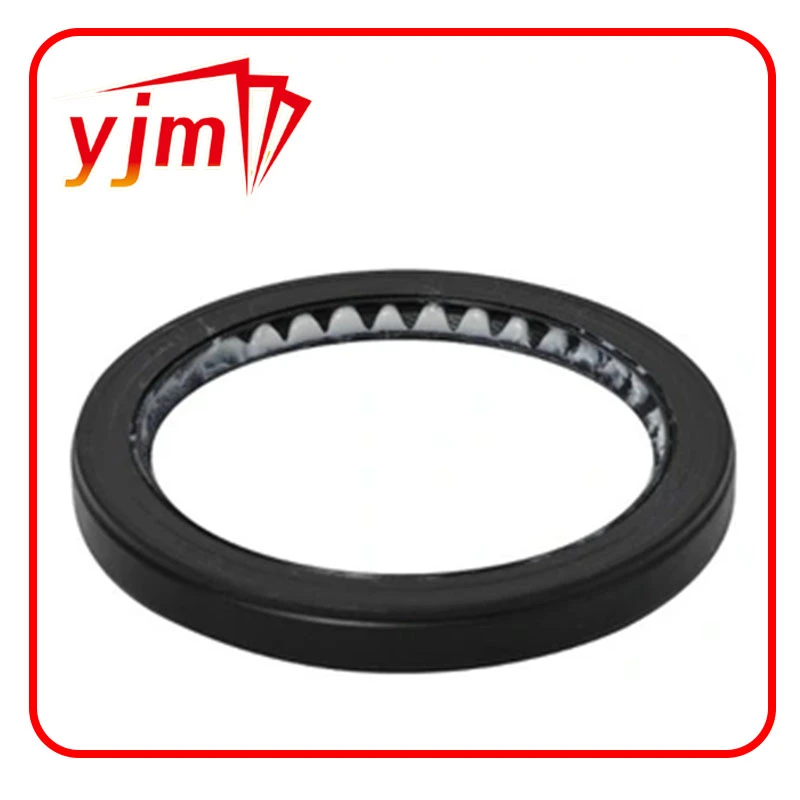
Genuine Toyota Oil SEAL 90311-54006
-
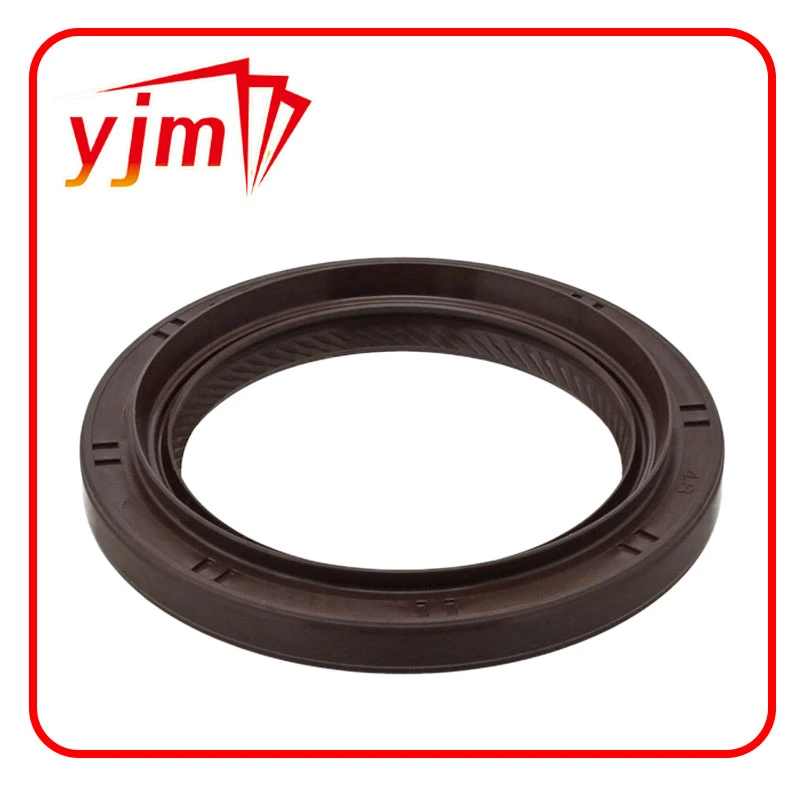
Toyota SEAL TYPE T OIL 90311-48031
-
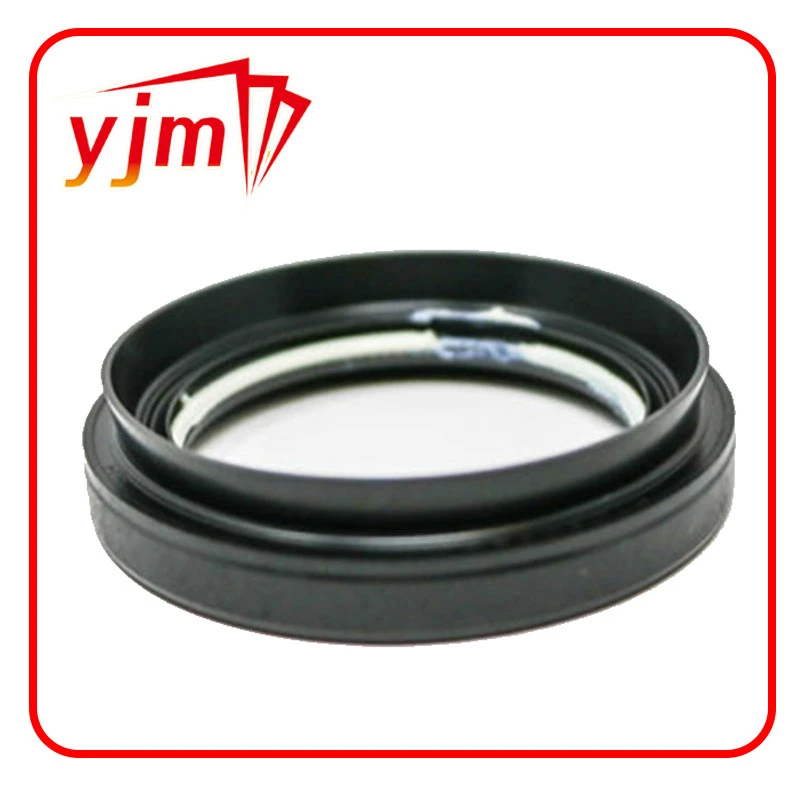
Type T Oil Seal, Front Drive Shaft, Left 9031150064
-
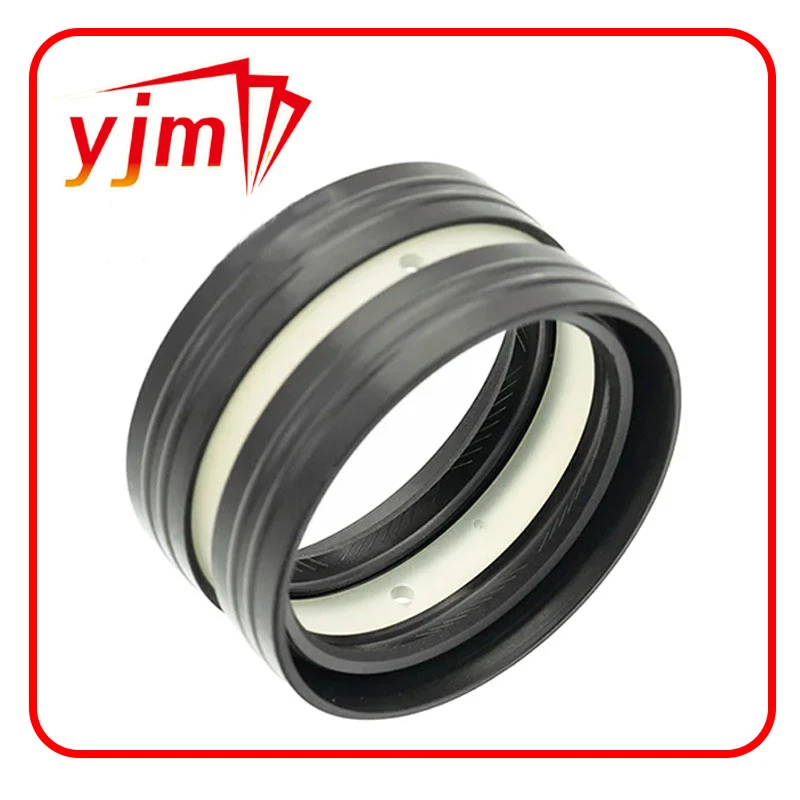
Seal, type d oil 9031634001 TOYOTA
 Afrikaans
 Albanian
 Amharic
 Arabic
 Armenian
 Azerbaijani
 Basque
 Belarusian
 Bengali
 Bosnian
 Bulgarian
 Catalan
 Cebuano
 Corsican
 Croatian
 Czech
Czech
 Danish
 Dutch
Dutch
 Esperanto
 Estonian
 Finnish
 French
 Frisian
 Galician
 Georgian
 German
 Greek
Greek
 Gujarati
 Haitian Creole
 Hausa
Hausa
 Hawaiian
 Hebrew
 Hindi
Hindi
 Miao
Miao
 Hungarian
 Icelandic
 Igbo
Igbo
 Indonesian
 Irish
Irish
 Italian
 Japanese
 Javanese
 Kannada
 Kazakh
 Khmer
Khmer
 Rwandese
 Korean
 Kurdish
 Kyrgyz
 Lao
Lao
 Latin
Latin
 Latvian
 Lithuanian
 Luxembourgish
 Macedonian
 Malgashi
 Malay
Malay
 Malayalam
 Maltese
 Maori
Maori
 Marathi
 Mongolian
 Myanmar
 Nepali
 Norwegian
 Norwegian
 Occitan
 Pashto
 Persian
 Polish
 Portuguese
 Punjabi
 Romanian
 Russian
 Samoan
 Scottish Gaelic
 Serbian
 Sesotho
 Shona
Shona
 Sindhi
 Sinhala
 Slovak
 Slovenian
 Somali
 Spanish
 Sundanese
 Swahili
 Swedish
 Tagalog
 Tajik
Tajik
 Tamil
Tamil
 Tatar
Tatar
 Telugu
 Thai
Thai
 Turkish
 Turkmen
 Ukrainian
 Urdu
Urdu
 Uighur
 Uzbek
Uzbek
 Vietnamese
 Welsh
Welsh
 Bantu
Bantu
 Yiddish
 Yoruba
 Zulu
Zulu
 English