High-Quality Car Oil Seal Solutions for Optimal Engine Performance | YJM Seal
Why Car Oil Seals Matter More Than You Think
When you hear "car oil seal," maybe it doesn’t spark excitement like a shiny new engine or sleek dashboard. But here’s the thing: these small, humble components actually keep cars running smoothly across the globe every single day. Without reliable oil seals, you’d have oil leaks, engine damage, costly repairs, and frankly, a lot more roadside headaches.
Understanding car oil seals is important not just for mechanics or automotive engineers, but for anyone wanting vehicles that last longer, consume less energy, and emit fewer pollutants. Globally, as millions of cars hit roads from New York to New Delhi, durable oil seals help reduce wasted oil, cut emissions, and support more sustainable transport.
So yes, while it’s easy to overlook them, car oil seals quietly power reliability, safety, and economic efficiency worldwide.
The Global Stage for Car Oil Seals
Transport demand is booming — global vehicle production surpassed 90 million units in 2022 (International Organization of Motor Vehicle Manufacturers), with oil seal markets growing similarly. The challenge? Ensuring vehicles run efficiently while meeting increasingly strict emissions standards driven by the United Nations’ climate commitments and ISO quality standards.
Oil seals combat leaks that would otherwise waste precious lubricants and cause environmental harm. In developing countries with aging vehicle fleets, poor-sealing parts rank among the top causes of engine failure and roadside breakdowns, posing economic and safety risks. So, upgrading to quality car oil seal technology is not just a luxury — it’s a response to real, growing needs worldwide.
What Exactly is a Car Oil Seal?
Simply put, a car oil seal (sometimes called a shaft seal or rotary seal) is a specialized gasket that fits around rotating shafts to prevent engine oil or transmission fluid from leaking out, while keeping dirt and contaminants from getting in. Think of it as the car’s “lip seal” — flexible enough to maintain contact with moving parts, yet strong enough to withstand heat, pressure, and chemical exposure.
They’re fundamental in engines, gearboxes, axles, and pumps — all places where lubricants must stay put to keep machines humming properly. The better the seal, the less maintenance and fewer environmental impacts, making them a small but mighty piece of modern industrial tech.
Four Key Factors Behind Reliable Car Oil Seals
1. Durability and Material Quality
Most top-tier seals use nitrile rubber or fluoroelastomer (FKM) compounds designed to resist oil, heat, and aging. Many engineers say that improper material choice leads to premature seal failure, costing downtime and repair.
2. Precision Fit and Design
The seal must perfectly match the shaft diameter and surface finish. Even slight misalignments cause leakage — it's like wearing shoes that don't fit; they just rub and tear.
3. Resistance to Chemical Exposure
Modern fuels and lubricants contain additives that can degrade seals over time. High-end seals incorporate special coatings or reinforced rubber blends to combat this.
4. Temperature and Pressure Handling
Car engines generate serious heat and pressure fluctuations. A seal has to stay flexible without cracking or deforming even after prolonged cycles.
Where Are Car Oil Seals Making a Difference Globally?
From Japan's high-tech assembly lines to rural garages in Brazil, car oil seals form the backbone of daily vehicle operation. In harsh environments like the Sahara or Alaska, vehicle uptime relies heavily on seal durability amid sand or freezing temperatures.
In logistics hubs across Europe, tight standards call for seals that minimize leaks to protect workers and reduce lubricant waste. Even in humanitarian efforts — say, delivering aid in disaster zones — durable vehicles equipped with reliable seals help aid workers reach people faster without breakdowns.
Example Use Case: Post-Disaster Vehicle Resilience
When storms strike, replacement parts are scarce. Vehicles with high-quality oil seals endure longer, keep oil in, and spare responders from delays or roadside repairs. It’s a small component with outsized social impact.
Advantages & Long-Term Value of Quality Car Oil Seals
- Cost Efficiency: Reduced oil leaks mean lower lubricant consumption and fewer engine repairs.
- Sustainability: Preventing leaks protects ecosystems from harmful spills and cuts emissions.
- Reliability & Safety: Well-sealed engines are less prone to failures, promoting safe travel.
- Economic Impact: Longer-lasting seals save fleets money and reduce downtime.
- Peace of Mind: Drivers trust their vehicles won’t stall unexpectedly.
On a deeper level, better seals support trust in automotive innovation — quietly reinforcing the relationship between technology and daily life.
Future Trends Shaping Car Oil Seal Innovations
Materials science is evolving fast, with new compounds improving heat resistance and durability. Nanocoatings that reduce friction or smart seals that monitor wear are no longer just concepts but emerging products on the horizon.
Automation also plays a role — more precise manufacturing methods ensure consistent seal quality, and digital analytics might someday predict seal failure before it happens.
Environmentally, bio-based rubbers and recyclable seals align with the green energy shift, making car oil seals a tiny but vital piece of the sustainable automobile puzzle.
Common Challenges and How Experts Address Them
Seals sometimes fail due to installation errors, rough shaft surfaces, or incompatible lubricants. Rather than just replacing parts blindly, expert workshops emphasize proper training and quality assurance methods — for example, using laser-surfaced shafts or advanced seal lip geometries.
Innovative seal designs with multi-lip profiles can accommodate shaft misalignments without leaking. Plus, growing vendor transparency helps buyers choose seals based on certified standards rather than just price.
FAQ: Your Top Questions on Car Oil Seals
- Q: How often should car oil seals be inspected or replaced?
- A: Inspections are recommended every 30,000 miles or during major engine work. Seals generally last 60,000-100,000 miles, depending on conditions and quality.
- Q: Can a faulty oil seal cause engine overheating?
- A: Yes. Leaking seals can cause oil loss, reducing lubrication and increasing friction, which may lead to overheating and engine damage if not addressed.
- Q: Are all oil seals compatible with synthetic oils?
- A: Not always. Some seals degrade faster with synthetic oils due to chemical differences. It’s best to use seals specified for synthetic lubricants.
- Q: Is it worth buying OEM car oil seals over aftermarket options?
- A: OEM seals often ensure better fit and material quality, leading to longer life. However, reputable aftermarket seals can also offer excellent performance at lower cost.
- Q: How do extreme climates affect oil seal performance?
- A: Extreme cold can harden seals and cause cracking, while excessive heat can soften seals and cause leaks. Specialized seals formulated for such environments are recommended.
Car Oil Seal Specifications at a Glance
| Specification | Typical Value | Comments |
|---|---|---|
| Material | Nitrile rubber (NBR), FKM | Selected based on temperature and oil type |
| Operating Temp Range | -40°C to 150°C | Suitable for most vehicle engines |
| Pressure Range | Up to 0.5 MPa | Handles typical engine and gearbox pressures |
| Shaft Surface Finish | Ra 0.2 - 0.4 µm | Critical for optimal sealing |
| Standard Sizes | ID 10-150 mm, Width 5-20 mm | Fits small to large engines and gearboxes |
Comparing Leading Car Oil Seal Vendors
| Vendor | Material Range | Price Range | Special Features | Warranty |
|---|---|---|---|---|
| YJM Seal | NBR, FKM, Silicone | $5–$20 per piece | Custom sizes, low friction, OEM certified | 12 months |
| SealTech Inc. | NBR, FKM | $7–$18 per piece | Advanced coatings, quick shipping | 1 year |
| GlobalSeal Co. | FKM, Viton | $10–$25 per piece | High-temp seals for racing and heavy vehicles | 18 months |
Final Thoughts and Next Steps
Car oil seals might be small, easily overlooked parts — but their impact is anything but minor. Their role in maintaining engine health, environmental safety, and transport reliability touches millions of lives and drives global industries forward. Investing in high-quality oil seals means less waste, fewer failures, and more trust in the vehicles we depend on.
Curious to explore precision-engineered car oil seals tailored for your needs? Visit our website to discover quality options that keep engines running smoothly, mile after mile.
References
-
Guide to Choosing the Right Washer for Oil Change and Sealing
News Apr.16,2026
-
Essential Guide to High Quality rubber washer oil drain plug
News Apr.09,2026
-
Understanding Rubber Crush Washers for Optimal Sealing Performance
News Apr.07,2026
-
Comprehensive Guide to Understanding and Reusing Crush Washer for Optimal Sealing
News Apr.04,2026
-
The Vital Role of a Drain Screw Gasket in Fluid System Integrity
News Mar.31,2026
-
The Essential Guide to Drain Crush Washer Selection and Plumbing Leak Prevention
News Mar.28,2026
-
The Vital Role of a Crush Washer in Oil Changes for Engine Protection
News Mar.26,2026
Products categories
-
Brass cutlass marine bearing
-
Genuine OEM Engine Oil Filter Housing Cover O-Ring For VW/Audi 06E115446
-
Oil Filter Stand Gasket,Oil filter cover seal
-
Oil Cooler Gasket, Oil Cooler to Oil Filter Housing 11427525335
-
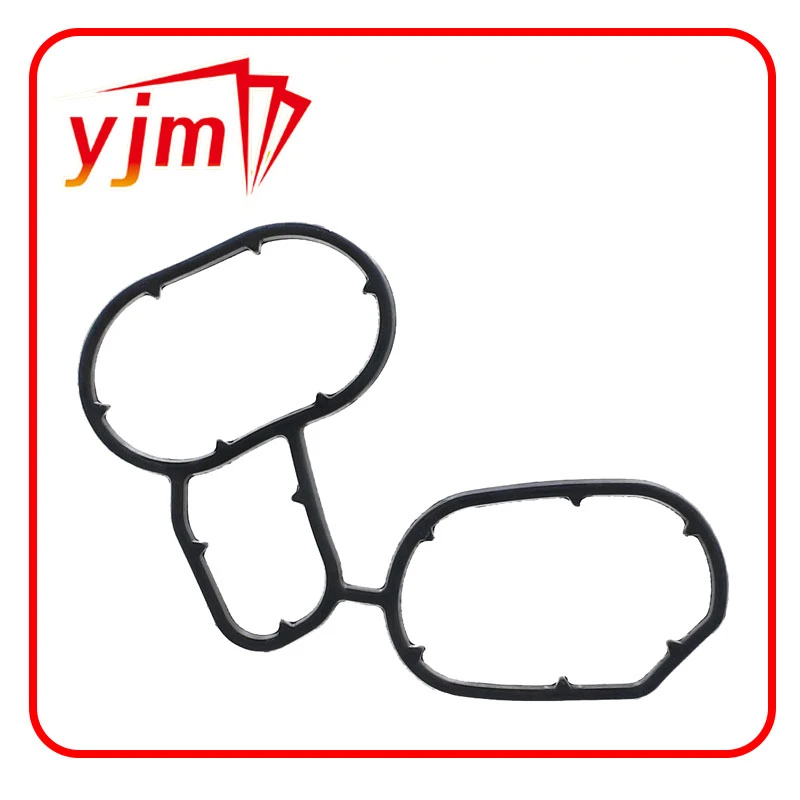
11427508970 BMW - OIL FILTER HOUSING GASKETS
-
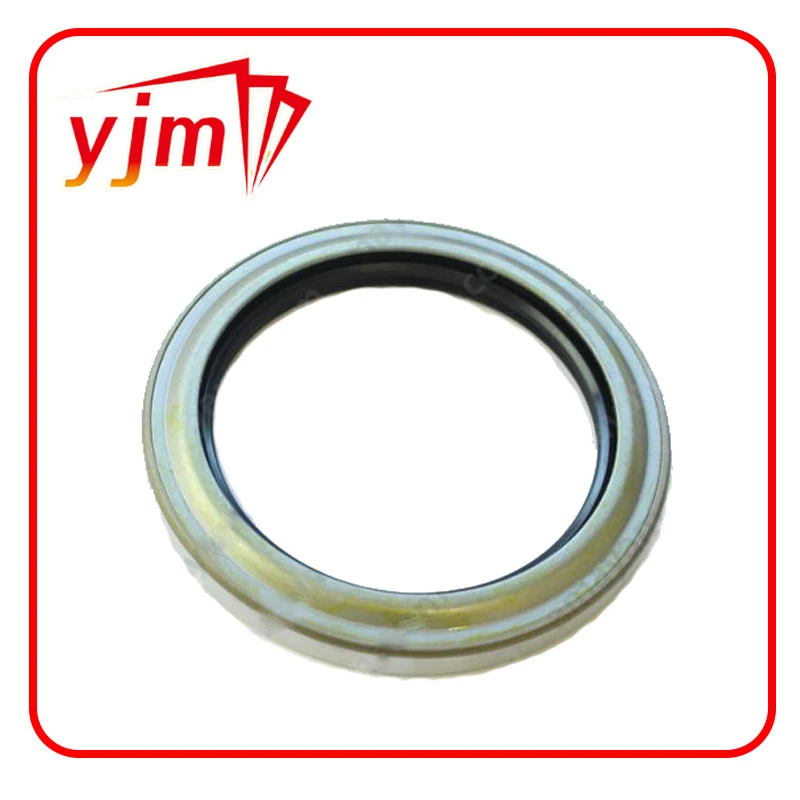
SEAL, OIL Genuine Toyota (9031170011)
-
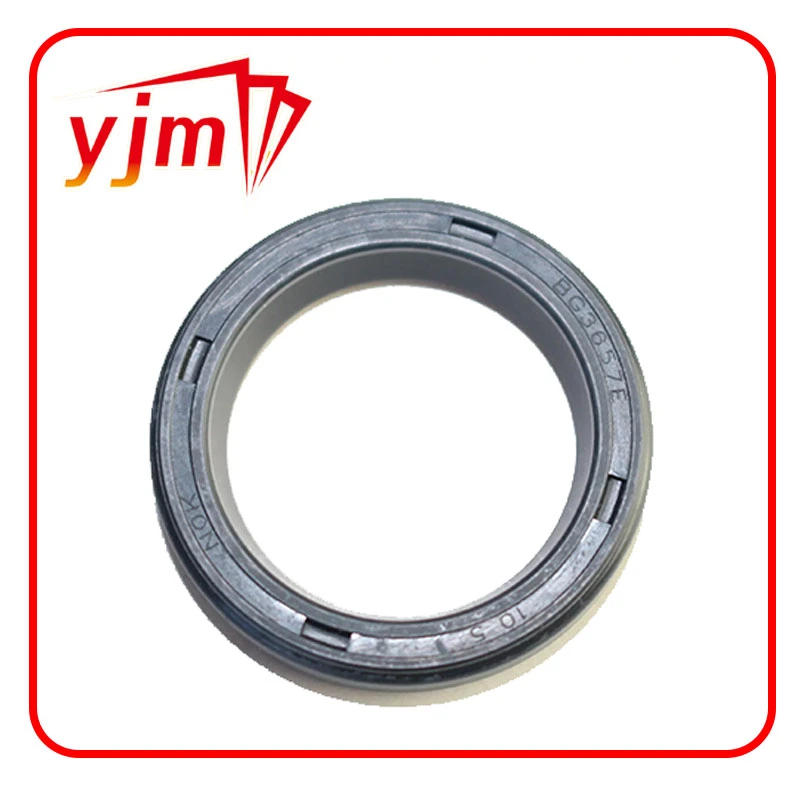
Transfer Case Output Shaft Seal Part 9031223001
-
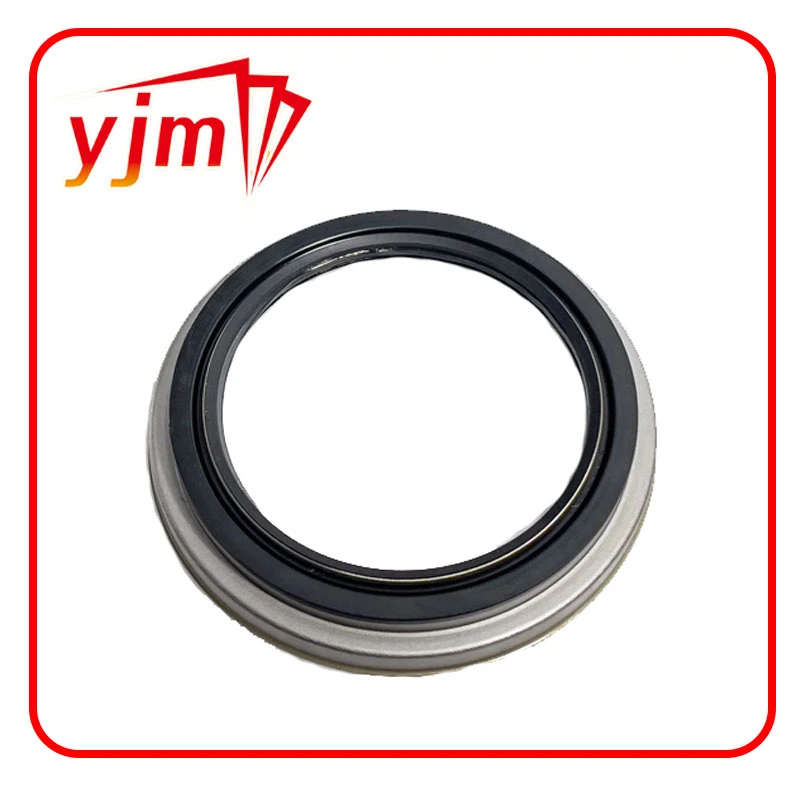
SEAL, OIL Genuine Toyota (9031672001)
-
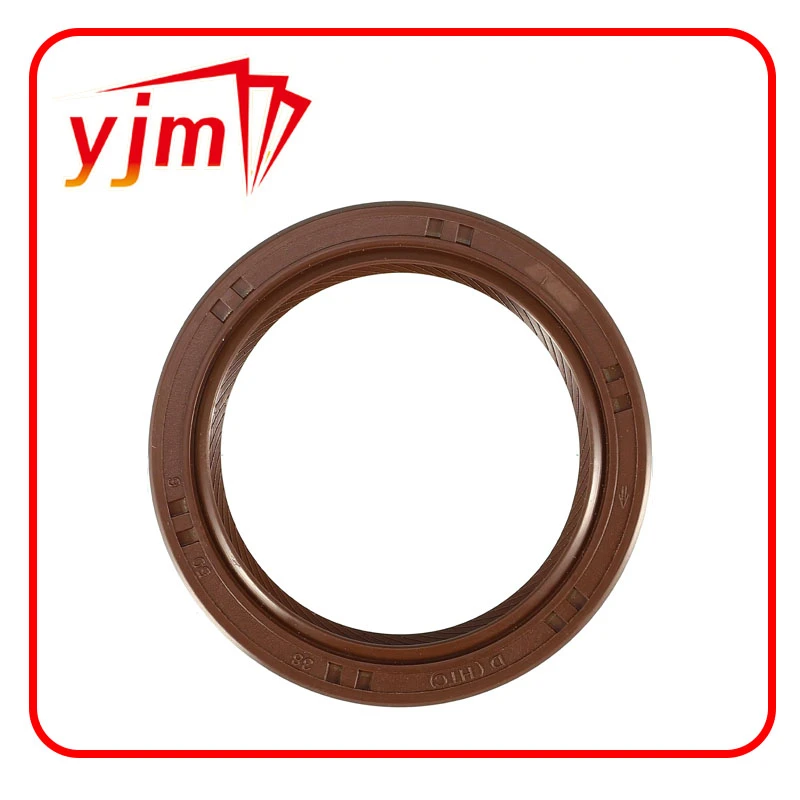
Engine Crankshaft Oil Seal No.9031138096
-
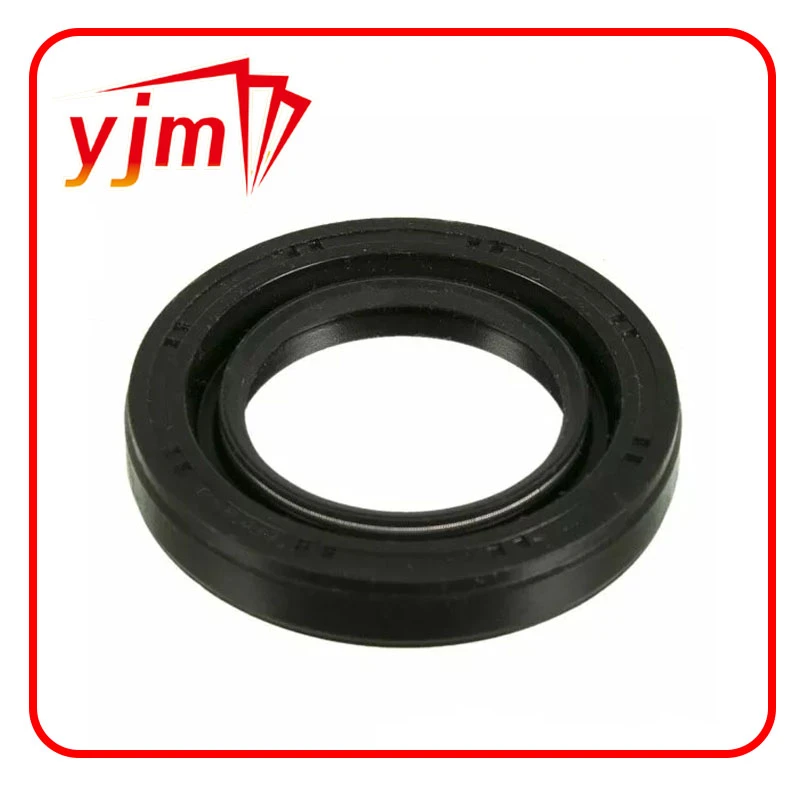
Toyota Transfer Case Output Shaft Seal Front 9031136006
-
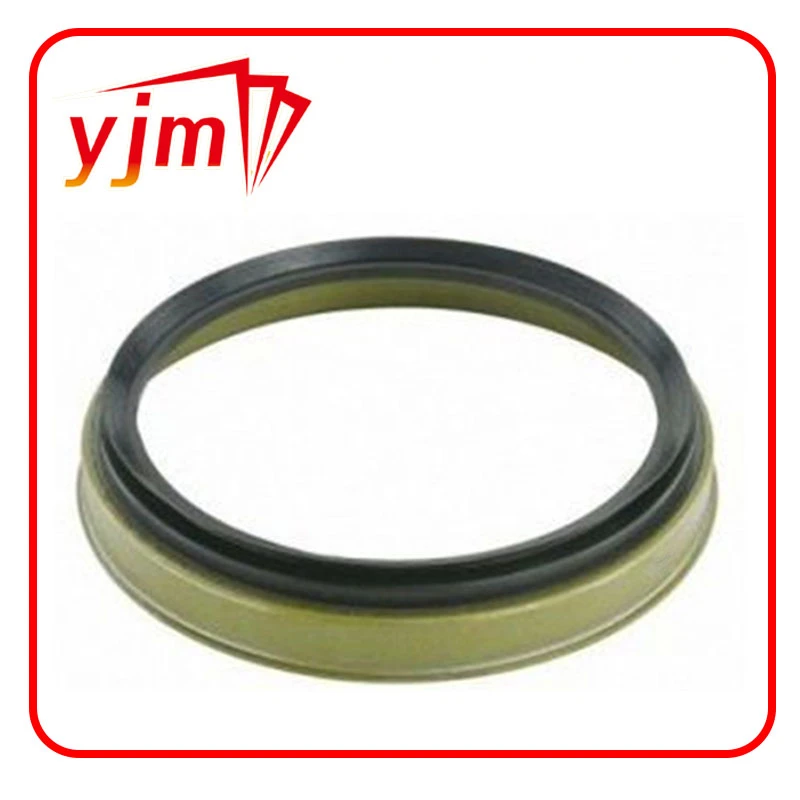
Seal, type v oil 9031287001 TOYOTA
-
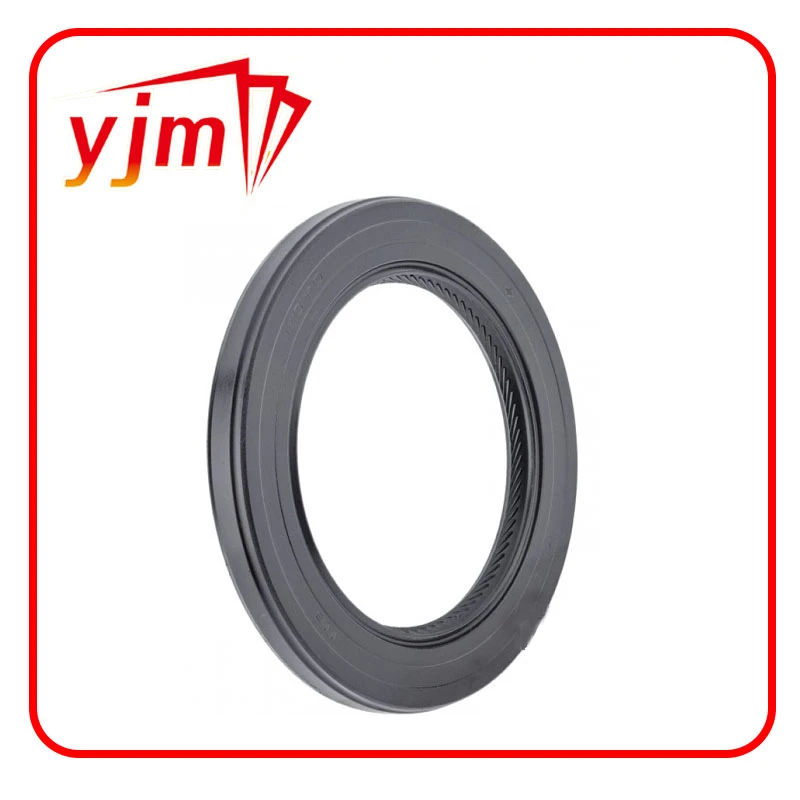
Oil pump seal 9031143010
-
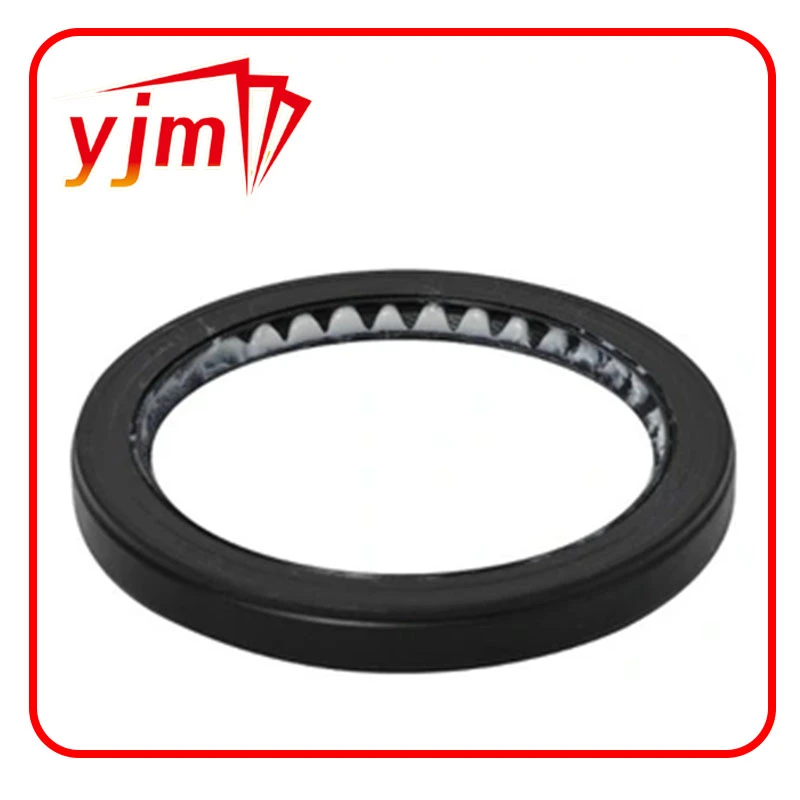
Genuine Toyota Oil SEAL 90311-54006
-
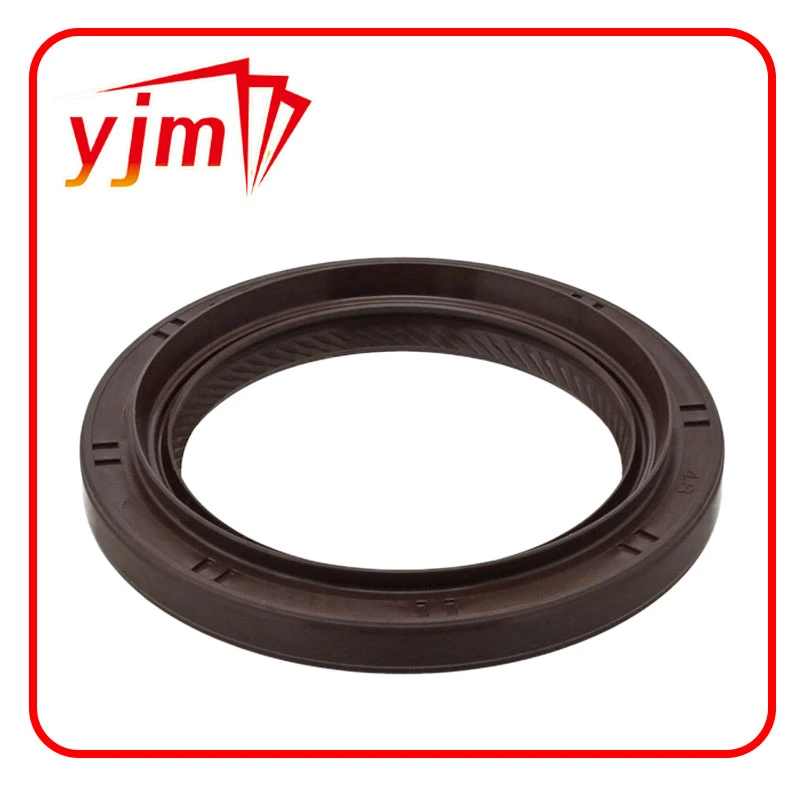
Toyota SEAL TYPE T OIL 90311-48031
-
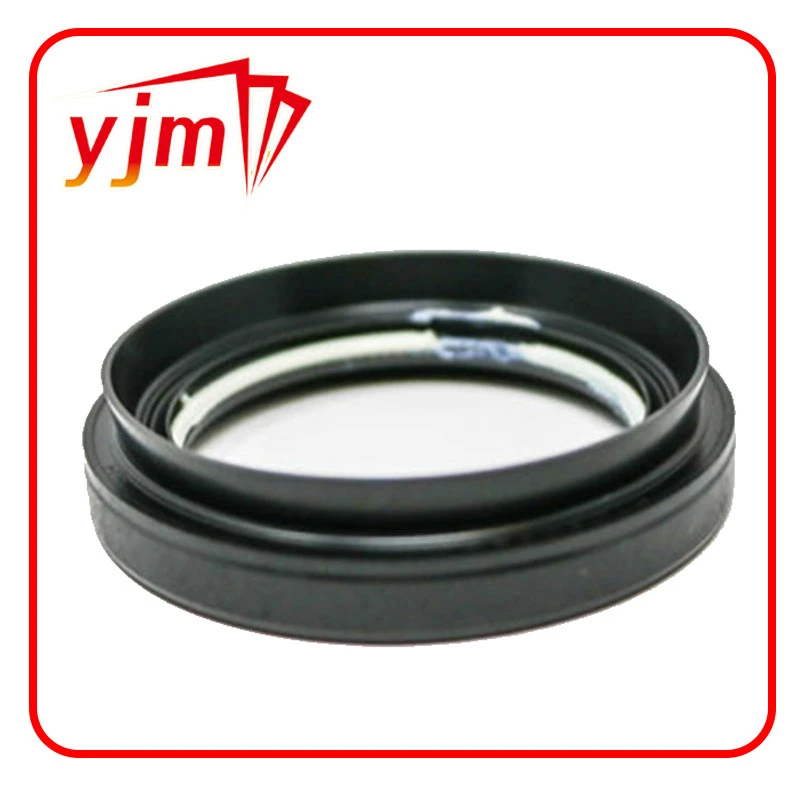
Type T Oil Seal, Front Drive Shaft, Left 9031150064
-
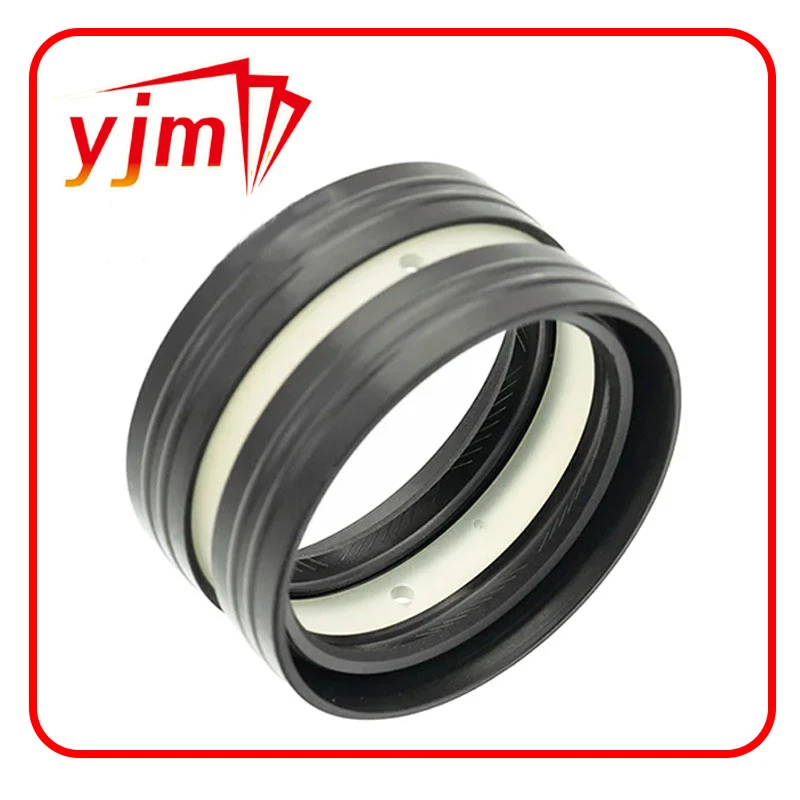
Seal, type d oil 9031634001 TOYOTA
 Afrikaans
 Albanian
 Amharic
 Arabic
 Armenian
 Azerbaijani
 Basque
 Belarusian
 Bengali
 Bosnian
 Bulgarian
 Catalan
 Cebuano
 Corsican
 Croatian
 Czech
Czech
 Danish
 Dutch
Dutch
 Esperanto
 Estonian
 Finnish
 French
 Frisian
 Galician
 Georgian
 German
 Greek
Greek
 Gujarati
 Haitian Creole
 Hausa
Hausa
 Hawaiian
 Hebrew
 Hindi
Hindi
 Miao
Miao
 Hungarian
 Icelandic
 Igbo
Igbo
 Indonesian
 Irish
Irish
 Italian
 Japanese
 Javanese
 Kannada
 Kazakh
 Khmer
Khmer
 Rwandese
 Korean
 Kurdish
 Kyrgyz
 Lao
Lao
 Latin
Latin
 Latvian
 Lithuanian
 Luxembourgish
 Macedonian
 Malgashi
 Malay
Malay
 Malayalam
 Maltese
 Maori
Maori
 Marathi
 Mongolian
 Myanmar
 Nepali
 Norwegian
 Norwegian
 Occitan
 Pashto
 Persian
 Polish
 Portuguese
 Punjabi
 Romanian
 Russian
 Samoan
 Scottish Gaelic
 Serbian
 Sesotho
 Shona
Shona
 Sindhi
 Sinhala
 Slovak
 Slovenian
 Somali
 Spanish
 Sundanese
 Swahili
 Swedish
 Tagalog
 Tajik
Tajik
 Tamil
Tamil
 Tatar
Tatar
 Telugu
 Thai
Thai
 Turkish
 Turkmen
 Ukrainian
 Urdu
Urdu
 Uighur
 Uzbek
Uzbek
 Vietnamese
 Welsh
Welsh
 Bantu
Bantu
 Yiddish
 Yoruba
 Zulu
Zulu
 English