Rebuilt Front Differentials: Cost-Effective, Sustainable Drivetrain Solutions
Understanding Rebuilt Front Differentials: Why They Matter Globally
Rebuilt front differentials might sound like a niche automotive component, but their impact stretches far beyond just mechanics and repair shops. In a global context, ensuring vehicles—whether personal, commercial, or humanitarian—function efficiently involves reliable drivetrain components. The front differential is critical in many 4x4 vehicles, distributing power to wheels and adapting to terrain. Choosing rebuilt versions offers cost savings, sustainability, and keeps vehicles on the road longer, which is essential in remote or economically vulnerable regions. It’s this global interconnection of technology, economy, and environmental stewardship that makes understanding rebuilt front differentials worthwhile.
Global Relevance of Rebuilt Front Differentials: Industry in Motion
Globally, the automotive industry moves tons of goods and people every day, much of it reliant on 4WD or AWD vehicles equipped with front differentials. According to the International Organization of Motor Vehicle Manufacturers (OICA), over 70 million commercial vehicles are produced yearly worldwide, many of which utilize front differentials to navigate rough terrain or heavy loads (OICA statistics).
Yet, vehicles in developing or rugged areas often endure harsh conditions that prematurely wear drivetrains. Instead of replacing entire assemblies, rebuilt front differentials provide an efficient solution to extend vehicle life affordably. A key challenge tackled here is resource scarcity and the carbon footprint tied to manufacturing brand-new parts. The UN Environment Programme (UNEP) emphasizes sustainable industrial practices, reinforcing why refurbishment matters in the broader green movement (UNEP resources).
Defining Rebuilt Front Differentials: What’s Under the Hood?
Simply put, a rebuilt front differential is a previously used front differential unit that has been disassembled, inspected, cleaned, repaired or replaced with new internal components, and then reassembled to operate like new. This isn’t a patch job but a precision rebuild, often performed by specialists who balance cost efficiency with performance reliability.
These rebuilt units restore smooth torque distribution between the front wheels, essential for traction and safety, especially in industries ranging from agriculture and mining to humanitarian logistics where vehicle reliability can be a life-or-death matter.
Key Factors in Rebuilt Front Differentials
Durability
Durability is arguably the bedrock of any rebuild. Quality materials and rigorous testing ensure the differential endures torque stress and harsh environments. Many manufacturers use advanced heat treatments or reinforced alloys that weren’t widely used decades ago.
Cost Efficiency
Buying new front differentials can be costly—often thousands of dollars per unit. Rebuilt versions slash that figure by up to 50%, making maintenance budgets stretch without sacrificing safety.
Performance Consistency
A rebuilt unit should deliver nearly identical performance to a new one—wear limits are very strict, and components such as gears, bearings, and seals are carefully matched and tested.
Environmental Sustainability
Refurbishing rather than manufacturing new parts reduces raw materials consumption and greenhouse gas emissions. The circular economy benefits are clear. It’s a win-win for industries prioritizing sustainability goals.
Customization & Compatibility
Often, rebuilders adjust units to meet specific vehicle models or terrains, including upgrades like stronger gear ratios or improved seals, tailored to customer needs.
Mini takeaway: If you’re selecting rebuilt front differentials, be sure to balance durability with cost and environmental benefits for long-term value.
Real-World Applications: Where Do Rebuilt Front Differentials Shine?
Rebuilt front differentials appear everywhere from rural African mining trucks to military vehicles in northern Canada. In agriculture-heavy economies like Brazil or India, farmers rely on cost-effective drivetrain maintenance to avoid losing critical workdays when equipment breaks down.
In post-disaster relief operations—as after recent earthquakes or floods in Southeast Asia—4WD vehicles with restored differentials restore supply routes quickly, enabling aid to reach isolated communities.
Industrial zones remote from repair facilities but with tight budgets especially benefit. Rebuilt parts cut downtime drastically compared to ordering new assemblies with long lead times.
rebuilt front differentials are therefore not just a mechanical fix; they’re enablers of resilience in fragile supply chains.
Advantages & Long-Term Value of Rebuilt Front Differentials
- Financial Savings: Typically 30–50% less than new differentials.
- Sustainability: Reduces landfill waste and conserves finite resources.
- Improved Vehicle Lifespan: Extends operational service life by years without sacrificing performance.
- Social Impact: Supports communities and industries reliant on affordable transportation.
Emotionally, many operators feel reassured knowing their vehicles are equipped with trustworthy but economical parts—the trust factor isn’t trivial in hostile environments, where failure can mean isolation or danger.
Product Specification Table: Typical Rebuilt Front Differential
| Specification | Details |
|---|---|
| Compatibility | Fits 4x4 trucks, SUVs (specific models list on request) |
| Gear Ratio | Available from 3.91:1 up to 5.38:1 |
| Rebuilt Components | Bearings, seals, ring & pinion gears, carrier assemblies |
| Warranty | 12 months/20,000 miles typical |
| Materials | High-grade steel alloys, heat-treated gears |
Comparing Top Vendors of Rebuilt Front Differentials
| Vendor | Warranty | Customization | Environmental Policy | Global Reach |
|---|---|---|---|---|
| YJM Seal | 12 months | Yes, tailored gear ratios | ISO 14001 certified | Serves Asia, Americas, Europe |
| GlobalDiff Inc. | 18 months | Standard only | ESG reporting ongoing | Worldwide but limited Asia |
| AutoRenew Systems | 12 months | Yes, performance upgrades | Focus on waste reduction | Primarily North America |
Emerging Trends and Innovations in Front Differential Rebuilding
Looking ahead, the rebuilt front differential market is evolving quickly. Advances include:
- Lightweight alloys and composites: Engineers experiment with materials that reduce weight to improve fuel economy without sacrificing strength.
- Smart diagnostics: Embedded sensors could soon monitor differential health in real time, alerting to maintenance needs before failure.
- Eco-focused production: Greater emphasis on remanufacturing using green energy and closed-loop recycling.
- Digital customization: Customers can specify gear ratios, materials, and tolerances online, speeding up bespoke orders.
Such trends dovetail with electrification and autonomous vehicle tech, making drivetrain components like front differentials smarter and more efficient.
Challenges & Practical Solutions
Despite many advantages, rebuilt front differentials face hurdles:
- Quality Variance: Not all rebuilt units meet consistent standards. Choosing certified rebuilders is critical.
- Supply Chain Delays: Core parts availability can slow rebuilds, especially during global disruptions.
- Customer Perception: Some buyers hesitate, seeing "rebuilt" as inferior instead of sustainable.
Solutions? Standardized testing protocols, transparent warranties, and increased education have all made a difference. Companies like YJM Seal have championed strict ISO standards, helping the market mature toward credibility and reliability.
FAQs About Rebuilt Front Differentials
- Q: How long can a rebuilt front differential last compared to a new one?
- A: High-quality rebuilt front differentials can offer equal lifespan to new units, typically 80,000 to 100,000 miles under normal use, assuming proper installation and maintenance.
- Q: Are rebuilt front differentials reliable for off-road or heavy-duty use?
- A: Yes. When rebuilt by experienced technicians using OEM-grade parts and tested thoroughly, they perform well even in heavy-duty or off-road conditions.
- Q: How does the cost of a rebuilt front differential compare to a new one?
- A: Generally, rebuilt front differentials cost 30-50% less than brand-new units, offering significant savings for fleet owners or individual operators.
- Q: Can I customize the gear ratio or other specs on a rebuilt front differential?
- A: Many rebuilders offer customization options to match specific vehicle needs or improve performance, though lead times and pricing may vary.
- Q: Where can I find trusted rebuilt front differentials?
- A: Established vendors like YJM Seal provide certified rebuilt differentials with warranties and global shipping options. Always check for certifications and customer reviews.
Conclusion: Why Choose Rebuilt Front Differentials?
In the big picture, rebuilt front differentials offer a smart, sustainable, and cost-efficient way to maintain vehicle reliability worldwide. They support industries where downtime isn’t just inconvenient but costly or dangerous. Whether you operate in remote fields, disaster zones, or urban logistics, carefully selected rebuilt front differentials deliver resilience with a lighter environmental footprint. Curious to see how they stack up in your specific use case? Visit our website: https://www.yjmseal.com and explore tailored solutions backed by solid warranties and expert advice.
References
-
Guide to Choosing the Right Washer for Oil Change and Sealing
News Apr.16,2026
-
Essential Guide to High Quality rubber washer oil drain plug
News Apr.09,2026
-
Understanding Rubber Crush Washers for Optimal Sealing Performance
News Apr.07,2026
-
Comprehensive Guide to Understanding and Reusing Crush Washer for Optimal Sealing
News Apr.04,2026
-
The Vital Role of a Drain Screw Gasket in Fluid System Integrity
News Mar.31,2026
-
The Essential Guide to Drain Crush Washer Selection and Plumbing Leak Prevention
News Mar.28,2026
-
The Vital Role of a Crush Washer in Oil Changes for Engine Protection
News Mar.26,2026
Products categories
-
Brass cutlass marine bearing
-
Genuine OEM Engine Oil Filter Housing Cover O-Ring For VW/Audi 06E115446
-
Oil Filter Stand Gasket,Oil filter cover seal
-
Oil Cooler Gasket, Oil Cooler to Oil Filter Housing 11427525335
-
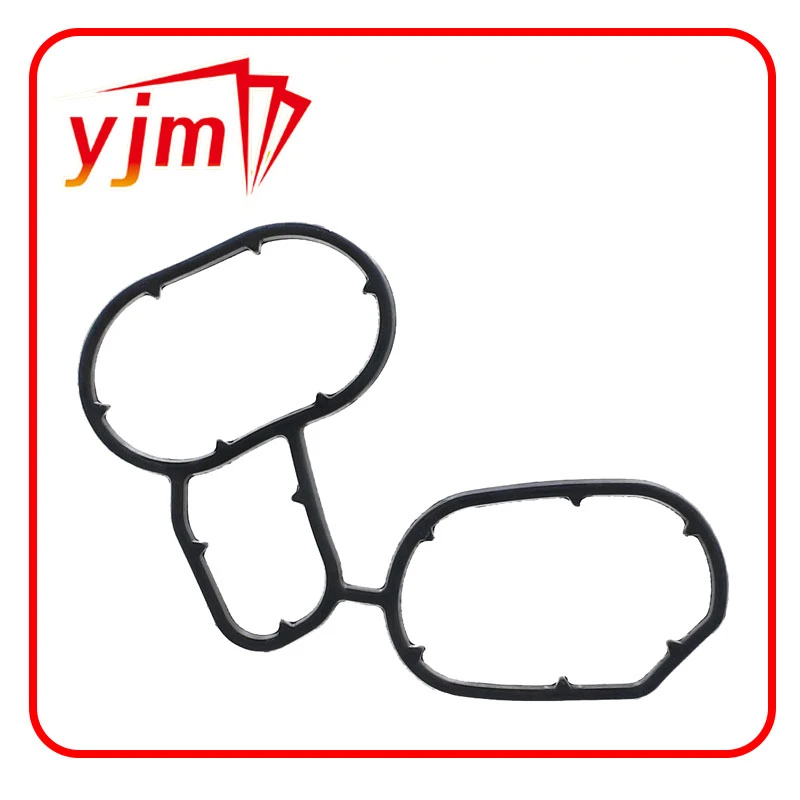
11427508970 BMW - OIL FILTER HOUSING GASKETS
-
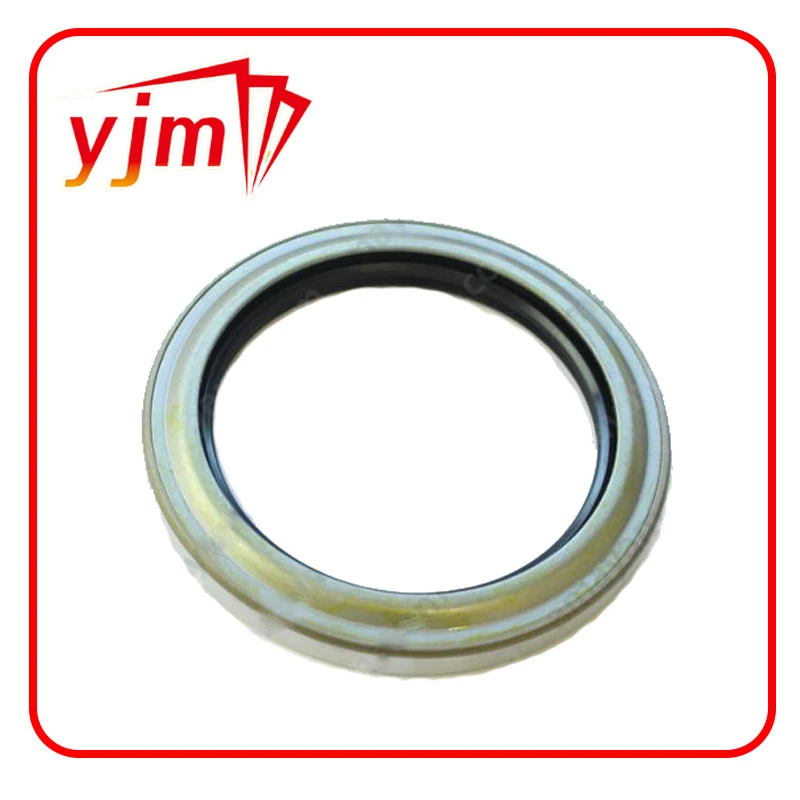
SEAL, OIL Genuine Toyota (9031170011)
-
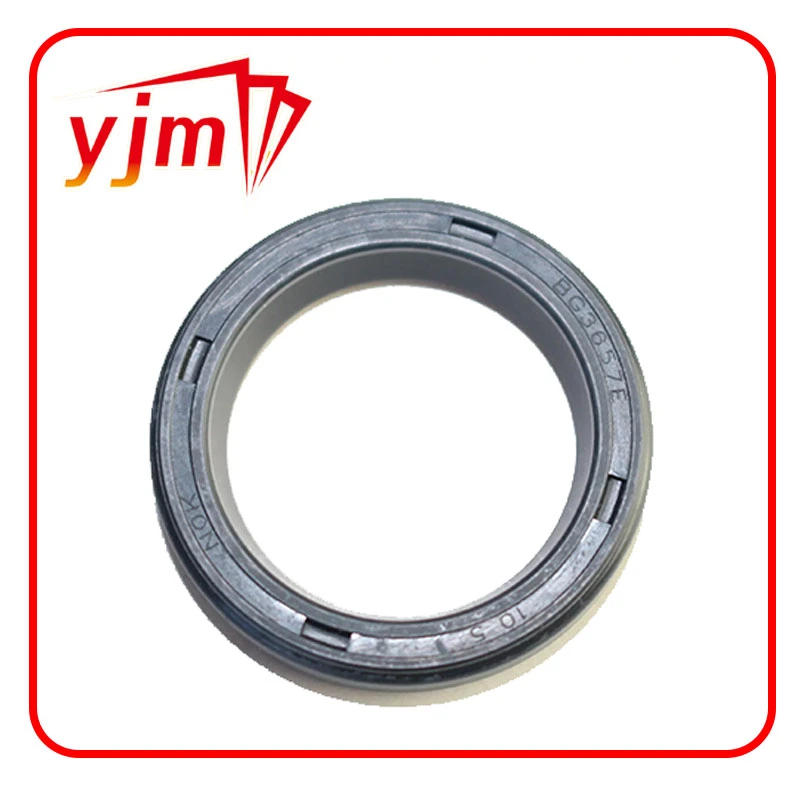
Transfer Case Output Shaft Seal Part 9031223001
-
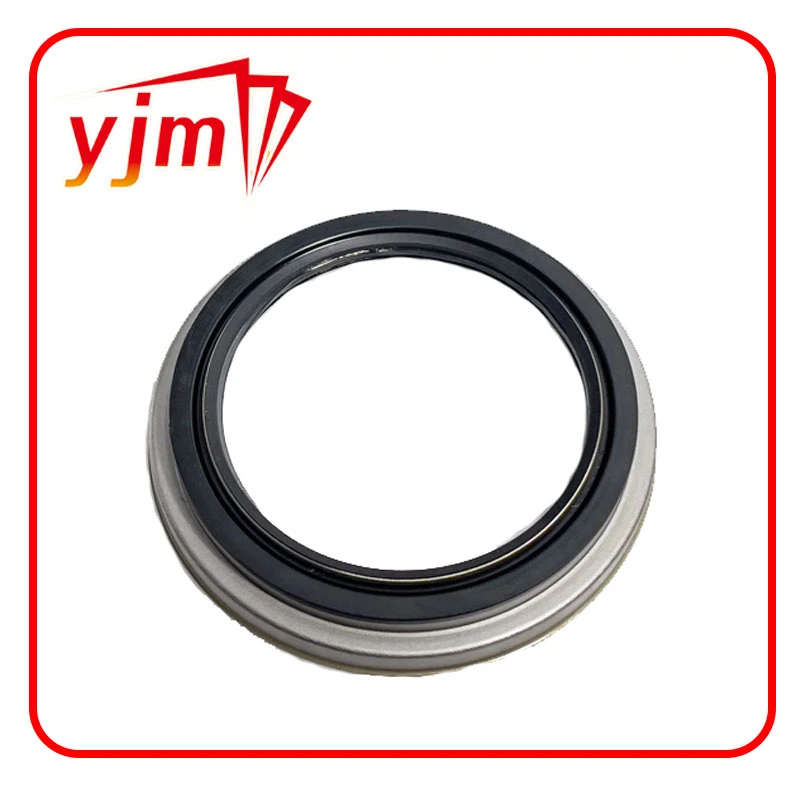
SEAL, OIL Genuine Toyota (9031672001)
-
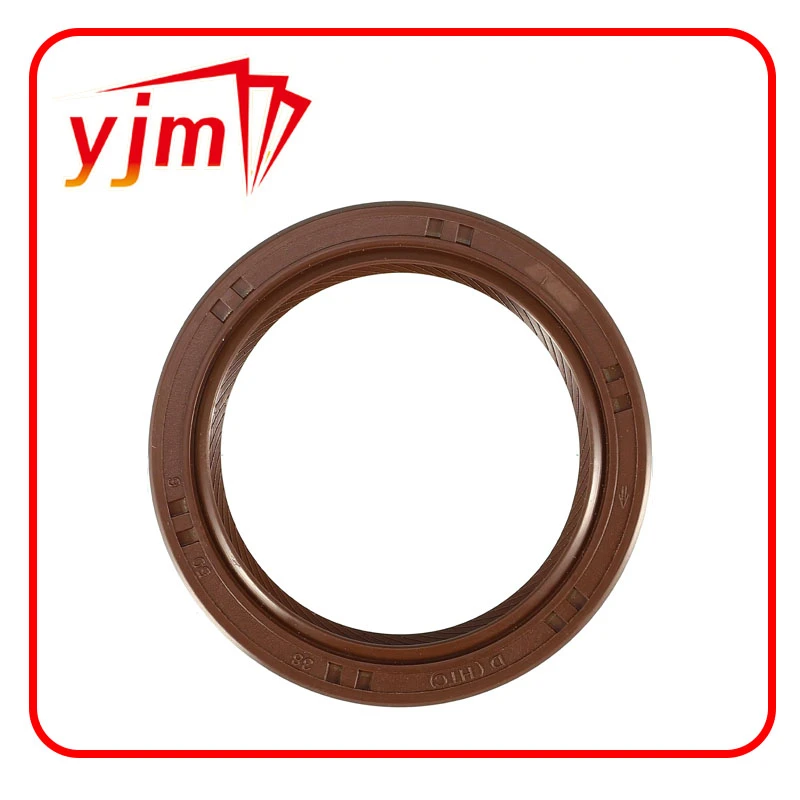
Engine Crankshaft Oil Seal No.9031138096
-
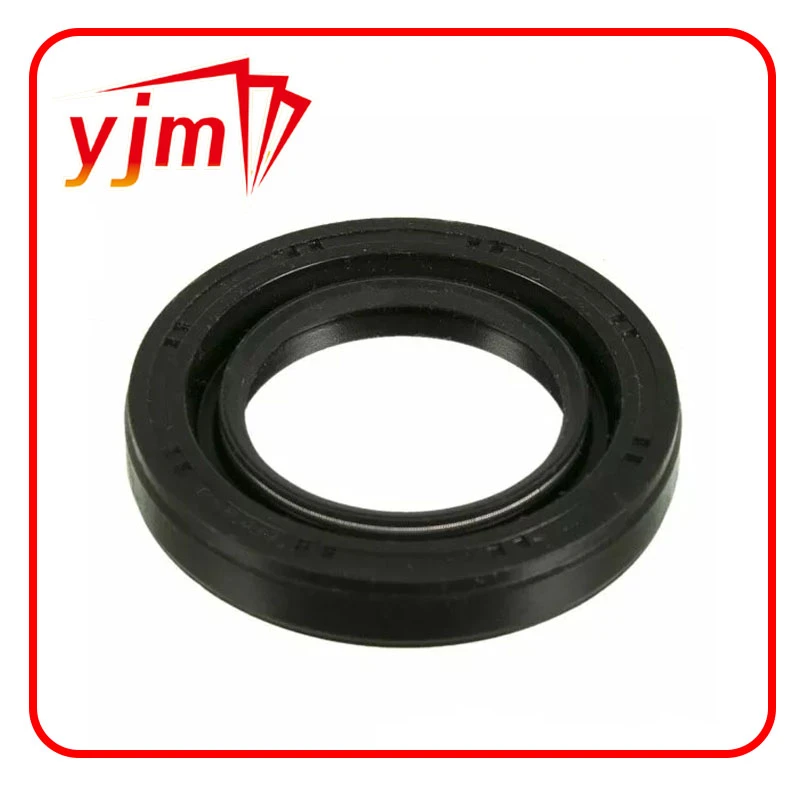
Toyota Transfer Case Output Shaft Seal Front 9031136006
-
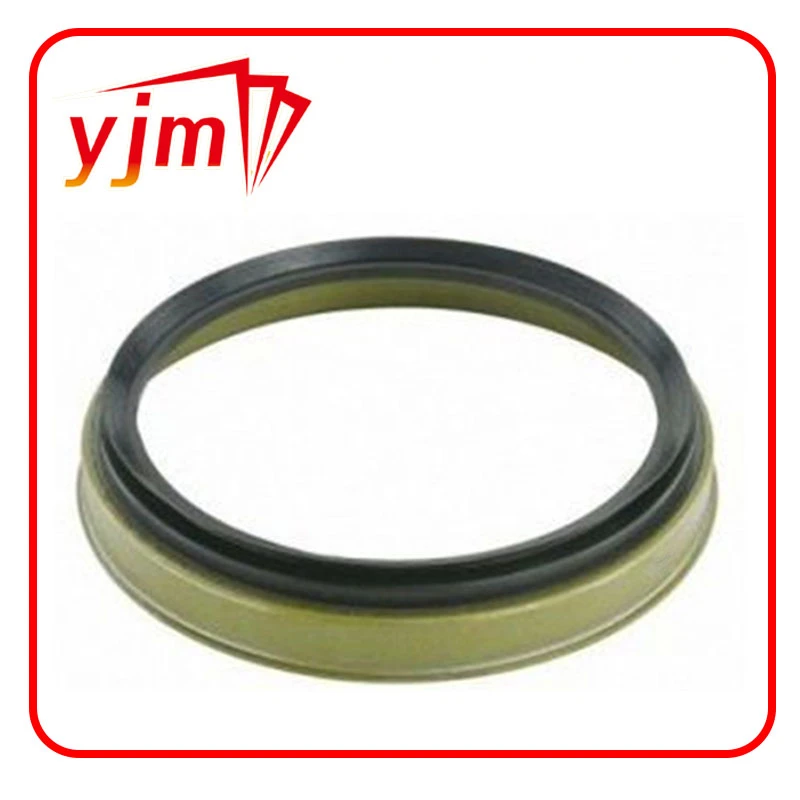
Seal, type v oil 9031287001 TOYOTA
-
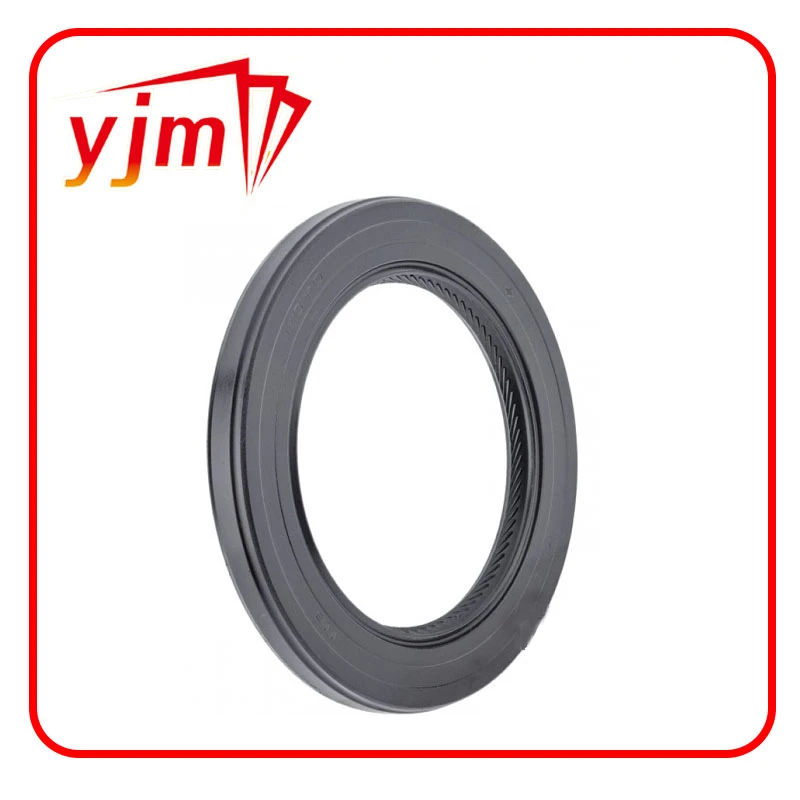
Oil pump seal 9031143010
-
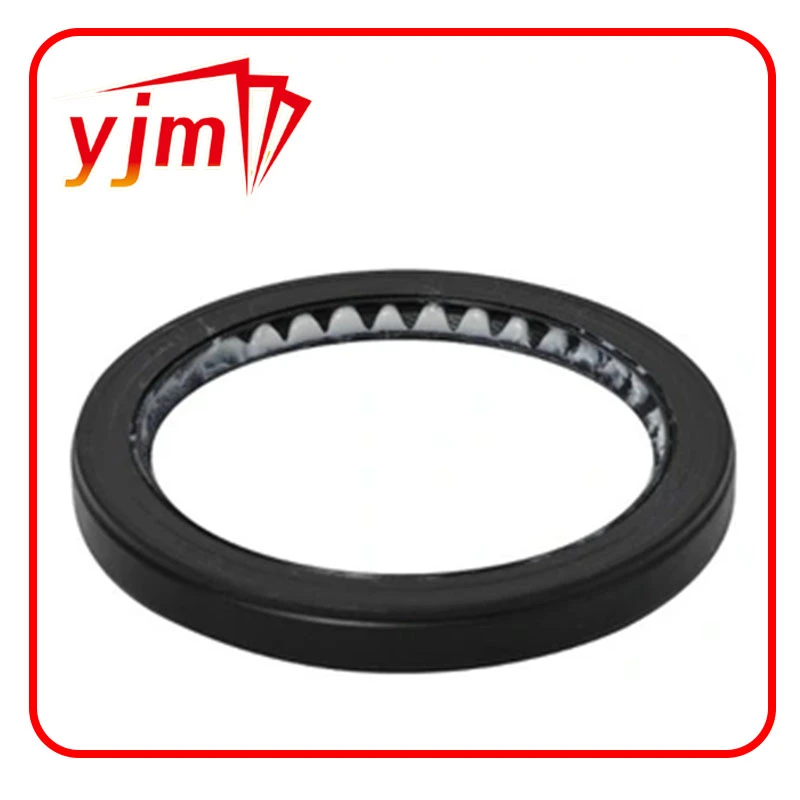
Genuine Toyota Oil SEAL 90311-54006
-
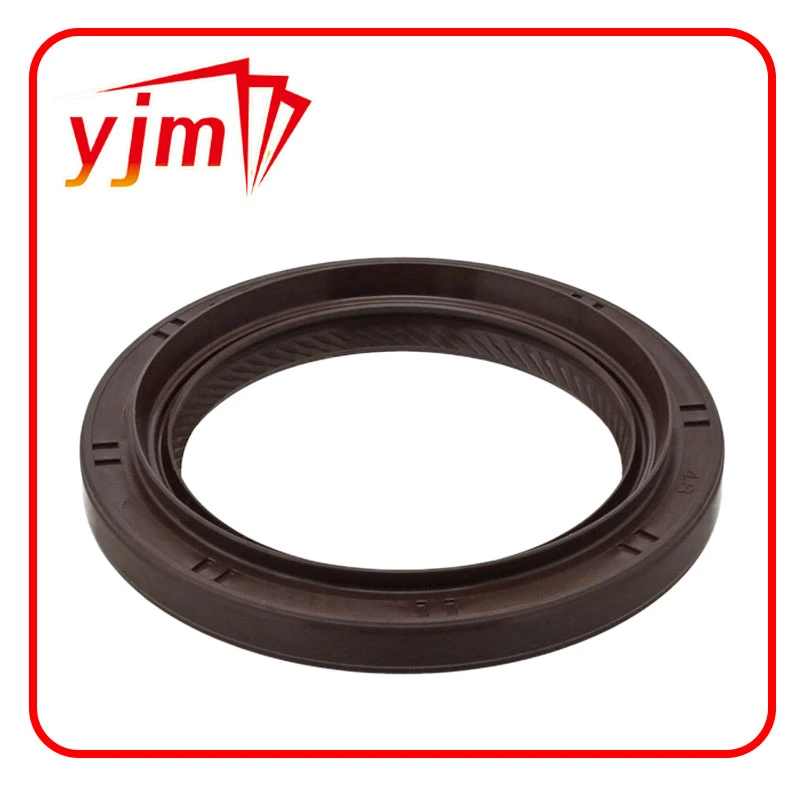
Toyota SEAL TYPE T OIL 90311-48031
-
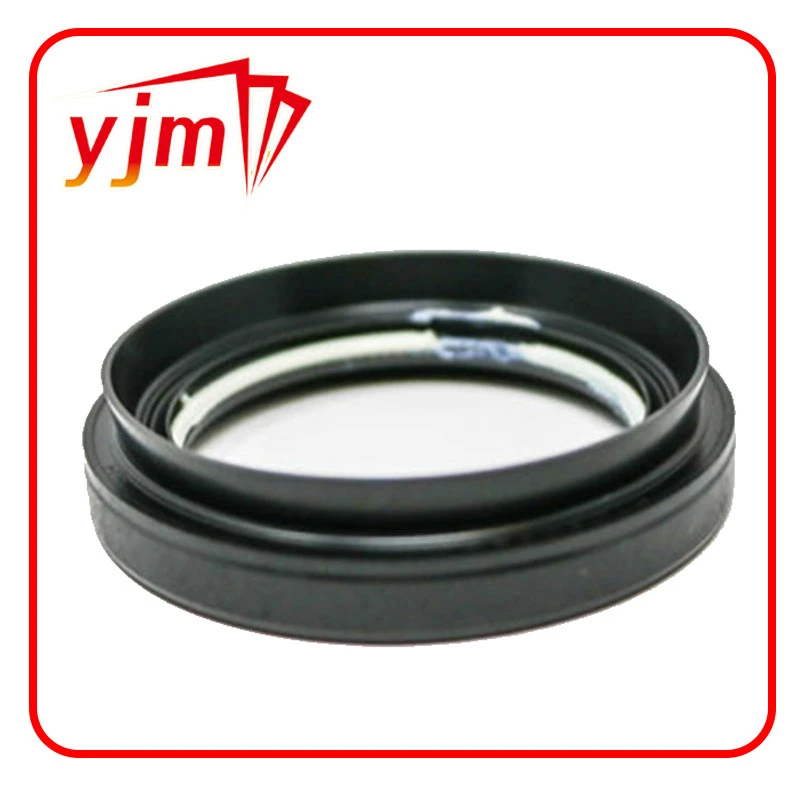
Type T Oil Seal, Front Drive Shaft, Left 9031150064
-
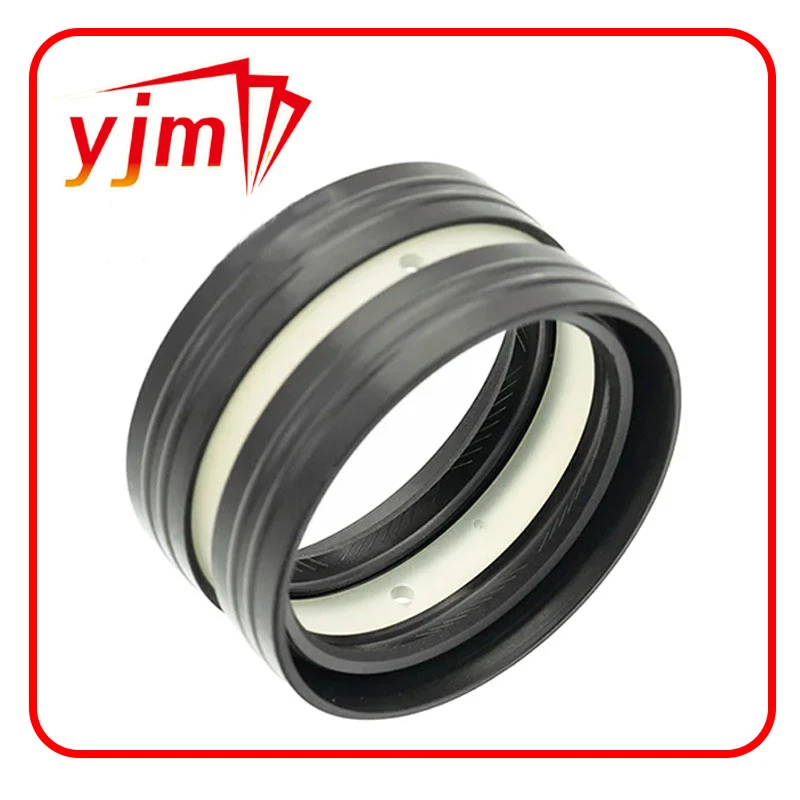
Seal, type d oil 9031634001 TOYOTA
 Afrikaans
 Albanian
 Amharic
 Arabic
 Armenian
 Azerbaijani
 Basque
 Belarusian
 Bengali
 Bosnian
 Bulgarian
 Catalan
 Cebuano
 Corsican
 Croatian
 Czech
Czech
 Danish
 Dutch
Dutch
 Esperanto
 Estonian
 Finnish
 French
 Frisian
 Galician
 Georgian
 German
 Greek
Greek
 Gujarati
 Haitian Creole
 Hausa
Hausa
 Hawaiian
 Hebrew
 Hindi
Hindi
 Miao
Miao
 Hungarian
 Icelandic
 Igbo
Igbo
 Indonesian
 Irish
Irish
 Italian
 Japanese
 Javanese
 Kannada
 Kazakh
 Khmer
Khmer
 Rwandese
 Korean
 Kurdish
 Kyrgyz
 Lao
Lao
 Latin
Latin
 Latvian
 Lithuanian
 Luxembourgish
 Macedonian
 Malgashi
 Malay
Malay
 Malayalam
 Maltese
 Maori
Maori
 Marathi
 Mongolian
 Myanmar
 Nepali
 Norwegian
 Norwegian
 Occitan
 Pashto
 Persian
 Polish
 Portuguese
 Punjabi
 Romanian
 Russian
 Samoan
 Scottish Gaelic
 Serbian
 Sesotho
 Shona
Shona
 Sindhi
 Sinhala
 Slovak
 Slovenian
 Somali
 Spanish
 Sundanese
 Swahili
 Swedish
 Tagalog
 Tajik
Tajik
 Tamil
Tamil
 Tatar
Tatar
 Telugu
 Thai
Thai
 Turkish
 Turkmen
 Ukrainian
 Urdu
Urdu
 Uighur
 Uzbek
Uzbek
 Vietnamese
 Welsh
Welsh
 Bantu
Bantu
 Yiddish
 Yoruba
 Zulu
Zulu
 English