Crankshaft Pulley Seal: Key Insights, Applications, and Future Trends
Understanding the Crankshaft Pulley Seal: A Small Component with Global Impact
When you think about the many parts of an engine, the crankshaft pulley seal might not be the first to jump to mind. Yet this humble component plays a crucial role in virtually every automotive and industrial engine worldwide. It helps maintain engine efficiency, prevents leaks, and ensures machinery longevity. In a global context where transportation and industrial reliability underpin economic growth and humanitarian efforts, understanding the crankshaft pulley seal’s function—its design, applications, and challenges—matters more than you might expect.
Mini takeaway: Although often overlooked, the crankshaft pulley seal is pivotal for engine health and plays a quiet but essential role in countless industries worldwide.
Global Relevance of the Crankshaft Pulley Seal
Globally, the automotive and heavy machinery sectors combined represent trillions of dollars and employ millions. According to the International Organization of Motor Vehicle Manufacturers (OICA), over 70 million cars were produced worldwide in 2023 alone. Each of these – alongside generators, marine engines, and industrial compressors – depends on seals like the crankshaft pulley seal to maintain smooth operation.
Seal failures can lead to oil leakage, costly repairs, increased emissions, and downtime — challenges that affect not only commercial viability but also environmental and safety standards. The International Organization for Standardization (ISO) highlights the importance of reliable sealing solutions in improving sustainability through longer engine lifespans and less waste.
Mini takeaway: Crankshaft pulley seals are tiny parts with oversized importance in global manufacturing and sustainability efforts.
What Is a Crankshaft Pulley Seal?
At its core, a crankshaft pulley seal (sometimes called a front main seal) is a protective ring typically made of rubber, silicone, or engineered elastomers. It fits around the crankshaft pulley area to prevent oil from leaking out of the engine block. It also helps keep dust, dirt, and contaminants from entering.
In practical terms, it’s like a gatekeeper ensuring that the engine’s lubricating oil stays in place, which keeps internal moving parts well-oiled and functioning properly. Foregoing this seal? Well, that invites rapid wear-and-tear, mechanical failure, or costly downtime — something nobody wants, especially in industrial or humanitarian logistics where dependability is paramount.
Mini takeaway: Simply put, this seal keeps your engine’s oil in and contaminants out.
Key Characteristics That Define Quality Crankshaft Pulley Seals
1. Durability
Seals must withstand heat, pressure, and oil exposure over thousands of operational hours. Materials like fluorocarbon elastomers excel here, resisting thermal breakdown and swelling caused by oil.
2. Precision Fit
The seal’s inner diameter must hug the crankshaft pulley snugly to prevent leaks but still allow free movement. Modern manufacturing uses CNC machining to achieve this tight tolerance.
3. Resistance to Contaminants
Engines operate in dirty environments. The seal prevents dust and debris from invading sensitive parts, helping extend engine life.
4. Cost Efficiency
While high-grade seals cost more upfront, they reduce maintenance costs and downtime, ultimately saving money in operational settings.
5. Customization Potential
Different engines call for different seals — size, shape, material, and lip design can be customized to specific needs, especially in specialized machinery.
Mini takeaway: A good crankshaft pulley seal isn’t just rubber; it’s a precisely engineered component balancing performance and cost.
Product Specification: Typical Crankshaft Pulley Seal Features
| Feature | Description |
|---|---|
| Material | Fluoroelastomer (FKM), Nitrile (NBR), Silicone |
| Temperature Range | -40°C to +200°C (varies by material) |
| Diameter Range | 30 mm up to 120 mm+ |
| Lip Design | Single lip or double lip for enhanced sealing |
| Pressure Rating | Up to 0.5 bar (typical engine oil pressure) |
Global Applications & Use Cases
The presence of crankshaft pulley seals spans continents and industries. In automotive manufacturing hubs like Germany, Japan, and the U.S., these seals keep millions of vehicles running smoothly. Industrial zones in China and India manufacture heavy machinery that heavily relies on robust sealing technology to maintain uptime and worker safety.
In humanitarian operations, such as in post-disaster zones, portable generators equipped with reliable sealing components like the crankshaft pulley seal keep relief camps powered. Oddly enough, in remote oil fields or mining operations in Africa and South America, where machinery often runs non-stop under harsh environments, these seals help prevent breakdowns that could halt entire operations.
Mini takeaway: From everyday cars to emergency equipment in far-flung areas, the crankshaft pulley seal quietly supports vital engines everywhere.
Top Vendors for Crankshaft Pulley Seals: A Comparison
| Vendor | Material Options | Price Range | Lead Time | Customization |
|---|---|---|---|---|
| YJM Seal | FKM, NBR, Silicone | $$ | 2-4 weeks | High |
| SKF | FKM | $$$ | 1-3 weeks | Medium |
| Freudenberg Group | FKM, Silicone | $$$ | 3-5 weeks | Medium |
Advantages and Long-Term Value of Quality Crankshaft Pulley Seals
Investing in a reliable crankshaft pulley seal offers obvious financial benefits: less oil leakage means fewer repairs, lower maintenance bills, and minimized downtime. But the value goes beyond the bank account. Well-sealed engines are more sustainable, reducing the risk of environmental contamination from oil leaks. For operators and drivers, it means improved safety as engine performance remains optimal and predictable.
It can also foster trust—engine manufacturers and fleet operators who put quality seals in their vehicles build reputations for dependability, which matters in competitive markets. Plus, from an emotional perspective, knowing your machinery is protected brings peace of mind. It’s the small things like this seal that ultimately keep innovation rolling smoothly forward.
Future Trends: Where Is the Crankshaft Pulley Seal Headed?
As engines evolve—facing higher temperatures, pressures, and demands for greener performance—the materials and manufacturing techniques for seals will change too. Development in advanced polymers and nano-coatings promises seals that last longer and resist wear better. Digital industry 4.0 is enabling precision diagnostics so that seal wear can be monitored in real time, allowing preemptive maintenance.
Electric vehicles (EVs) may not need crankshaft pulley seals in the traditional sense, but heavy machinery and hybrid engines still rely on these parts. I suppose the challenge is ensuring these components keep pace with sustainability and automation trends, serving cleaner, more efficient engines worldwide.
Common Challenges and Expert Tips
One of the biggest hurdles is material degradation over time due to heat and chemical exposure. This can cause hardening or cracking, must be detected early. Solutions include using seals with enhanced elastomers or heat-resistant coatings. Installation errors can also cause leaks; hence, training and quality tooling are crucial.
Also, seal compatibility with varying oil types and additives requires close collaboration between manufacturers and end users. If you want seals that last, thinking about the entire engine system is necessary — not just the seal itself.
FAQ: Frequently Asked Questions About Crankshaft Pulley Seal
- Q: How do I know when my crankshaft pulley seal needs replacing?
A: Common signs include visible oil leaks at the front of the engine, unusual engine noises, or frequent low oil levels. Regular maintenance inspections can spot wear before severe damage occurs. - Q: Can I install a crankshaft pulley seal myself?
A: While possible for experienced mechanics, installation requires precise tools and knowledge to avoid damaging the seal or crankshaft. For most users, professional service is recommended to ensure proper fit and avoid leaks. - Q: Are aftermarket seals as good as OEM ones?
A: Quality varies among aftermarket manufacturers. Choose seals that meet or exceed industry standards (like ISO/TS 16949). Vendors such as crankshaft pulley seal suppliers usually provide certified products. - Q: What materials work best for extreme temperature engines?
A: Fluoroelastomers (FKM) and Silicone seals withstand higher temperatures and chemical exposure better than nitrile seals, making them preferable in extreme conditions.
Conclusion: Why the Crankshaft Pulley Seal Matters Long-Term
In the end, the crankshaft pulley seal might seem like a minor engine player, but its role is vital for engine health, cost efficiency, and environmental safety worldwide. Whether in passenger cars, industrial plants, or emergency equipment, investing in quality seals pays dividends through longer engine life and fewer headaches. For trusted products, visit crankshaft pulley seal specialists at YJM Seal.
Oddly enough, thinking about this small component made me appreciate how interconnected global industry really is—sealing the crankshaft pulleys worldwide is, in its own way, a silent engine powering progress.
Mini takeaway: Quality seals equal stronger engines and a cleaner planet—sometimes, it’s the smallest details that matter most.
References
-
Guide to Choosing the Right Washer for Oil Change and Sealing
News Apr.16,2026
-
Essential Guide to High Quality rubber washer oil drain plug
News Apr.09,2026
-
Understanding Rubber Crush Washers for Optimal Sealing Performance
News Apr.07,2026
-
Comprehensive Guide to Understanding and Reusing Crush Washer for Optimal Sealing
News Apr.04,2026
-
The Vital Role of a Drain Screw Gasket in Fluid System Integrity
News Mar.31,2026
-
The Essential Guide to Drain Crush Washer Selection and Plumbing Leak Prevention
News Mar.28,2026
-
The Vital Role of a Crush Washer in Oil Changes for Engine Protection
News Mar.26,2026
Products categories
-
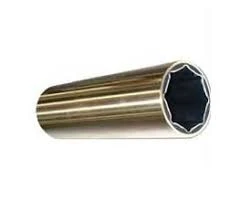
Brass cutlass marine bearing
-
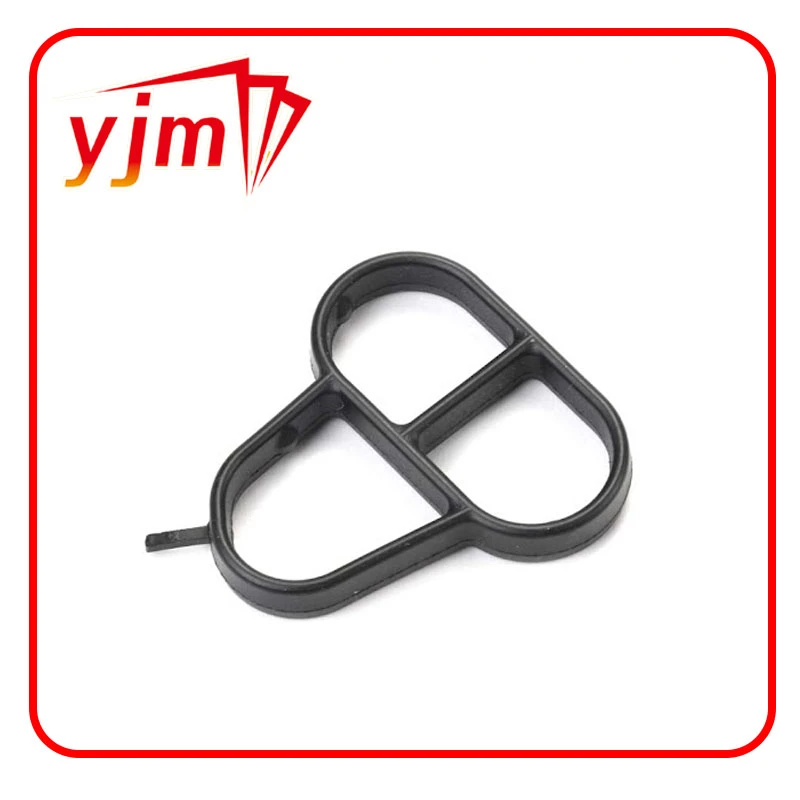
Genuine OEM Engine Oil Filter Housing Cover O-Ring For VW/Audi 06E115446
-
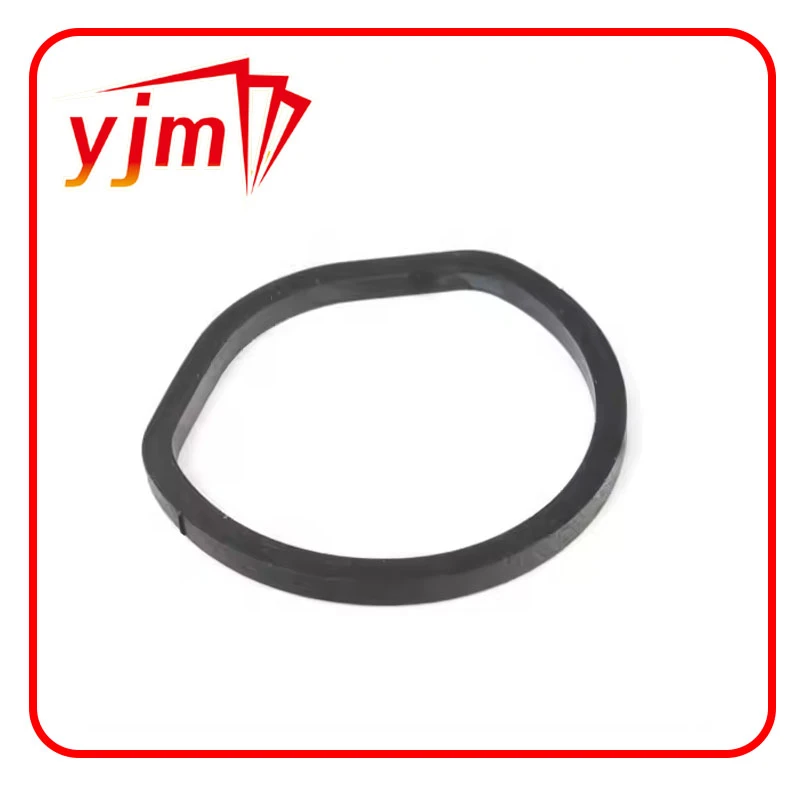
Oil Filter Stand Gasket,Oil filter cover seal
-
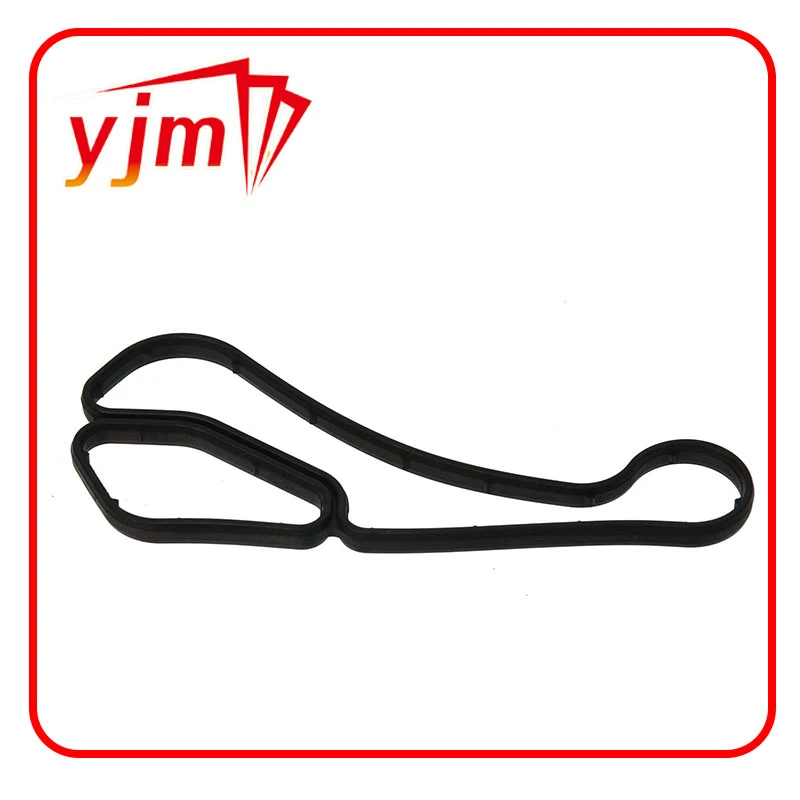
Oil Cooler Gasket, Oil Cooler to Oil Filter Housing 11427525335
-
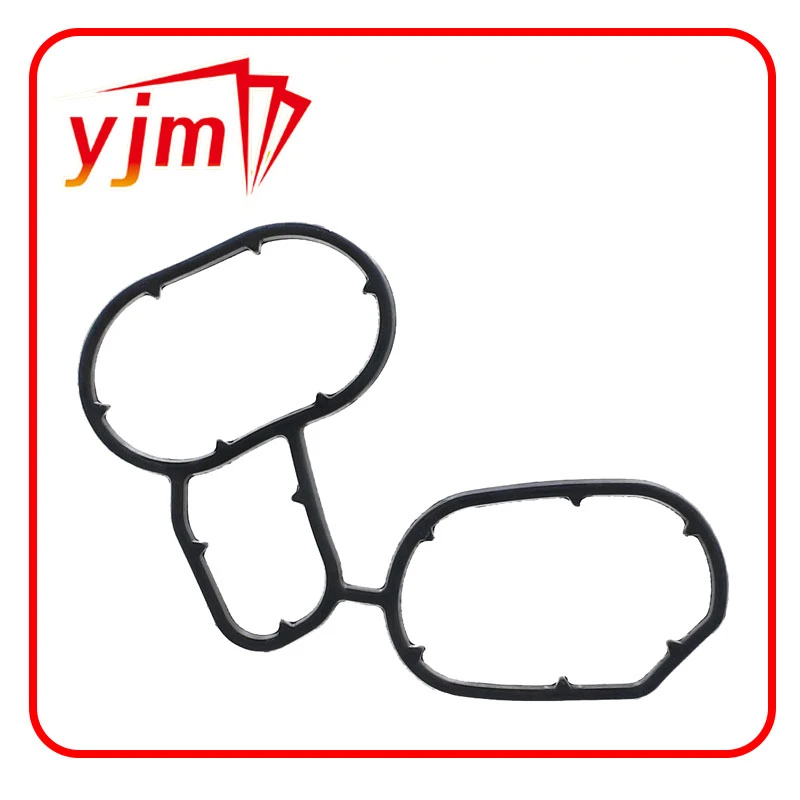
11427508970 BMW - OIL FILTER HOUSING GASKETS
-
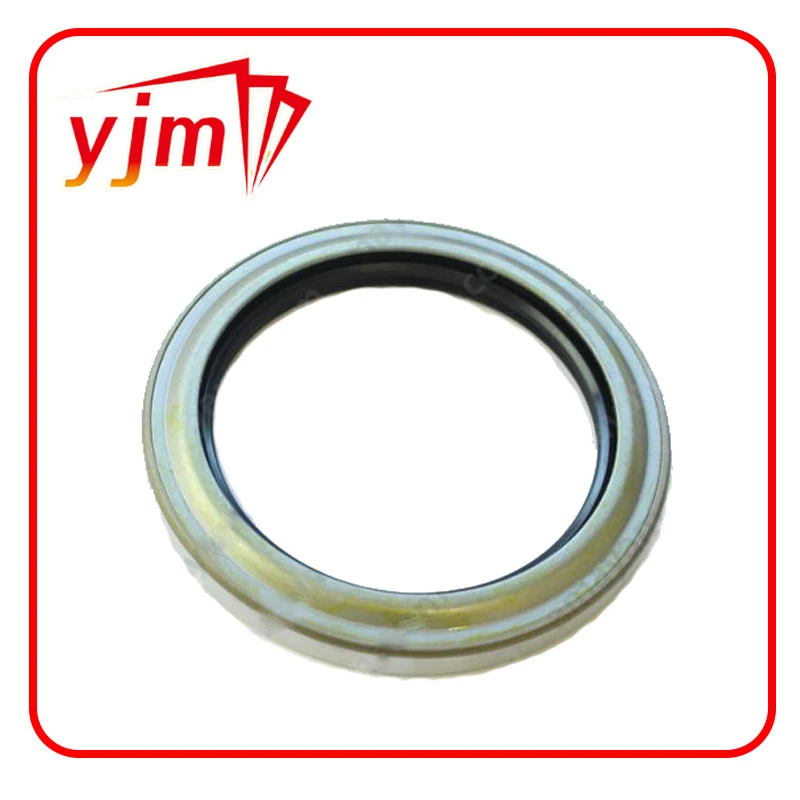
SEAL, OIL Genuine Toyota (9031170011)
-
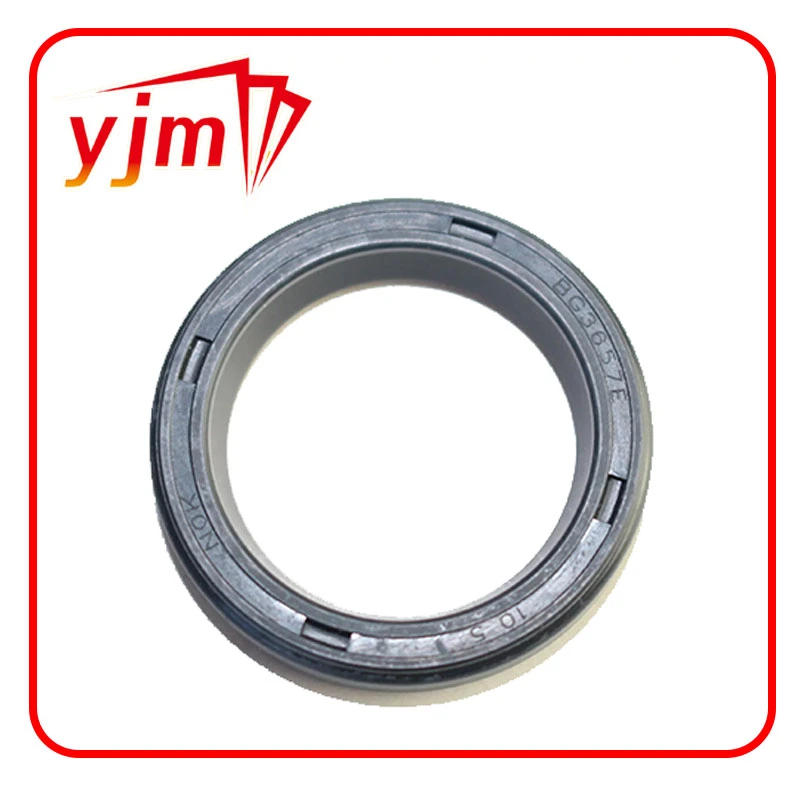
Transfer Case Output Shaft Seal Part 9031223001
-
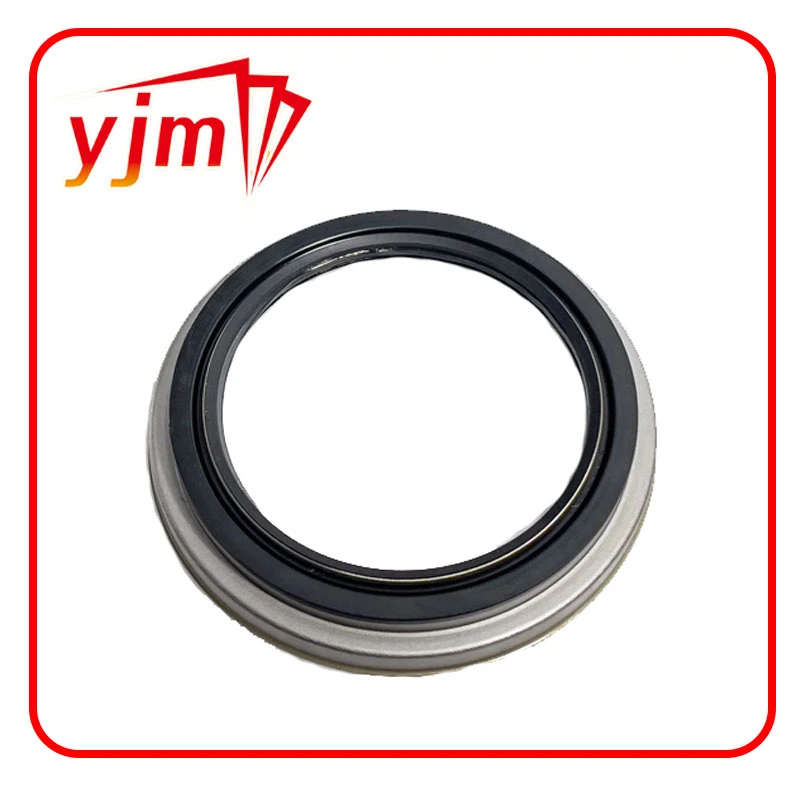
SEAL, OIL Genuine Toyota (9031672001)
-
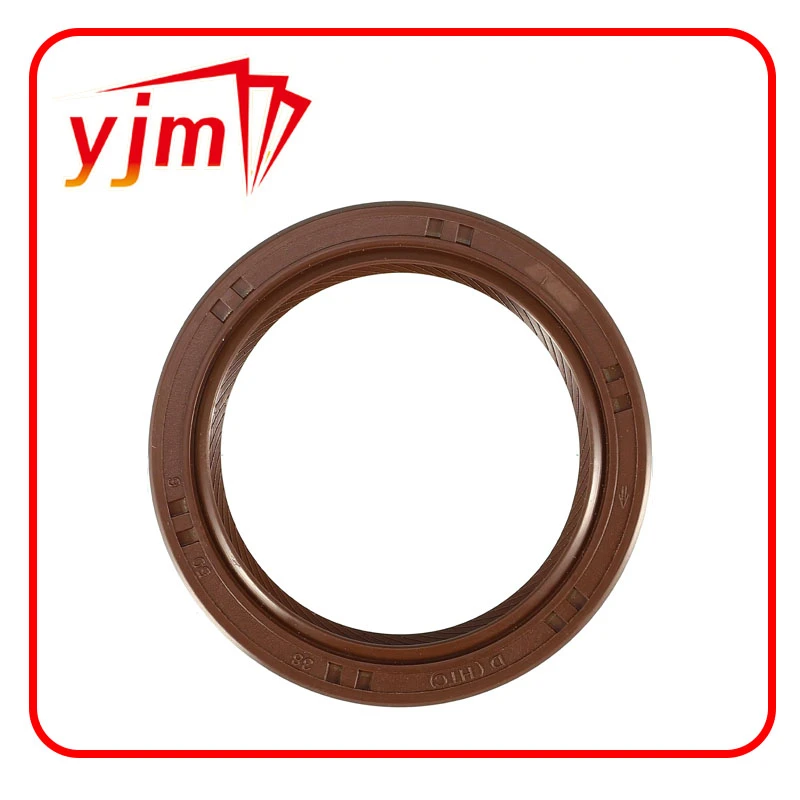
Engine Crankshaft Oil Seal No.9031138096
-
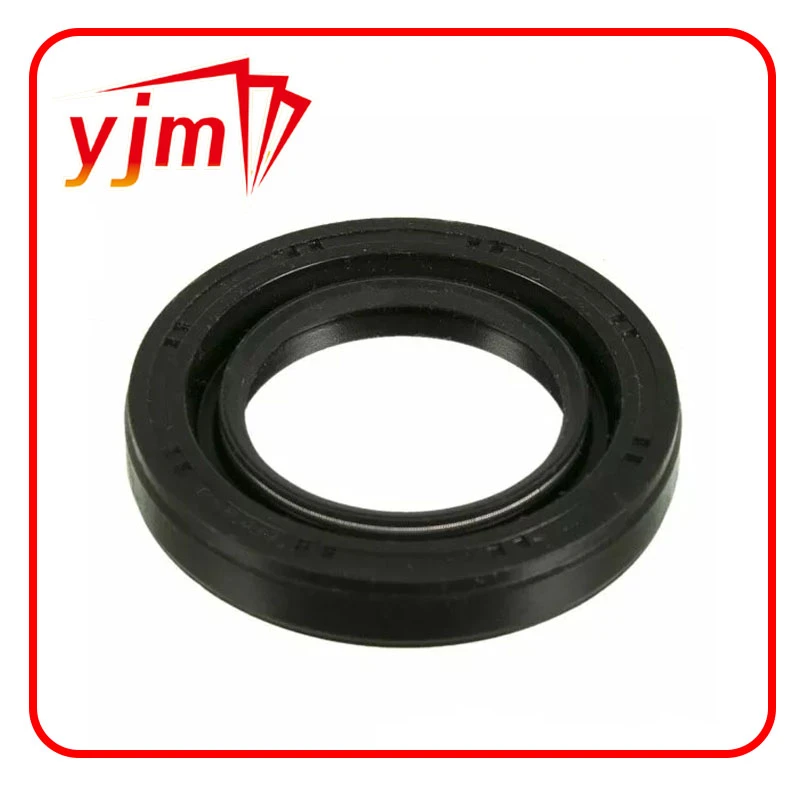
Toyota Transfer Case Output Shaft Seal Front 9031136006
-
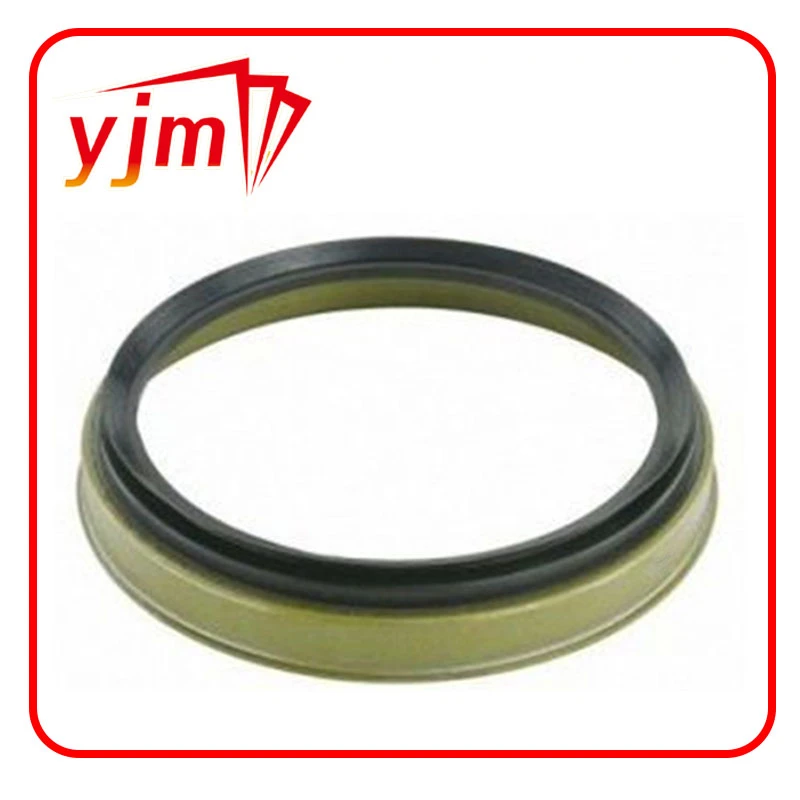
Seal, type v oil 9031287001 TOYOTA
-
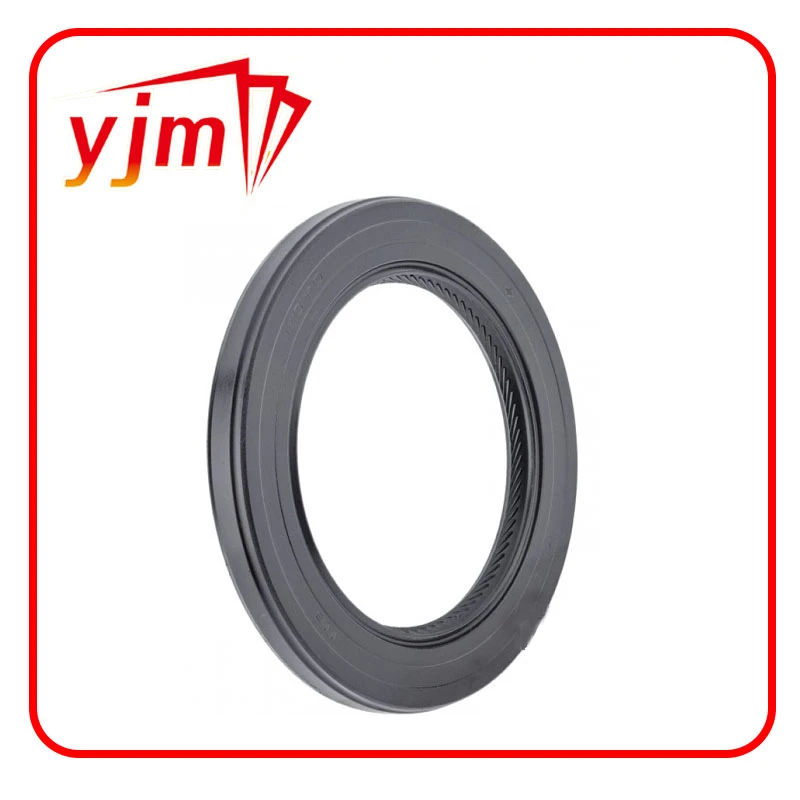
Oil pump seal 9031143010
-
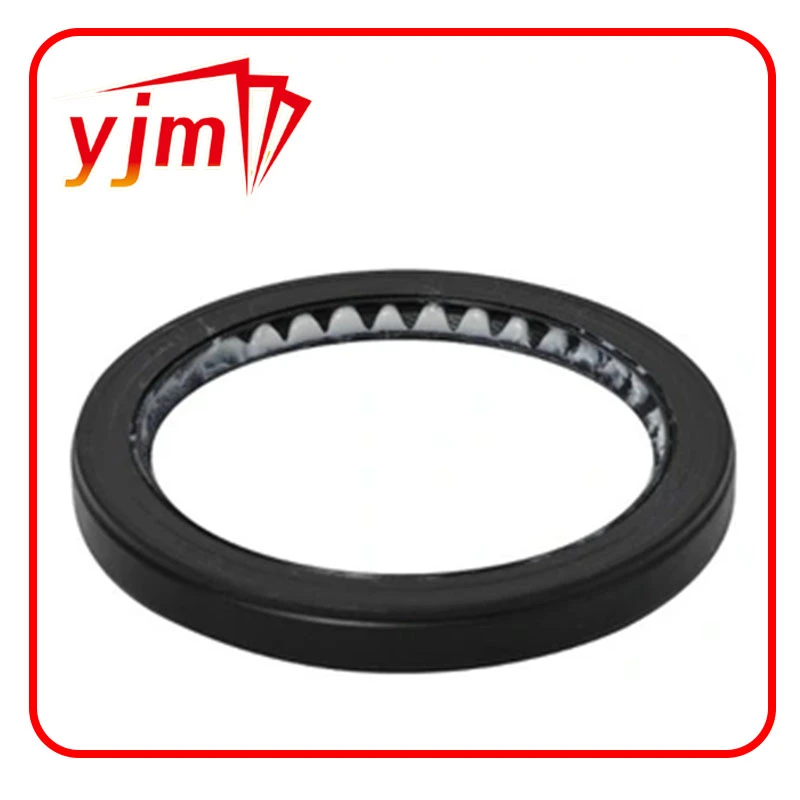
Genuine Toyota Oil SEAL 90311-54006
-
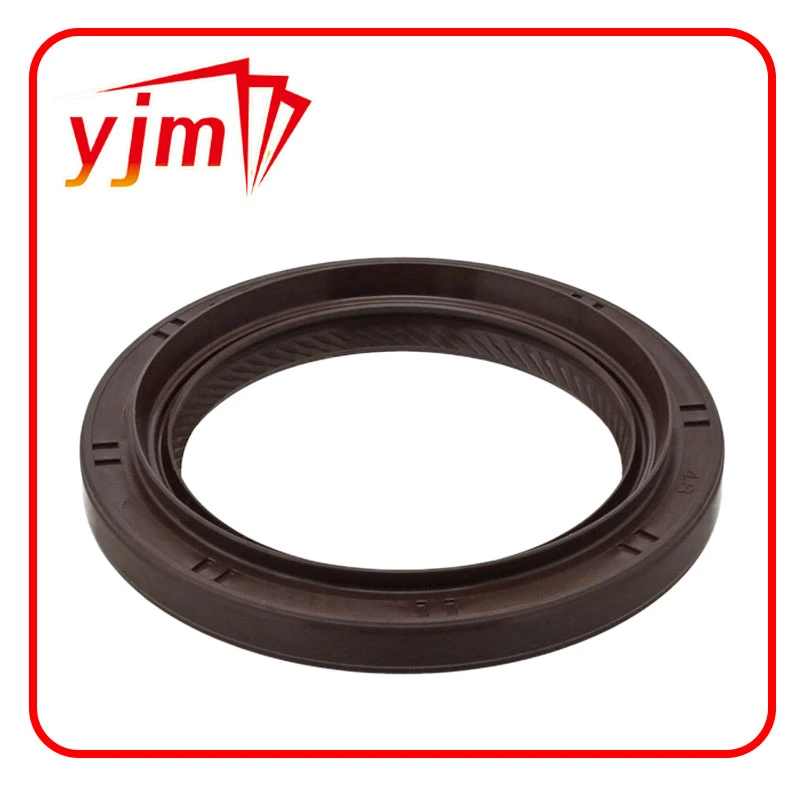
Toyota SEAL TYPE T OIL 90311-48031
-
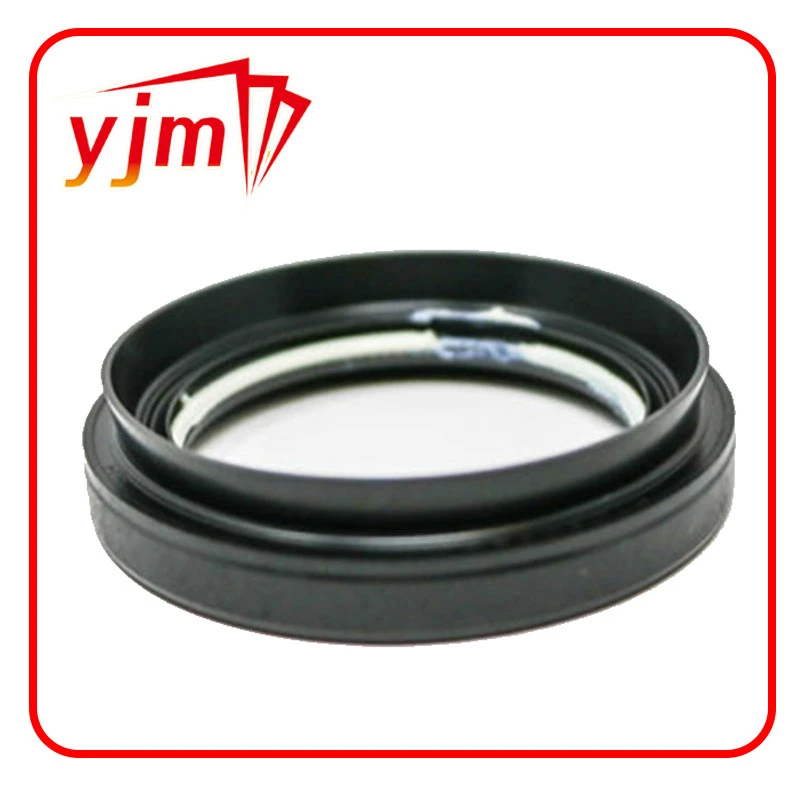
Type T Oil Seal, Front Drive Shaft, Left 9031150064
-
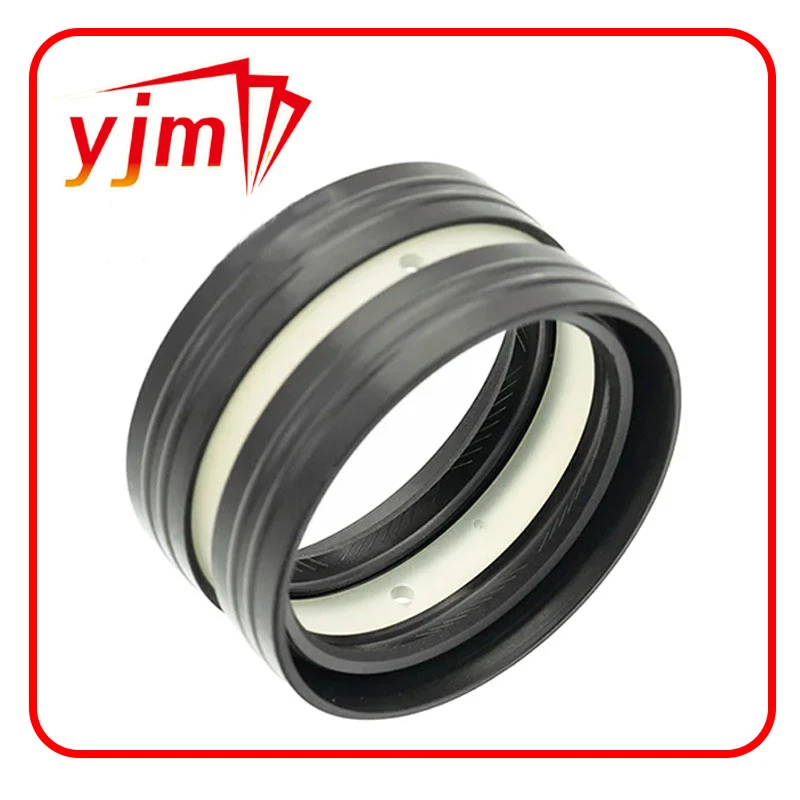
Seal, type d oil 9031634001 TOYOTA
 Afrikaans
 Albanian
 Amharic
 Arabic
 Armenian
 Azerbaijani
 Basque
 Belarusian
 Bengali
 Bosnian
 Bulgarian
 Catalan
 Cebuano
 Corsican
 Croatian
 Czech
Czech
 Danish
 Dutch
Dutch
 Esperanto
 Estonian
 Finnish
 French
 Frisian
 Galician
 Georgian
 German
 Greek
Greek
 Gujarati
 Haitian Creole
 Hausa
Hausa
 Hawaiian
 Hebrew
 Hindi
Hindi
 Miao
Miao
 Hungarian
 Icelandic
 Igbo
Igbo
 Indonesian
 Irish
Irish
 Italian
 Japanese
 Javanese
 Kannada
 Kazakh
 Khmer
Khmer
 Rwandese
 Korean
 Kurdish
 Kyrgyz
 Lao
Lao
 Latin
Latin
 Latvian
 Lithuanian
 Luxembourgish
 Macedonian
 Malgashi
 Malay
Malay
 Malayalam
 Maltese
 Maori
Maori
 Marathi
 Mongolian
 Myanmar
 Nepali
 Norwegian
 Norwegian
 Occitan
 Pashto
 Persian
 Polish
 Portuguese
 Punjabi
 Romanian
 Russian
 Samoan
 Scottish Gaelic
 Serbian
 Sesotho
 Shona
Shona
 Sindhi
 Sinhala
 Slovak
 Slovenian
 Somali
 Spanish
 Sundanese
 Swahili
 Swedish
 Tagalog
 Tajik
Tajik
 Tamil
Tamil
 Tatar
Tatar
 Telugu
 Thai
Thai
 Turkish
 Turkmen
 Ukrainian
 Urdu
Urdu
 Uighur
 Uzbek
Uzbek
 Vietnamese
 Welsh
Welsh
 Bantu
Bantu
 Yiddish
 Yoruba
 Zulu
Zulu
 English